Mom's Best Recipes
Recipe

Bulgogi Sauce

A sweet-savory Korean BBQ-style sauce you can use as a marinade, glaze, or quick stir-fry sauce.

Author By Matt Campbell
4.8
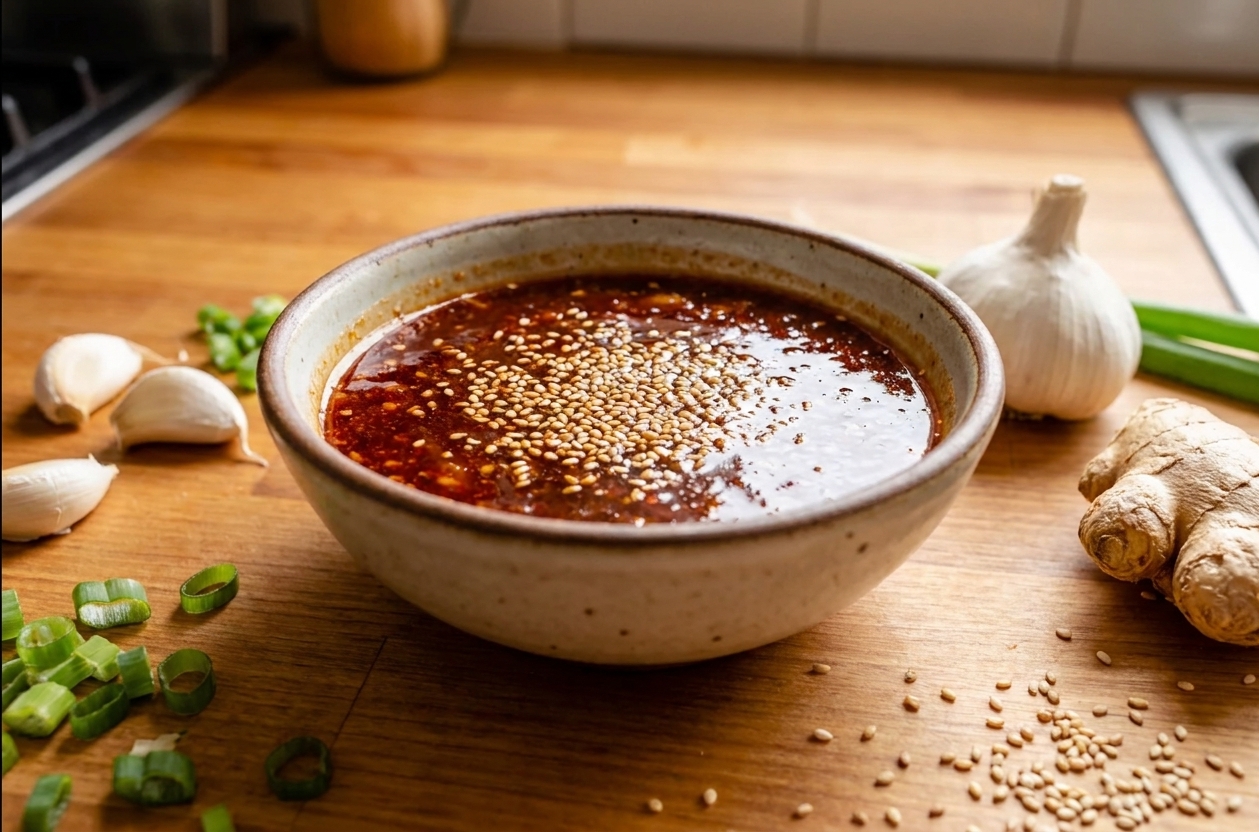
A small ceramic bowl filled with glossy bulgogi sauce topped with toasted sesame seeds on a warm-toned kitchen counter, with garlic, ginger, and scallions nearby

Bulgogi sauce is one of those magic, weeknight-saving sauces that makes plain protein taste like you actually had a plan. It is sweet, savory, garlicky, and just nutty enough from sesame to make you want to lick the spoon and then pretend you did not.

This version keeps ingredients accessible and instructions low drama. You can use it three ways: marinade for beef or chicken, glaze for quick caramelized edges, or stir-fry sauce when dinner needs to happen in a single pan with zero small talk.

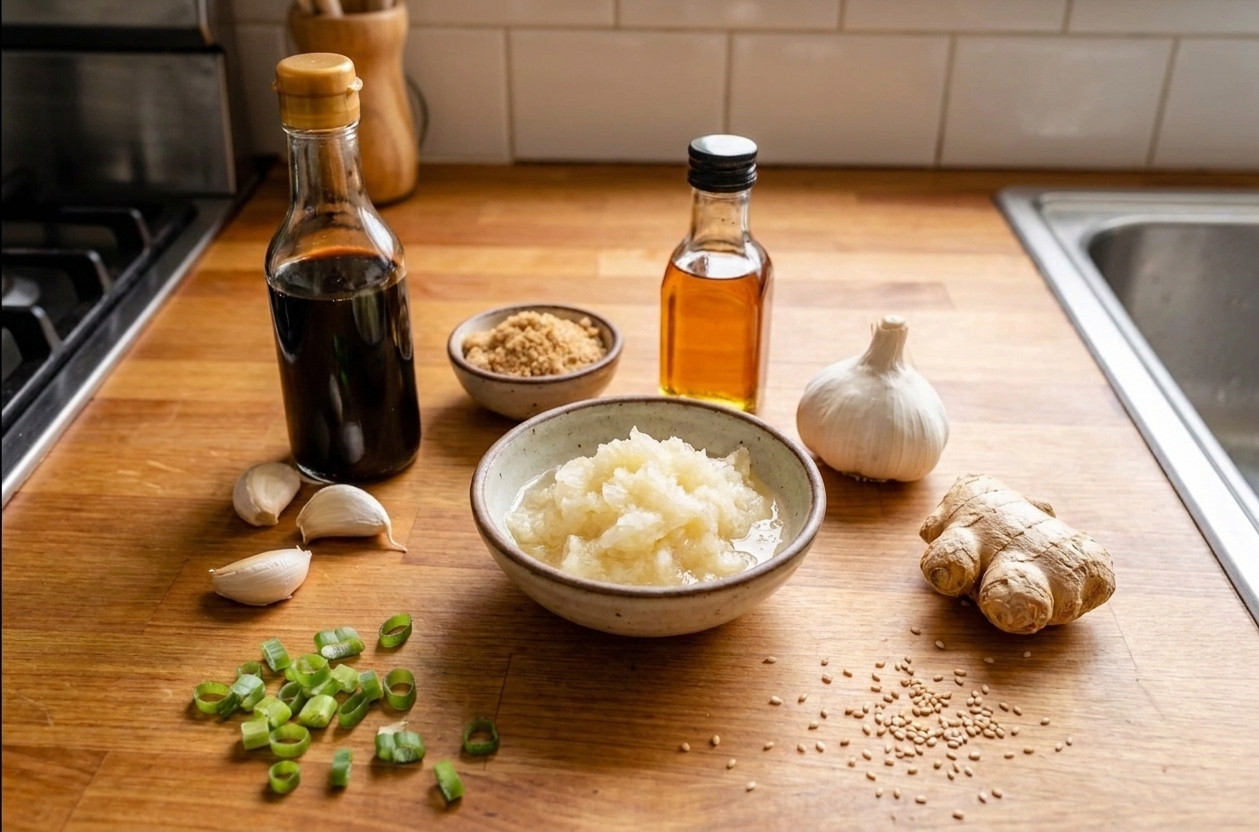
Soy sauce, brown sugar, sesame oil, grated pear, garlic, ginger, and sliced scallions arranged on a kitchen counter ready to make bulgogi sauce

Why It Works

  • Balanced flavor: Soy sauce brings savory depth, brown sugar brings that classic bulgogi sweetness, and sesame oil adds the toasted finish.
  • Pear does the heavy lifting: Grated pear adds gentle sweetness and helps tenderize meat. Just do not let it marinate forever if you want that classic bulgogi bounce.
  • Flexible thickness: Use it as-is for marinades, simmer a little to turn it into a sticky glaze, or go slurry-style for a glossy stir-fry finish.
  • Meal-prep friendly: Make a batch, keep it in the fridge, and suddenly chicken thighs and tofu are exciting again.

Pairs Well With

Storage Tips

Refrigerator: Store bulgogi sauce in a clean jar or airtight container for up to 5 to 7 days. Refrigerate promptly and use clean utensils so you are not accidentally seasoning it with mystery germs. Give it a shake or stir before using since the solids (pear pulp, garlic, ginger, sesame seeds, scallions) can settle and separate.

Freezer: Freeze in small portions (ice cube tray or small containers) for up to 3 months. Thaw overnight in the fridge.

If you already marinated meat: Keep the marinating meat refrigerated and cook within 24 hours for best texture, and within safe refrigerated holding times. Discard used marinade unless you bring it to a rolling boil and boil 3 to 5 minutes. Better yet, reserve some clean sauce for glazing before the raw meat gets involved.

Common Questions

Is bulgogi sauce the same as teriyaki?

They are cousins, not twins. Teriyaki leans heavily on soy sauce, sugar, and mirin or sake. Bulgogi sauce usually includes garlic, ginger, sesame oil, and often pear for sweetness and tenderness.

Do I have to use Asian pear?

No. Asian pear is classic, but ripe Bartlett pear works great. In a pinch, use unsweetened applesauce (about the same amount) for body and sweetness.

Can I make it without gochujang?

Yes. Traditional bulgogi is often not spicy. If you want heat, add gochujang or gochugaru. If you do not, skip it and you will still get the signature sweet-savory vibe.

How long should I marinate?

For thin-sliced beef, 30 minutes to 2 hours is plenty. Chicken can go 2 to 8 hours. If you marinate overnight, keep it on the shorter side for beef so the texture stays bouncy and not overly soft. (Pear is helpful, but it can still over-tenderize if you let it go too long.)

Can I use this for tofu or vegetables?

Absolutely. Toss tofu cubes in sauce for 20 to 30 minutes, then sear. For veggies, you can marinate briefly or just stir-fry and splash sauce at the end.

What if my sauce tastes too salty?

Add a bit more grated pear or a teaspoon of water, then re-taste. If you are using a very salty soy sauce, switching to low-sodium fixes it fast. If you only have regular soy sauce, start with a little less and add to taste.

The first time I made bulgogi sauce at home, it was because I had thin-sliced beef, zero dinner ideas, and the kind of confidence that only comes from being hungry. I grated a pear like I was mad at it, added way too much garlic, and suddenly my kitchen smelled like the food court at the good mall.

Now it is my go-to “save this protein” move. If a weeknight feels a little beige, bulgogi sauce fixes it. It brings color, edges, and that sweet-savory punch that makes everyone hover near the stove.