Mom's Best Recipes
Recipe

Easy Korean Bibimbap

A customizable Korean rice bowl with quick veggies, savory beef, a fried egg, and a bold gochujang sauce.

Author By Matt Campbell
4.8
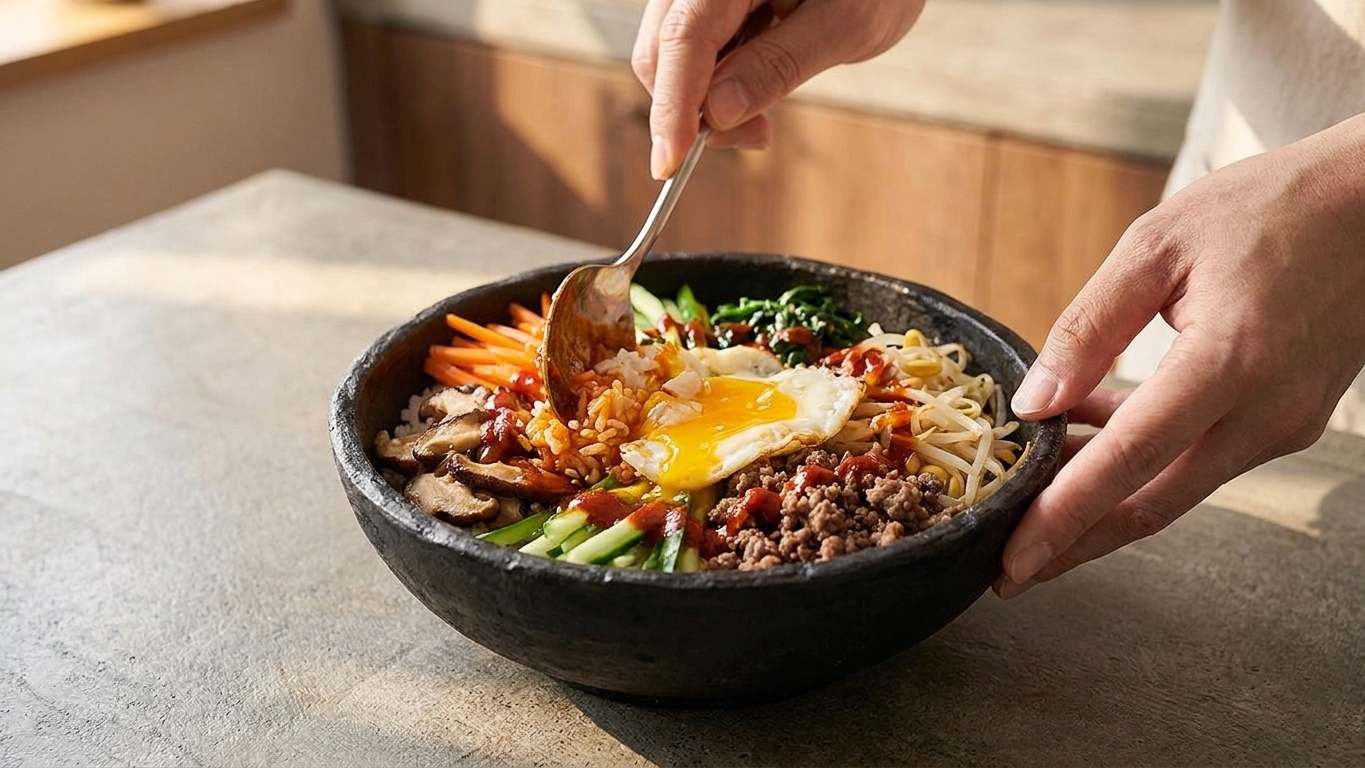
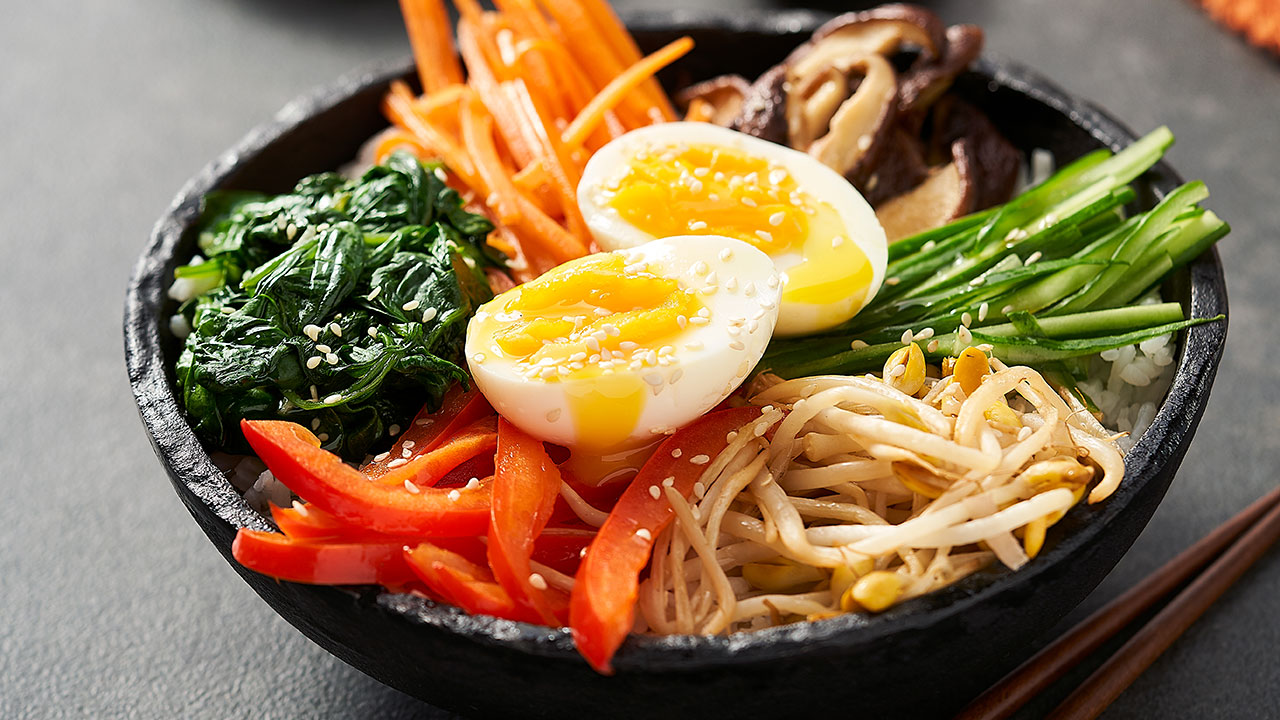
A plated Korean bibimbap bowl with white rice, sautéed spinach, carrots, zucchini, mushrooms, seasoned ground beef, a sunny-side-up egg, and a spoonful of gochujang sauce on a wooden table

Bibimbap is my favorite kind of dinner because it is both orderly and chaotic. Orderly because everything has its little lane in the bowl. Chaotic because the second you dig in, you mix it all up and suddenly you have spicy sauce, cozy rice, savory beef, and crisp-tender vegetables all arguing in the best way.

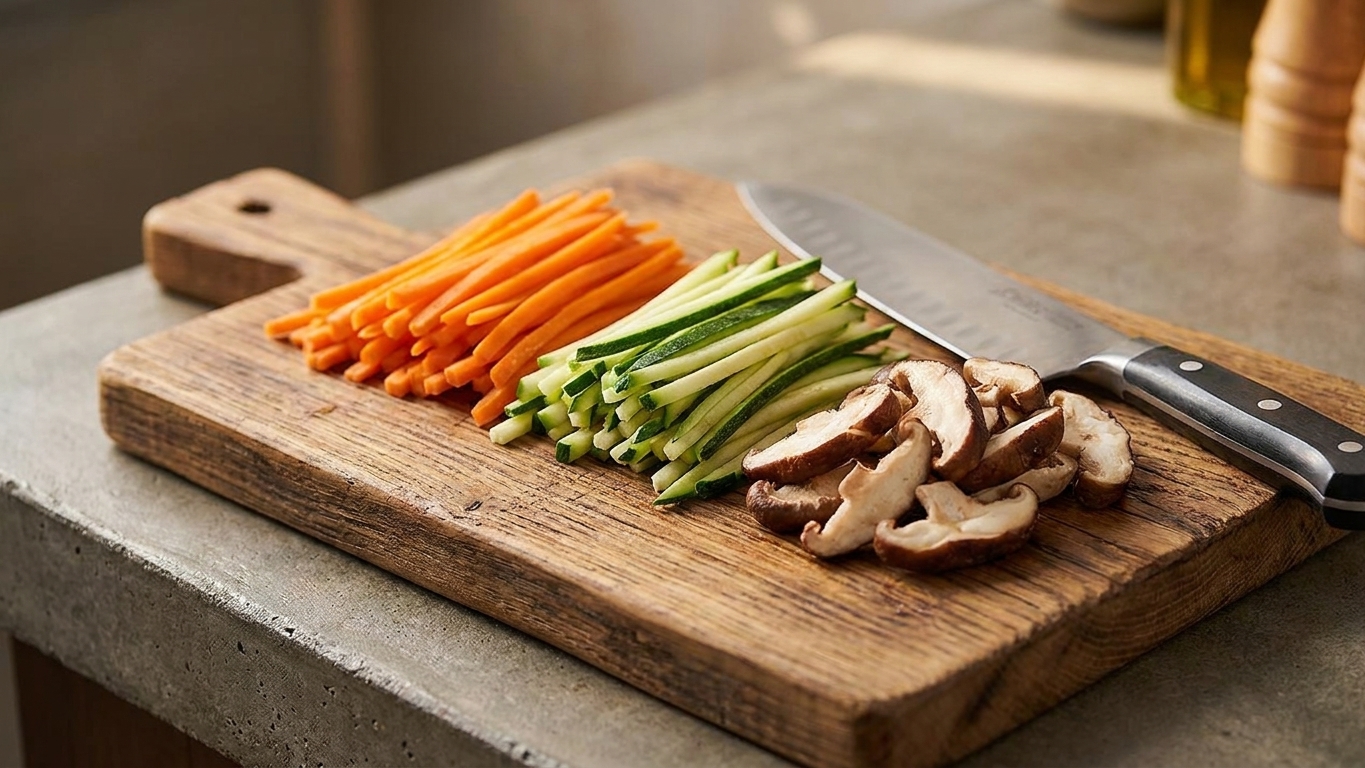
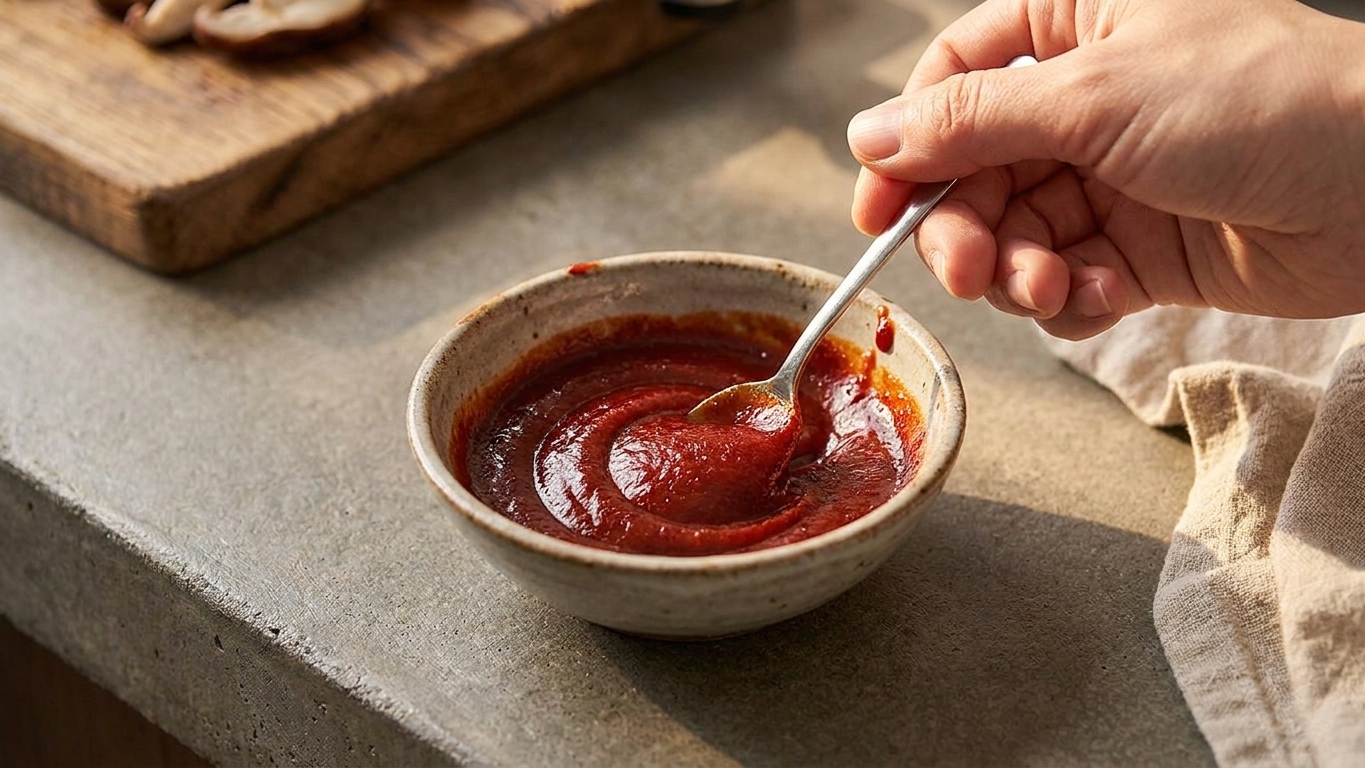
This version is built for real life. No hard-to-find ingredients, no three-hour veggie marathon. We do a quick lineup of vegetables, a fast beef topping, a punchy gochujang sauce, and the egg that ties the whole thing together. If you can stir-fry and fry an egg, you can make bibimbap that feels like a treat on a Tuesday.

Weeknight game plan: whisk the sauce while the rice warms, cook the beef while you slice the veggies, then run the veggie sprint. It is a lot of little steps, but none of them are hard.

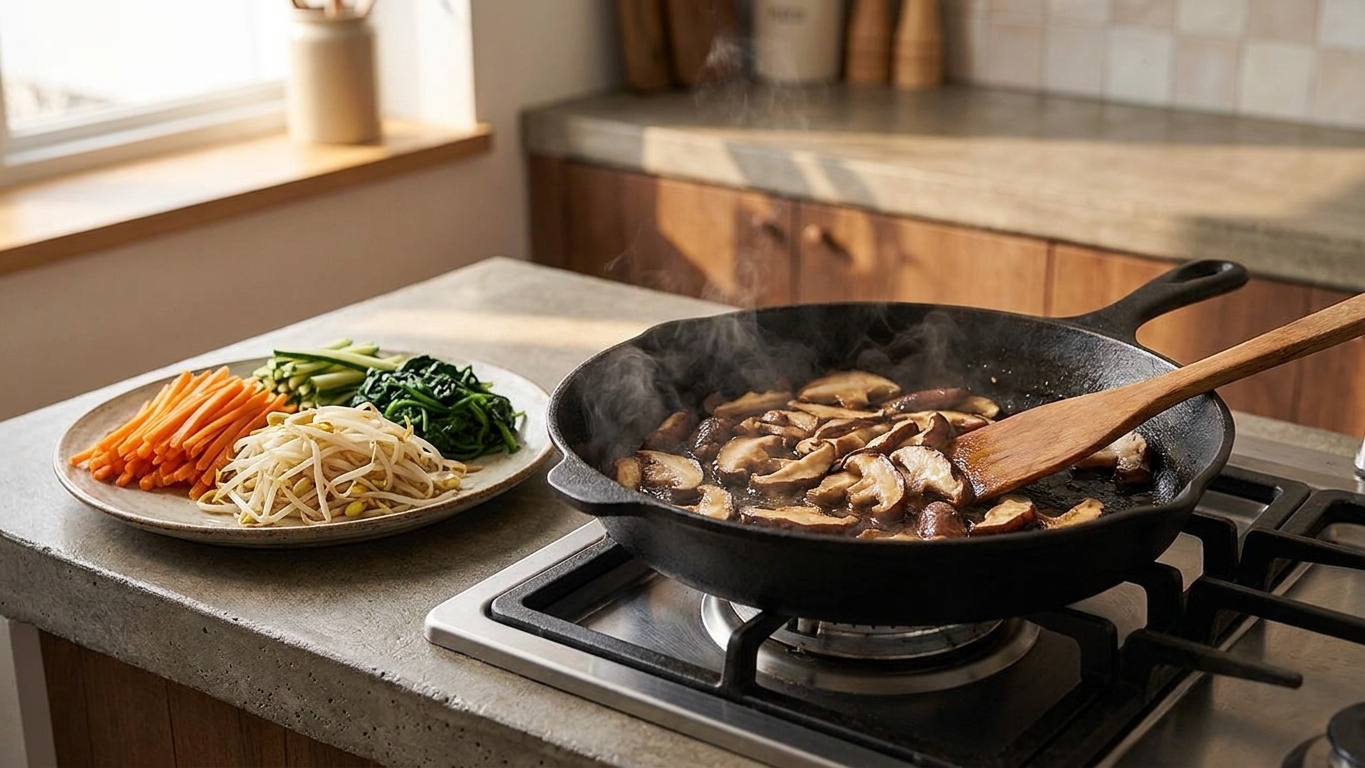
Optional traditional-style add-ins (only if you feel like it): bean sprouts, quick cucumber ribbons, pickled radish, or sautéed fernbrake (gosari) are all classic players. Treat them like the other veggies and keep the seasoning light.
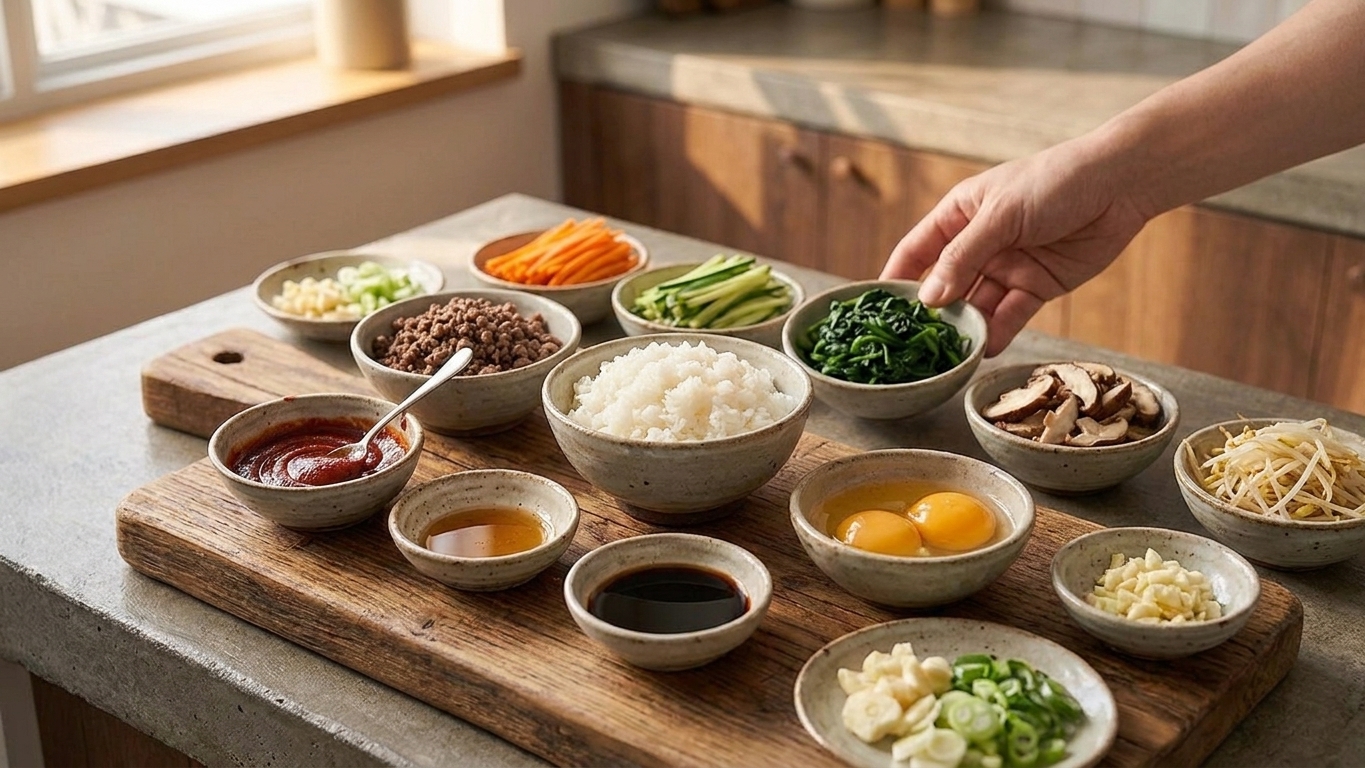
A kitchen counter setup with bibimbap ingredients including cooked rice, gochujang, sesame oil, soy sauce, ground beef, carrots, zucchini, spinach, mushrooms, eggs, garlic, and scallions in small bowls

Why It Works

  • Big flavor, low drama: gochujang sauce brings heat, sweetness, and depth in one quick stir.
  • Fast vegetable prep: everything is sliced thin and cooked in short bursts so it stays bright, not soggy.
  • Customizable by design: swap the protein, use whatever vegetables you have, and dial spice up or down.
  • Texture party: add a crispy rice layer if you want, plus a jammy egg for richness and balance.

My best bibimbap tip: season each component lightly as you cook it, then let the sauce do the heavy lifting when you mix. That is how you get a bowl that tastes layered instead of salty.

Rice note: short-grain gives you that classic sticky-tender base, but leftover jasmine or brown rice works great, especially if you are going for crispy rice.

Pairs Well With

Storage Tips

Store components separately if you can. Bibimbap is best when the veggies stay perky and the rice is not steamy and wet.

  • Rice: Cool completely, then refrigerate in an airtight container up to 4 days. Reheat with a splash of water, covered, or crisp it in a skillet.
  • Beef: Refrigerate up to 4 days. Reheat in a skillet with a teaspoon of water to loosen the sauce.
  • Veggies: Refrigerate up to 3 days. Rewarm quickly in a pan or microwave just until warm.
  • Sauce: Store in a clean jar or container and use clean utensils. Refrigerate up to 1 week. Stir before using.

Meal prep move: Build bowls cold for lunch, then microwave 60 to 90 seconds and top with sauce and a fresh egg if you are feeling fancy.

Common Questions

What is bibimbap?

Bibimbap is a Korean mixed rice bowl topped with vegetables, usually a protein, and a spicy-sweet sauce, often gochujang-based. It is served with everything arranged nicely, then mixed together before eating.

Do I need gochujang?

For classic bibimbap flavor, yes, it is worth it. Gochujang is a fermented Korean chili paste that brings spice, sweetness, and savory depth. You can find it at many well-stocked grocery stores or any Asian market, and it lasts a long time in the fridge.

Is bibimbap spicy?

It can be. This sauce starts at 3 tablespoons gochujang, which lands in a medium-spicy, "wake up your rice" kind of place. If you are spice-shy, start with 2 tablespoons, taste, and add more at the table.

Can I make it vegetarian?

Absolutely. Skip the beef and add pan-seared tofu, sautéed mushrooms, or a handful of shelled edamame. For tofu that does not taste like a blank page: press it, then sear it and toss with 1 tablespoon soy sauce, 1 teaspoon sesame oil, 1 teaspoon honey or brown sugar, and a little garlic.

Do I have to use a stone bowl?

No. A regular bowl is great. If you want that hot, crackly rice effect, you can mimic it by crisping rice in a skillet, then building the bowl on top.

I love bibimbap because it feels like a choose-your-own-adventure dinner, but it still tastes like it had a plan. The first time I made it at home, I tried to cook every vegetable known to man and, respectfully, I almost gave up halfway through. Now I keep it simple: a few quick veggies, a savory topping, and a sauce that does not play around. It is the kind of meal that makes you feel like you cleaned out the fridge on purpose.