
Mom's Best Recipes
Recipe

Butternut Squash Risotto

Creamy risotto with roasted butternut squash, Parmesan, sage, and a bright lemon finish.

Author By Matt Campbell
4.8
A shallow bowl of creamy butternut squash risotto topped with shaved Parmesan, fried sage leaves, and cracked black pepper on a wooden table with soft natural light

Risotto is one of those dishes that feels like you need a chef coat and a playlist of Italian ballads. You do not. You need a pot, a spoon, and a willingness to babysit for about 20 minutes. In return, you get that glossy, spoon-hugging creaminess that makes everyone quiet for a second.

This version leans into butternut squash for cozy sweetness, then keeps it from getting too precious with savory hits of Parmesan, a little garlic, and sage. The real MVP move is finishing with lemon zest and juice. It wakes the whole bowl up so it tastes rich, not heavy.
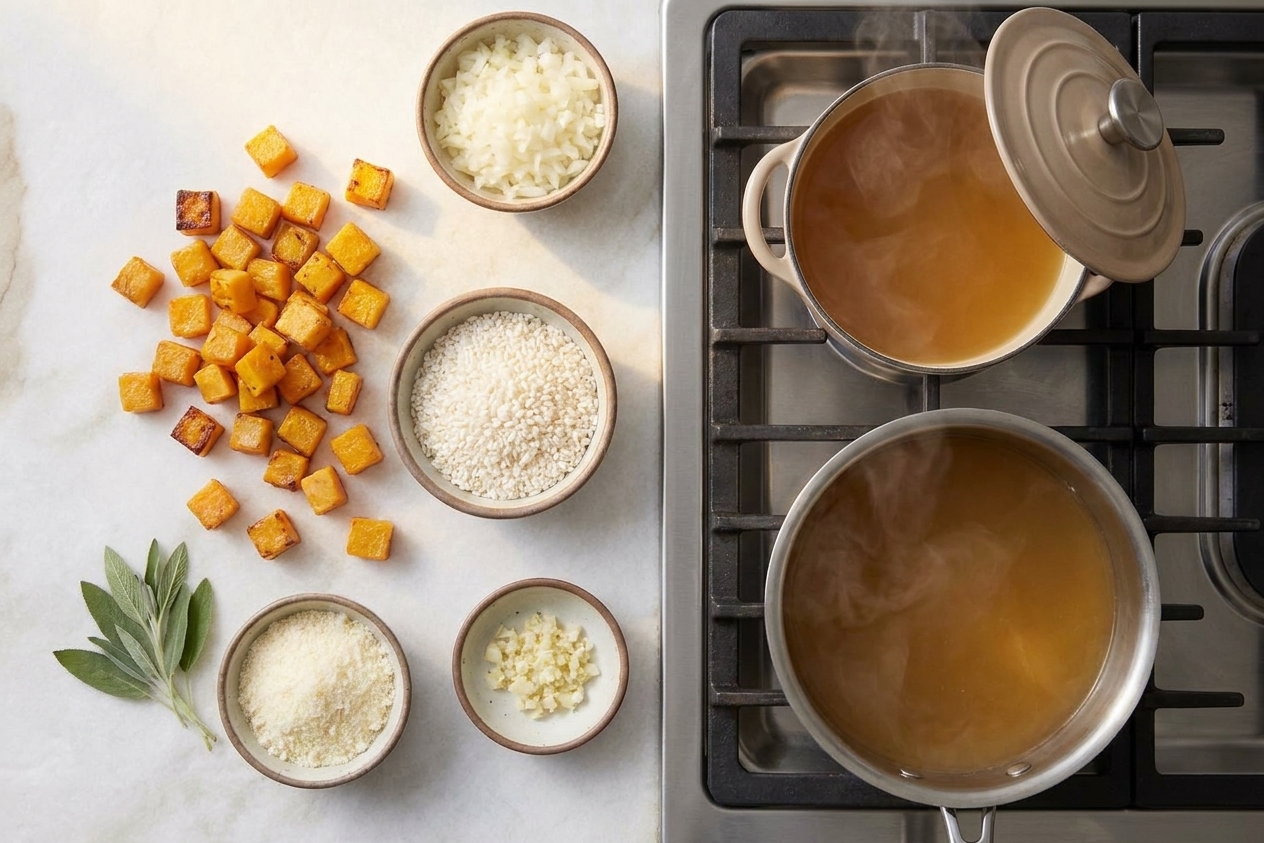
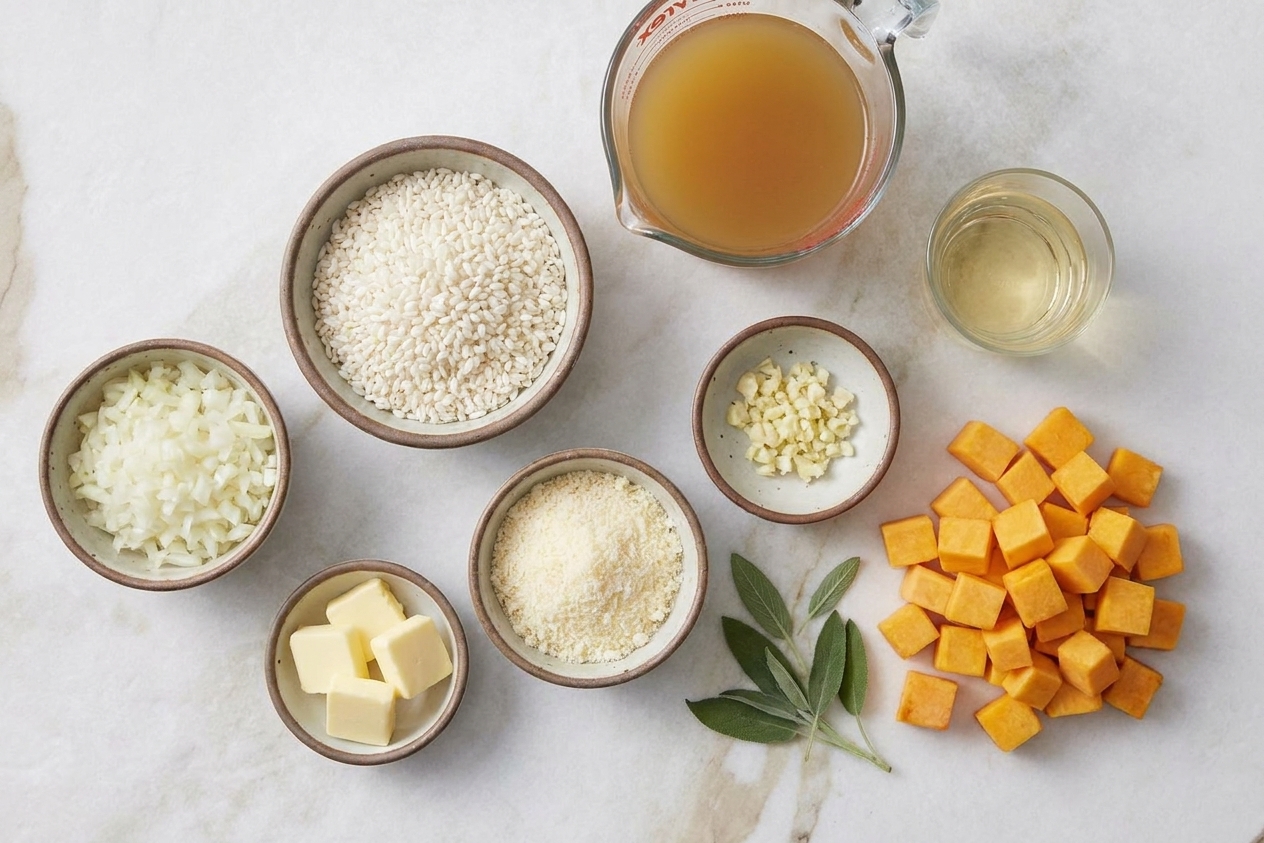
Butternut squash cubes, arborio rice, onion, garlic, sage, Parmesan, and a small pot of warm broth arranged on a clean kitchen counter in warm daylight

Why It Works

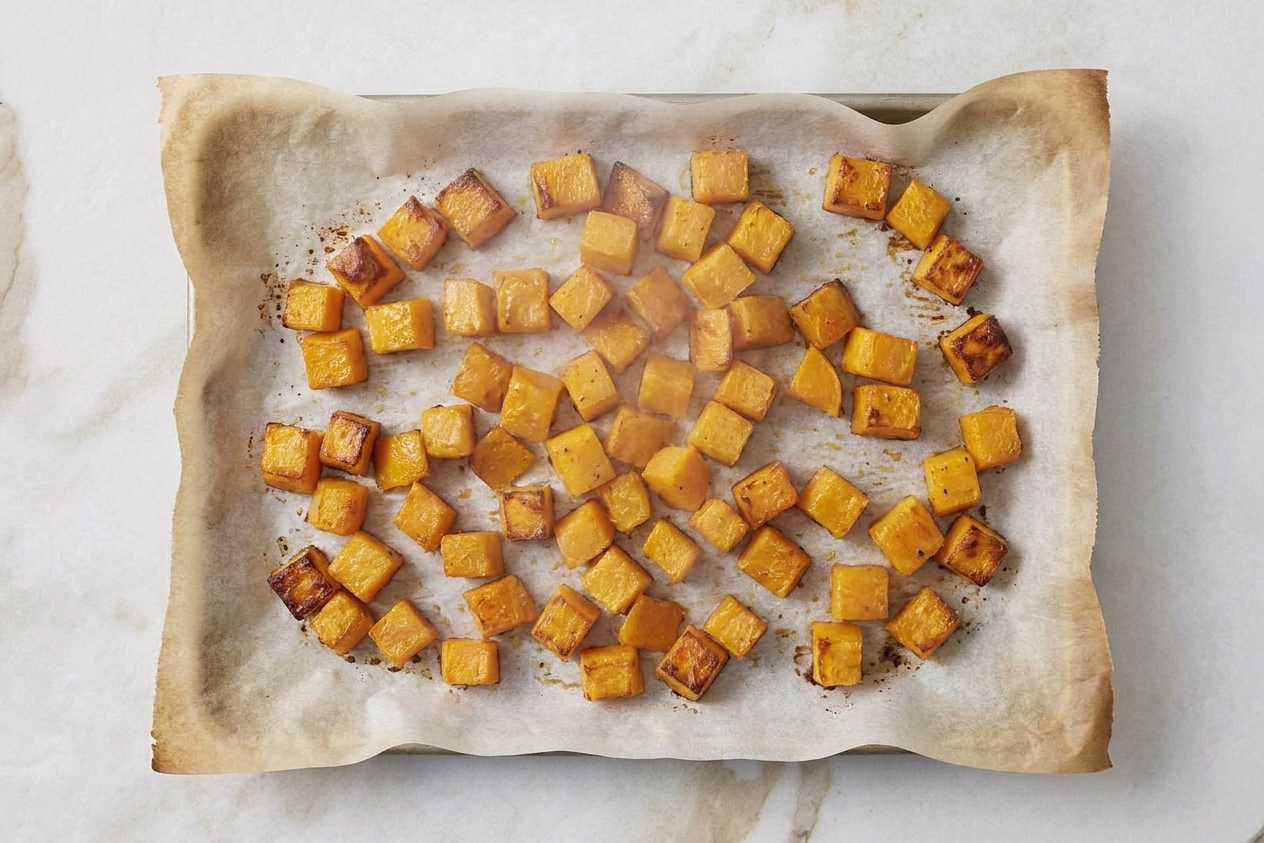
  • Roasted squash does double duty. Some gets mashed into the risotto for a naturally creamy base, and some stays chunky for texture.
  • Warm broth keeps the rice cooking evenly. Keep it at a bare simmer so it stays hot without reducing aggressively.
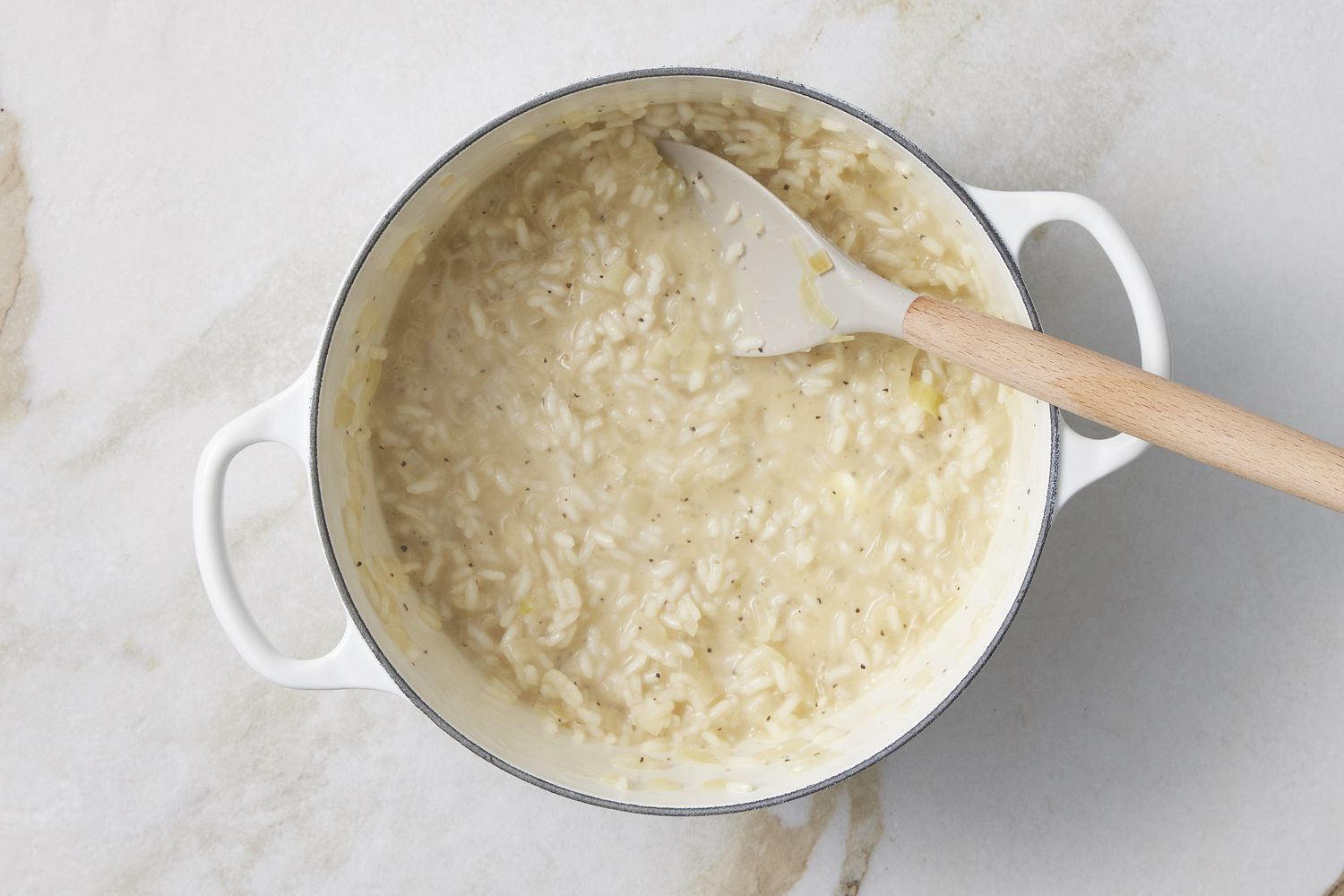
  • Stirring is not punishment. It helps the rice release starch slowly, which is how you get that velvety finish without adding cream.
  • Lemon at the end balances the sweetness. Butternut squash loves brightness, and your taste buds will agree.

Pairs Well With

Storage Tips

Refrigerate: Cool risotto quickly, then store in an airtight container for up to 3 days.

Reheat (best method): Warm in a saucepan over medium-low heat with a splash of broth, water, or milk, stirring until creamy again. Start with 2 to 4 tablespoons and add more as needed.

Microwave method: Add a splash of liquid, cover loosely, and heat in 45-second bursts, stirring between.

Freezing: You can freeze it, but the texture gets softer and less glossy. If you do, freeze up to 1 month and reheat gently with extra liquid and a fresh shower of Parmesan.

Leftover glow-up: Chill it, roll into balls, stuff with a cube of mozzarella, then bread and pan-fry for quick arancini-style bites.

Common Questions

Do I have to roast the squash?

Roasting gives you deeper flavor and keeps the squash from turning watery. If you are short on time, you can sauté the squash cubes in olive oil until very tender, then mash half. It will still be delicious, just a little less caramelized.

What rice is best for risotto?

Arborio is easiest to find and works great. Carnaroli is a little more forgiving and stays slightly more al dente. Either one wins.

Can I make it vegetarian?

Yes. Use vegetable broth and double-check your Parmesan. Many Parmesans are made with animal rennet. Look for one labeled vegetarian if that matters for your table.

My risotto is thick and sticky. How do I fix it?

Add warm broth 1 ladle at a time and stir until it loosens into a creamy, flowing texture. Risotto should spread slightly on the plate, not sit in a mound like rice pudding.

Can I make this ahead?

You can partially cook it. Cook the risotto until the rice is about 2 minutes from done, then spread on a sheet pan to cool. Reheat with hot broth and finish cooking right before serving. This is a restaurant trick that makes dinner parties way less stressful.

Butternut squash risotto is my cold-weather reset button. When I was trying to learn more by doing instead of sitting in a classroom, risotto was one of the first “restaurant” techniques I taught myself at home. It humbled me fast. Too much heat and it scorches. Too little and it takes forever. But once you get the rhythm, it becomes weirdly relaxing, like stirring your way into a better mood. I make this when I want comfort food that still feels sharp around the edges, especially with that lemon finish that makes you go back for one more bite.