Mom's Best Recipes
Recipe

Cannabutter

A simple stovetop cannabutter with big buttery flavor, clean strain, and reliable results.

Author By Matt Campbell
4.8
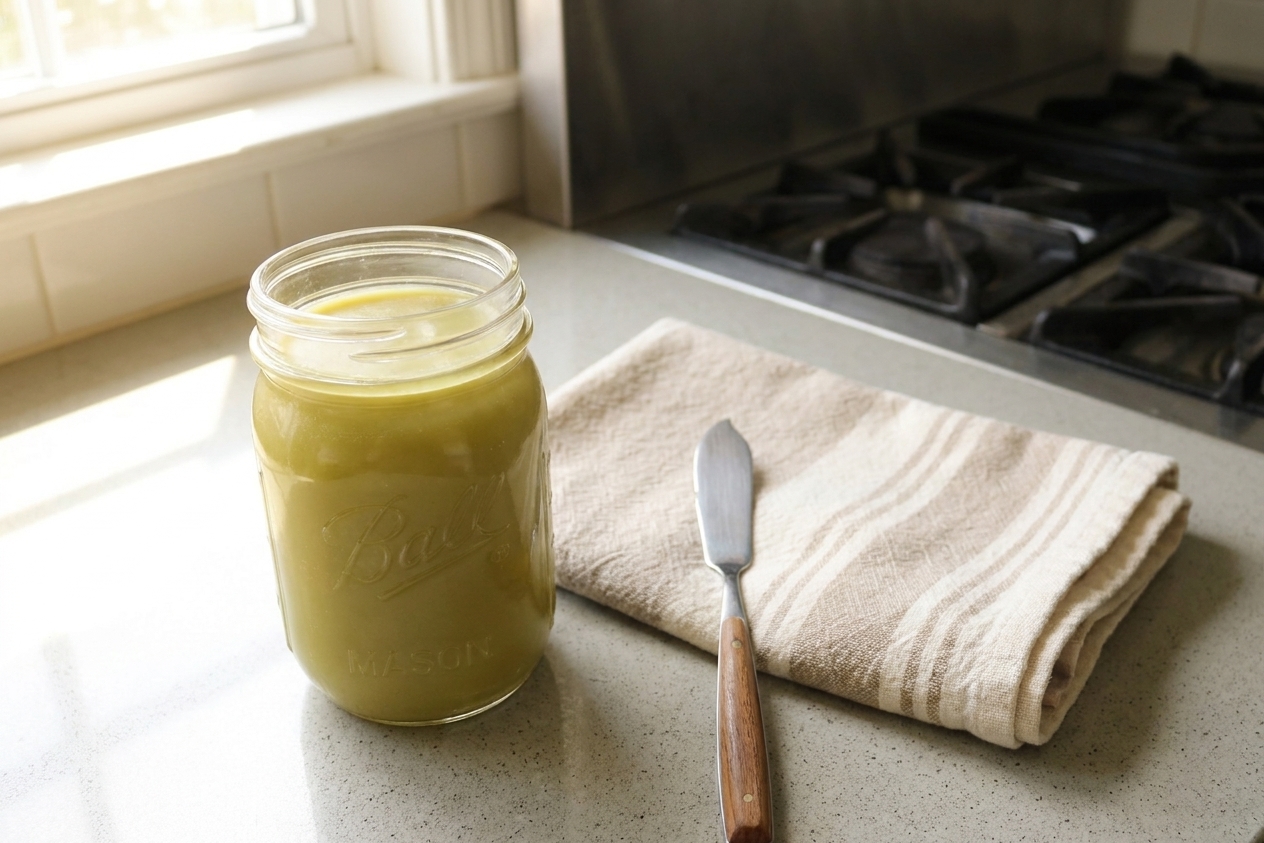
A glass mason jar filled with pale golden cannabutter on a sunlit kitchen counter, with a small butter knife and a folded kitchen towel nearby

Cannabutter is one of those kitchen projects that feels half science experiment, half cozy Sunday cooking. Done right, it is just butter that tastes like butter, only with a little extra magic built in. Done wrong, it tastes like a lawn clippings candle and you are left wondering where your weekend went.

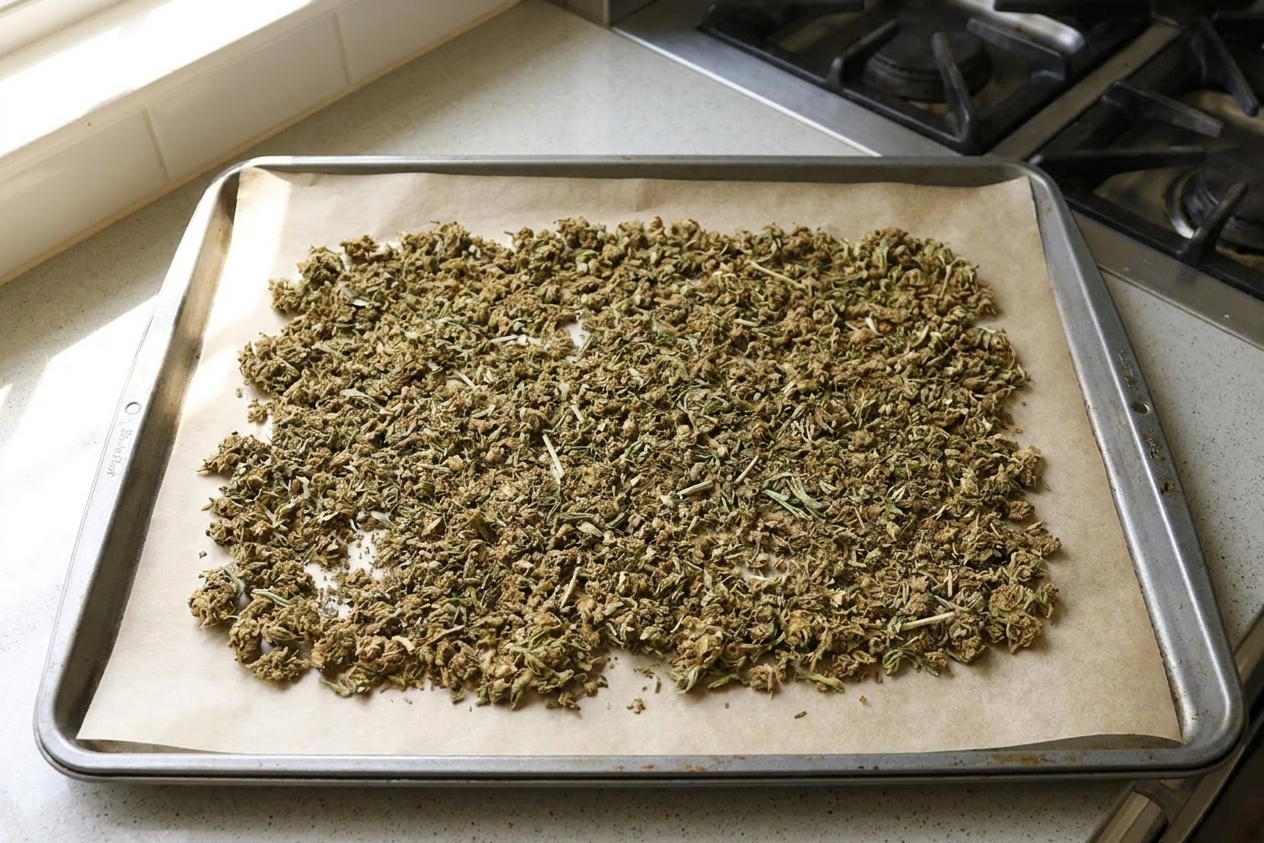
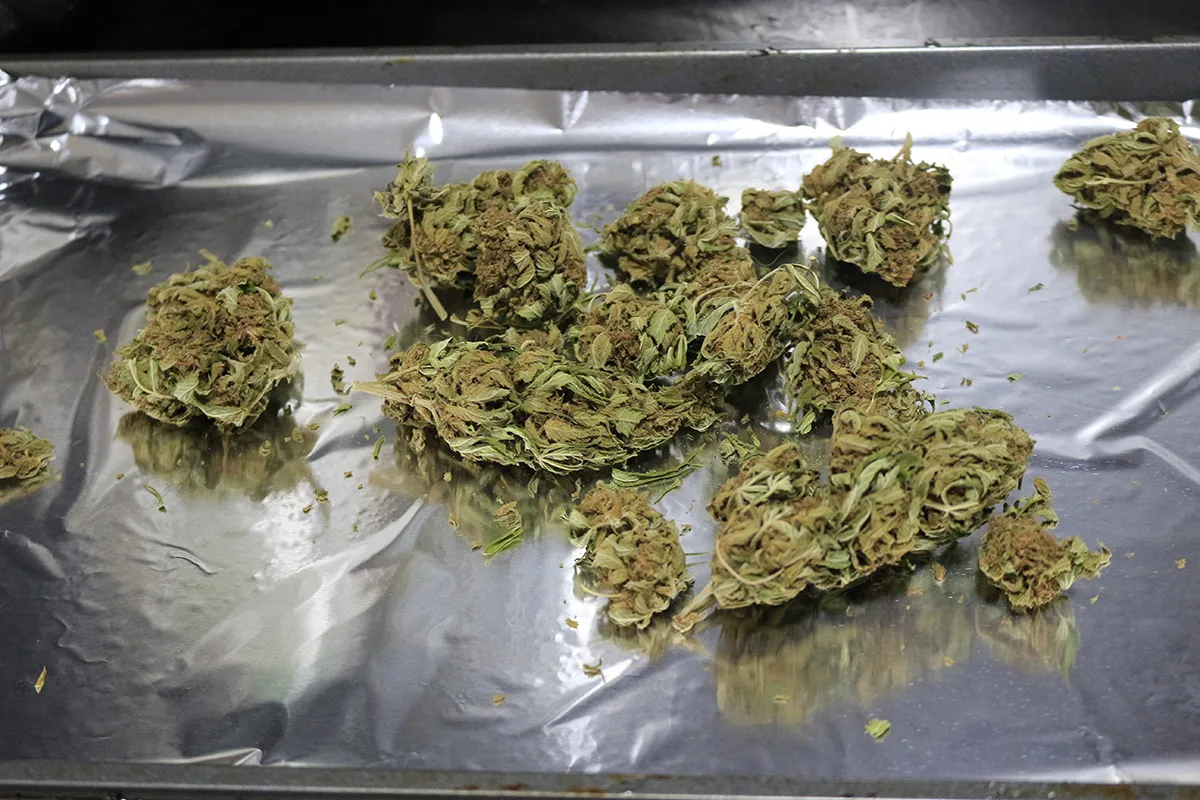
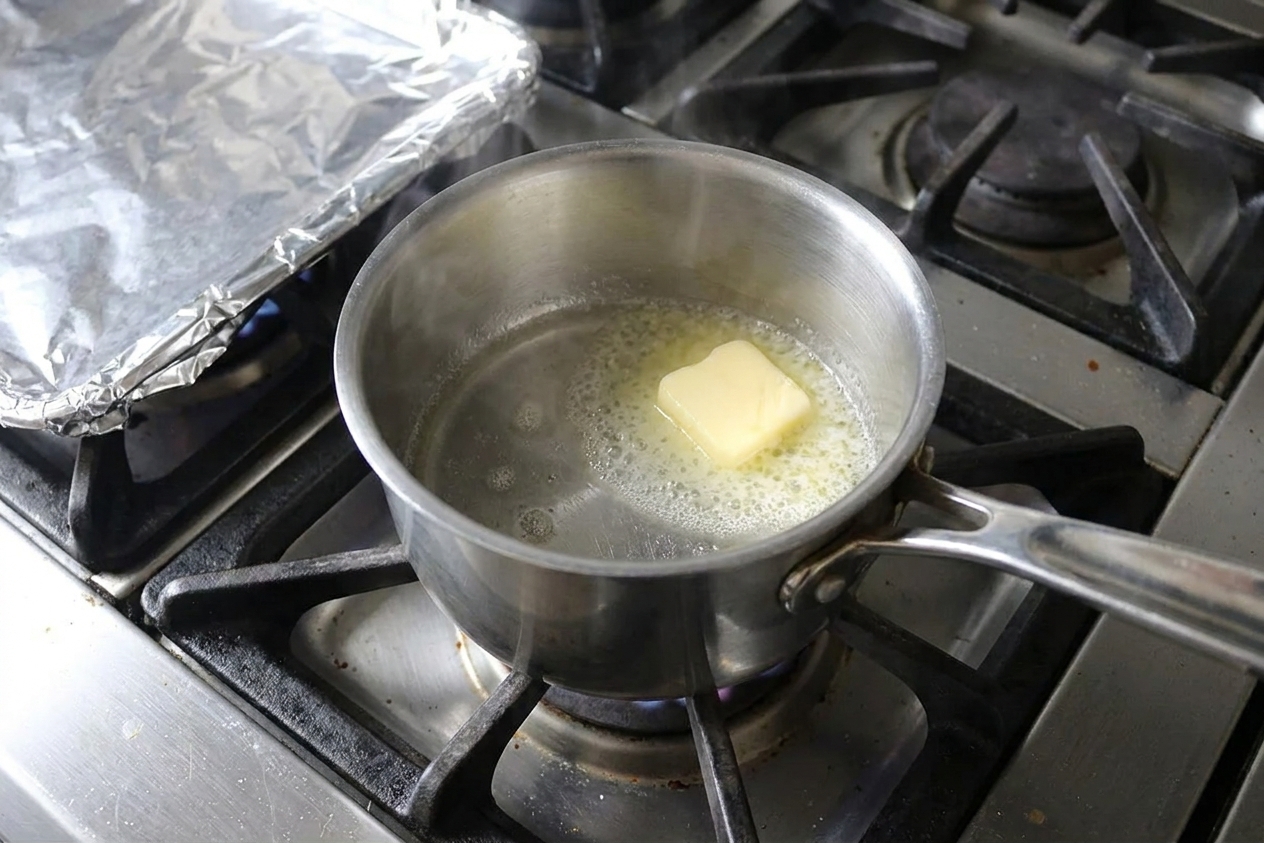
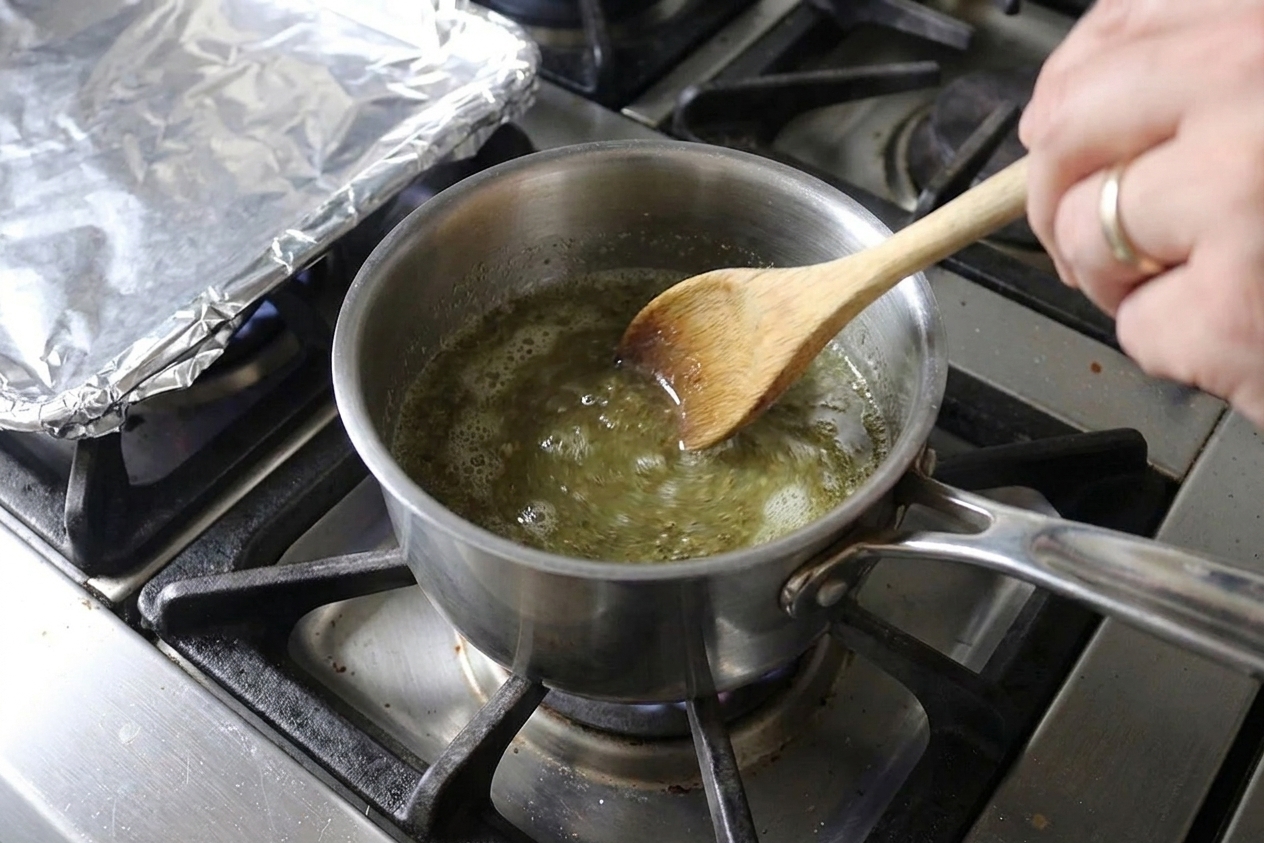
This recipe keeps it calm: gentle heat, a little water insurance (so the milk solids do not scorch), and a clean strain. I will also walk you through decarb, because that step is not optional if you want predictable potency.

Important note: Cannabis laws vary by location. This recipe is for adults where it is legal. Start low, go slow, and keep infused foods clearly labeled and away from kids and pets.

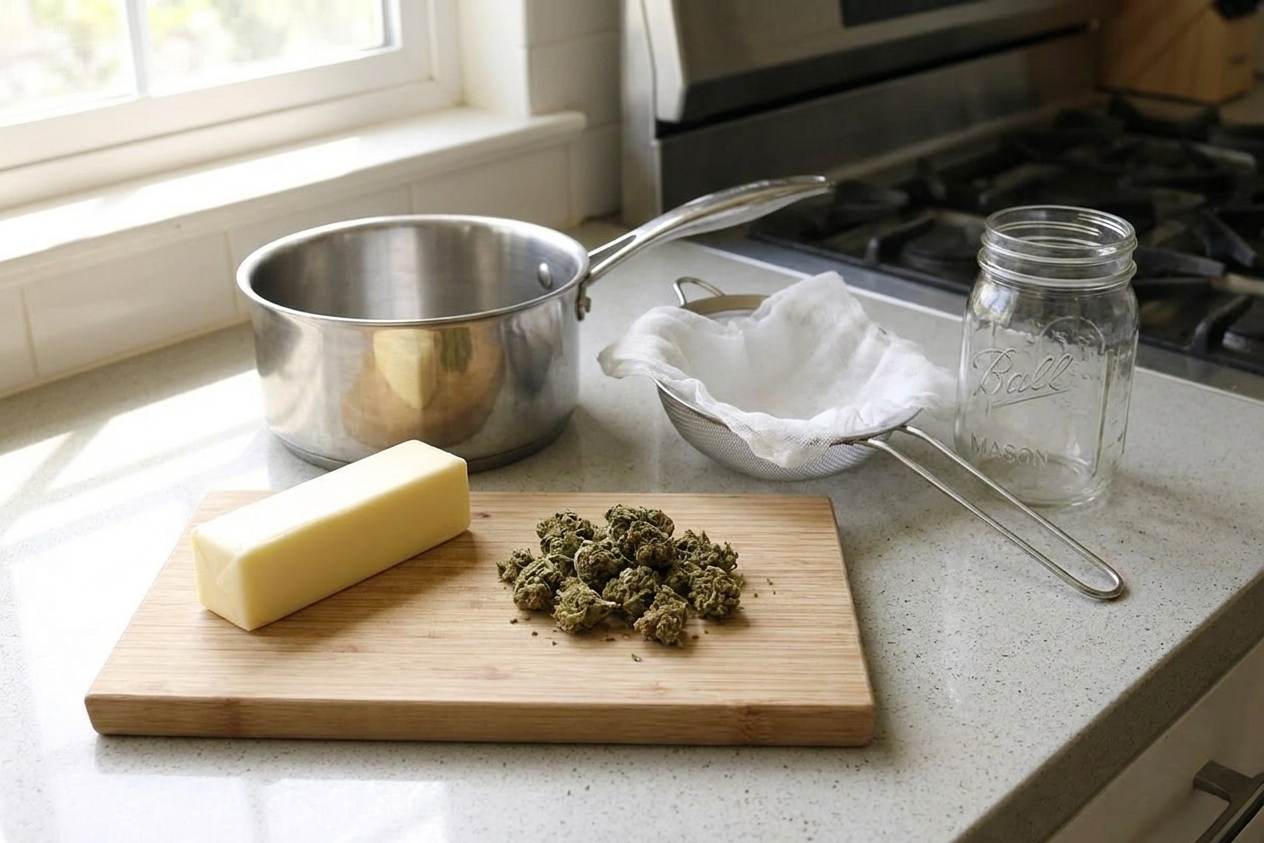
Butter, dried cannabis, a saucepan, a fine mesh strainer, cheesecloth, and a glass jar arranged on a clean kitchen counter

Why It Works

  • Gentle infusion for better flavor: Low heat helps you keep the butter tasting rich instead of grassy.
  • Water-buffered simmer: Water protects the butter from scorching and makes the process more forgiving.
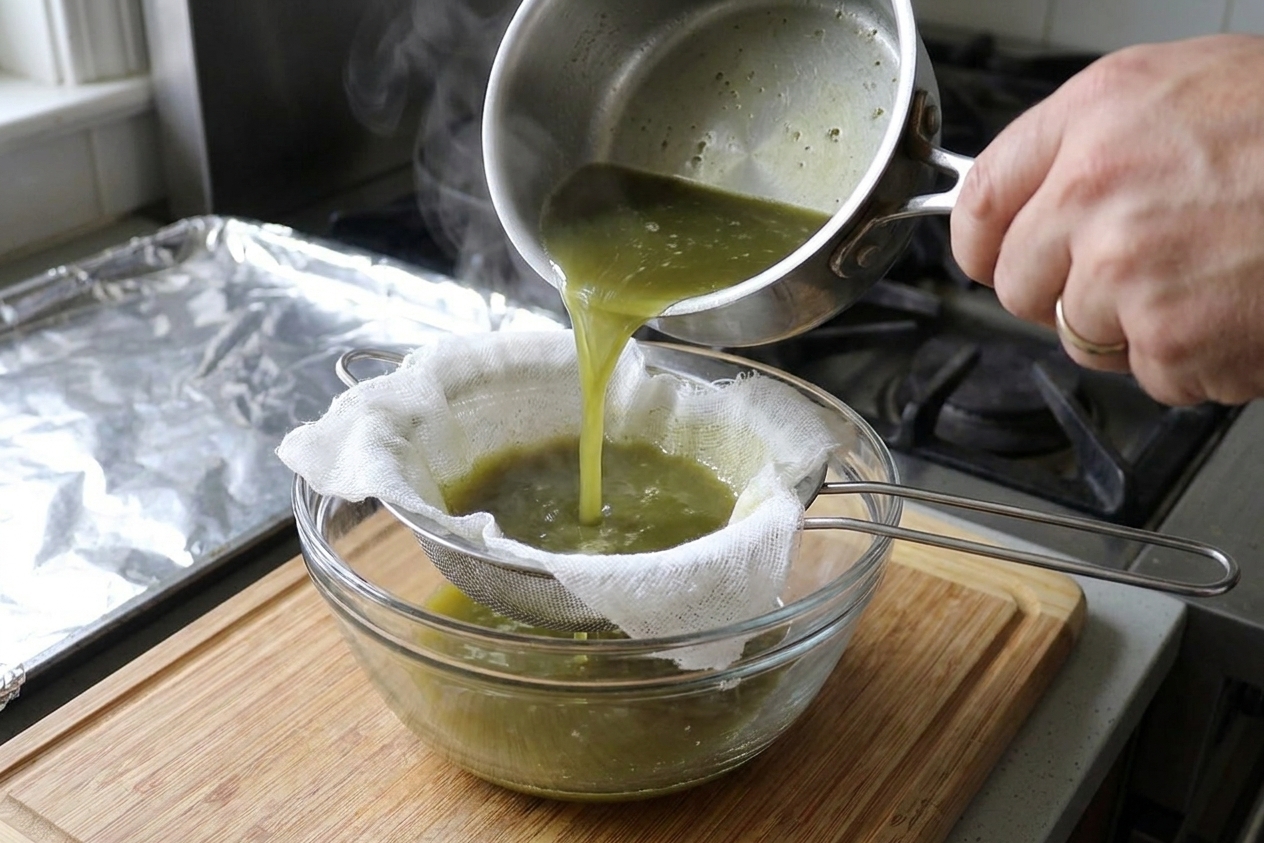
  • Cleaner strain: Cheesecloth plus a fine mesh strainer gives you smooth cannabutter that incorporates easily in recipes.
  • More consistent results: Decarbing first is the difference between “I think it worked?” and “Yep, that worked.”

Pairs Well With

Storage Tips

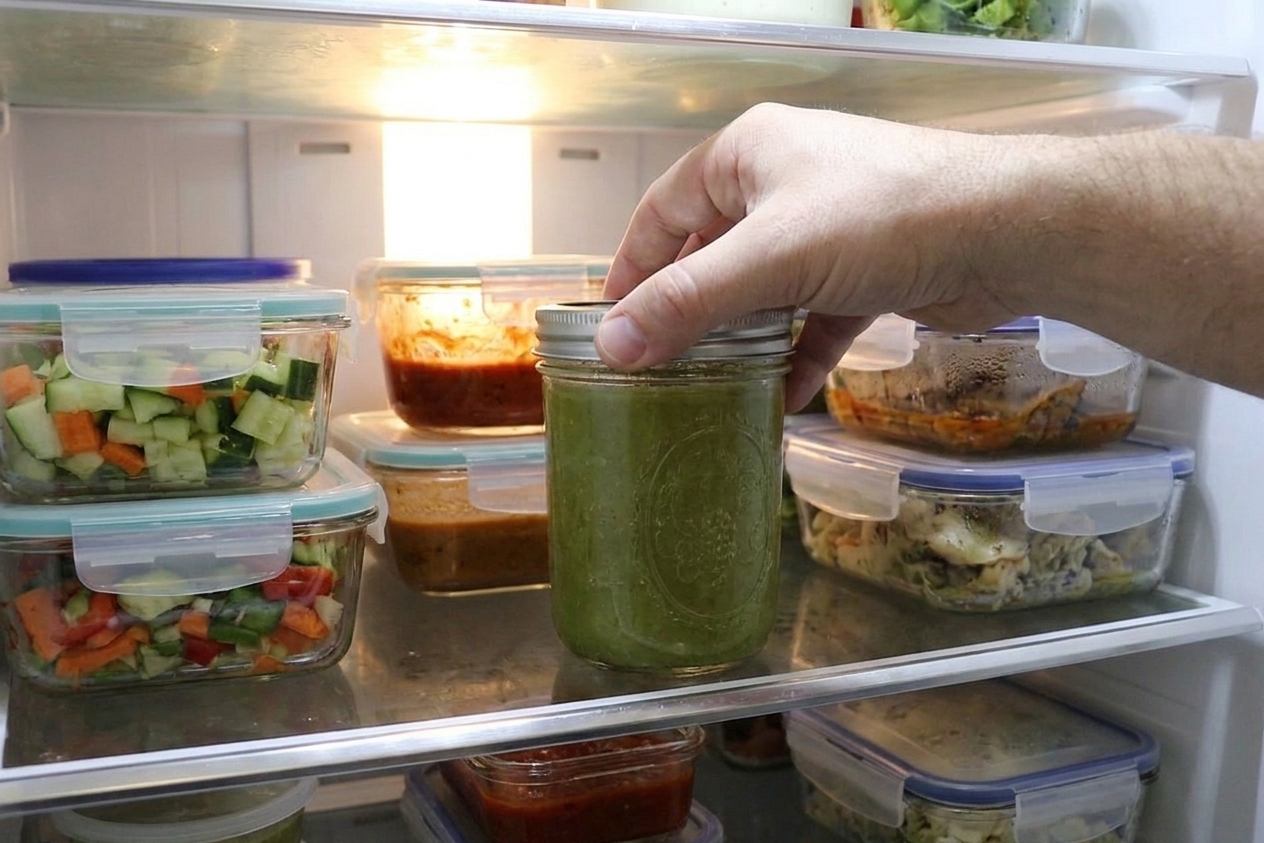
Refrigerator: Transfer cannabutter to a clean, airtight jar or container. Refrigerate up to 2 to 3 weeks. Keep it labeled and on a higher shelf, not in the door where temps swing. Use clean utensils every time.

Freezer: Freeze for up to 6 months for best flavor. I like portioning into tablespoon pats or freezing in a silicone mini muffin tray, then storing the frozen pieces in a labeled freezer bag.

If in doubt, freeze: Shelf life depends on handling and how much moisture sneaks into the finished butter. Keeping it very cold is the safest, least dramatic option.

Smell control tip: Double-container it. Jar inside a zip-top bag keeps your fridge from smelling like an herbal shop.

Food safety: If you see mold, off smells, or weird fizzing, toss it. Also, do not leave infused butter at room temp for long stretches.

Common Questions

Common Questions

Do I really have to decarb the cannabis first?

For reliable effects, yes. Decarbing converts cannabinoids into their active forms. Without it, your cannabutter can be noticeably weaker and inconsistent.

Why add water to the pot?

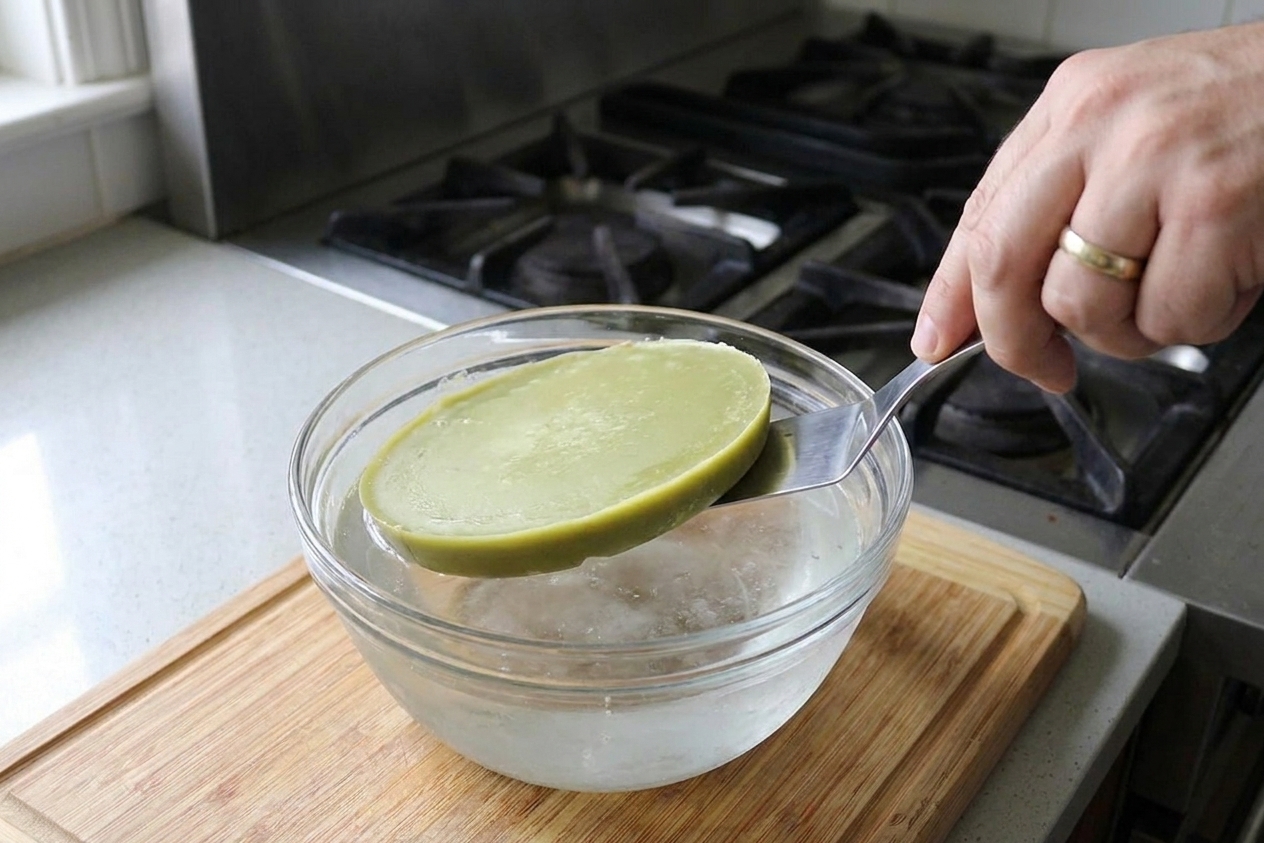
Butter can scorch if it gets too hot. Water keeps the temperature gentler and protects the milk solids. During chilling, the butter solidifies on top and the water stays underneath, so it is easy to separate.

Can I make cannabutter stronger?

You can, but I would rather you make it smarter. Use a consistent ratio and infuse gently. If you want more strength, increase cannabis slightly or use less butter, but keep the heat low and steady so you do not scorch the milk solids or drive off aromatics.

How do I figure out dosing?

Potency depends on the cannabis strength and how efficiently your infusion extracts. If your product is labeled (for example, 15% THC), a rough estimate is:

  • 1 gram at 15% THC has about 150 mg THC total.
  • After decarb and infusion losses, many home batches land somewhere around 50% to 80% of that in the final butter, but it is highly variable.

Quick example: If you use 7 g at 15% THC, the starting math is about 1,050 mg THC total. If your final yield ends up around 1 cup (16 tablespoons) and you assume a 60% capture, that is roughly 630 mg total, or about 39 mg per tablespoon. That can be a lot for many people, so treat it as an estimate, start with a small portion, wait at least 2 hours before taking more, and keep notes so your next batch is dialed in.

What can I make with cannabutter?

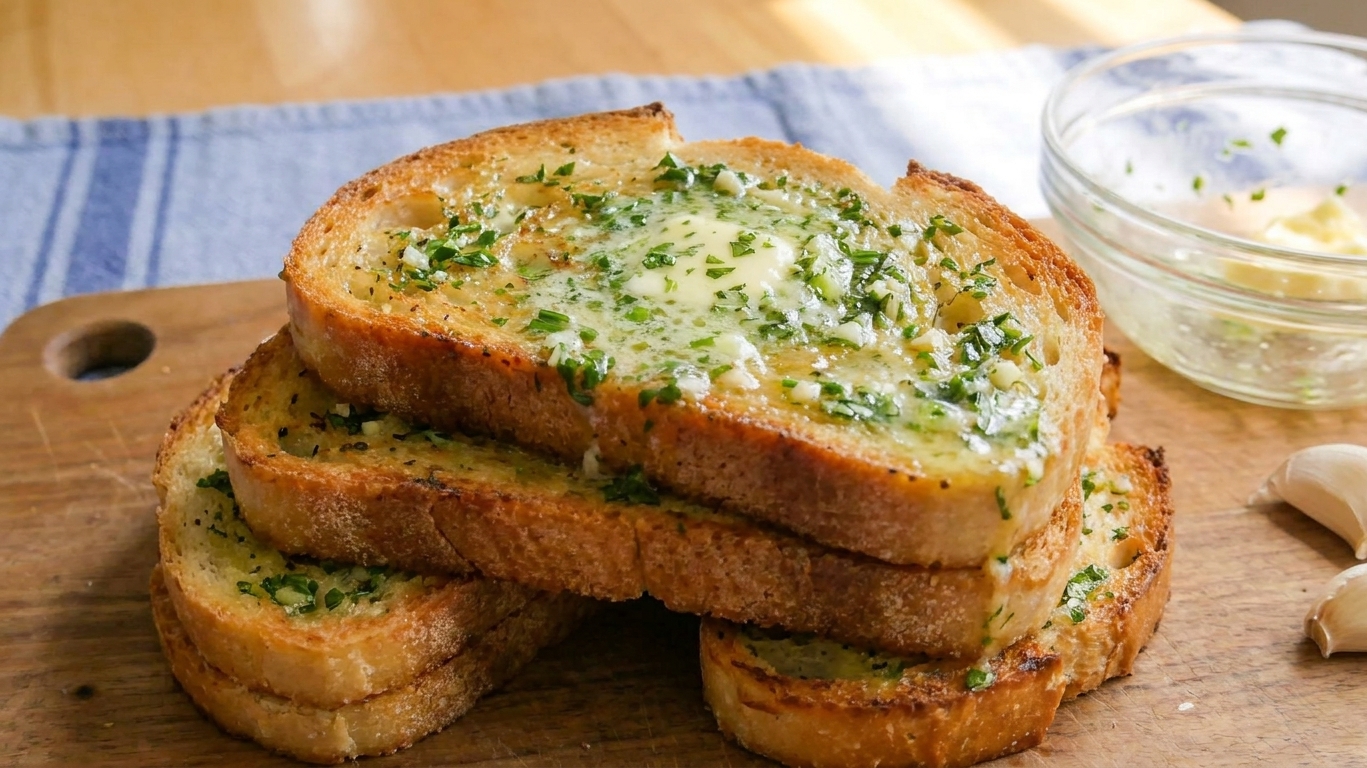
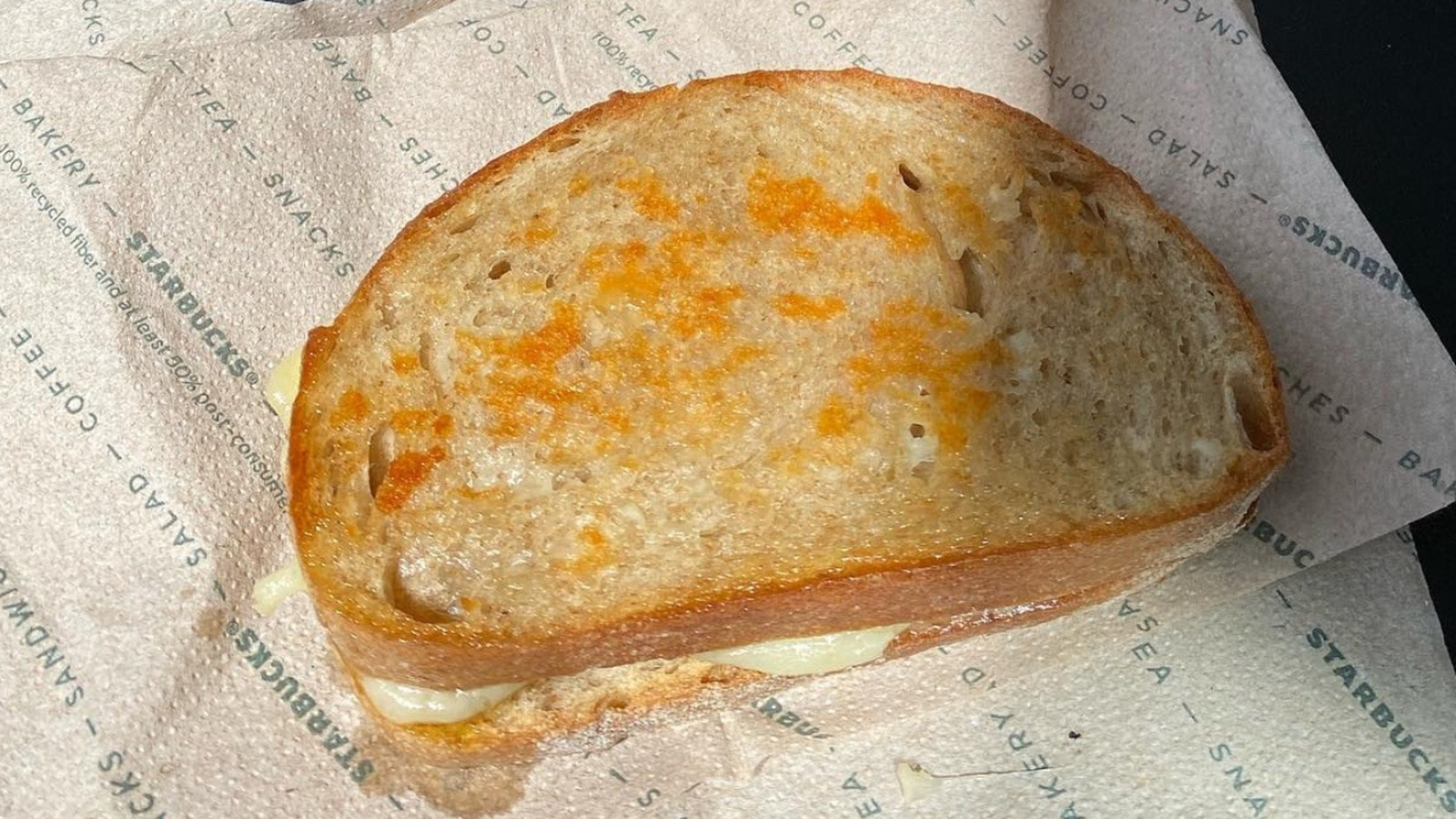
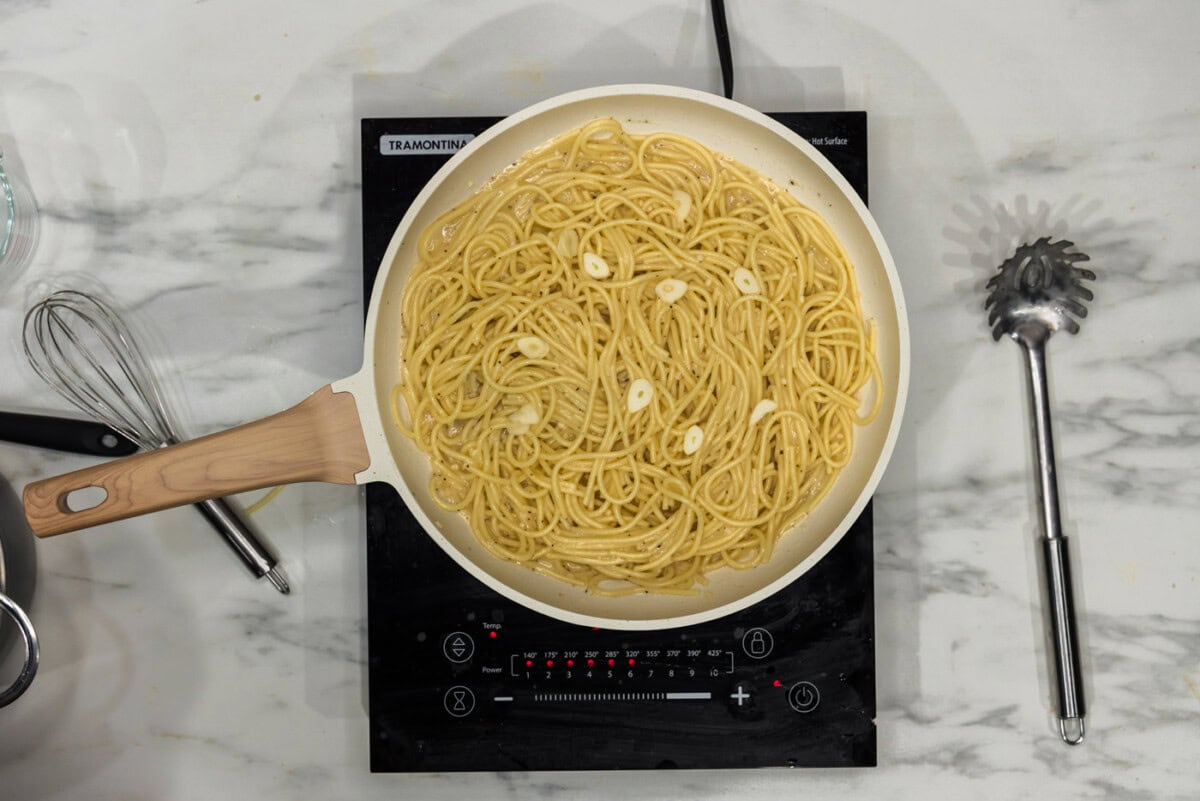
Anything you would use butter for: brownies, cookies, garlic bread, mashed potatoes, grilled cheese, pan sauces, and even a tiny swipe on toast. For best flavor and potency, use it in low to medium heat cooking, or add it near the end. Avoid sustained high heat (roughly above 320 to 350°F) when you can.

The first time I made cannabutter, I treated it like regular butter and cranked the heat because I was impatient. The kitchen smelled like toasted weeds and regret. The second time, I slowed down, added water, and kept it barely simmering. It came out mellow, buttery, and honestly kind of elegant. That is the version I keep in my back pocket now, the one that feels like you and a friend are just hanging out in the kitchen while something quietly great happens on the stove.