Common Questions
What size grater should I use for the carrots?
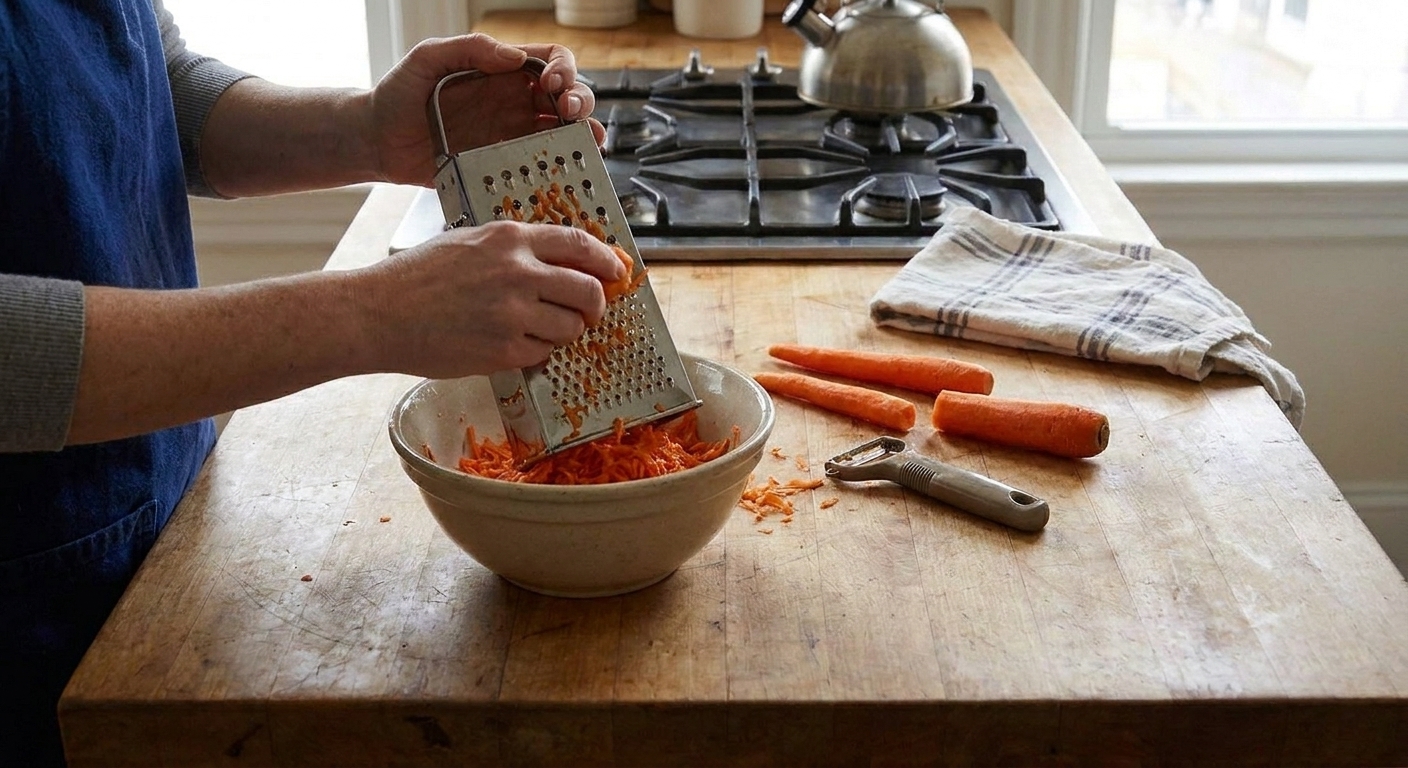
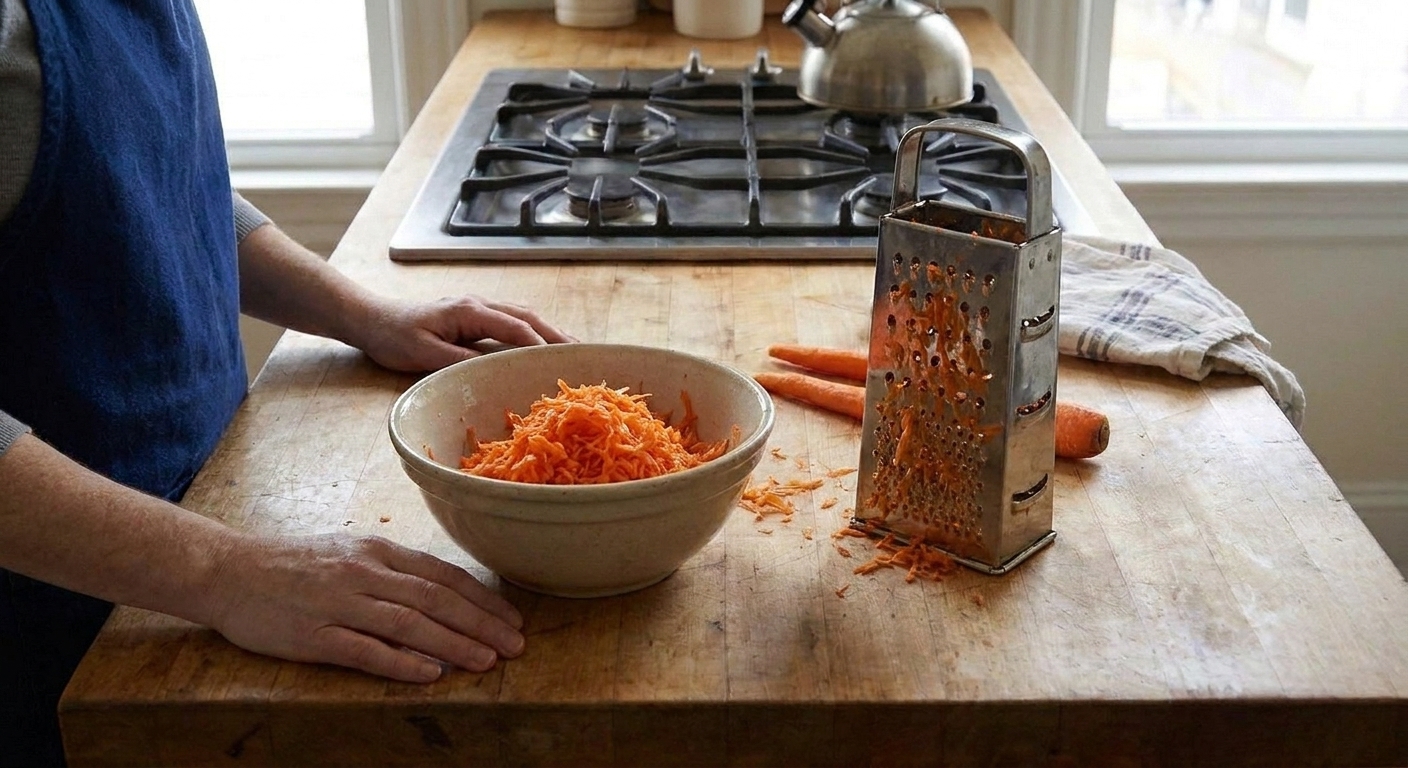
Use the fine side (the small holes) of a box grater. Finely grated carrots blend into the batter so the sponge rolls more easily and is less likely to tear. Avoid large shreds, which can create bumps and weak spots that crack when rolled.
Do I need to squeeze moisture out of the grated carrots?
If your carrots seem very wet, give them a gentle squeeze in a clean kitchen towel or paper towels. You do not need to wring them bone dry, just remove obvious dripping moisture so the sponge bakes up springy, not soggy.
What is the towel-roll method?
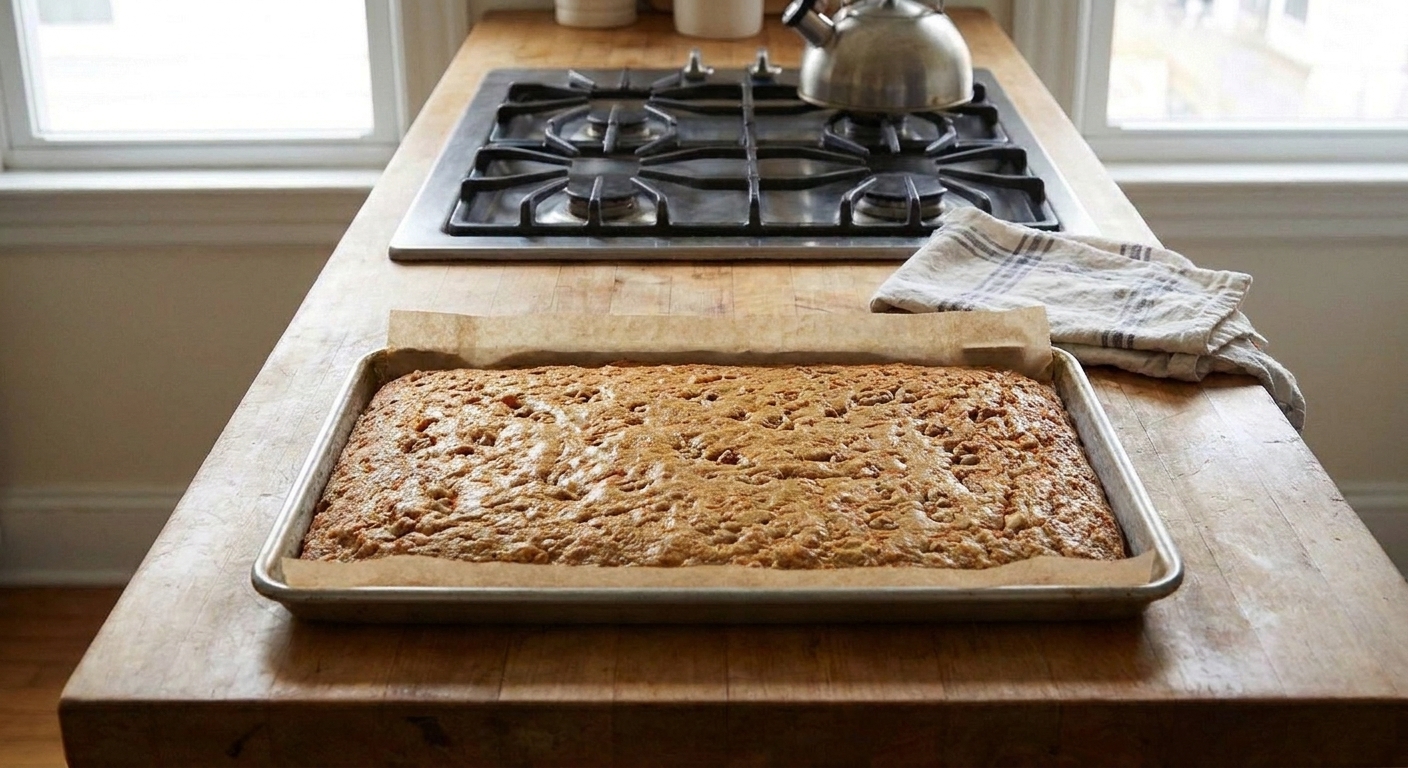
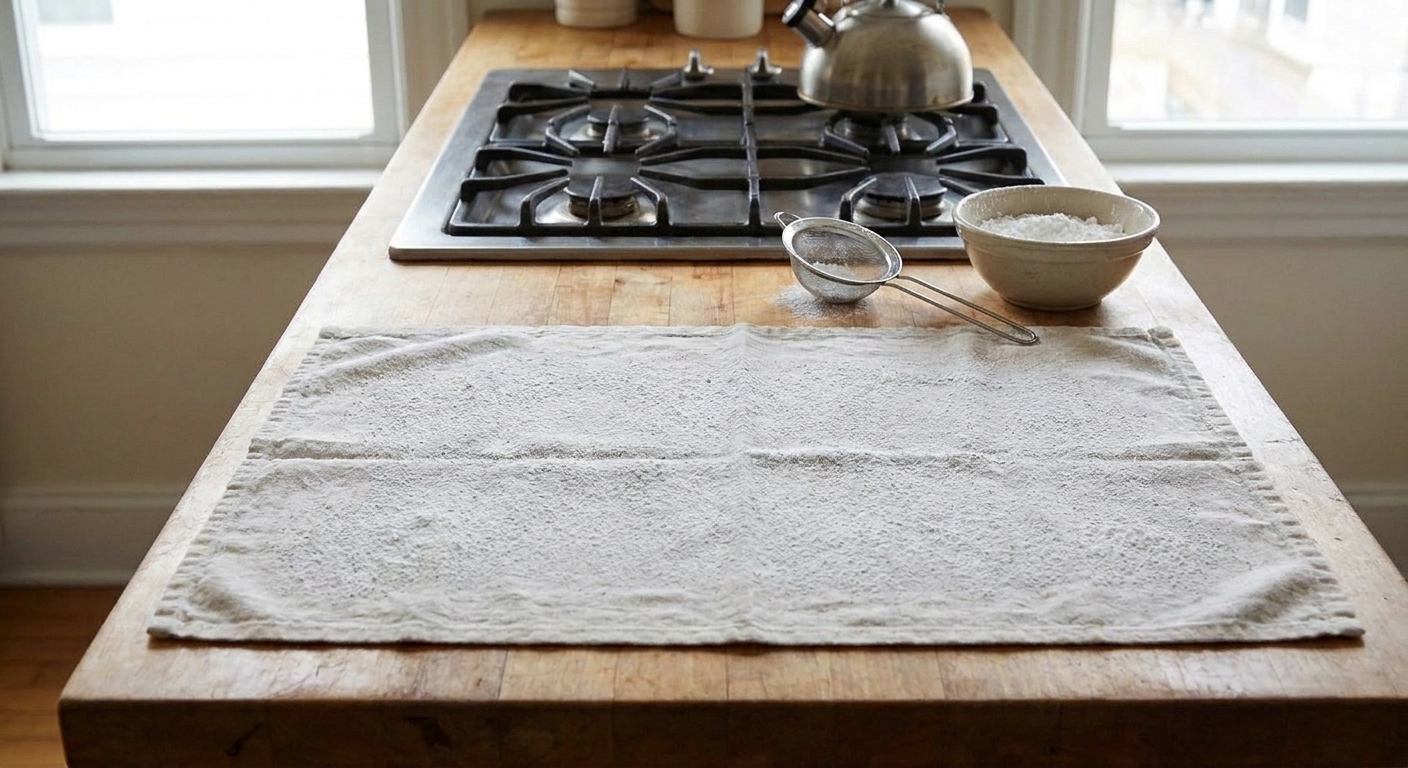
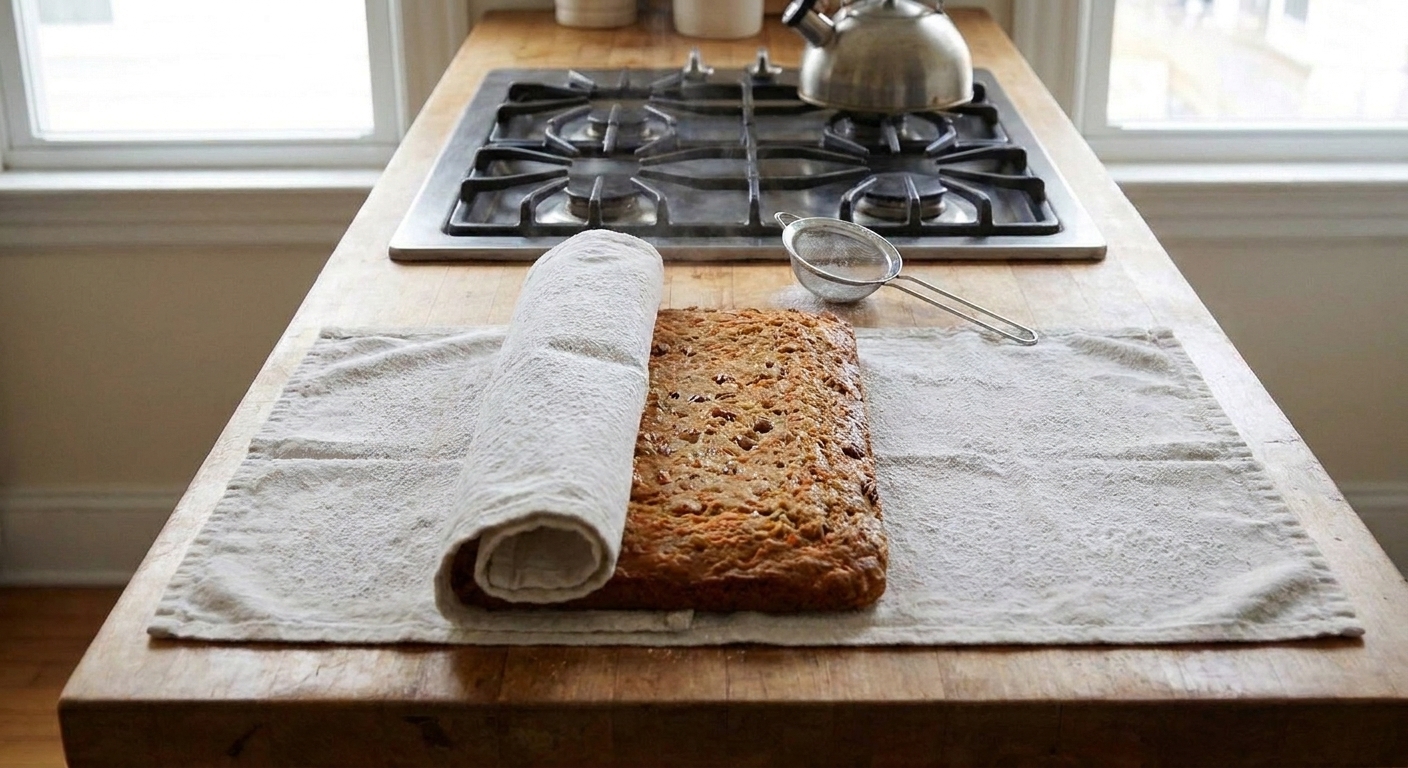
Right after baking, you turn the hot cake onto a powdered-sugar-dusted towel, peel off the parchment, and roll the cake up inside the towel while it is warm. This “trains” the cake to roll without cracking later. After it cools rolled up, you unroll, fill, and re-roll.
Why did my cake crack?
Cracks usually come from one of these culprits:
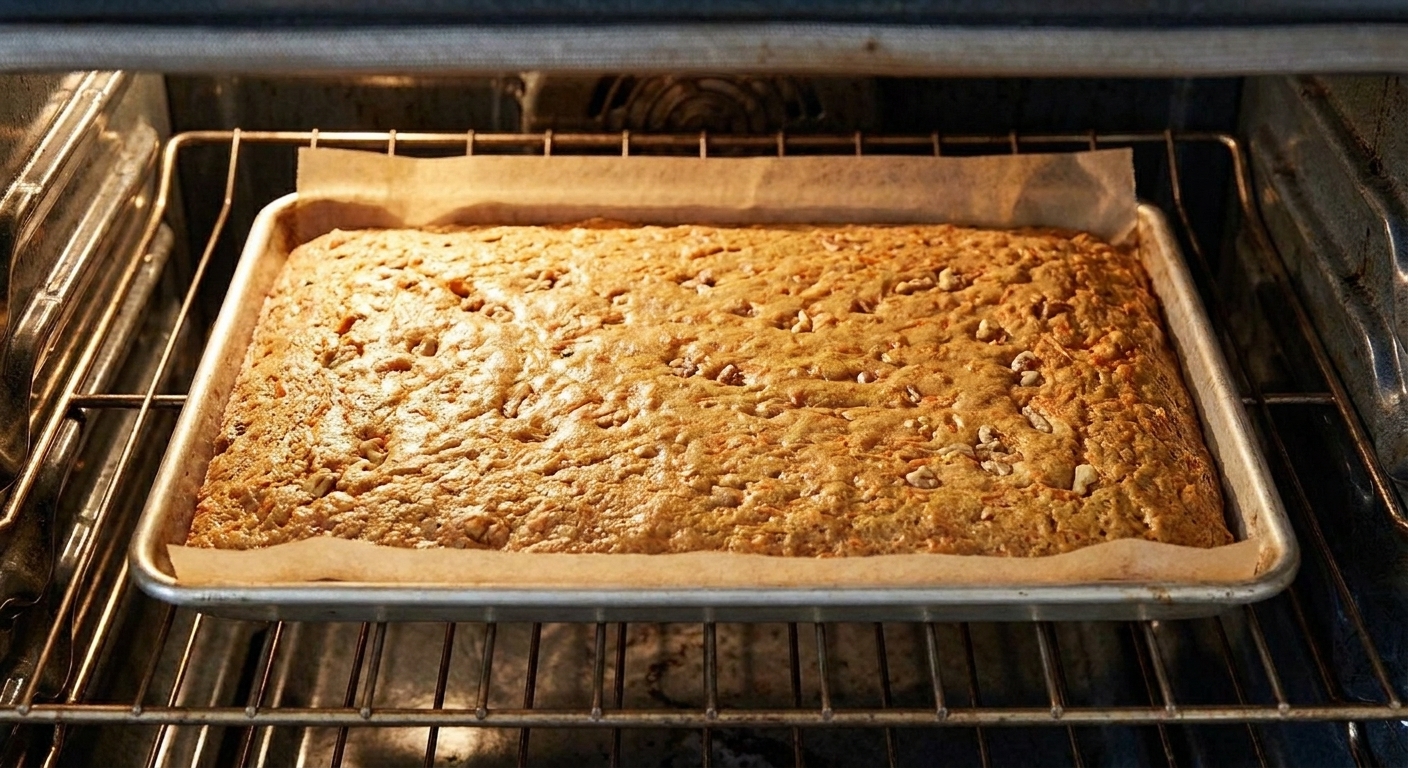
- Overbaking: Even 1 to 2 extra minutes can dry out a thin sponge.
- Rolling too late: The cake needs to be rolled while warm and flexible.
- Too much flour mixing: Overmixing can make the cake tougher and less bendy.
- Carrots too coarse: Large shreds can create stress points.
- Chunky add-ins: Nuts, raisins, and coconut can poke and snag when you roll. If you want the easiest, smoothest spiral, skip them.
Small cracks are normal and can be “patched” with filling. The roll is very forgiving once it is dusted with powdered sugar.
How long should I chill a carrot cake roll before slicing?
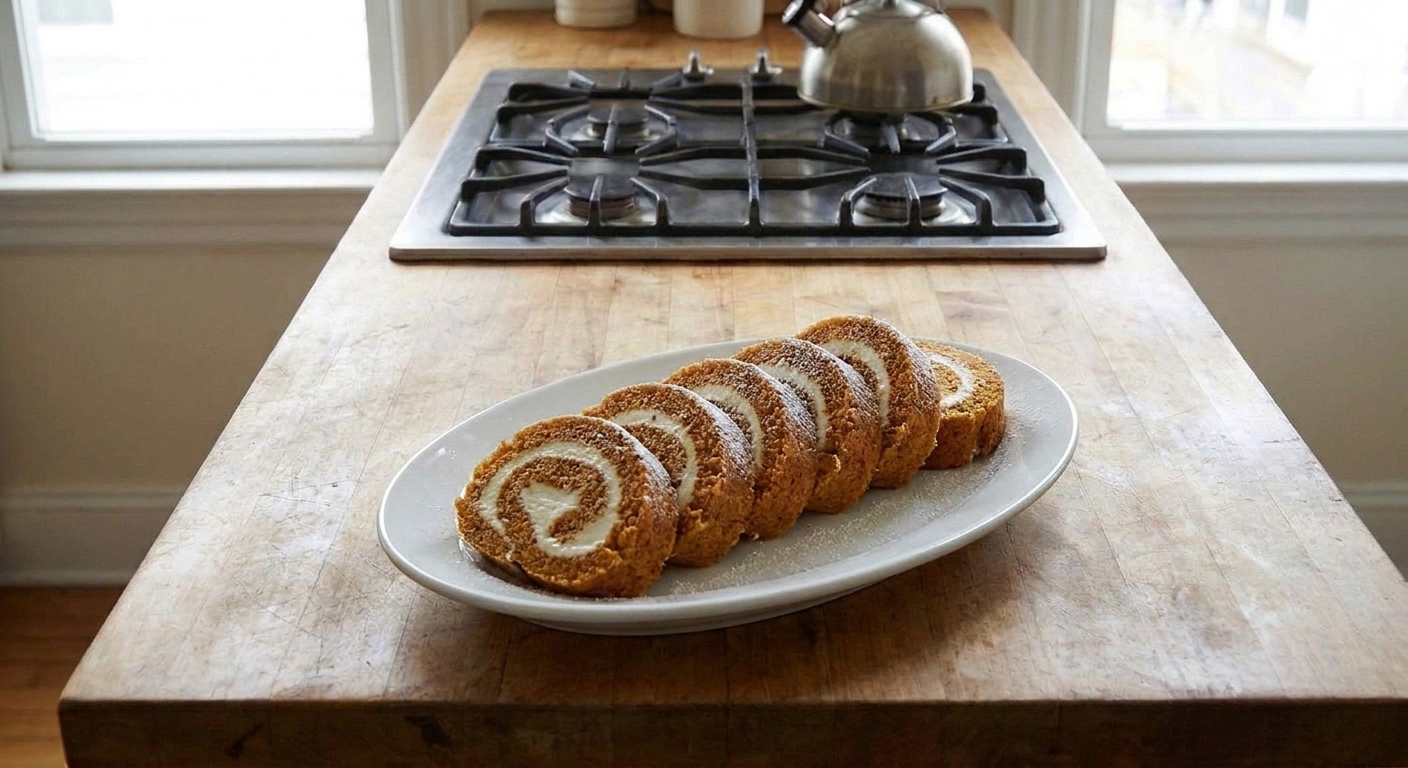
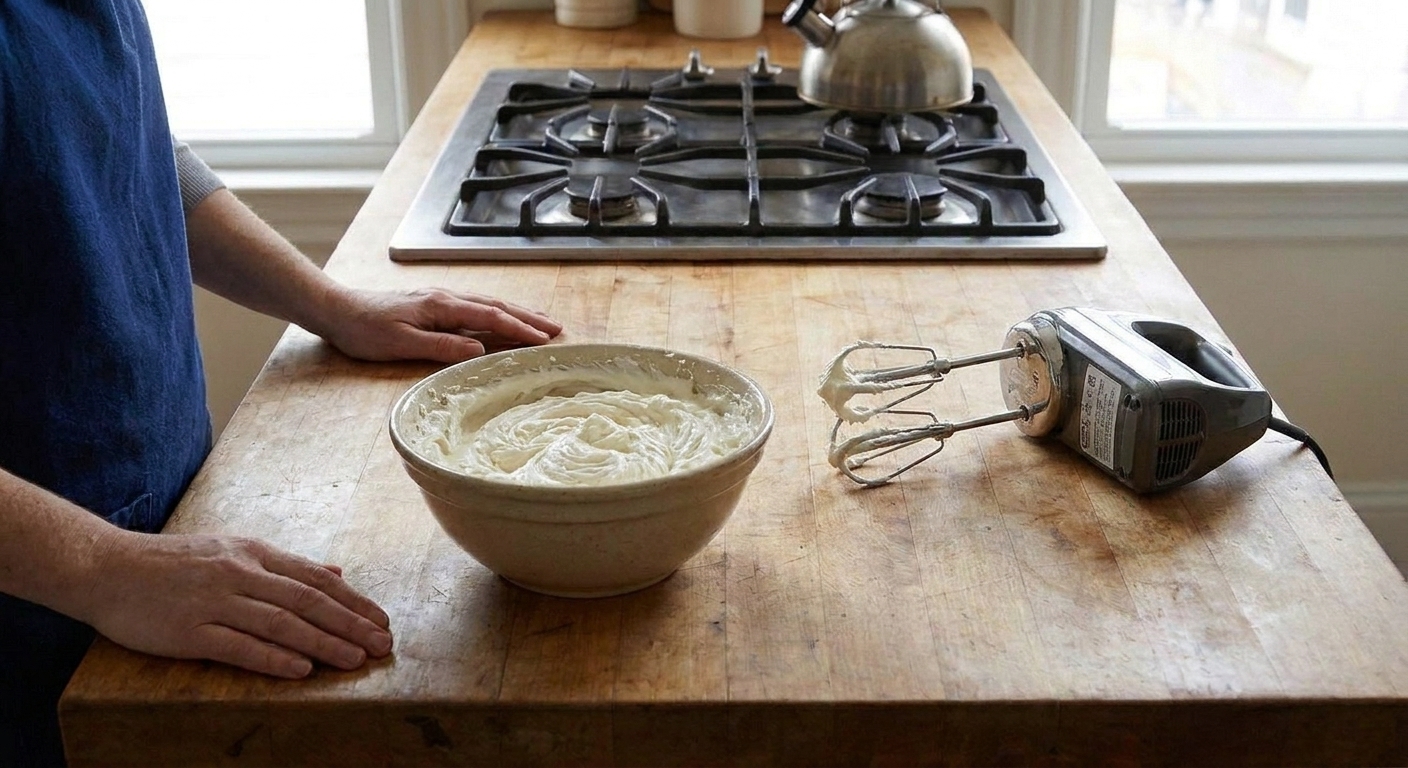
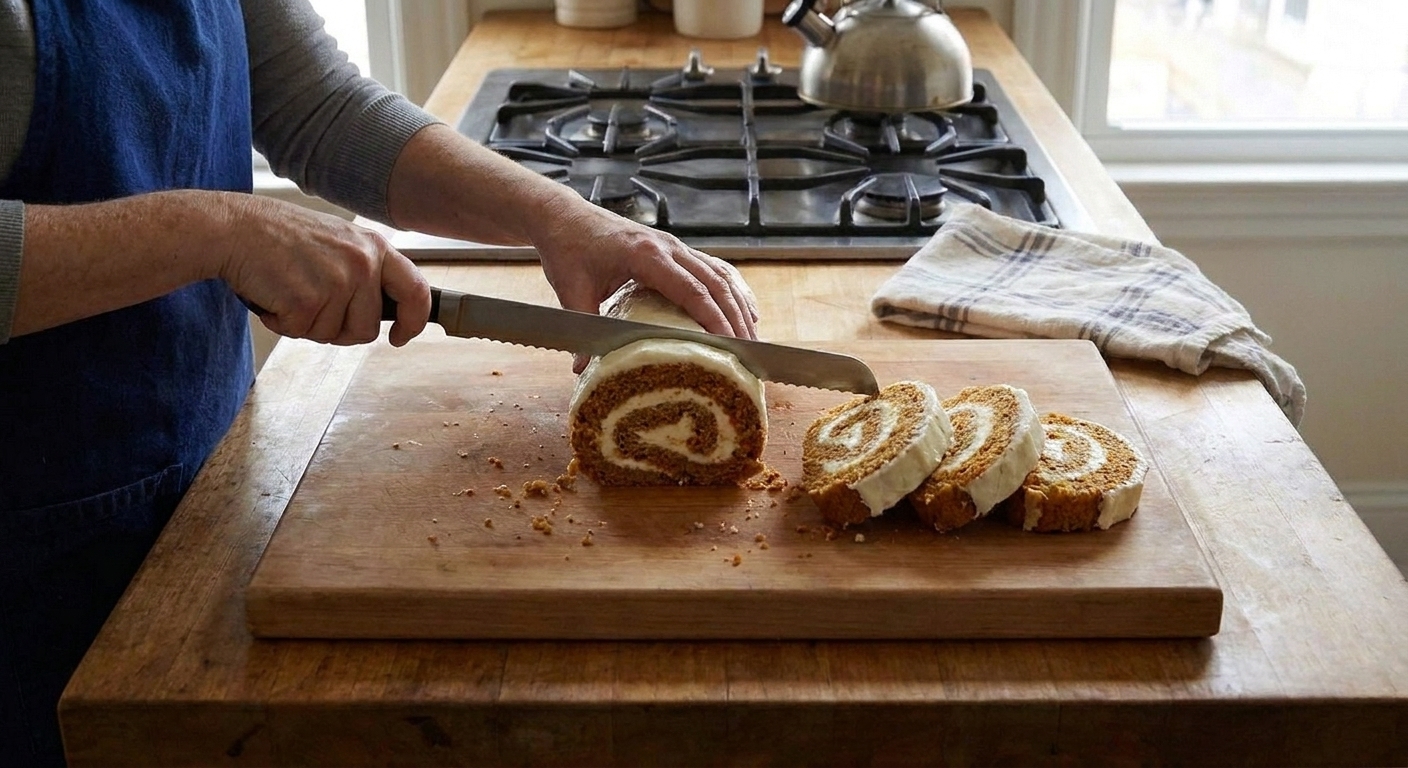
Chill the filled roll for at least 1 hour, and 2 hours is even better for clean slices. The cream cheese filling firms up, the spiral sets, and your knife will not squish the roll into an oval.
Can I make it ahead?
Yes. You can make the whole roll a day ahead and keep it wrapped in the refrigerator. The flavor gets cozier as it sits.