Mom's Best Recipes
Recipe

Cassava Cake

A tender, coconut-rich cassava cake with crisp golden edges and a lightly caramelized topping that tastes even better the next day.

Author By Matt Campbell
4.8
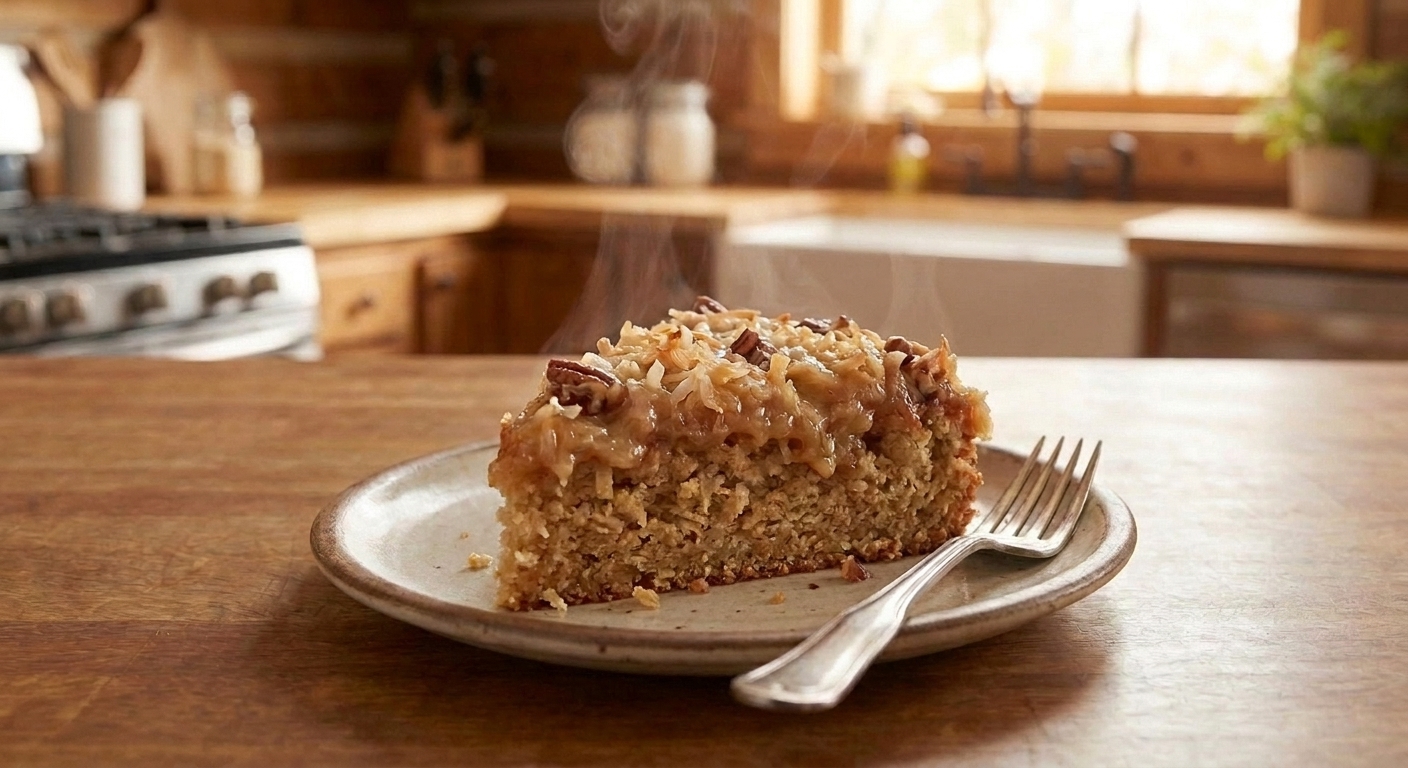
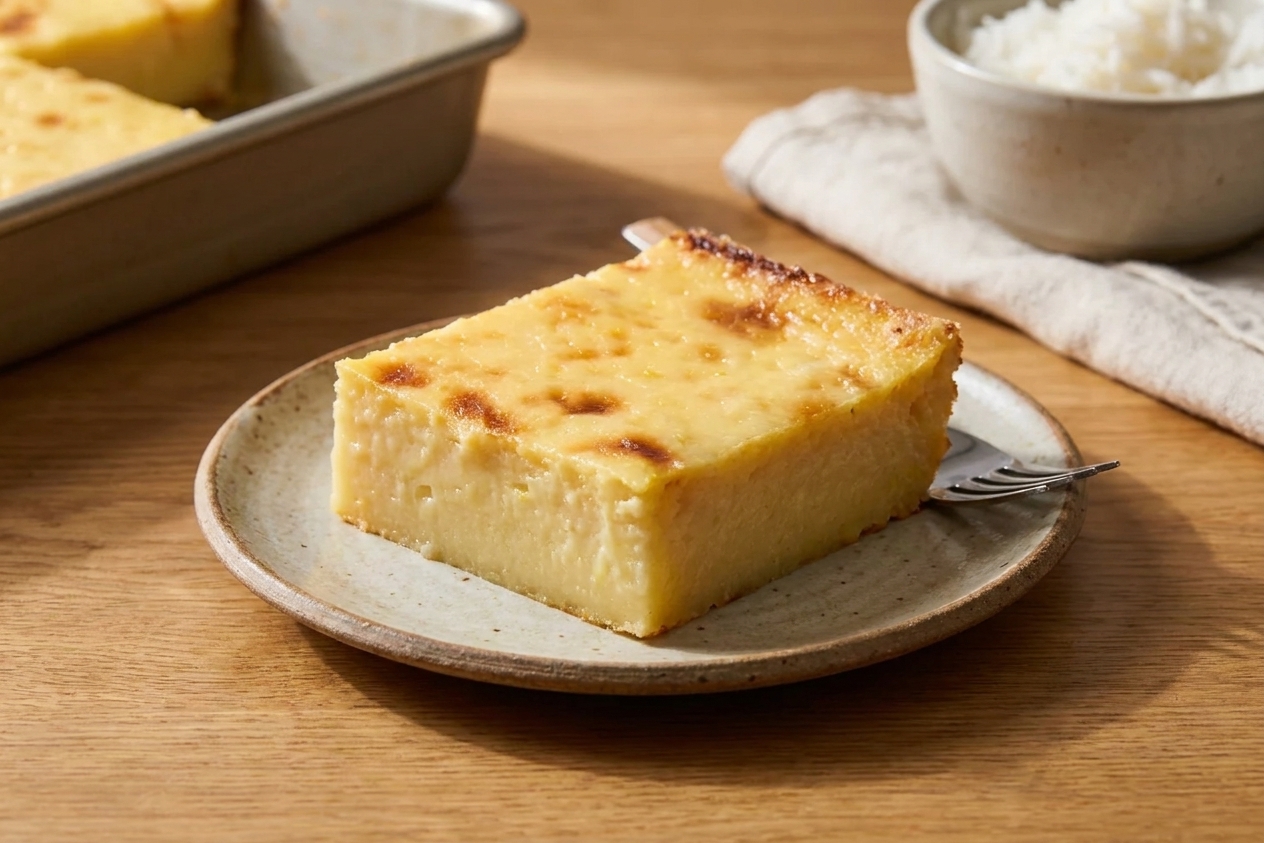
A thick slice of Filipino cassava cake on a small plate, showing a custardy center and deeply golden top, set on a warm kitchen table with soft natural light

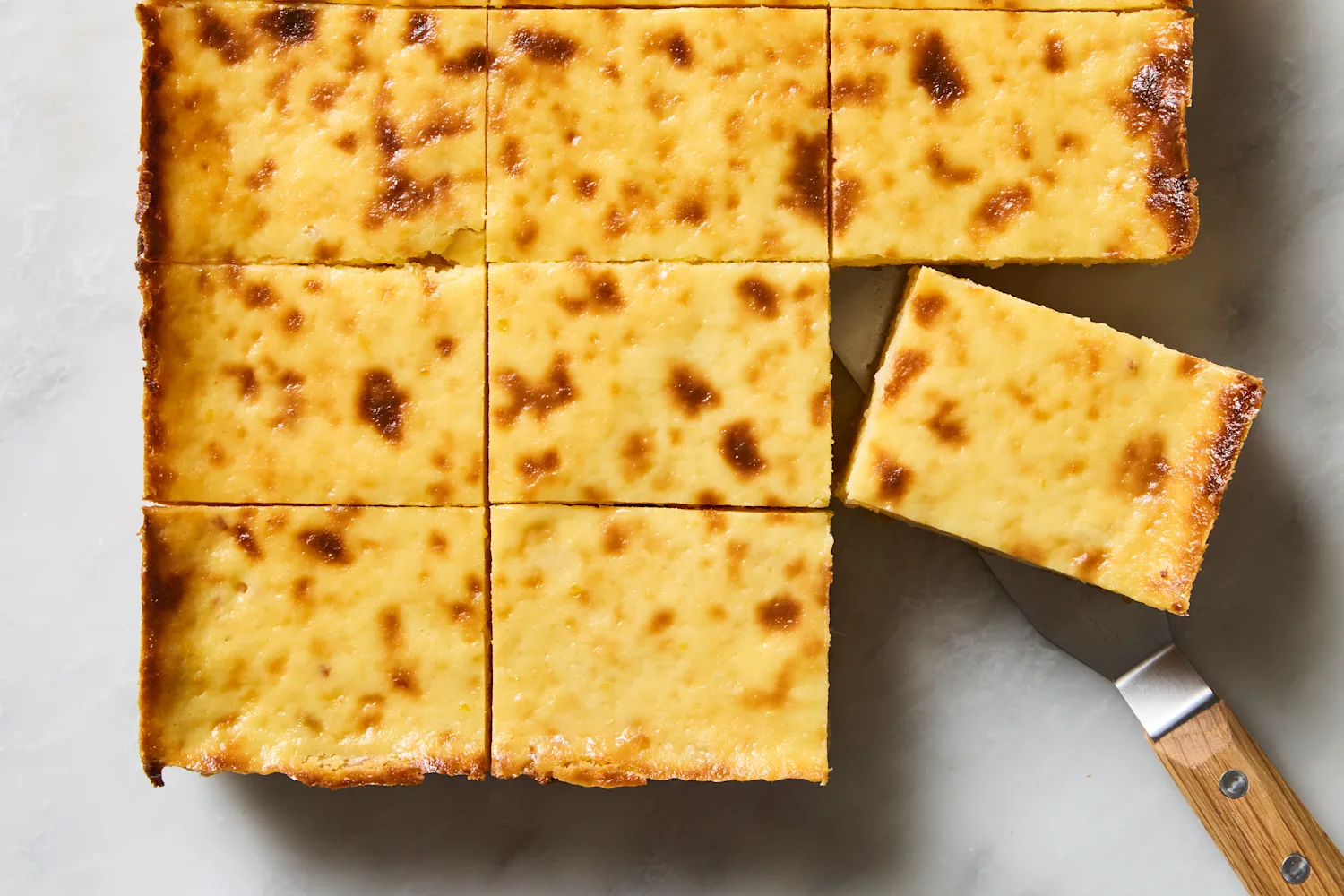
Cassava cake is one of those desserts that feels like a warm hug and a little flex at the same time. It looks simple, but the payoff is big: a sweet, coconutty bake with a custard-like middle and toasty, crisp edges that make you sneak “just one more” sliver straight from the pan.

This version keeps ingredients accessible and the steps low drama. Whether you are working with fresh grated cassava or a bag from the freezer aisle, I will walk you through how to get that classic chewy-tender texture without ending up with a gummy brick. One quick note though: since cassava needs to be thoroughly cooked and the batter includes raw egg, skip tasting the batter and save your first bite for the baked, golden payoff.

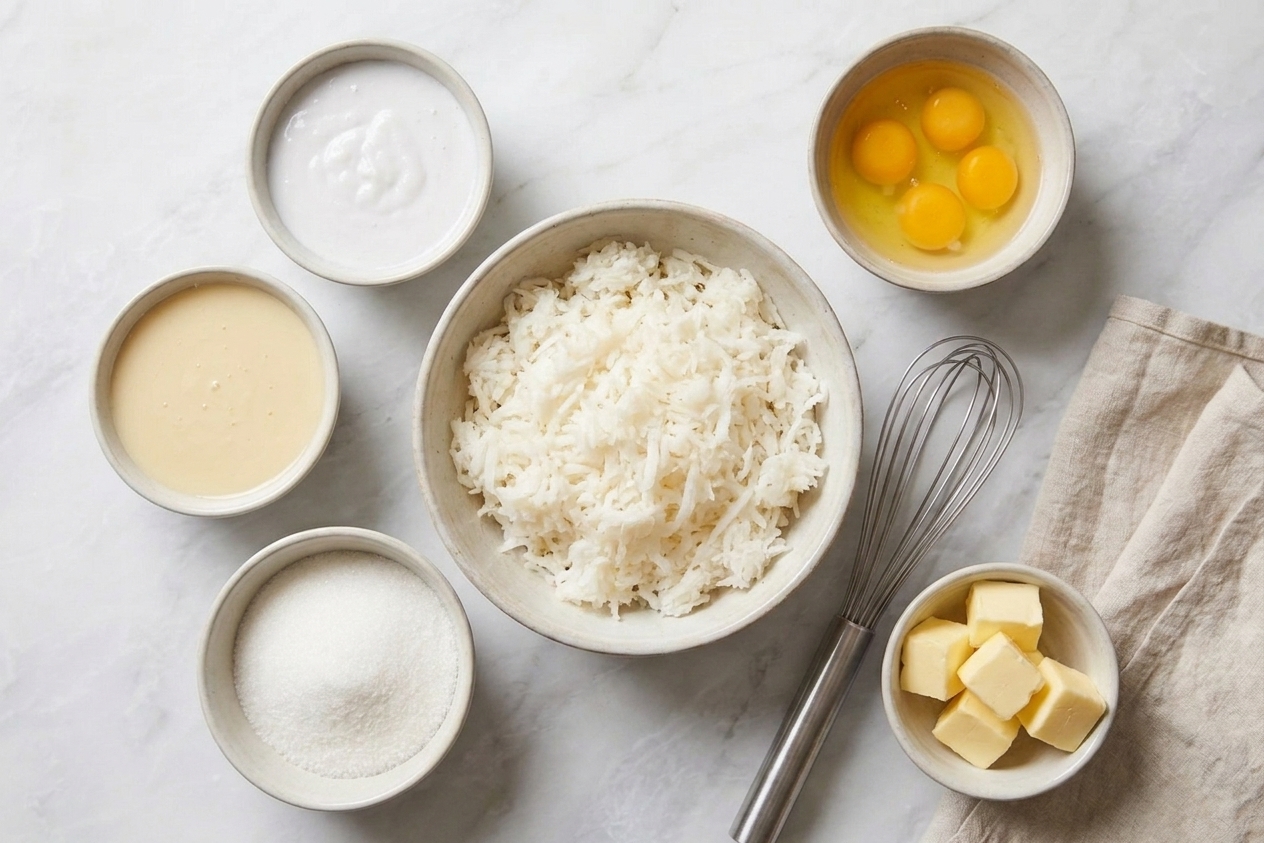
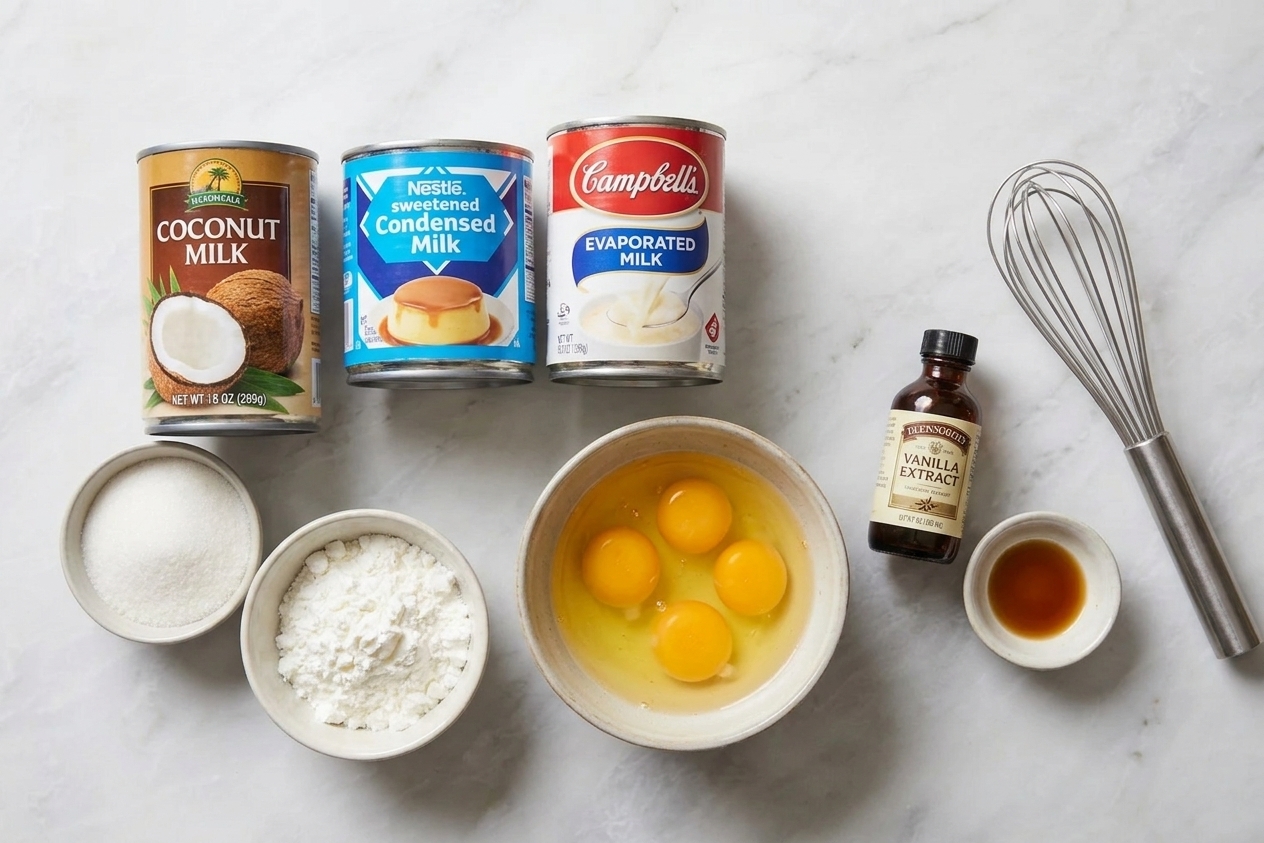
Grated cassava, coconut milk, condensed milk, eggs, sugar, and butter arranged on a clean kitchen counter in matching bowls, ready for baking

Why It Works

  • Tender, custardy texture: Cassava bakes up chewy in the best way, while coconut milk and eggs give it that soft-set custard feel.
  • Golden edges and a caramel-kissed top: A simple coconut topping turns glossy and browned, like the dessert equivalent of a crispy corner piece.
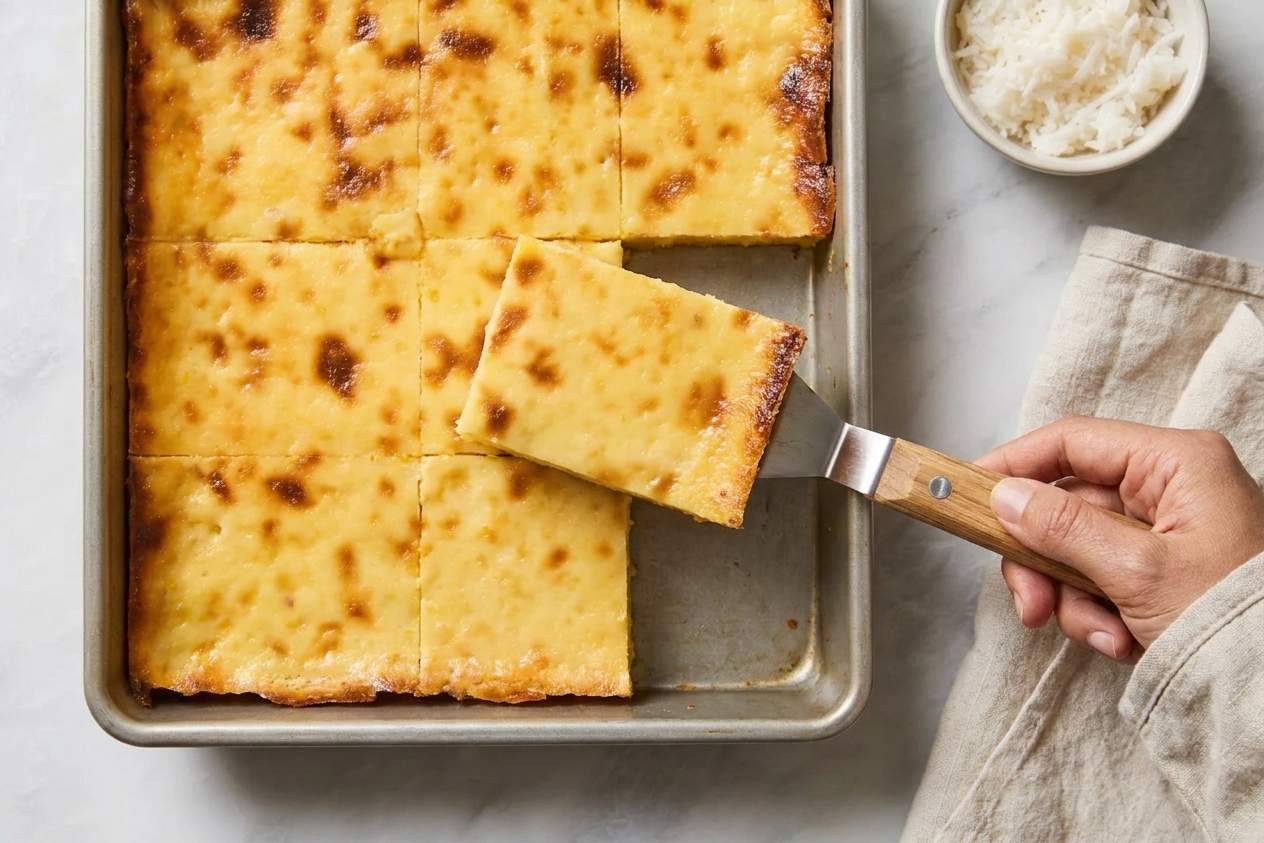
  • Make-ahead friendly: It slices cleaner when chilled and tastes even richer after a night in the fridge.
  • Flexible ingredients: Works with frozen grated cassava and pantry staples, with easy swaps if you need them.

Pairs Well With

Storage Tips

How to Store Cassava Cake

Fridge: Cool completely, then cover the pan tightly or transfer slices to an airtight container. Refrigerate for up to 5 days. The cake firms up as it chills, which makes it easier to slice.

Freezer: Slice into portions, wrap each piece in plastic wrap, then place in a freezer bag or airtight container. Freeze up to 2 months.

To reheat: Warm slices in the microwave in 15 to 25 second bursts until just heated through. For a slightly crisper edge, reheat in a toaster oven at 325°F for 8 to 12 minutes.

Individual cassava cake slices stored in a glass airtight container lined with parchment on a kitchen counter

Common Questions

Common Questions

What does cassava cake taste like?

Sweet and coconut-forward, with a mild, almost nutty starchy base. The texture is the star: chewy-tender, like a cross between a baked pudding and a mochi-adjacent bar.

Can I use frozen grated cassava?

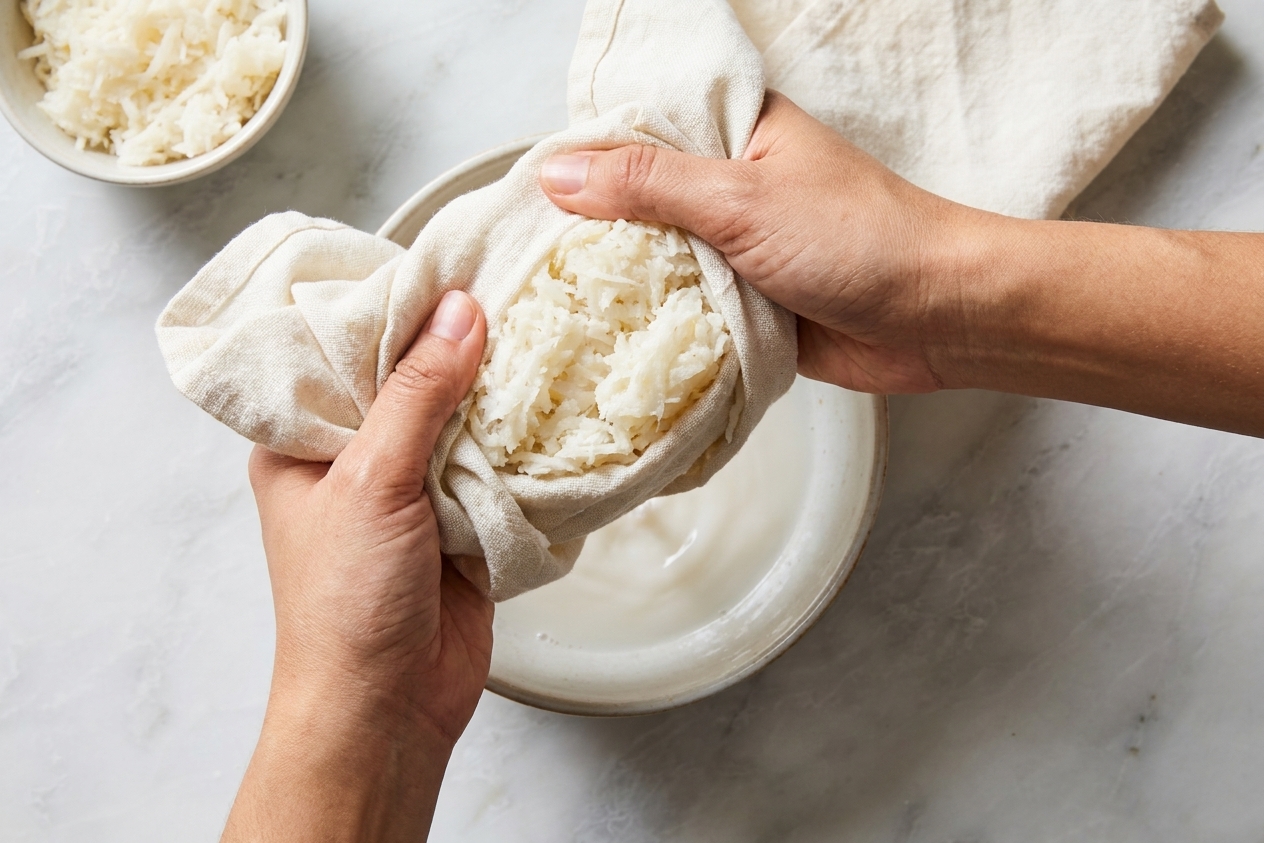
Yes, and it is what many home cooks use. Thaw it completely and squeeze out excess liquid so your cake bakes up custardy instead of watery. Some brands are extra wet, so do not be shy about squeezing.

Do I have to squeeze the cassava?

If it is fresh-grated or thawed frozen, I strongly recommend it. Put it in a clean kitchen towel or cheesecloth and squeeze until it is damp, not dripping. Too much liquid can make the center gummy or underbaked.

Is cassava the same as yuca?

Yes. Cassava is also called yuca or manioc. Yuca is the common name in many Latin American contexts. Just do not confuse it with yucca (the ornamental plant).

How do I know it is done?

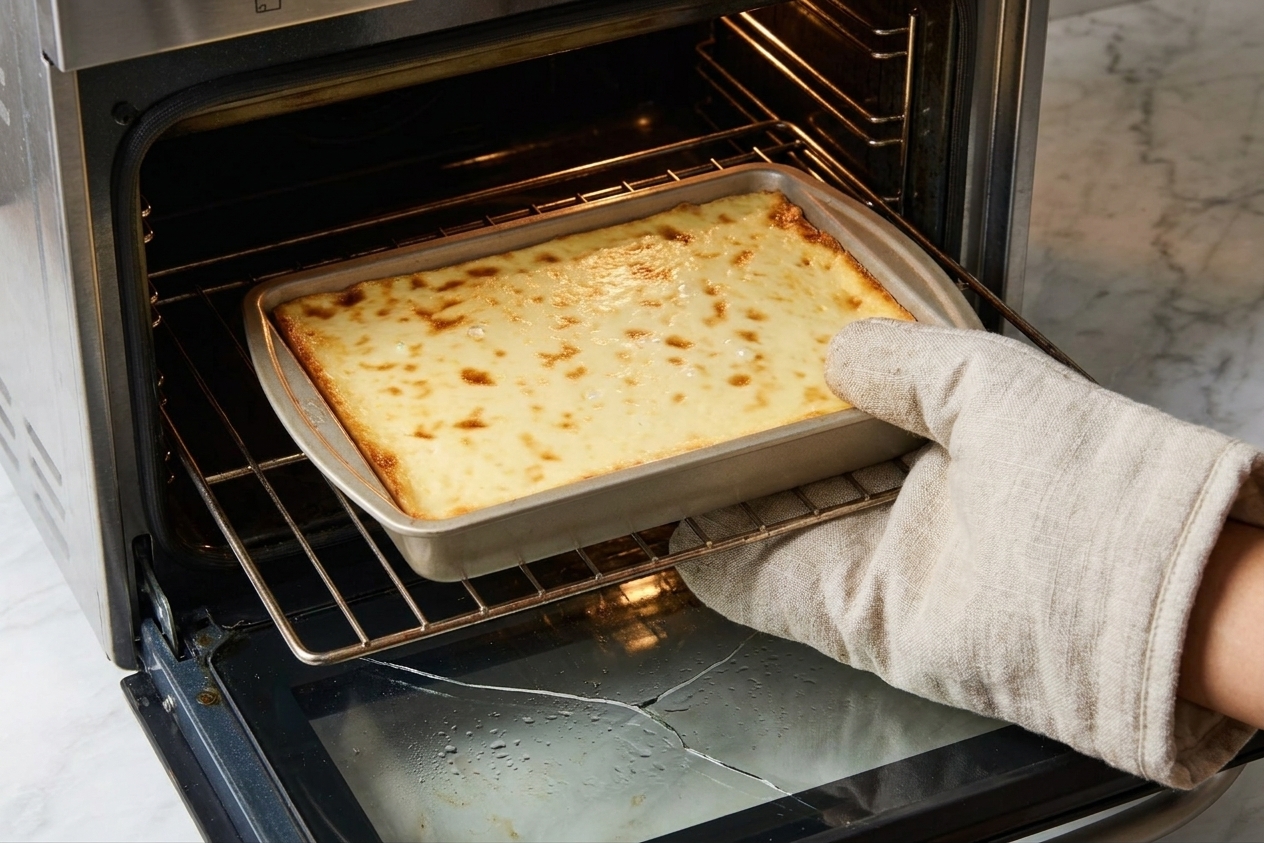
The top should be deeply golden, the edges set, and the center should look set with only a gentle jiggle. A toothpick will not come out “clean” like a regular cake because this is custardy, but it should not come out wet with raw batter. If you want a foolproof check, aim for a center temp of about 190 to 200°F (88 to 93°C).

Can I make it less sweet?

You can reduce the granulated sugar slightly. Keep in mind condensed milk also adds sweetness. I suggest reducing sugar by 2 tablespoons first, then adjust next time.

Why did my cassava cake turn out rubbery?

Common culprits: too much liquid in the cassava, overbaking, or baking at too high a temperature. Squeeze the cassava well and bake until just set in the center.

Does the pan material matter?

Yes. Glass tends to bake a little slower than metal. Start checking a few minutes early for metal pans, and expect glass to possibly need a bit longer.

Should I serve it chilled or warm?

Both are good, just different vibes. Chilled is firmer and chewier with cleaner slices. Room temp or gently warm is softer and more custardy.

I love desserts that are basically “dump, stir, bake” but still feel special. Cassava cake is exactly that for me. The first time I made it, I was shocked at how it transformed in the oven. The batter looked like something you would not brag about, then an hour later I had this golden slab of coconut perfume with edges that practically crackled when I cut into it. Now it is one of my favorite bring-to-a-friend’s-house desserts because it travels well, slices clean, and somehow tastes even better after it has had a night to chill and get its life together.