Mom's Best Recipes
Recipe

Cheese Sauce for Mac and Cheese

A creamy stovetop cheese sauce that stays smooth, tastes bold, and turns any pasta into real-deal mac and cheese.

Author By Matt Campbell
4.8
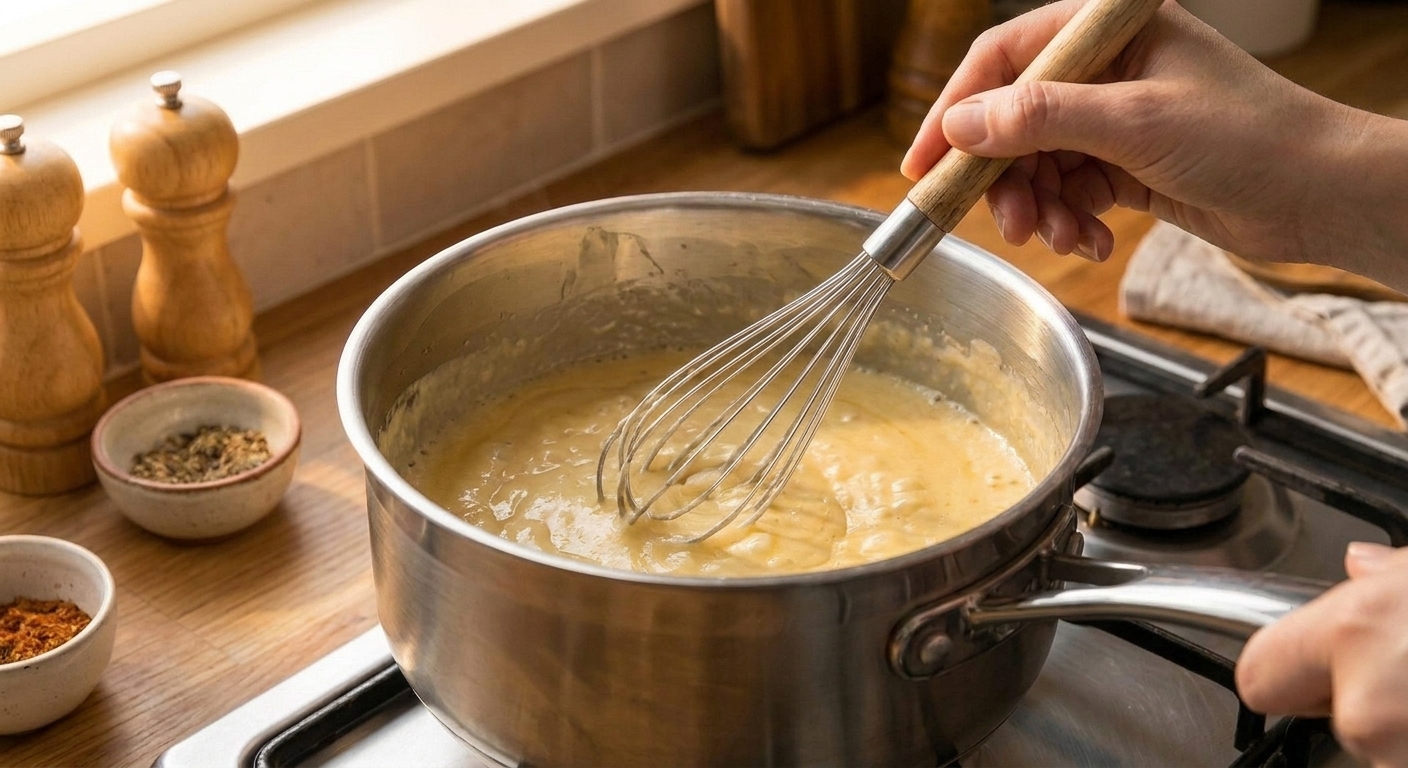
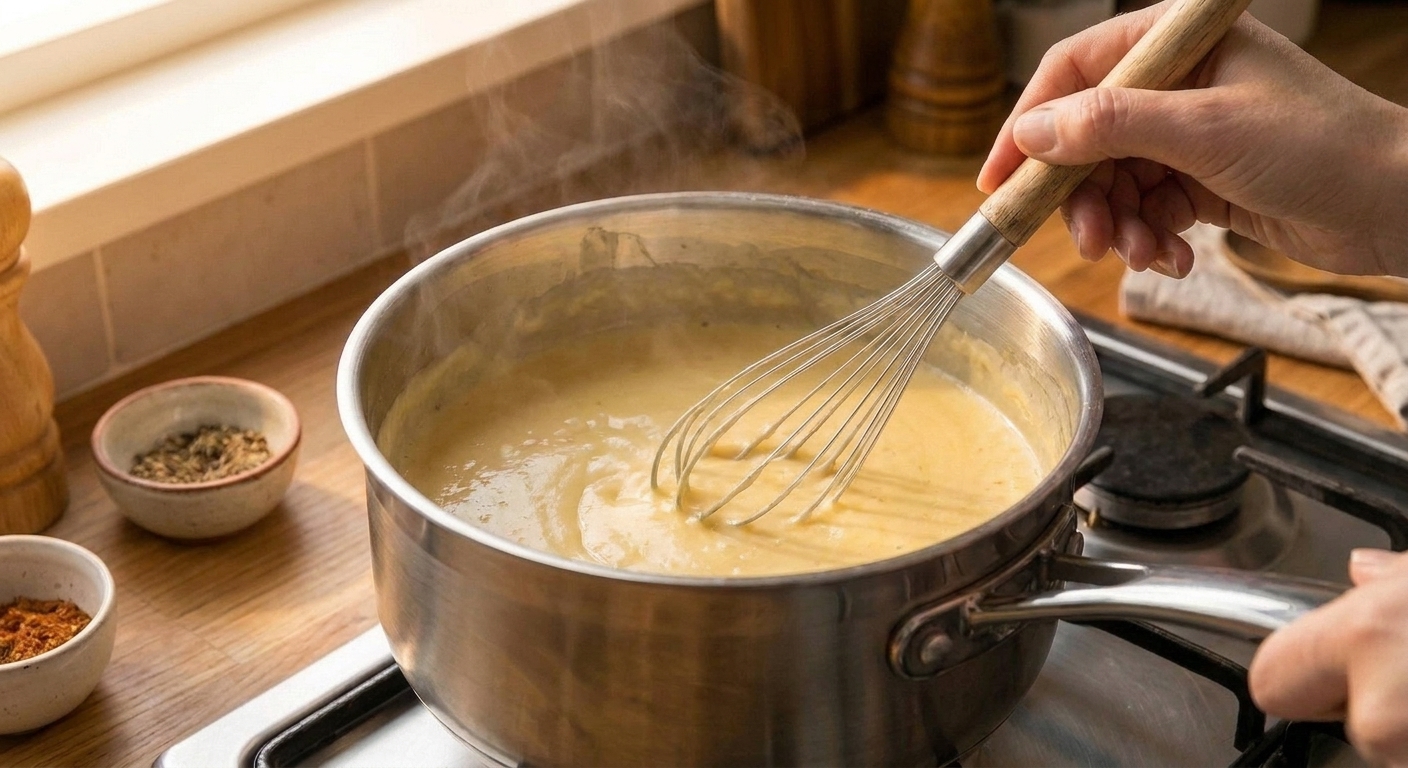
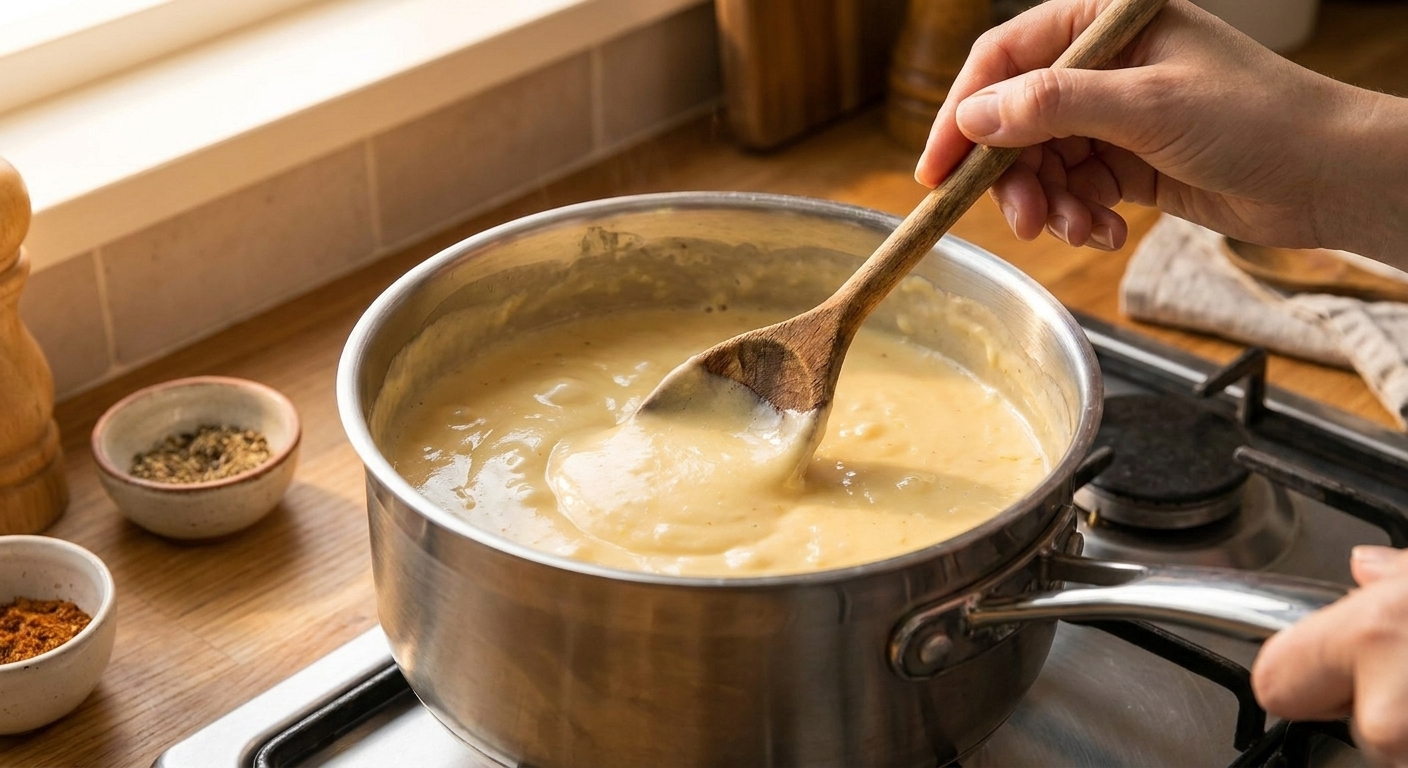
A saucepan of glossy, creamy cheese sauce being stirred with a wooden spoon on a stovetop, warm kitchen lighting

Mac and cheese lives or dies by the sauce. Not the pasta shape. Not the breadcrumb topping. Not even the cheese pull photo you try to take while your family is already eating. It is the sauce. And the best cheese sauce is not complicated, it is just built with patience, a little heat control, and cheese that actually wants to melt.

This is my go-to stovetop cheese sauce for macaroni and cheese. It is classic, creamy, and dependable, with a quick pantry roux (butter + flour), milk for body, and a mix of cheeses for flavor and melt. I also added the small “save your weeknight” details: how to prevent graininess, when to add the cheese, and what to do if your sauce goes weird on you.

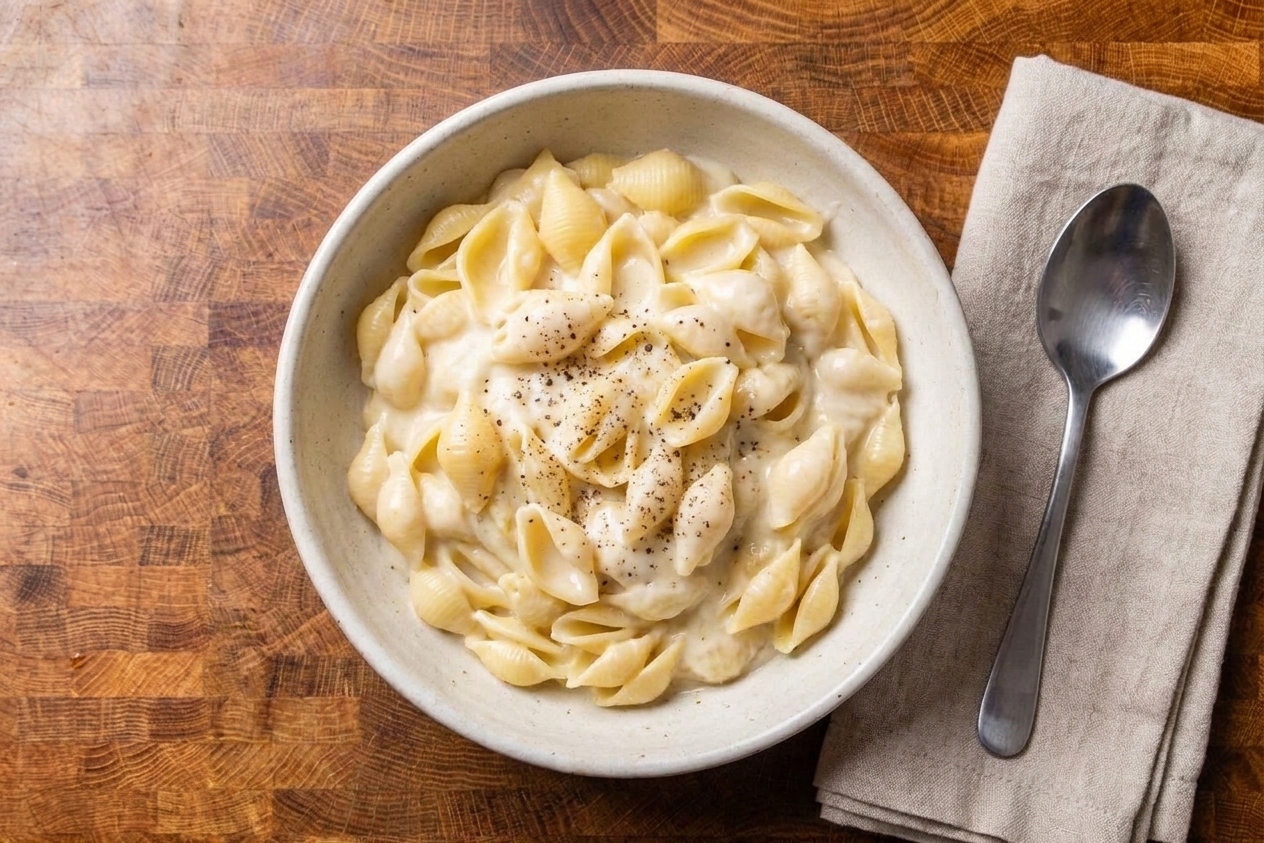
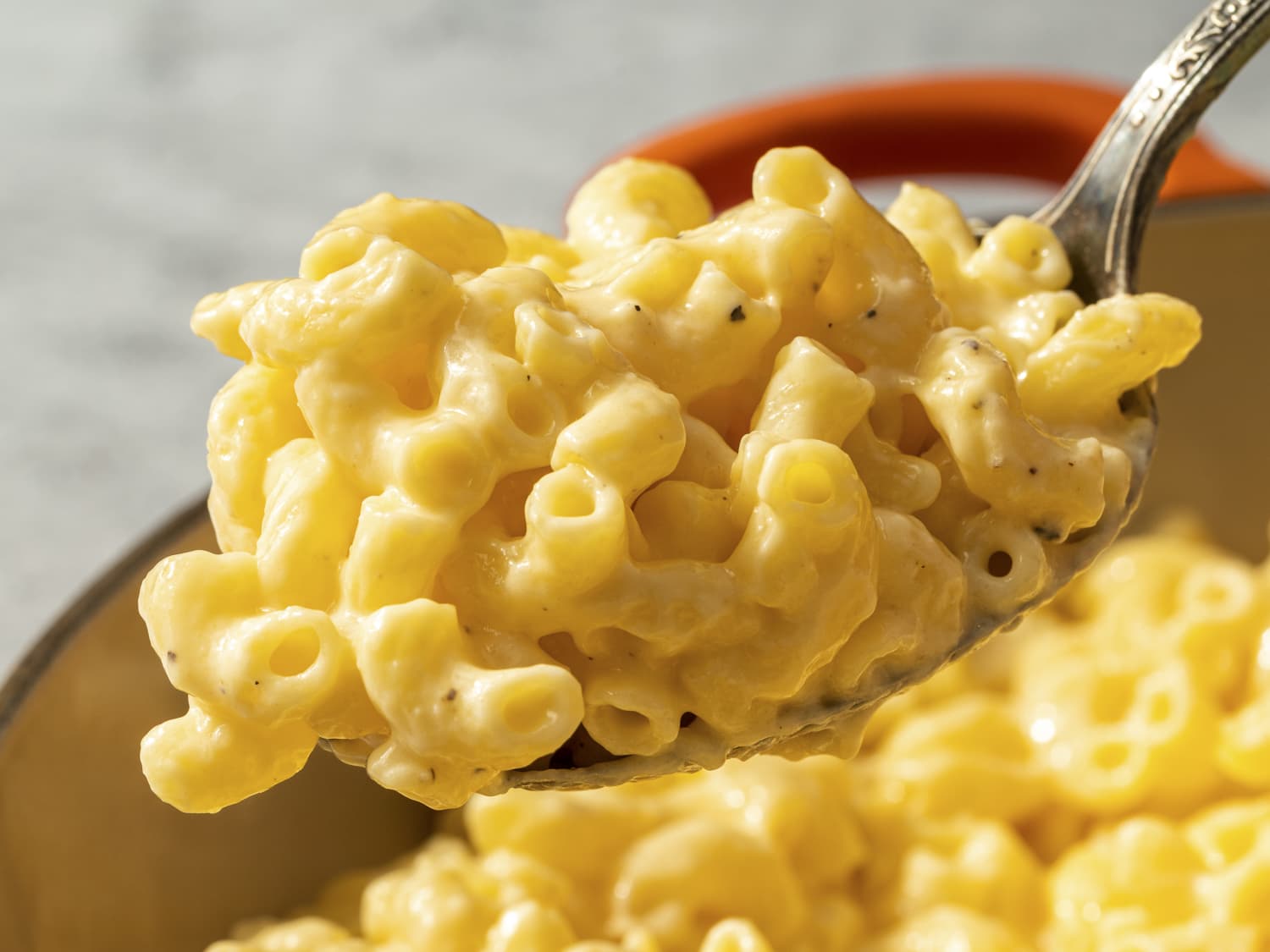
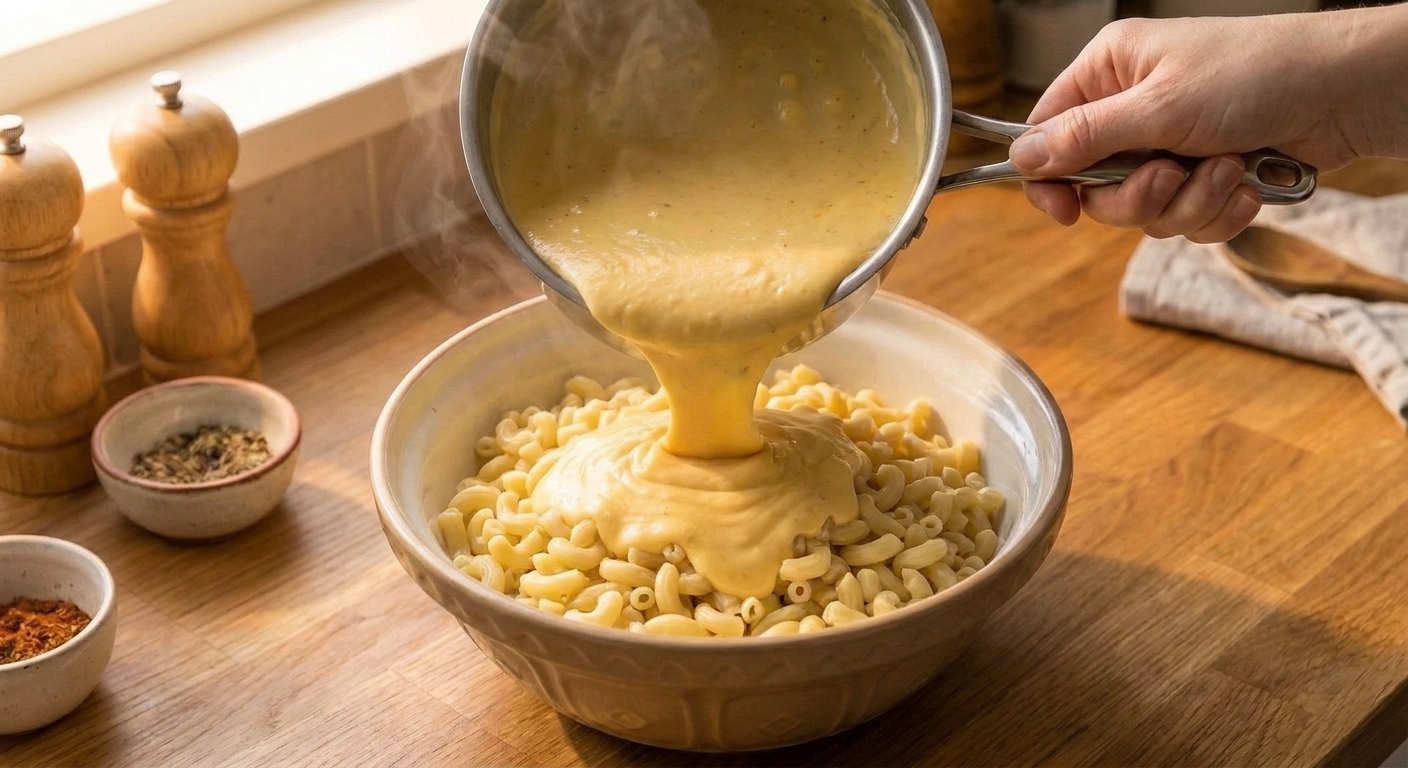
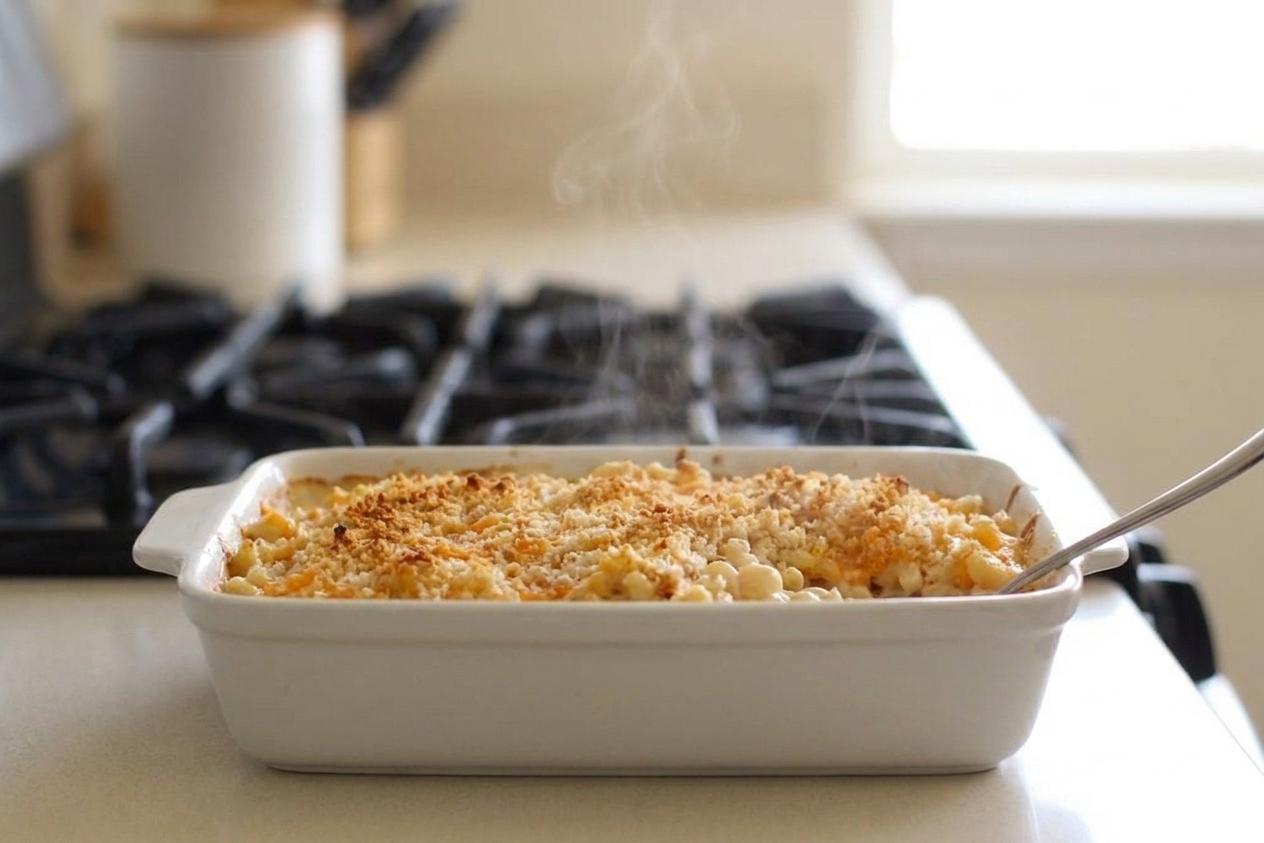
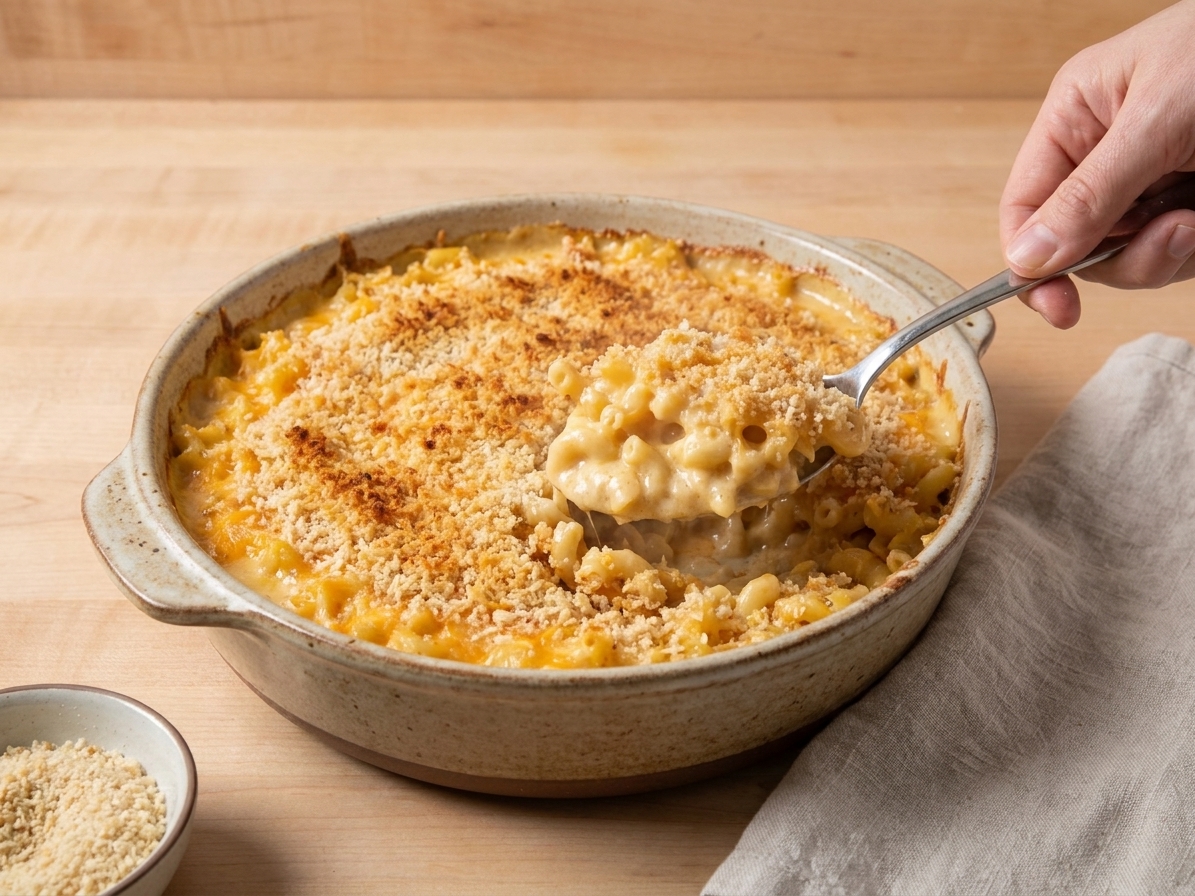
Use it right away for stovetop mac, or pour it over cooked pasta and bake for that golden, bubbly top. Either way, you are about to have a sauce that clings to noodles like it means it.
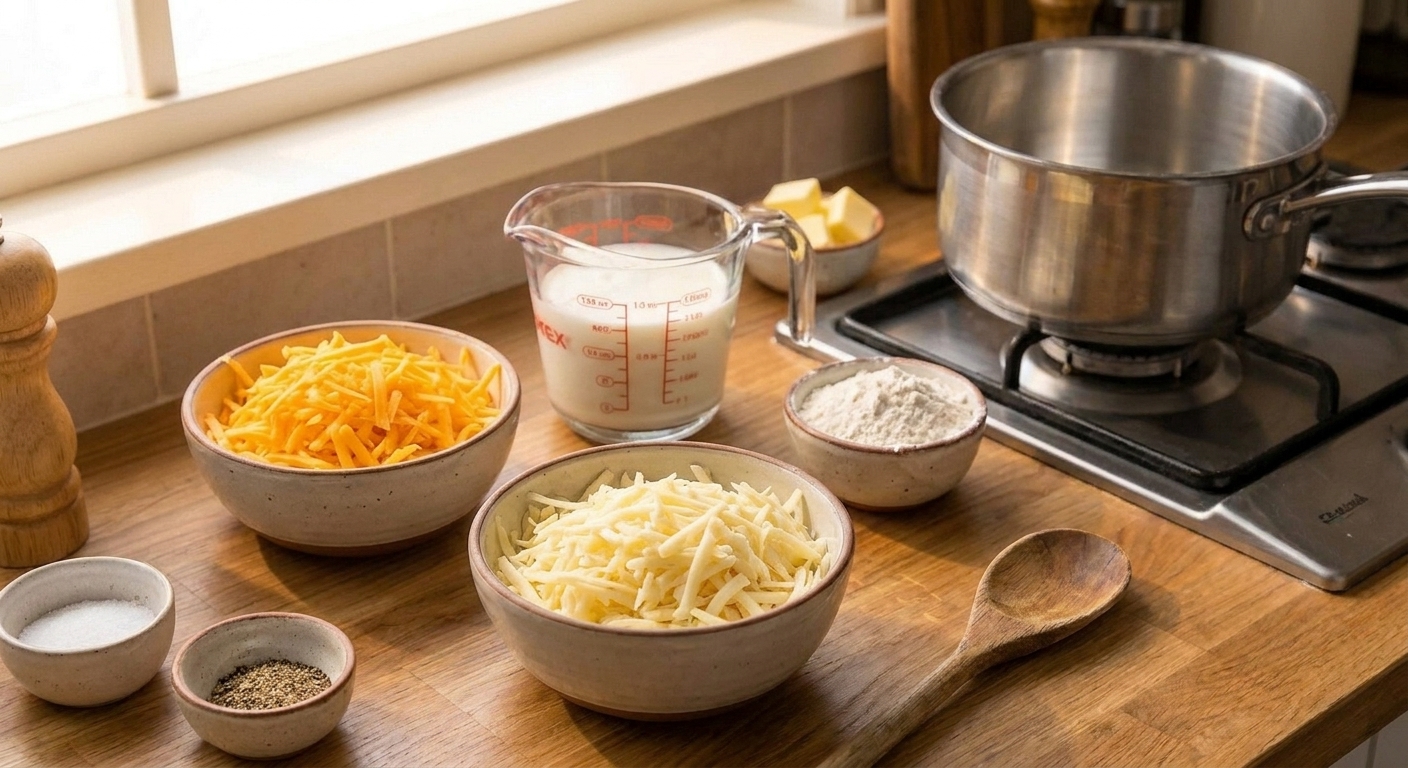
Bowls of shredded cheddar and shredded Gruyere on a kitchen counter next to butter, flour, and milk, ready for mac and cheese

Why It Works

  • Ultra-smooth texture: A quick roux thickens the milk so the sauce stays creamy instead of watery.
  • Big cheese flavor without grit: We take the pan off the heat before adding cheese, so it melts gently and stays silky.
  • Clings to pasta: This sauce is thick enough to coat macaroni, but still pourable for baking.
  • Flexible: Use the base with cheddar, Monterey Jack, Gruyere, fontina, or other good melters. If you use mozzarella, keep it to a small amount to avoid stringiness.

Pairs Well With

Storage Tips

How to Store and Reheat Cheese Sauce

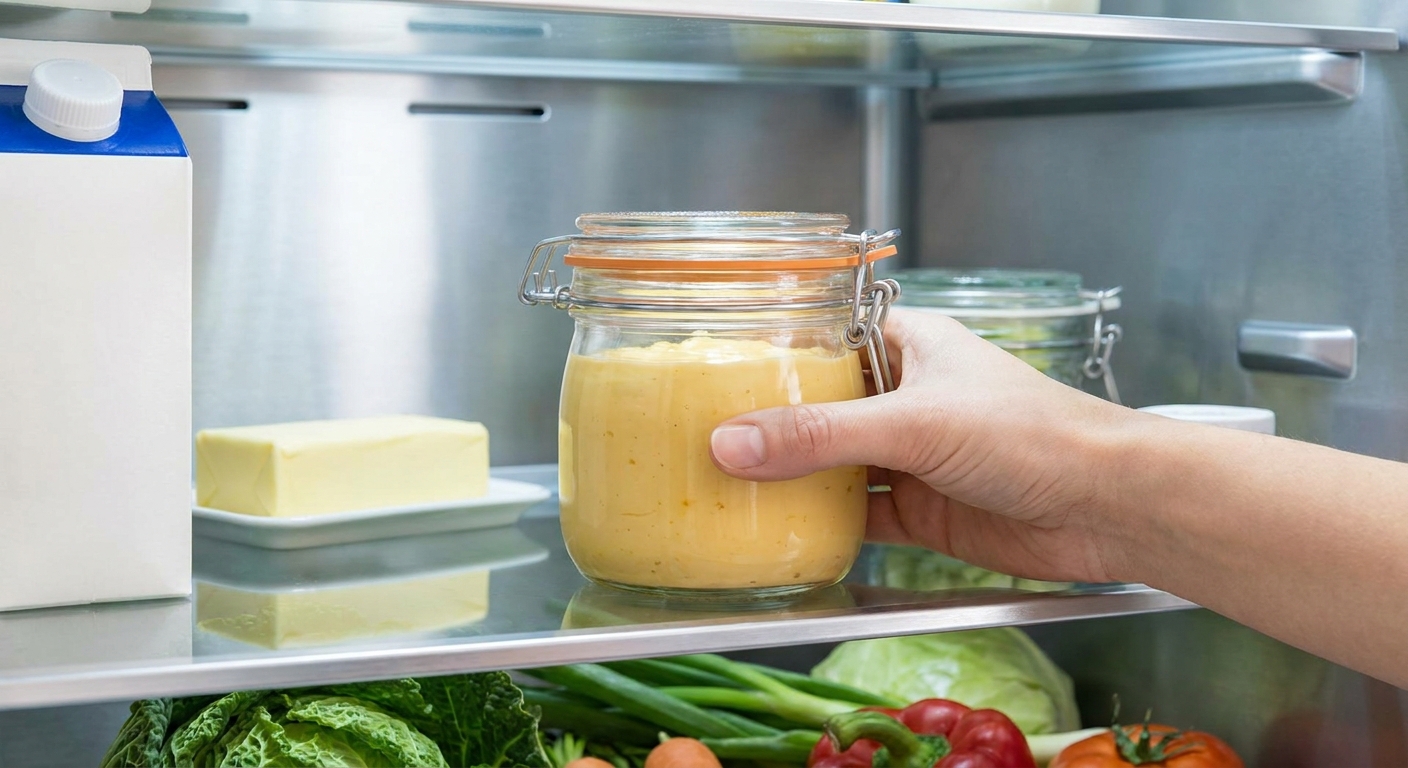
Fridge: Cool the sauce, then store airtight for up to 4 days. It will thicken a lot as it chills. That is normal.

Reheat (best method): Warm it gently in a saucepan over low heat with a splash of milk (start with 1 tablespoon per cup of sauce). Stir often until it loosens and turns glossy again. Keep it below a boil for the smoothest texture.

Microwave option: Heat in 20 to 30 second bursts, stirring well between rounds. Add a splash of milk as needed.

Freezing: I do not love freezing roux-based cheese sauces because they can separate when thawed. If you need to, freeze up to 2 months and reheat slowly with milk, whisking like you mean it. Expect the texture to be a little less silky.

A sealed glass container filled with creamy cheese sauce sitting on a refrigerator shelf

Common Questions

Common Questions

What cheese melts best for mac and cheese sauce?

Cheddar brings the classic flavor, but it can get grainy if overheated. Pair it with a smoother melter like Monterey Jack, Gruyere, fontina, or a little cream cheese for insurance. Avoid using only very aged hard cheeses as the main cheese.

Why did my cheese sauce turn grainy?

Graininess usually happens when cheese gets too hot and its proteins tighten up. Fix it by keeping heat low and adding cheese off the heat. Also, shred your own cheese if you can. Pre-shredded cheese can sometimes contain anti-caking agents that get in the way of smooth melting.

How do I fix a broken or oily cheese sauce?

First, take it off the heat. Then whisk in 1 to 2 tablespoons warm milk a little at a time. If it is still split, whisk in 1 teaspoon Dijon mustard or 1 tablespoon cream cheese. These can help pull things back together, but gentle heat and steady whisking are doing most of the heavy lifting.

Can I make this cheese sauce without flour?

Yes, but it is a different vibe. You can thicken with a cornstarch slurry (1 tablespoon cornstarch mixed with 1 tablespoon cold milk) and simmer until it thickens, then melt in cheese off the heat. The texture is a little lighter and glossier than a roux-based sauce.

How thick should cheese sauce be for mac and cheese?

For stovetop mac, aim for a sauce that coats a spoon and slowly runs off in a sheet. If you are baking, keep it slightly looser because the pasta will absorb sauce in the oven. Add a splash more milk if needed.

Can I make the sauce ahead of time?

Absolutely. Make it up to 2 days ahead and reheat gently with a splash of milk until smooth, then toss with freshly cooked pasta.

Can I use mozzarella?

You can, but keep it to a small amount. Mozzarella melts well, but too much can make the sauce stretchy instead of creamy. Use it as a supporting player, not the headline.

I used to think cheese sauce was either magic or a landmine. Some nights it was glossy and perfect, and other nights it went grainy and sad like it had something personal against me. The change was not a secret ingredient. It was two small habits: shred your own cheese and turn the heat down before the cheese goes in. Once I started treating the cheese like a delicate finishing move instead of something to boil into submission, this sauce became the weeknight backbone. The kind of thing you can make while chatting in the kitchen and still feel like you pulled off something special.