Mom's Best Recipes
Recipe

Chewy Homemade Bagels

A classic, properly chewy bagel with a shiny crust, simple pantry ingredients, and that unmistakable “I made these” pride. Boil, bake, and load them up with whatever makes your morning better.

Author By Matt Campbell
4.8
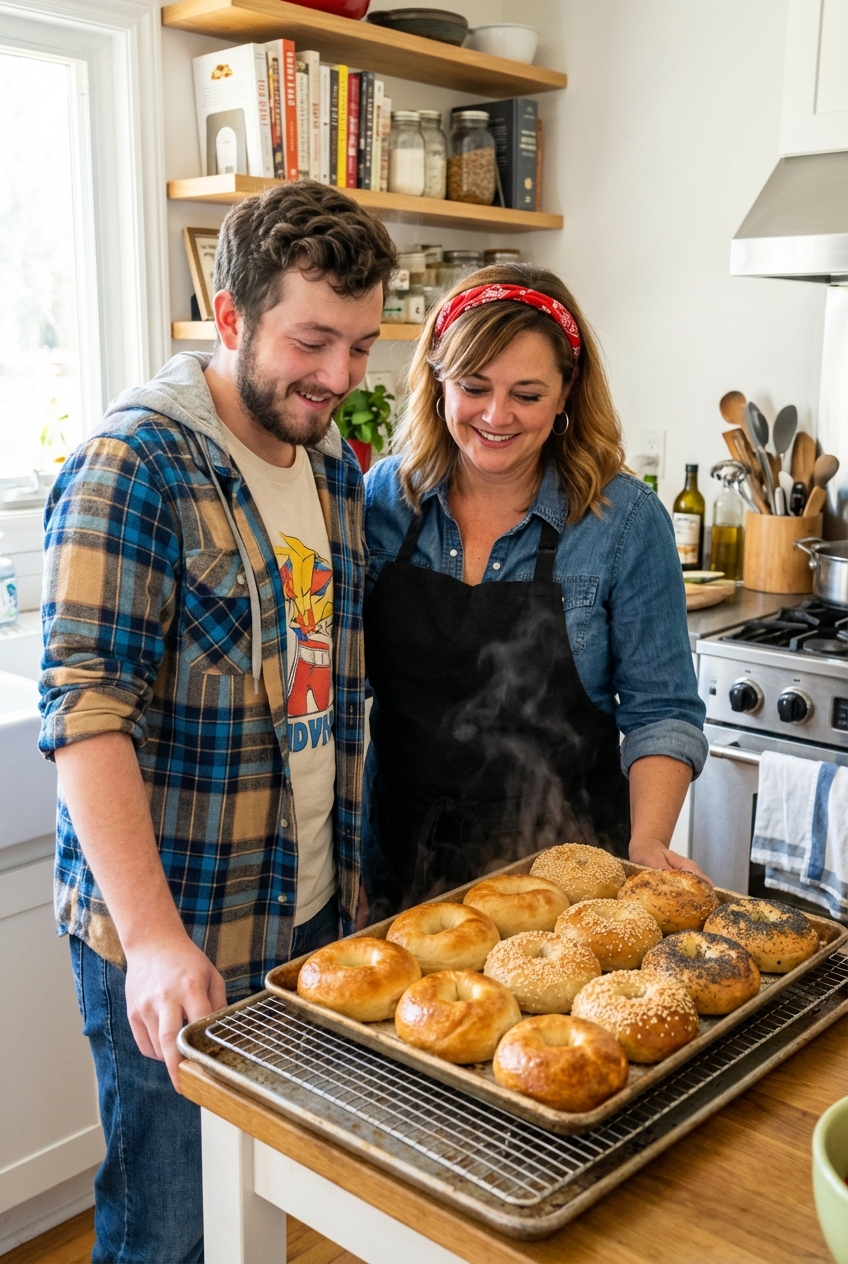
A tray of freshly baked golden brown bagels with a shiny crust cooling on a wire rack in a bright home kitchen

Homemade bagels sound like a weekend-only hobby until you realize the process is mostly waiting around while dough does its thing. The payoff is huge: a bagel that is chewy (not bready), a crust that turns shiny and crisp at the edges, and a kitchen that smells like your favorite bakery for the price of a bag of flour.

This recipe keeps it approachable: basic ingredients, clear steps, and the one move that makes a bagel a bagel, the quick boil. If you can stir, knead a little, and keep water at a gentle boil, you are in the bagel business.
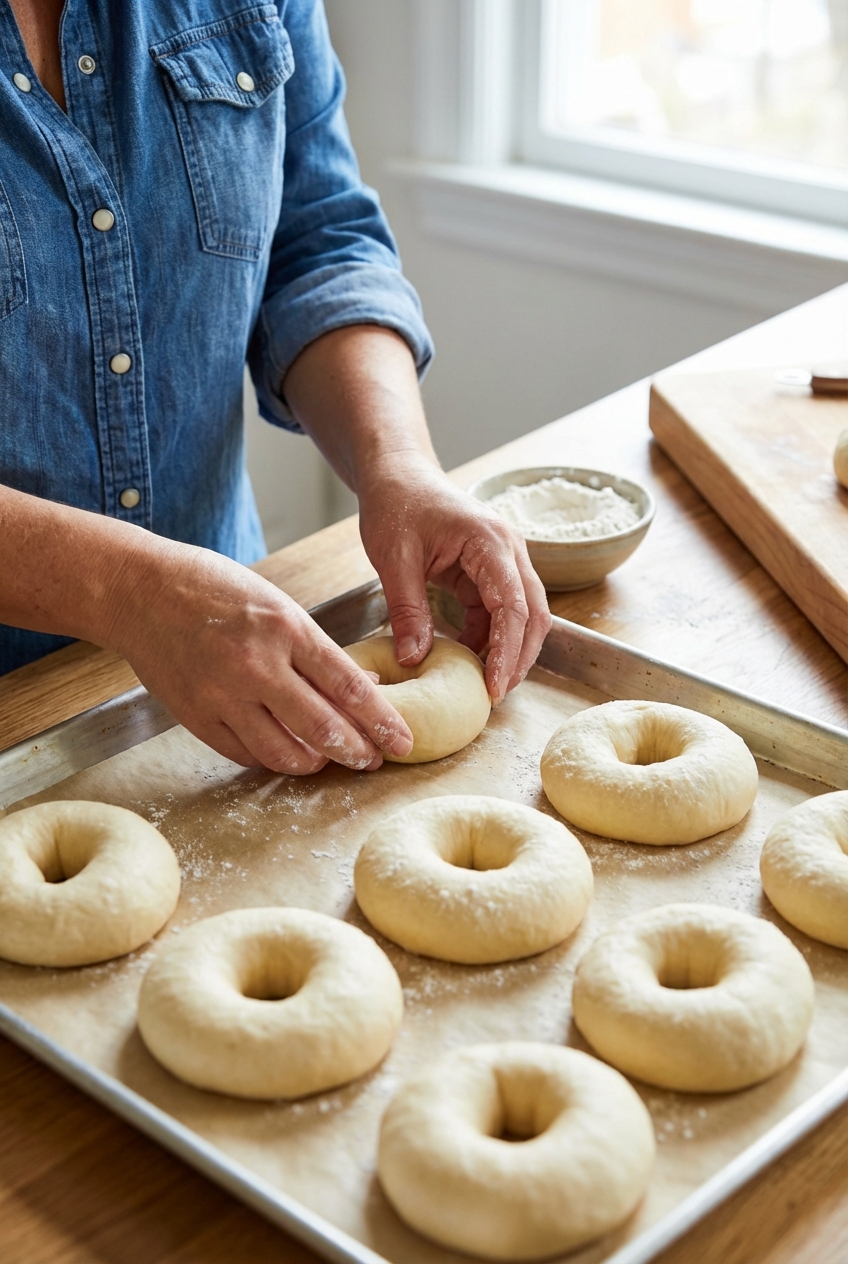
A pair of hands shaping smooth bagel rings on a parchment lined baking sheet

Why It Works

  • Bread flour for chew: Higher protein flour builds stronger gluten, which is what gives bagels that satisfying bite.
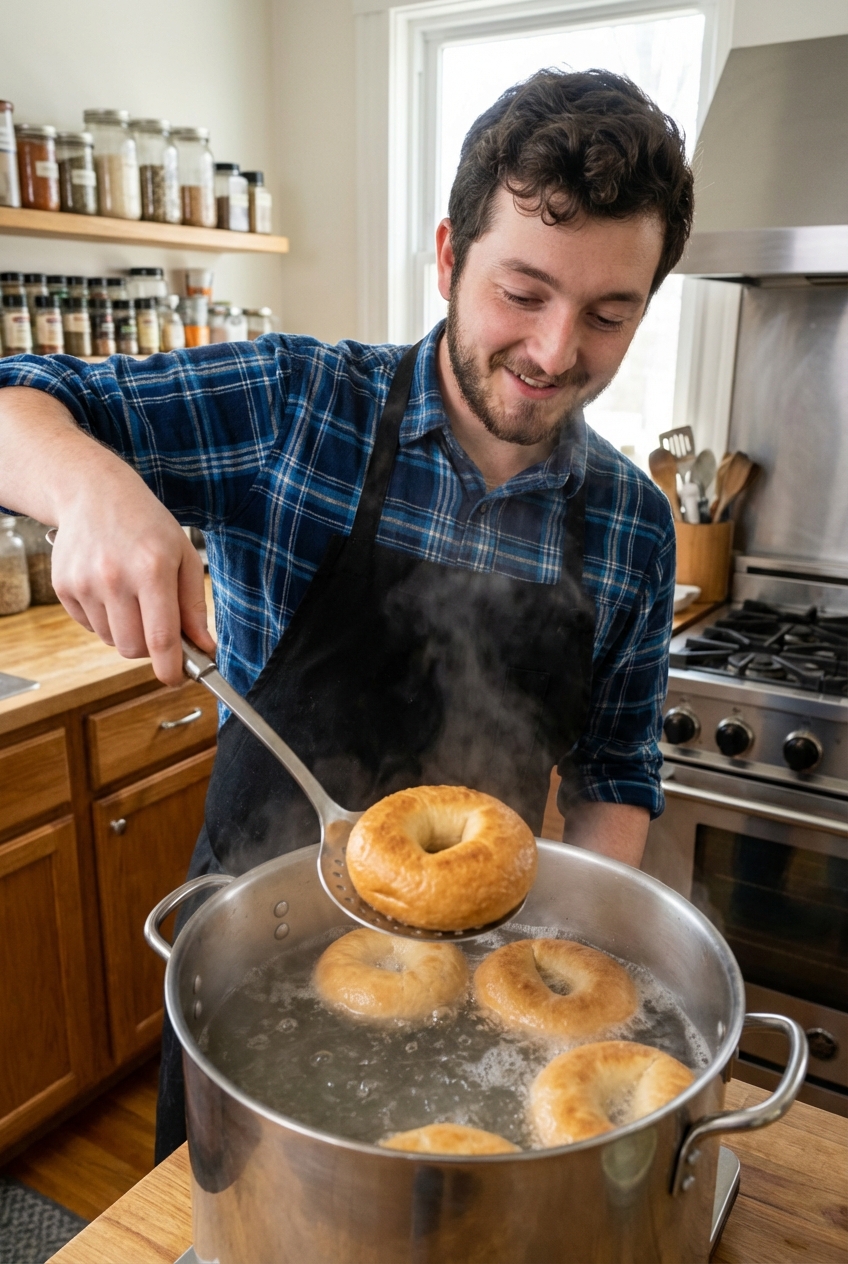
  • A short, sweet boil: Boiling sets the exterior so the bagels bake up dense and chewy, not fluffy like rolls.
  • Honey (or barley malt) in the water: Adds that classic subtle sweetness and helps the crust brown and shine.
  • Pan prep that prevents sticking: A sprinkle of cornmeal or semolina (or a light oiling) helps boiled bagels lift cleanly and adds a nice little texture on the bottom.
  • Optional egg wash: Not traditional for every style, but it makes toppings stick like a dream and boosts color.

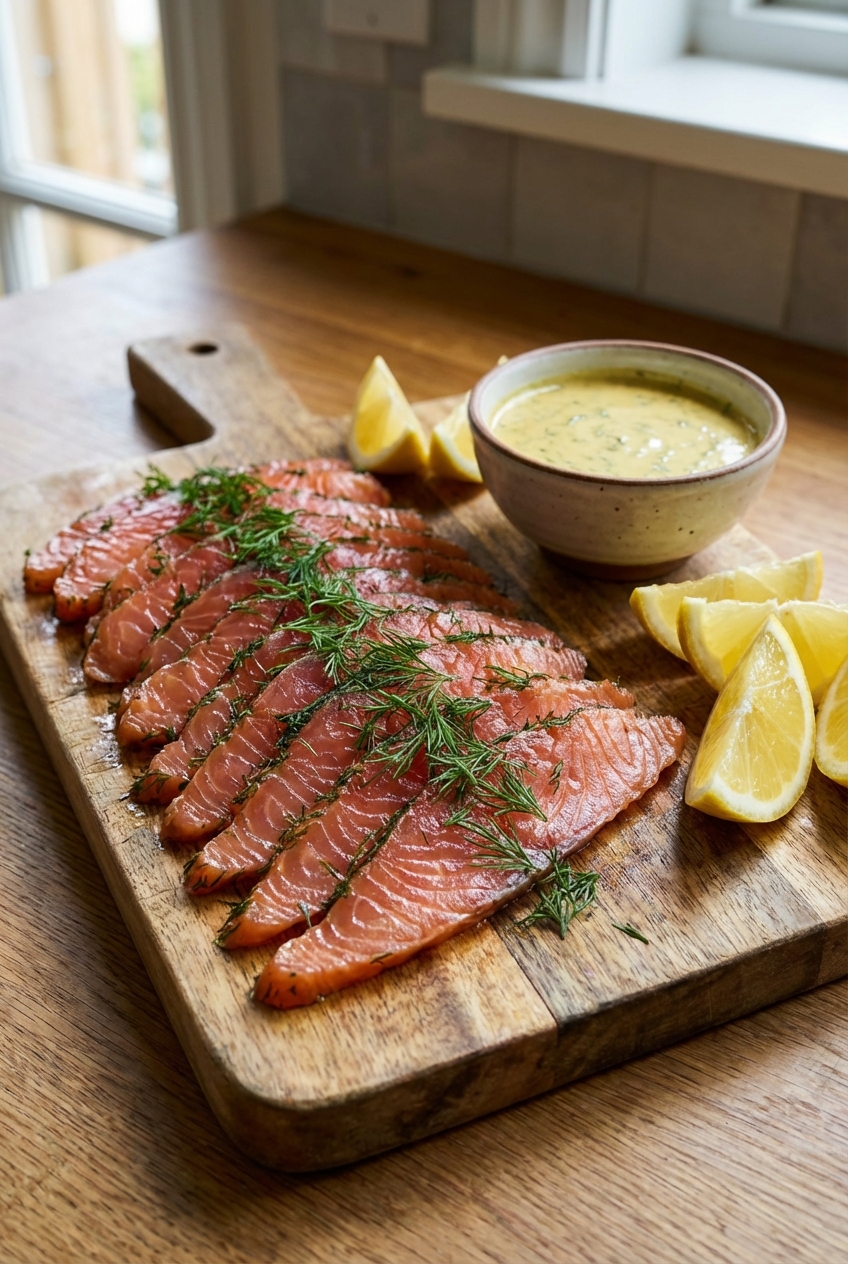
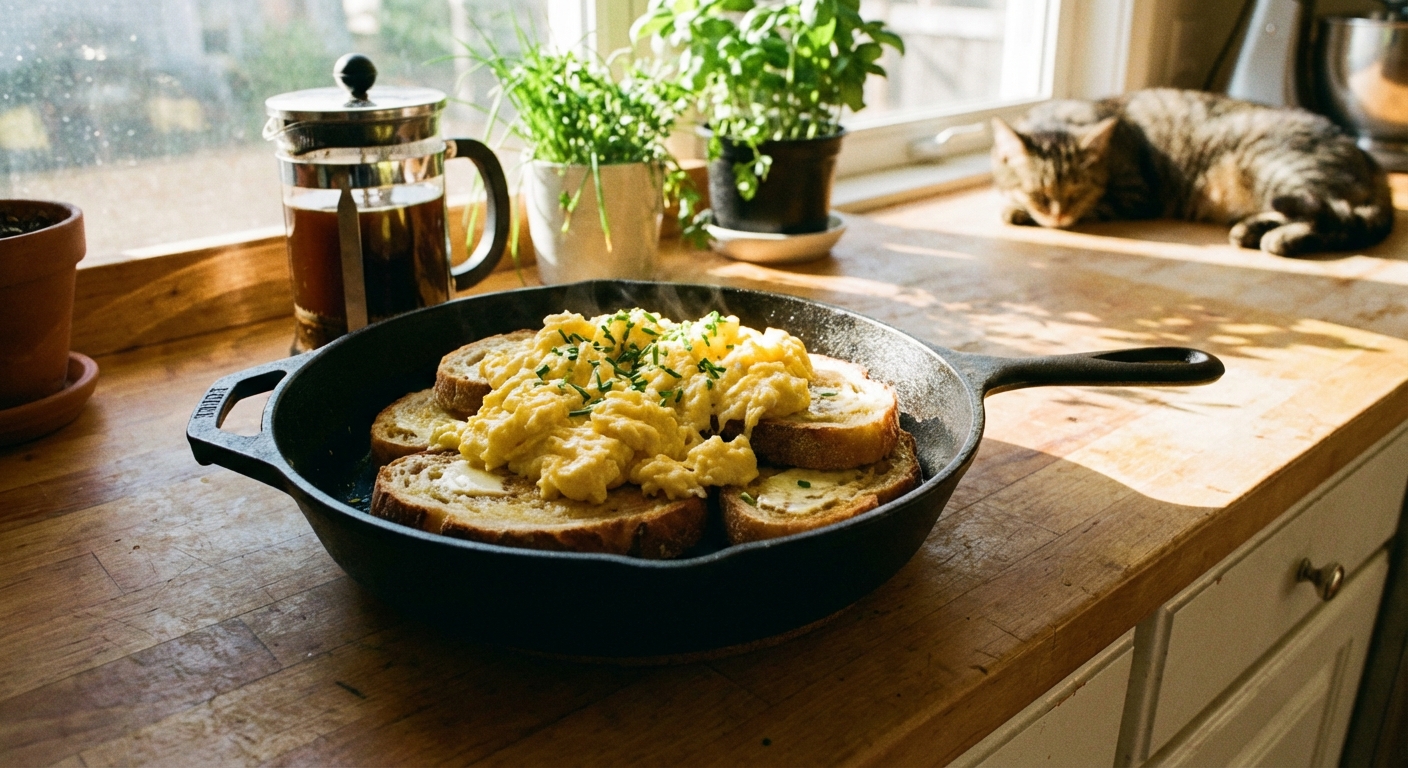
Pairs Well With

Storage Tips

Bagels are best the day they are baked, but you can keep them great with the right storage.

Counter (short term)

  • Cool completely, then store in a sealed bag or container for up to 2 days.
  • Pro tip: If your kitchen is humid, stash them in the fridge only if you plan to toast them. Refrigeration can make bread feel stale faster.

Freezer (best option)

  • Slice bagels first, then freeze in a zip-top bag with as much air pressed out as possible for up to 2 months.
  • To reheat: Toast straight from frozen, or thaw 10 minutes and toast.

How to revive a bagel

  • For a whole bagel: Run it under water quickly (yes, really), then bake at 375°F for 5 to 8 minutes, starting to check at 5 minutes, until the outside is crisp and the inside is warmed through.
  • For slices: Toast until the edges get crisp.

Common Questions

Do I have to boil bagels?

For a true chewy bagel, yes. The boil gelatinizes the outer starches and sets the shape by creating a thin gel layer on the surface, so the crust bakes up glossy and chewy instead of soft and bread-like.

Can I use all-purpose flour?

You can, but the bagels will be a little less chewy. If you only have all-purpose, reduce the water by about 1 to 2 tablespoons at first and knead well to build structure.

What is the best sweetener for the boil?

Traditional bagel shops often use barley malt syrup. Honey is easier to find and works great. Brown sugar also works in a pinch.

Why did my bagels come out puffy like rolls?

Common causes: too much yeast, too warm a proof, under-kneading, or skipping the boil. Bagel dough should feel stiff and smooth, not sticky and slack.

Why are my bagels flat?

Over-proofing is the usual culprit. If the shaped bagels look very airy and fragile, they may collapse when boiled. Next time, shorten the second rise or proof in a cooler spot.

Can I make the dough ahead?

Absolutely. After kneading, let the dough rise briefly, then refrigerate (covered) overnight. Cold fermentation boosts flavor and makes shaping easier.

Do I need baking soda in the boil?

Not required. Baking soda raises the water’s pH, which can deepen browning in the oven. For classic chew and shine, sweetener alone is enough.

The first time I made bagels at home, I expected a gentle little bread project. Instead, I got a dough that looked at me like, “Good luck, buddy.” Bagel dough is stiff and slightly stubborn, and that is exactly why it turns into something special. Once I stopped trying to make it act like sandwich bread and leaned into the chew, everything clicked. Now bagels are my favorite kind of kitchen chaos: boil a pot of sweet water, toss dough rings in like you mean it, and pull out bakery vibes from a regular oven.