Mom's Best Recipes
Recipe

Chicken Adobo

Savory, tangy, garlicky chicken simmered in soy sauce and vinegar until glossy and spoon-worthy.

Author By Matt Campbell
4.8
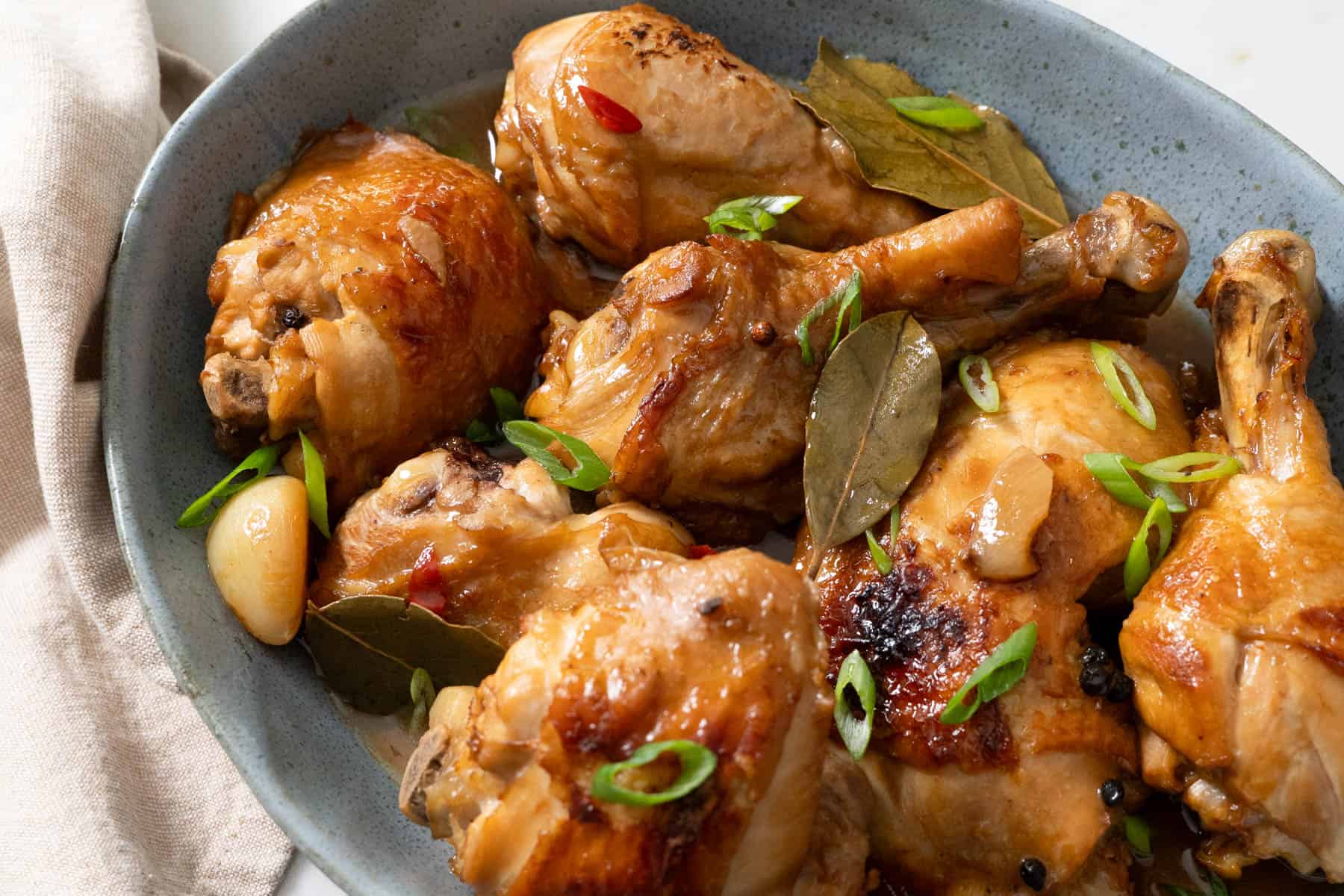
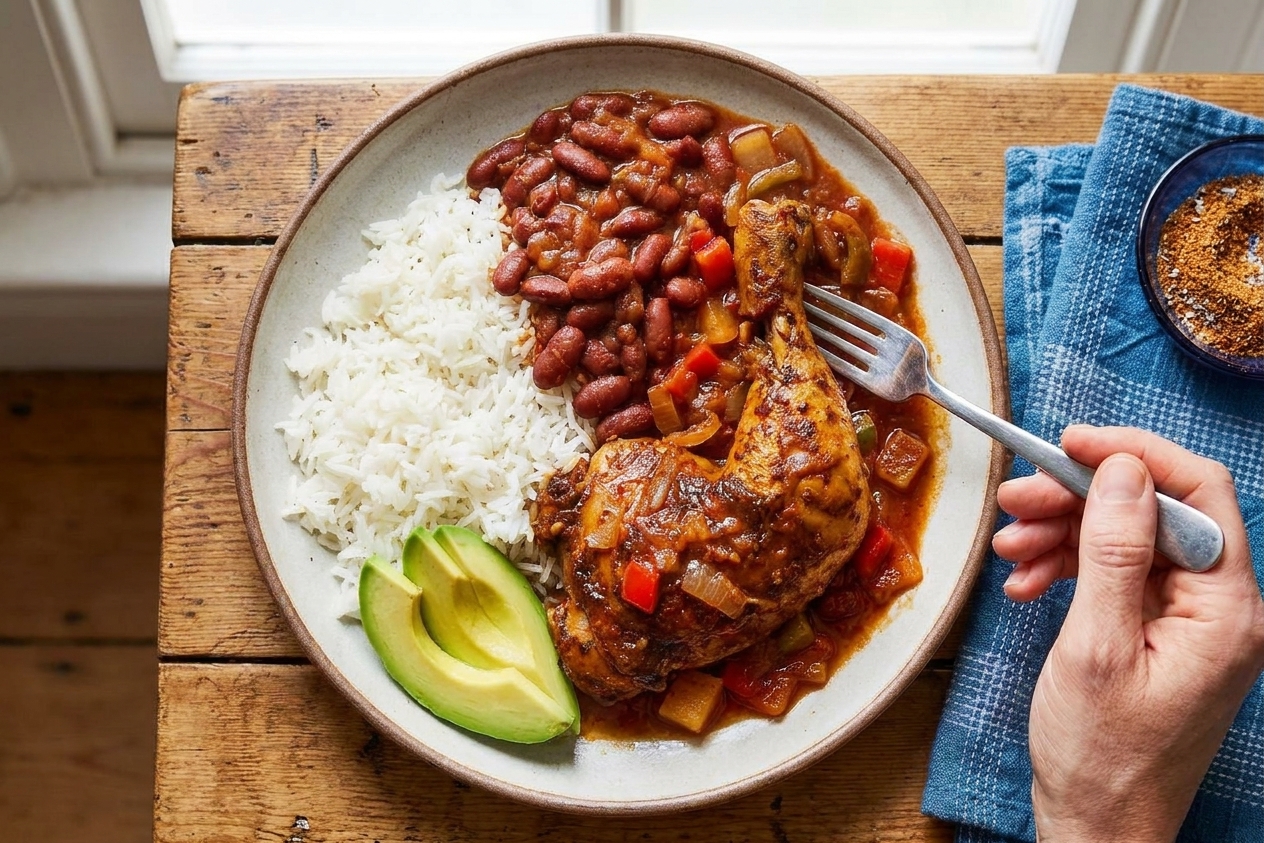
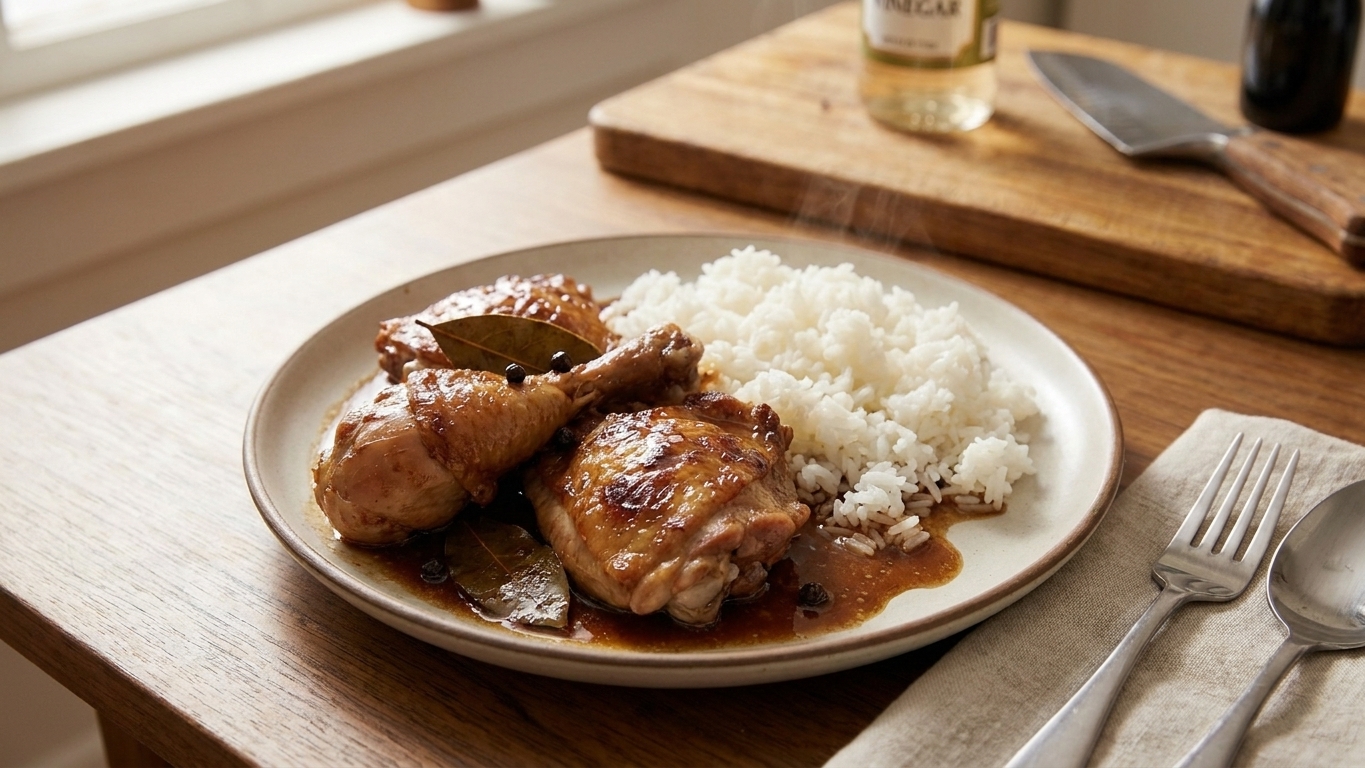
A plated bowl of Filipino chicken adobo with glossy brown sauce, peppercorns, and bay leaves, served with steamed white rice on a warm kitchen table

Chicken adobo is one of those dishes that tastes like you cooked all day, even when you very much did not. It's salty, tangy, garlicky, and somehow both bright and cozy at the same time. The sauce is the whole point here: sharp vinegar mellowed by simmering, soy sauce bringing depth, and chicken drippings turning everything into a shiny, spoonable situation that demands rice.

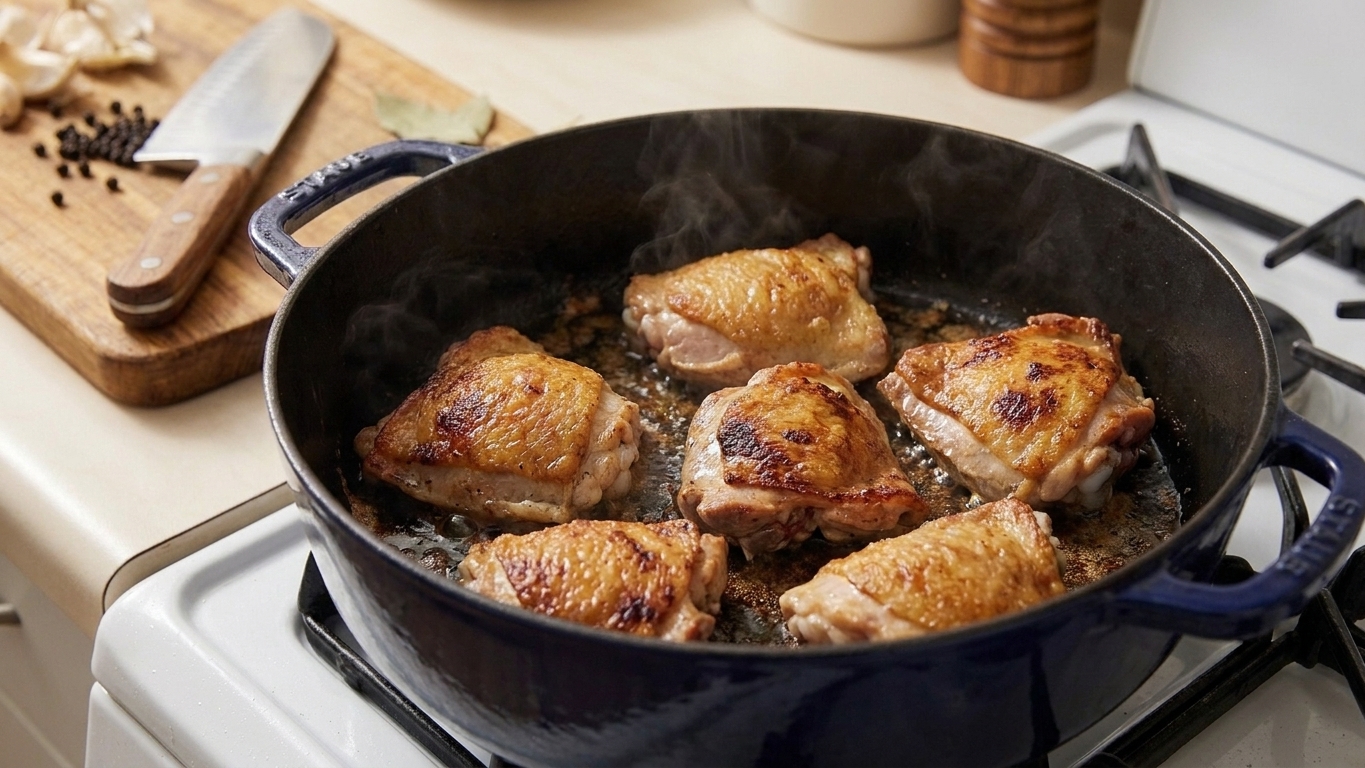
My version keeps it classic, with one little move that makes a huge difference: we brown the chicken first. You get crisp edges and more flavor in the pot before the braise even starts. After that, the stove does the heavy lifting while you pretend you meant to be this impressive on a weeknight.

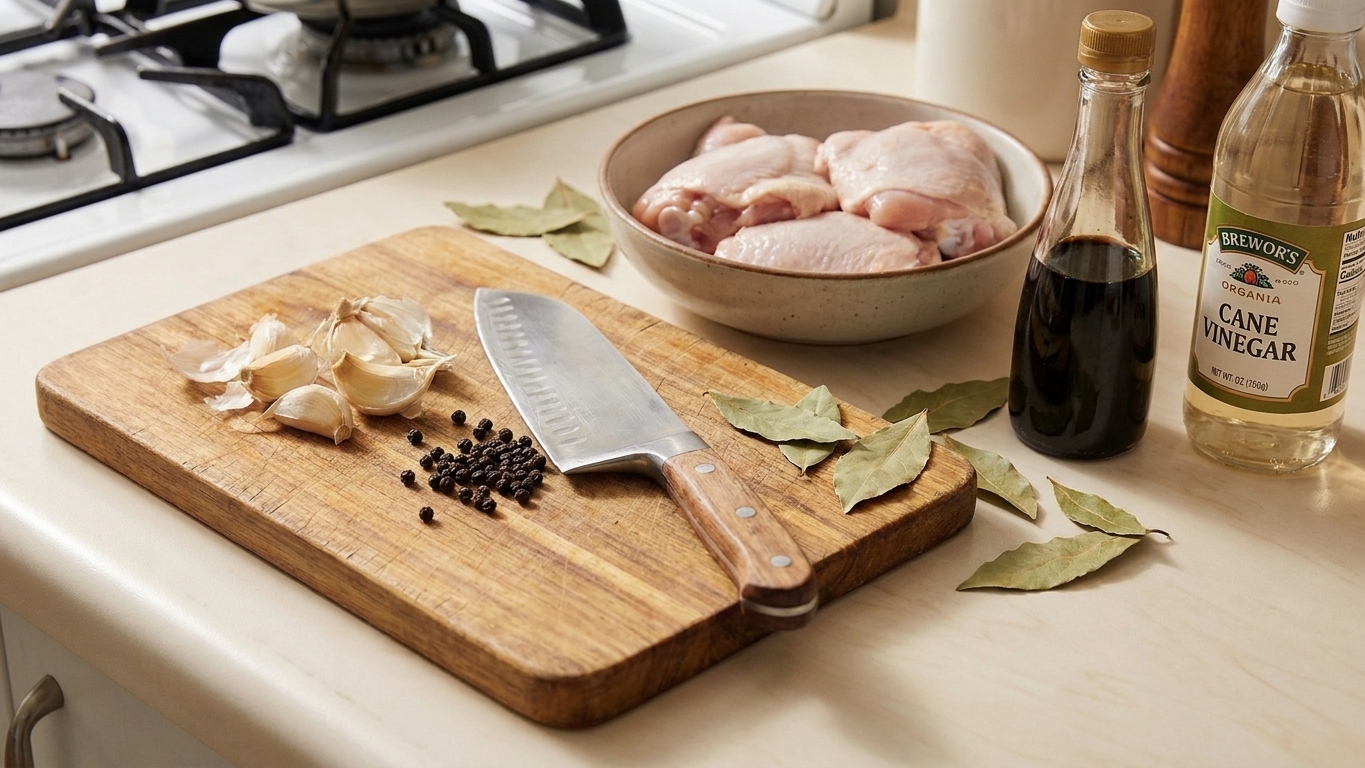
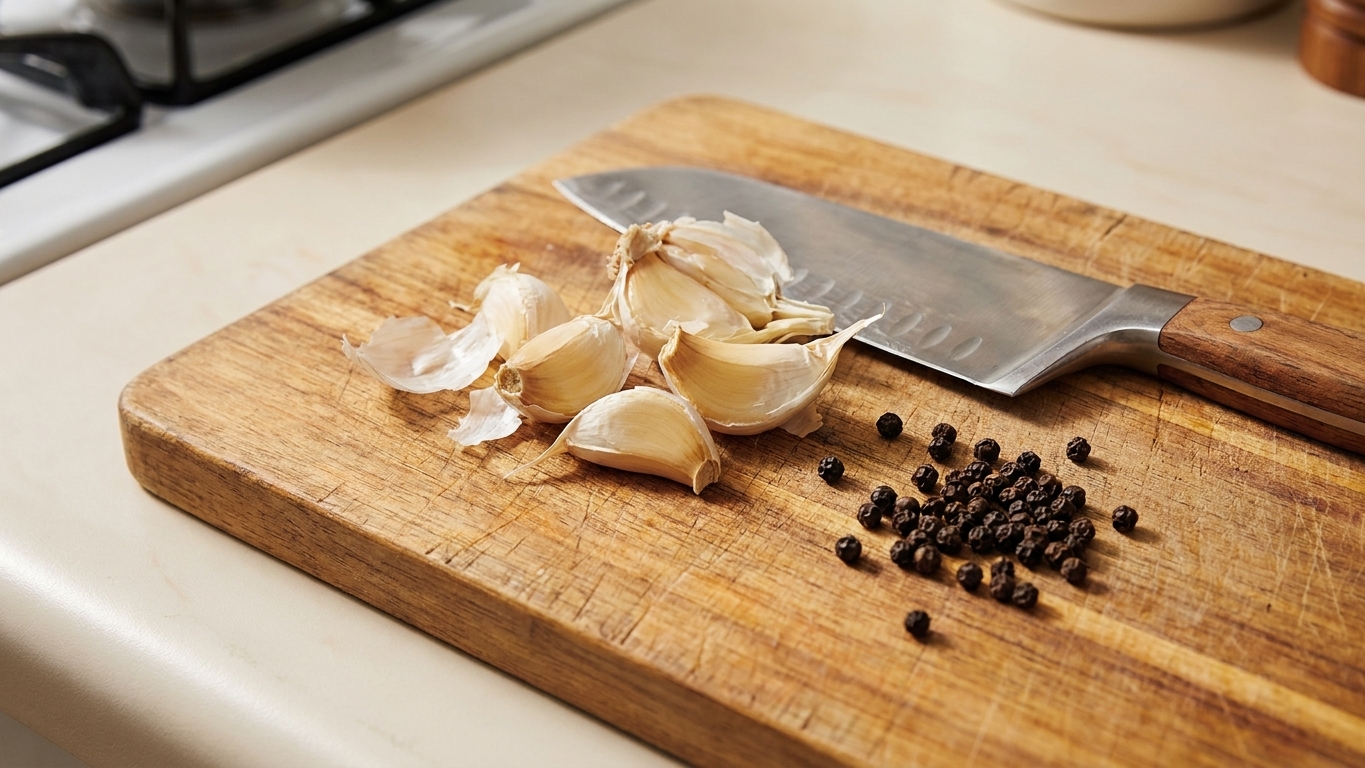
Soy sauce, cane vinegar, garlic, bay leaves, whole peppercorns, and chicken thighs arranged on a home kitchen counter with warm natural light

Why It Works

  • Big flavor from simple pantry staples. Soy sauce plus vinegar is the signature adobo backbone, and it hits that salty-tangy sweet spot fast.
  • Browning builds depth. A quick sear gives you crisp skin and a richer sauce because those browned bits dissolve into the braise.
  • Flexible and forgiving. Dark meat stays juicy, the sauce reduces to your liking, and leftovers only get better.
  • Meal-prep gold. The flavors deepen overnight, which is basically adobo doing you a favor.

Pairs Well With

Storage Tips

Refrigerate: Cool completely, then store in an airtight container with sauce for up to 4 days. Keep the sauce with the chicken so it stays moist.

Freeze: Freeze in a freezer-safe container for up to 3 months. Thaw overnight in the fridge.

Reheat: Warm gently in a saucepan over medium-low with a splash of water if the sauce is very thick. For crispier skin, reheat chicken pieces under the broiler for 2 to 4 minutes, then spoon sauce over after.

Bonus tip: The sauce will taste even rounder on day two. That's not nostalgia, that's chemistry.

Common Questions

Is chicken adobo supposed to be sour?

It should be tangy, not puckering. Vinegar is the point, but simmering softens the sharpness. If yours tastes too sour, simmer uncovered a bit longer to mellow it, or add a small pinch of brown sugar.

Can I use chicken breast?

You can, but it's easier to overcook. If you use breast, cut it into large pieces and simmer just until it hits 165°F, then stop. Thighs and drumsticks are the low-drama choice.

Do I need cane vinegar?

No. Cane vinegar is traditional and has a gentle sweetness, but distilled white vinegar or apple cider vinegar both work well. Apple cider vinegar will taste a little fruitier.

Should I stir after adding vinegar?

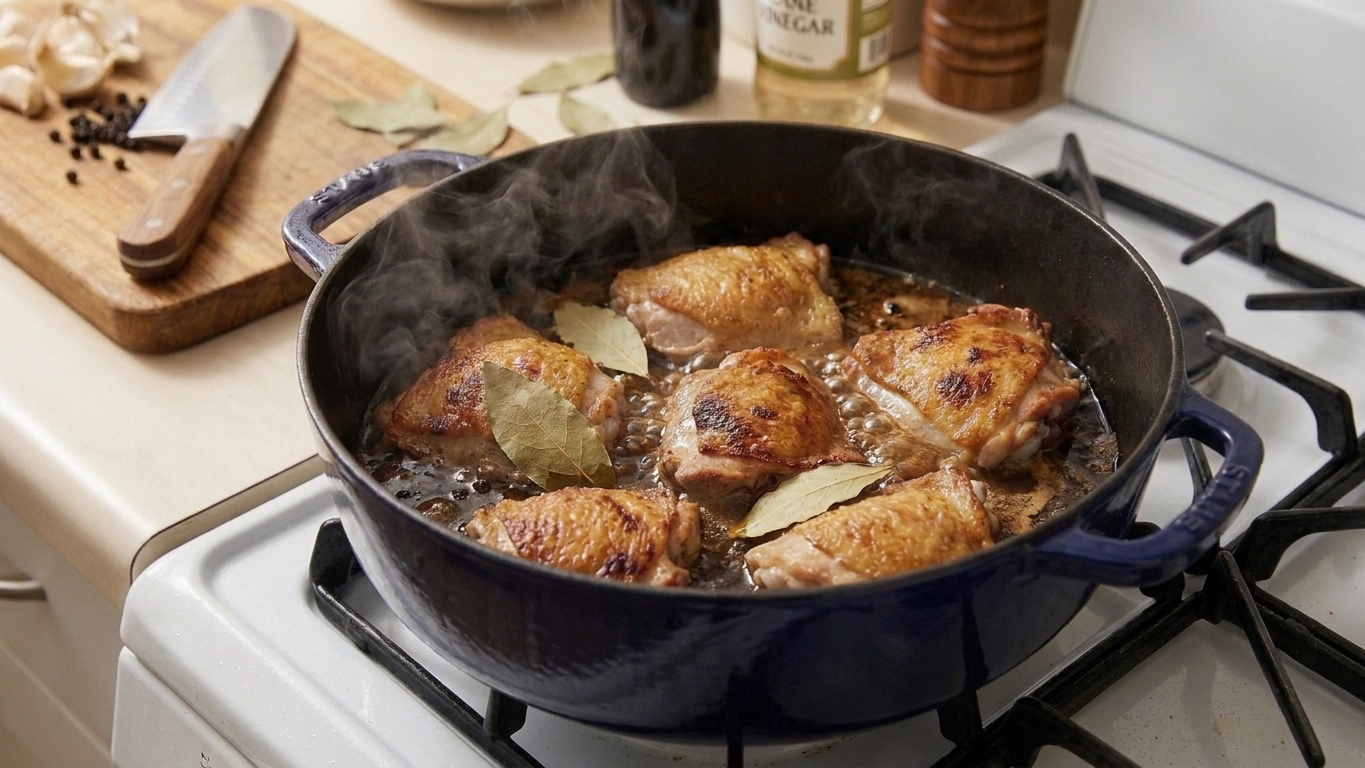
You'll hear a common adobo superstition about not stirring right away. Some cooks stick to it, some do not. One practical reason is that letting the vinegar simmer briefly helps cook off the harsh edge before you mix everything together. My compromise: pour it in, let it simmer 1 to 2 minutes untouched, then stir.

Why is my sauce too salty?

Different soy sauces vary a lot. Fix it by adding a splash of water and a touch more vinegar, then simmer to re-balance. Next time, start with low-sodium soy sauce if you're unsure.

Can I add potatoes or eggs?

Yes. For potatoes, cut them into 1-inch cubes and add during the last 20 minutes, or until they're fork-tender. For hard-boiled eggs, peel and add in the last 10 minutes to warm through and soak up sauce.

Can I make it crispier?

Yes. After braising, you can pull the chicken out and pan-sear it for a minute or two per side, or broil it briefly, then spoon the sauce over. It's the best of both worlds: glossy sauce and crispy edges.

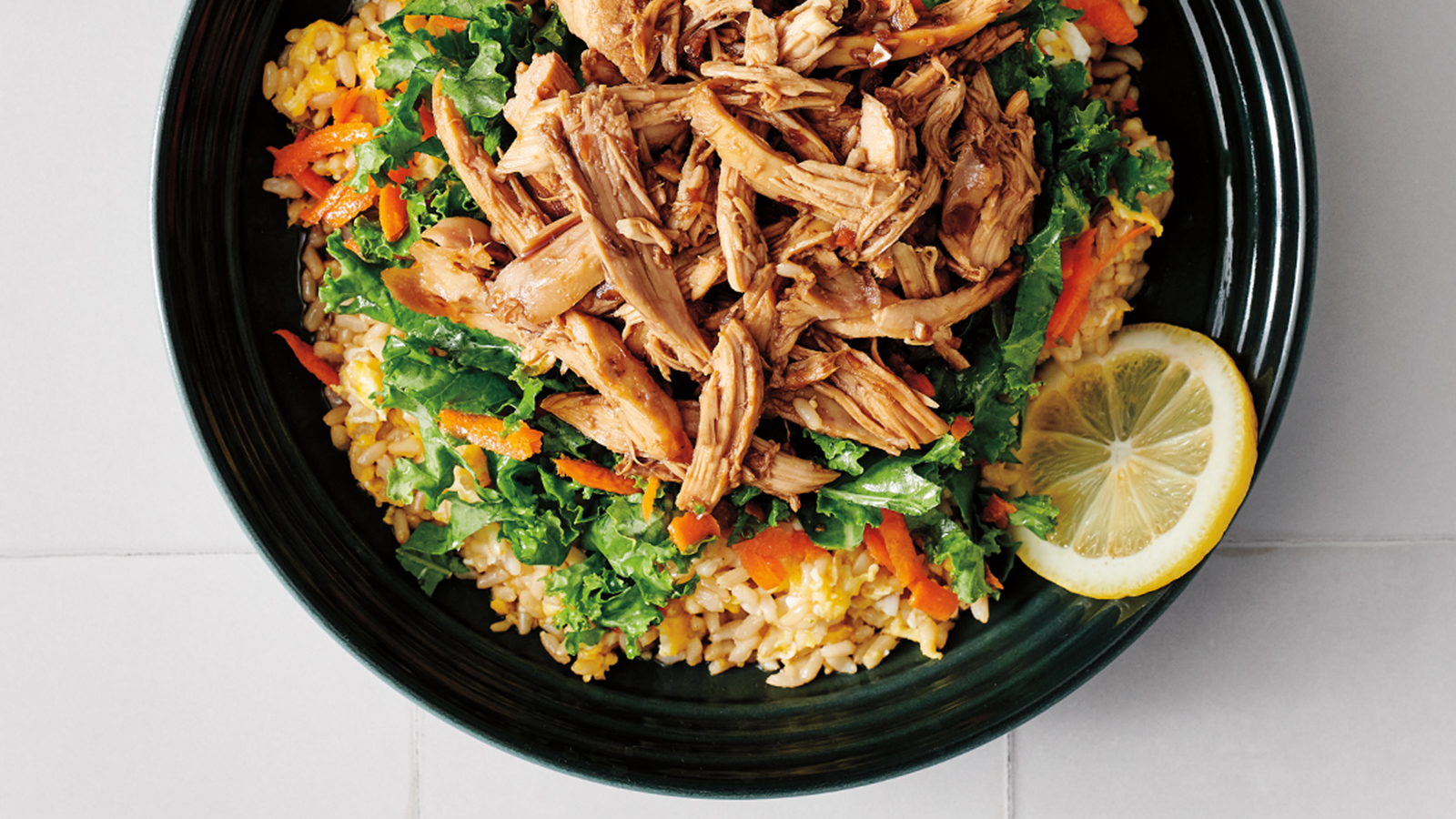
The first time I made chicken adobo, I remember thinking, That's it? Soy sauce, vinegar, garlic, bay leaf, peppercorns. It felt almost too simple. Then the pot started smelling like something you'd follow down a hallway. Now it's one of my favorite “cook like you mean it” meals: minimal ingredients, maximum payoff, and plenty of room to tweak. Some nights I keep it strict and traditional. Other nights I add a spoon of brown sugar and pretend I invented balance.