Mom's Best Recipes
Recipe

Chicken and Parmesan Cheese

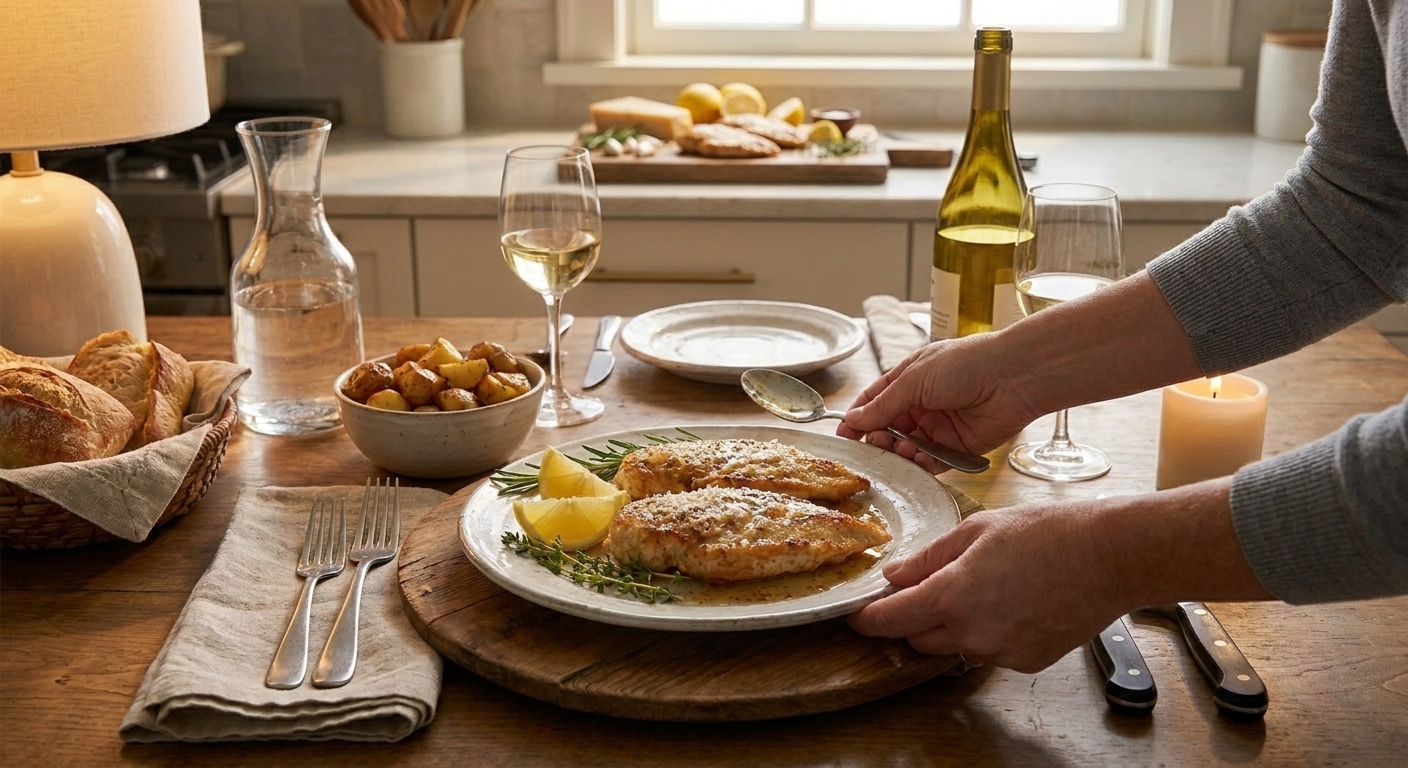
Golden chicken cutlets with a bright lemon garlic sauce and a generous parmesan finish, all done fast in one pan.

Author By Matt Campbell
4.8
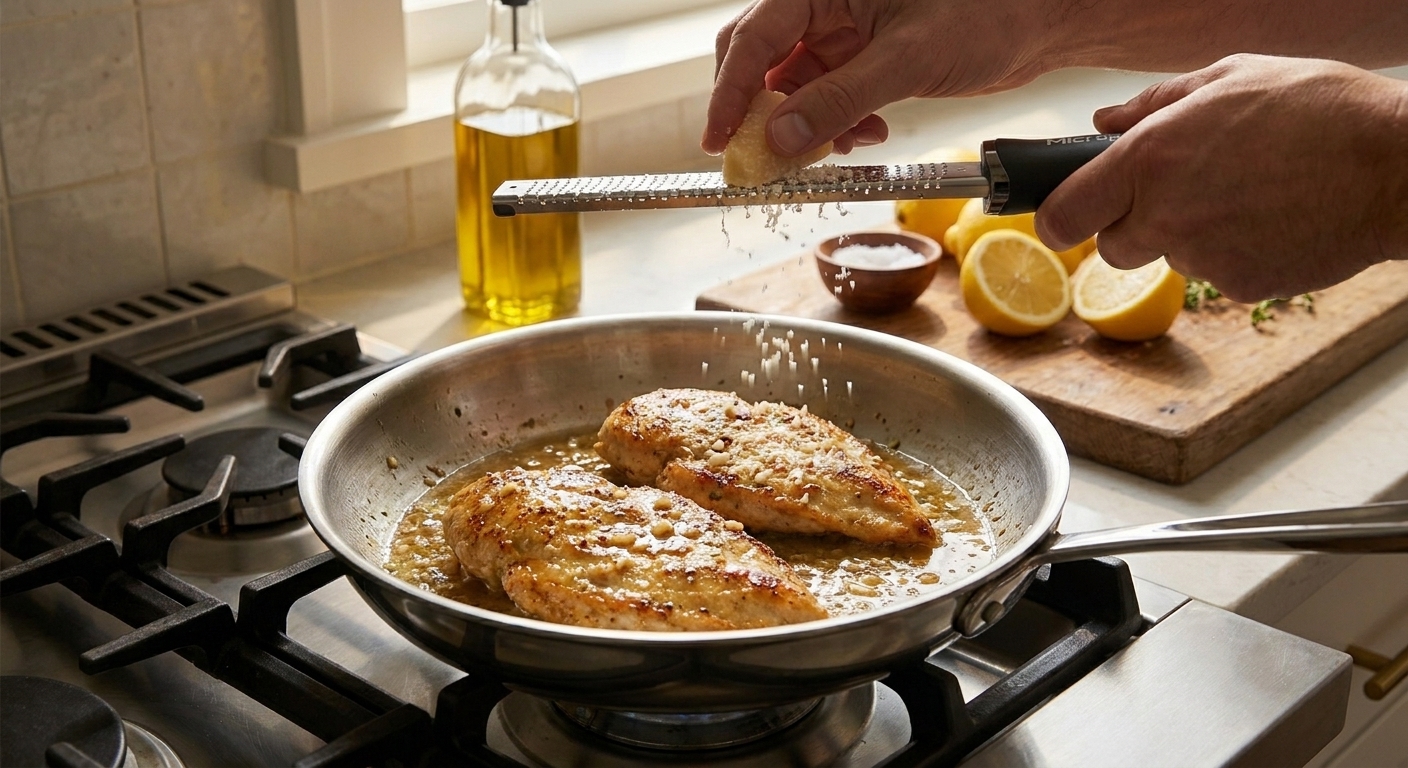
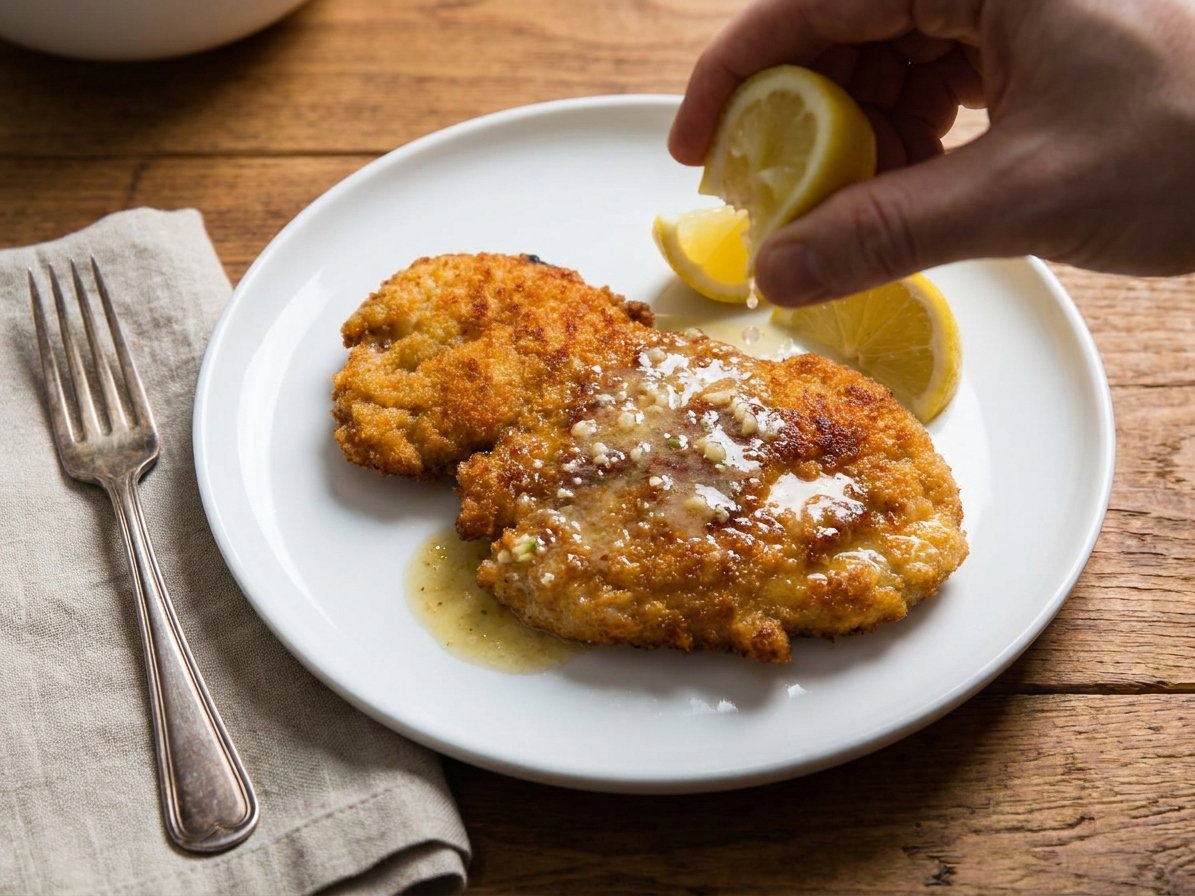
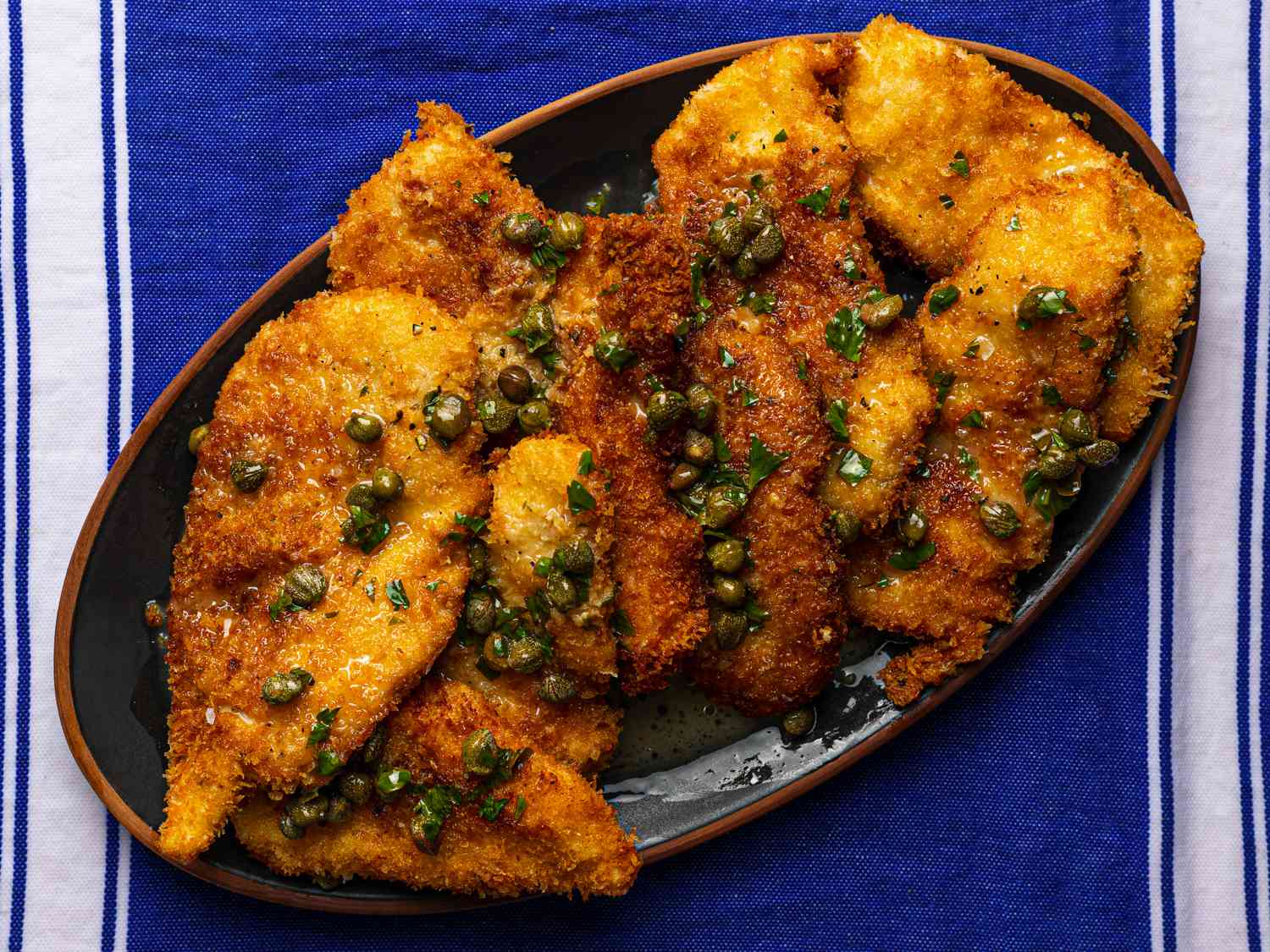
Golden chicken cutlets in a pan with a glossy lemon garlic sauce and freshly grated Parmesan on top

When I hear chicken and parmesan cheese, my brain immediately wants comfort. But not the heavy, nap kind. I want crisp edges, a sauce that tastes alive, and enough Parmesan to make it feel like you cooked on purpose. This recipe is my weeknight answer: thin chicken cutlets pan-seared until golden, then finished in a quick lemon garlic sauce that clings to every bite. Parmesan goes in and on top, because we are not here to be shy.

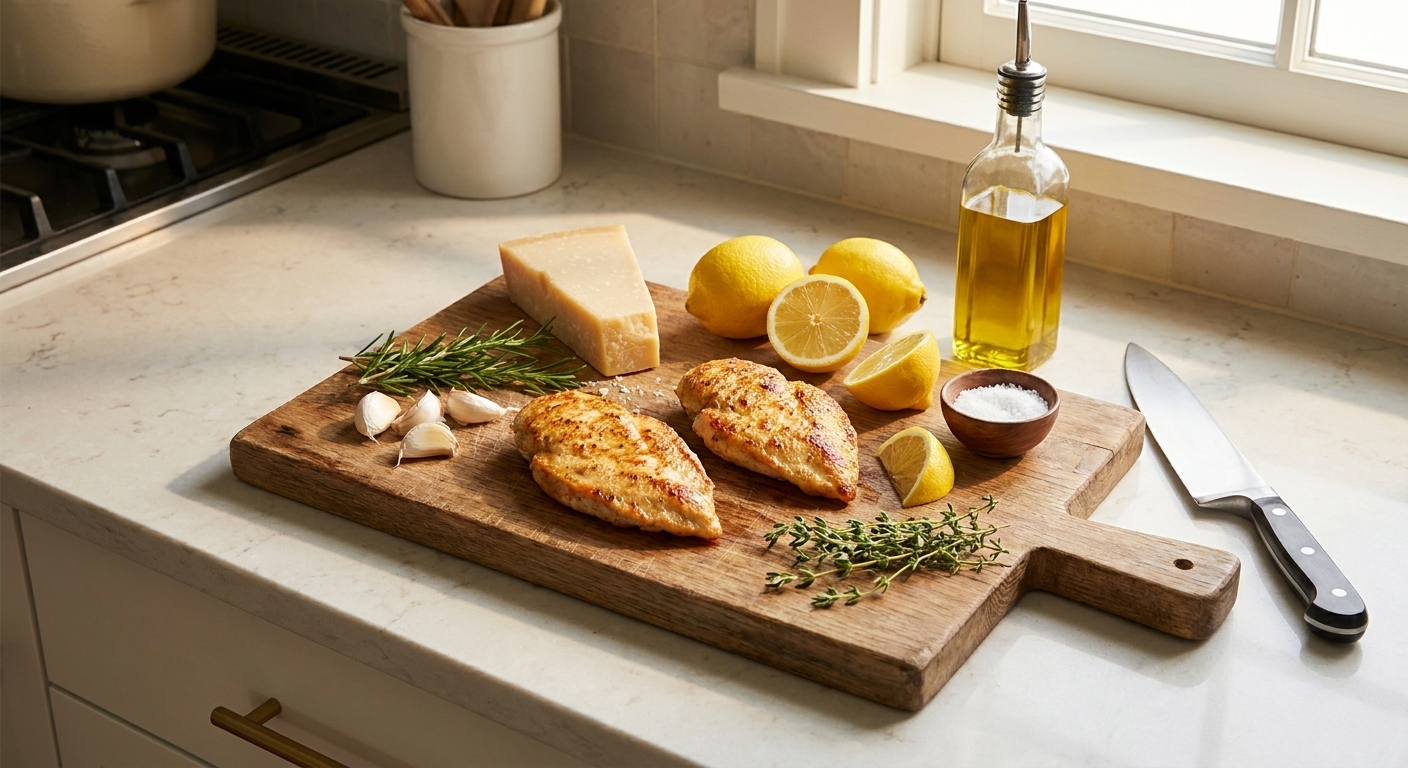
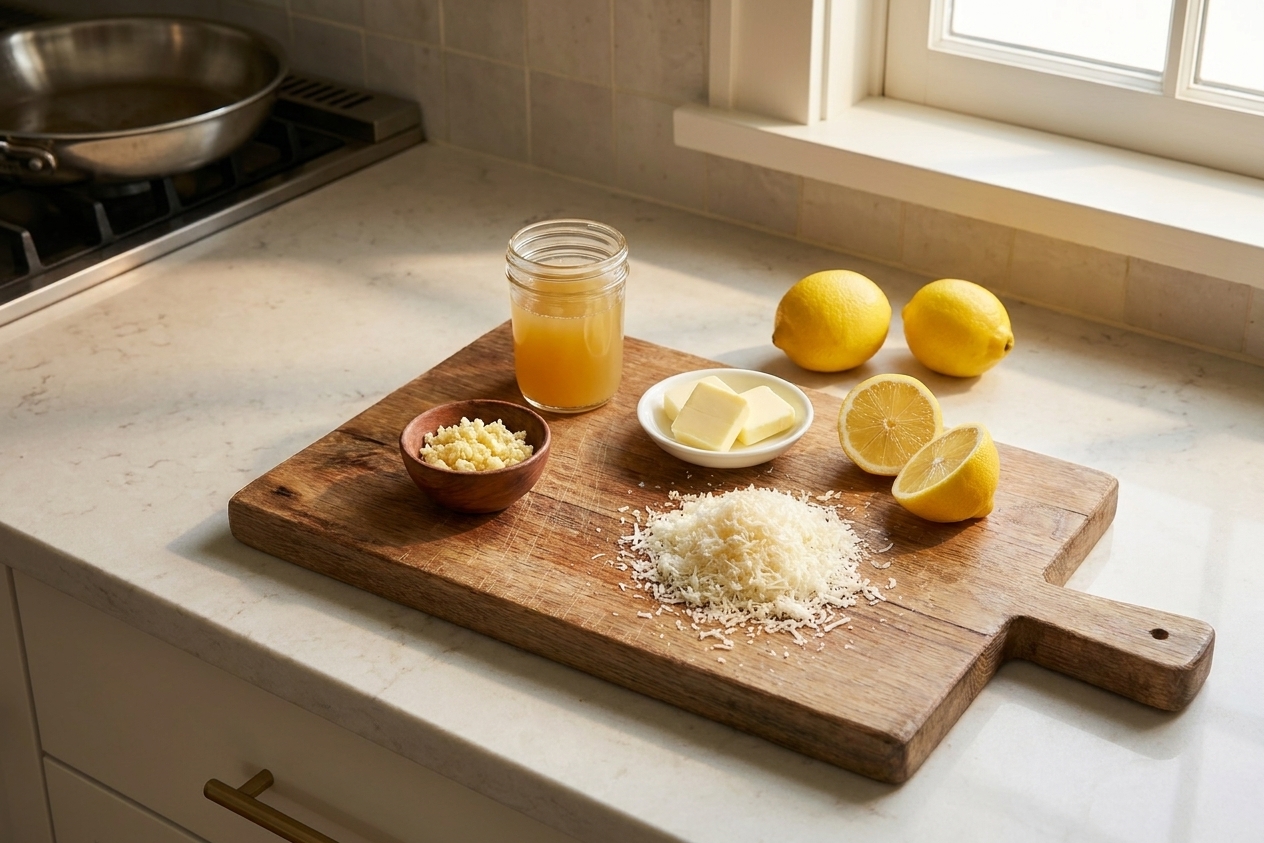
Chicken cutlets, a wedge of Parmesan, lemons, garlic, and herbs arranged on a clean kitchen counter with a cutting board

Why It Works

  • Crisp, golden chicken without deep frying. A quick flour and Parmesan dredge gives you that savory crust.
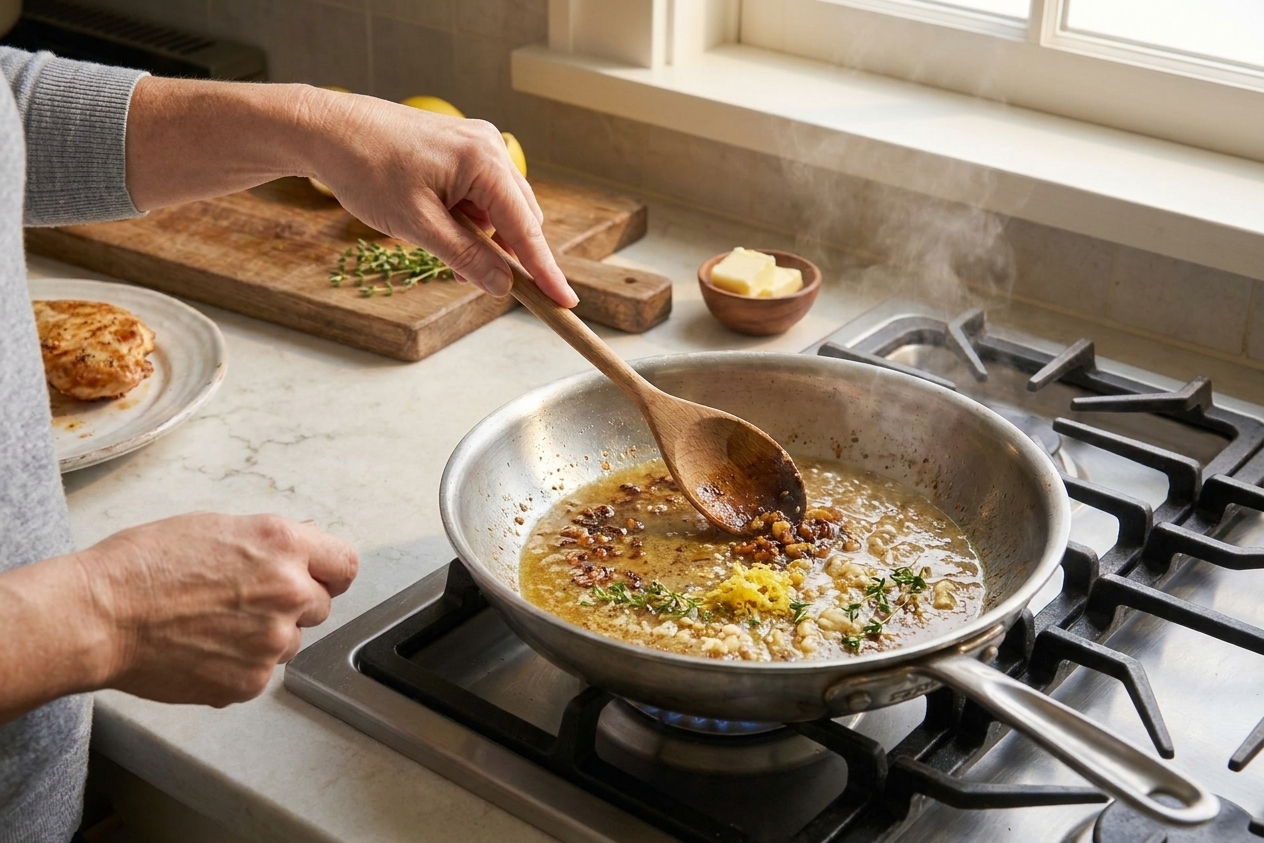
  • A fast pan sauce built from the browned bits, with lemon for brightness and butter for a cozy finish.
  • Big Parmesan flavor in three places: in the dredge, melted into the sauce, and showered on top right before serving.
  • One pan, low drama. It looks like a nice dinner but behaves like a weeknight staple.

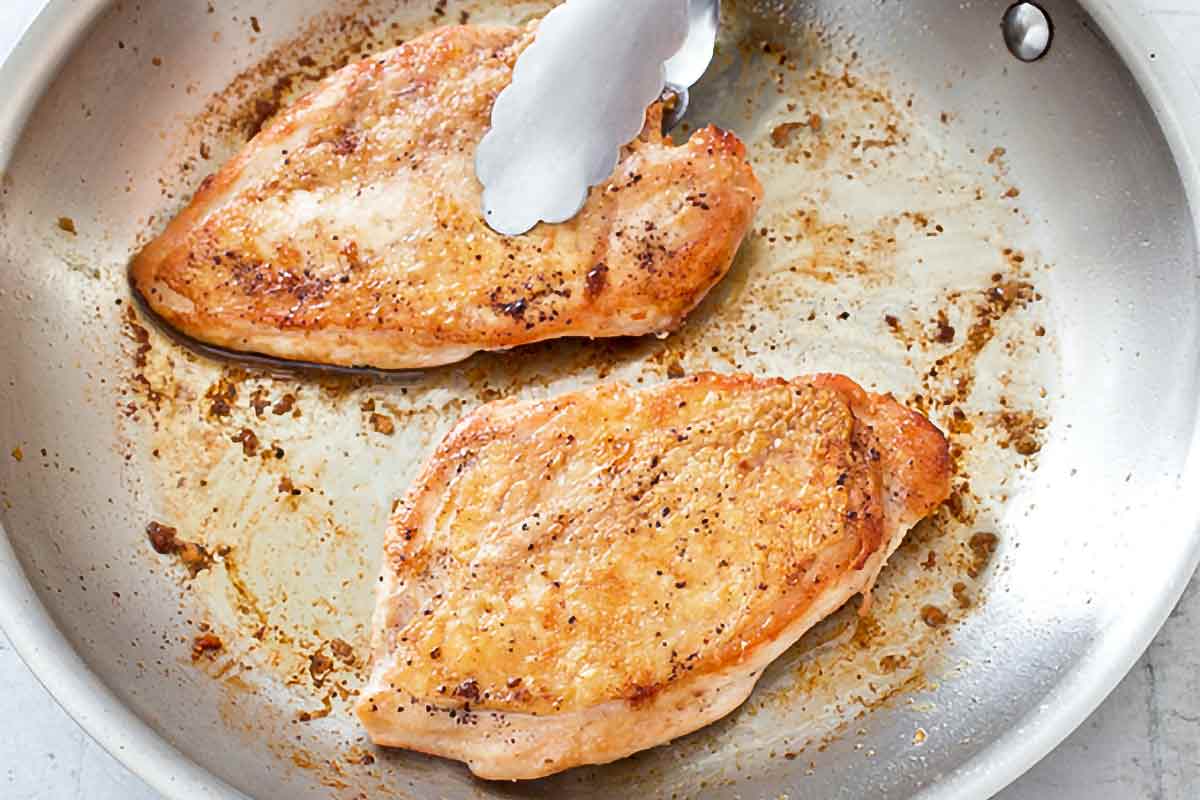
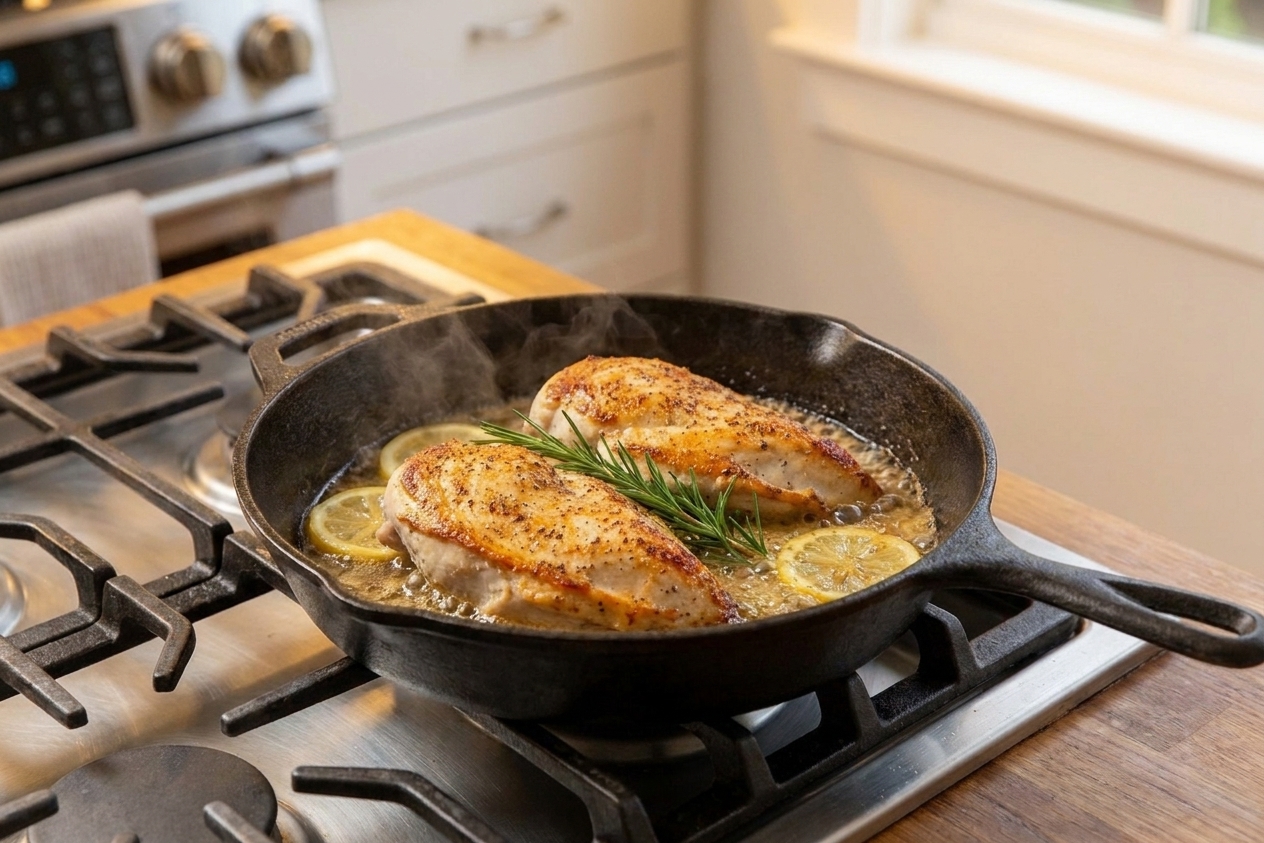
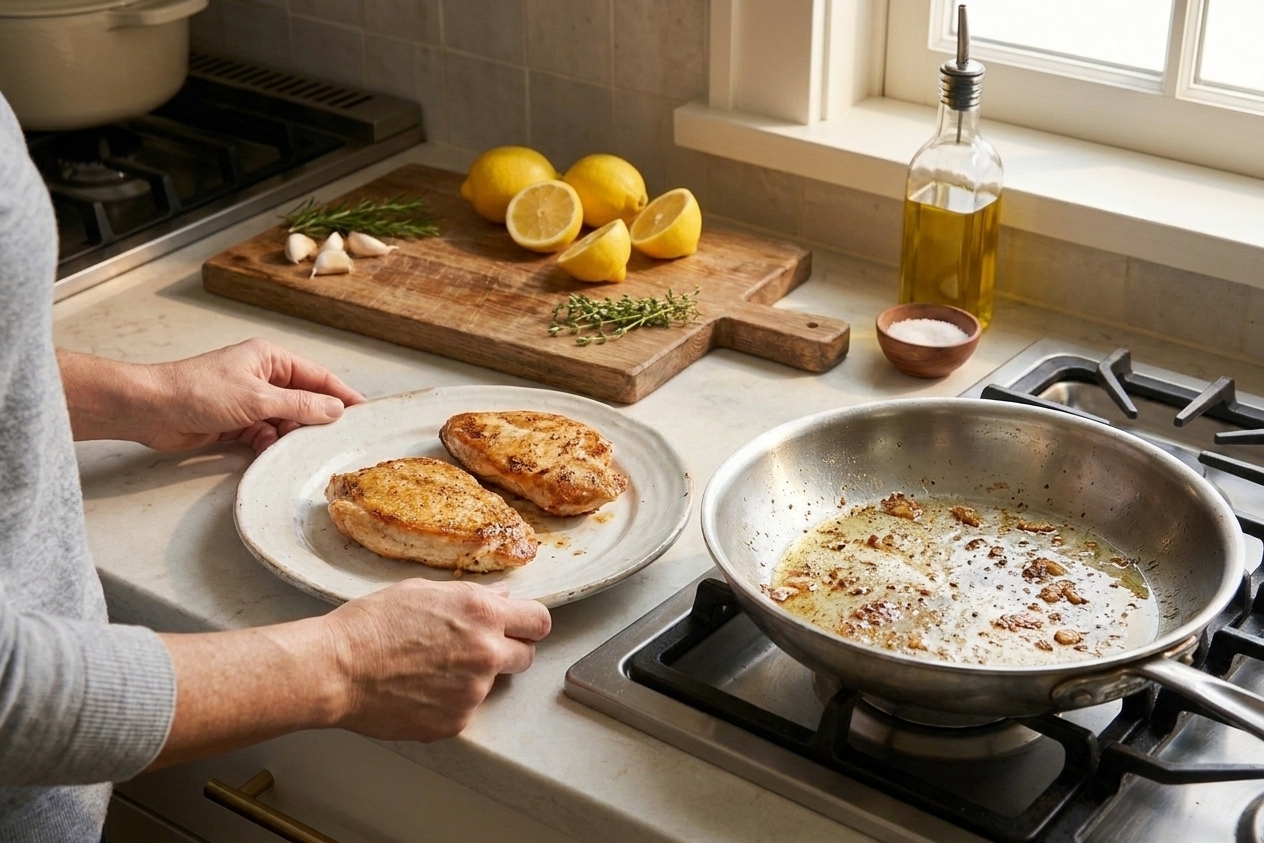
Chicken cutlets browning in a pan with sizzling oil on a home stove

Pairs Well With

Storage Tips

Refrigerator

Store leftovers in an airtight container for up to 3 days. Keep any extra sauce with the chicken so it stays juicy.

Reheating

  • Best: Warm gently in a covered skillet over low heat with a splash of chicken broth or water to loosen the sauce.
  • Quick: Microwave in 30-second bursts until warmed through. Add a tiny splash of liquid first so the chicken does not dry out.

Freezing

You can freeze the cooked chicken for up to 2 months, but the sauce can separate a bit when thawed. If you freeze it, consider making a fresh quick sauce when you reheat.

Common Questions

Can I use chicken thighs instead of breasts?

Yes. Use boneless, skinless thighs and pound them to an even thickness. Thighs can be a little uneven, so cook to temperature instead of the clock. They are safe at 165°F, but many people prefer thighs closer to 170 to 175°F for the best texture.

Do I have to pound the chicken?

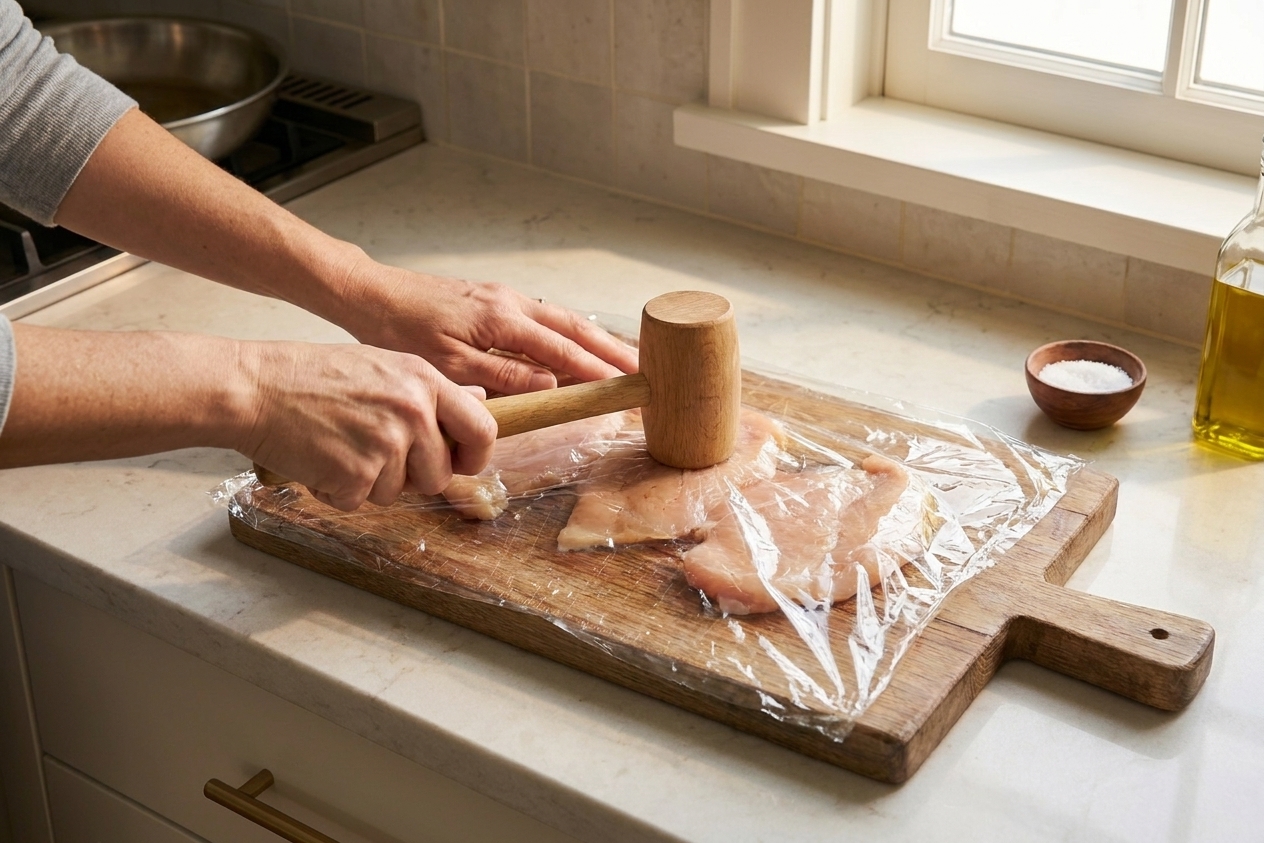
It helps a lot. Even thickness means even cooking, plus more surface area for those crisp edges. If you buy thin cutlets, you can skip it.

What kind of parmesan works best?

Freshly grated Parmesan melts smoothly and tastes sharper. Shelf-stable, powdery, canned pre-grated tends to melt less cleanly because of anti-caking additives. Refrigerated pre-grated usually works fine, but fresh is still the move.

How do I know the chicken is done?

The safest way is a thermometer. Pull chicken when the thickest part hits 165°F. If you do not have one, slice the thickest piece. It should be opaque and firm, with no pink remaining.

My sauce tastes flat. How do I fix it?

Add a pinch of salt first, then a squeeze of lemon. If it is still missing something, a tiny pinch of red pepper flakes or an extra tablespoon of parmesan usually wakes it right up.
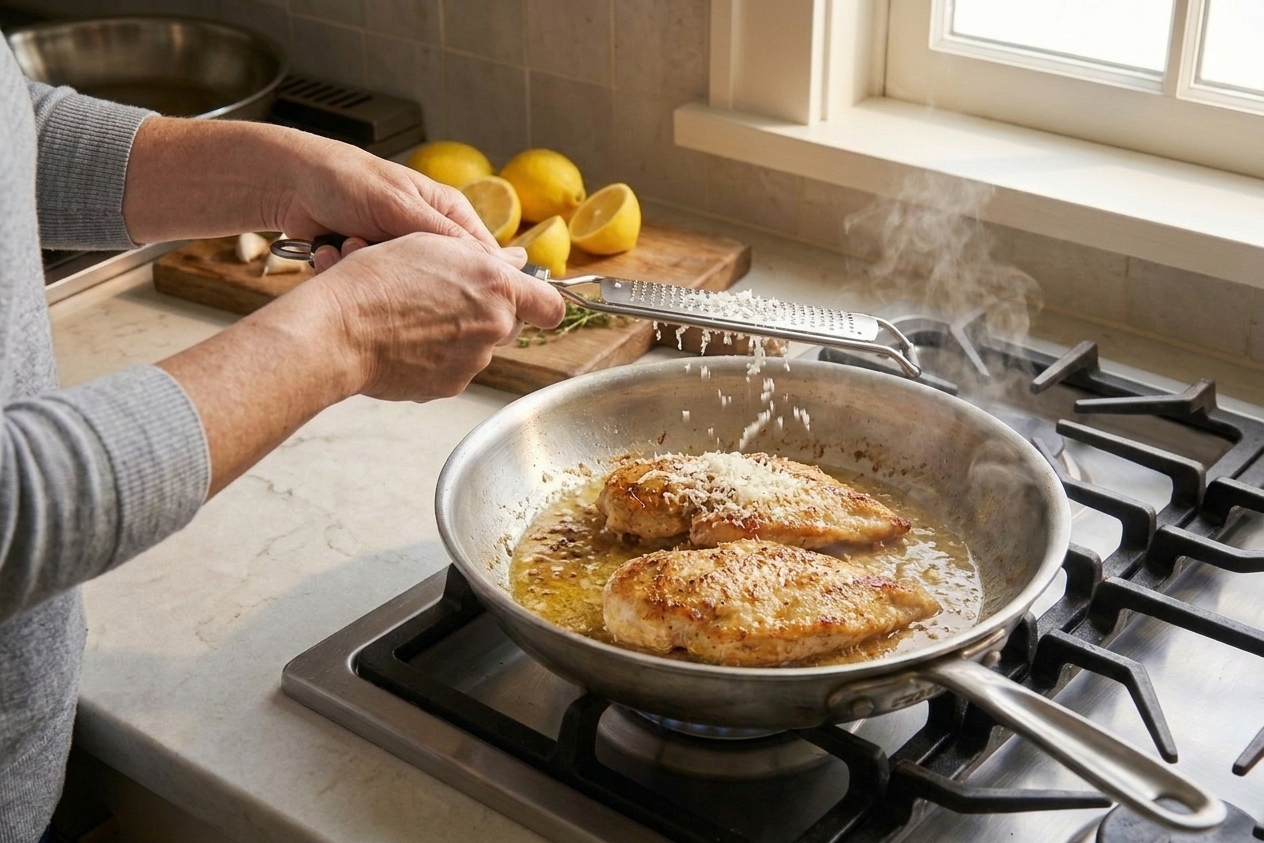

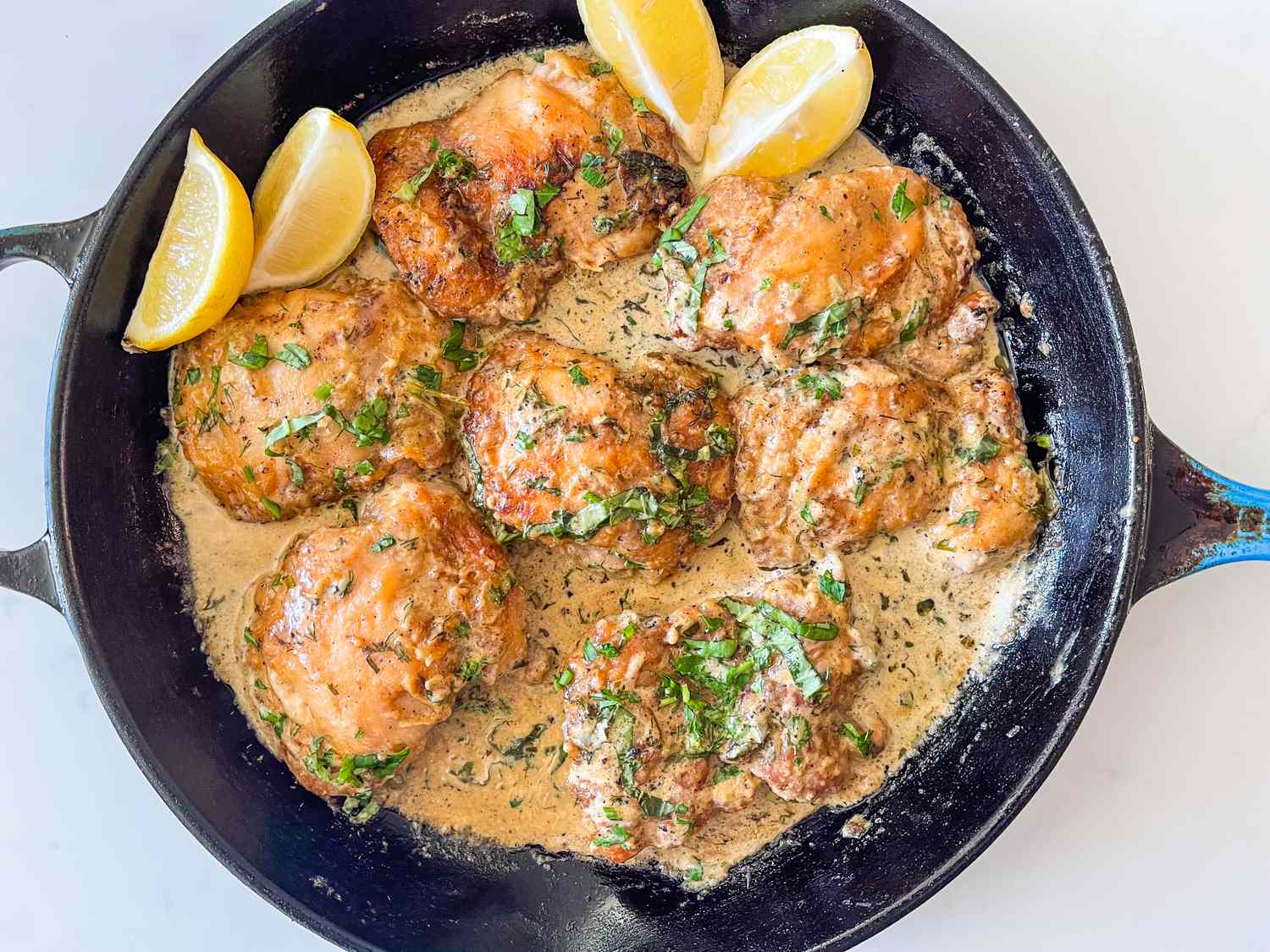
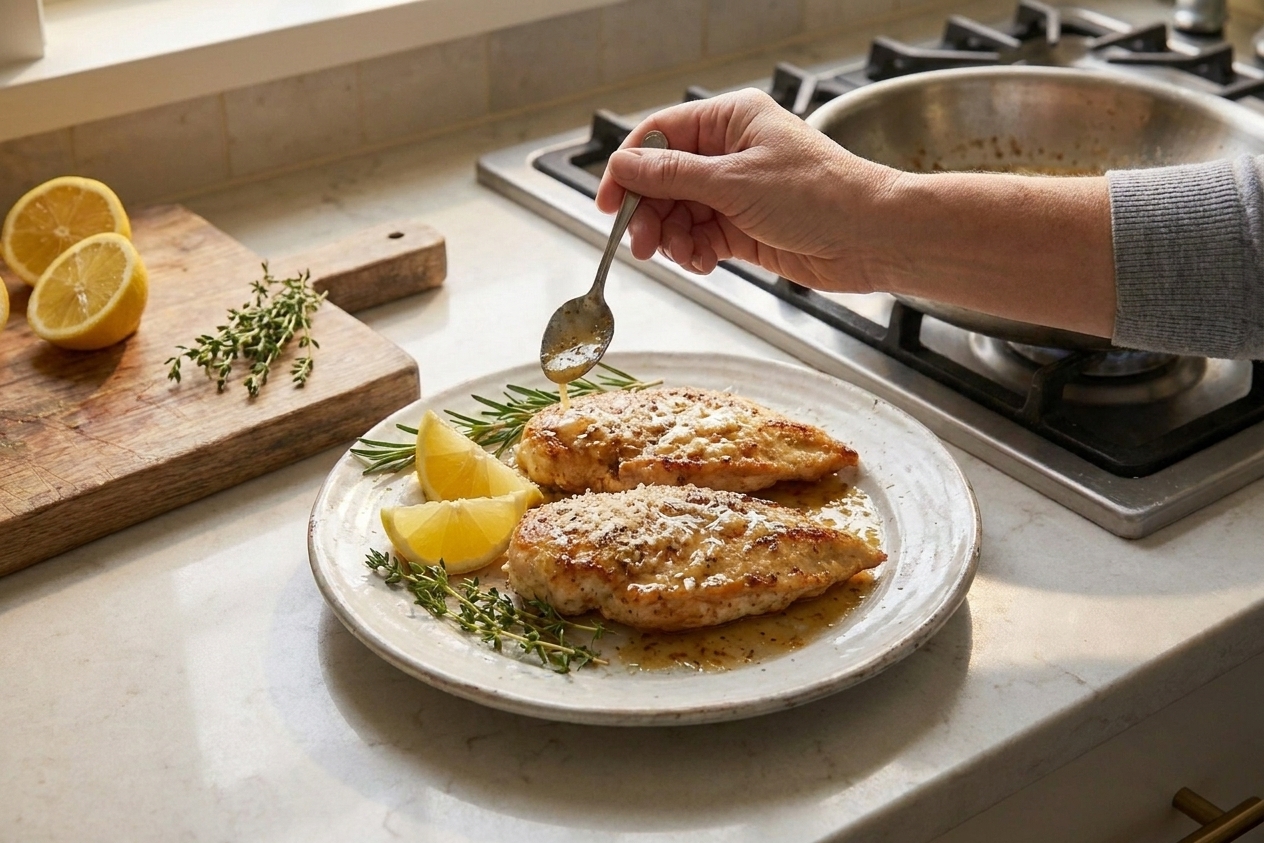
Fresh Parmesan being grated over cooked chicken in a pan while the sauce steams gently

I love cooking chicken because it is the perfect canvas for a good idea or a last-minute save. This one started as a what can I do with a wedge of Parmesan and a couple lemons situation, and it turned into a repeat dinner because it hits the exact sweet spot: cozy but bright, simple but not boring. Also, the pan sauce is the kind you end up dragging bread through like you forgot your manners, which I consider a good sign.