Can I use dried rosemary instead of fresh?
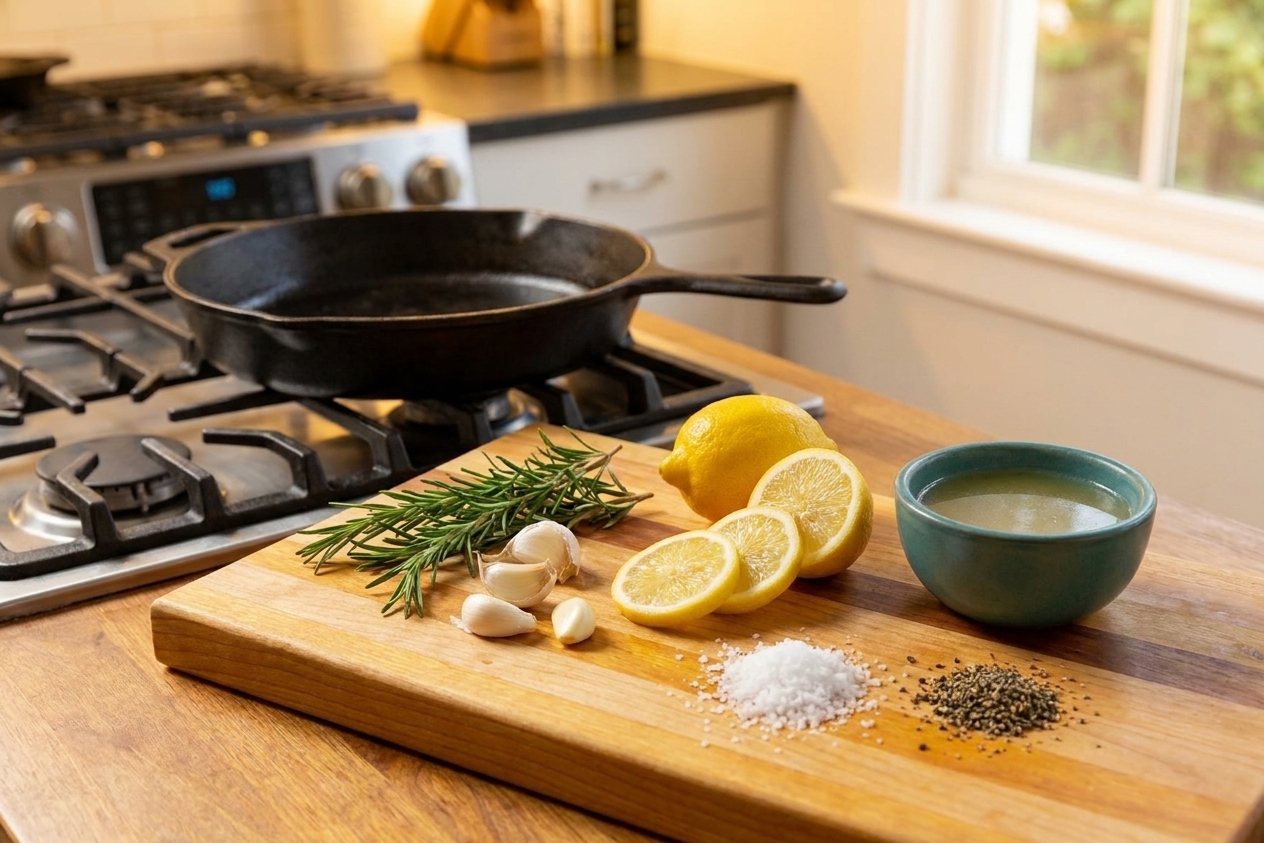
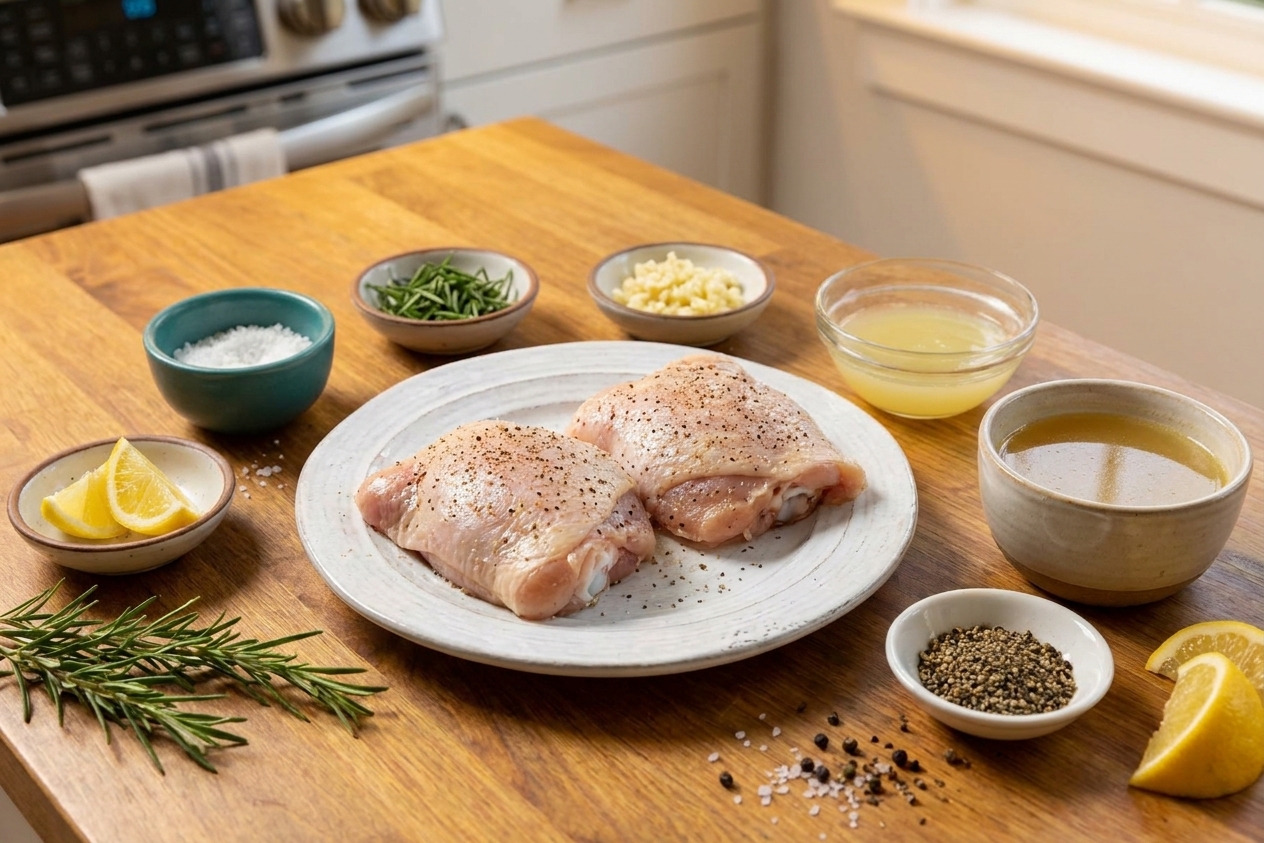
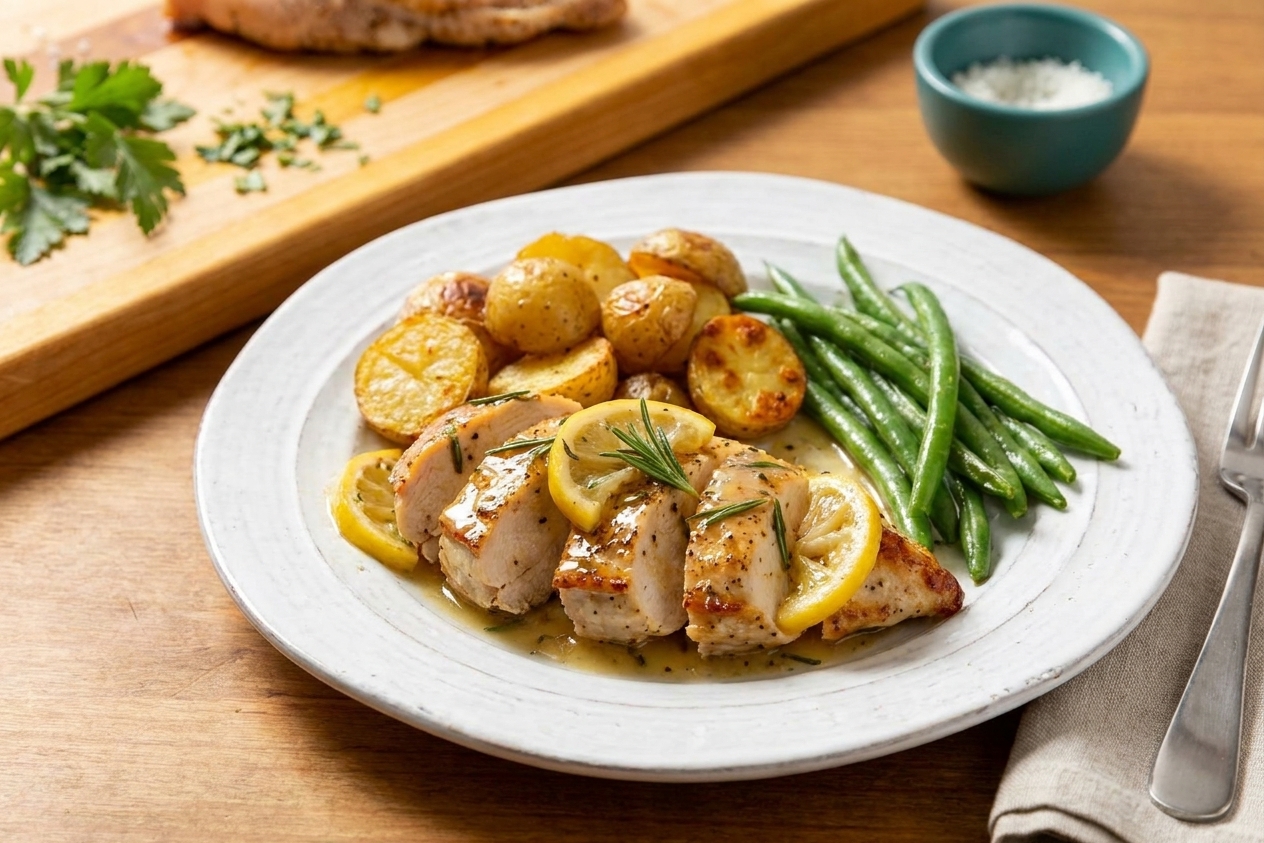
Yes. Use 1 teaspoon dried rosemary in place of 1 tablespoon chopped fresh. Dried rosemary needs a little extra time in warm fat to wake up and soften. Add it to the pan first, let it sizzle gently for about 30 to 45 seconds, then add the garlic so nothing burns. If you have fresh, use it. The flavor is brighter and less woody.
What cut of chicken works best?
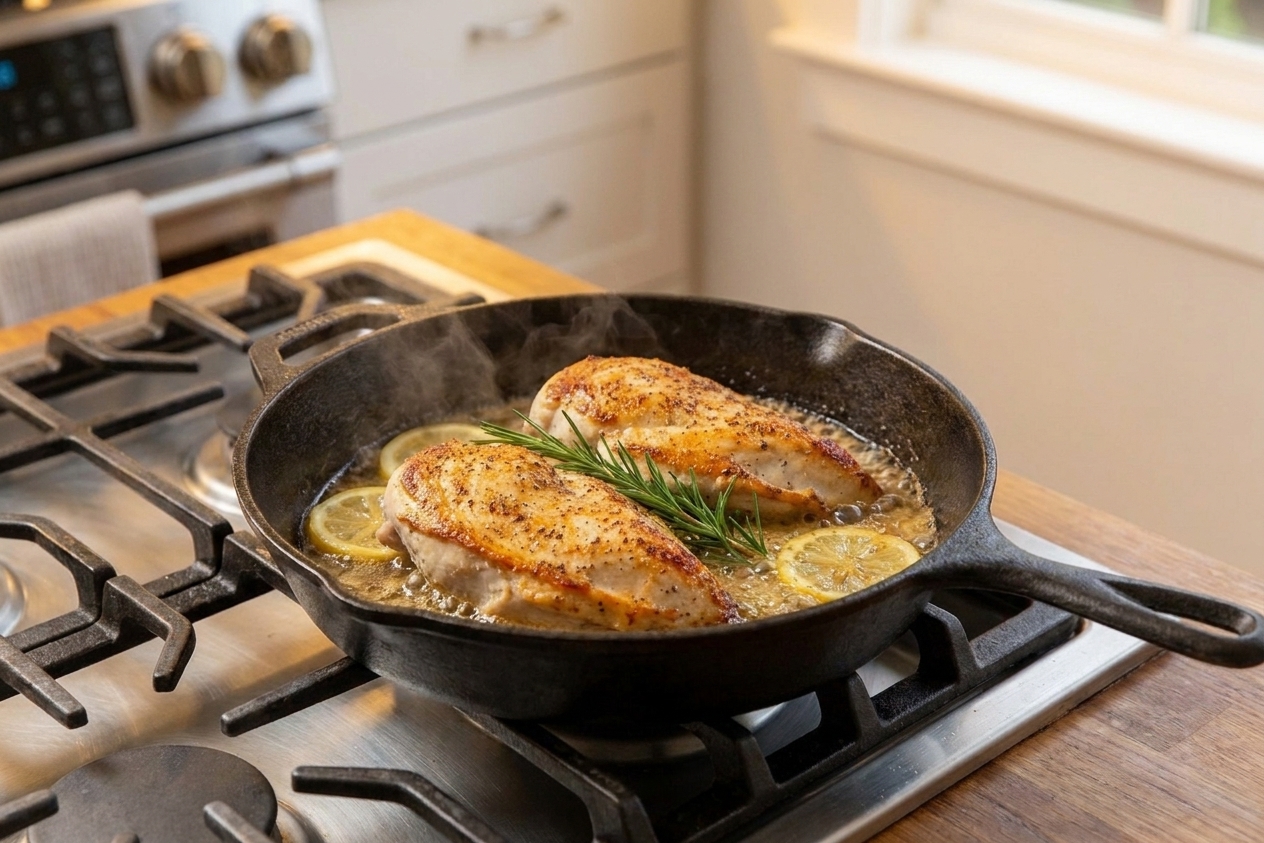
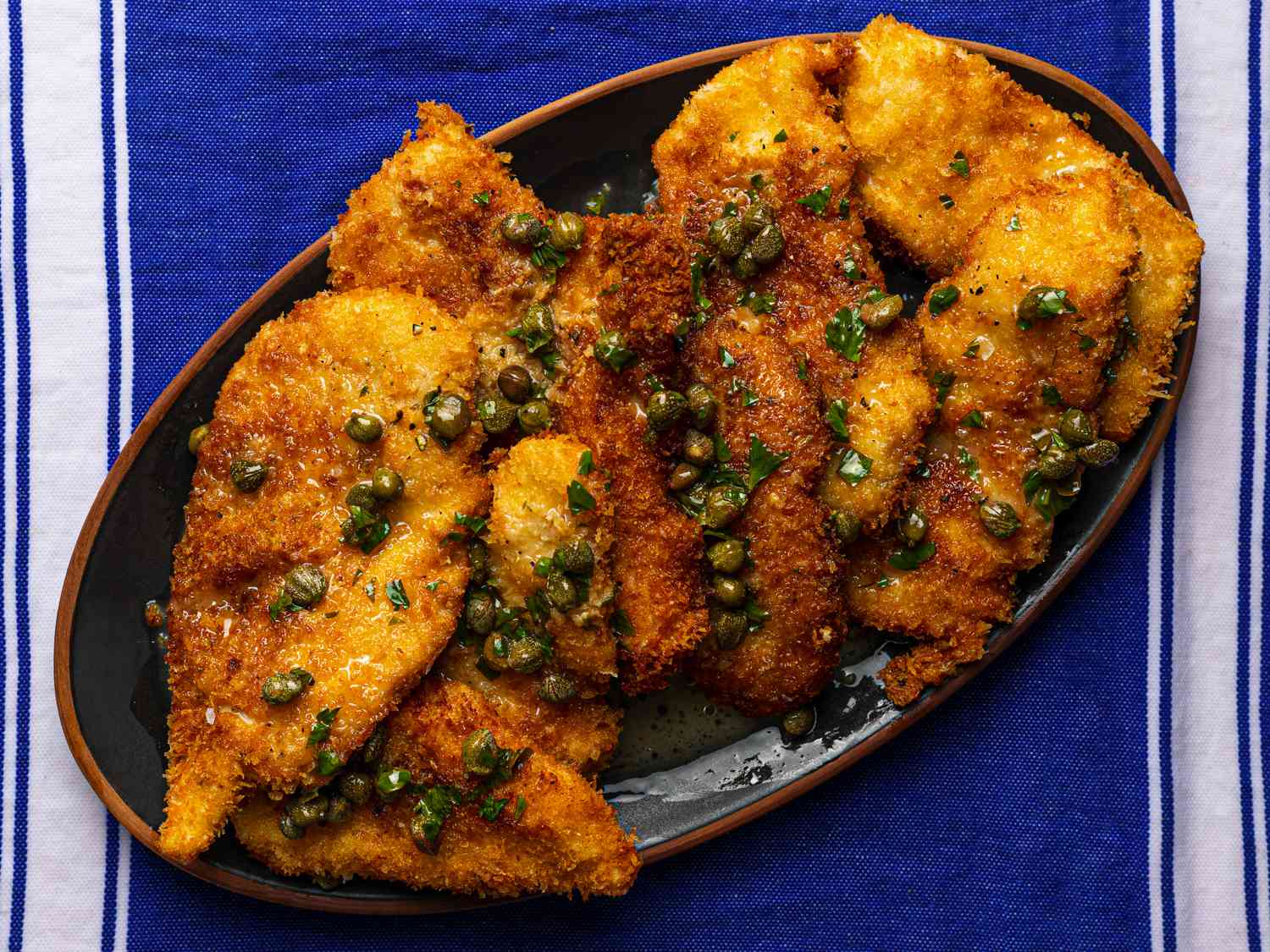
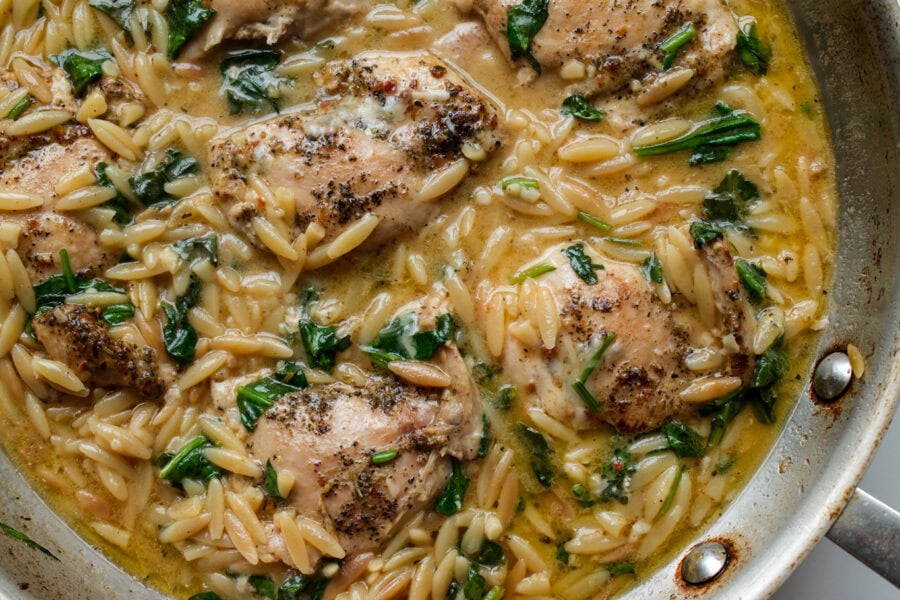
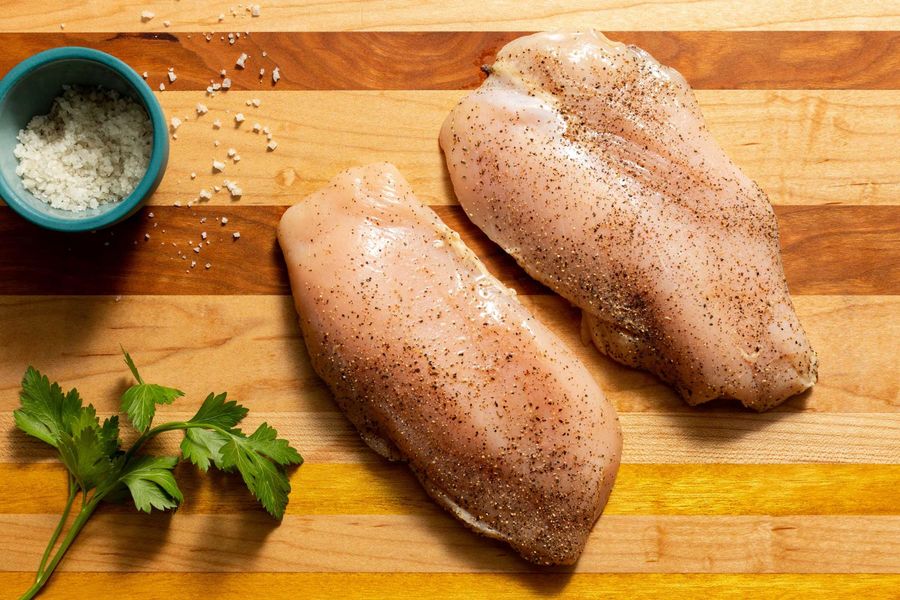
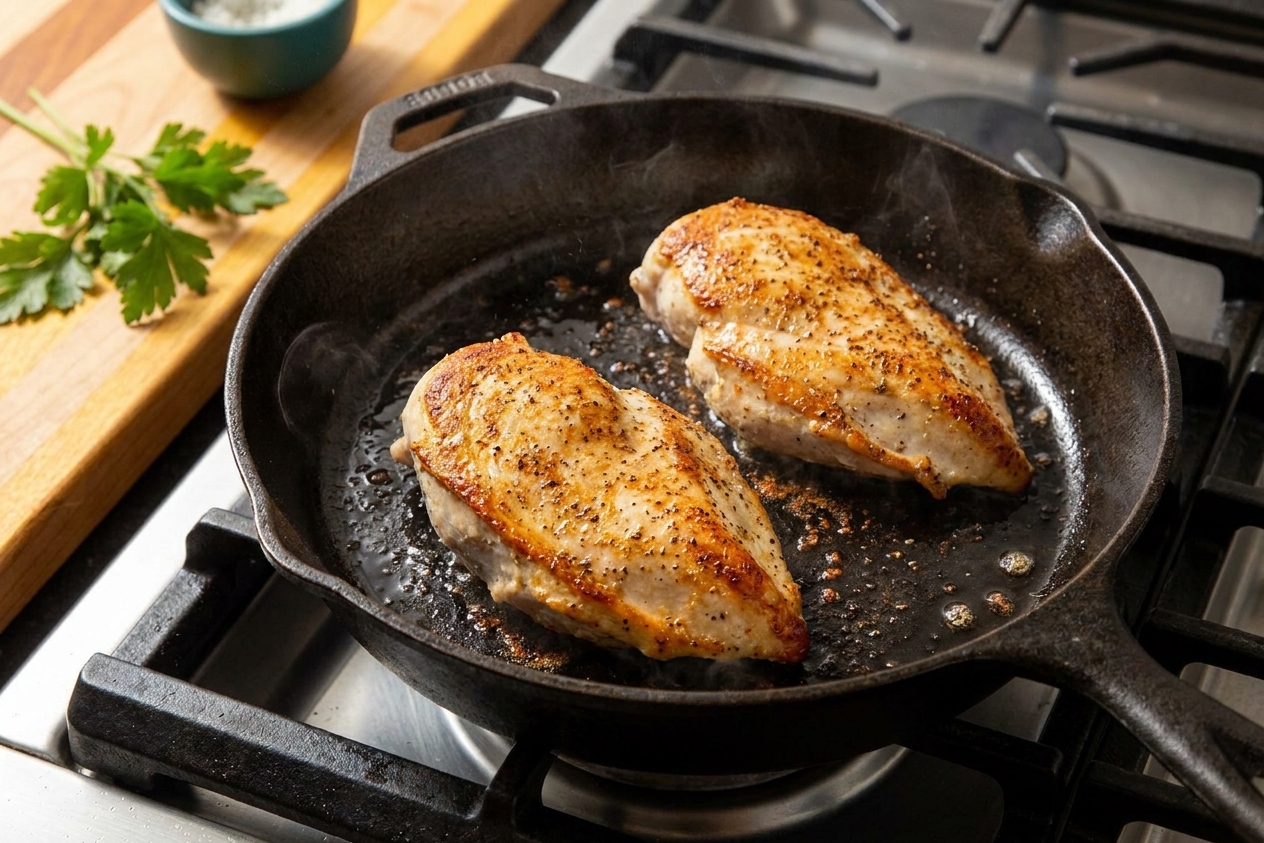
Boneless skinless thighs are the most forgiving and stay juicy. Breasts are great too, just keep an eye on temperature and do not overcook. If your breasts are thick, pound them to an even thickness so they cook evenly.
How do I know the chicken is done?
Use a thermometer if you have one. Depending on piece size, pull the chicken at 160 to 165°F, then let it rest 5 minutes. Carryover heat is more noticeable on bigger pieces. Smaller cutlets might not climb much, so do not count on a huge temperature jump. If you do not have a thermometer, slice the thickest part. The juices should run clear and the center should not look glossy.
My sauce tastes too sour. How do I fix it?
Add a small pat of butter and a pinch of salt. If it still feels sharp, add a tiny drizzle of honey or maple syrup, like 1/4 teaspoon at a time. Balance is the whole game here.
My sauce is too thin or too thick. What now?
Too thin: simmer 1 to 3 minutes to reduce. Too thick: splash in a little broth or water, 1 tablespoon at a time, until it loosens up.
Can I bake it instead of pan-searing?
You can, but you will miss the pan sauce magic from the browned bits. If you want an oven method, sear first, then finish in a 400°F oven until the chicken hits 160 to 165°F, and make the sauce in the skillet while it rests.