Mom's Best Recipes
Recipe

Chile Colorado

Fork-tender beef simmered in a smooth, deep red chile sauce that is smoky, a little sweet, and unapologetically cozy.

Author By Matt Campbell
4.8
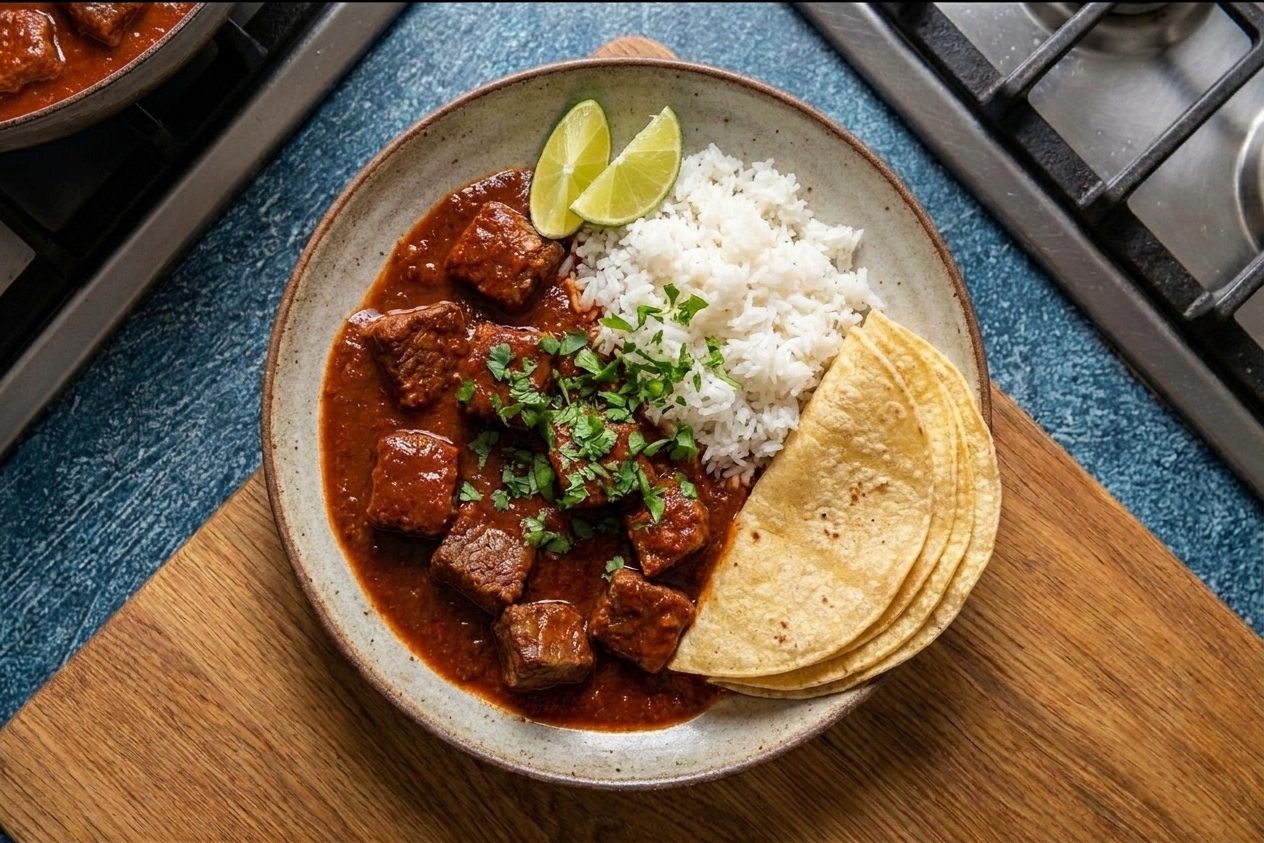
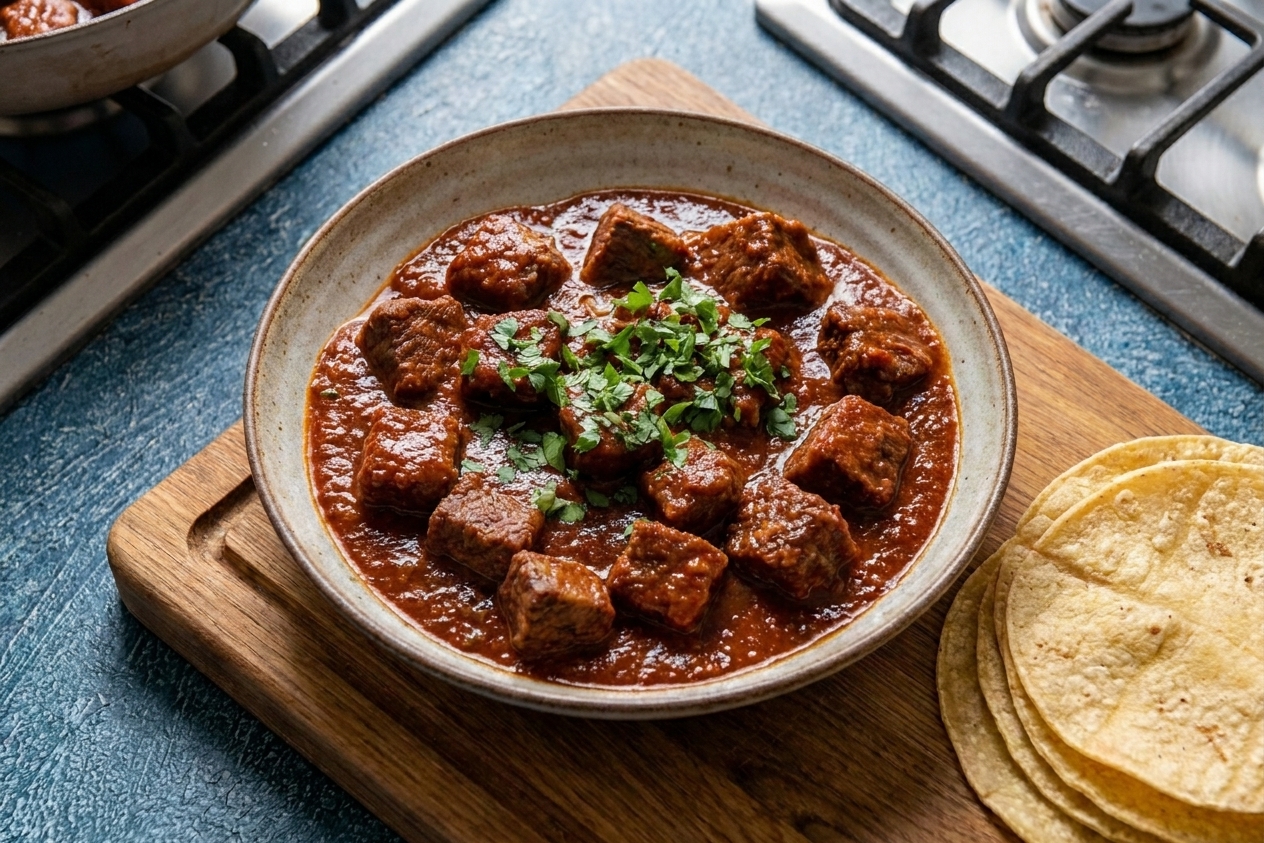
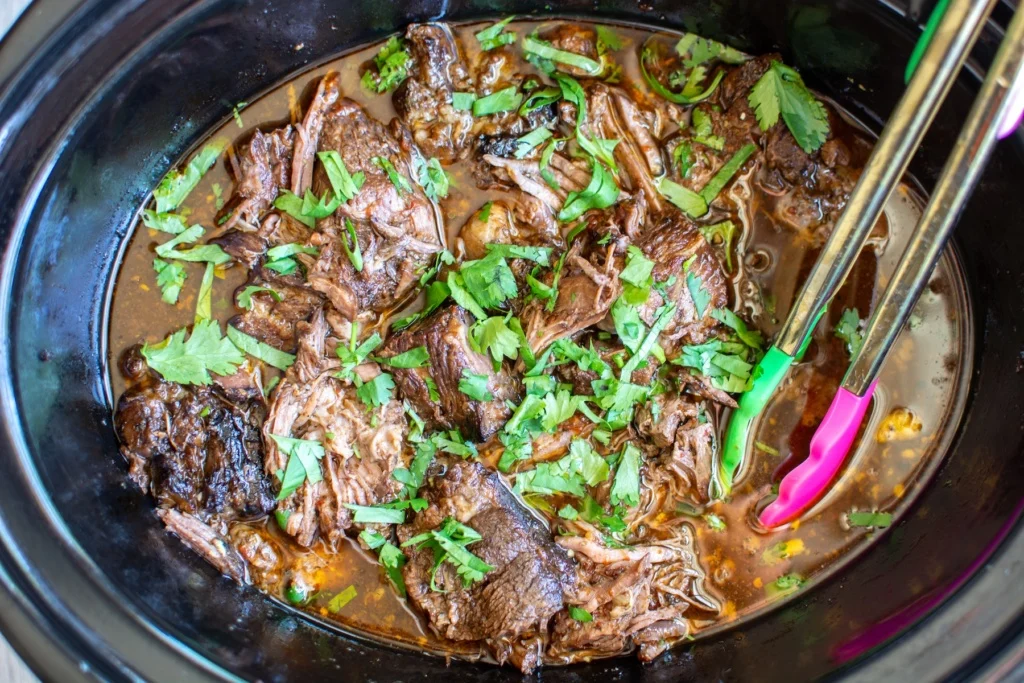
A bowl of chile colorado with tender beef chunks in a deep red sauce, garnished with chopped cilantro and served with warm tortillas on a wooden table

Chile colorado is one of those dishes that feels like it has no business being this good with such basic pantry stuff. Dried chiles, a little garlic, a little time, and suddenly you have this glossy, brick-red sauce that clings to tender beef like it was born to do it.

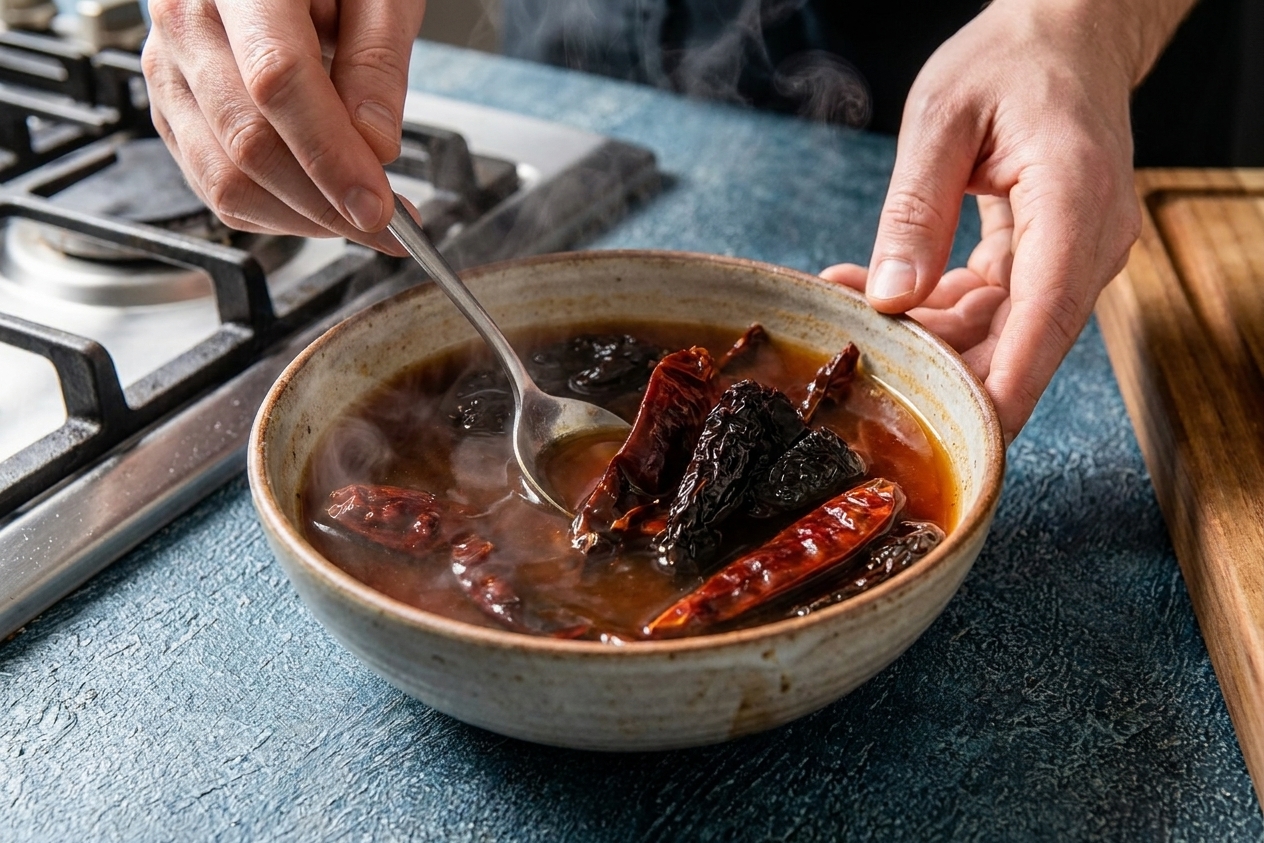
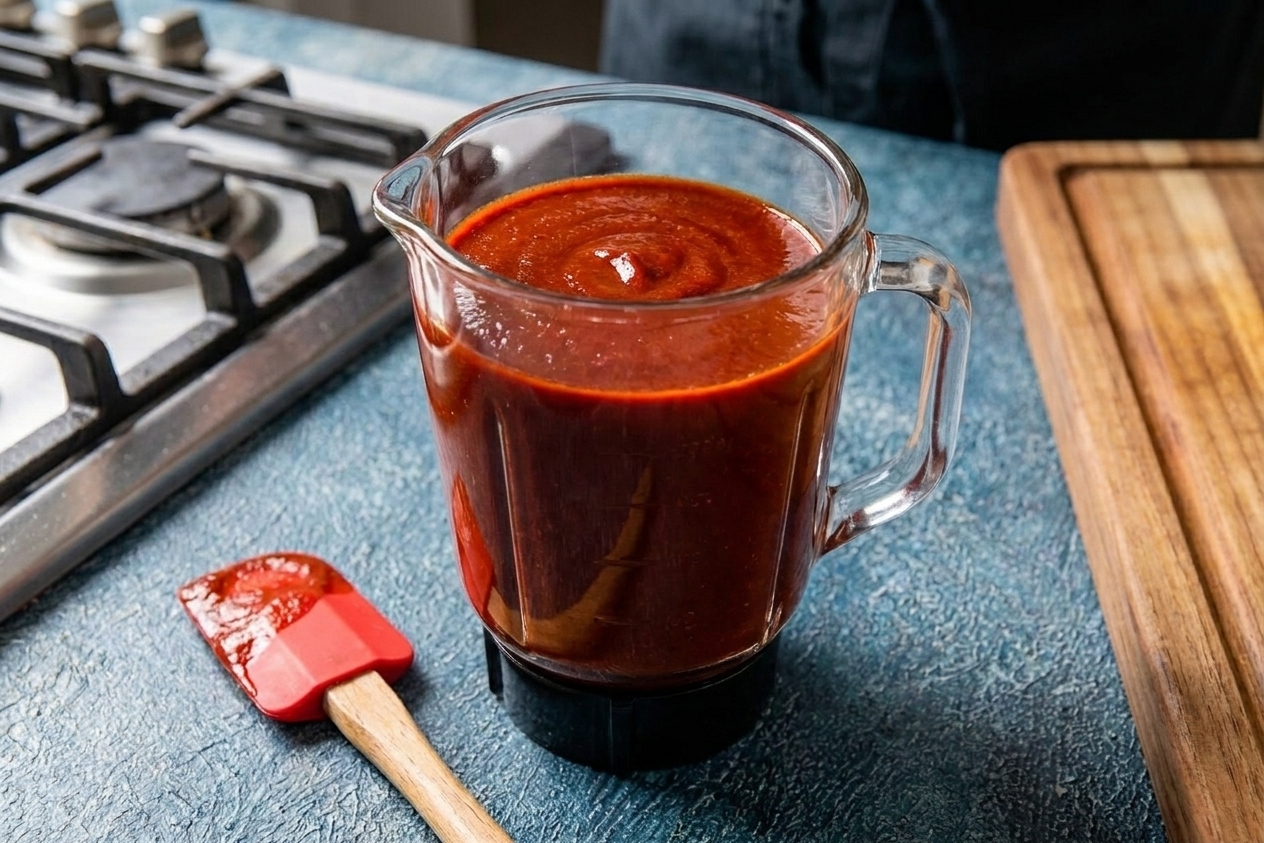
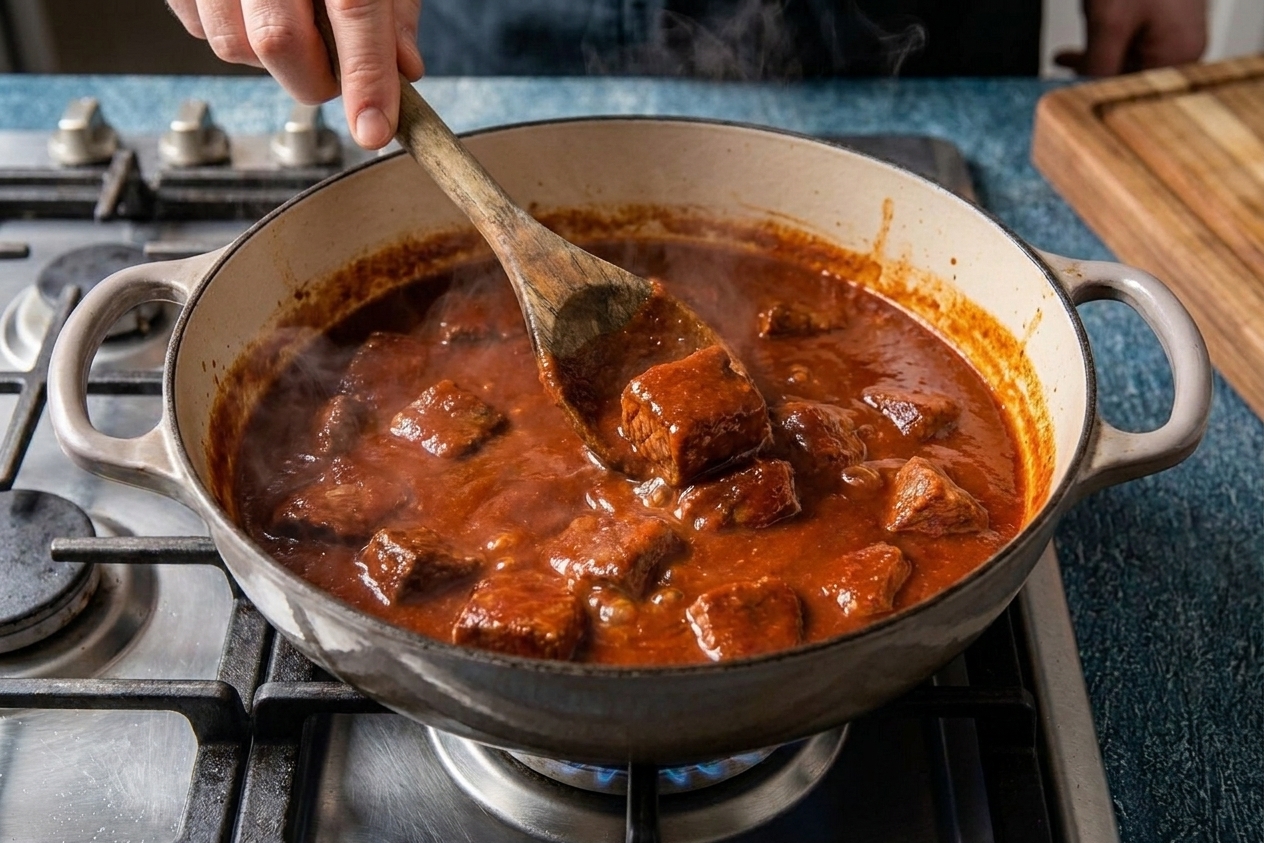
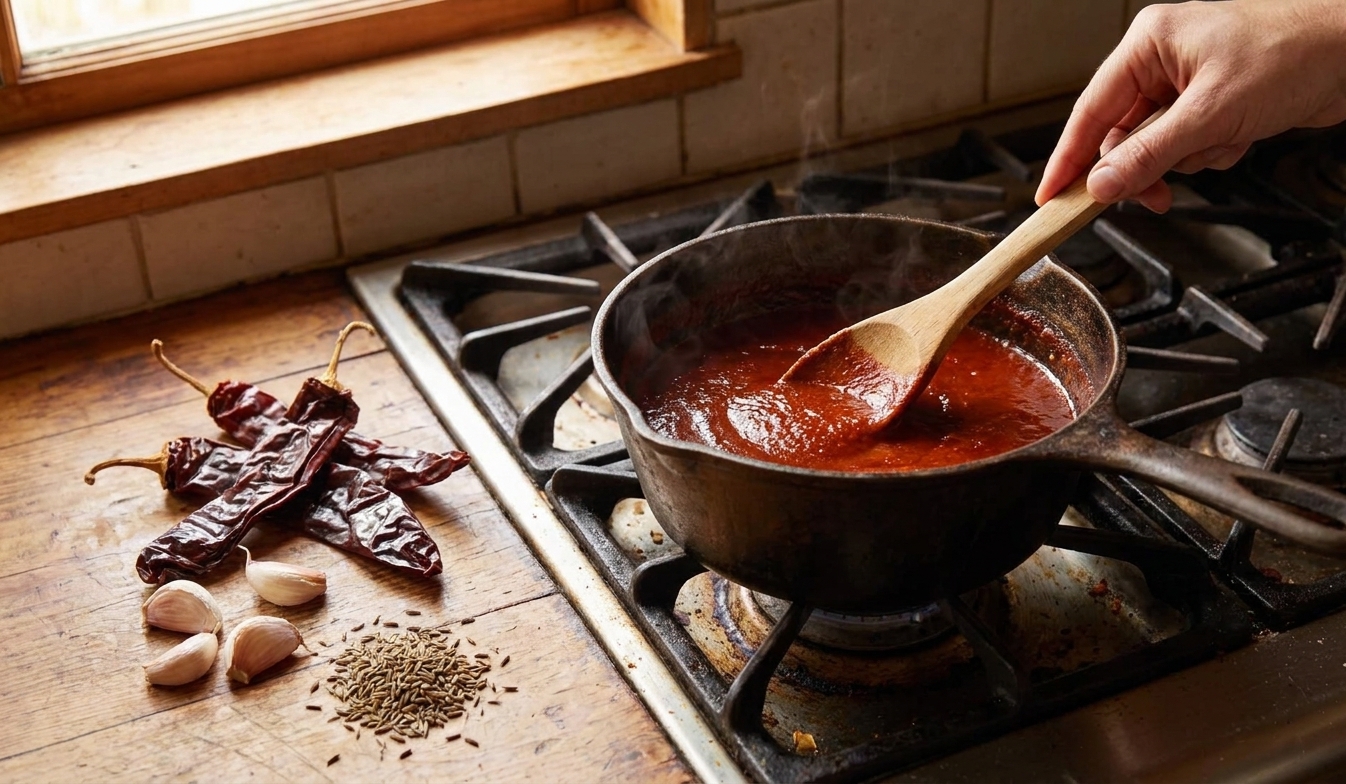
This is my relaxed, home-kitchen version. No hard-to-find ingredients, no fussy techniques. We toast and soak the chiles, blend them into a smooth sauce, then let the pot do the heavy lifting until the beef turns spoon-tender. Serve it with tortillas, over rice, or tucked into burritos. You will find excuses.
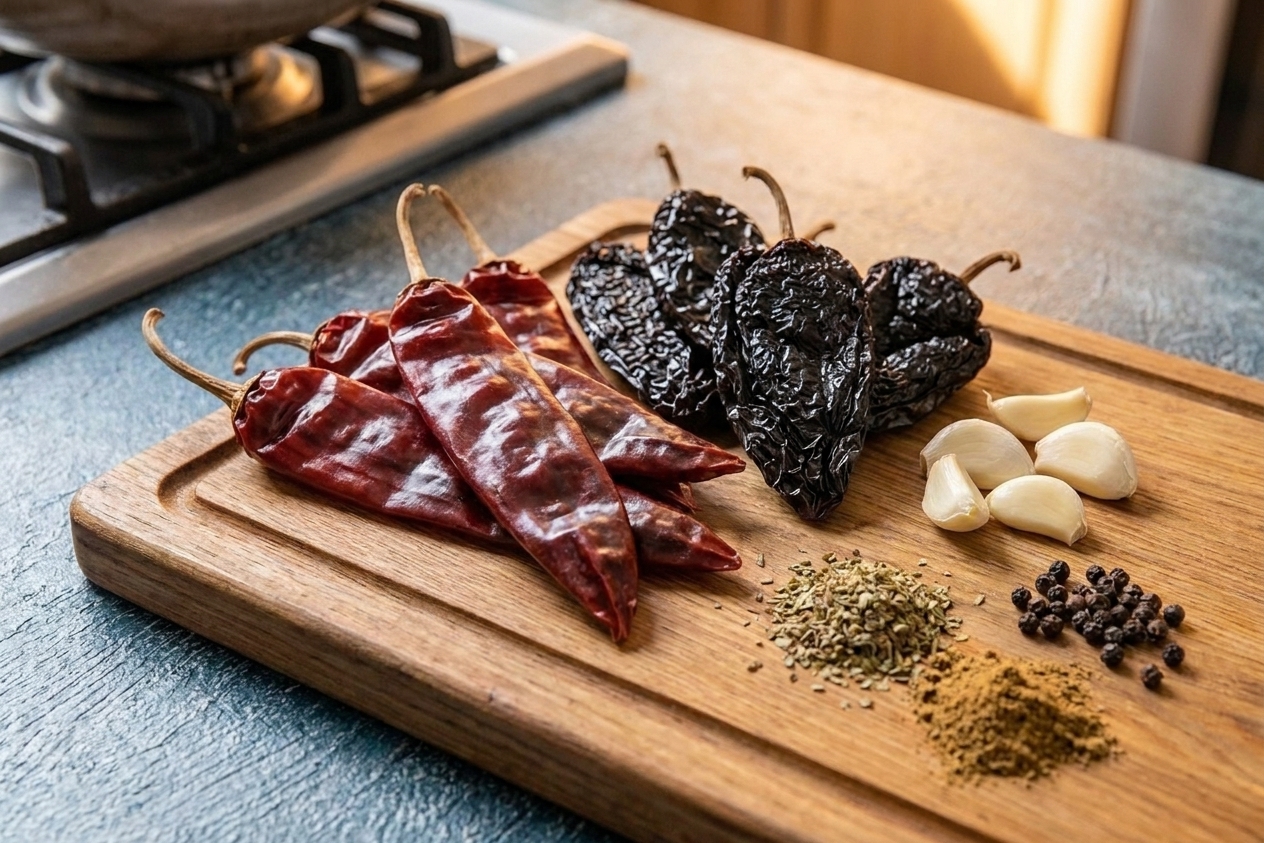
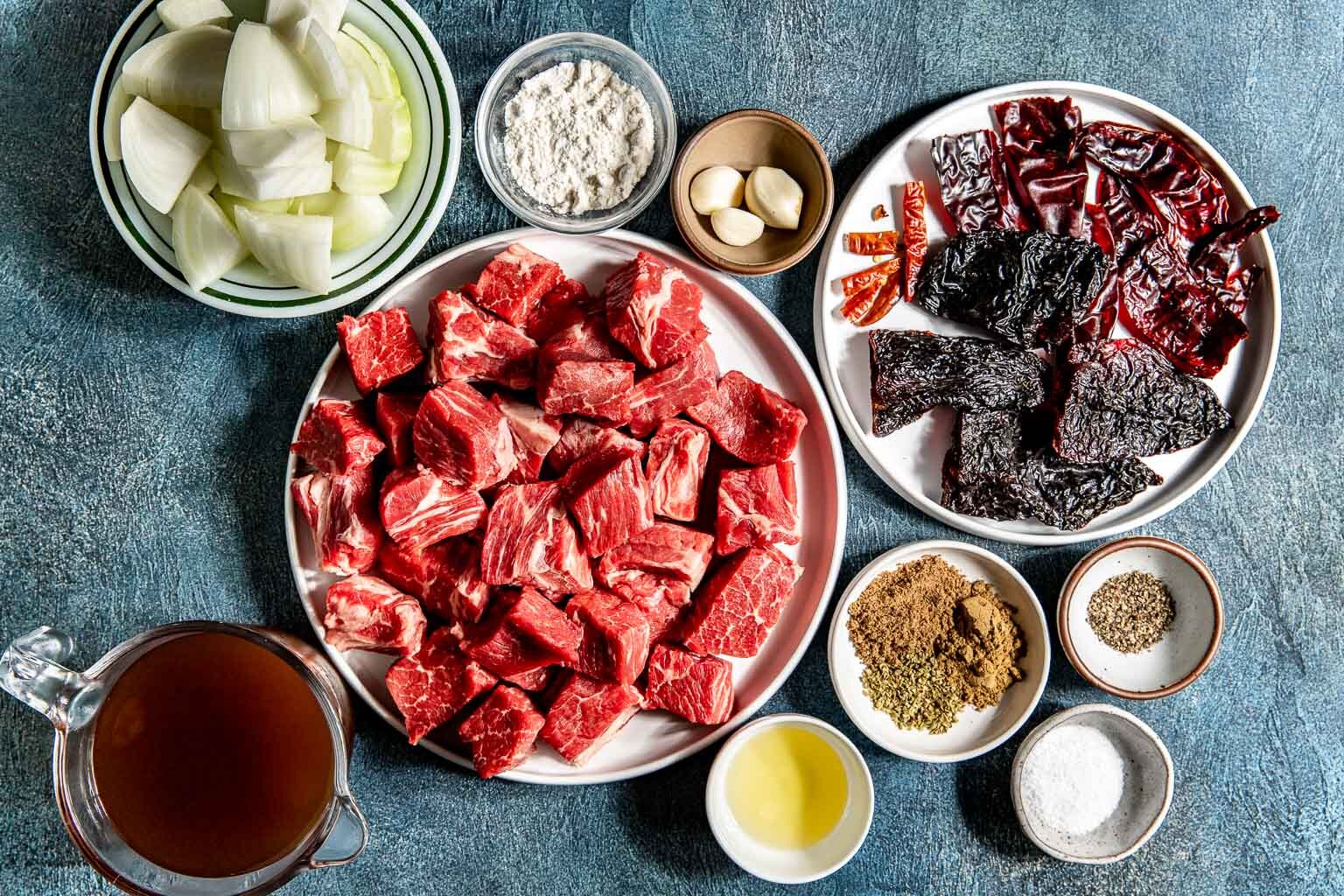
Dried guajillo and ancho chiles on a cutting board with garlic cloves and spices nearby on a warm kitchen counter

Why It Works

  • Deep red sauce without bitterness: A quick toast wakes up the chiles, then a soak softens them so the sauce blends silky.
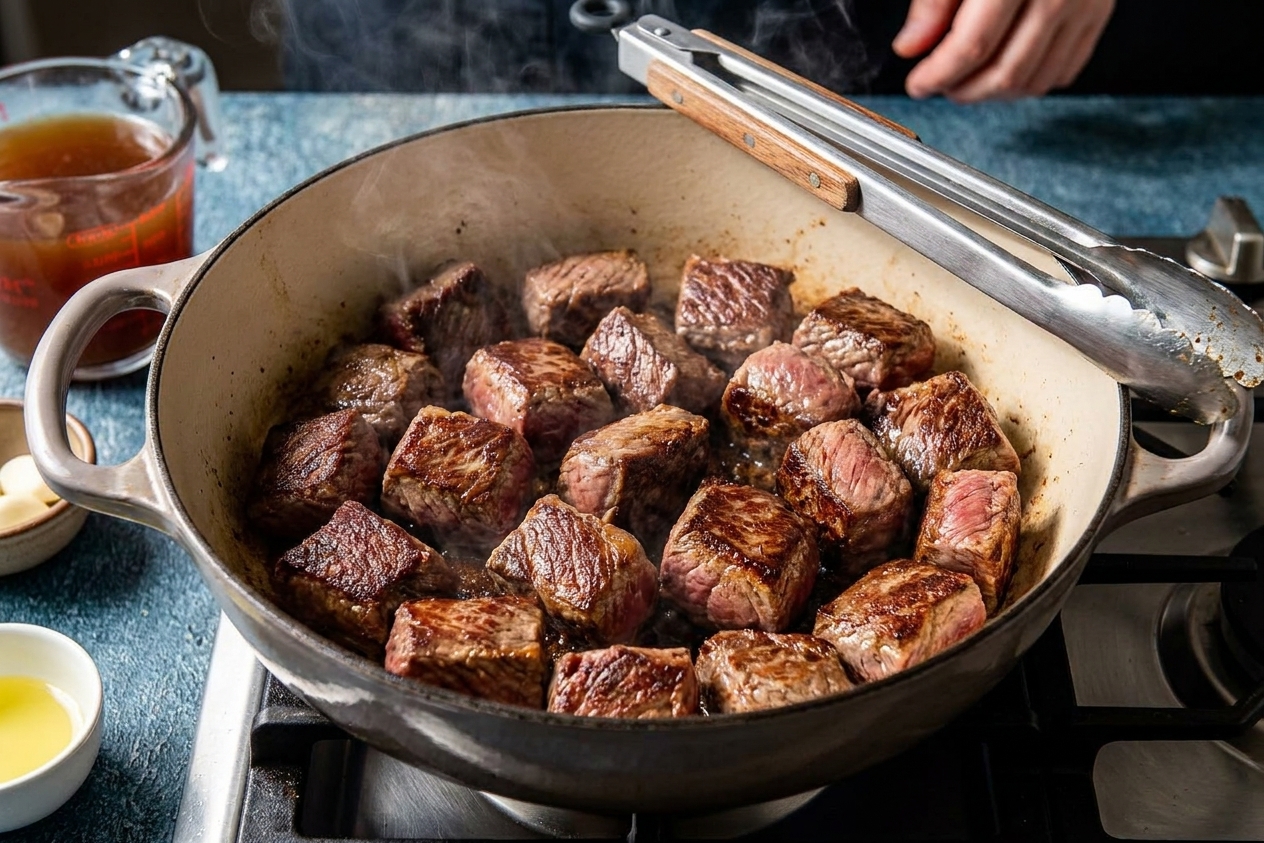
  • Tender beef every time: Sear for flavor, then a gentle simmer until the collagen gives up and the meat turns buttery.
  • Big flavor, accessible ingredients: Guajillo plus ancho gives you color and body with mild heat. Add arbol if you want it louder.
  • Meal-prep gold: Like most braises, it tastes even better after a night in the fridge.

Pairs Well With

Storage Tips

Refrigerator: Cool completely, then store chile colorado in an airtight container for up to 4 days. The sauce thickens as it chills. That is normal and honestly a perk.

Freezer: Freeze in portioned containers for up to 3 months. Leave a little headspace because the sauce expands.

Reheating: Warm gently on the stove over medium-low, splashing in a bit of broth or water to loosen. Microwave works too, but stir halfway so the sauce reheats evenly.

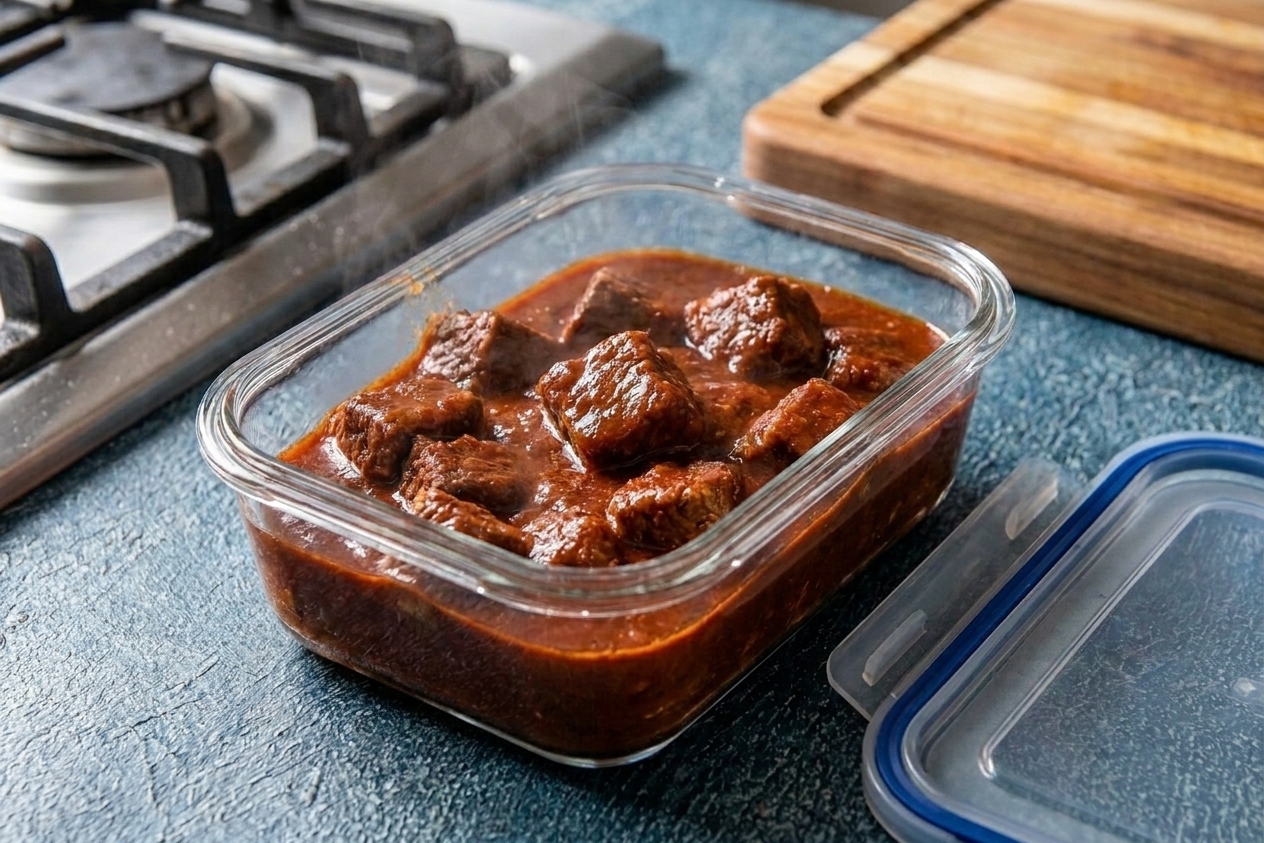
A glass meal prep container filled with chile colorado, deep red sauce surrounding beef pieces, sitting on a kitchen counter with a lid nearby

Common Questions

Is chile colorado spicy?

It can be, but it does not have to be. Guajillo and ancho are usually mild to medium. For more heat, add 1 to 3 árbol chiles or a pinch of cayenne. For less heat, skip the árbol and remove the seeds and ribs (membranes) from the guajillos and anchos.

What is the difference between chile colorado and chili?

Different vibe. Chile colorado is typically a red chile sauce made from dried chiles and used to braise meat. American-style chili often uses ground meat, tomatoes, and chili powder blends. Both are great. They just live in different neighborhoods.

Do I have to strain the sauce?

No, but it helps. Straining removes stubborn bits of chile skin and gives you that smooth, restaurant-style sauce. If your blender is strong and you soaked well, you can skip it.

Can I make it with pork or chicken?

Yes. Pork shoulder is fantastic. Chicken thighs also work, but simmer gently and start checking earlier so they do not shred into the sauce unless you want that.

Why is my sauce bitter?

Usually one of three things: the chiles got burnt during toasting, the chiles were old or stale, or the sauce needs a little balance. Next time toast very briefly. This time, try a tiny pinch of sugar or a small splash of apple cider vinegar, then taste again. If it tastes a little tannic, you can also blend with less of the soaking liquid and add fresh broth or water to thin.

The first time I made chile colorado, I was chasing that red-sauce magic I kept getting from little local spots that somehow make a bowl of stew feel like a full reset. I learned fast that the secret is not a secret. It is dried chiles, patience, and tasting as you go. Now it is one of my favorite “cook once, eat like a legend all week” meals. Also, the smell of toasted guajillos should honestly be sold as a candle.