Mom's Best Recipes
Recipe

Chinese Steamed Egg

Silky, savory egg custard steamed until just-set, then finished with soy sauce, sesame oil, and scallions.

Author By Matt Campbell
4.8
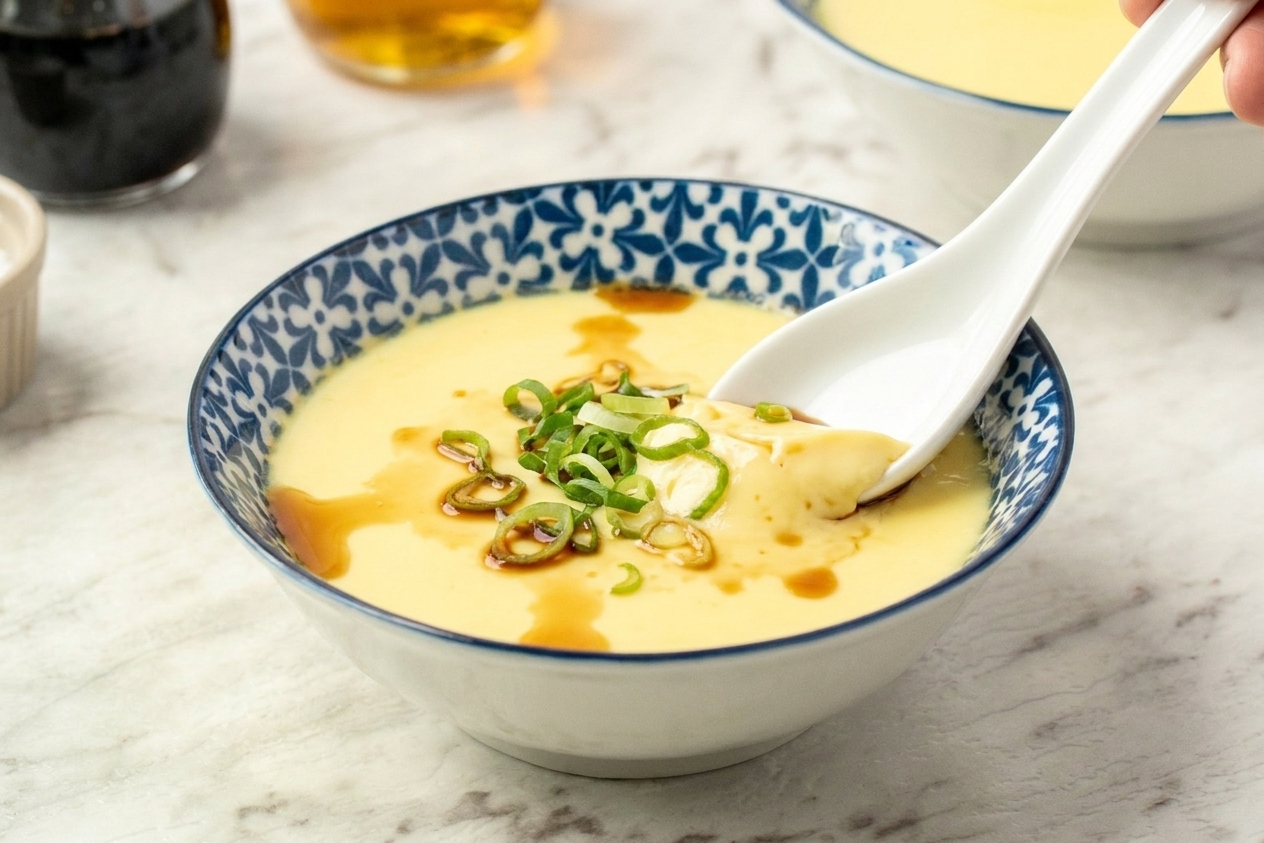
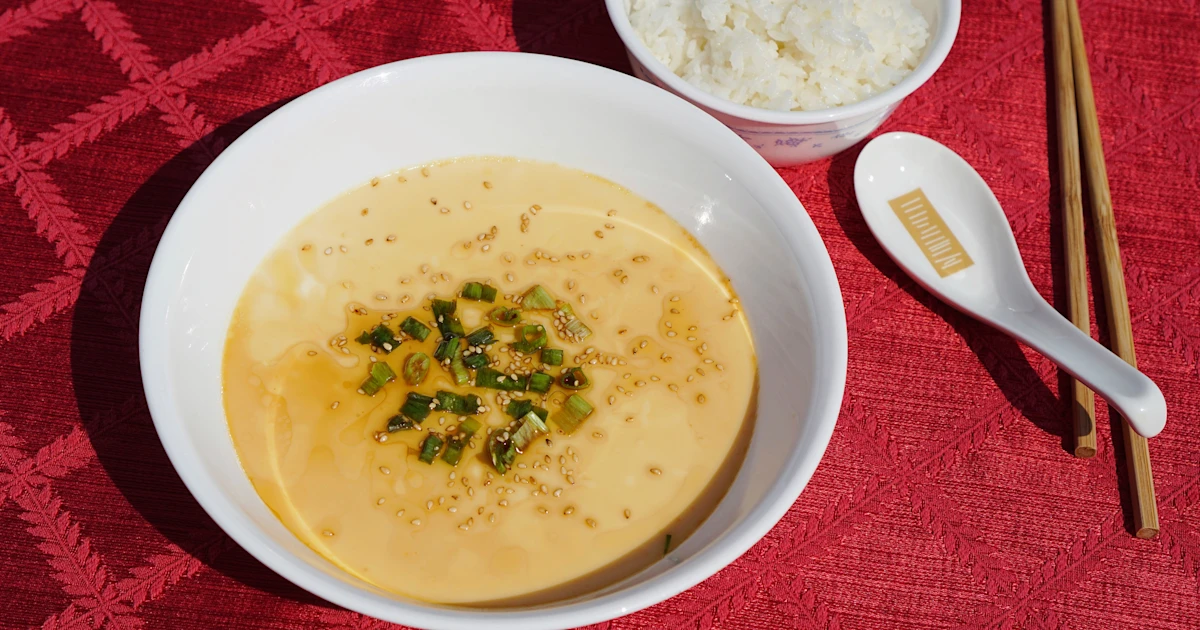
A ceramic bowl of silky Chinese steamed egg custard topped with sliced scallions and a drizzle of soy sauce on a light kitchen table

Chinese steamed egg is the kind of quiet little miracle dinner I reach for when I want something warm and comforting but my energy is giving “please do not ask me to chop seventeen things.” It is basically savory egg custard, steamed gently until it turns into a soft, spoonable cloud.

The best part is how flexible it is. Keep it plain and soothing for picky eaters, or go full flavor mode with shrimp, mushrooms, or a quick sizzle of scallion oil. Either way, this is a low-drama recipe with a big cozy payoff.
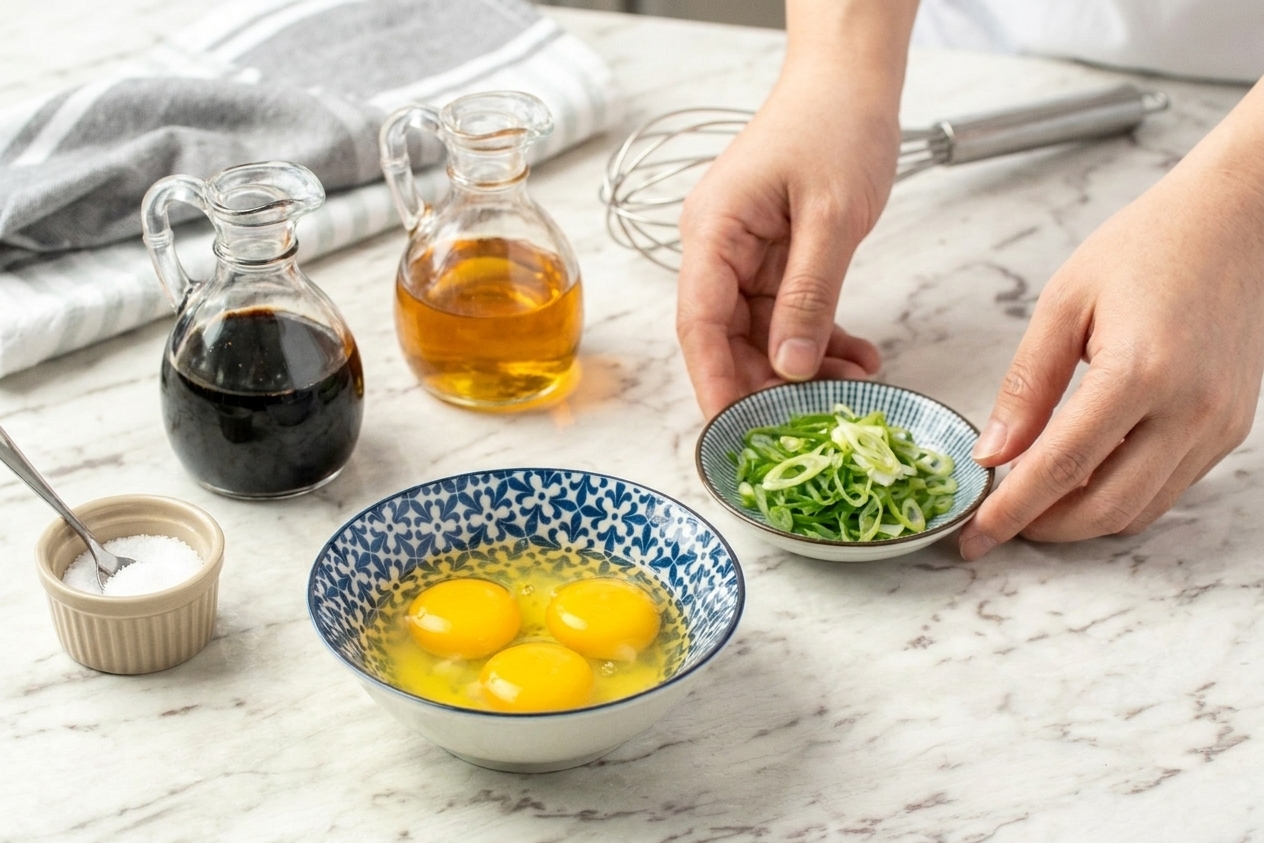
Ingredients for Chinese steamed egg including cracked eggs, sliced scallions, soy sauce, sesame oil, and salt arranged on a bright kitchen counter

Why It Works

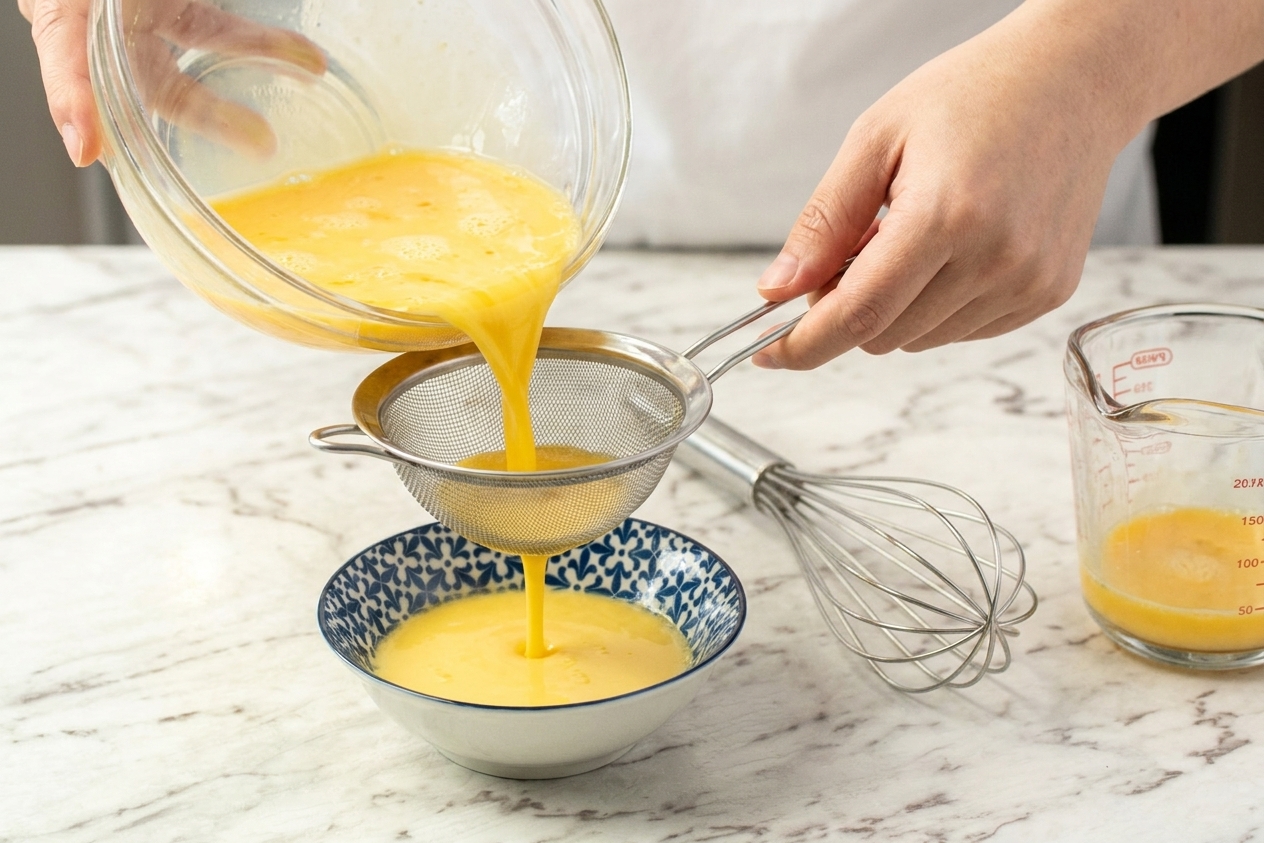
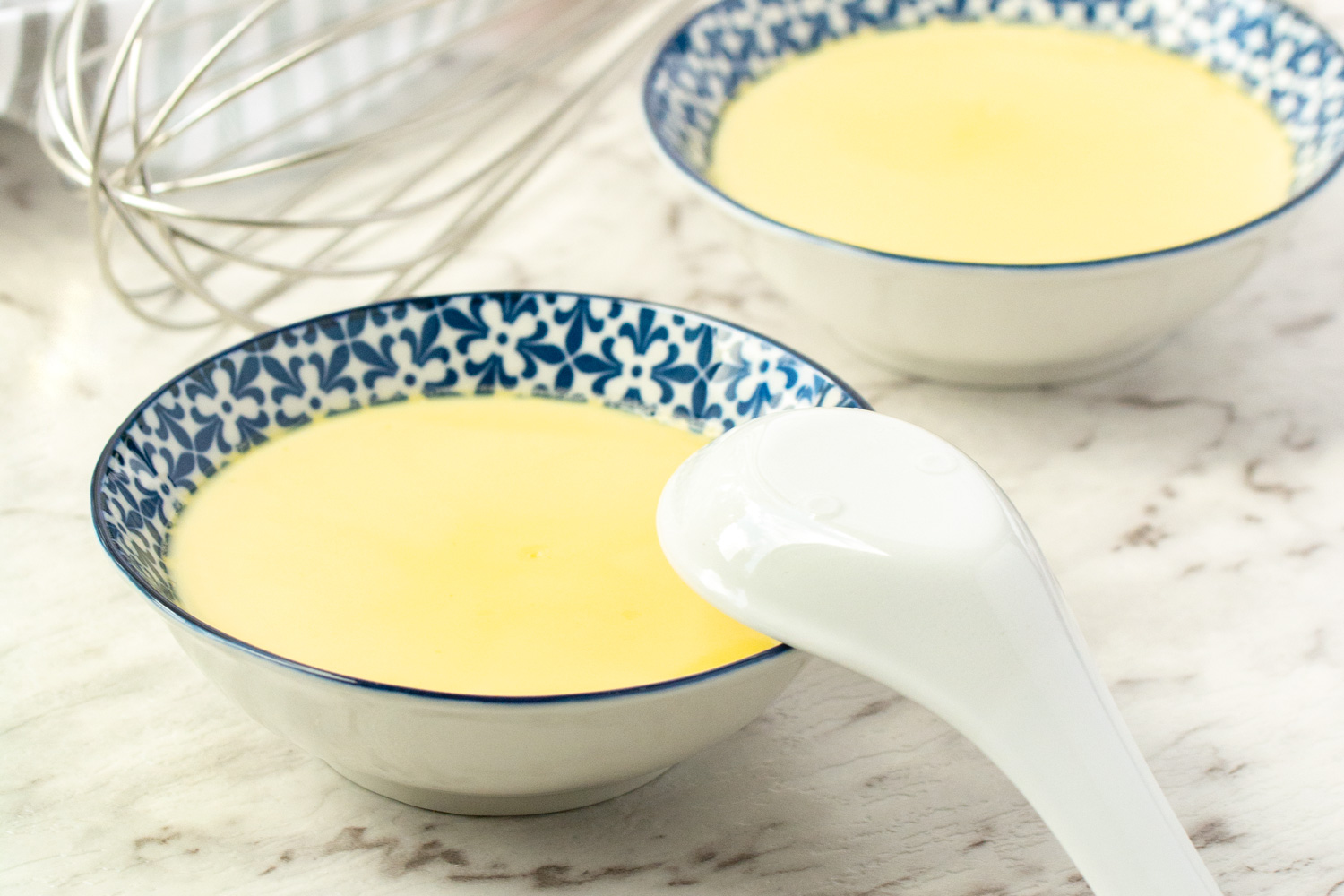
  • Silky texture without holes: Straining the egg and using gentle heat keeps the custard smooth, not spongy.
  • Simple ratio you can remember: About 1 part egg to 1.5 parts warm water or stock gives that tender, jiggly set.
  • Big flavor from tiny add-ons: A drizzle of soy sauce, sesame oil, and scallions turns “just eggs” into something you want to eat with rice immediately.
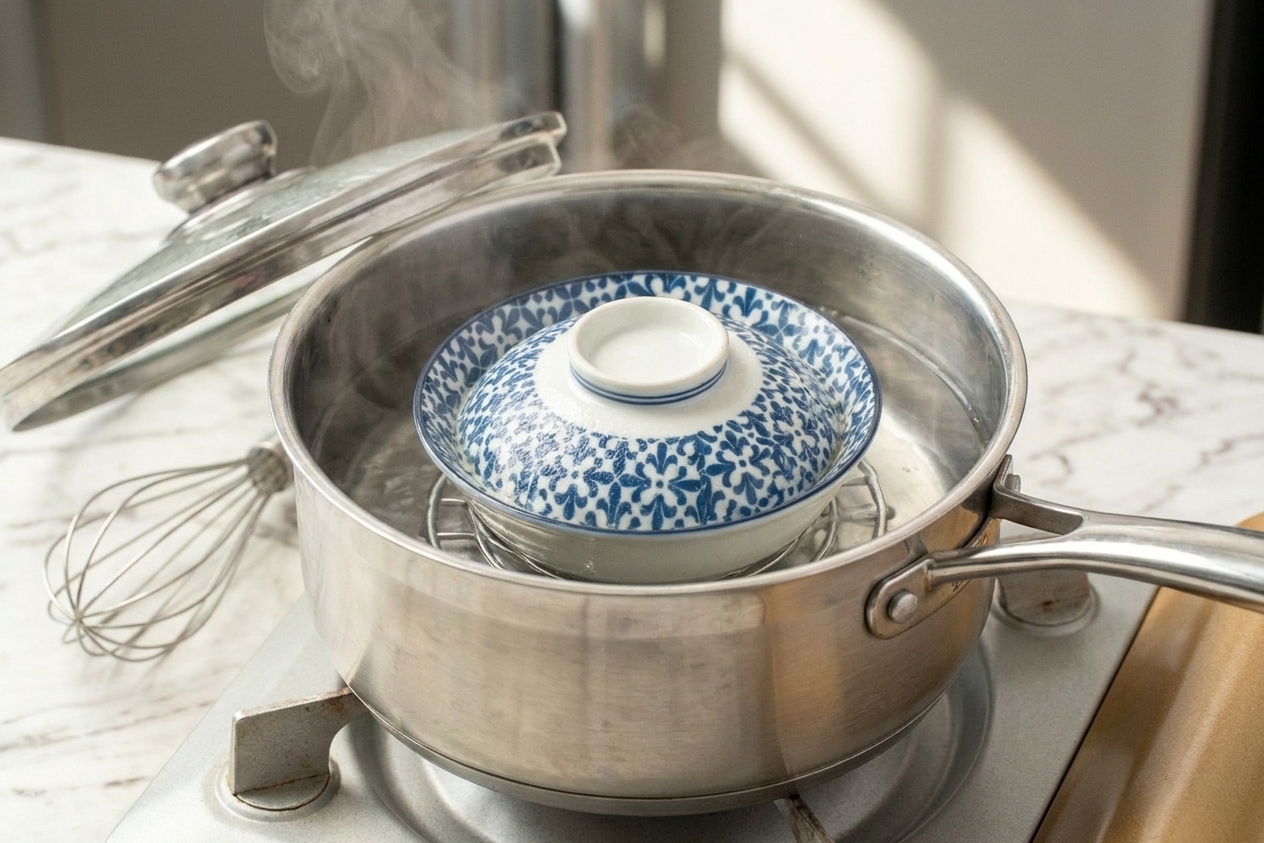
  • Reliable even on weeknights: You can steam on the stove with a basic pot and rack, no special steamer required.

Pairs Well With

Storage Tips

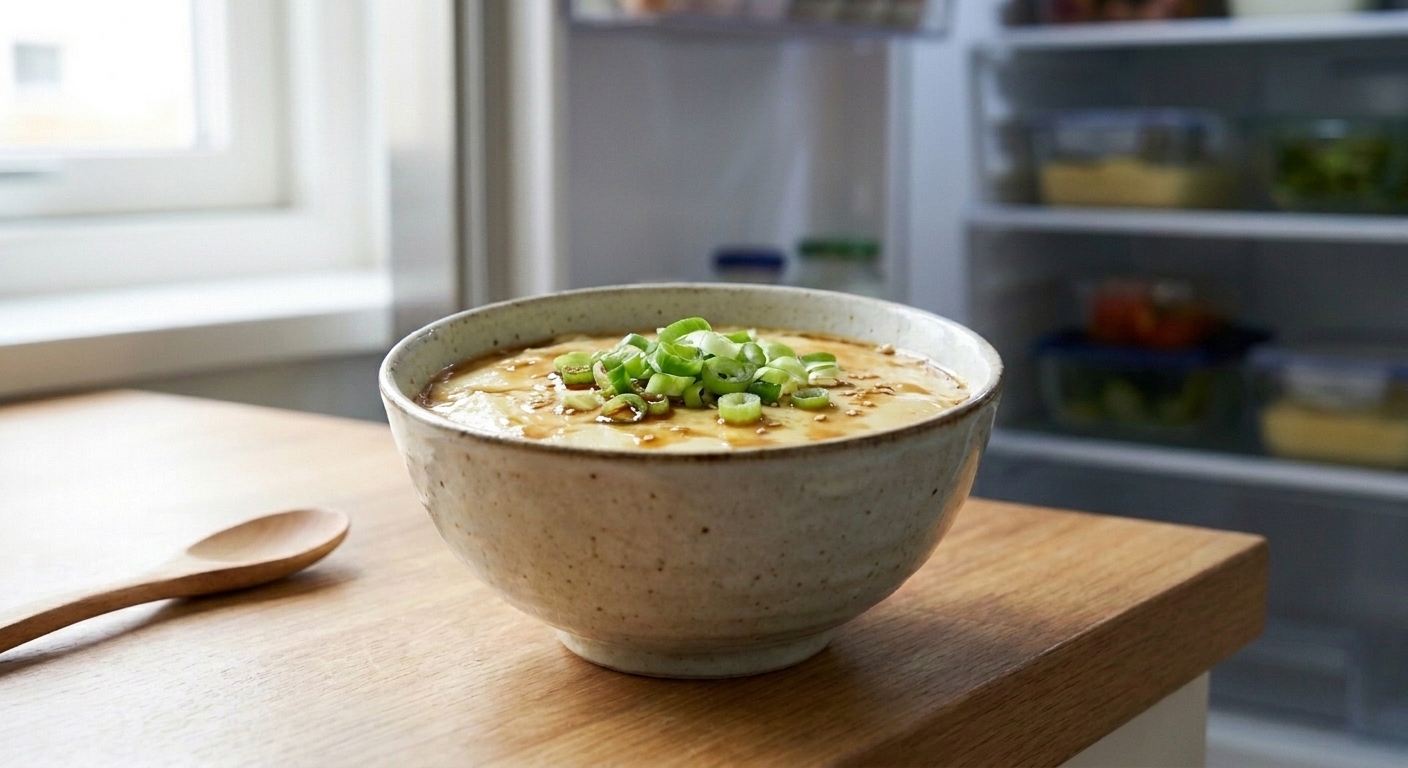
Refrigerate: Let the custard cool, then cover and refrigerate. For the best texture, try to eat it within 1 to 2 days. Many cooked egg dishes keep safely a bit longer when properly refrigerated, but this one is at its peak early.

Reheat gently: Steam on low heat until just warmed through and jiggly in the center, about 5 to 8 minutes depending on bowl depth and starting temperature. You can also microwave at 50% power in short bursts. Stop before it bubbles at the edges, since high heat makes it weep and go grainy.

Freezing: I do not recommend freezing. The custard turns watery and the texture takes a hit.

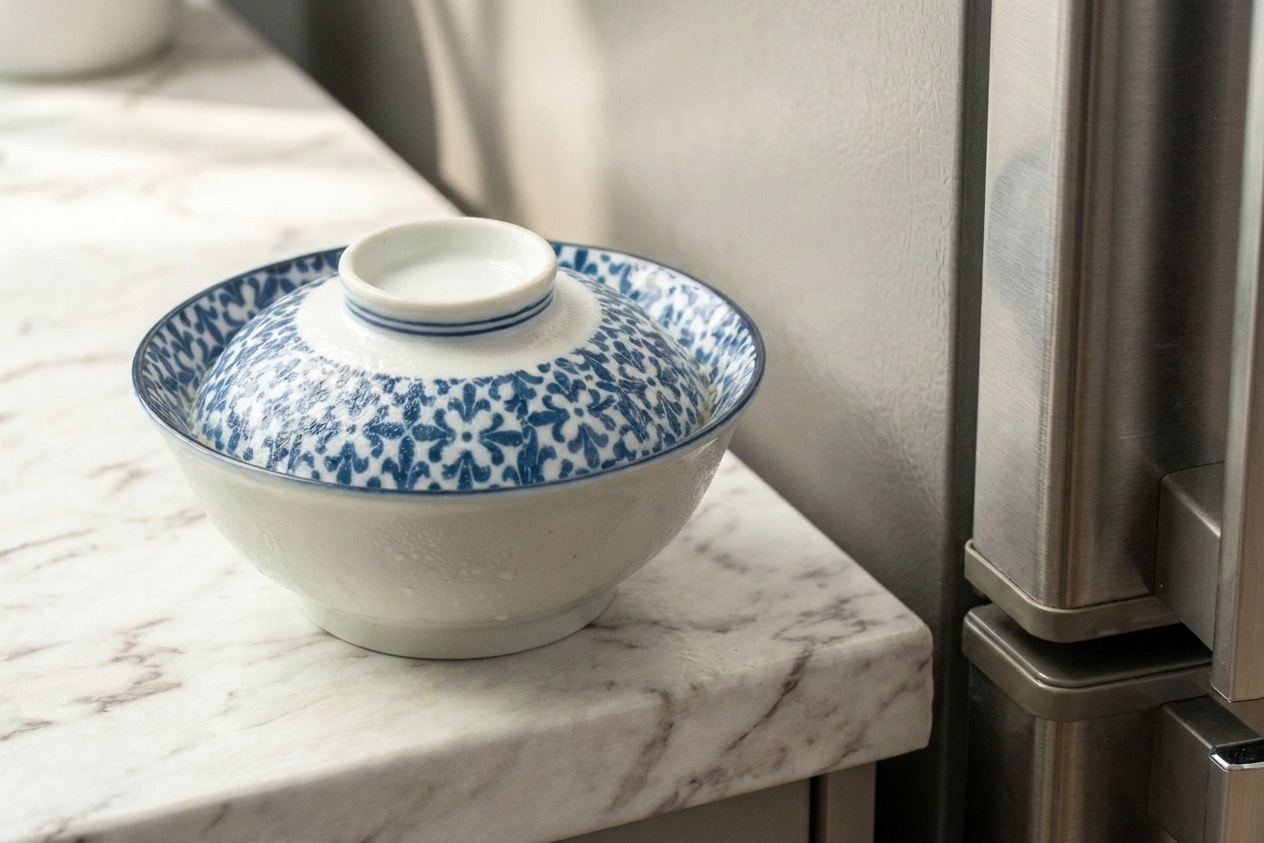
A covered bowl of steamed egg custard cooling on a kitchen counter near a refrigerator, ready for storage

Common Questions

What is Chinese steamed egg?

It is a savory egg custard made by mixing eggs with water or stock, seasoning lightly, then steaming until just set. The texture is soft and silky, like a savory pudding.

What is the best egg-to-water ratio?

For a classic tender set, use about 1 part egg to 1.5 parts warm water or stock (by weight is easiest). Example: 2 large eggs (about 100 g) + 150 g water. If you like it firmer, go closer to 1:1.25.

Why did mine turn out bubbly or full of holes?

Usually one of these: the liquid was whisked too aggressively (lots of foam), it was not strained, the steam was boiling too hard, or condensation dripped onto the surface. Keep it gentle, skim bubbles, strain, and cover the bowl with foil or a plate.

Do I have to strain the eggs?

You do not have to, but it is the fastest upgrade for smooth texture. A fine-mesh strainer removes chalaza bits and trapped bubbles.

Can I make it with chicken stock?

Yes. Stock adds savoriness. If your stock is salty, reduce the added salt and go easy on soy sauce at the end.

How do I know when it is done?

The center should jiggle like soft set gelatin, and a toothpick inserted in the middle should come out mostly clean with maybe a little moisture, not raw egg. If it looks watery, give it 2 more minutes and check again.

The first time I made Chinese steamed egg, I treated it like scrambled eggs and went full aggressive whisk mode. The result looked fine, but the texture was… airy. Not the vibe. Once I learned the whole gentle-steam, strain-it, cover-it routine, it clicked. Now it is my go-to “I need comfort food but also I need it to be easy” bowl. I’ll eat it straight with a spoon, then pretend I’m being civilized by serving it with rice.