Mom's Best Recipes
Recipe

Steamed Egg

A soft, savory egg custard steamed until silky, then finished with a simple soy-sesame drizzle and scallions.

Author By Matt Campbell
4.8
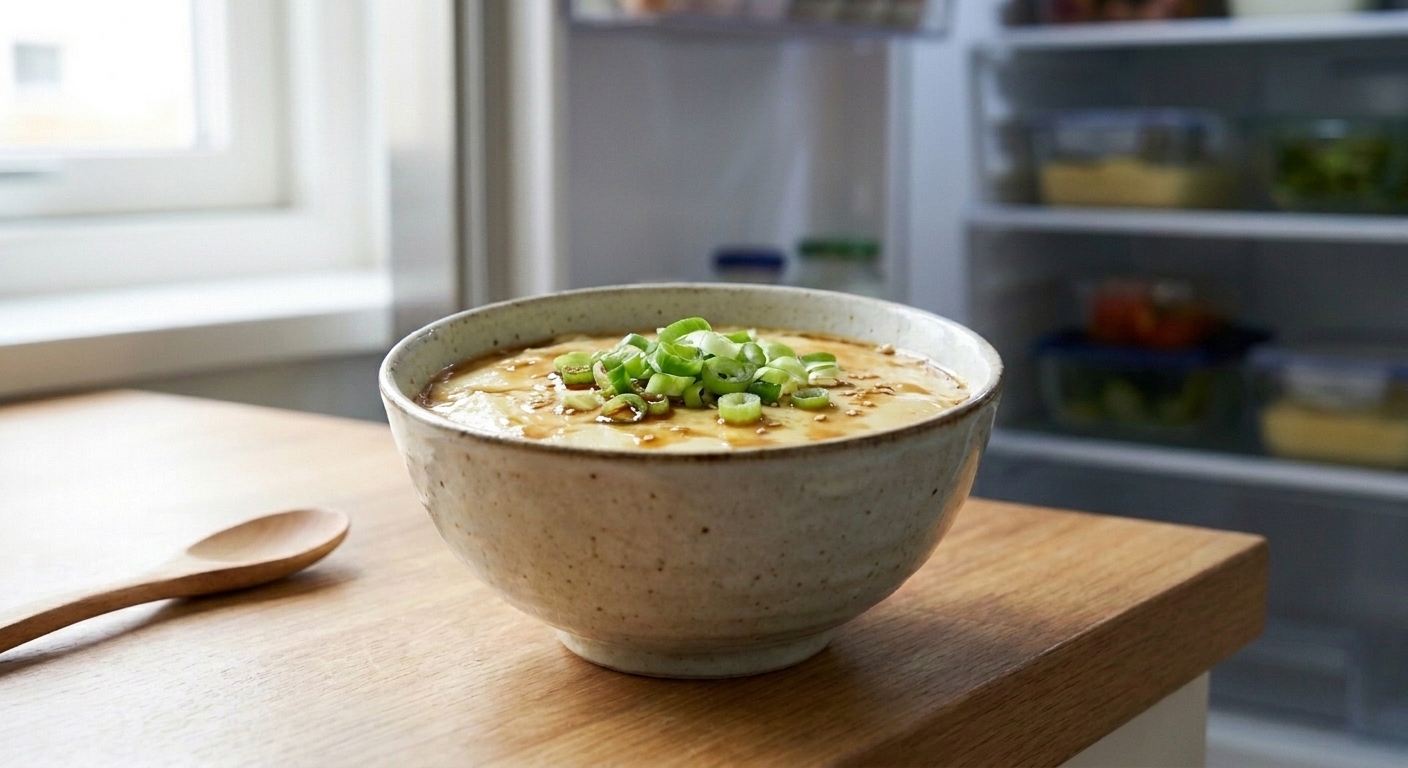
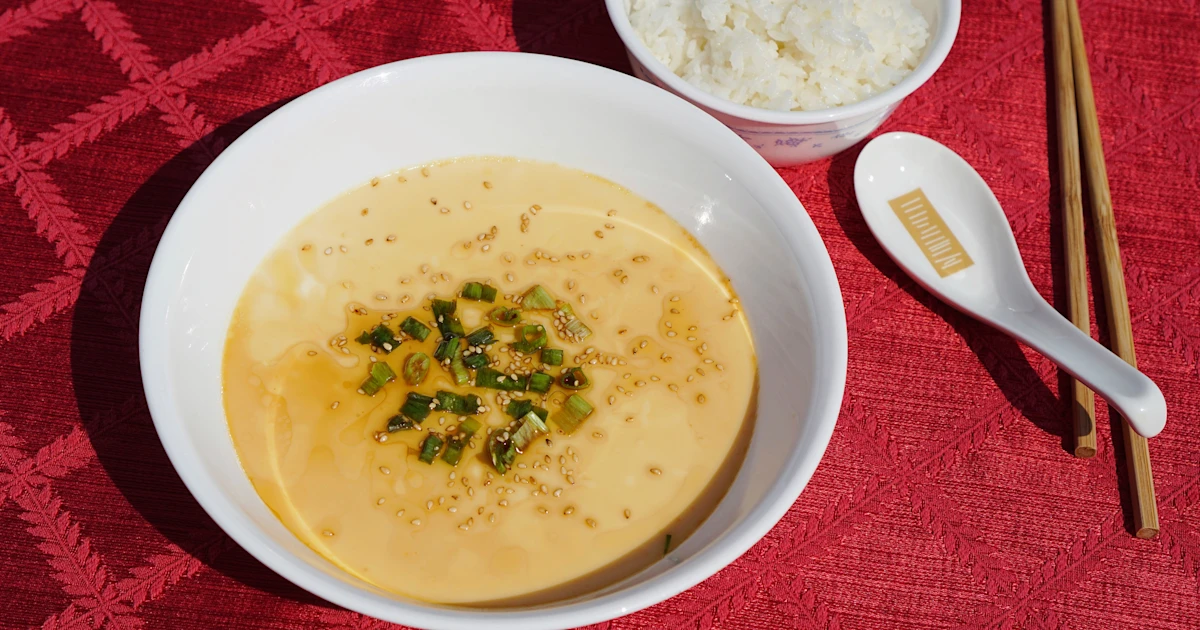
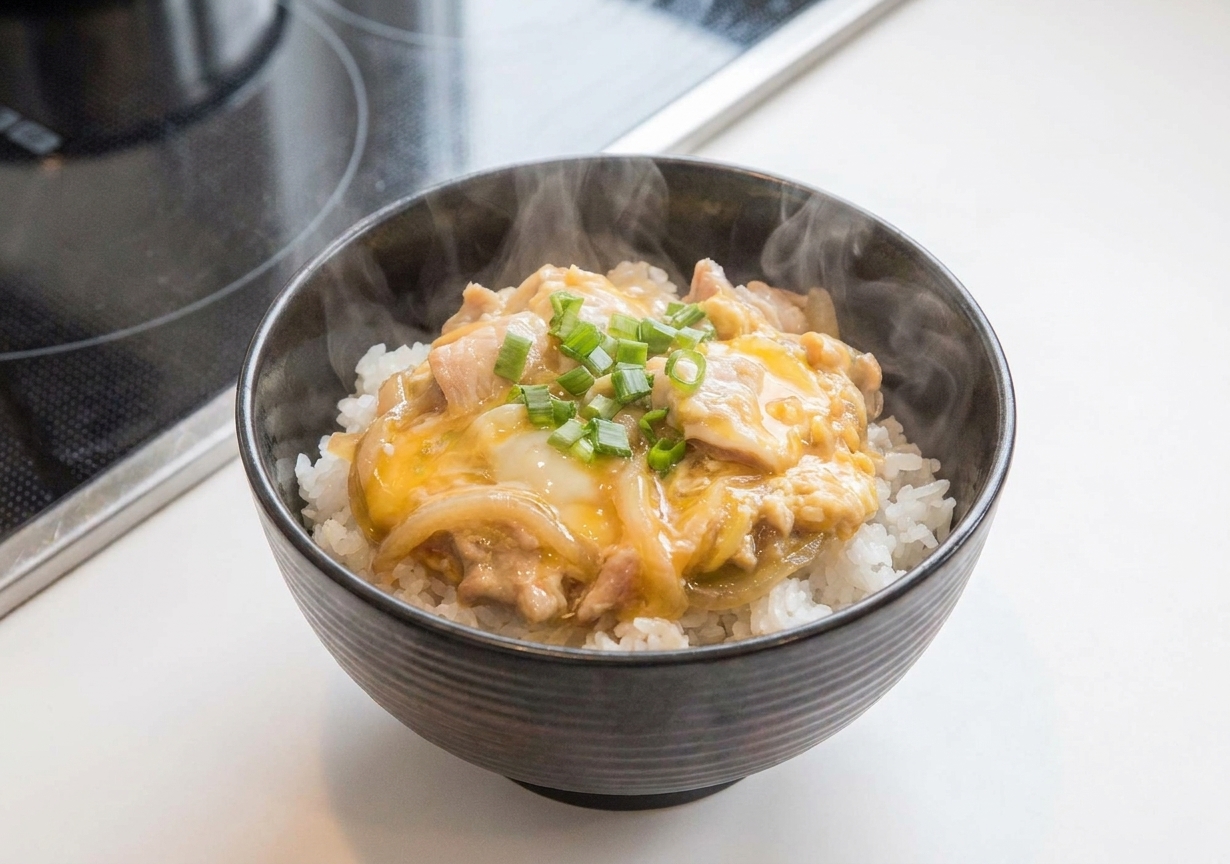
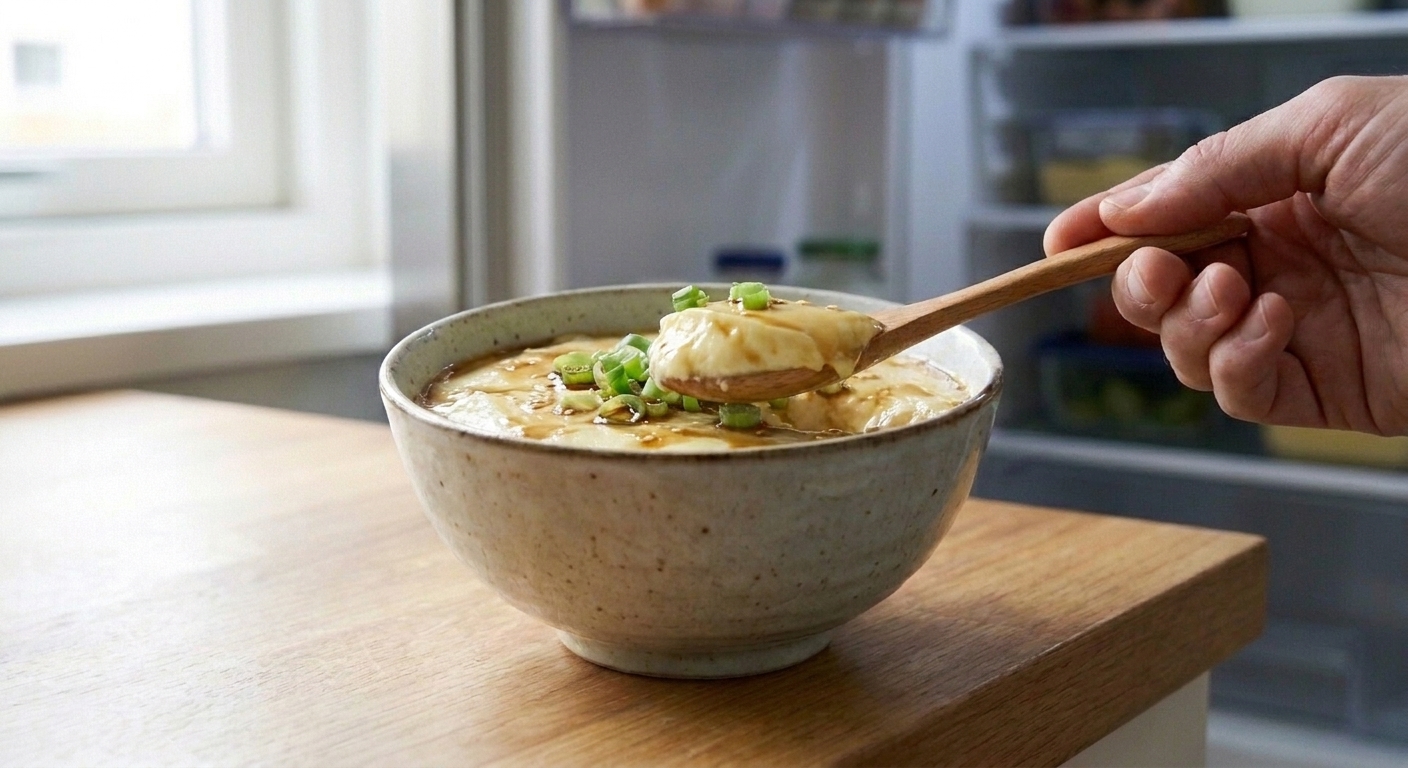
A single ceramic bowl of silky steamed egg custard on a wooden table, finished with soy sauce, sesame oil, and sliced scallions

Steamed egg is what I make when I want maximum comfort with minimum chaos. It is warm, savory, and spoonable, like the coziest middle ground between scrambled eggs and soup. The whole trick is treating the eggs gently: dilute them, strain them, then steam low and slow until they set into a soft custard.

This version leans Chinese style (you might know it as steamed egg custard or 蒸水蛋): eggs whisked with warm water or broth, steamed until barely set, then hit with a salty little drizzle that wakes everything up. It is weeknight-friendly, kid-friendly, and honestly a great way to feel like you have your life together even if the sink says otherwise.

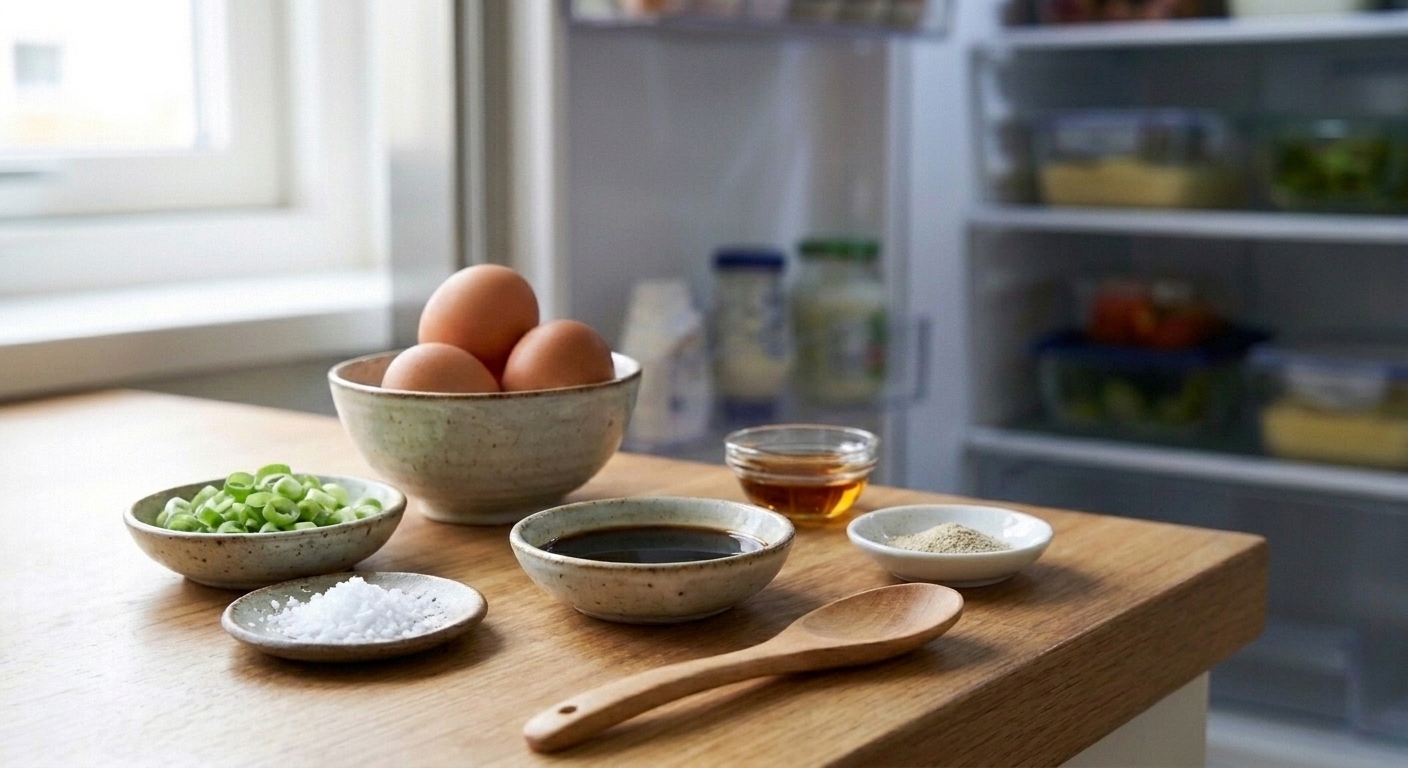
Eggs, sliced scallions, soy sauce, sesame oil, salt, and white pepper arranged on a light kitchen counter in small bowls

Why It Works

  • Silky texture, not rubbery: A simple egg-to-liquid ratio and gentle steaming give you that smooth custard set.
  • Big flavor from pantry staples: Soy sauce, sesame oil, and scallions deliver brightness and savoriness in seconds.
  • Low effort, high comfort: One bowl, one steamer setup, and about 15 minutes to something you will eat straight with a spoon.
  • Easy to customize: Swap water for broth, add shrimp or tofu, or tuck in mushrooms and spinach.

Pairs Well With

Storage Tips

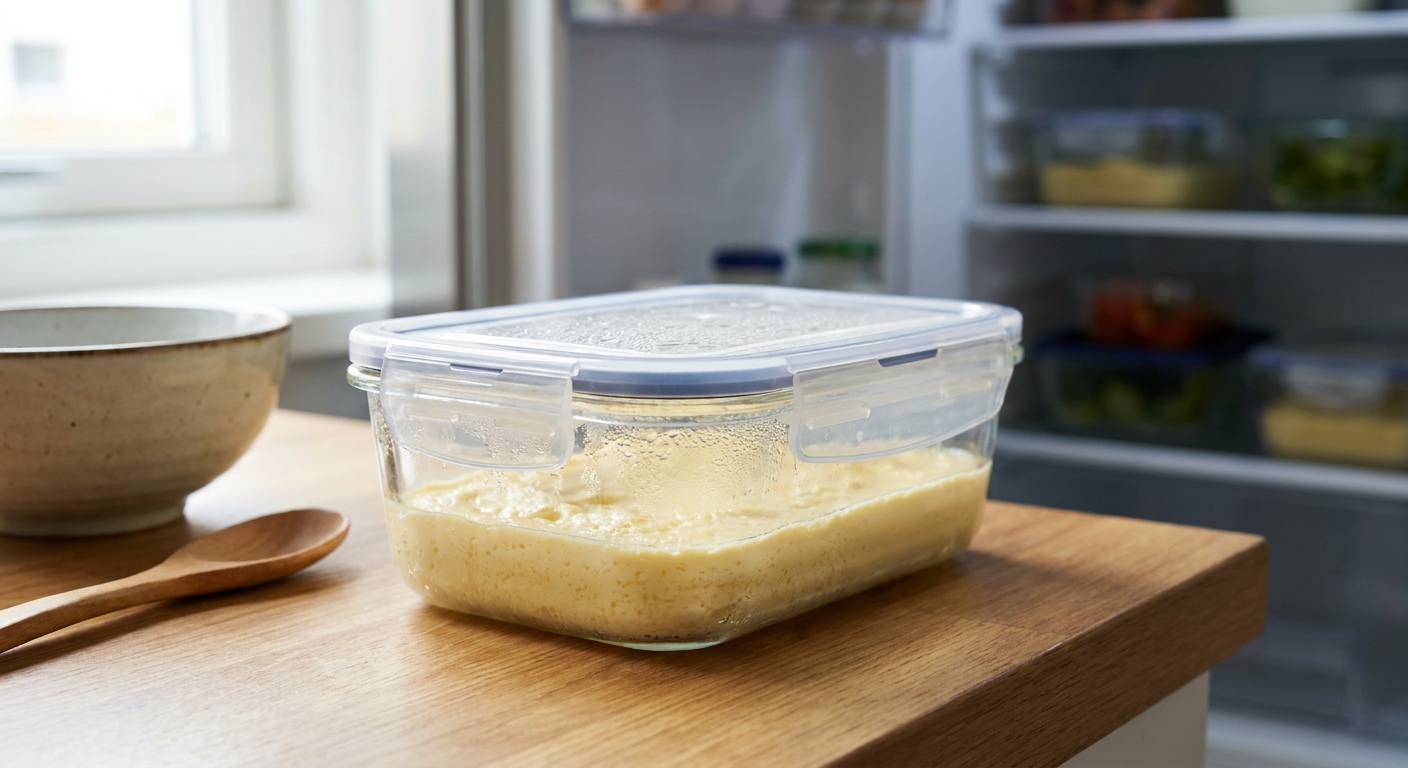
Steamed egg is best fresh, but leftovers are still worth it.

  • Refrigerate: Cool completely, then cover tightly and refrigerate. It is best within 2 days, though it can be kept a bit longer if promptly chilled.
  • Reheat gently: Steam on low heat until just warm (best), or microwave at 50% power in short bursts. High heat makes it weep and turn spongy.
  • Sauce timing: If you can, store without the soy-sesame drizzle and add it after reheating.
  • Freezing: Not recommended. The custard texture breaks and gets watery.
A lidded glass container holding leftover steamed egg custard in the refrigerator, viewed on a kitchen counter

Common Questions

What is the best egg-to-water ratio for steamed egg?

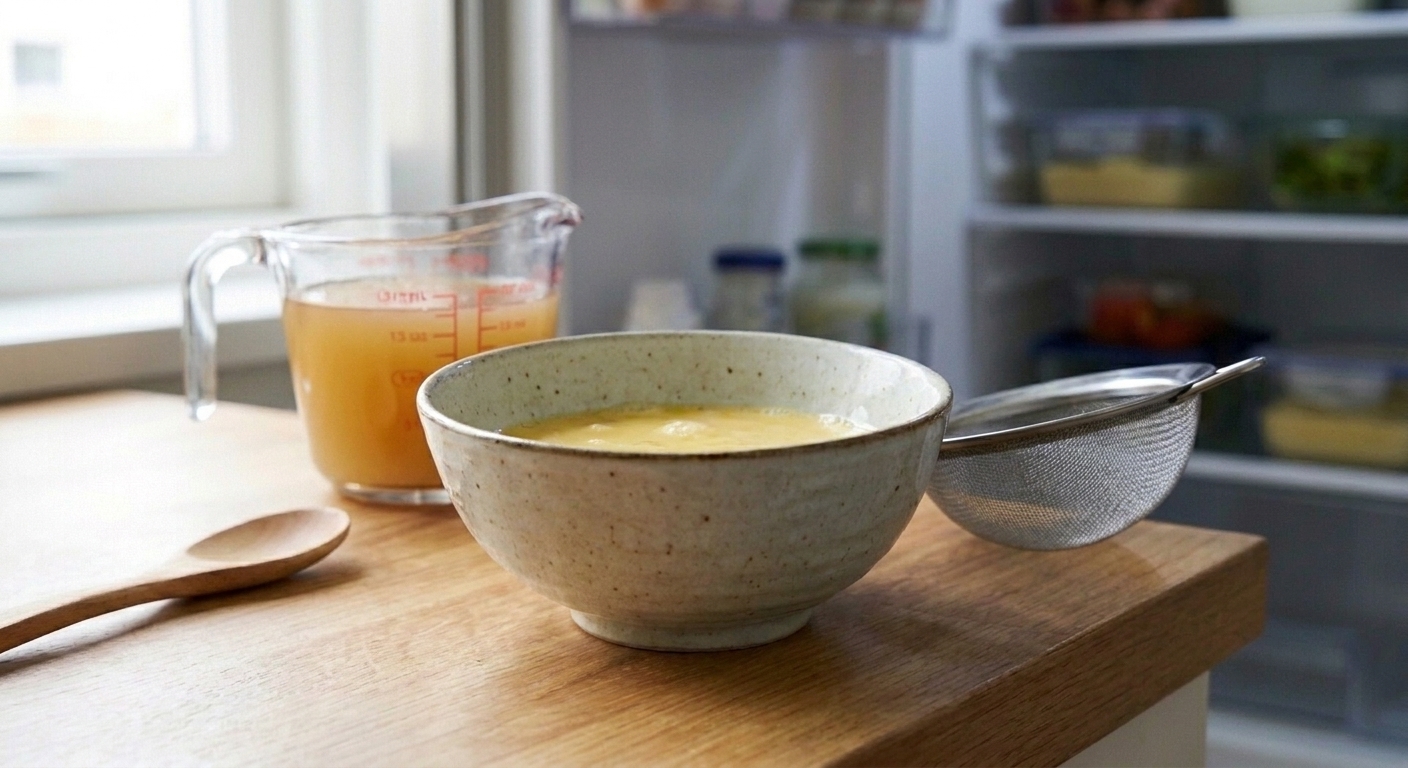
A good starting point is about 1 part beaten egg to 1.5 parts warm water or broth by volume for a tender custard. That said, steamed egg is forgiving and preferences vary. This recipe lands closer to 1:1.25 to 1:1.5 depending on your eggs and measuring style, which gives a custard that is still silky but a touch more set. If you want it softer, add a splash more liquid.

Why is my steamed egg watery?

Watery steamed egg usually comes from too much liquid, heat that is too high, or oversteaming, all of which can make the custard weep. Keep the water at a bare simmer, steam gently, and pull it when the center is just barely set and jiggles like soft custard.

Why is my steamed egg full of bubbles or pocked on top?

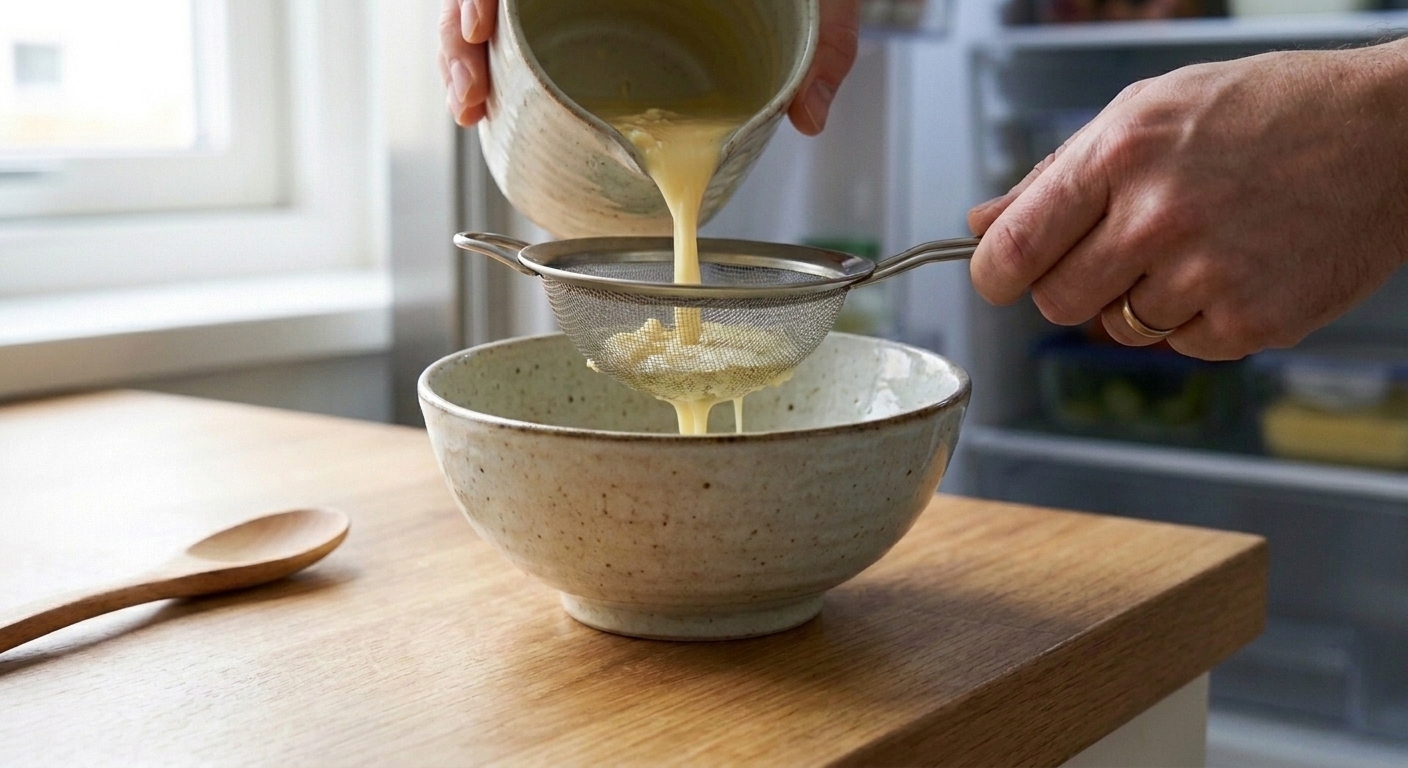
Bubbles come from over-whisking or skipping the strain. Whisk just until combined, then strain. Also make sure condensation is not dripping onto the surface. Cover with foil or a lid and keep the heat low.

Can I make steamed egg without a steamer?

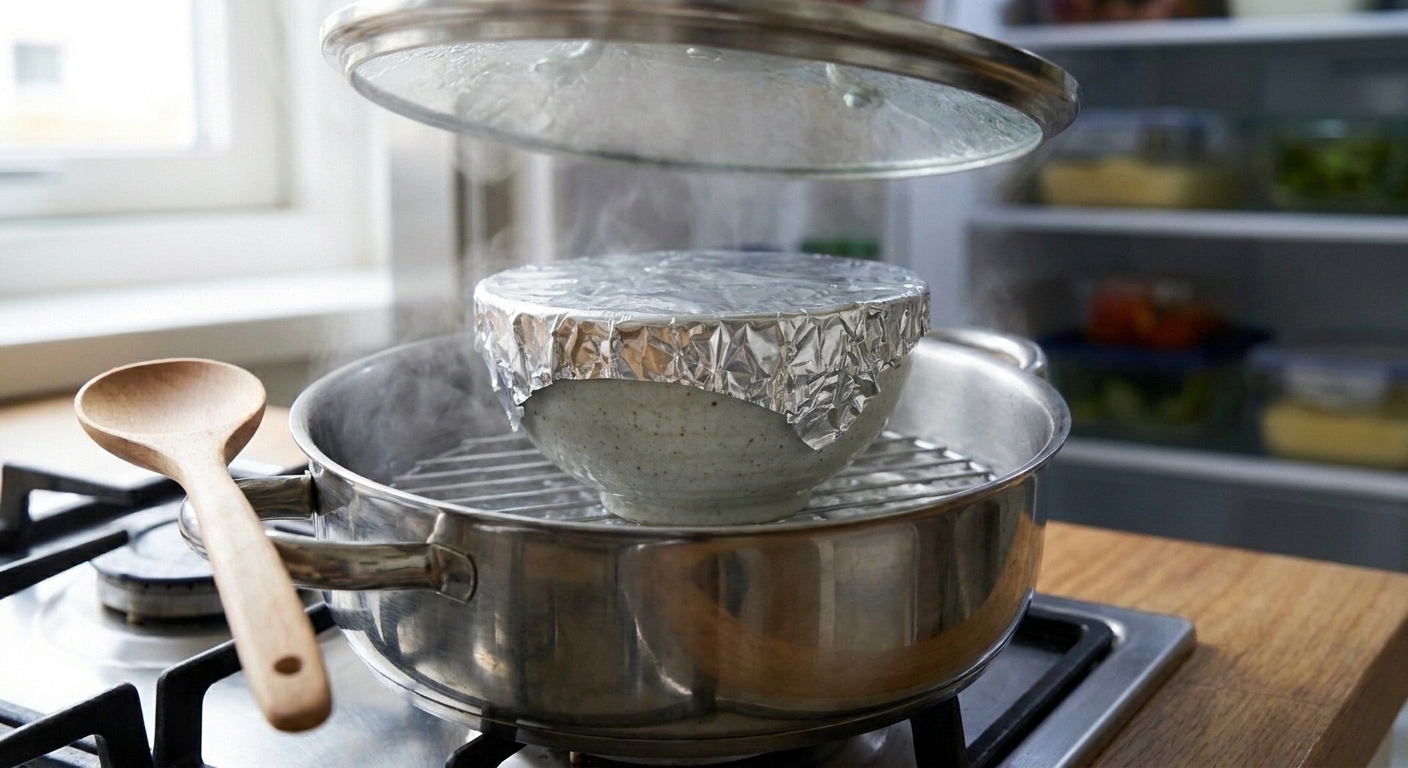
Yes. Put a small rack or folded kitchen towel in a pot, add about 1 inch of water, and set the bowl on the rack so it is not sitting directly in the water. Cover the pot and steam gently.

Can I add mix-ins?

Absolutely. Keep mix-ins small and quick-cooking. Good options: minced shrimp, soft tofu cubes, cooked crab, sauteed mushrooms, spinach, peas, or a few drops of chili crisp on top after steaming.

Why did mine turn rubbery?

Rubbery steamed egg almost always means the heat was too high or it cooked too long. Treat it like custard: low heat, gentle steam, and stop when the center still has a little jiggle.
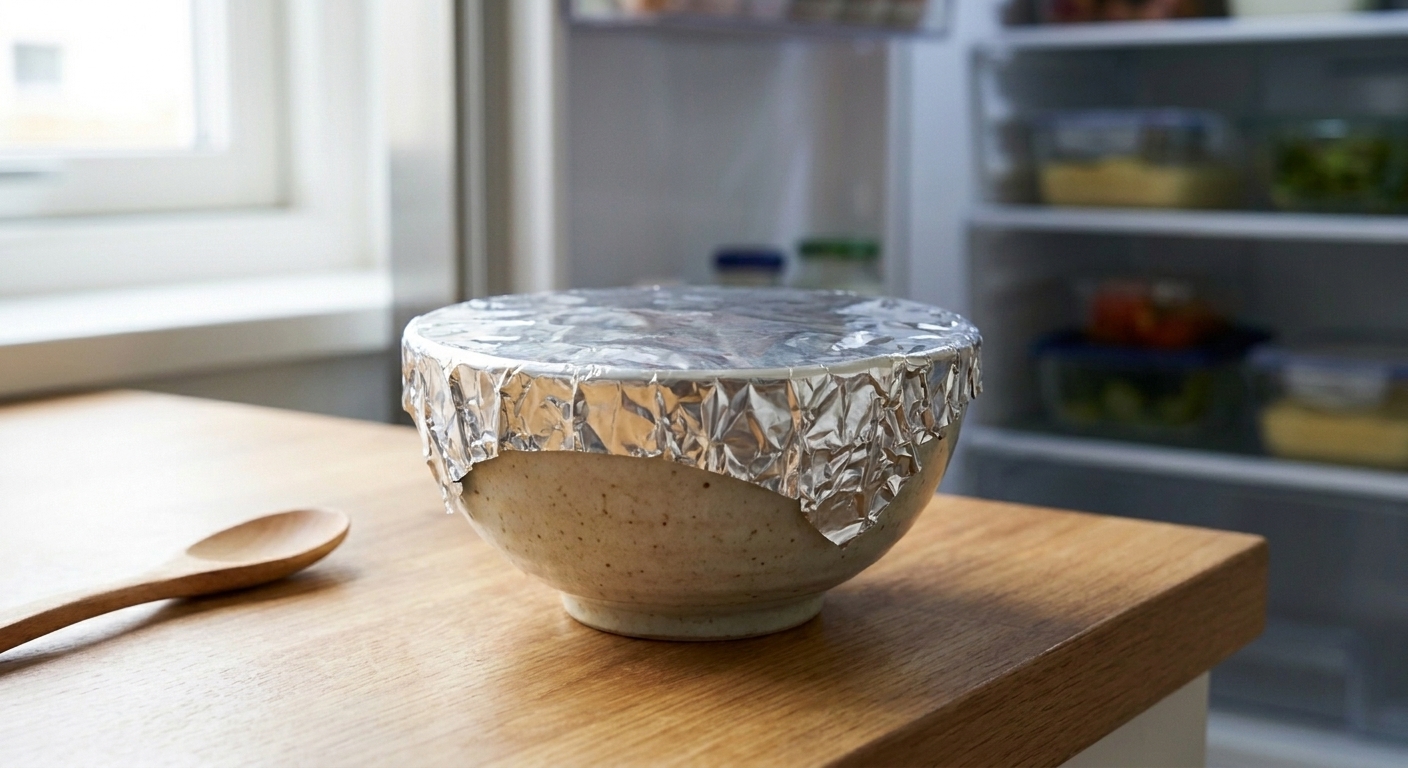

A ceramic bowl of raw egg-and-broth mixture covered tightly with aluminum foil, ready to steam on a kitchen counter

I started making steamed egg when I realized I wanted real food that did not ask me to do the most. It is the kind of dish that feels like someone took care of you, even if you are the one standing at the stove holding a pot lid like a shield. The first time I nailed the texture, I actually stopped mid-bite because it was so soft and savory it felt unreal. Now it is my go-to when the day has been loud and I need dinner to be quiet.