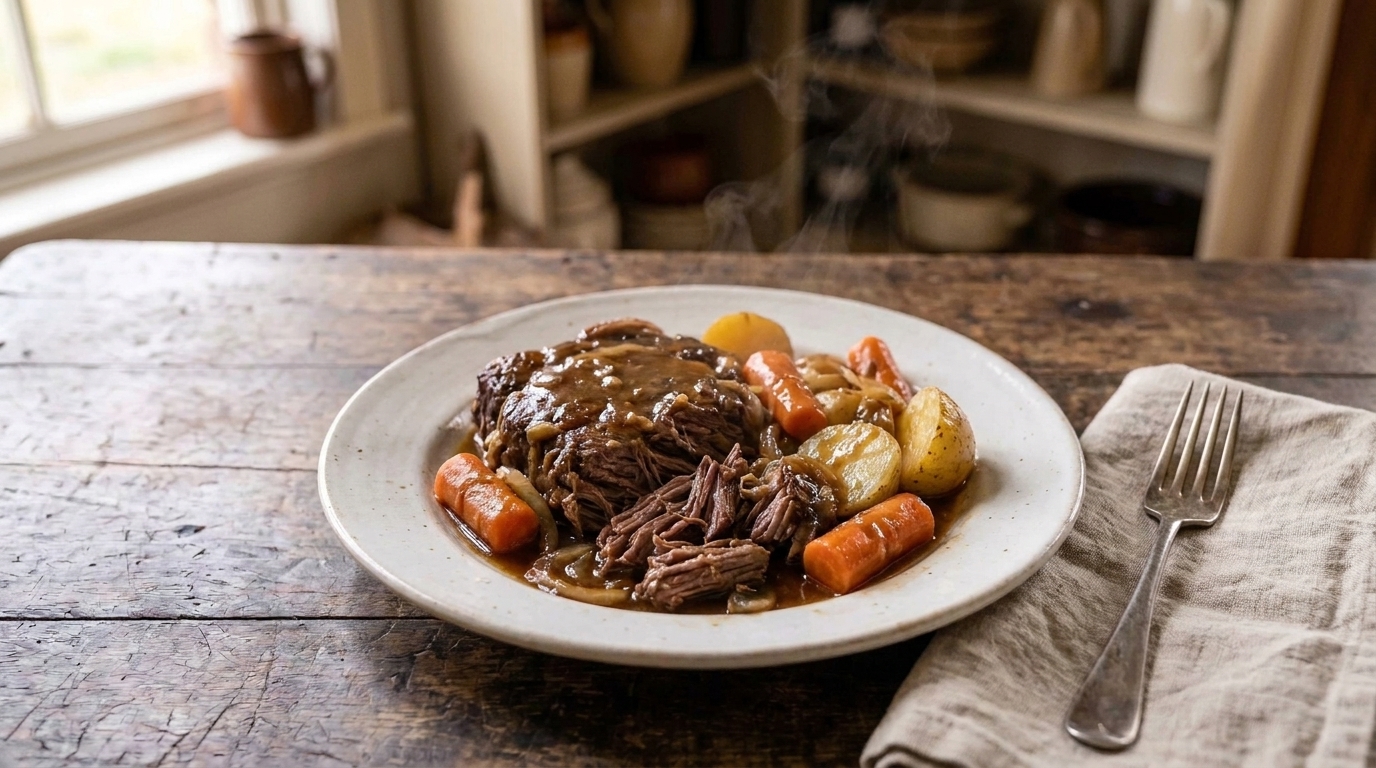
What cut of beef is best for pot roast?
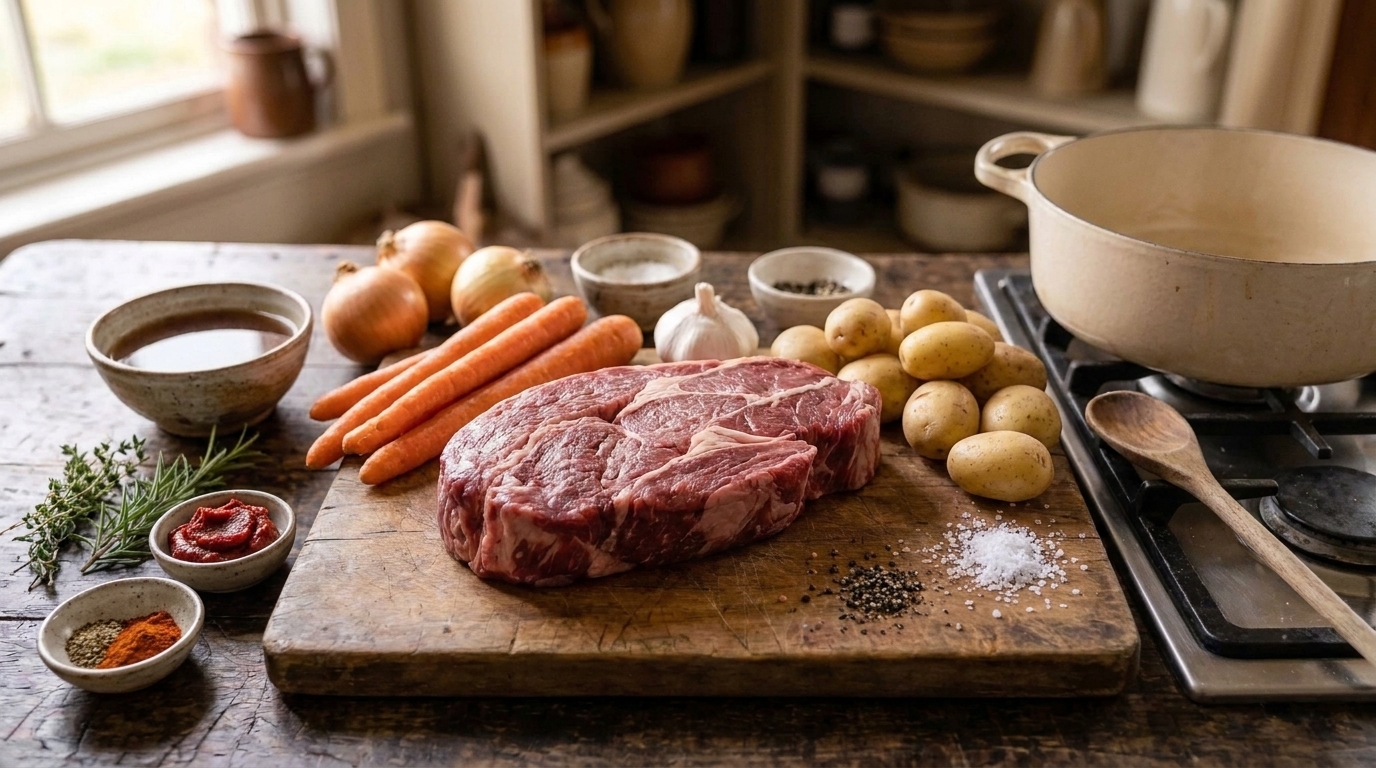
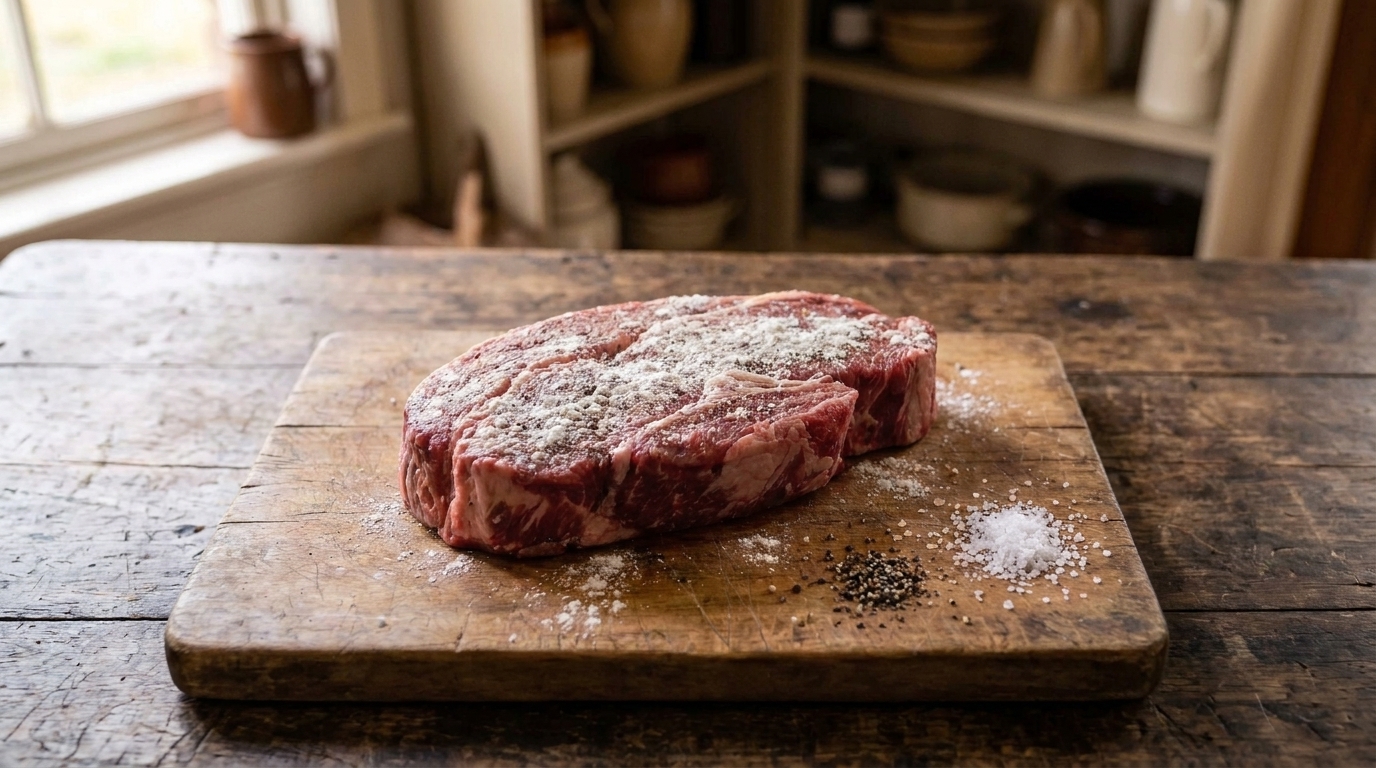
Chuck roast is the gold standard. It has enough marbling and connective tissue to turn tender with a long braise. Brisket and bottom round can work, but chuck is the most forgiving and consistently juicy.
Why is my pot roast tough?
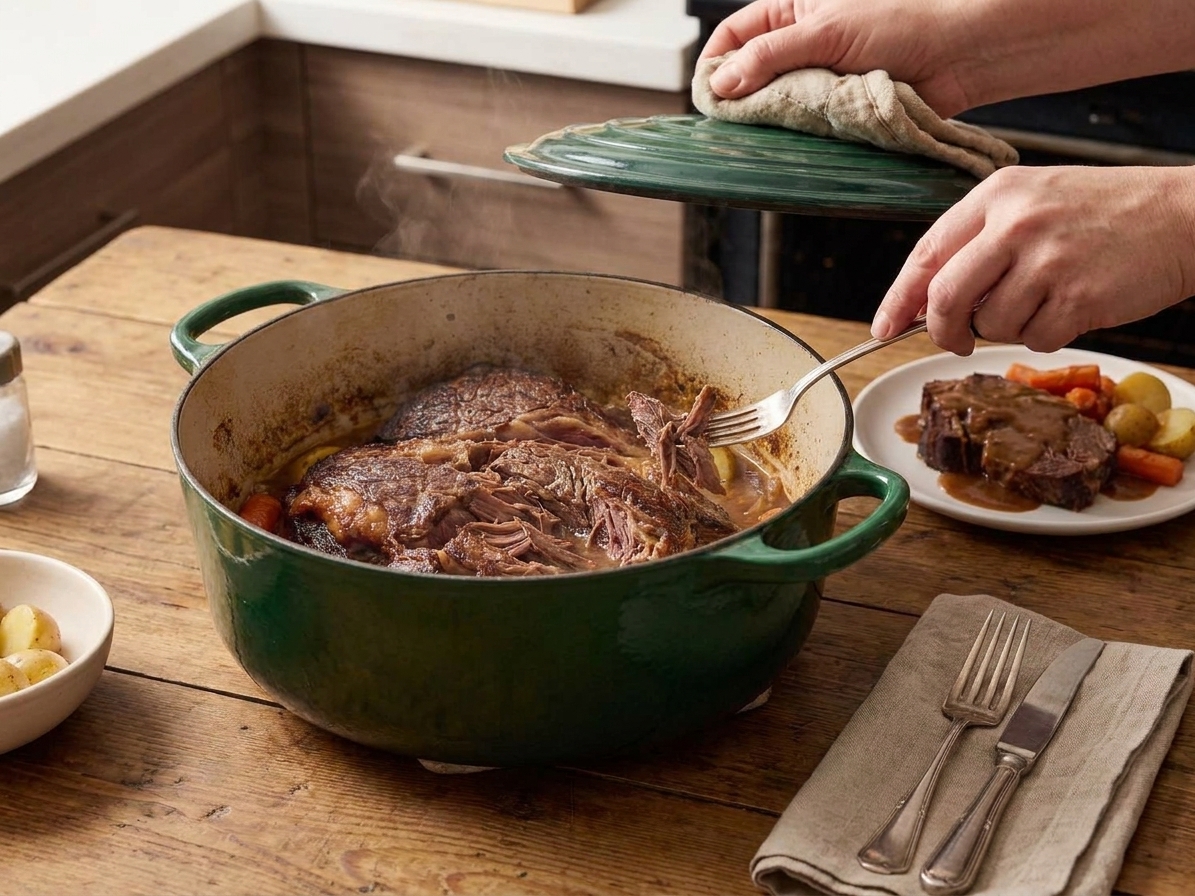
Most of the time, it just needs more time. Pot roast can be “done” but still not tender because the collagen has not fully broken down yet. Also, higher oven heat can dry out the outer parts before the center turns silky. Keep braising until a fork twists easily and the meat wants to shred. Depending on the roast and your pot, that can take 3 to 4+ hours.
Helpful cue: tenderness matters more than temperature, but chuck often becomes shreddable around 195 to 205°F.
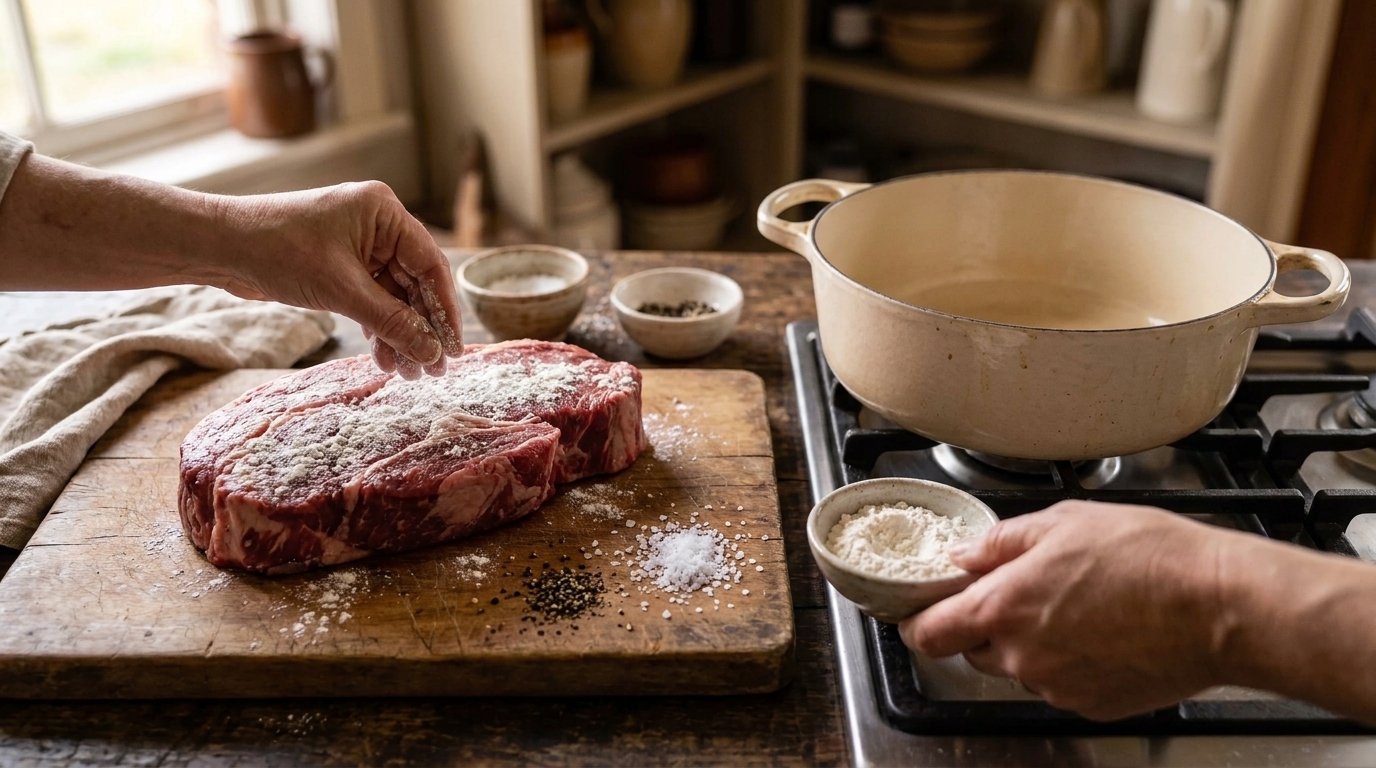
Do I have to sear the roast?
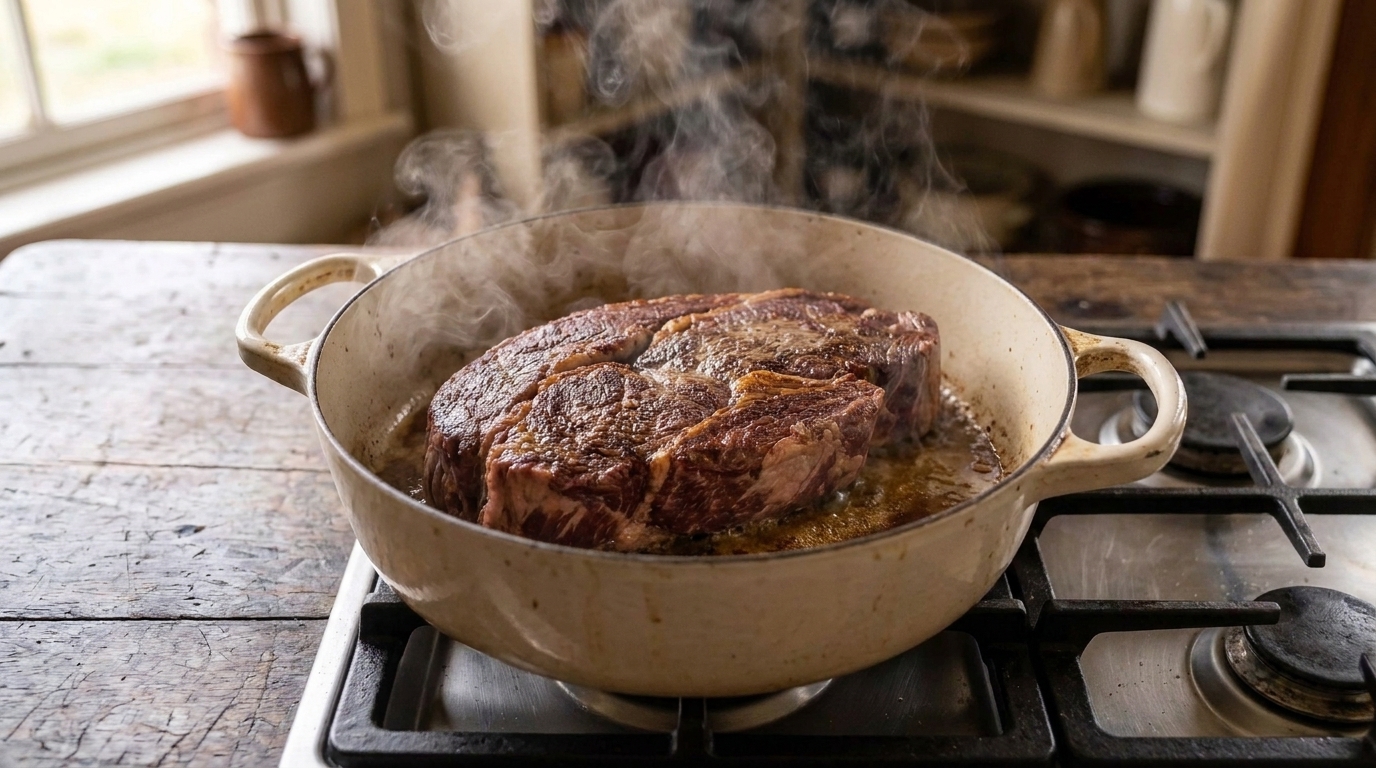
You can skip it, but you will miss the deep, browned flavor in the meat and gravy. Consider searing the price of admission for pot roast greatness.
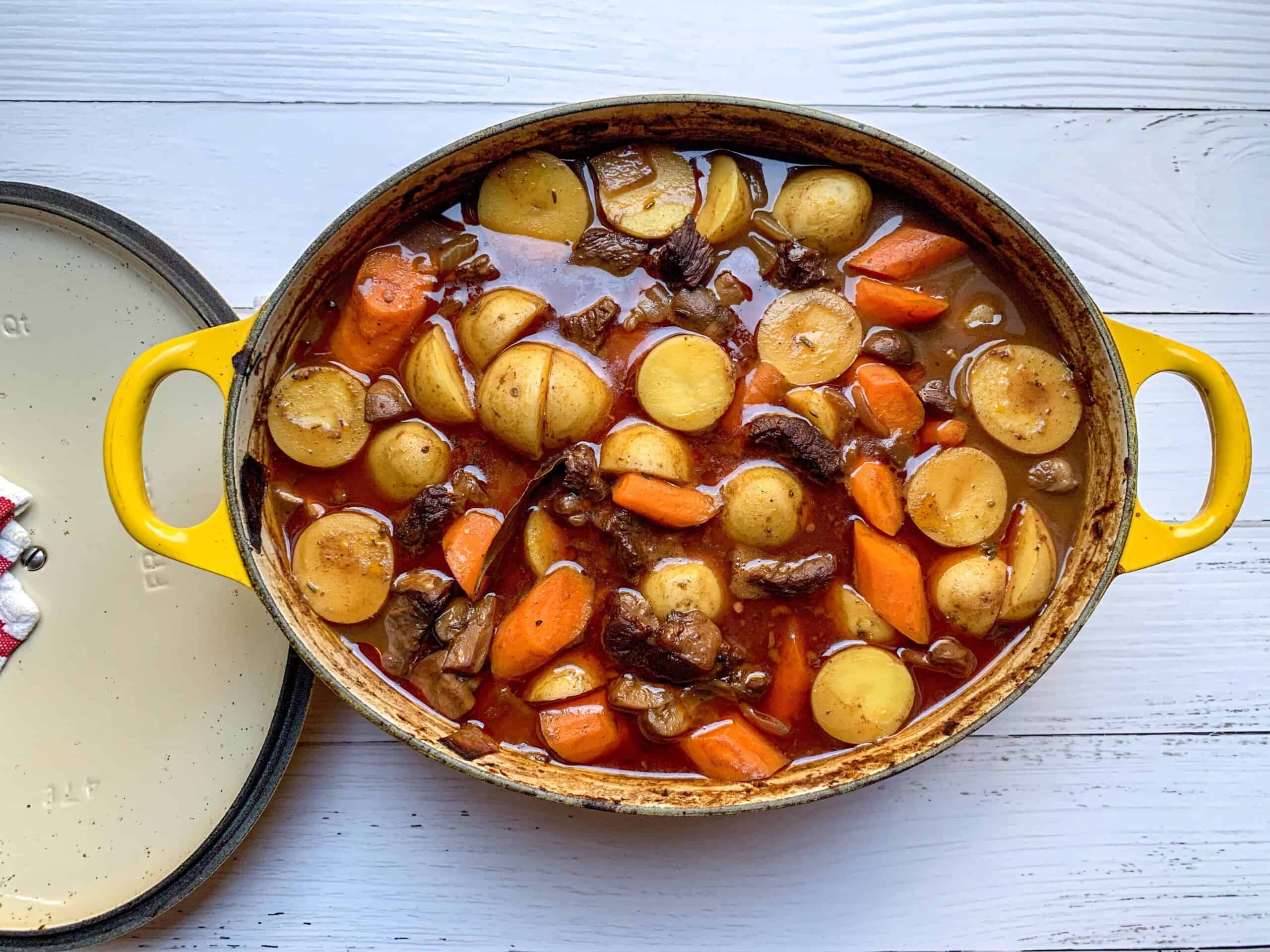
When should I add potatoes and carrots?
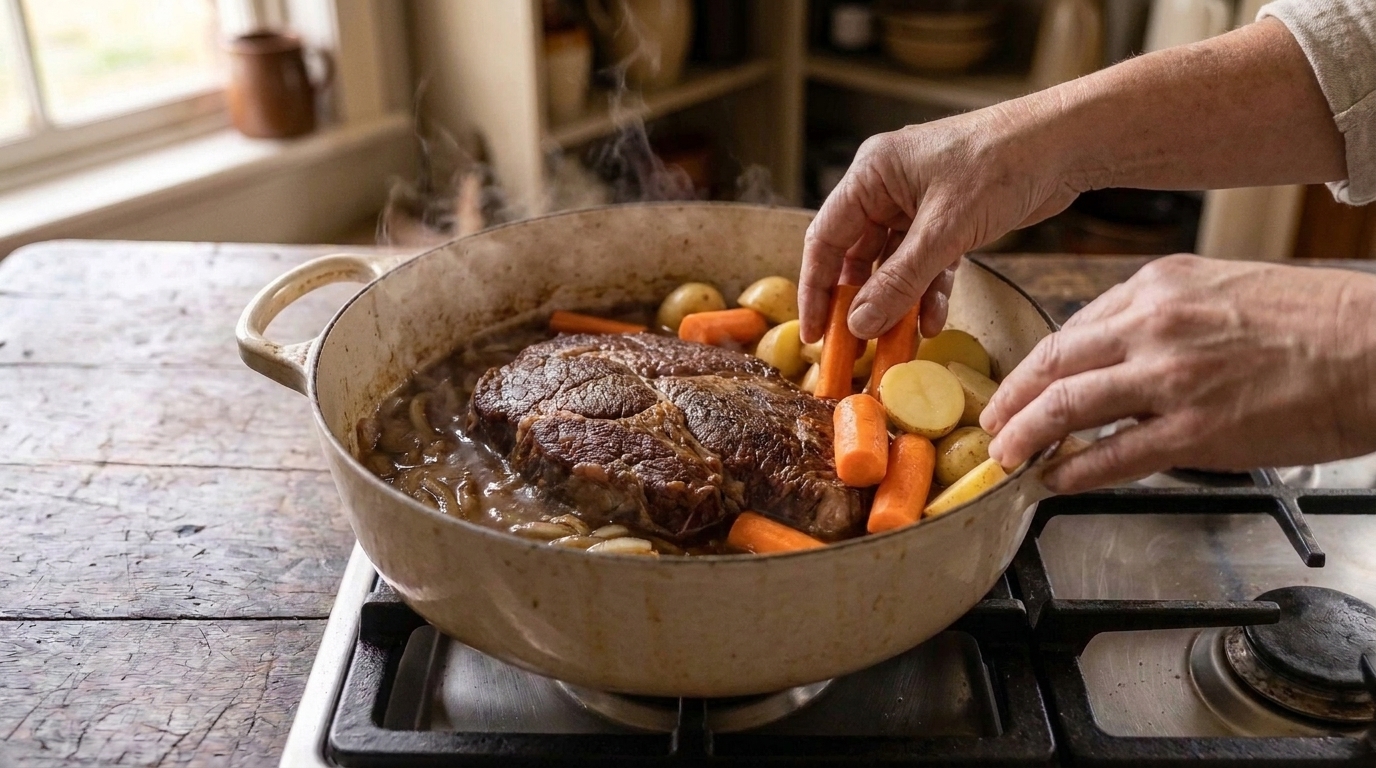
Add them in the last 60 to 90 minutes so they cook through but hold their shape. If you add them at the beginning, they tend to go soft and soak up too much salt.
How do I thicken the gravy?
This recipe uses a quick cornstarch slurry at the end. Add it gradually until the gravy is as thick as you like. If you prefer, you can reduce the braising liquid on the stove for 10 to 15 minutes, or whisk in a beurre manié (soft butter mashed with flour) a little at a time.
Can I make this in a slow cooker?
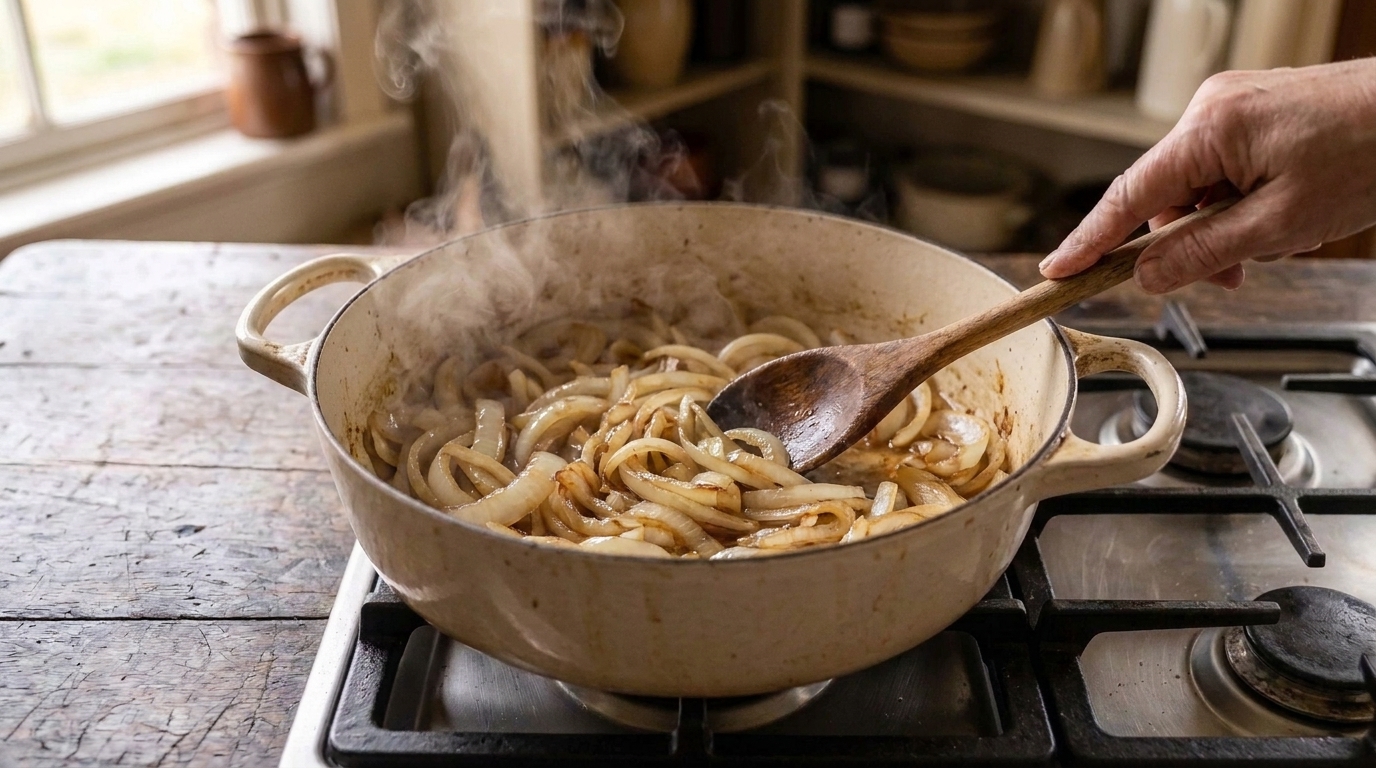
Yes. Sear the beef and sauté the onions on the stove first, then transfer to a slow cooker with the liquid. Cook on low 8 to 9 hours or high 4 to 5 hours. Add potatoes and carrots for the last 3 to 4 hours on low, or the last 2 hours on high, so they do not turn to mush.
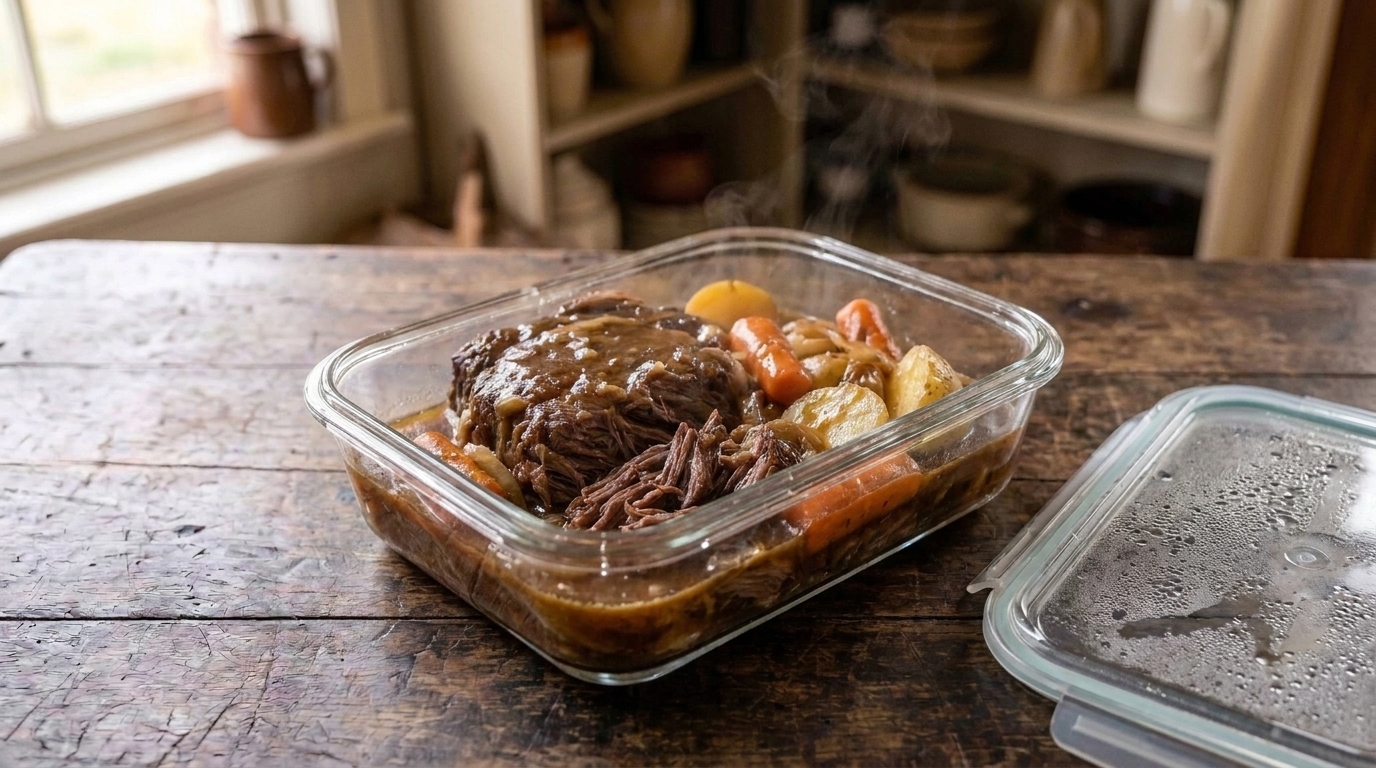
Can I make pot roast ahead?
Absolutely, and it is one of those rare dinners that improves with a nap. Make it a day ahead, cool, then refrigerate the meat and gravy together. Reheat gently the next day. It is easier to skim fat once it chills, too.