Mom's Best Recipes
Recipe

Classic Cajun Crab Boil

A big-pot, bright-and-spicy crab boil with potatoes, corn, sausage, and a buttery Cajun dunking sauce. Weekend party energy, weeknight-level steps.

Author By Matt Campbell
4.9
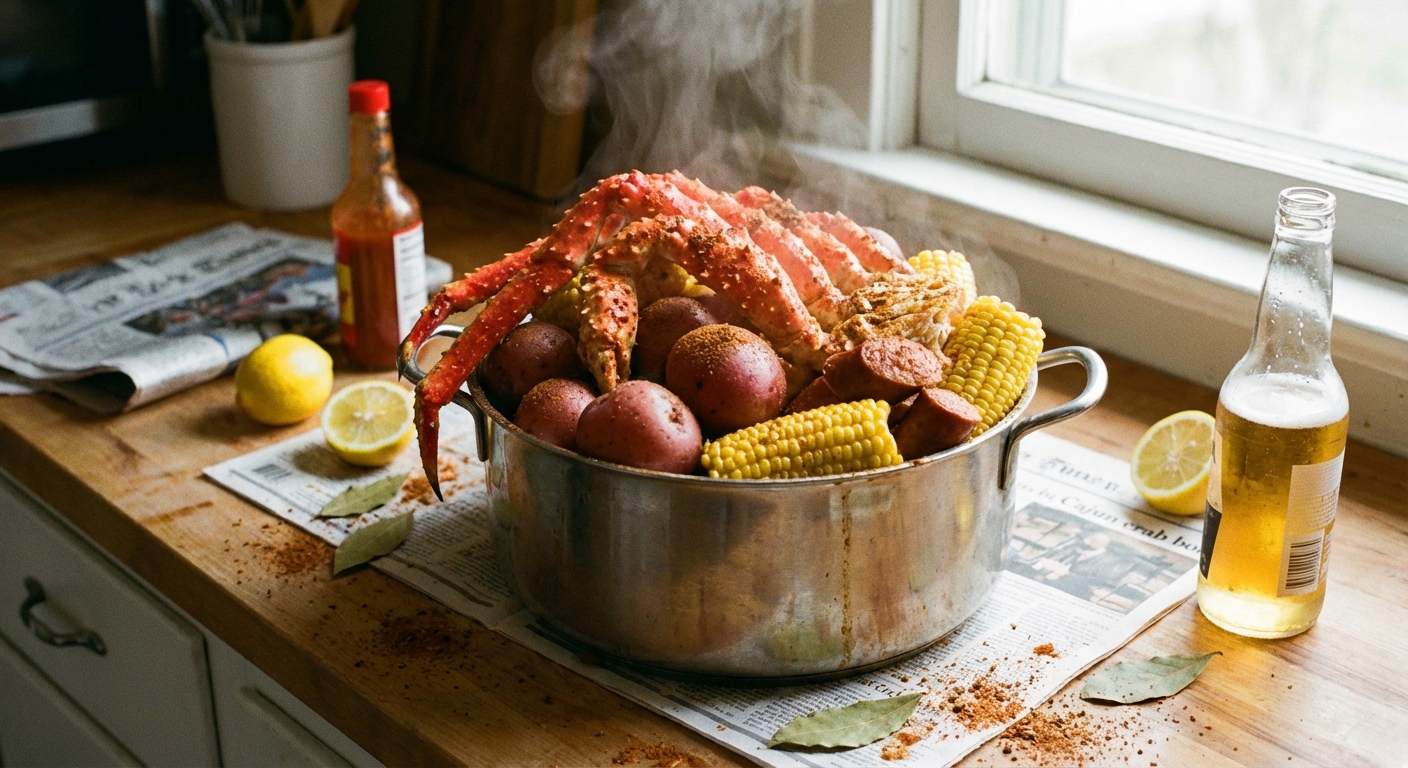
A steaming pot of Cajun crab boil with red potatoes, corn, sausage, and crab legs on a kitchen counter

If your idea of a good time includes crab legs, lemons, and a pot the size of a toddler, welcome. A classic Cajun crab boil is the kind of meal that feels like an event, even if it is just you and one very determined appetite. You boil flavorful water, you stagger in the ingredients so everything finishes together, and then you dump it out like the glorious seafood confetti it is.

This version keeps things accessible: grocery-store crab legs, and a seasoning blend that tastes like you drove through Louisiana with the windows down. It is spicy, citrusy, garlicky, and salty in the best way. Make it for a crowd, or make it for two and accept that leftovers will mysteriously disappear at midnight.
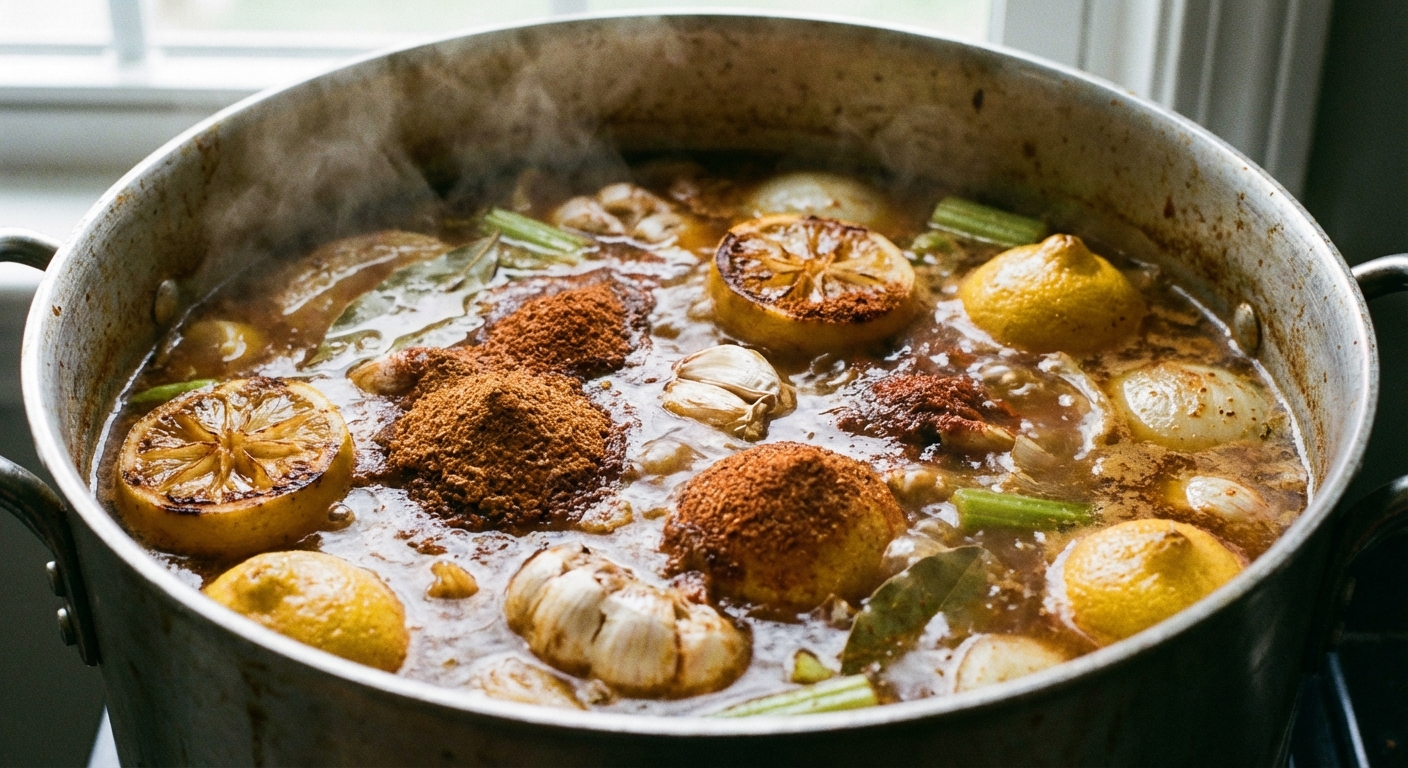
A close-up of Cajun spices, lemon halves, and garlic simmering in a large stockpot

Why It Works

  • Layered timing, zero mush: Potatoes go first (briefly), then sausage, then corn, then crab at the end so everything lands perfectly cooked.
  • Real Cajun flavor without specialty shopping: Old Bay plus Cajun seasoning, garlic, lemon, and bay leaves build that classic boil vibe fast.
  • Adjustable heat: You control the spice with cayenne and hot sauce so nobody has to pretend they are fine while sweating politely.
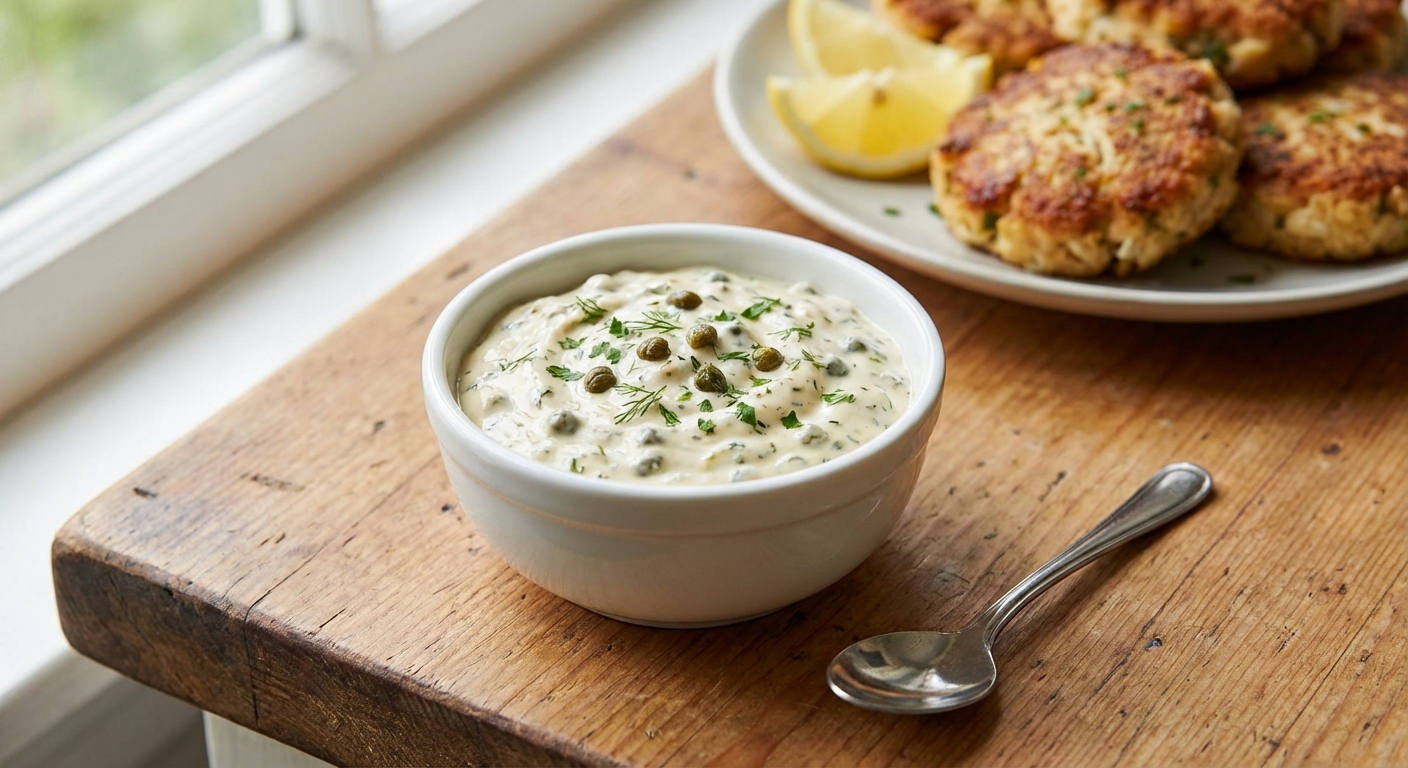
  • The butter sauce is non-negotiable: A quick melted butter, garlic, lemon, and seasoning situation turns good seafood into “why did we ever eat this without dipping” seafood.

Storage Tips

Best rule: store the components, not the pile. Pull the crab, corn, potatoes, and sausage into separate containers if you can. Things reheat at different speeds.

  • Refrigerate: Cool leftovers within 2 hours. Store in airtight containers for up to 3 days for crab (best quality), and 3 to 4 days for sausage and vegetables.
  • Reheat crab gently: Steam over simmering water for 3 to 5 minutes, or wrap in foil with a splash of water and warm at 300°F until hot. Microwaving makes crab tough fast.
  • Reheat potatoes and corn: Toss in a skillet with a little butter, or warm in the microwave covered with a damp paper towel.
  • Leftover butter sauce: Refrigerate up to 5 days. Rewarm slowly on low so it does not separate.

Midnight leftover move: chop sausage and potatoes, crisp them in a pan, then fold in corn and a spoon of the butter sauce. Put an egg on top and call it brunch.

Common Questions

What kind of crab should I use?

Snow crab legs are the easiest to find and easiest to crack. King crab is richer and meaty but pricier. Store-bought legs are usually pre-cooked, so you are really heating them through.

Do I need a seafood boil seasoning bag?

Nope. They are convenient, but you can get very close with a combo of Old Bay, Cajun seasoning, lemon, garlic, bay leaves, and optional cayenne. Taste the broth. Adjust it. This is not a silent-movie situation.

How spicy is this?

As written, it is medium. For mild, skip the cayenne and use a mild Cajun blend. For spicy, add more cayenne and a few tablespoons of hot sauce to the pot, plus extra in the butter sauce.

Can I add shrimp or crawfish?

Yes.

Shrimp: Add in the last 2 to 3 minutes until pink and just firm.

Crawfish, live: Boil for about 3 minutes, then turn off the heat and let them soak 10 to 15 minutes (same idea as this recipe's soak). Timing depends on size.

Crawfish, pre-cooked tails: Add at the very end just to warm through, usually 1 to 2 minutes. Overcooked tails get rubbery fast.

Why do you turn off the heat and let it sit?

A short soak lets the seasoning cling to everything and finishes cooking gently. It is the difference between tasty and “whoa, that tastes like a real boil.”

Do I have to thaw frozen crab legs?

For the easiest, most even heating: yes. Thaw overnight in the fridge, or seal in a bag and submerge in cold water for 30 to 45 minutes, changing the water once. If they are still a little icy, add 1 to 2 minutes to the covered heat-through step and rotate the legs halfway.

The first time I made a crab boil at home, I treated it like a high-stakes science experiment. I had timers. I had notes. I had the kind of intensity usually reserved for launching rockets. Then I dumped the whole thing onto the table, everyone started cracking shells like happy little raccoons, and I realized the secret: a boil is supposed to be slightly chaotic. The pot does the heavy lifting. Your job is to keep the timing reasonable and the butter warm. Everything else is vibes.