Mom's Best Recipes
Recipe

Classic Cheesecake Filling

Creamy, tangy, and ultra-smooth with simple ingredients and zero drama. This is the filling I reach for when I want clean slices and big flavor.

Author By Matt Campbell
4.8
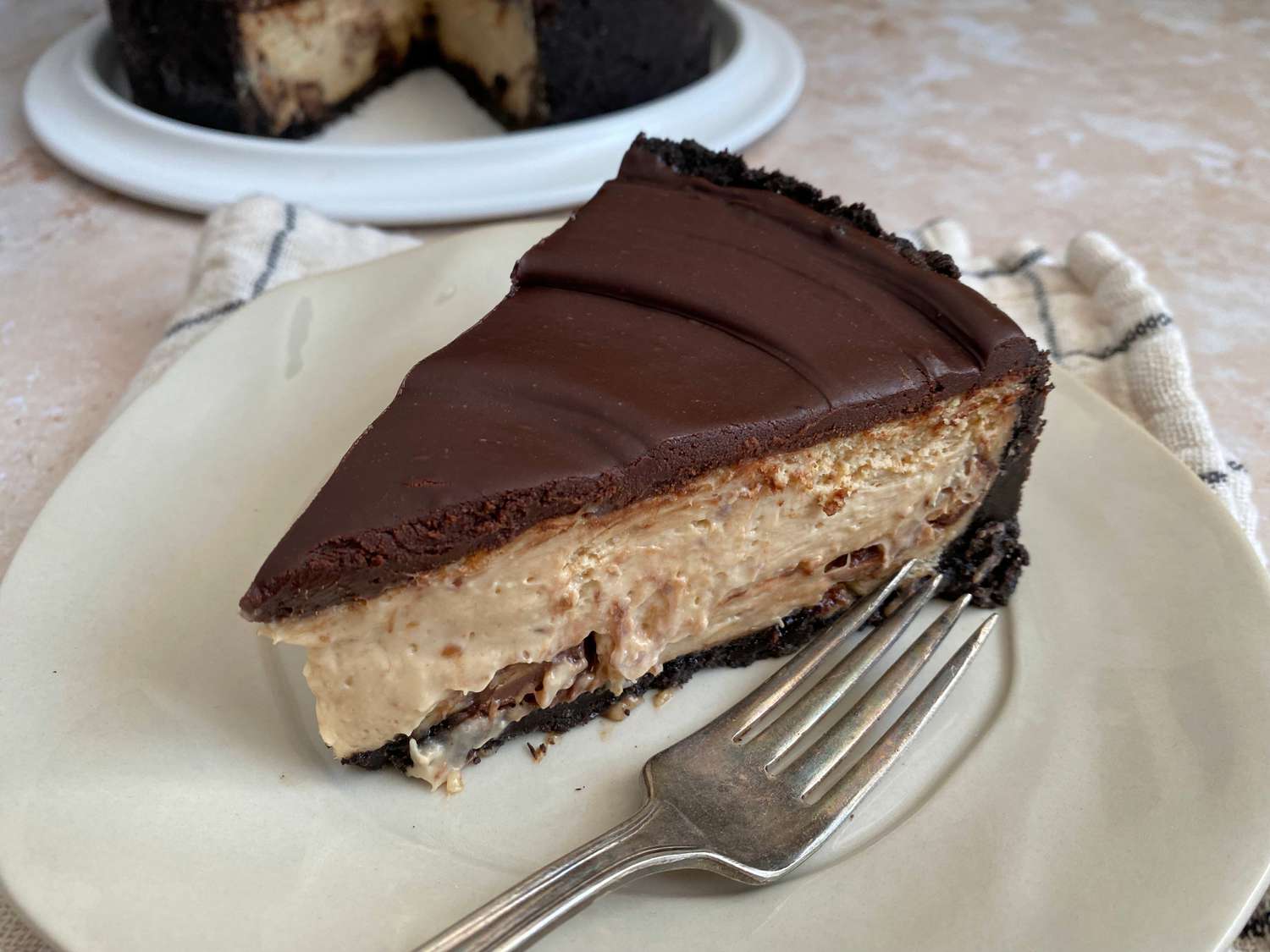
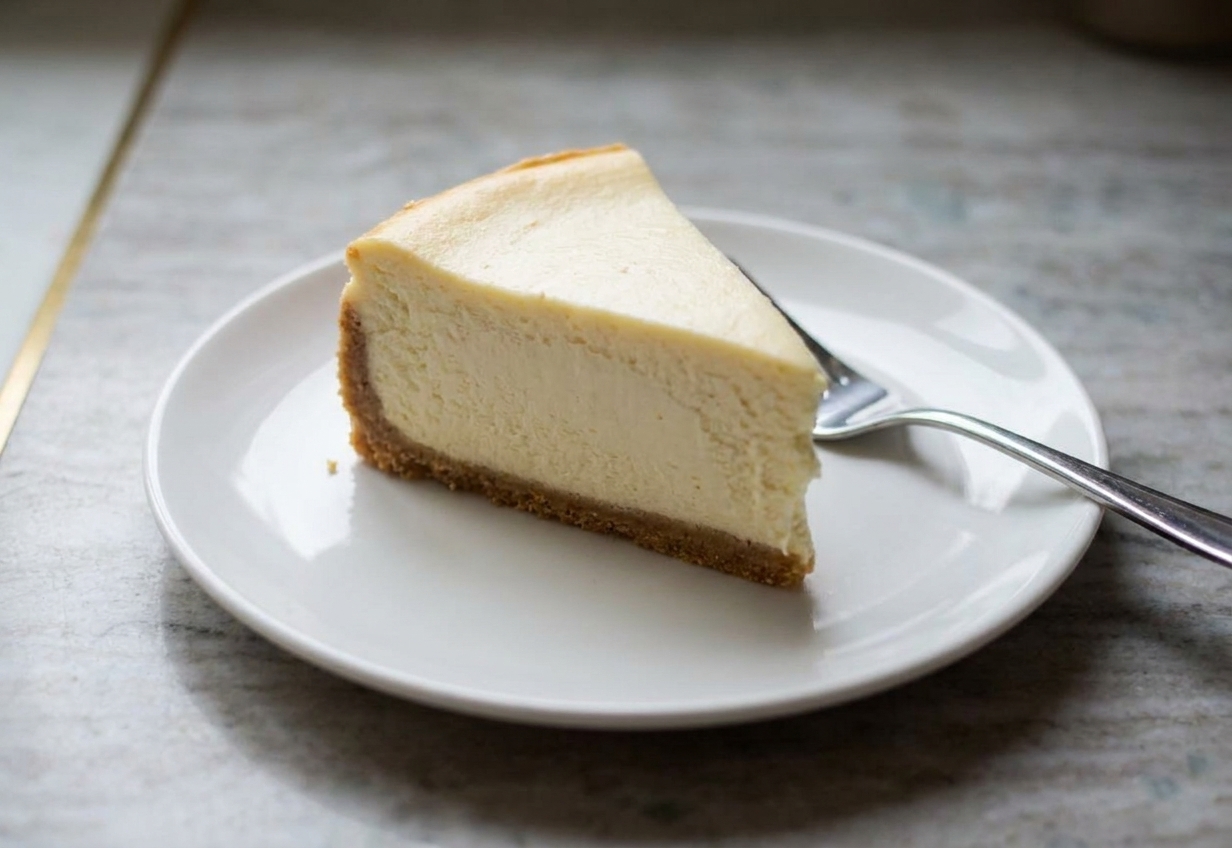
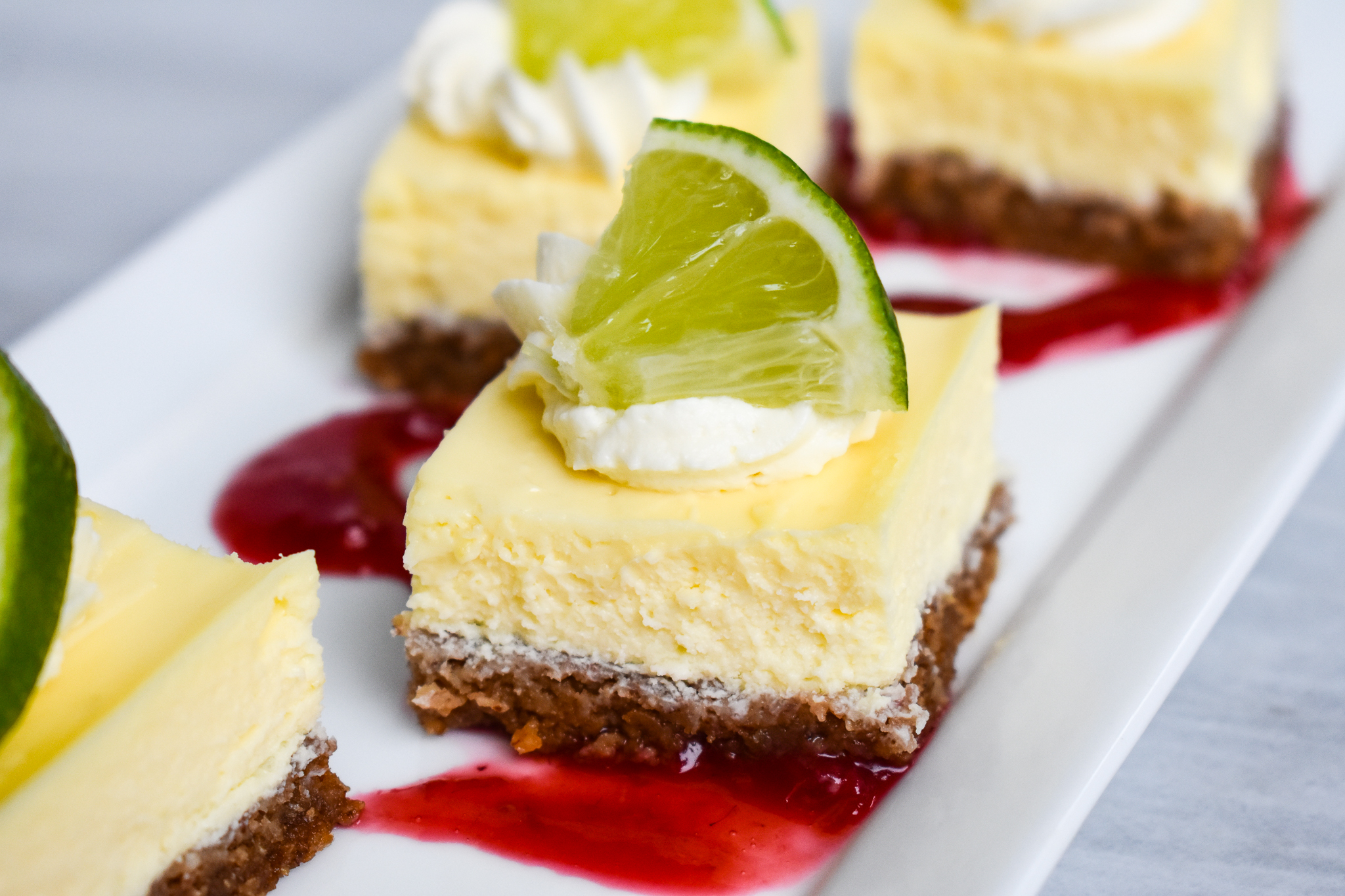
A thick slice of classic cheesecake with a smooth, creamy interior on a white plate, ready to serve.

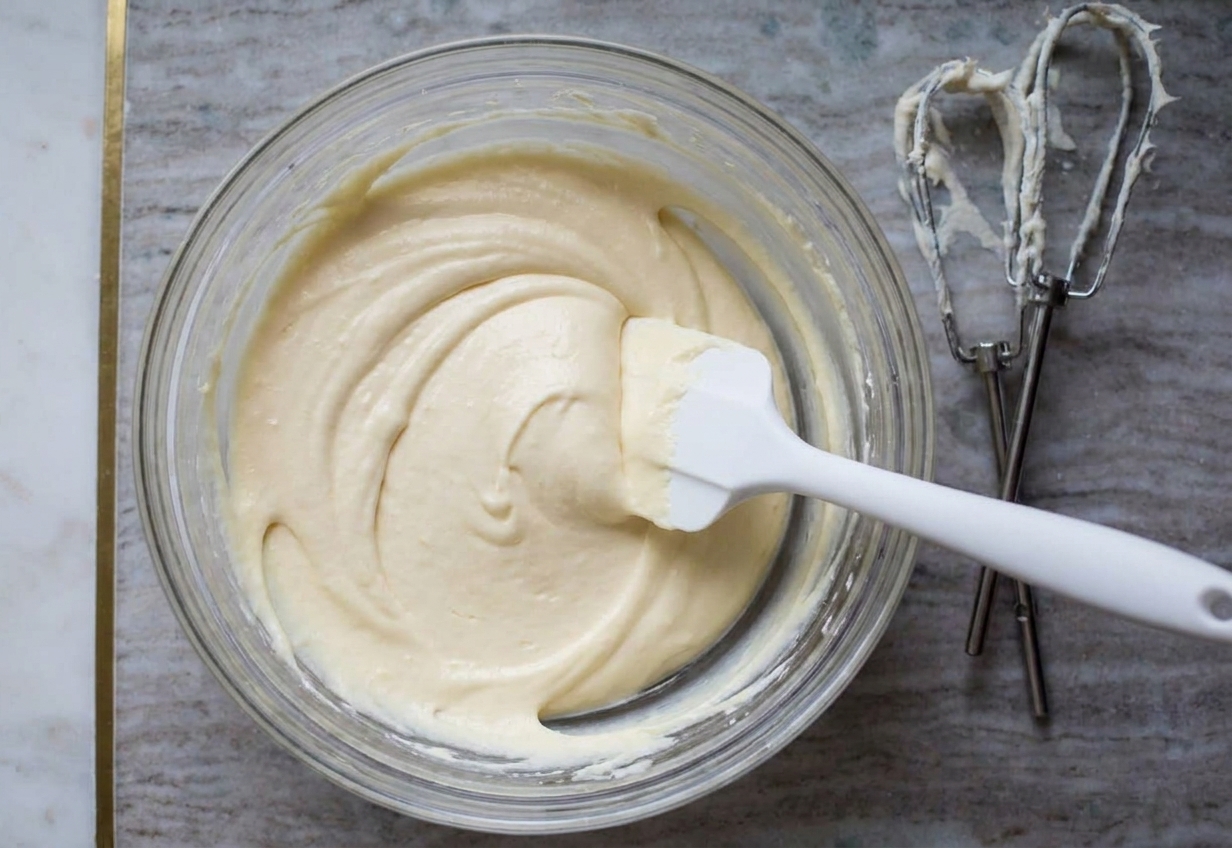
Cheesecake filling should feel like a small luxury that happens to live in your fridge. Rich but not heavy, tangy enough to keep you coming back, and smooth in that how is this so creamy way. This is my go-to classic cheesecake filling, built from accessible ingredients and a few key habits that keep it from going lumpy, puffing up, or baking into that weird dry, eggy zone.

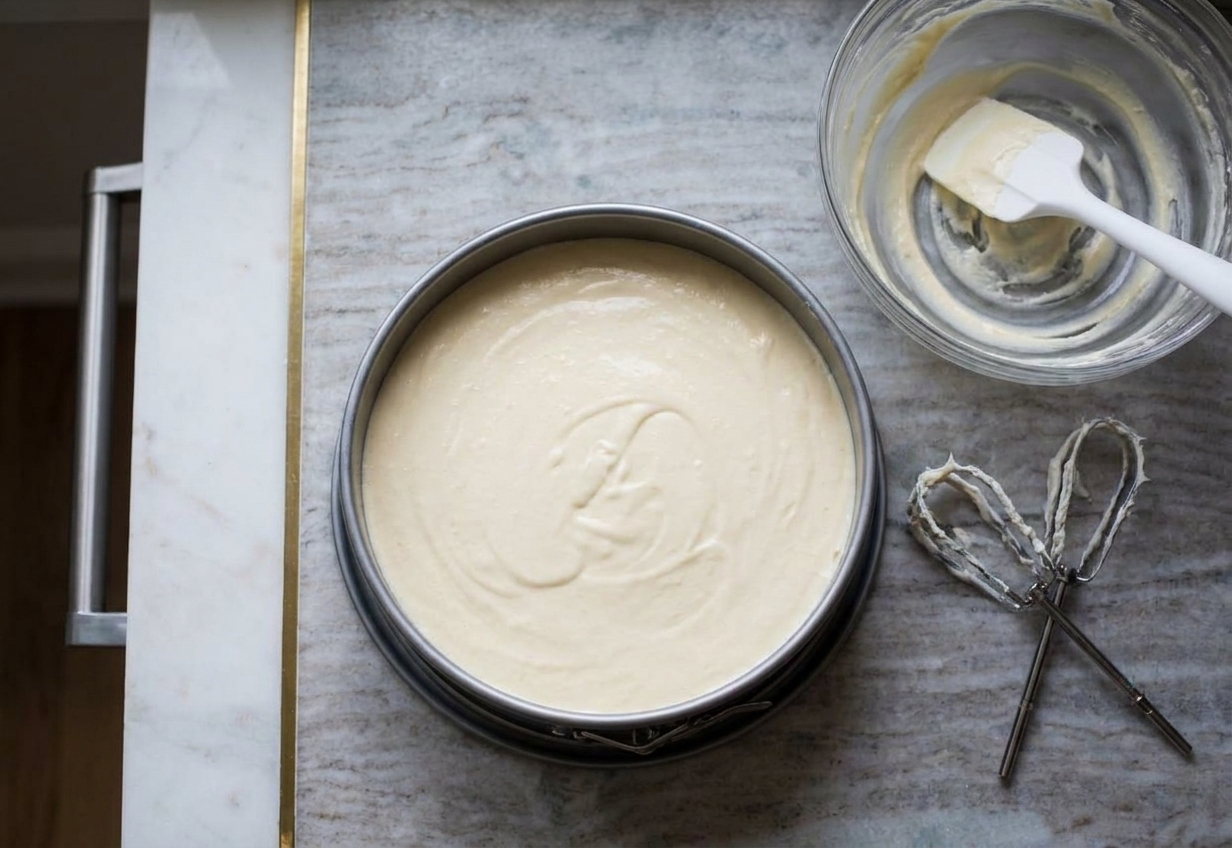
Whether you are baking a full cheesecake, filling a cookie crust for bars, or doing a swirl in brownies, the big idea is the same: room temp ingredients, gentle mixing, and patience at the end. You do that, and you get the kind of cheesecake that makes people think you did something complicated.
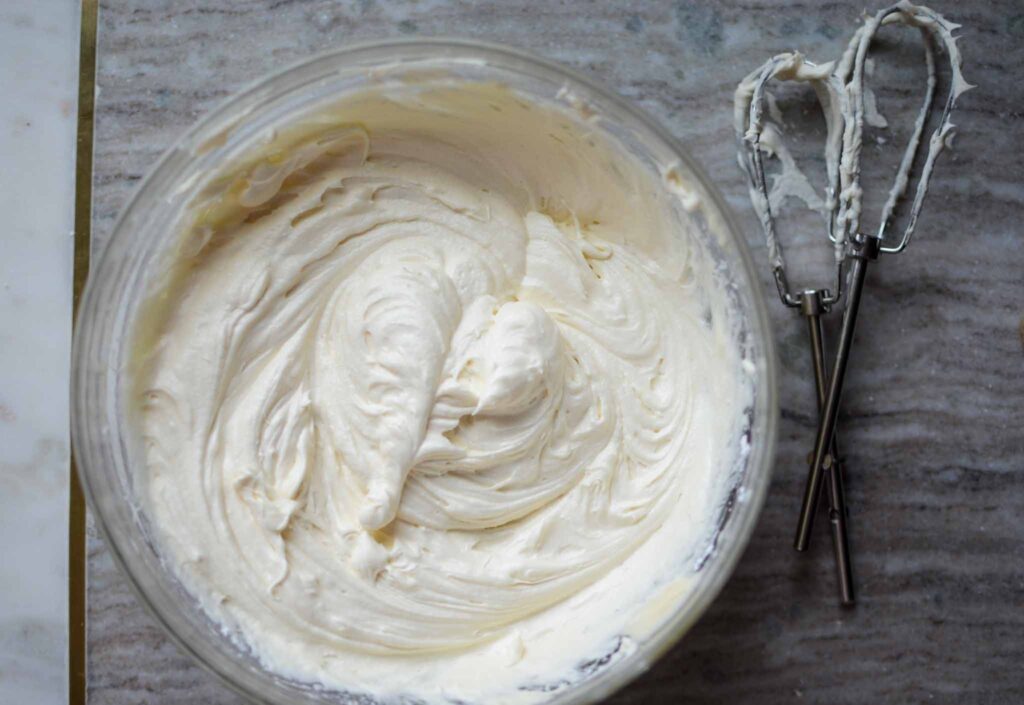
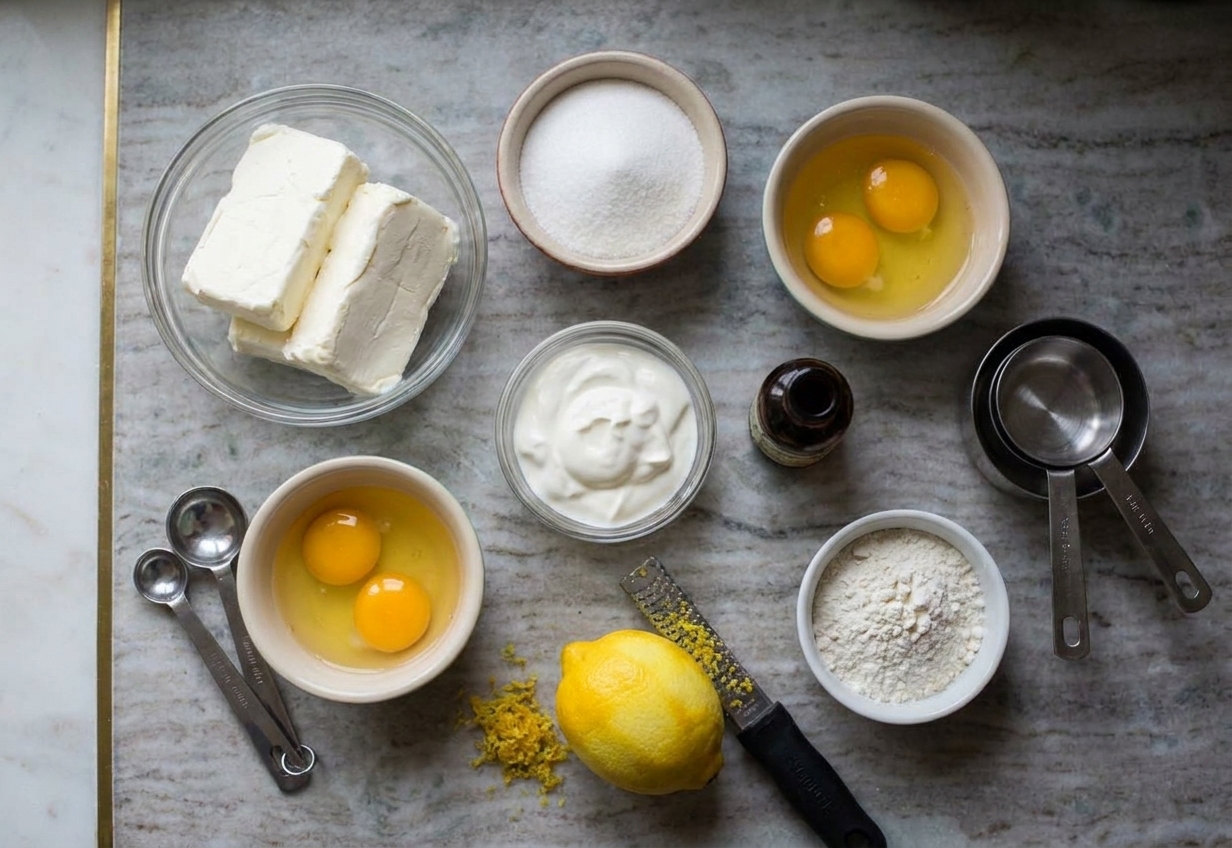
Cream cheese blocks, a bowl of granulated sugar, a small dish of vanilla extract, and lemons arranged on a clean kitchen counter.

Why It Works

  • Silky texture without overmixing: We beat the cream cheese and sugar until smooth, then add eggs last and mix just until combined.
  • Balanced flavor: Sour cream adds tang and helps keep the texture tender and creamy after chilling.
  • Sliceable center: A small amount of flour (or cornstarch) helps the custard set so it cuts clean after a long chill.
  • Less cracking: Gentle mixing, optional water bath support, and a slow cool-down help prevent dramatic cheesecake mood swings.

If you want it extra bright, add a little lemon zest. If you want it extra plush, swap sour cream for full-fat Greek yogurt. The formula is flexible, but the technique is the secret sauce.

Pairs Well With

Storage Tips

How to Store Cheesecake Filling

Unbaked filling: Cover tightly and refrigerate up to 24 hours. Give it a gentle stir before using. If it looks a touch loose the next day, that is normal. It thickens again as it bakes and chills.

Baked cheesecake: Cool completely, then refrigerate covered for up to 5 days. For the prettiest top, wait to cover until the cheesecake is fully chilled so you do not get condensation drip marks. Cheesecake actually gets better after a long chill, so day two is a very real flex.

Freezing (baked cheesecake): Freeze slices or the whole cheesecake. Wrap in plastic wrap, then foil, and freeze up to 2 months. Thaw overnight in the fridge.

Do not freeze unbaked filling if you can avoid it. The texture can break and go grainy after thawing.

Food safety note: Keep cheesecake refrigerated, and do not leave it out at room temperature for more than 2 hours.

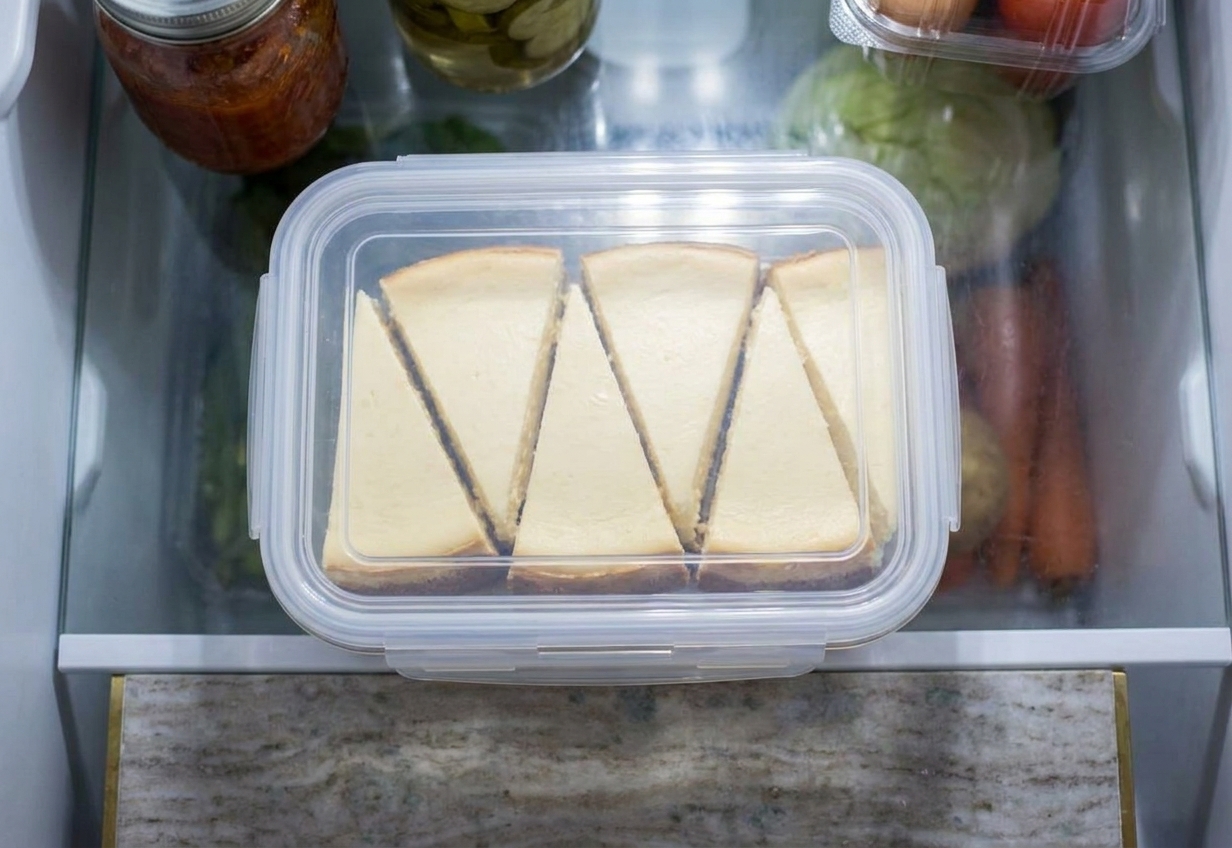
Individual slices of cheesecake stored in an airtight container on a refrigerator shelf.

Common Questions

Common Questions

Why is my cheesecake filling lumpy?

Almost always: cold cream cheese. Let it sit at room temp until it is soft enough to press a finger into it without a fight, usually 60 to 90 minutes. Also, beat the cream cheese and sugar fully before adding anything else.

Can I use low-fat cream cheese?

You can, but the texture is less silky and it tends to bake up drier. For the classic creamy result, use full-fat blocks, not whipped spread.

How do I avoid cracks?

Mix gently once the eggs go in, do not overbake, and cool slowly. If you are baking a full cheesecake, a water bath helps, but it is not the only solution. The filling here also includes sour cream, which helps keep the texture tender and more forgiving.

How do I know it is done baking?

The edges should look set, and the center should have a small wobble like set Jell-O, not like a liquid wave. If you want a more precise check, an instant-read thermometer in the center should read about 150 to 155°F. It finishes setting as it cools, then firms fully in the fridge.

Can I add flavors?

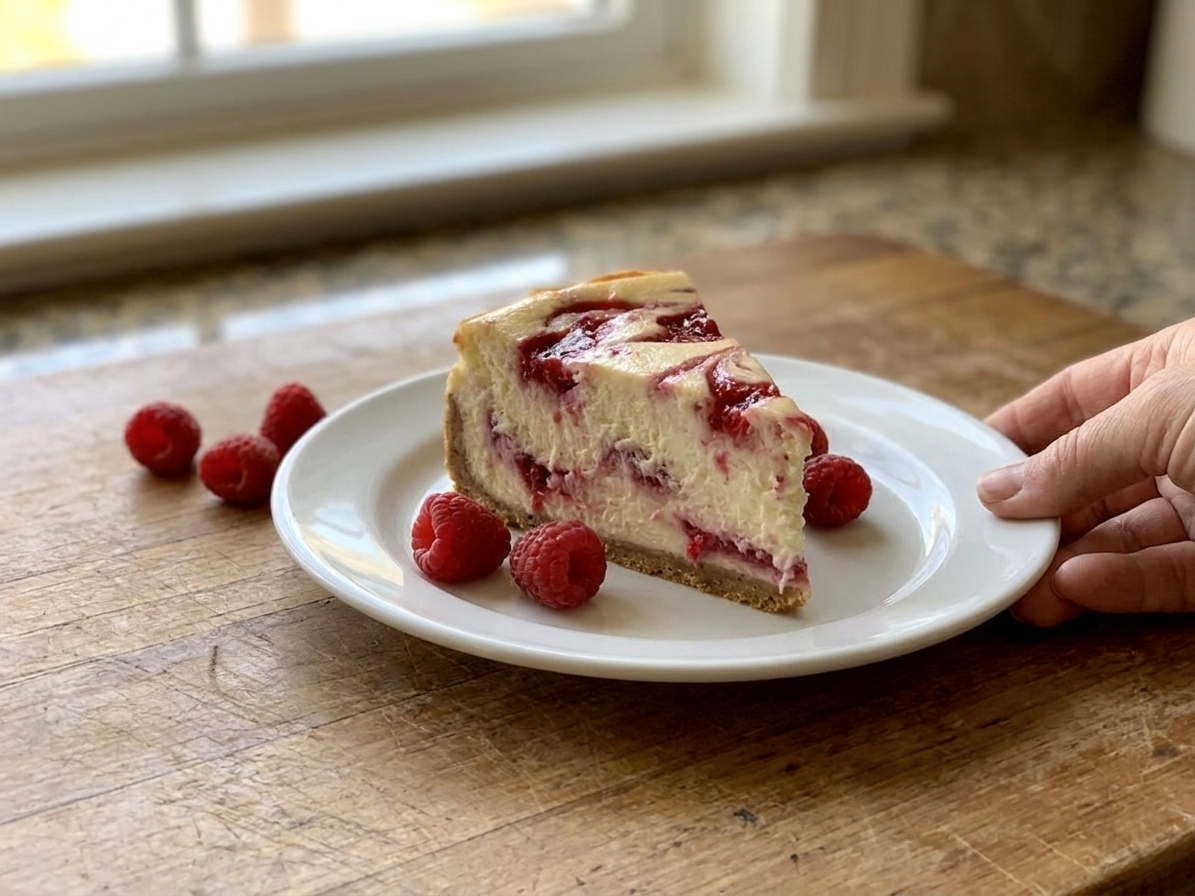
Yes. Think lemon zest, a tablespoon of espresso powder dissolved in a teaspoon of hot water, melted chocolate, or a swirl of fruit jam. Keep add-ins smooth and avoid adding lots of extra liquid unless you know it bakes.

Can I use cornstarch instead of flour?

Often, yes. Flour and cornstarch do not behave exactly the same, but a small amount of either helps the filling set and slice cleanly. Use 2 tablespoons flour or try 1 tablespoon cornstarch for a slightly silkier set.

I used to treat cheesecake filling like it needed a chef jacket and a stress ball. Then I started making it the way I actually cook most things: calm, a little curious, and with a lot of tasting. The first time I nailed the texture, it was not because I bought fancy ingredients. It was because I stopped rushing the cream cheese and stopped mixing the eggs like they had something to prove. Now this filling is my default for birthdays, potlucks, and those random Tuesday nights when the fridge is yelling, “Make something sweet.”