Mom's Best Recipes
Recipe

Classic Chimichurri Sauce

A bright, garlicky, parsley-forward chimichurri with a little heat and a lot of personality, ready in 10 minutes.

Author By Matt Campbell
4.8
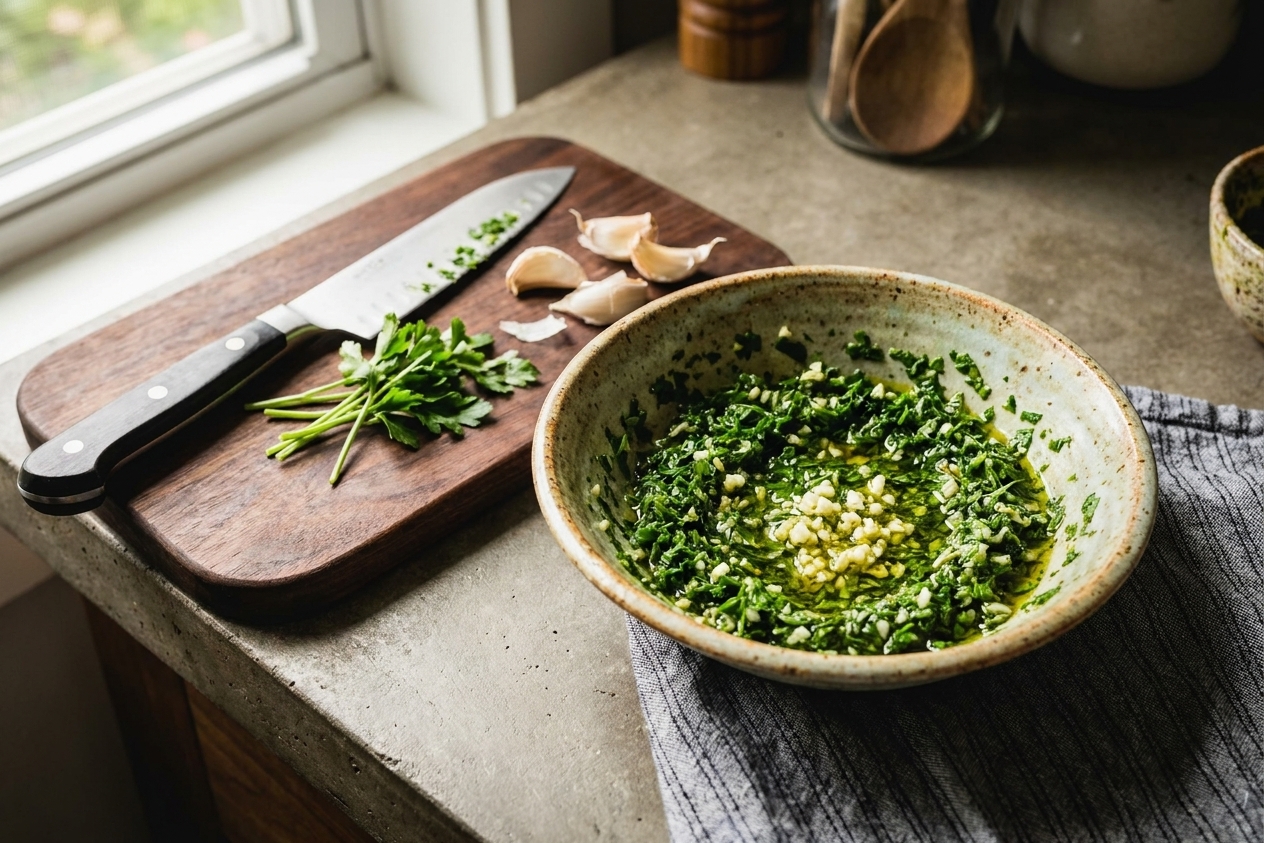
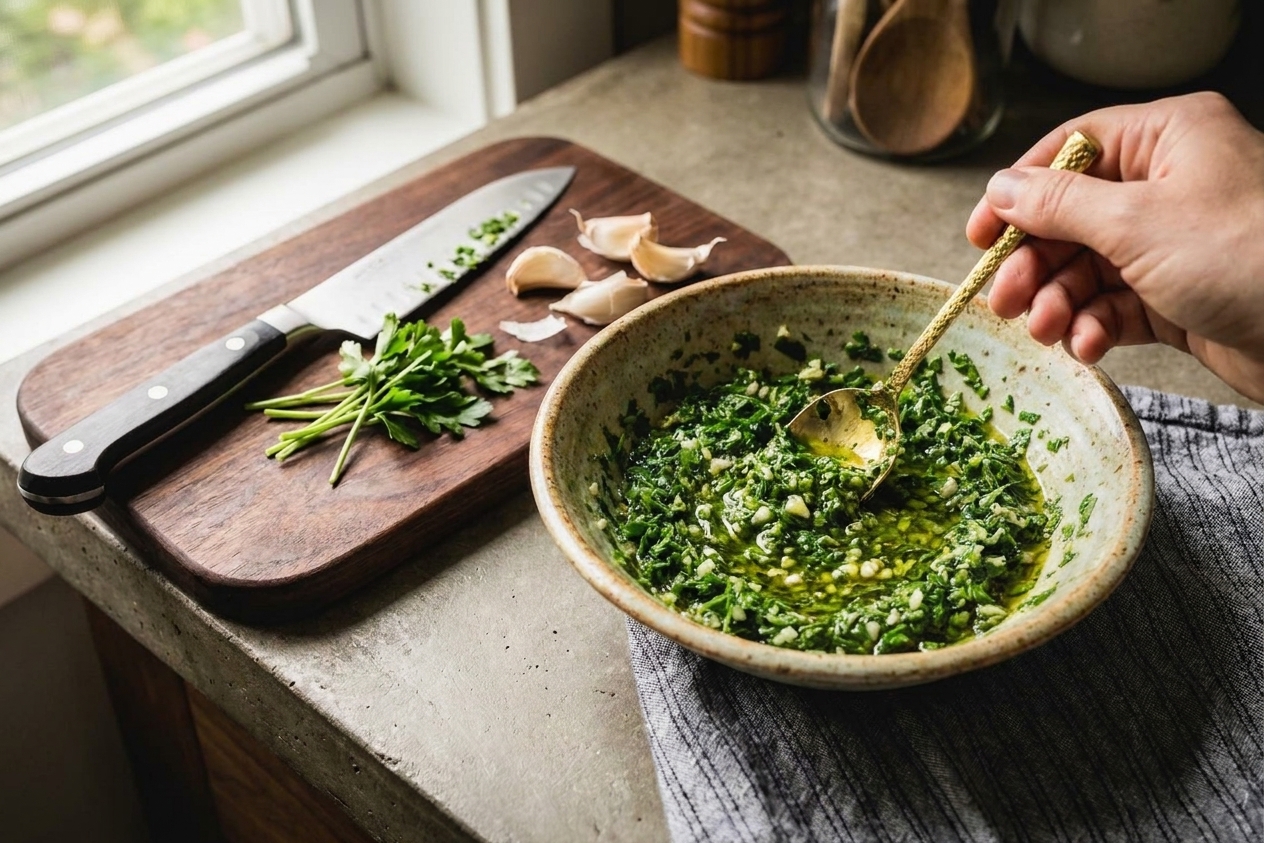
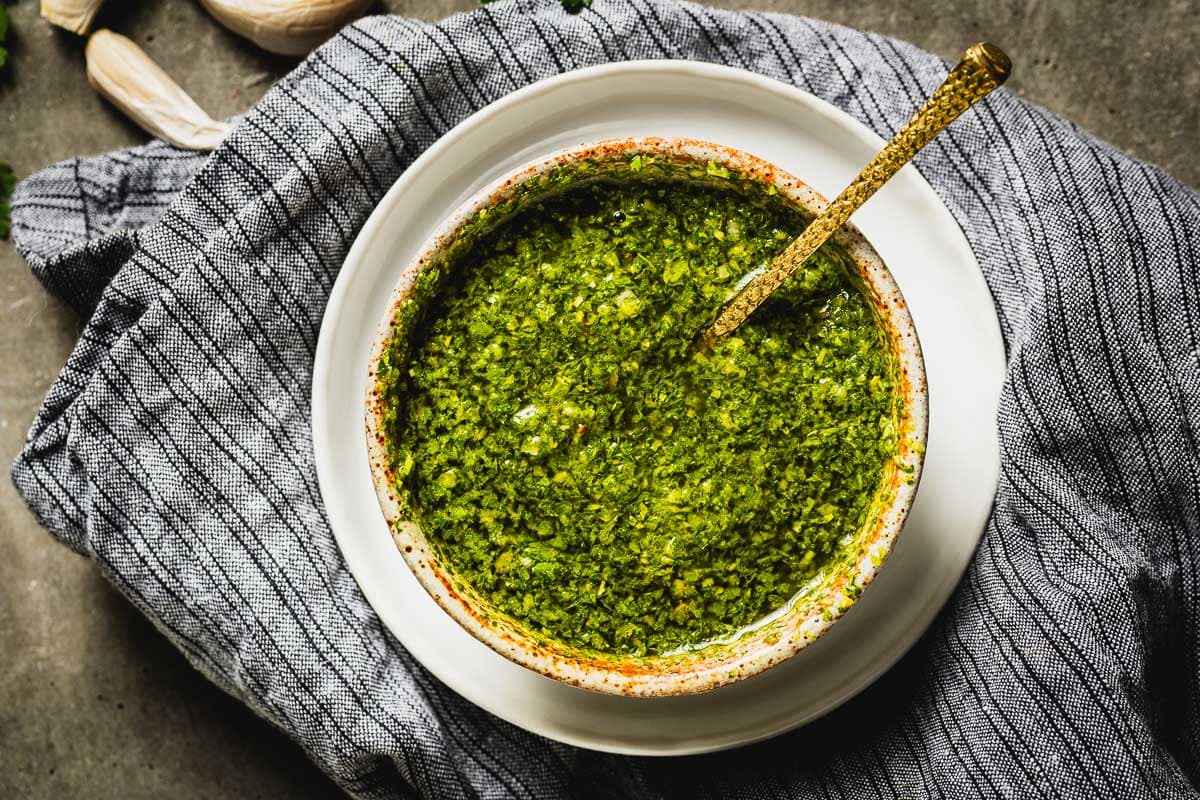
A small ceramic bowl filled with bright green chimichurri sauce, with a spoon resting beside it on a clean kitchen counter under warm natural light

Chimichurri is my favorite kind of kitchen magic trick. You chop a few herbs, smash some garlic, add vinegar and olive oil, and suddenly you have a sauce that makes weeknight chicken taste like you had a plan. It is bright, sharp, and a little wild, in the best way.

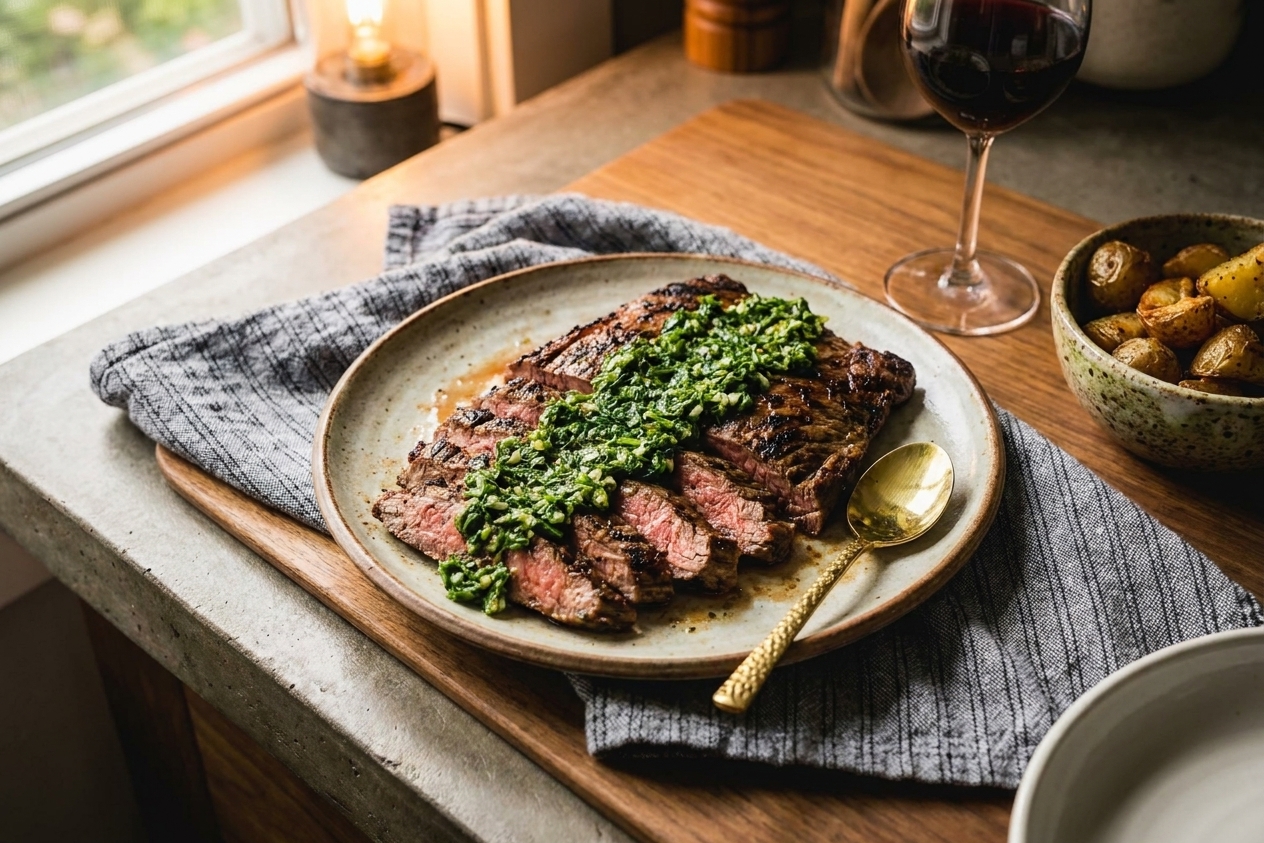
This is a classic, no-blender version that stays vibrant and textured. Think crisp parsley, a gentle oregano hum, and just enough chili to keep things interesting. Spoon it over steak, swirl it into roasted potatoes, drag a forkful of rice through it, and try not to “taste for salt” six times in a row.

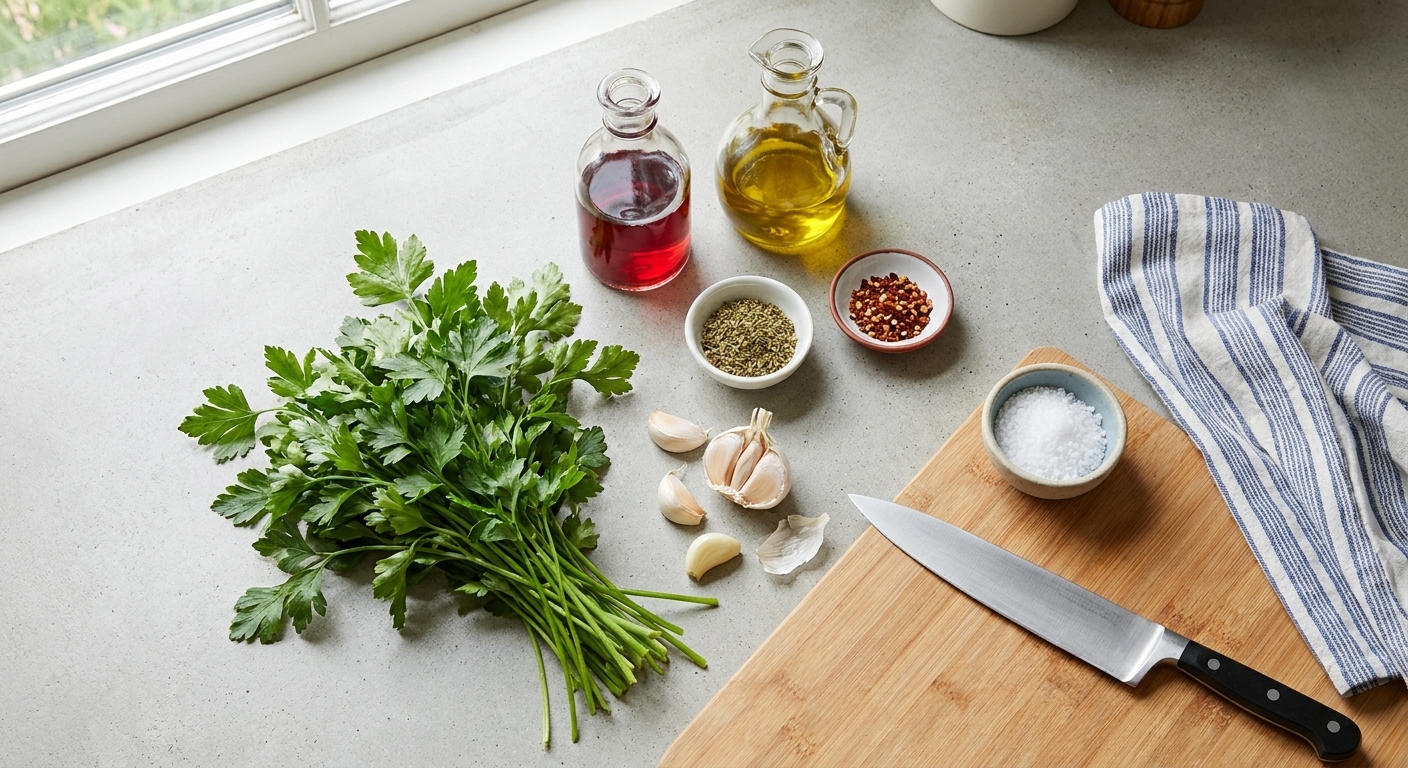
Fresh parsley, garlic cloves, red wine vinegar, olive oil, dried oregano, red pepper flakes, and salt arranged on a light-colored kitchen counter

Why It Works

  • Big flavor, tiny effort: 10 minutes of chopping for a sauce that tastes like you worked harder.
  • Perfect balance: bright vinegar, fruity olive oil, and garlic that shows up but does not bulldoze.
  • Textured and fresh: hand-chopped herbs give you those little green flecks that cling to everything.
  • Flexible: make it punchier, milder, or more lemony without breaking the recipe. You can also swap in a little fresh oregano if you have it, or add a teaspoon or two of water if you want a softer, less sharp bite.

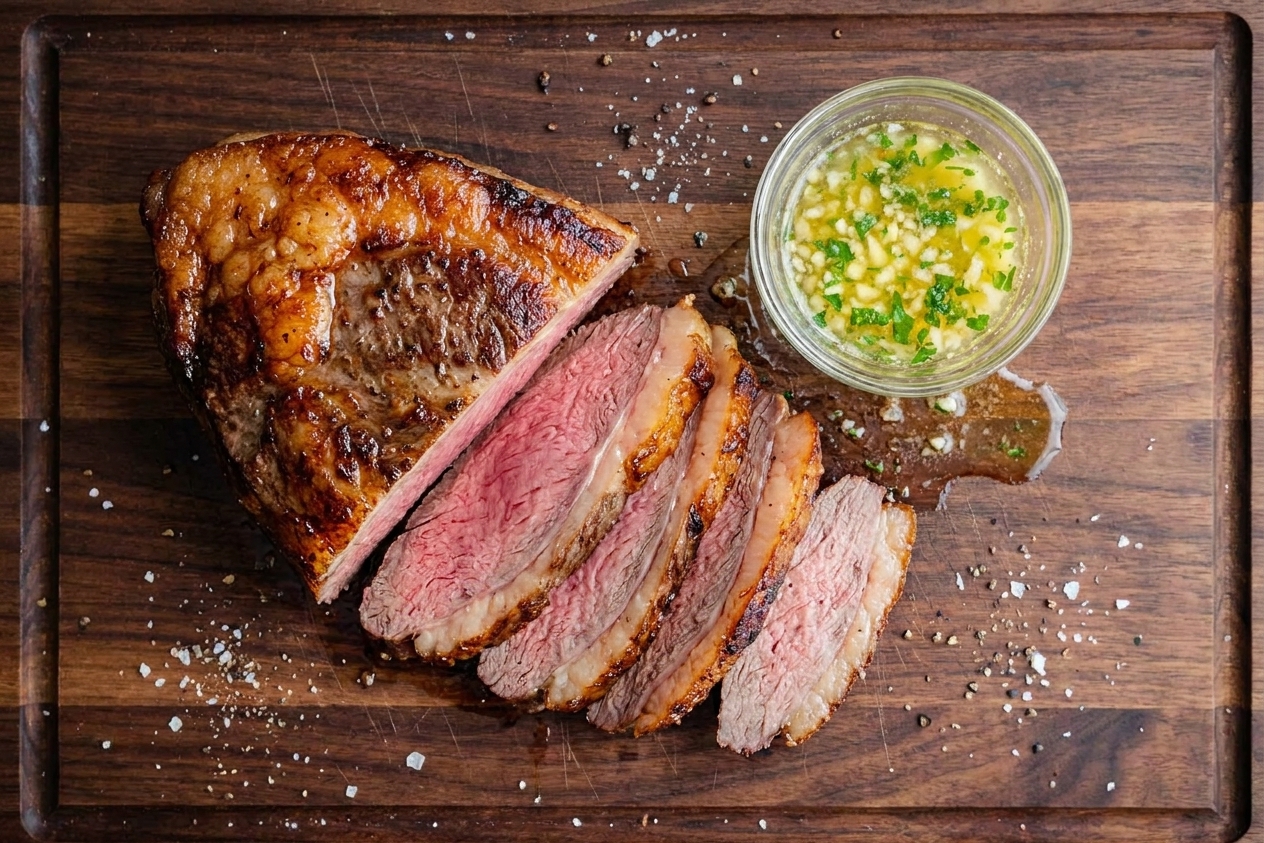
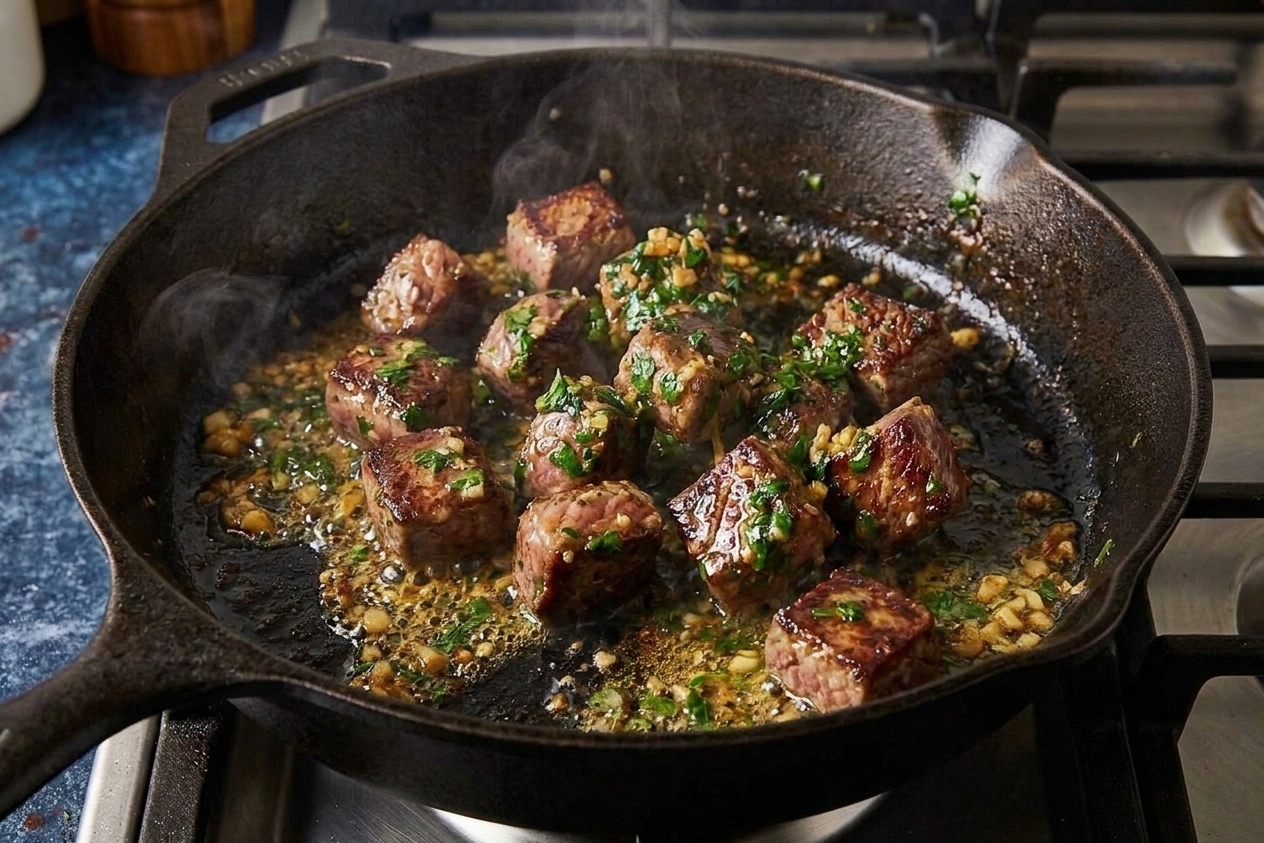
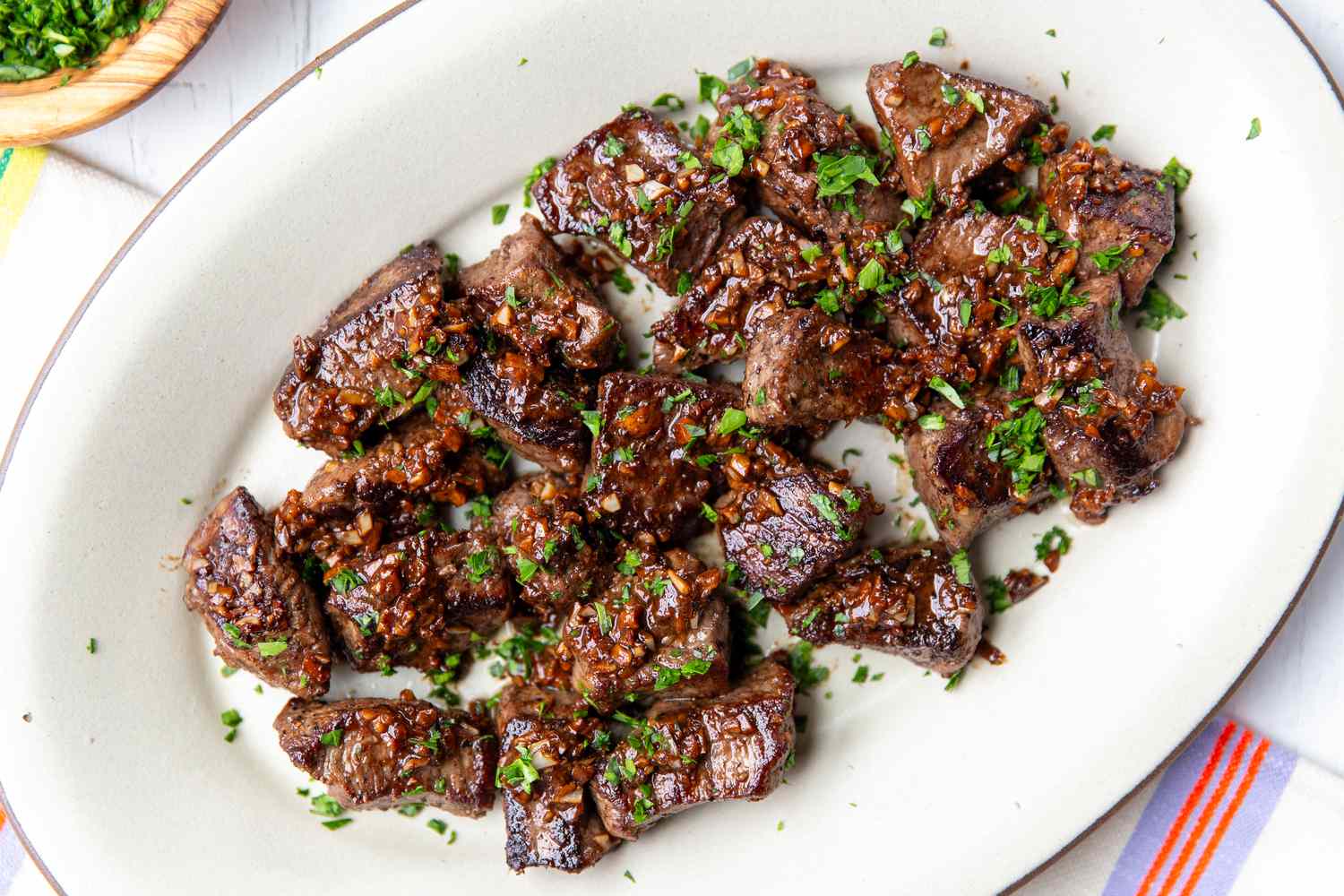
Pairs Well With

Storage Tips

Refrigerate: Store chimichurri in a sealed jar or container for about 4 to 5 days. Use clean utensils each time and discard if you notice an off smell, mold, or anything that looks questionable.

Oil cap trick: Smooth the top and add a thin layer of olive oil to help limit browning.

Bring to room temp: Olive oil firms up in the fridge. Let the sauce sit out for 10 to 15 minutes, then stir before serving.

Freeze: Freeze in an ice cube tray, then transfer cubes to a freezer bag for 1 to 2 months. Thaw in the fridge overnight. Texture softens a little, but it is still great on grilled meats and roasted veggies.

Common Questions

Is chimichurri spicy?

It can be, but it does not have to be. This version has a mild kick from red pepper flakes. If you want zero heat, skip them. If you want more, add a pinch at a time or use fresh minced red chili.

Can I use cilantro instead of parsley?

Yes. A cilantro chimichurri is delicious, just louder and more citrusy. Do a 50-50 mix of parsley and cilantro if you want a middle ground.

What vinegar is best?

Red wine vinegar is classic in many versions and gives a clean tang. White wine vinegar works too. Apple cider vinegar adds a slight sweetness. In a pinch, use lemon juice for part of the acid.

Do I need a blender?

Nope. Hand-chopped is the move here. A blender can turn it into a green smoothie situation. If you do use a food processor, pulse briefly and stop while it is still chunky.

Why does my chimichurri taste bitter?

Usually it is one of these things: over-processed herbs (blender heat and friction), old or bitter parsley, very peppery extra-virgin olive oil, or too much dried oregano. Keep the herbs chopped, not pureed, stick to the amounts, and make sure your olive oil tastes good on its own.

Can I make chimichurri ahead of time?

Yes, and it is actually better after 10 to 30 minutes because the garlic and oregano mellow into the oil and vinegar. For the brightest green color, make it the same day.

Why does it separate?

Totally normal. Chimichurri is not a mayo-style emulsion, so the oil and vinegar will settle and separate. Just stir before serving.

Can I use it as a marinade?

Yes. Marinate chicken thighs for 30 to 60 minutes. Food safety note: if the sauce touches raw meat, do not reuse it for serving. Set some aside first.

I started making chimichurri when I realized I needed a “panic button” sauce, something that could rescue a bland piece of chicken or make leftover roasted vegetables feel brand new. The first batch I made was aggressively garlicky and I loved it, but my roommates did not love me back.

Now I go for balance: enough garlic to feel it, enough vinegar to wake everything up, and a patient rest so the whole thing tastes like it belongs together. It is the kind of sauce that makes you cook like you meant to.