Do I need to rinse corned beef before cooking?
I recommend a quick rinse under cool water, especially if you are sensitive to salt. It will not undo the cure, but it can reduce surface saltiness and keep the broth from tasting overly salty.
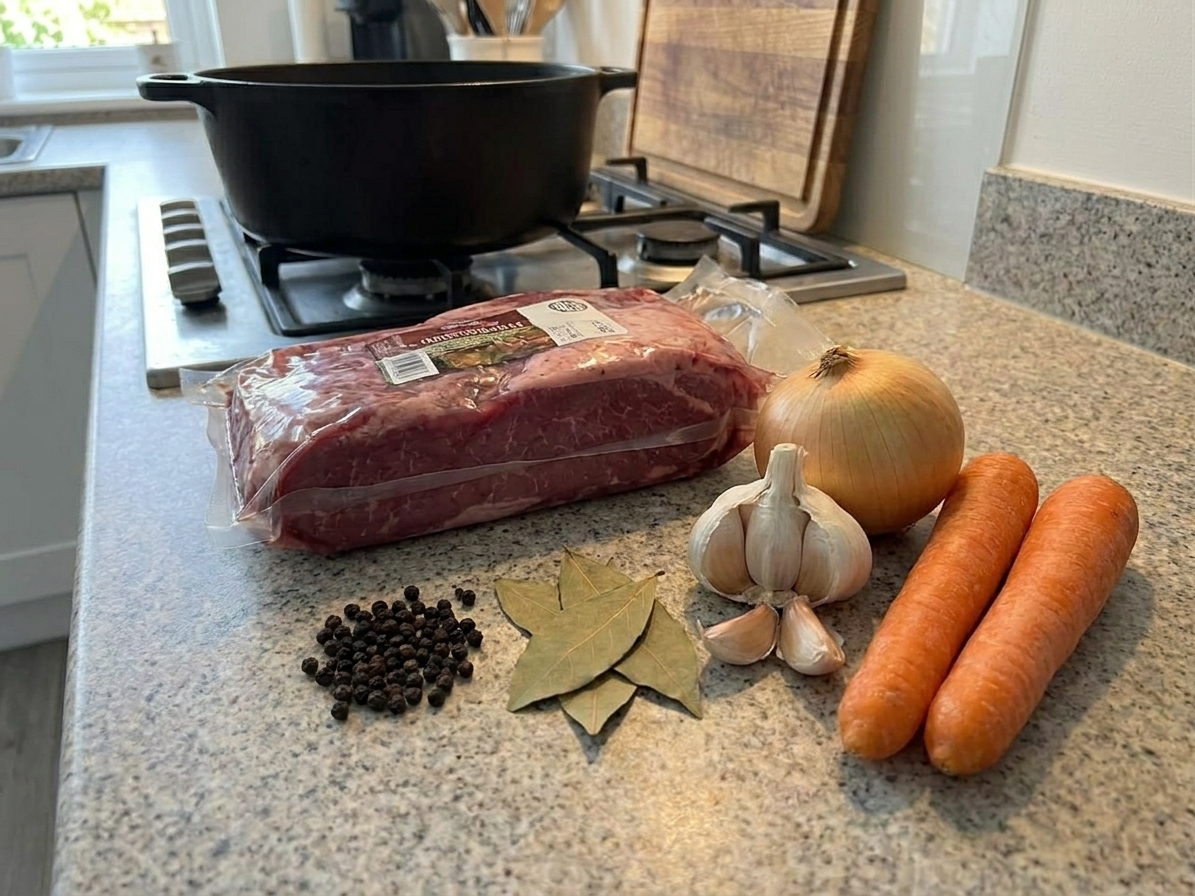
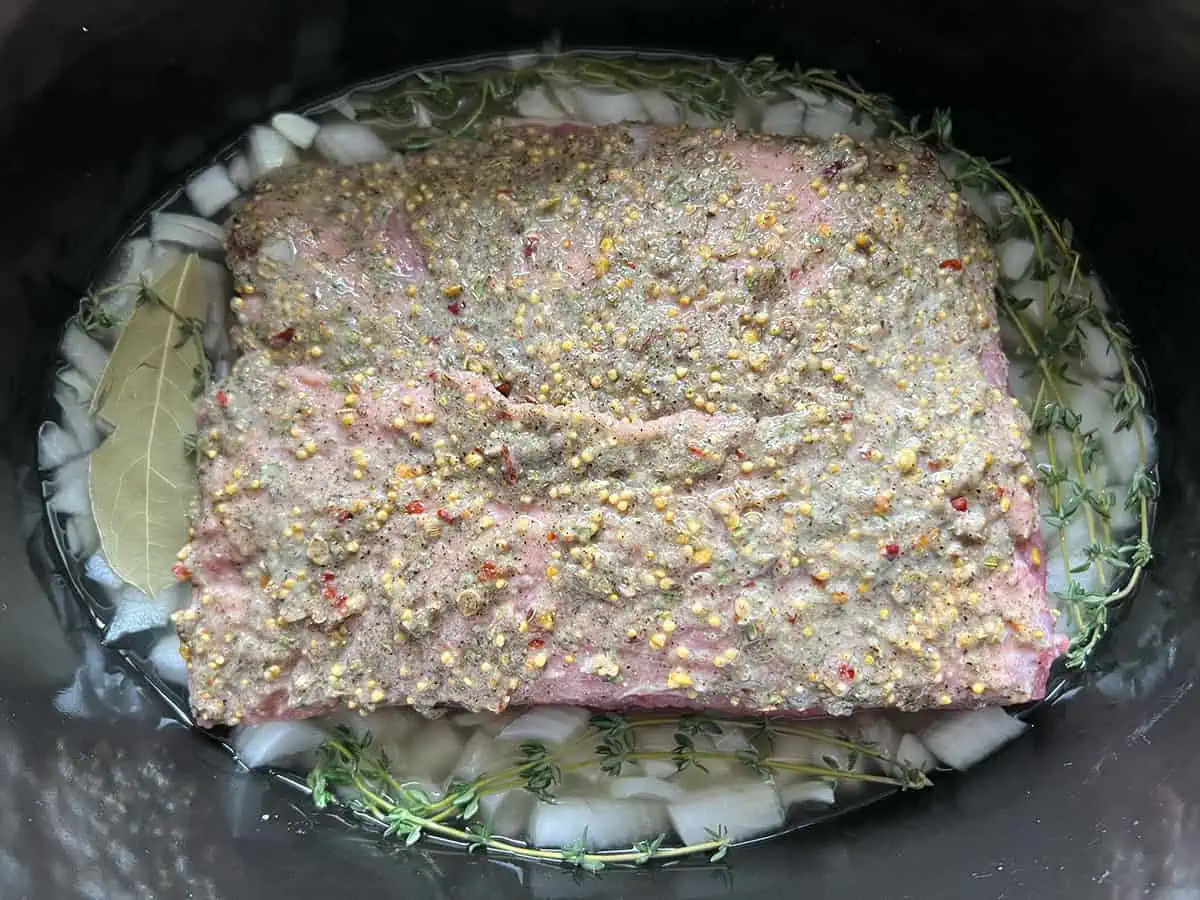
Quick note: most corned beef comes sitting in brine. Pour that package liquid off first, then rinse.
Fat cap up or down?
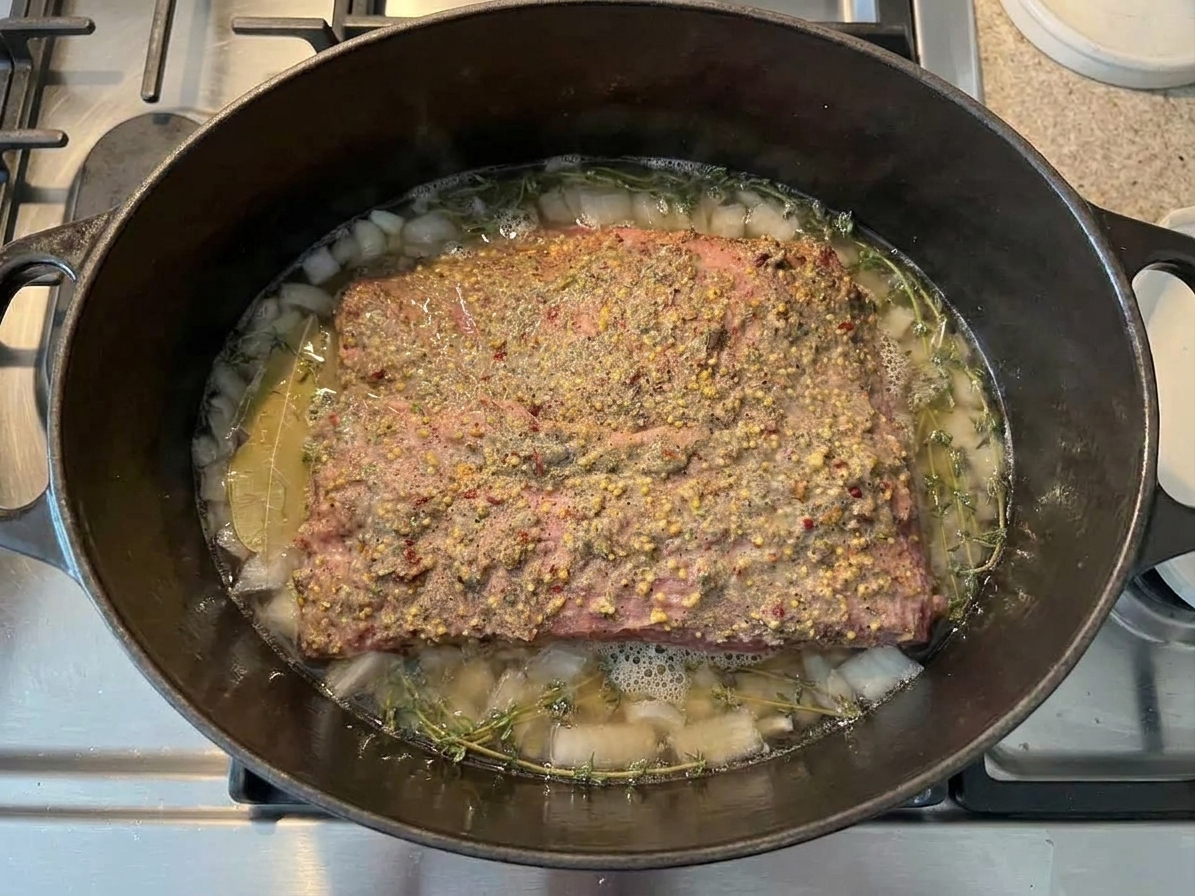
Either works for simmering. I usually go fat side up so as it softens it bastes the meat a bit. If your brisket is very fatty, you can trim it to about 1/4 inch.
When is corned beef brisket actually done?
Temperature is a guide, tenderness is the truth. A lot of corned beef turns tender somewhere around 190 to 205°F, but more importantly, a fork should slide in with very little resistance. If it is tight, keep simmering and check every 20 to 30 minutes.
Why is my corned beef tough?
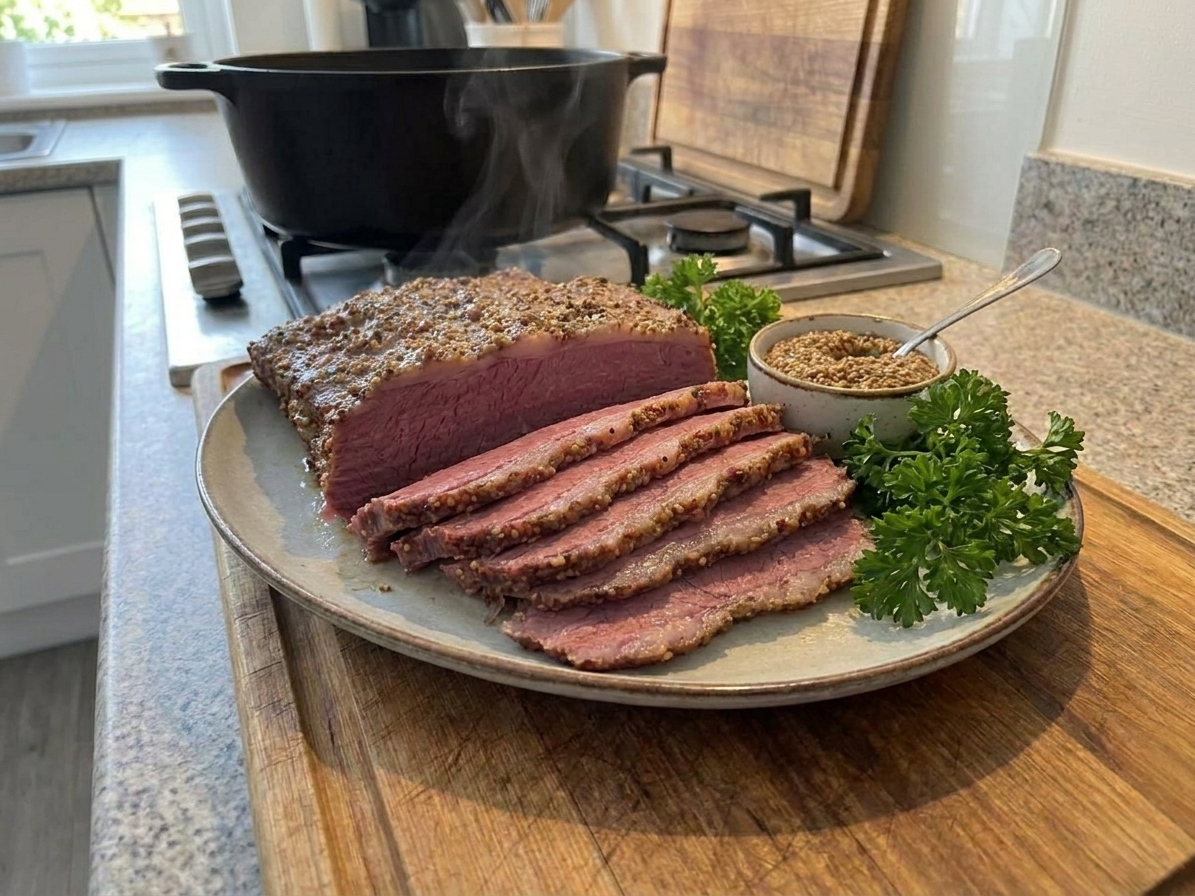
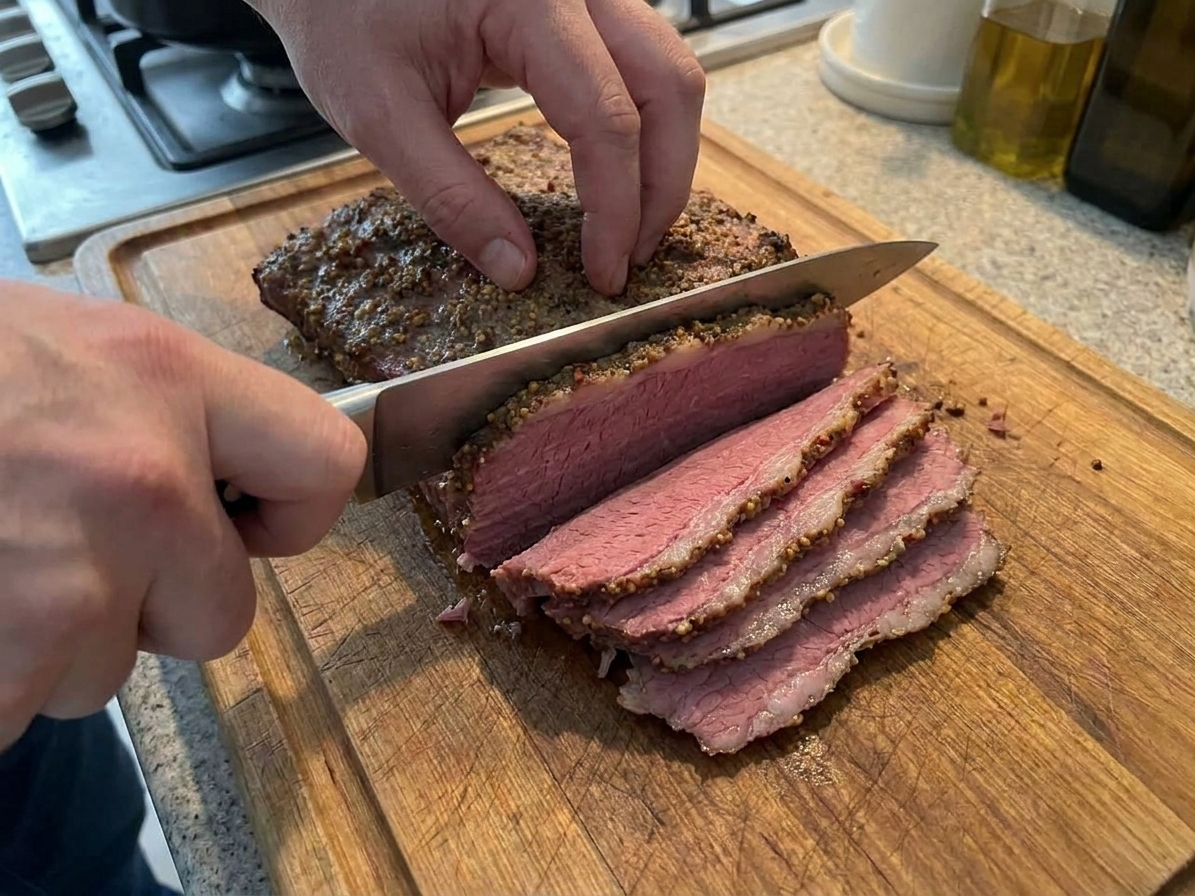
Two common reasons: it is undercooked (needs more time) or it was sliced with the grain. Brisket has long muscle fibers. Slice across them for tenderness.
Can I cook the cabbage and vegetables in the same pot?
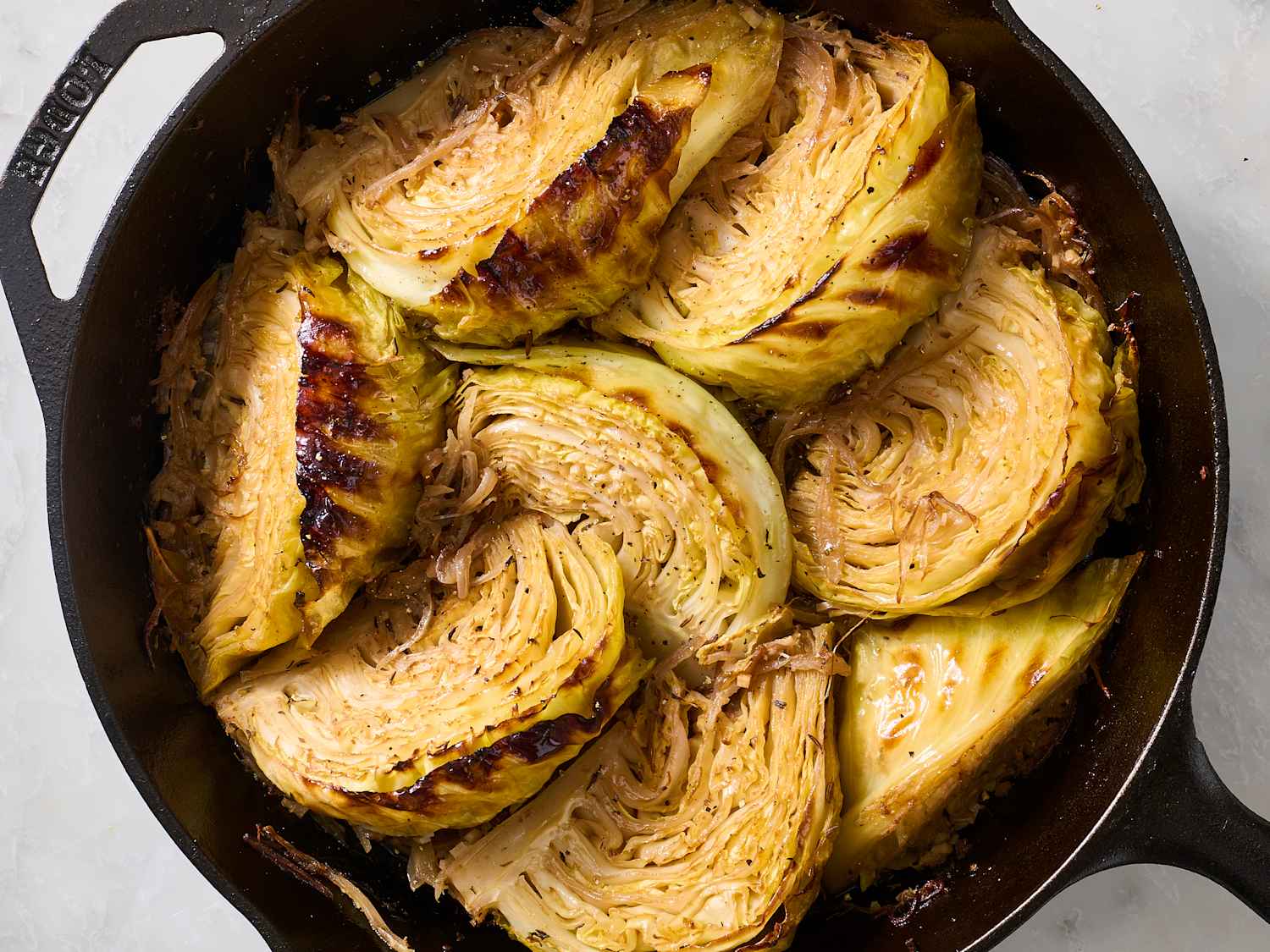
Yes, just add them near the end. Cabbage only needs about 15 to 20 minutes to get tender. Carrots and potatoes usually need 20 to 30 minutes depending on size and how gently your pot is simmering.
What if my brisket did not come with a spice packet?
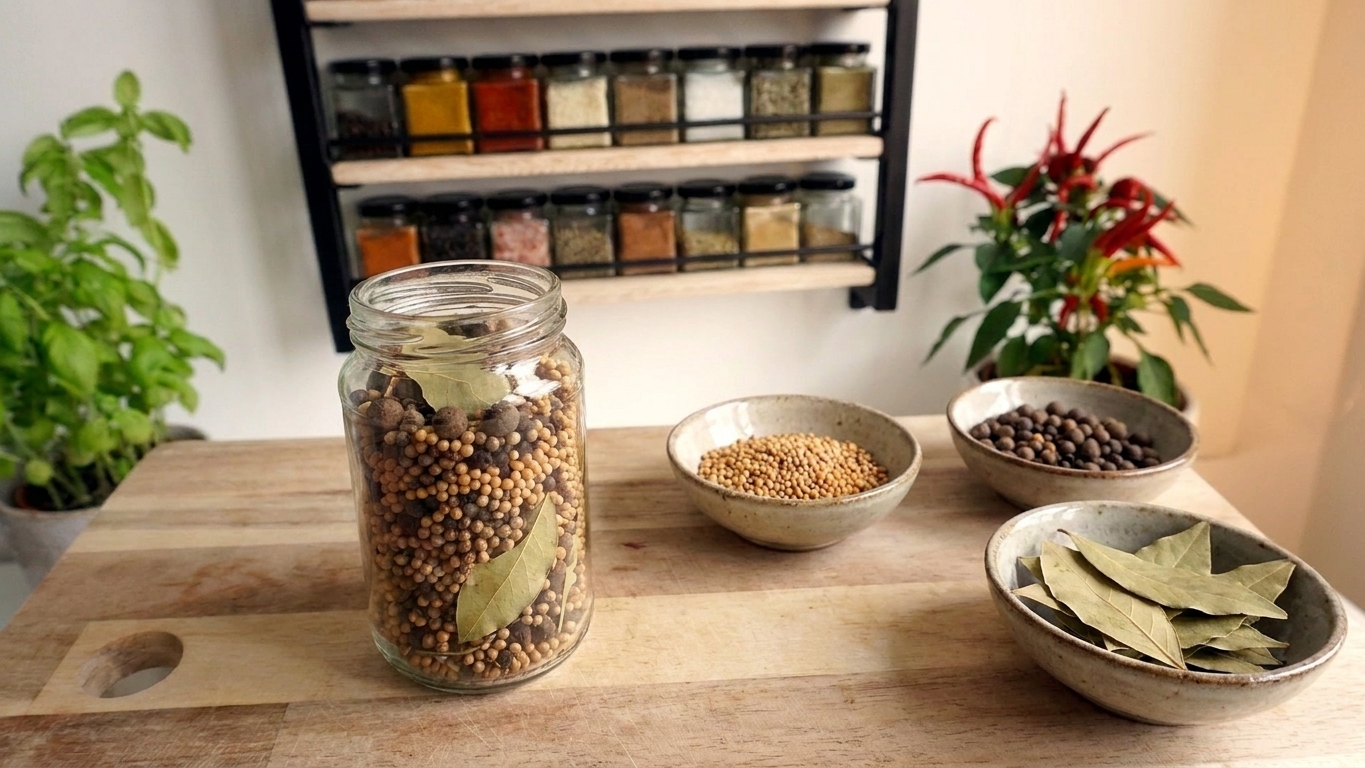
No stress. Use what you have: 1 tablespoon pickling spice (or 2 teaspoons whole black peppercorns + 1 teaspoon mustard seeds + 1 teaspoon coriander seeds + 2 bay leaves). It will still taste great.
Flat cut or point cut, does it matter?
Both work. Flat is leaner and tends to be easier to slice neatly. Point is fattier and can be extra juicy, but it may shred a bit more. Either way, slice against the grain, and know the grain can change direction partway through.