Mom's Best Recipes
Recipe

Homemade Pickling Spice

A fragrant, flexible spice blend for bright pickles, punchy brines, and cozy simmer pots like corned beef.

Author By Matt Campbell
4.8
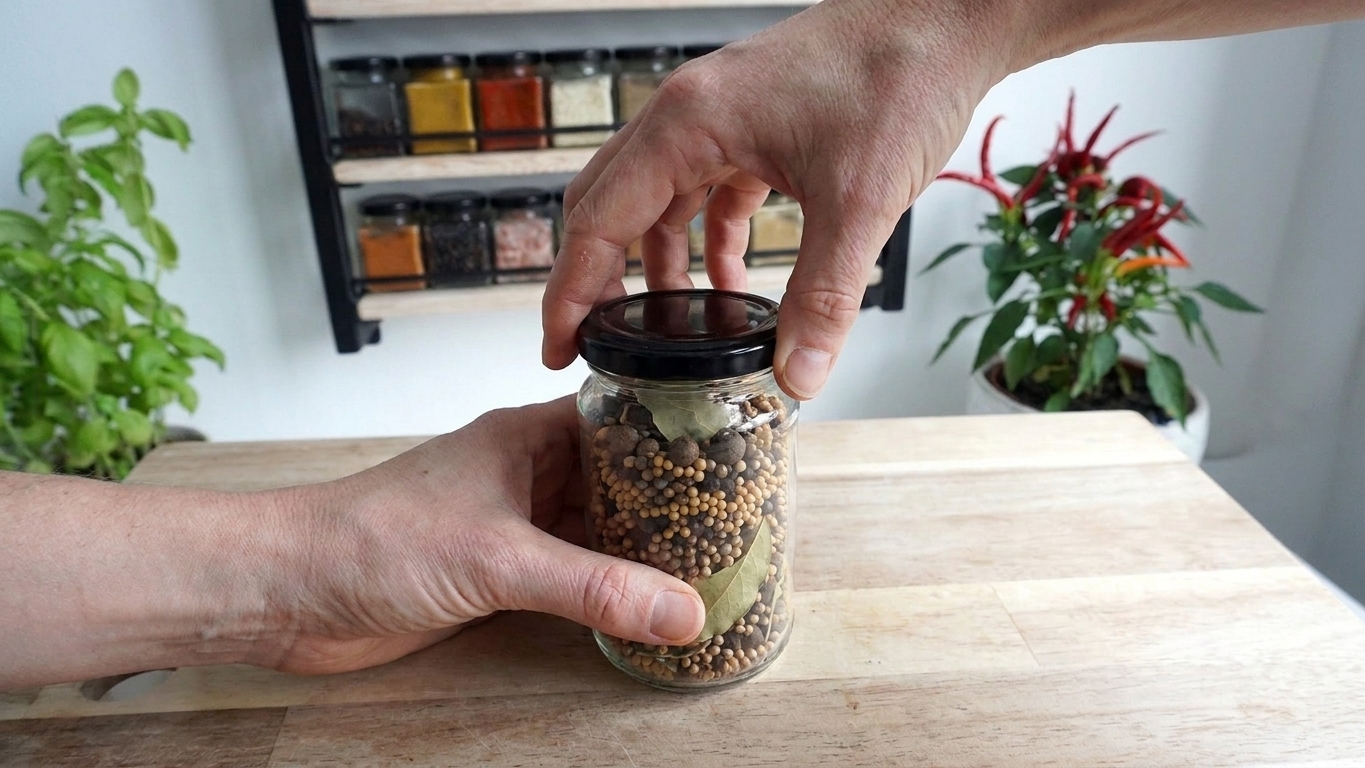
A glass jar filled with homemade pickling spice on a warm kitchen counter with small bowls of whole spices nearby

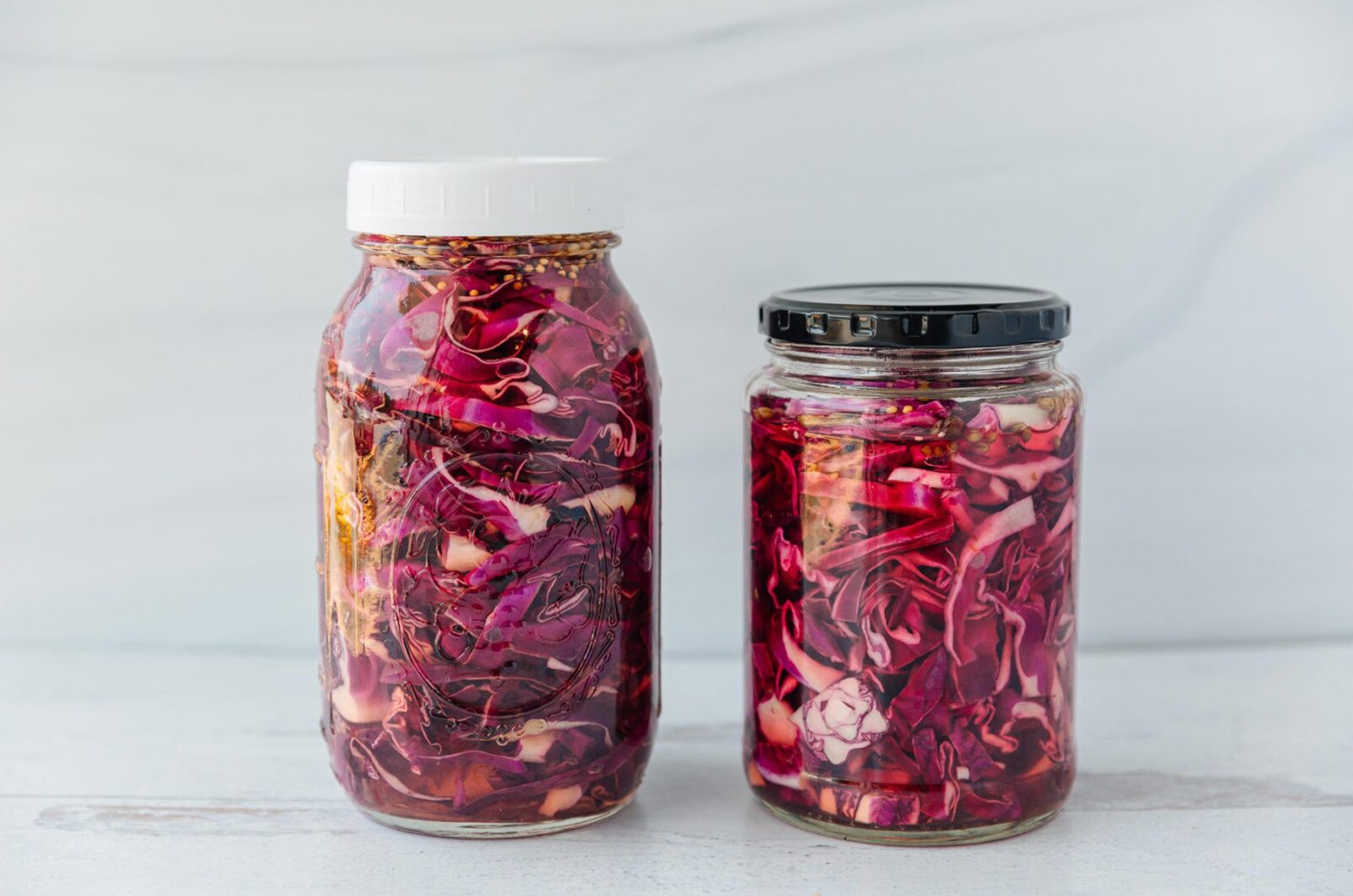
Pickling spice is one of those quietly powerful pantry things. It looks innocent in a little jar, then you drop a spoonful into hot brine and suddenly your kitchen smells like dill-adjacent magic, citrusy warmth, and that peppery snap that makes a pickle taste like a pickle, not just a cucumber that took a vinegar bath.

This homemade blend is my go-to because it's accessible and adjustable. Like it bolder and more peppery? Add a touch more mustard seed and peppercorn. Want it warmer and cozier? Nudge in extra allspice and clove. And if you're craving garlic, add cloves to the brine or the jar. Either way, you end up with a mix that makes quick pickles feel like you tried harder than you did.

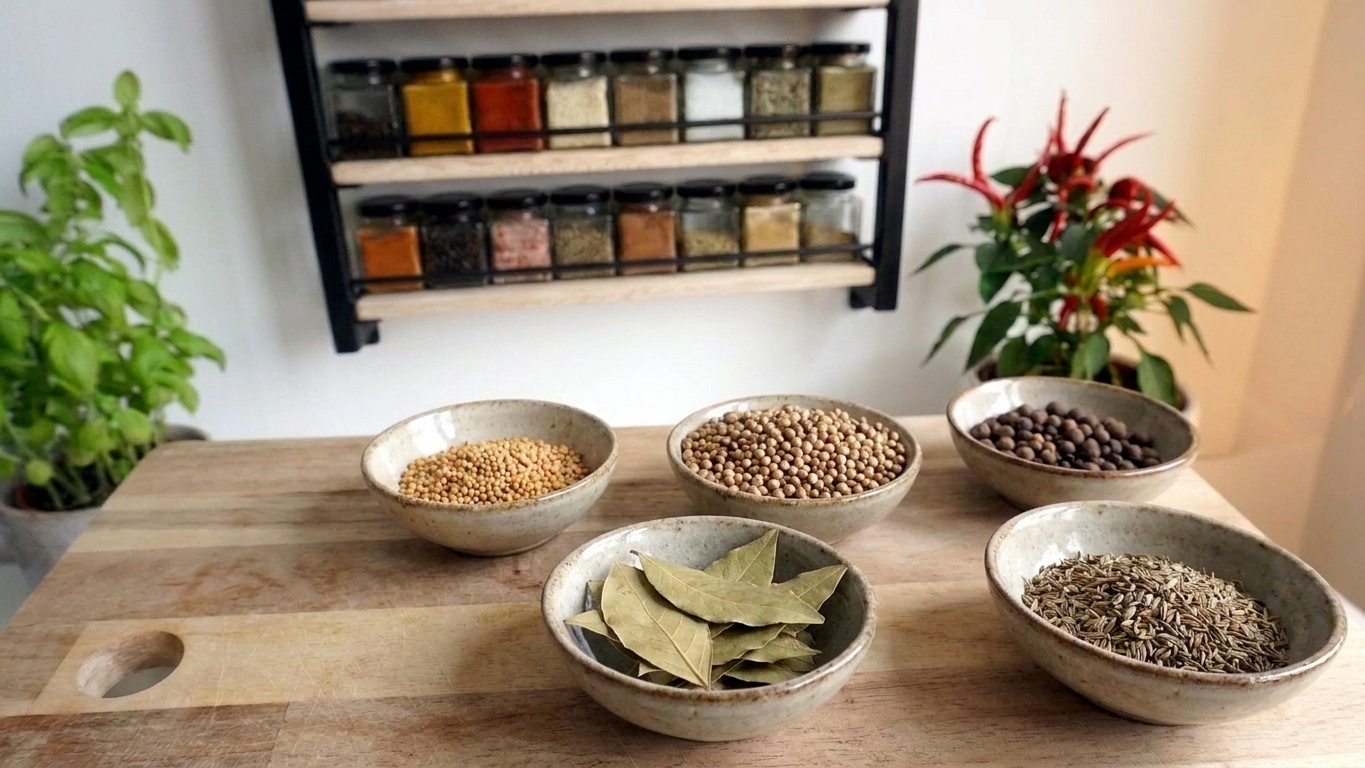
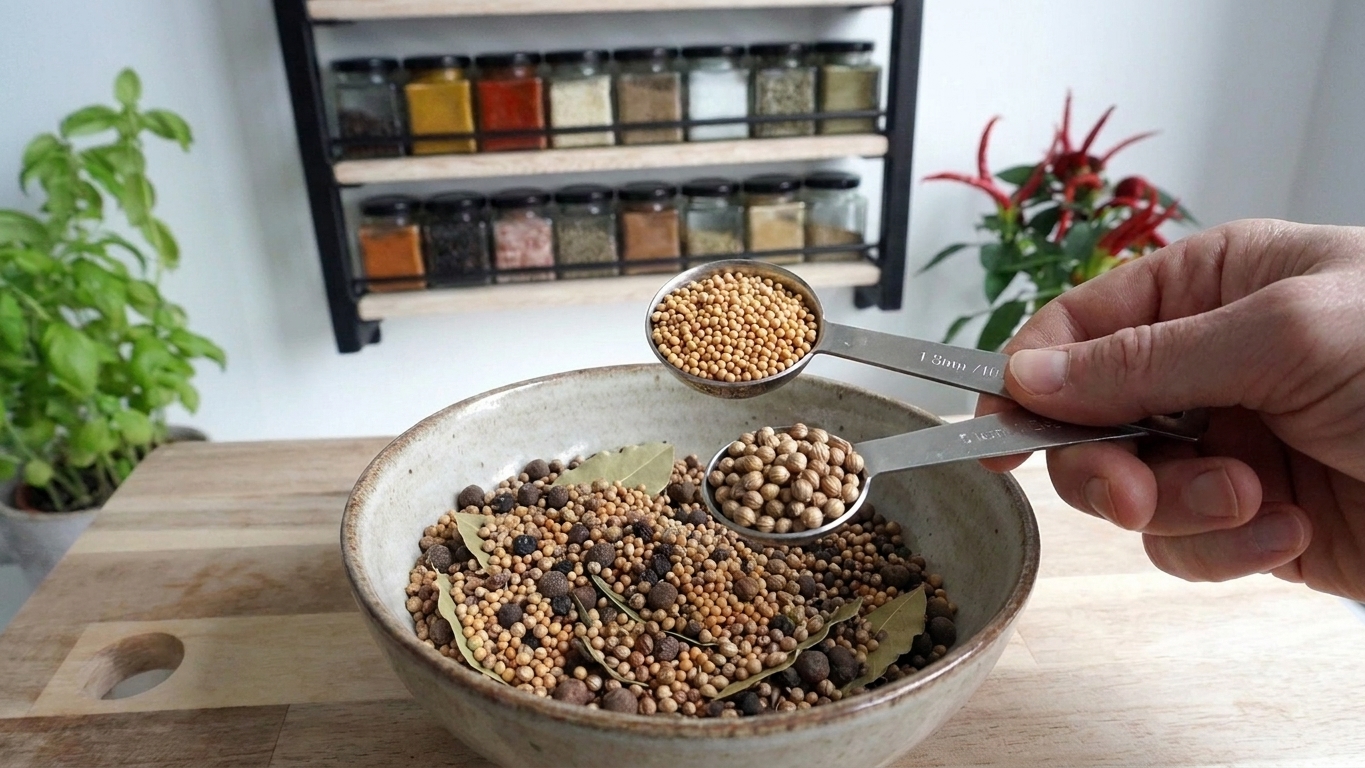
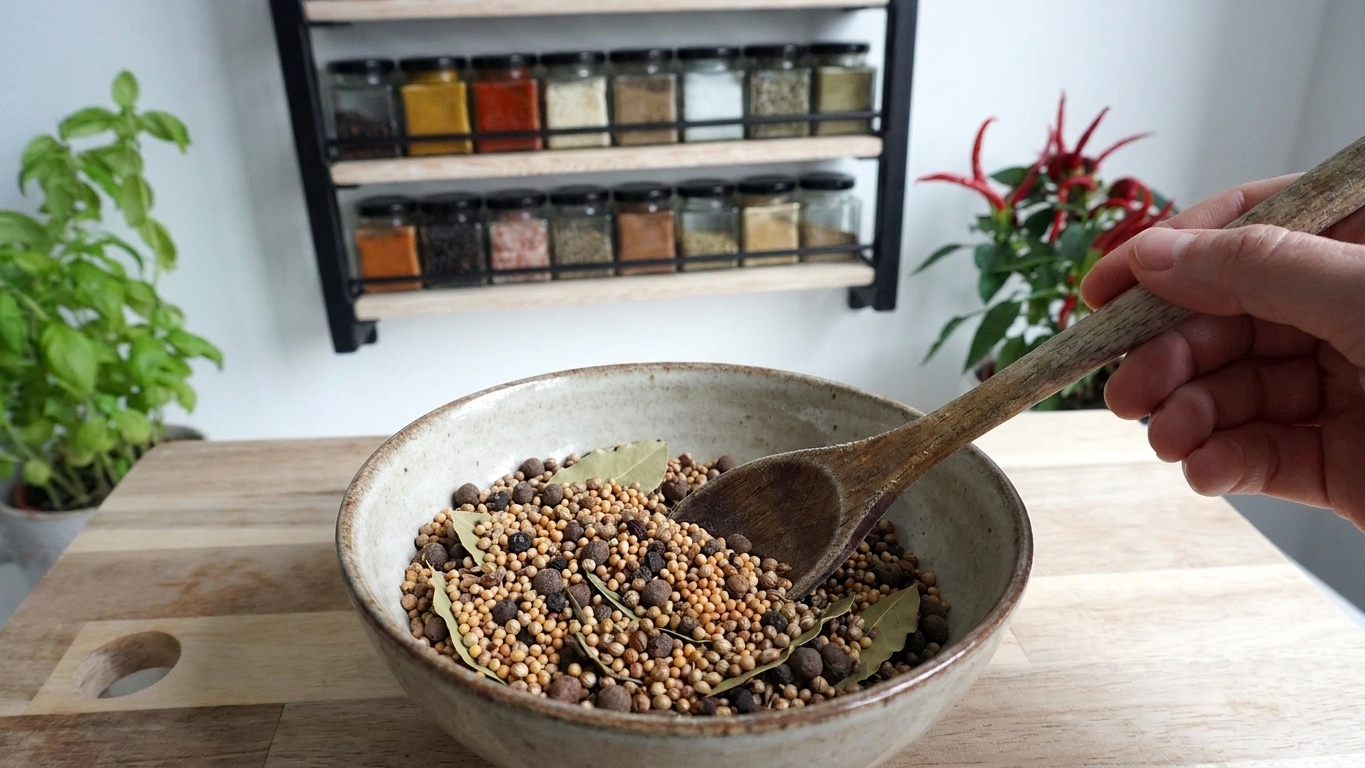
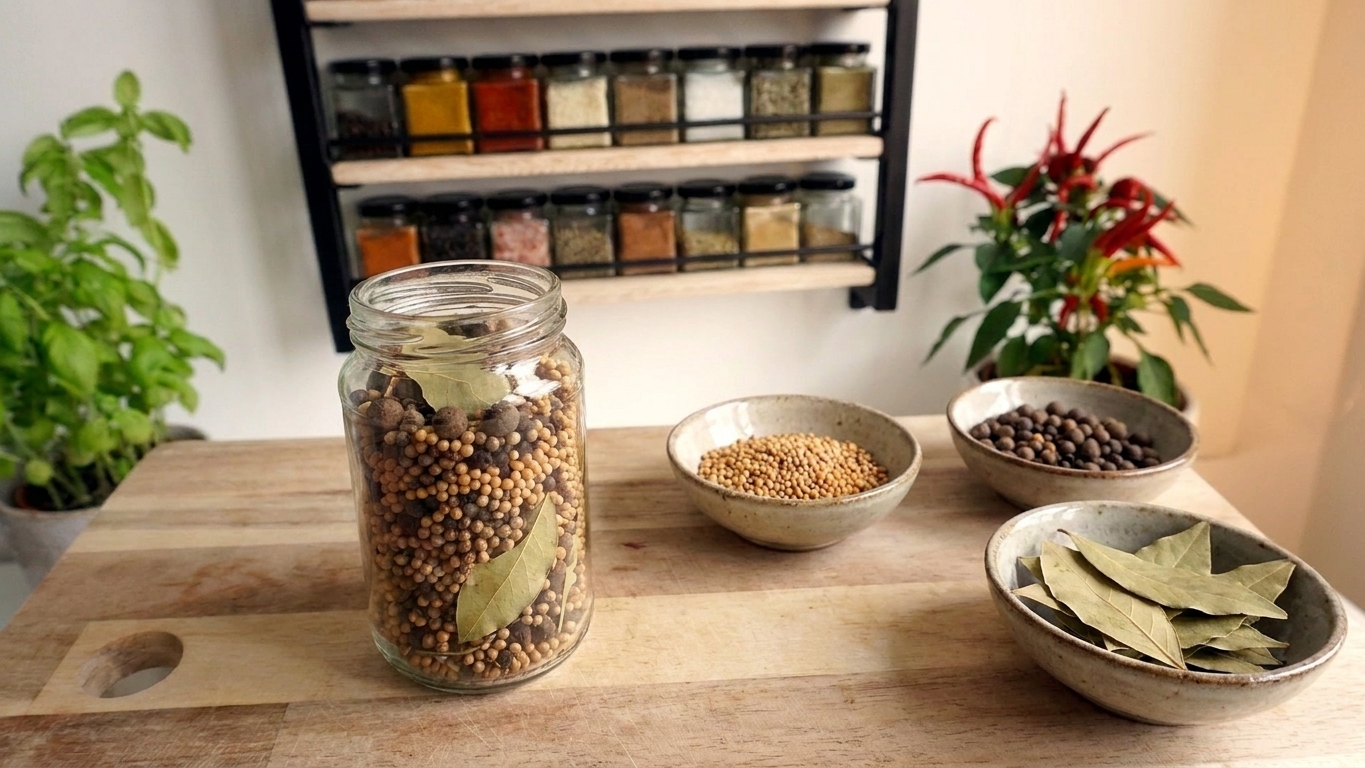
Small ceramic bowls of whole spices like mustard seed, coriander, peppercorns, bay leaves, and dill seed arranged on a wooden cutting board

Why It Works

  • Big flavor fast: Whole spices bloom in hot brine, so you get a punchy, layered pickle without fancy ingredients.
  • Customizable heat and warmth: Keep it classic, or add chile flakes for bite and cinnamon for a cozy background note.
  • Works beyond pickles: Use it for corned beef, pastrami-style brines, pickled onions, carrots, cauliflower, and even a pinch in a simmering pot of beans.
  • Pantry-friendly: Most of this is grocery-store standard, and substitutions are easy if you're missing one spice.

Pairs Well With

Storage Tips

Store the spice blend in an airtight jar in a cool, dark cabinet. It's best within 6 months for peak aroma, but it's typically still good for up to 12 months if stored well. (Heads up: clove and cinnamon can start to dominate as the months go on.)

If you made brine and have extra, refrigerate it in a clean jar for up to 1 week. Reuse only if it stayed cold and clean, meaning no fingers, no double-dipping utensils, and no questionable contact with produce. When in doubt, toss it and make a fresh batch. If you do reuse it, bring it to a boil, then cool before using.

Whole spices last longer than ground. If your blend starts smelling flat, it's time to refresh it. Trust your nose.

A labeled glass spice jar of pickling spice sitting on a pantry shelf next to other jars, warm indoor lighting

Common Questions

What is pickling spice made of?

Most pickling spice blends include a mix of whole spices like mustard seed, coriander, peppercorns, allspice, bay leaf, and often dill seed. Some versions add cloves, ginger, crushed red pepper, or cinnamon for extra warmth and kick.

Do I have to use whole spices?

Whole spices are ideal because they infuse flavor without turning your brine gritty. If you only have ground spices, use a light hand and plan to strain the brine through a fine mesh sieve or coffee filter. The flavor can get intense quickly with ground spices.

How much pickling spice do I use per jar?

For a standard 1-quart jar of refrigerator pickles, I like 1 to 2 teaspoons as a starting point. For a pot of brine or a larger batch, start with 1 to 2 teaspoons per quart of brine, then adjust next time based on your preferences. Heat, steep time, and how much you crush the spices all change the intensity.

Should I toast pickling spice first?

Optional but excellent. A quick 1 to 2 minute toast in a dry skillet wakes up the aromatics. Just don't walk away, because seeds and peppercorns can scorch if they sit too long.

Can I use this for corned beef?

Yes. This blend works great for corned beef style brines. For a classic corned beef vibe, keep the clove and allspice, and consider adding a little extra coriander and black pepper.

How do I make it more garlicky?

This dry blend doesn't include garlic (garlic doesn't store as nicely in a spice jar). If you want that garlicky punch, add 1 to 3 smashed garlic cloves to your brine, or tuck a clove or two into each jar. For a shortcut, a small pinch of dried minced garlic works too, but it can taste a little dusty if it sits in the jar for a long time.

Is pickling spice gluten-free?

Spices are naturally gluten-free, but cross-contact can happen in processing. If you need gluten-free, buy spices labeled gluten-free and avoid bulk bins where cross-contact is more likely.

I started making my own pickling spice for the same reason I started cooking in the first place. I wanted control. Store-bought blends are fine, but sometimes they lean too clove-heavy, or they're weirdly dusty, or you open the jar and it smells like it's been waiting on a shelf since the early 2000s.

Now I keep a jar of this on standby. It's my weeknight cheat code for turning plain cucumbers into crunchy little attitude chips, and it makes a basic pot of brine smell like I know what I'm doing even when I'm improvising.