Mom's Best Recipes
Recipe

Classic Manicotti Filling

Creamy, herby ricotta filling that pipes like a dream and bakes up fluffy, cheesy, and perfectly seasoned.

Author By Matt Campbell
4.8
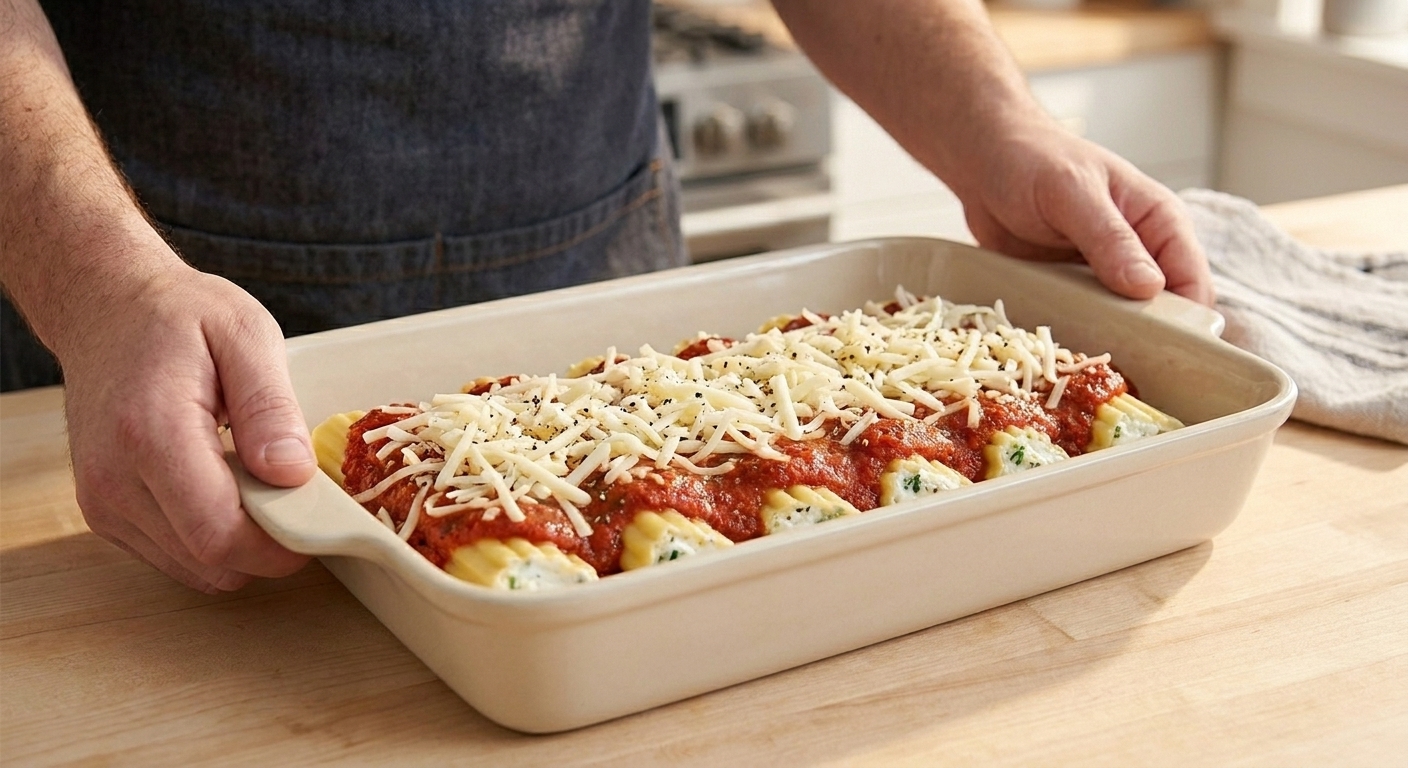
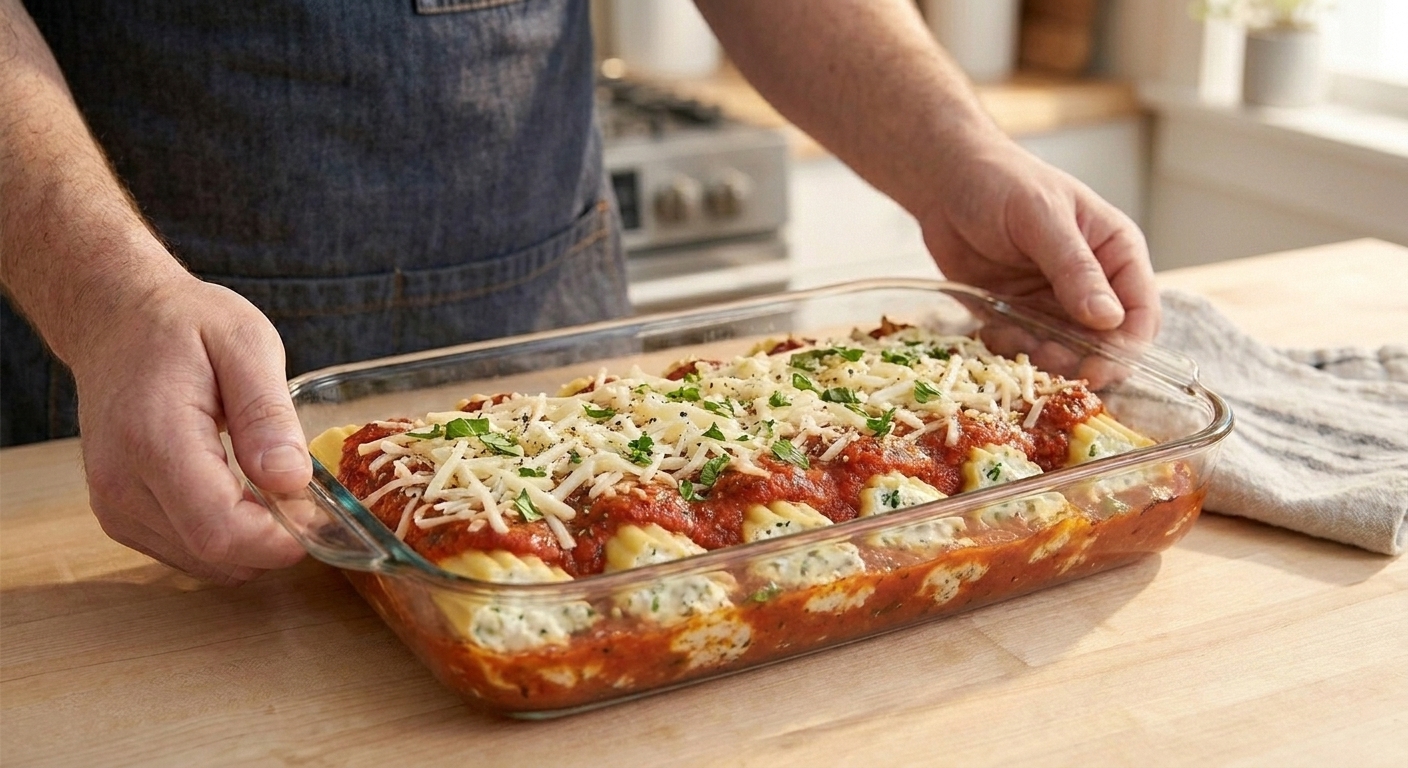
A glass baking dish filled with manicotti pasta tubes stuffed with ricotta filling, covered in marinara sauce and melted mozzarella, on a warm-lit kitchen counter

Manicotti is one of those comfort-food flexes that looks like you worked all day, even if you were mostly just listening to music and taste-testing cheese. The secret is the filling. Get that right and everything else becomes low drama: it pipes cleanly, stays creamy after baking, and gives you that big, cozy bite with pockets of melty mozzarella.

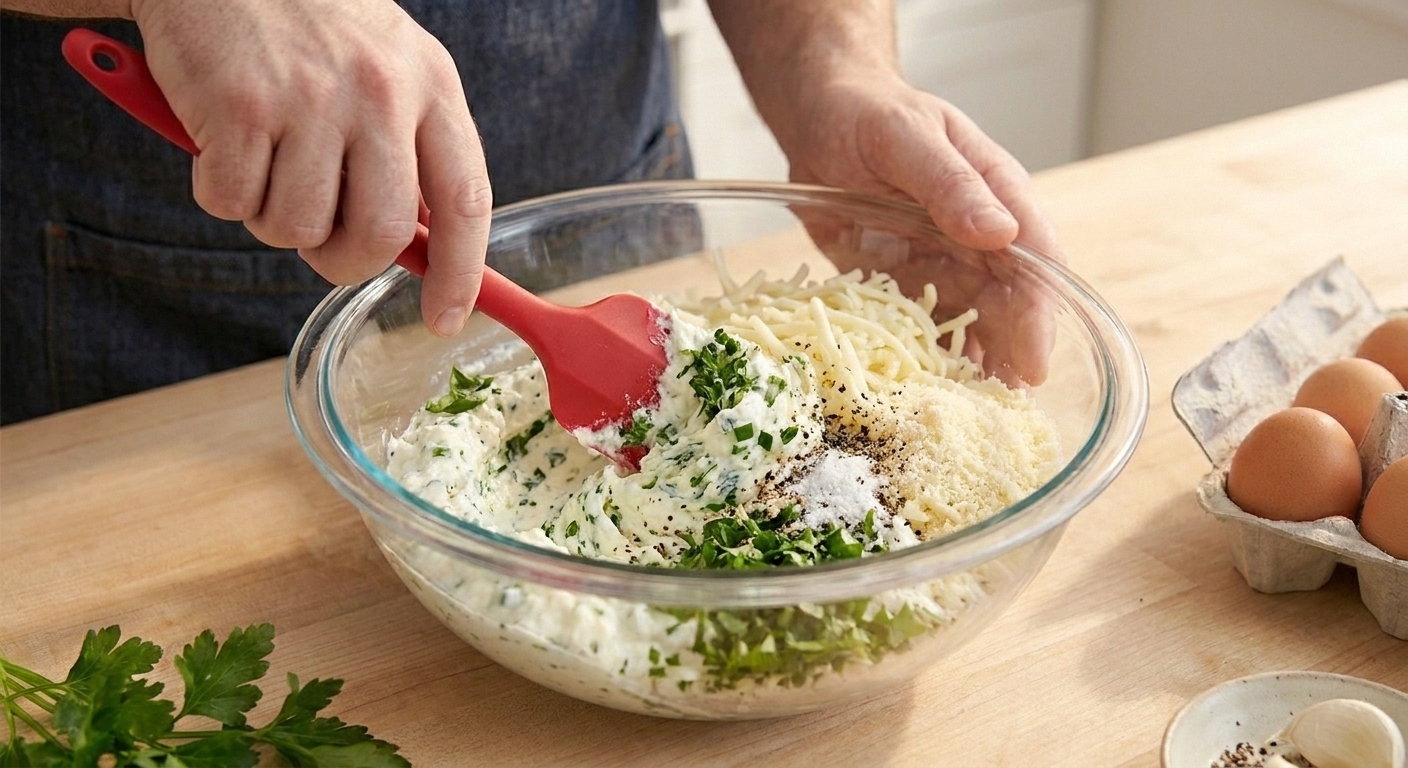
This is my go-to classic manicotti filling: ricotta-forward, boosted with Parmesan, balanced with herbs, and tightened up with egg so it holds its shape without turning dense. I will also show you how to adjust it if your ricotta is watery, how to add spinach or meat, and how to make it ahead so dinner feels suspiciously easy.

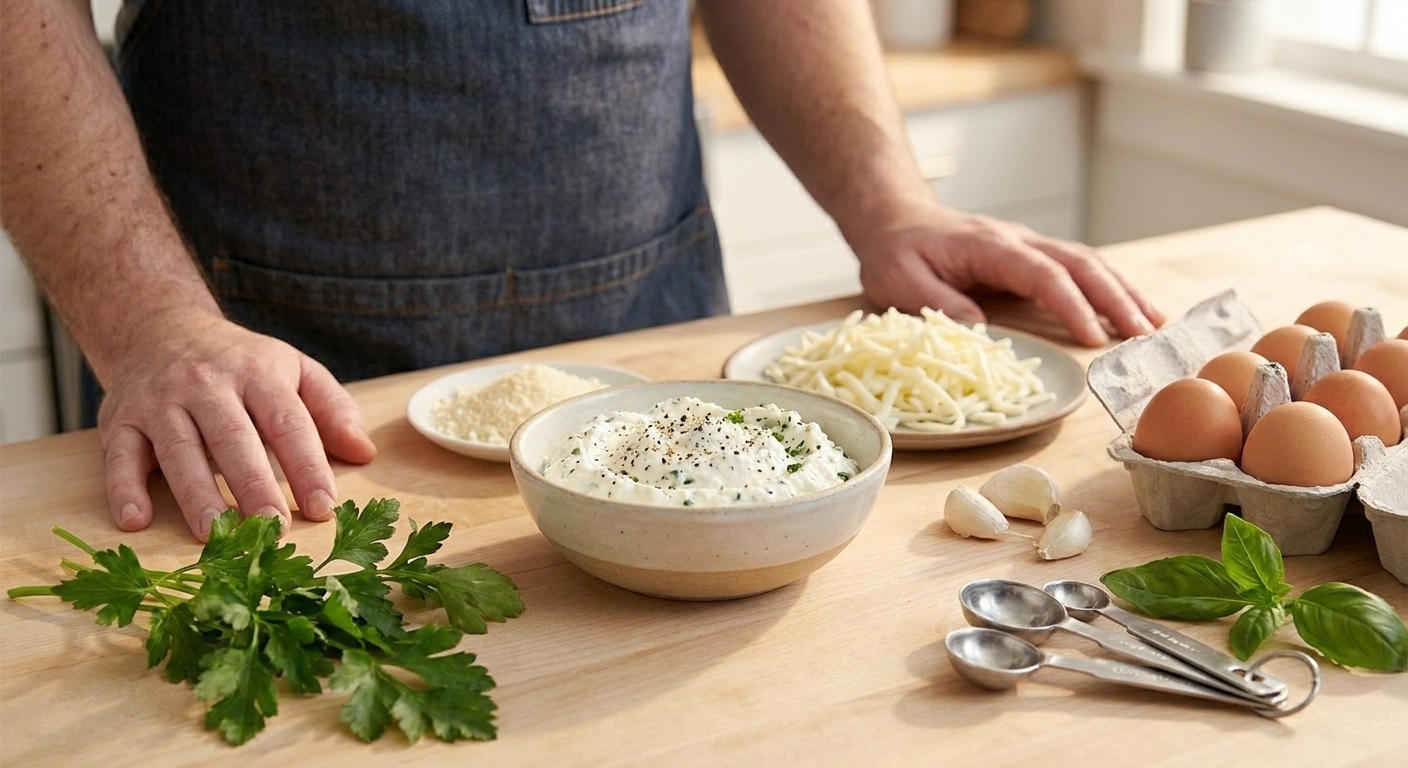
Ricotta, shredded mozzarella, grated Parmesan, eggs, garlic, parsley, and basil arranged on a kitchen counter with measuring spoons

Why It Works

  • Fluffy, not runny: Egg binds the cheese so it bakes up set and scoopable instead of slumping into the sauce.
  • Bright, savory flavor: Parmesan, garlic, and herbs give you that stop-mid-bite seasoning moment.
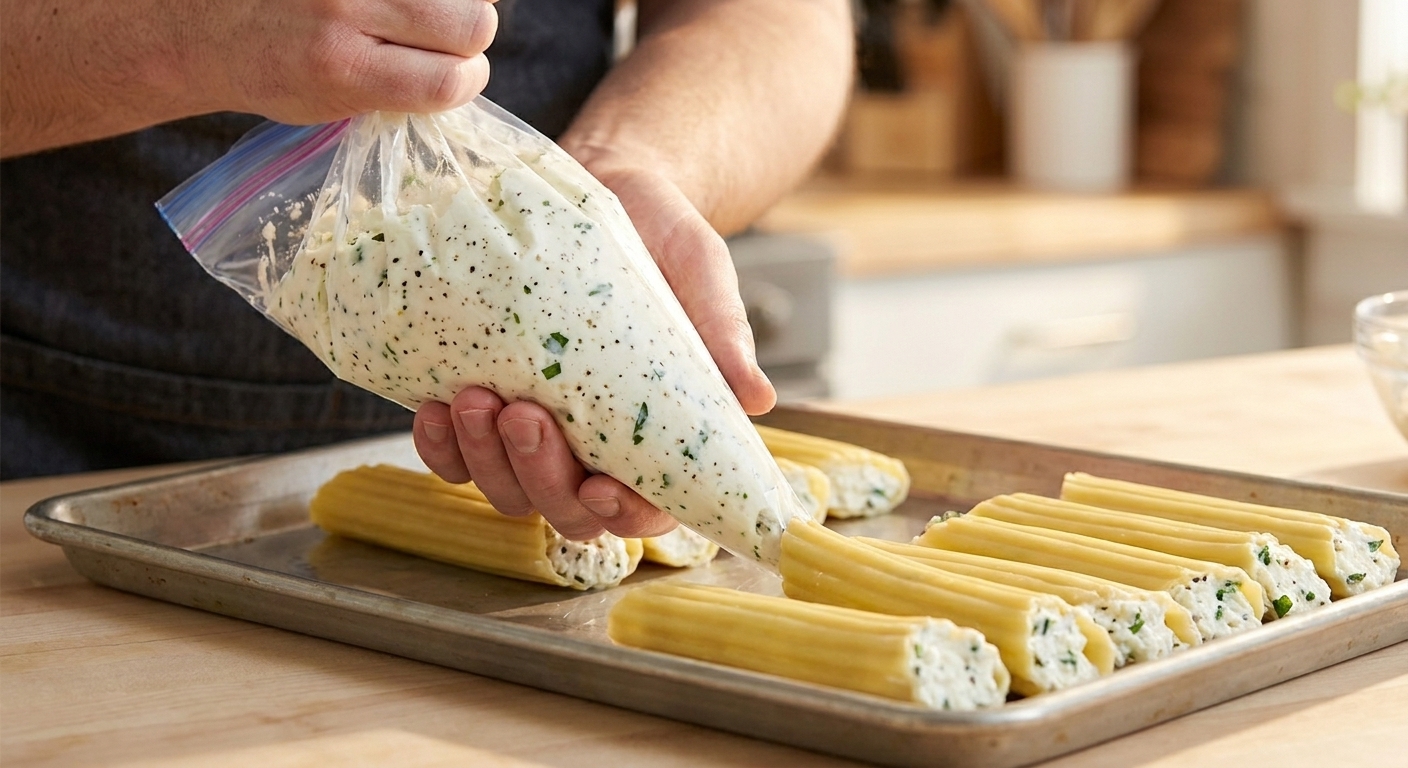
  • Pipes easily: The texture is thick enough to fill pasta tubes cleanly without fighting you.
  • Make-ahead friendly: Mix it in minutes, refrigerate overnight, or freeze portions for future you.

Pairs Well With

Storage Tips

How to Store Manicotti Filling

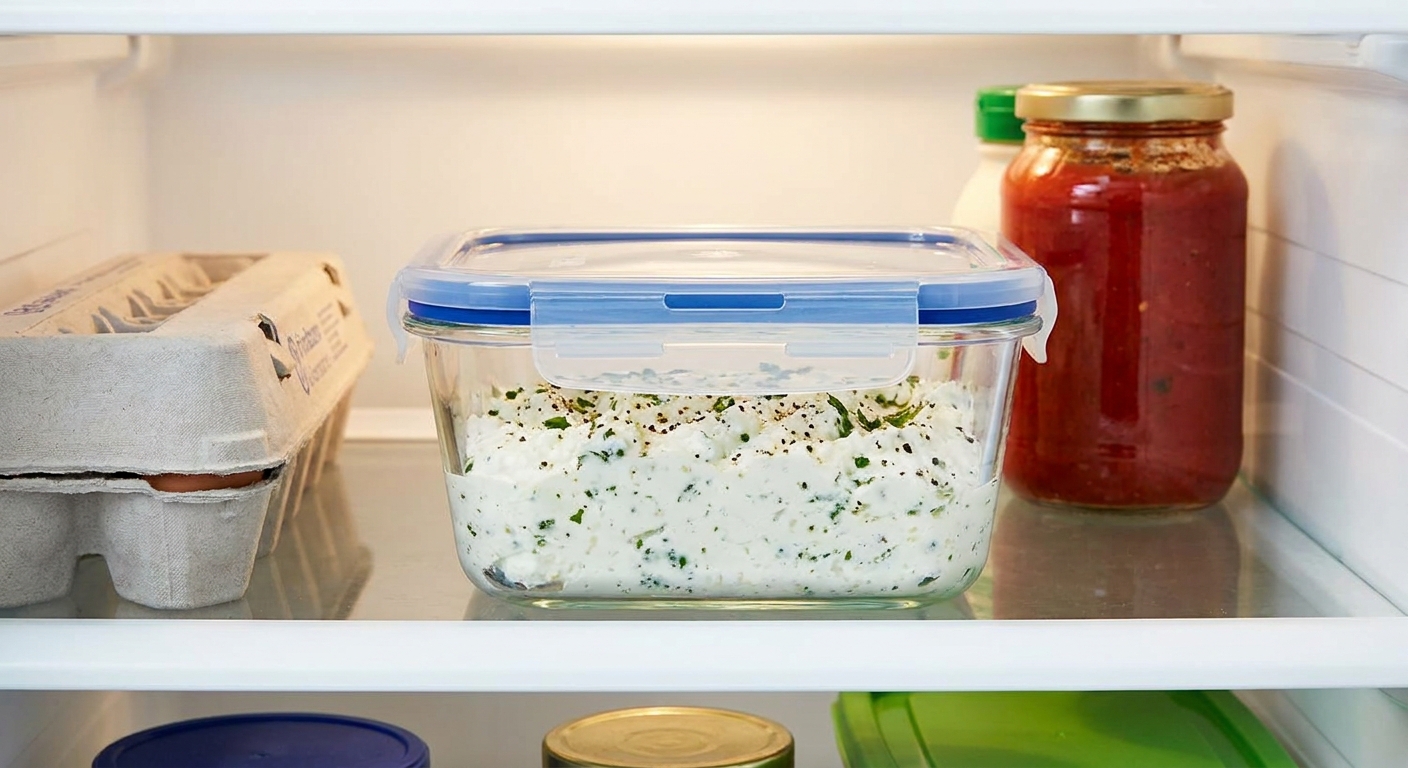
  • Refrigerator: Store filling in an airtight container. For best quality, use within 1 to 2 days. It can keep up to 3 days if it stays consistently cold. Press plastic wrap directly on the surface to prevent drying.
  • Freezer: Freeze in a zip-top bag (pressed flat) or container up to 2 months. Thaw overnight in the fridge.
  • After thawing: Give it a strong stir. If it looks a little wet, mix in 1 to 3 tablespoons grated Parmesan or a spoonful of breadcrumbs to tighten it back up.
  • Food safety note: Because this is dairy and egg based, keep it cold and do not leave it out longer than 2 hours total. When baking stuffed manicotti, cook until the center reaches 165°F.
A clear airtight container filled with ricotta manicotti filling, covered and sitting in a refrigerator

Common Questions

Common Questions

Do I need to drain ricotta for manicotti filling?

If your ricotta is creamy and thick, you can skip it. If it looks watery or leaves puddles in the container, drain it. Line a strainer with cheesecloth or paper towels, add ricotta, and let it drain 20 to 30 minutes in the fridge. This keeps your filling from turning loose and your manicotti from getting watery.

Why is my manicotti filling runny?

Usually it is wet ricotta or too much moisture sneaking in (like adding chopped spinach without squeezing it dry). Fix it by draining the ricotta next time, and for a quick save stir in extra Parmesan or 1 to 2 tablespoons plain breadcrumbs.

Can I make manicotti filling without egg?

Yes. The egg helps it set, but you can skip it if needed. Expect a softer filling. To help it hold, use well-drained ricotta and add an extra 2 to 4 tablespoons Parmesan.

What cheeses work besides ricotta?

Ricotta is classic, but you can swap in cottage cheese (blend it for a smoother texture) or do half ricotta, half mascarpone for a richer vibe. If you use cottage cheese, drain it first.

Can I add spinach or meat?

Absolutely. For spinach, thaw frozen chopped spinach and squeeze it very dry, then add 1 cup packed. For meat, stir in 1/2 to 3/4 cup cooked, crumbled Italian sausage or ground beef that has cooled.

Do I have to boil manicotti shells before stuffing?

It depends on the brand. Some manicotti tubes are meant to be stuffed uncooked and will soften as they bake in sauce, while others need to be boiled first. Follow the package directions for your shells. Either way, make sure the shells are cool enough to handle before filling.

How much filling do I need for a full pan of manicotti?

This recipe makes about 3 1/2 to 4 cups filling, which typically fills 10 to 12 standard manicotti tubes (depending on brand and how generously you stuff). If you drain very watery ricotta, you may end up a touch under that volume, and that is totally fine.

The first time I made manicotti on my own, I treated stuffing pasta tubes like a competitive sport. I used a spoon, I got ricotta on the counter, and I briefly considered calling it baked ziti and pretending it was intentional. Then I tried the zip-top bag trick, snipped the corner, and suddenly I felt like a calm, competent adult. This filling is the version I keep coming back to because it tastes like the red-sauce dinners I grew up loving, but it is also forgiving enough for real life kitchens and slightly chaotic home cooks.