Mom's Best Recipes
Recipe

World’s Best Lasagna

Rich, saucy, cheesy, and built for crisp edges and clean slices. A classic meat lasagna with a few smart tricks that make it taste restaurant-level at home.

Author By Matt Campbell
4.9
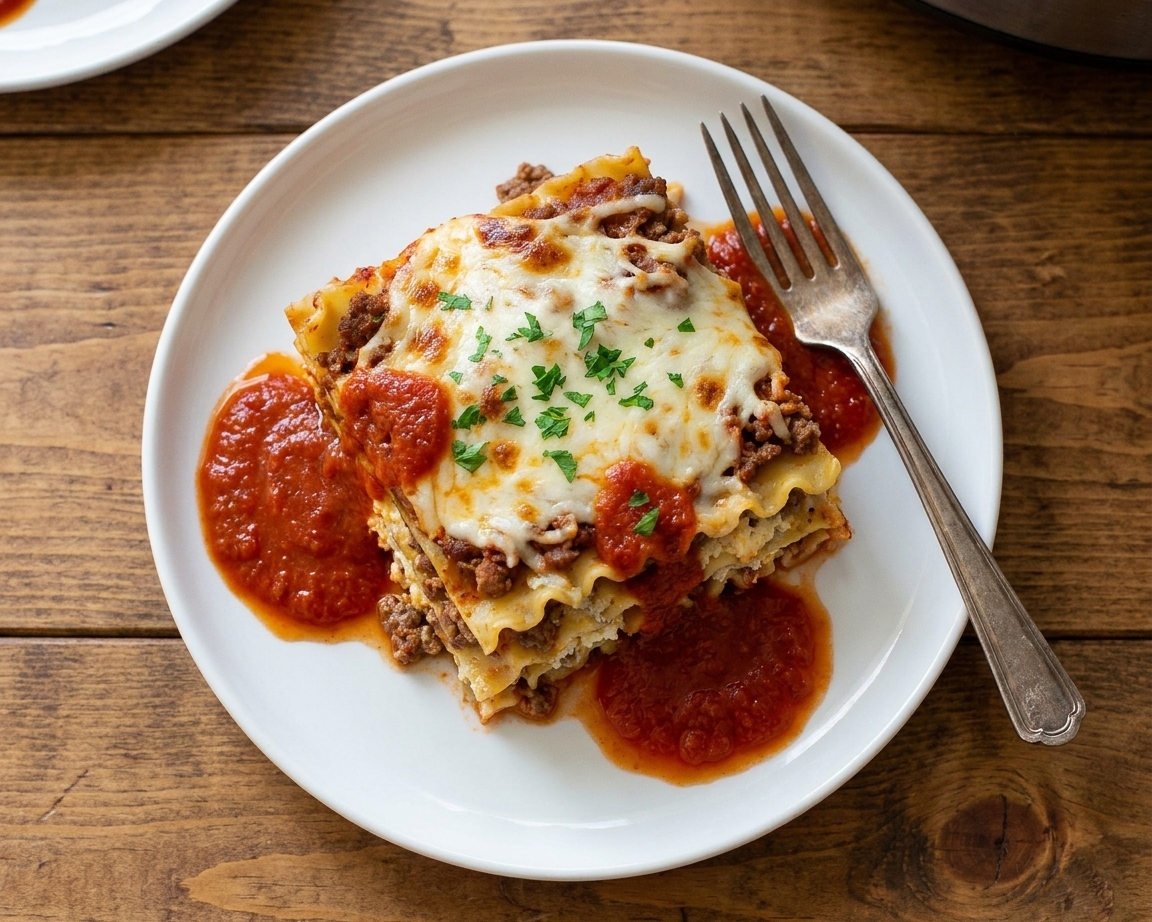
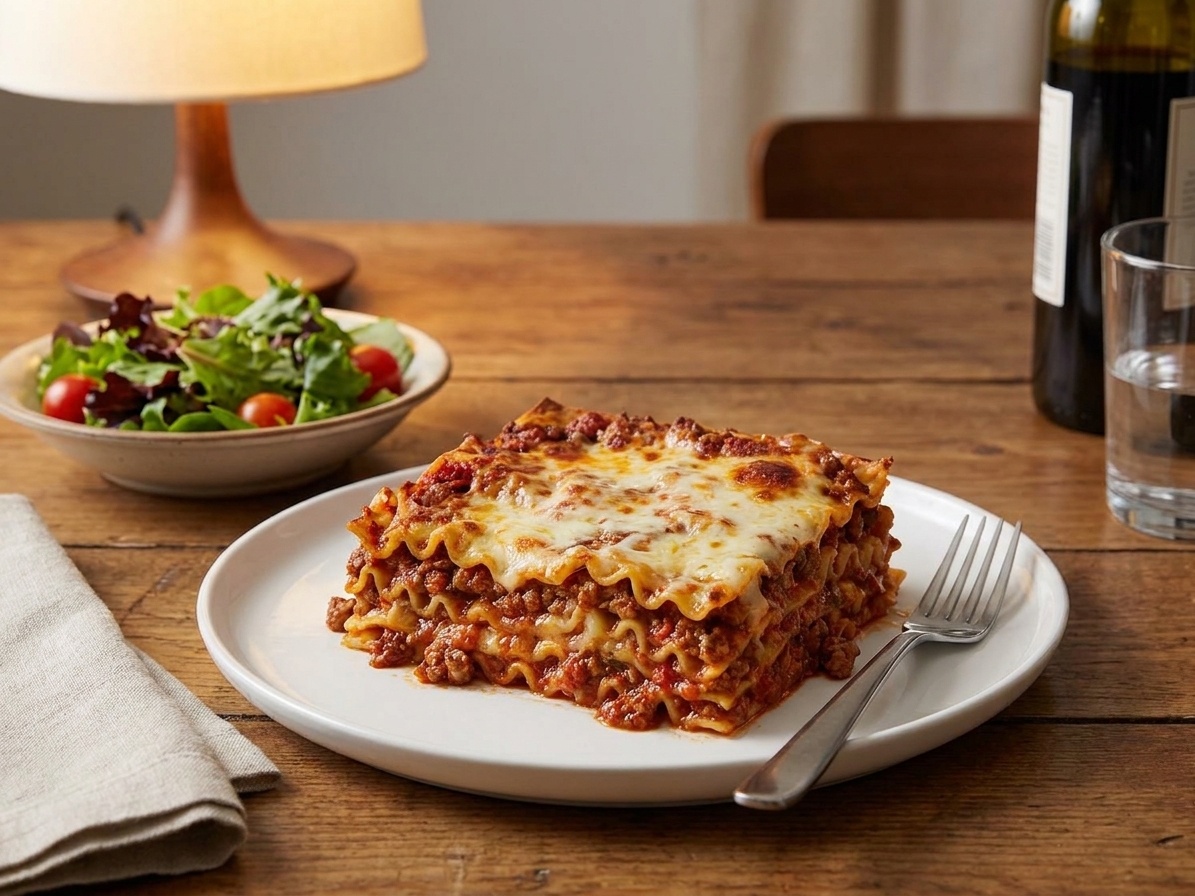
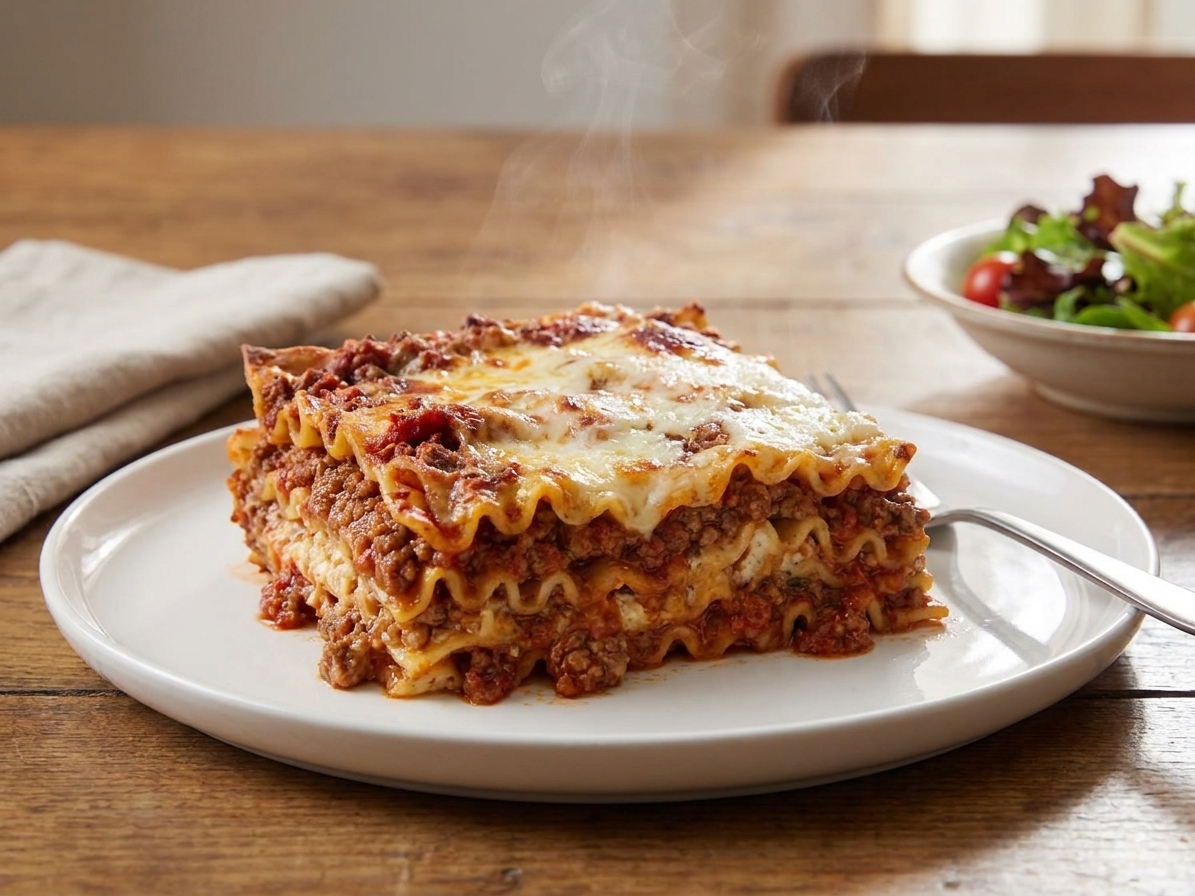
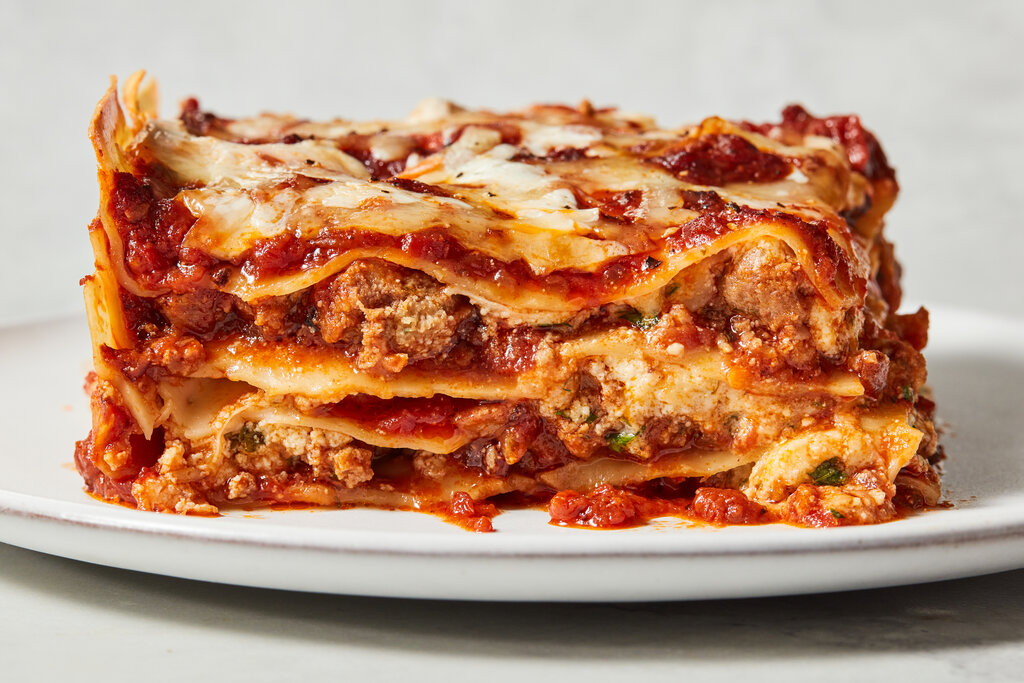
A thick slice of classic meat lasagna on a white plate with visible layers of red sauce, creamy ricotta, and melted mozzarella, set on a warm wood table with soft natural light

Everyone has a lasagna memory. Mine is the pan hitting the table like a mic drop, the cheese still bubbling, and somebody calling dibs on the corner piece before it even cools. This is that lasagna.

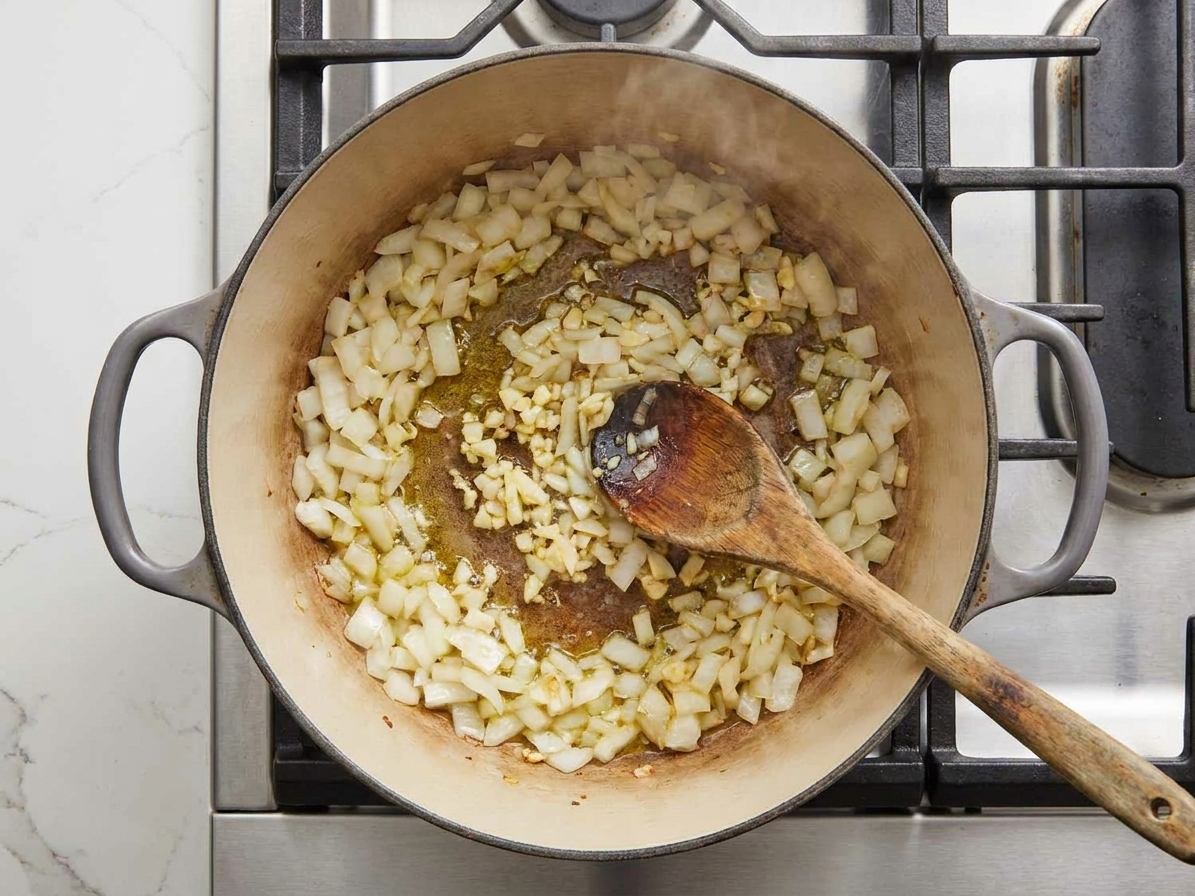
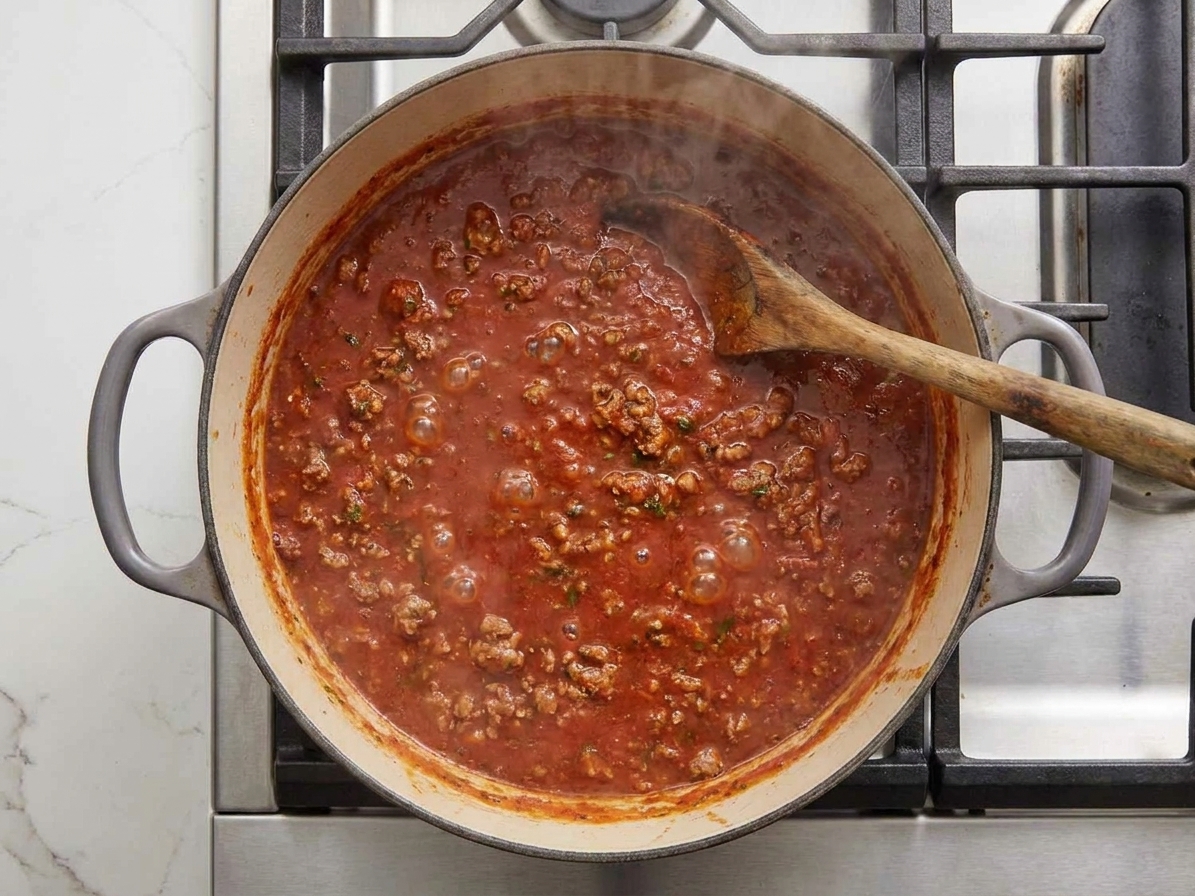
It’s built on a slow-simmered meat sauce that tastes like it’s been putting in real effort, a creamy ricotta layer that stays tender instead of grainy, and enough mozzarella to get that pull without turning into a rubber blanket. There are a few small moves here that change everything, like blooming tomato paste in the pan and resting the whole thing so it slices clean.

Is it the world’s best? I mean, that is a bold claim. Consider it a playful title and a serious promise: if you want bright sauce, cozy carbs, crisp edges, and a bite that makes you pause mid-chew and think, “Okay, wow,” you are in the right kitchen.
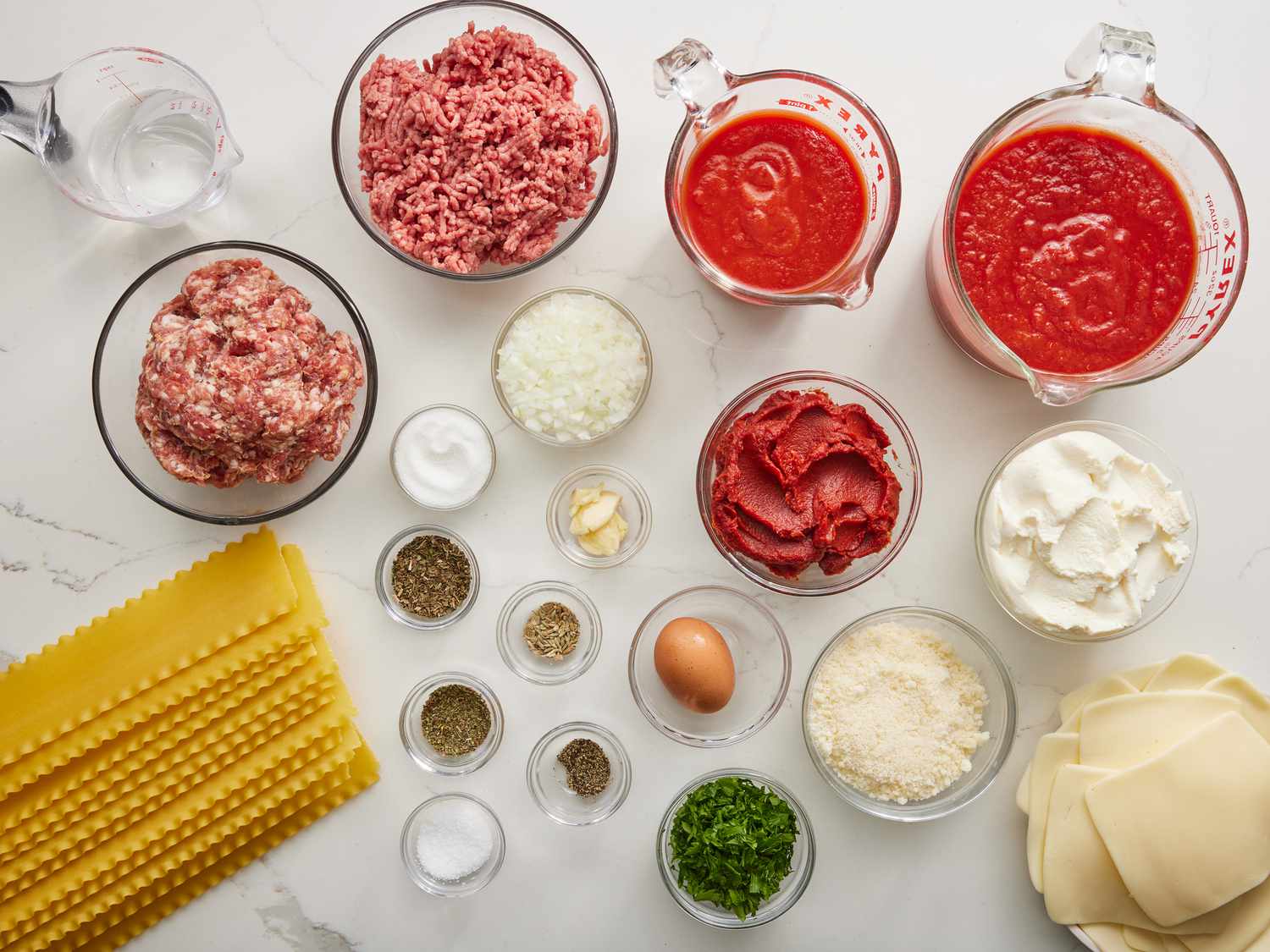
All lasagna ingredients arranged on a clean kitchen counter, including ground beef, Italian sausage, canned tomatoes, ricotta, mozzarella, Parmesan, lasagna noodles, onions, garlic, and herbs in small bowls

Why It Works

  • Big flavor without fussy ingredients: a classic red sauce boosted with tomato paste, garlic, and a little balsamic for balance.
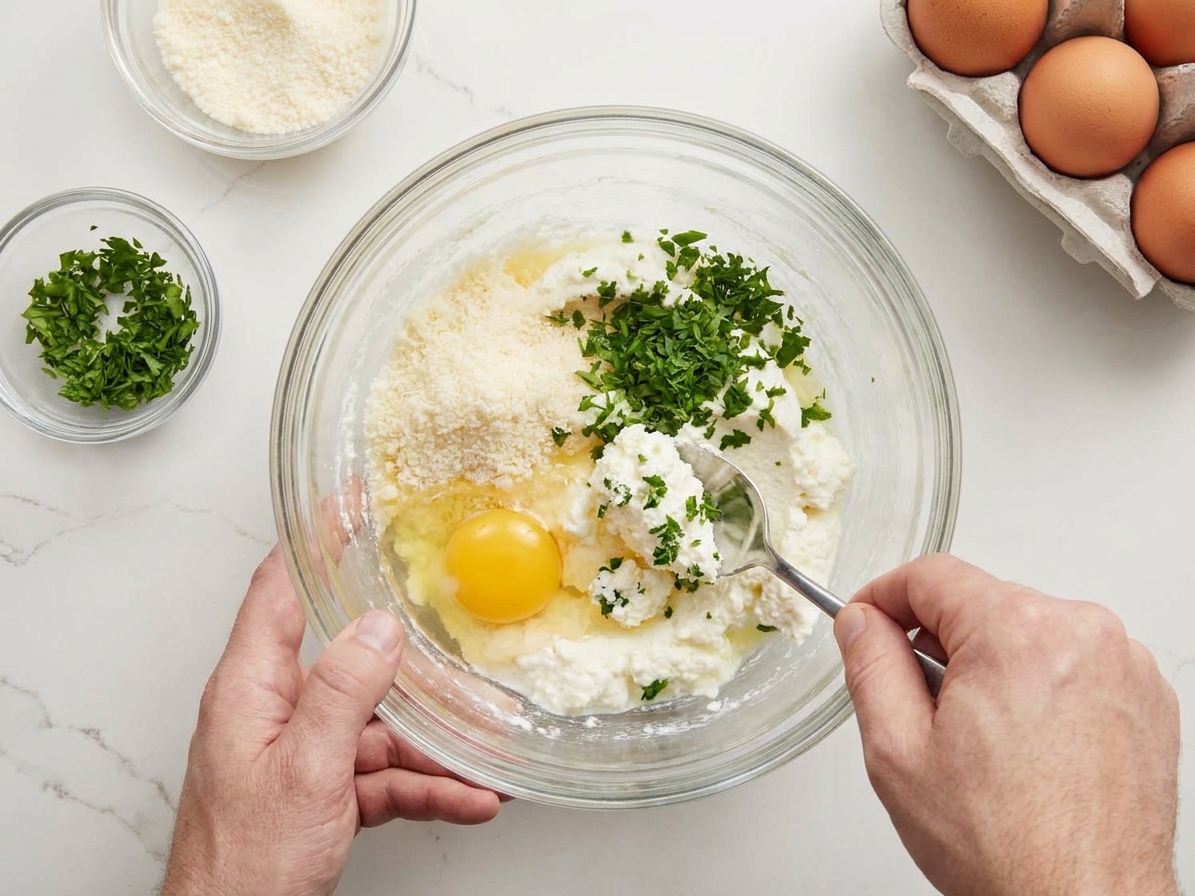
  • Moist, not watery layers: the ricotta mixture gets an egg for structure and the sauce simmers down so the lasagna sets up.
  • Perfect texture contrast: soft noodles, creamy cheese, and browned, bubbly top with those craveable crisp corners.
  • Make-ahead friendly: you can build it the night before, bake the next day, and it only gets better.

Pairs Well With

Storage Tips

Refrigerator: Cool leftovers completely, then cover the pan tightly or transfer slices to an airtight container. Refrigerate for up to 4 days.

Freezer: Wrap individual slices in foil, then place in a freezer bag. Freeze up to 3 months. For a whole pan, wrap in a double layer of foil and freeze.

Reheat: For best texture, reheat in a 350°F oven covered with foil until steaming hot (or 165°F in the center). Plan on about 20 to 30 minutes for chilled slices, longer for a larger portion or if still partly frozen. Microwave works in a pinch, but the oven brings back the crisp edges.

Pro tip: Add a spoonful of water or extra sauce before reheating, then cover. It keeps the noodles tender and prevents dry corners.

Common Questions

Do I have to boil the noodles?

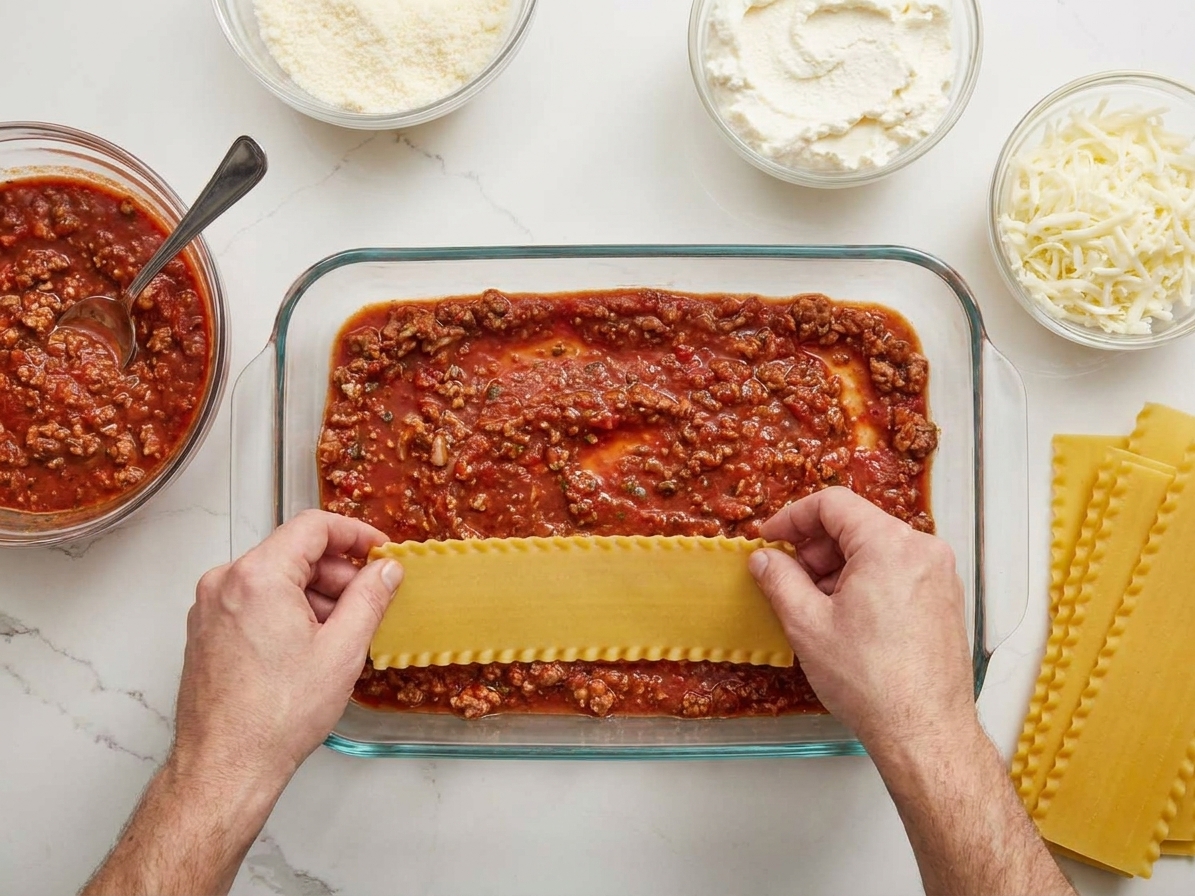
No. This recipe uses no-boil lasagna noodles. They cook perfectly as long as your sauce is not too thick. For no-boil success, the sauce should be spreadable and a little looser than chili. If your sauce reduces a lot, loosen it with a splash of water or broth so the noodles have enough moisture to hydrate.

Can I use regular lasagna noodles instead of no-boil?

Yes. Boil them until just shy of al dente, then drain and lay them on a lightly oiled sheet pan so they do not stick. Keep in mind they will finish cooking in the oven.

Why is my lasagna watery?

The usual culprits are under-reduced sauce, watery ricotta, or slicing too soon. Simmer the sauce until it looks thick and glossy, use whole-milk ricotta, and rest the lasagna 20 to 30 minutes before cutting. If your ricotta looks wet, strain it in a fine-mesh sieve or cheesecloth for 15 to 30 minutes before mixing.

How do I get clean slices?

Resting is everything. Let it sit, then cut with a sharp knife and use a spatula to lift. If you want extra-neat slices, chill leftovers and reheat. Cold lasagna cuts like a dream.

Can I make it ahead?

Absolutely. Assemble up to 24 hours ahead, cover, and refrigerate. Bake covered, adding about 10 to 15 minutes to the covered bake time since it is starting cold.

How do I know it is done?

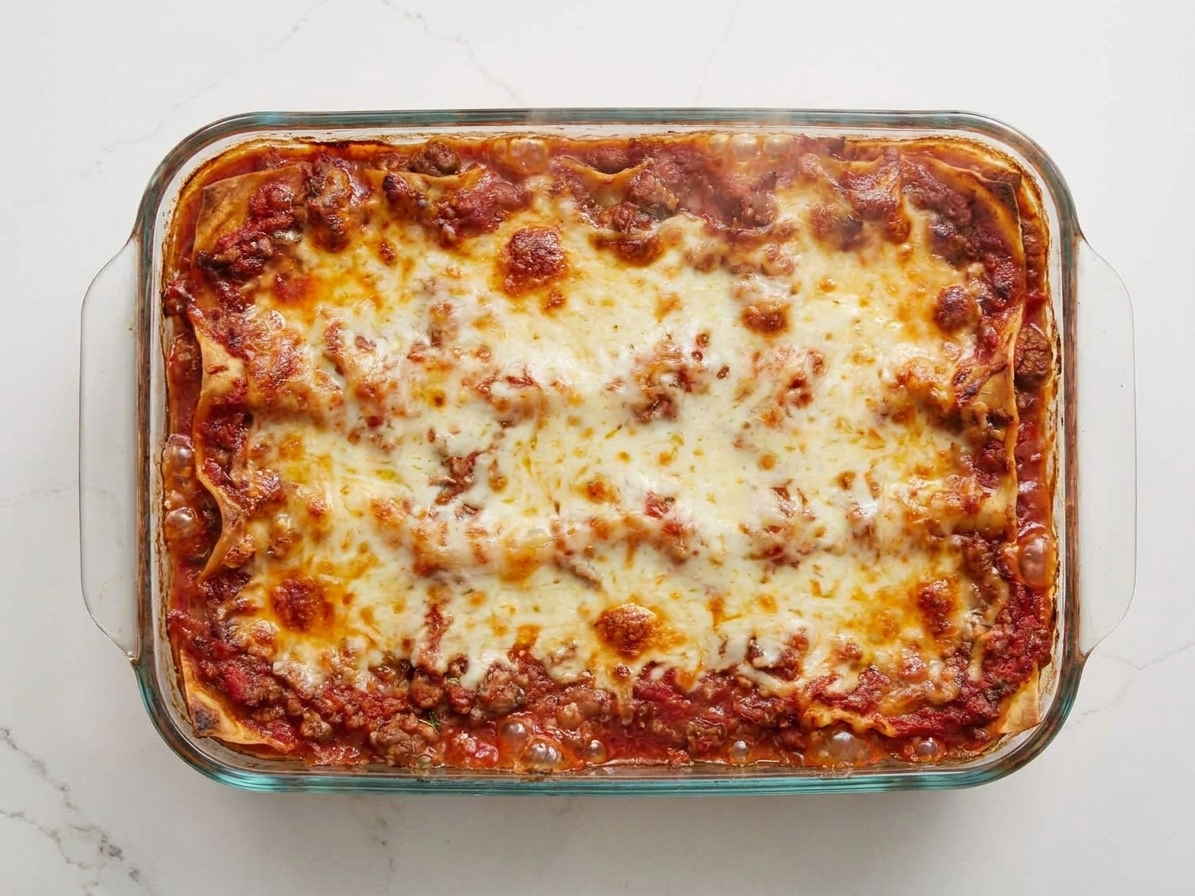
You want bubbling around the edges and a golden top. For extra certainty, the center should be 165°F and steaming hot.

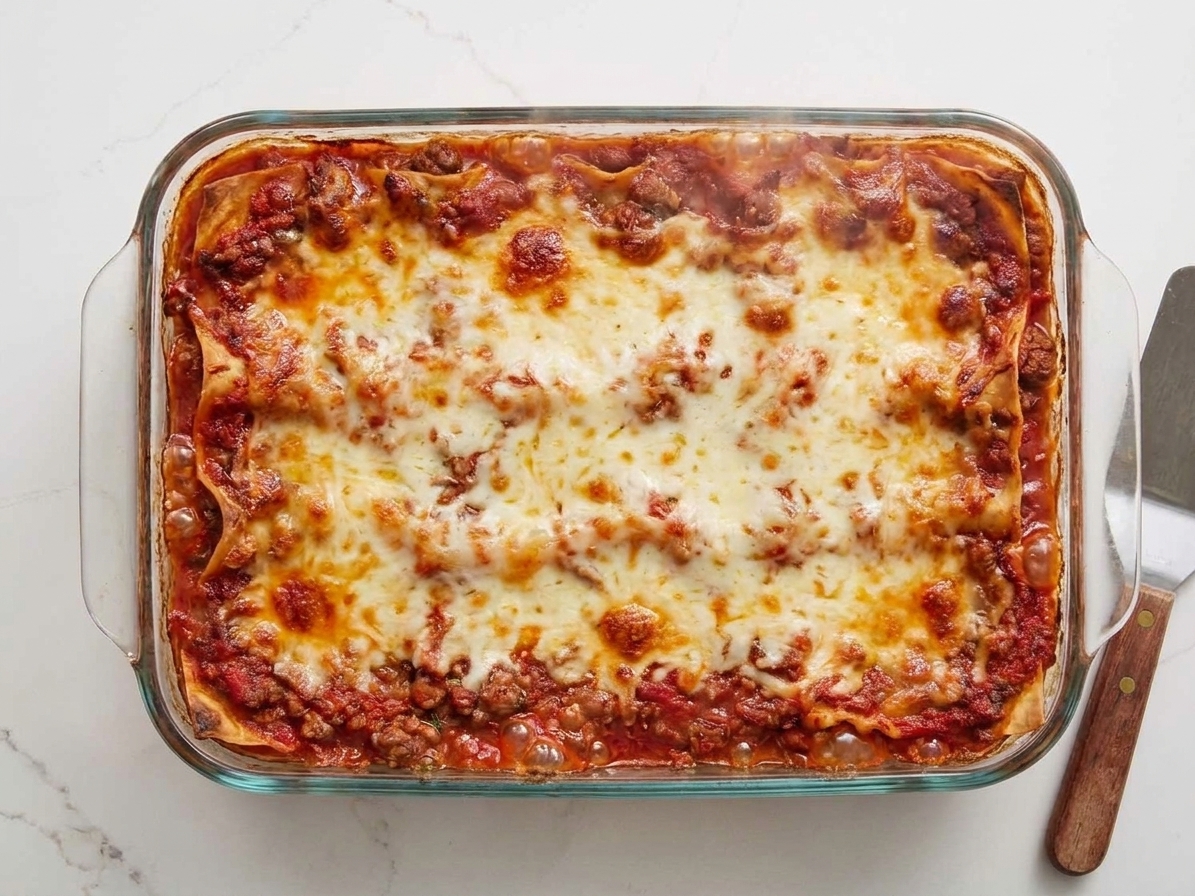
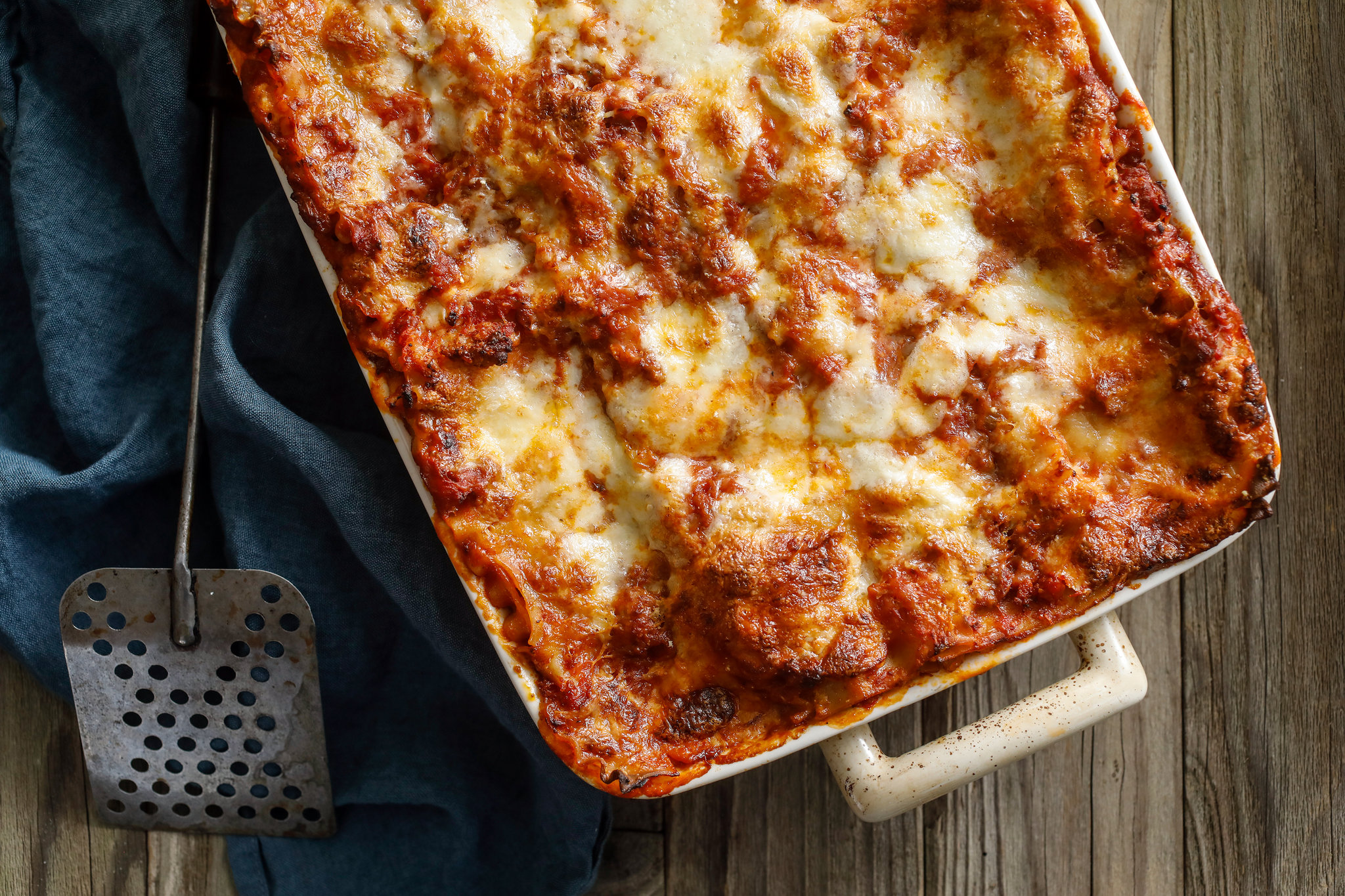
A freshly baked lasagna in a baking dish resting on a kitchen counter with slightly bubbled cheese on top and a serving spatula nearby

I used to think great lasagna was mostly about how much cheese you could stack before physics got involved. Then I started cooking professionally and learned the boring truth: it’s the sauce. When the sauce is right, everything else falls into place. Now I make this one when I want that “restaurant comfort” vibe at home, the kind where the kitchen smells like garlic and tomatoes and everybody keeps “just checking” the oven.