Common Questions
Does plum pudding actually contain plums?
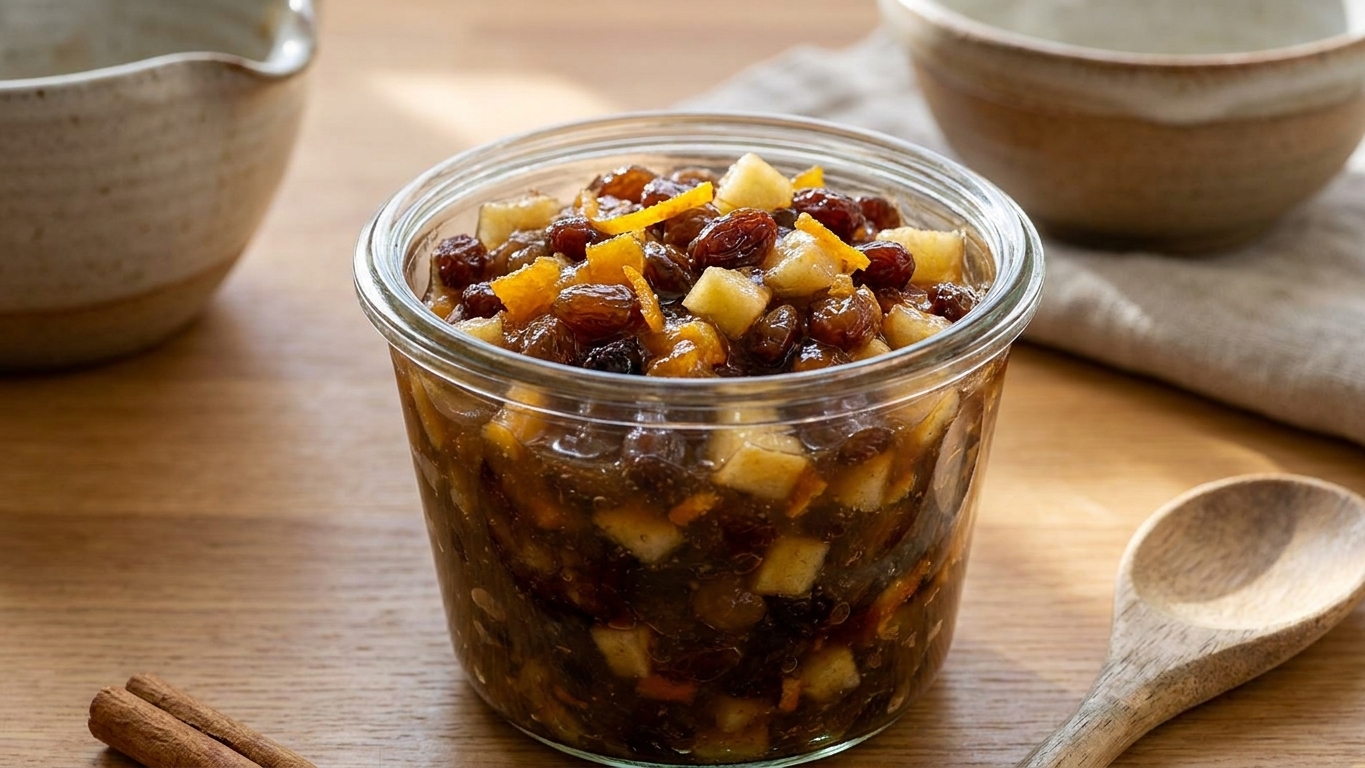
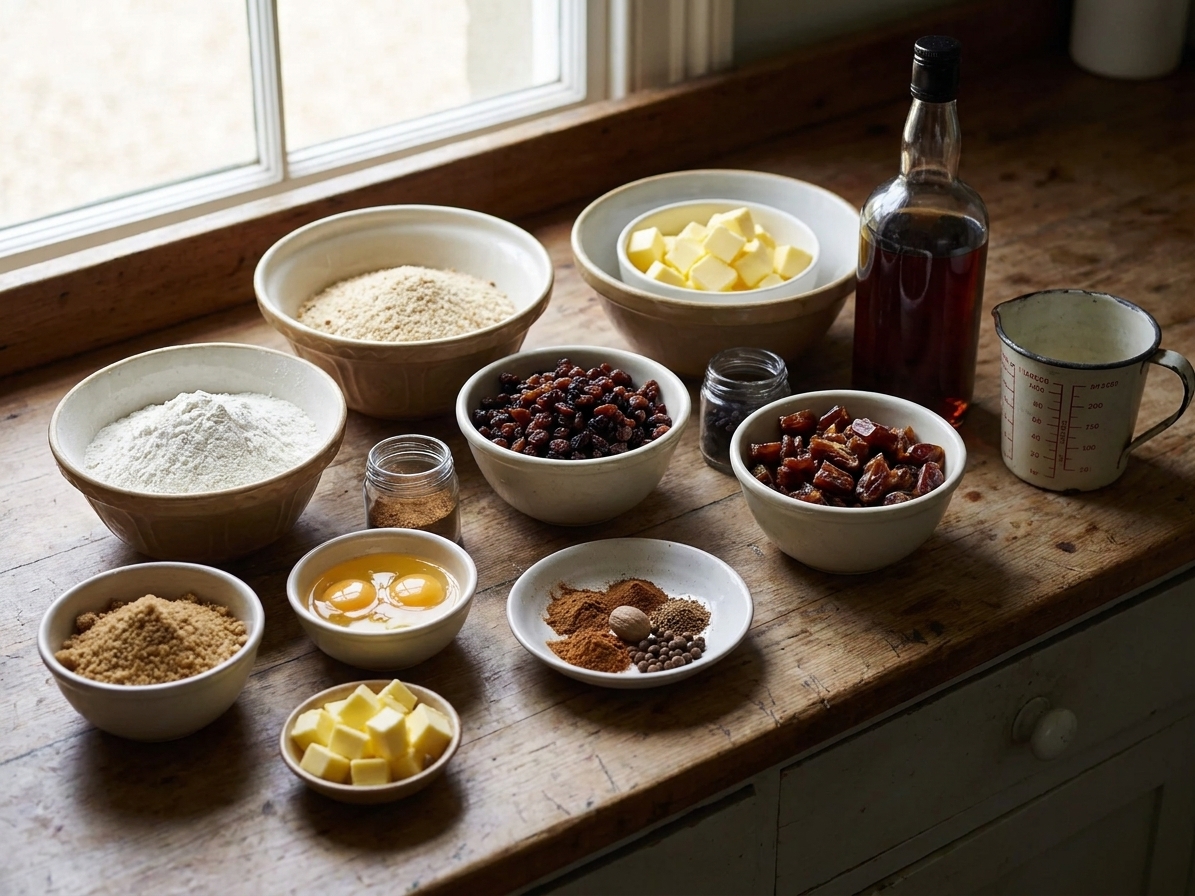
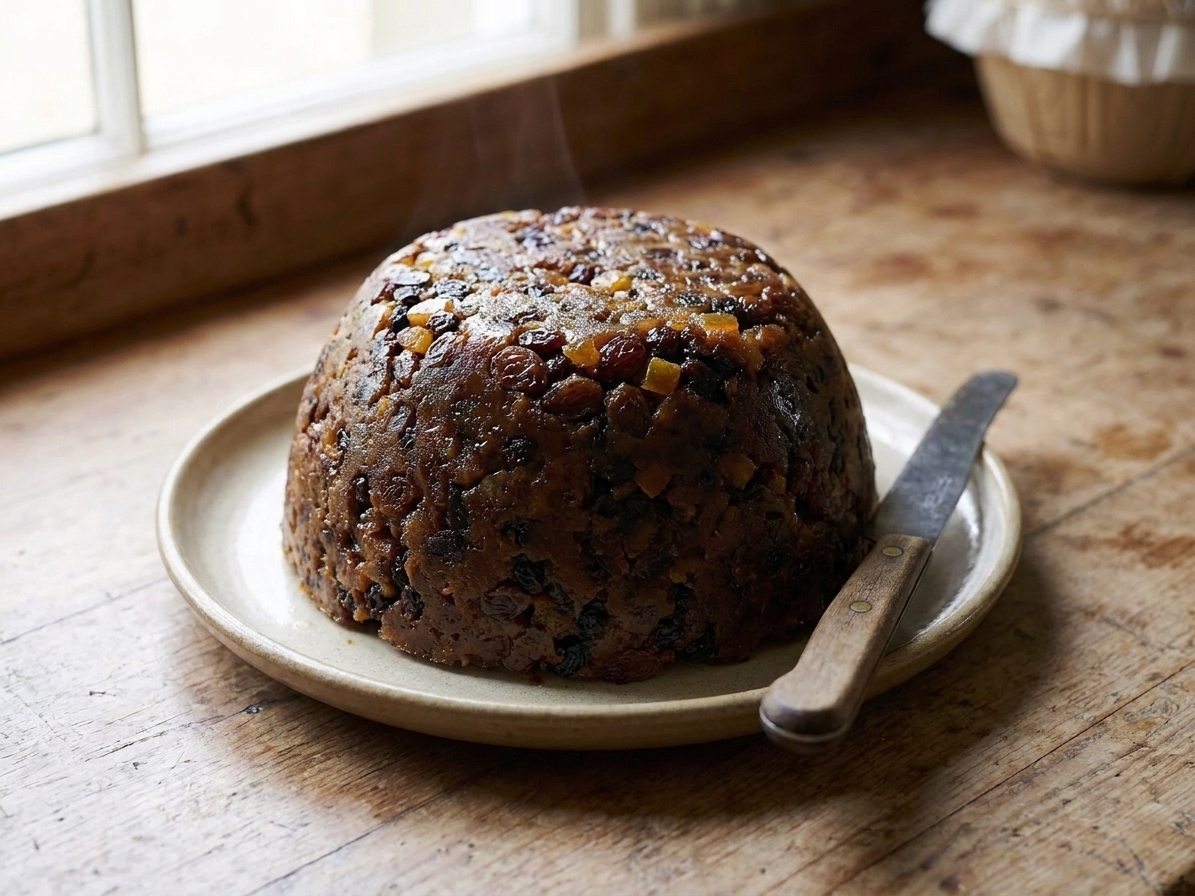
Usually, no. In many older British pudding recipes, the word plum often referred to raisins or other dried fruit, not fresh plums. Think “dried fruit pudding” and you will be right at home.
Do I have to use alcohol?
Nope. Swap the rum or brandy for apple juice or strong black tea. You still get plenty of flavor from the spices and molasses.
My pudding feels dense. Did I mess up?
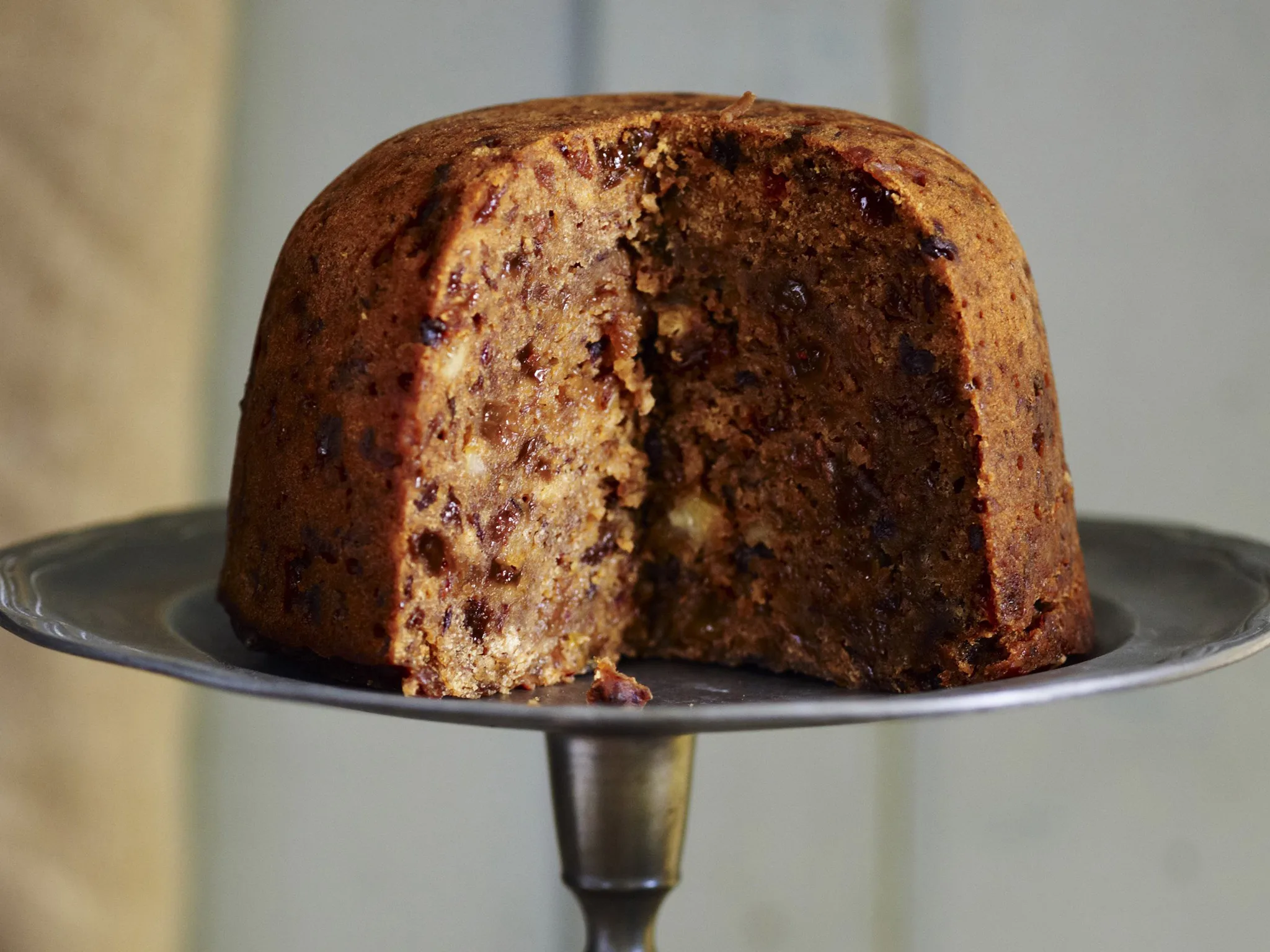
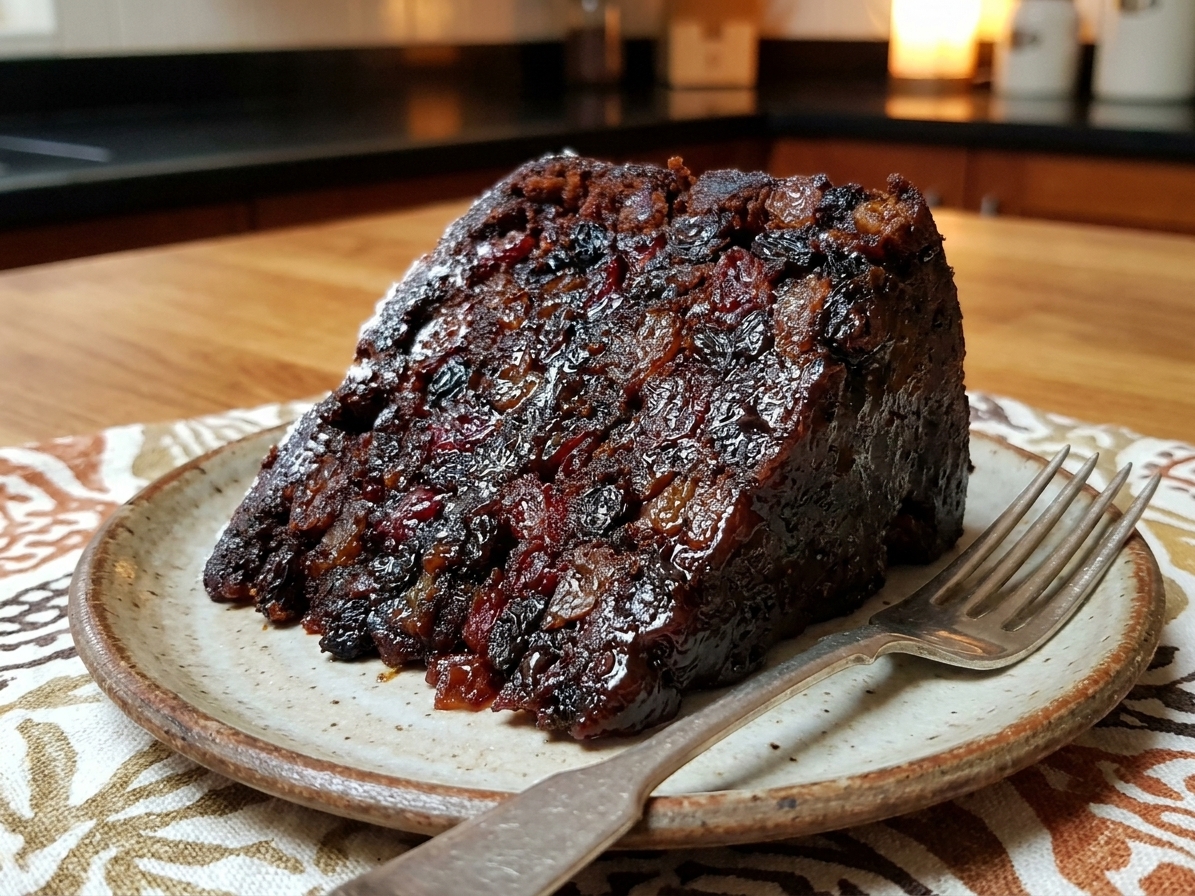
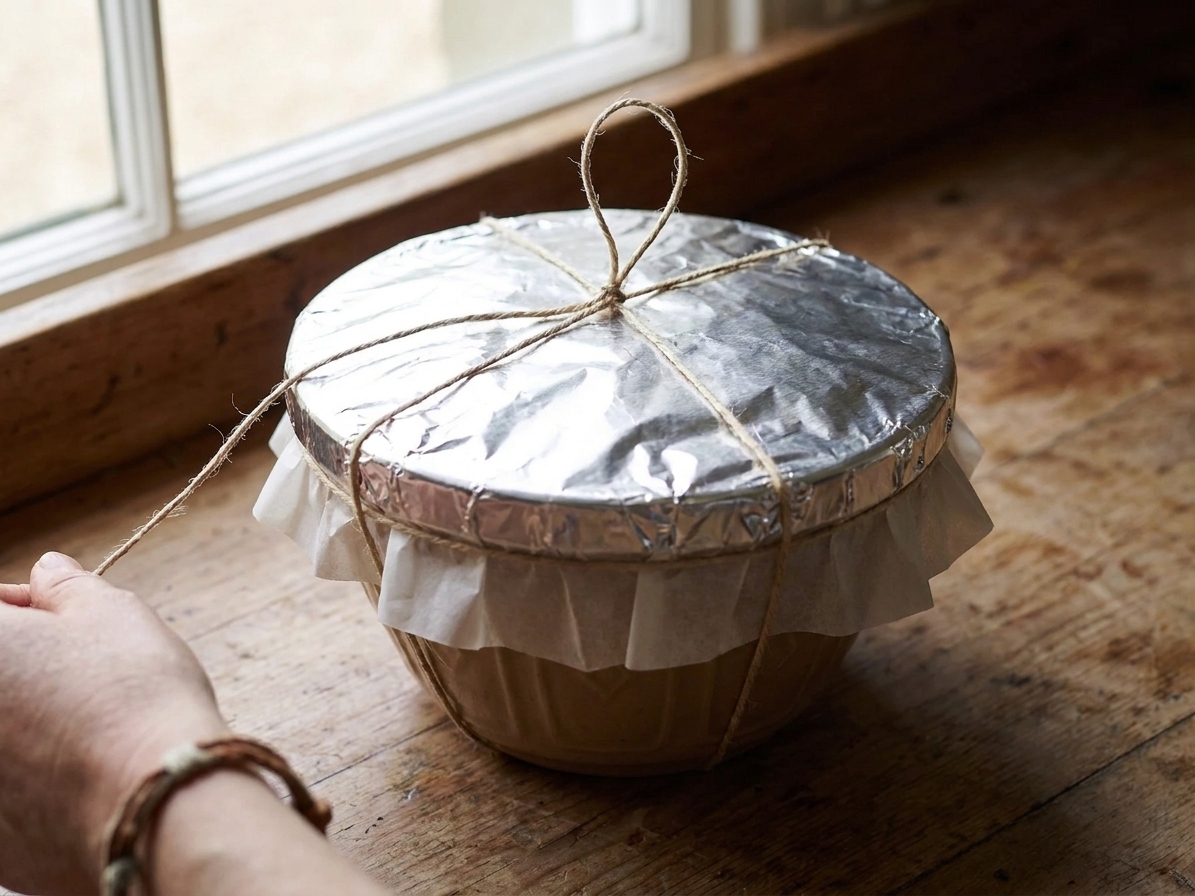
Dense is part of the deal, but it should still be tender and sliceable. If it feels heavy and gummy, it may have been under-steamed, or the pot may have been at too vigorous a boil. A hard boil can cook unevenly and also increase the chances of water sneaking under the foil and making the top soggy. Keep the water at a gentle simmer and steam until a tester comes out mostly clean.
Can I make it in advance?
Yes, and it actually improves. My tested sweet spot is up to 1 week ahead: cool completely, wrap well, refrigerate, then re-steam to serve. For food safety, reheat until it is steaming hot all the way through (an instant-read thermometer should read about 165°F in the center).
What do I serve with plum pudding?
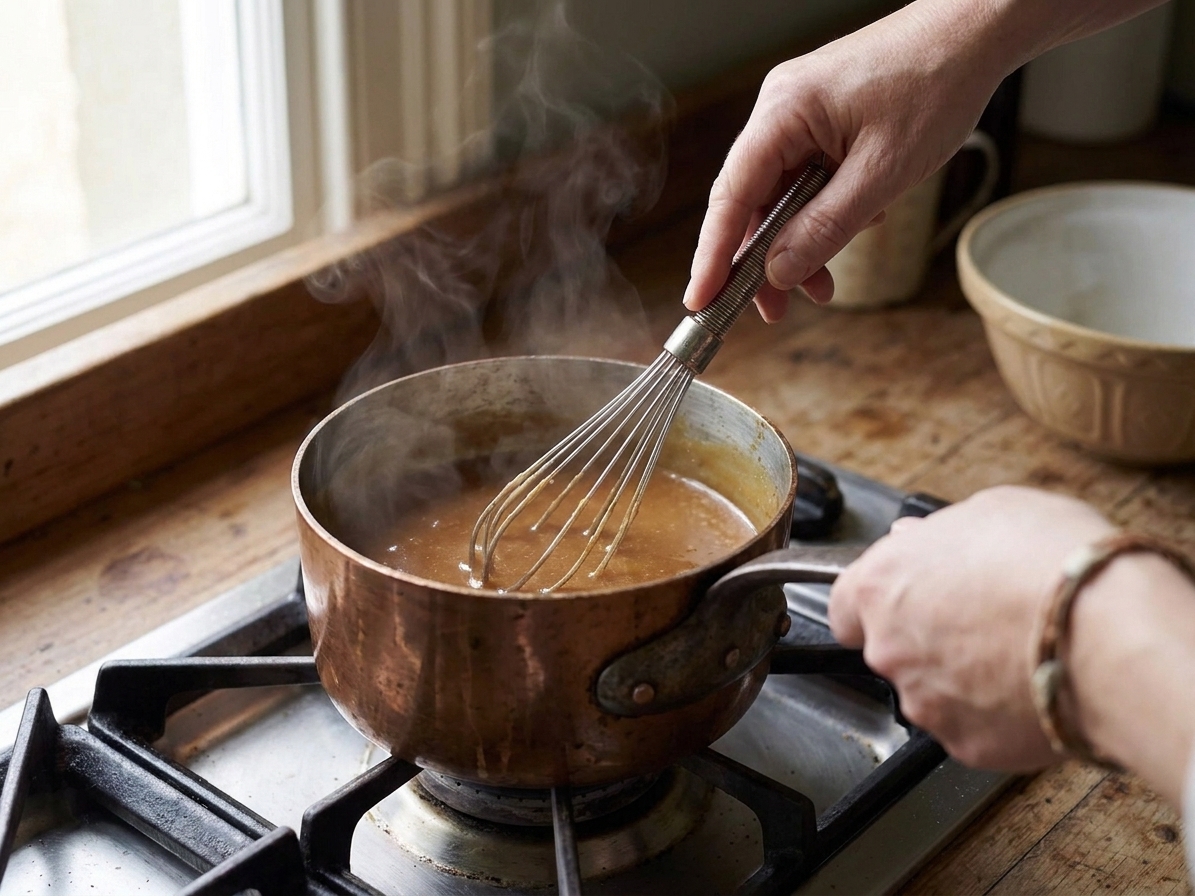
Brandy sauce is classic, but it is also great with vanilla custard, whipped cream, or a scoop of vanilla ice cream if you want hot and cold at the same time.
Can I change the fruit or skip the nuts?
Absolutely. Skip the nuts if you need to, or swap in chopped dried apricots, cherries, or extra dates. Just keep the total dried fruit amount roughly the same so the pudding still sets up properly.