Mom's Best Recipes
Recipe

Classic Scottish Shortbread

Buttery, lightly sweet, crisp-edged shortbread that bakes up sturdy enough to dunk and tender enough to melt.

Author By Matt Campbell
4.8
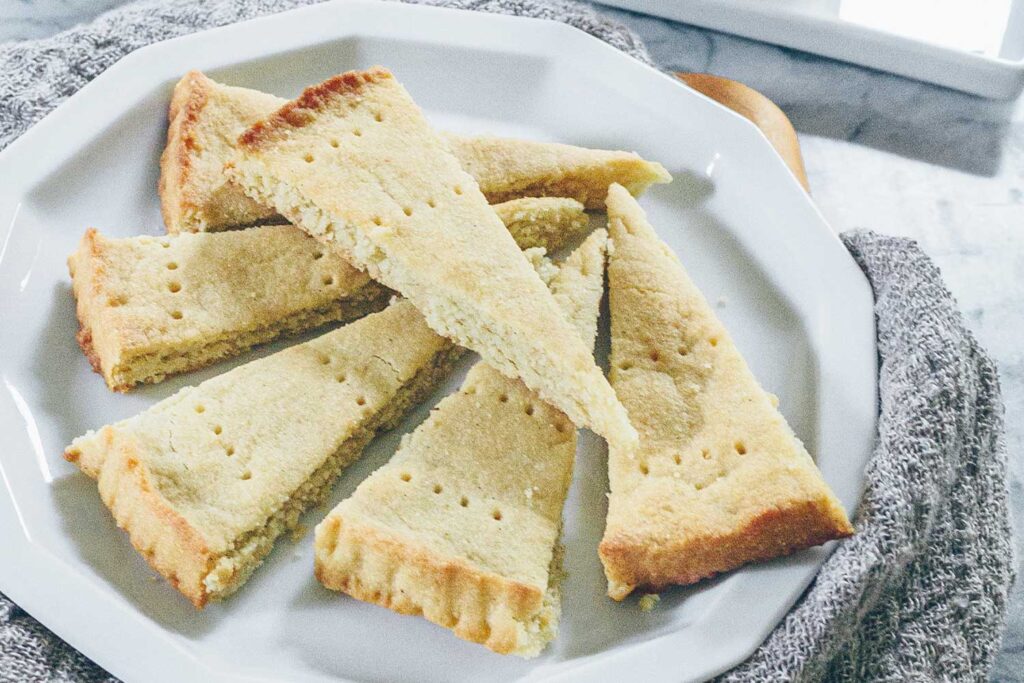
A plate of classic Scottish shortbread wedges with lightly golden edges on a linen napkin on a warm-toned kitchen table

Scottish shortbread is the kind of baking flex that doesn't look like a flex. No frosting, no sprinkles, no tricks. Just butter, sugar, flour, and a little salt, baked into something that tastes like a cozy blanket and a good decision.

When shortbread is great, it has crisp edges, a tender, sandy crumble, and a buttery aroma that makes you hover near the oven like a cartoon character. When it's not great, it's either dry and dusty or weirdly puffy and cakey. We're avoiding all of that today.

This recipe sticks to classic ratios, uses accessible ingredients, and leans on a few small moves that matter: softened butter (not melted), gentle mixing, and a quick chill so the cookies hold their shape and bake up clean.
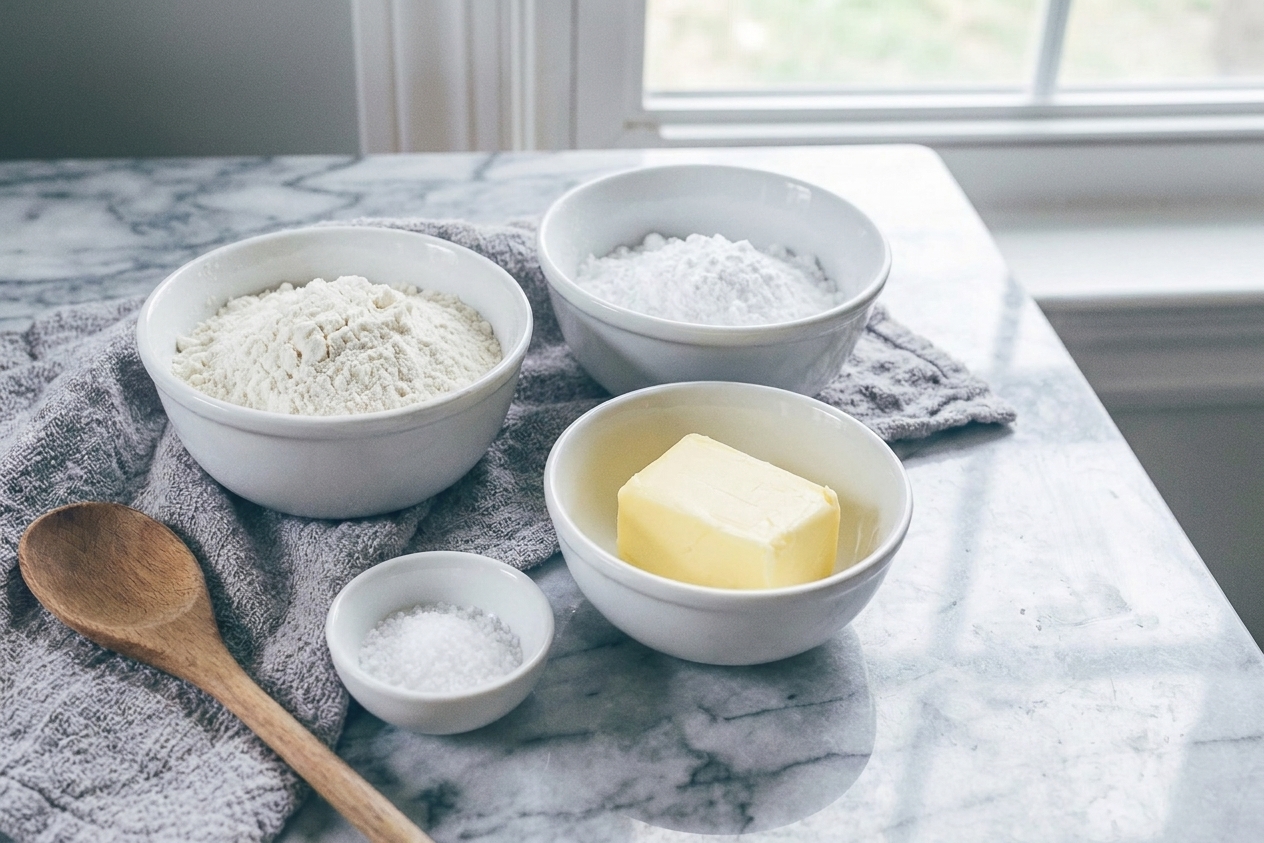
Butter, powdered sugar, flour, and salt measured in bowls on a light stone kitchen counter with a wooden spoon nearby

Why It Works

  • Buttery without being greasy: a brief cream of butter and sugar gives you tenderness while still keeping that classic shortbread snap.
  • Crisp edges, tender center: baking low and steady sets the crumb without browning too fast.
  • No spread, no stress: a short chill firms the dough so your wedges keep sharp lines.
  • Make-ahead friendly: the dough can be refrigerated, frozen, and baked when you need an "I totally planned this" treat.

Pairs Well With

Storage Tips

Room temperature: Store shortbread in an airtight container for up to 7 days. For best flavor and texture, it's at its peak in the first 3 to 5 days. If you like extra crispness, add parchment between layers to reduce moisture.

Freezer: Freeze baked shortbread in a freezer-safe container for up to 2 months. Thaw at room temperature, uncovered, for 30 to 60 minutes so the surface stays crisp.

Best make-ahead move: Freeze the shaped, unbaked dough (wrapped well). Bake from frozen, adding 2 to 5 minutes, and keep an eye on color.

Common Questions

Is Scottish shortbread the same as sugar cookies?

Not really. Shortbread is more tender and crumbly, with a higher butter-to-flour vibe and usually no eggs or leavening. Sugar cookies are typically sweeter, firmer, and more structured.

Why powdered sugar instead of granulated?

Powdered sugar dissolves fast and bakes up with a finer, more melt-in-your-mouth crumb. You can use granulated in a pinch, but the texture is a little more crisp and less tender.

Do I have to chill the dough?

You don't have to, but chilling helps the shortbread hold clean edges and keeps it from slumping. If your kitchen's warm, chilling is the difference between nice wedges and butter puddle vibes.

How do I know when it's done if it shouldn't get dark?

Look for dry-looking tops, edges that are just barely golden, and a cookie that feels set when you gently tap the surface. Shortbread keeps firming up as it cools.

Can I add flavors without ruining the classic texture?

Yes. Keep additions dry and minimal. Try lemon zest, orange zest, a pinch of ground cardamom, or a little vanilla. If you add chocolate or nuts, chop them finely so the cookies still slice cleanly.

Why did my shortbread turn out dry, greasy, or tough?

Dry and crumbly: usually too much flour (scooped too heavily) or a bit of overbaking. Weighing flour helps, and pull it when the top looks set, not browned. Greasy or spread out: butter was too warm or the dough wasn't chilled. Tough: the dough got overmixed after the flour went in, so it built extra gluten.

I love shortbread because it feels like the opposite of fussy baking. It's just butter doing butter things, flour doing flour things, and you trying not to overthink it. The first time I made it, I got impatient and used butter that was basically halfway melted. The flavor was still great, but the shape was, how do I put this, emotionally unstable.

Now I do it the calm way. Softened butter, a quick chill, and I cut the wedges while it's warm so the edges stay neat. Then I pretend I made them for "guests," when really I made them for tea and drive-by snacking.