Mom's Best Recipes
Recipe

Classic South Indian Sambar

Tangy, lentil-rich South Indian stew with vegetables, tamarind, and a toasted spice blend. Cozy enough for rice, bright enough for seconds.

Author By Matt Campbell
4.8
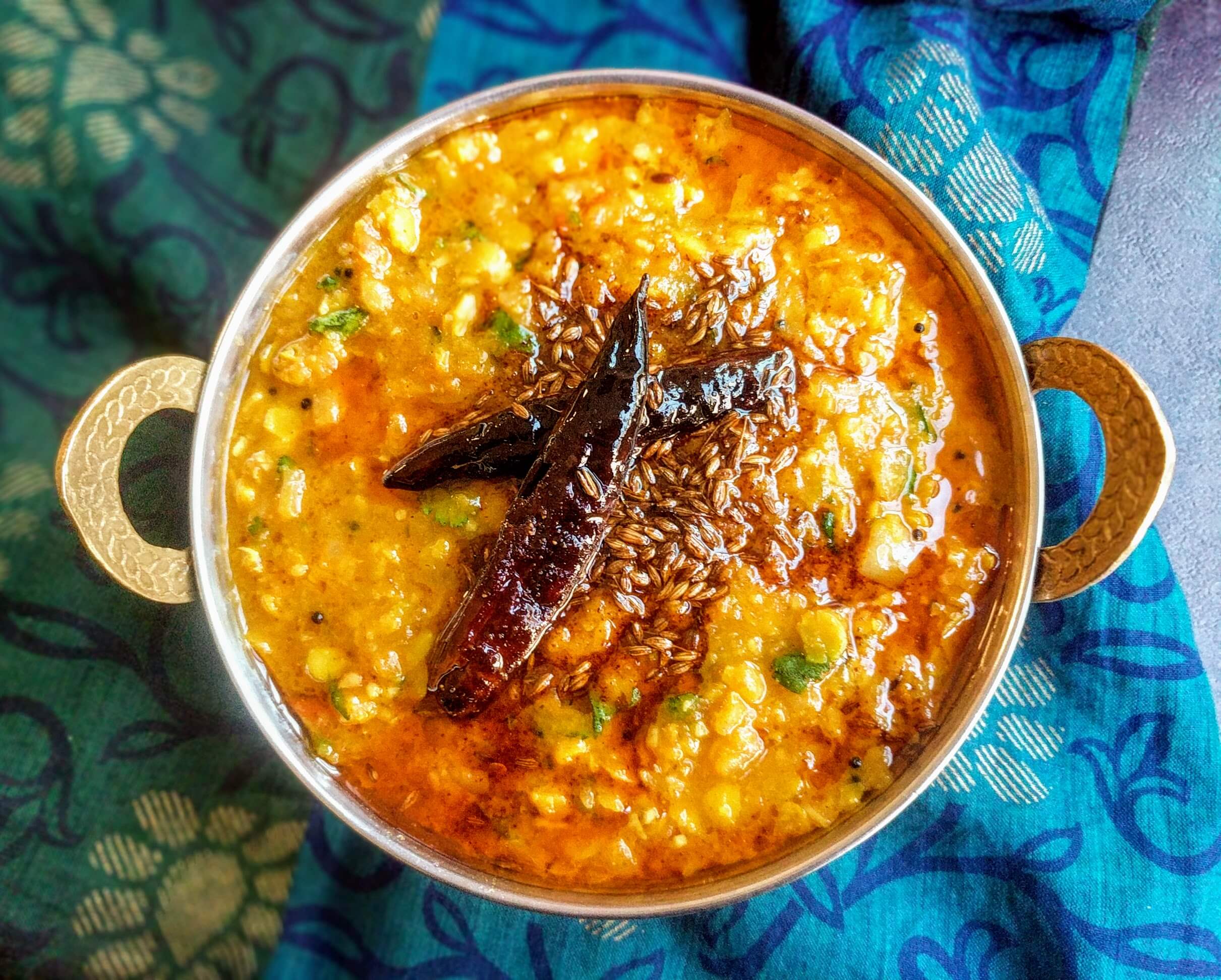
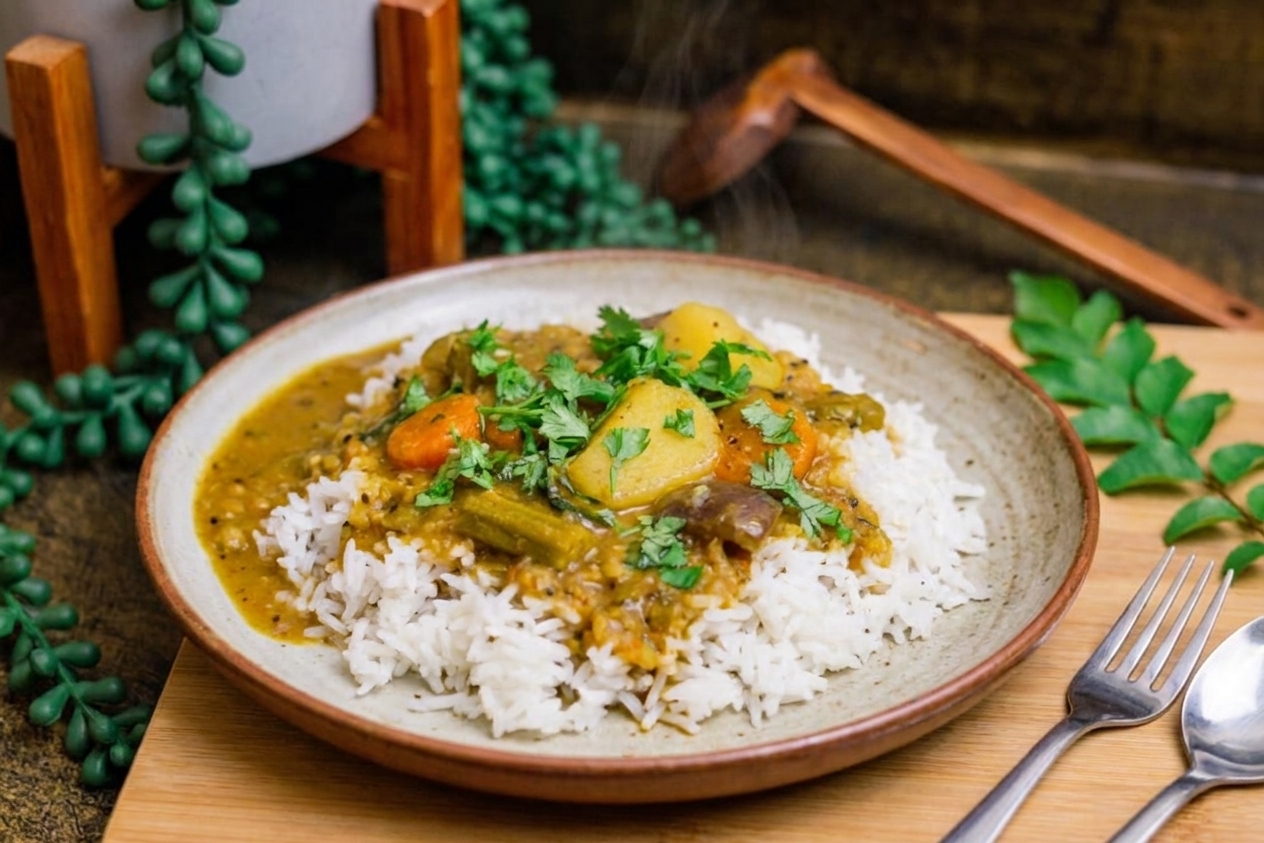
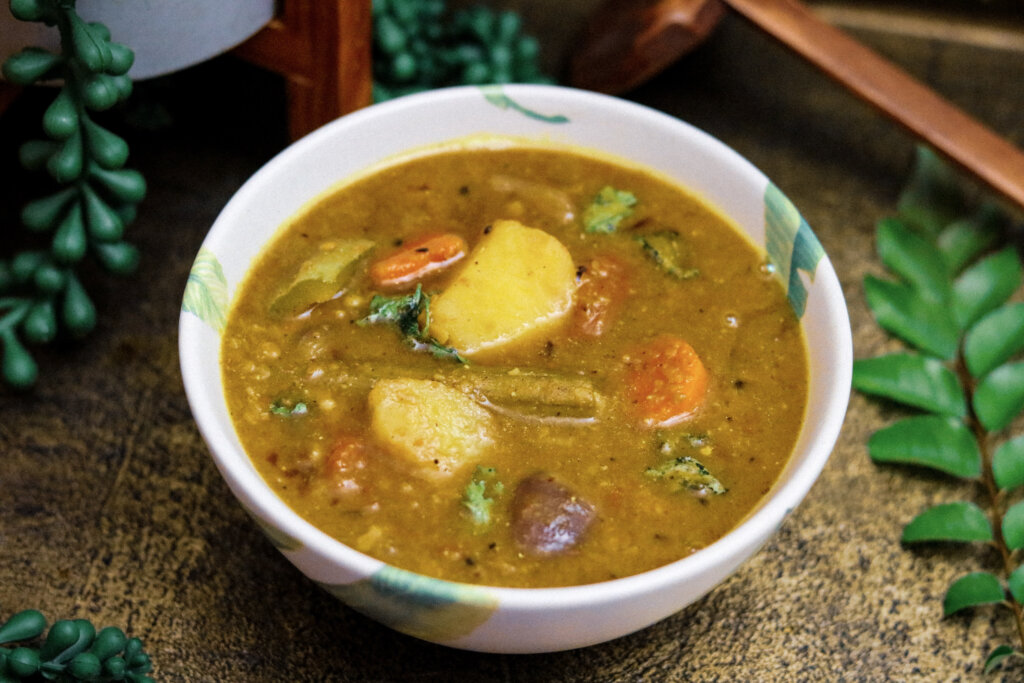
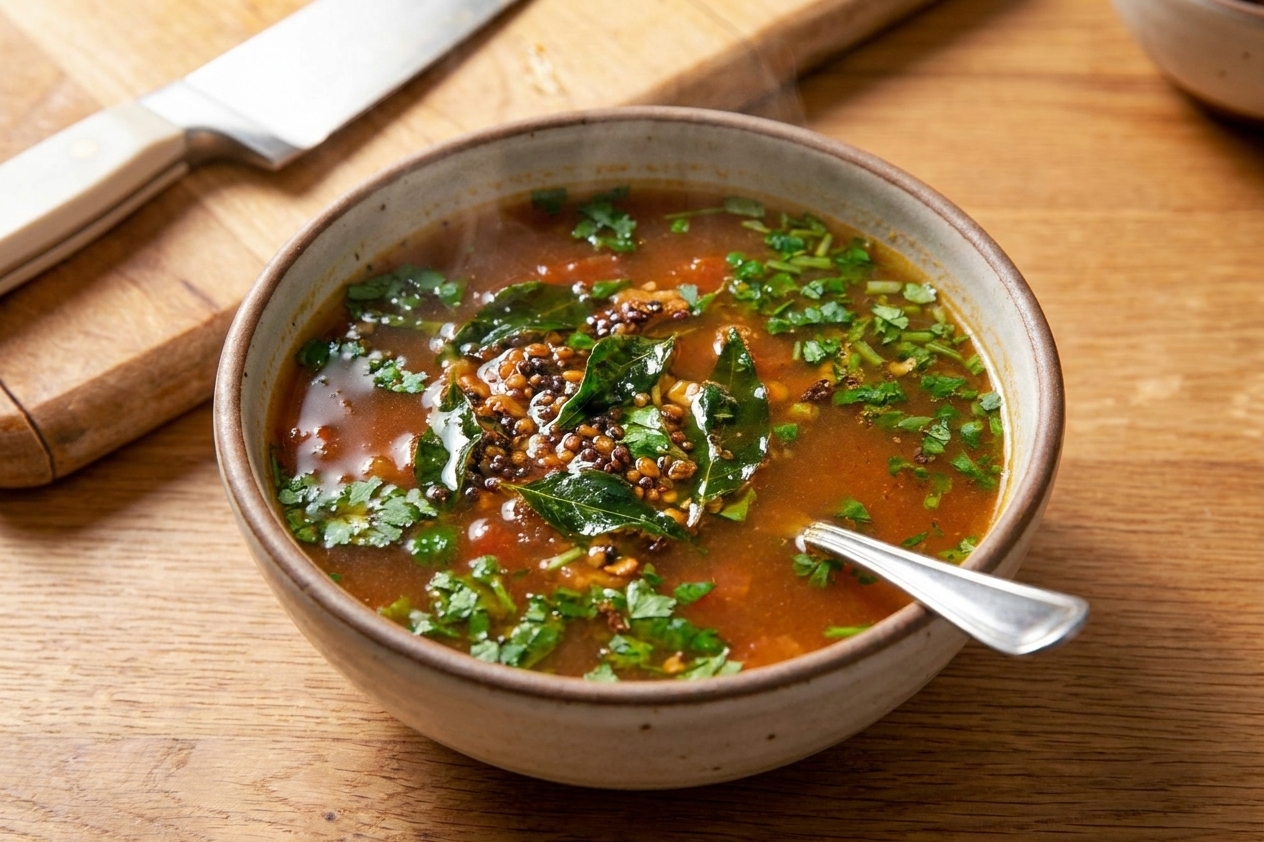
A bowl of classic South Indian sambar with visible vegetables and curry leaves, served beside fluffy white rice on a warm-toned kitchen table

Sambar is one of those dishes that makes your kitchen smell like something good is happening, even if you are just trying to get dinner on the table without spiraling into a 12-pan situation. It is a tangy, savory South Indian lentil stew built on three things that play ridiculously well together: creamy toor dal, a pop of tamarind, and a toasted spice blend that tastes like depth without drama.

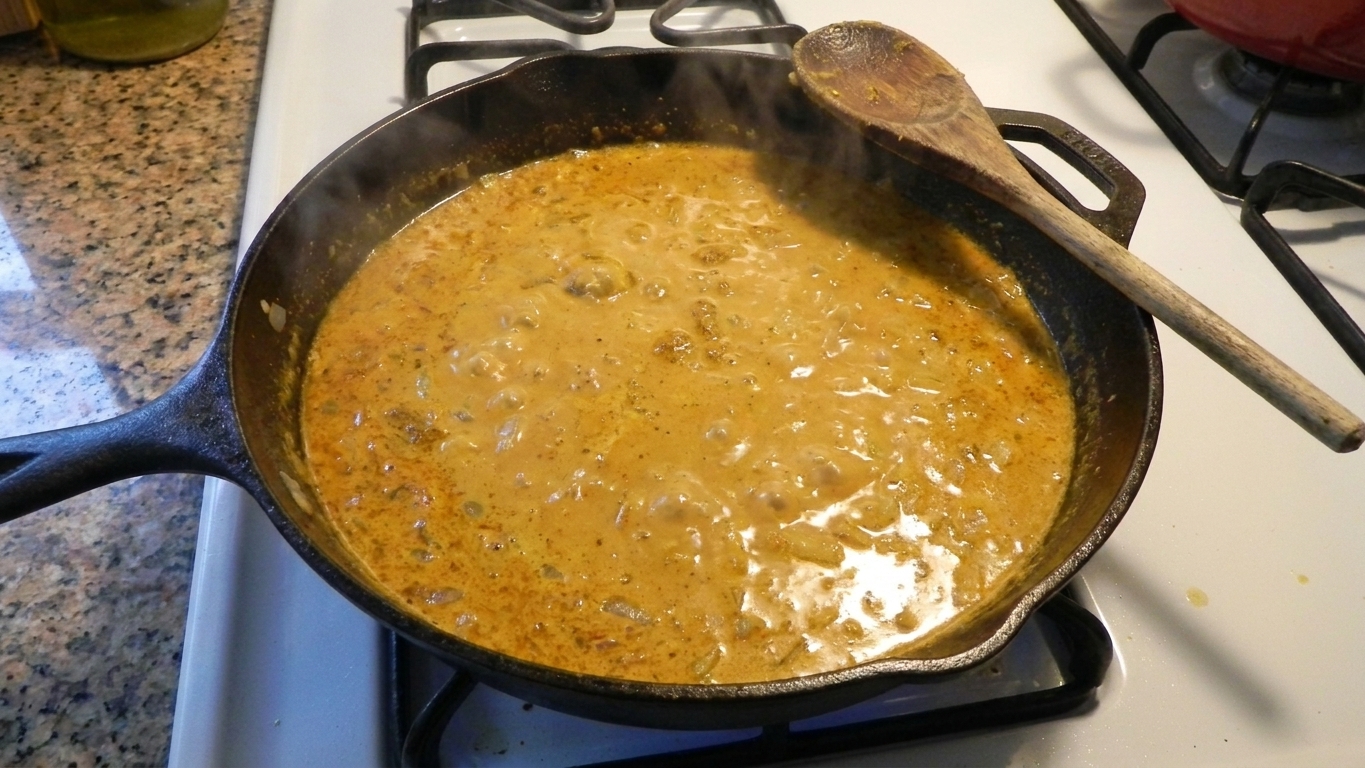
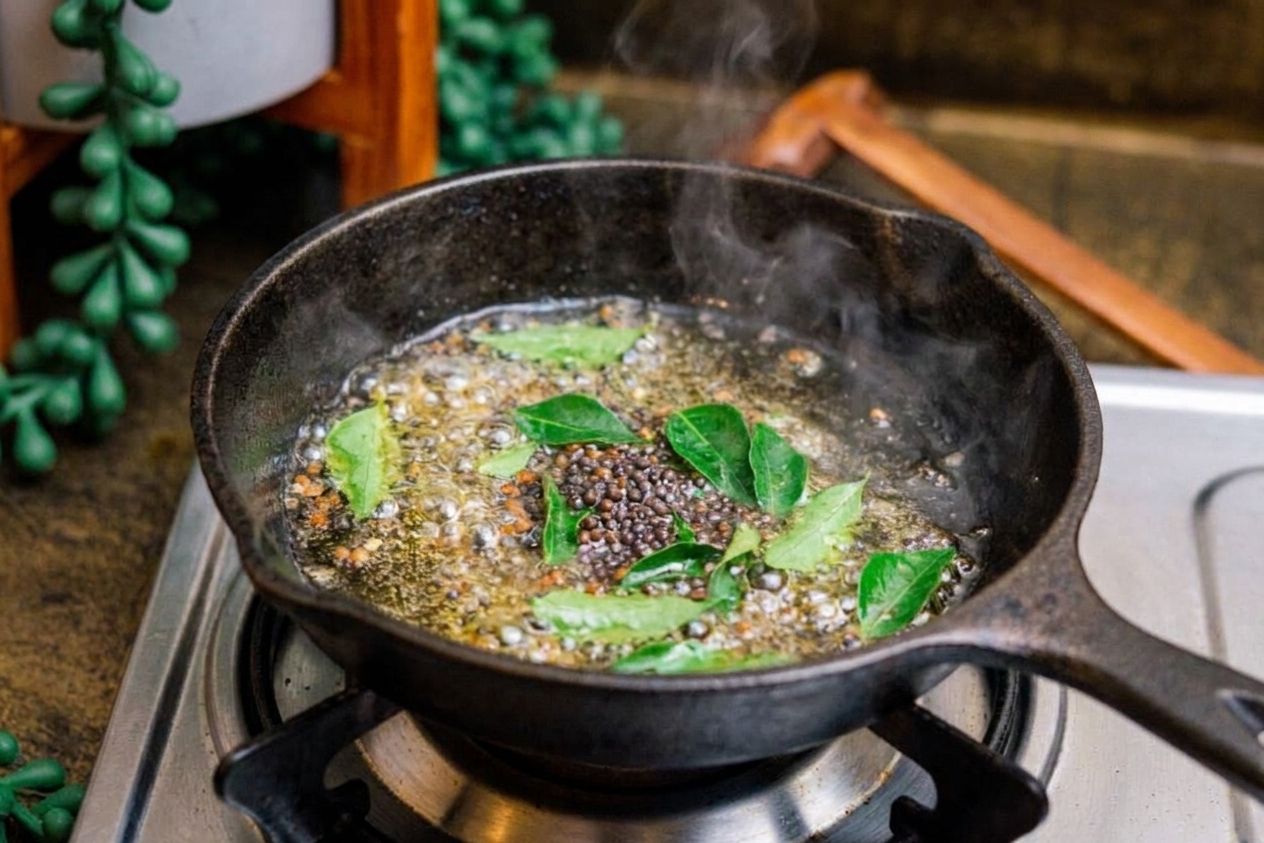
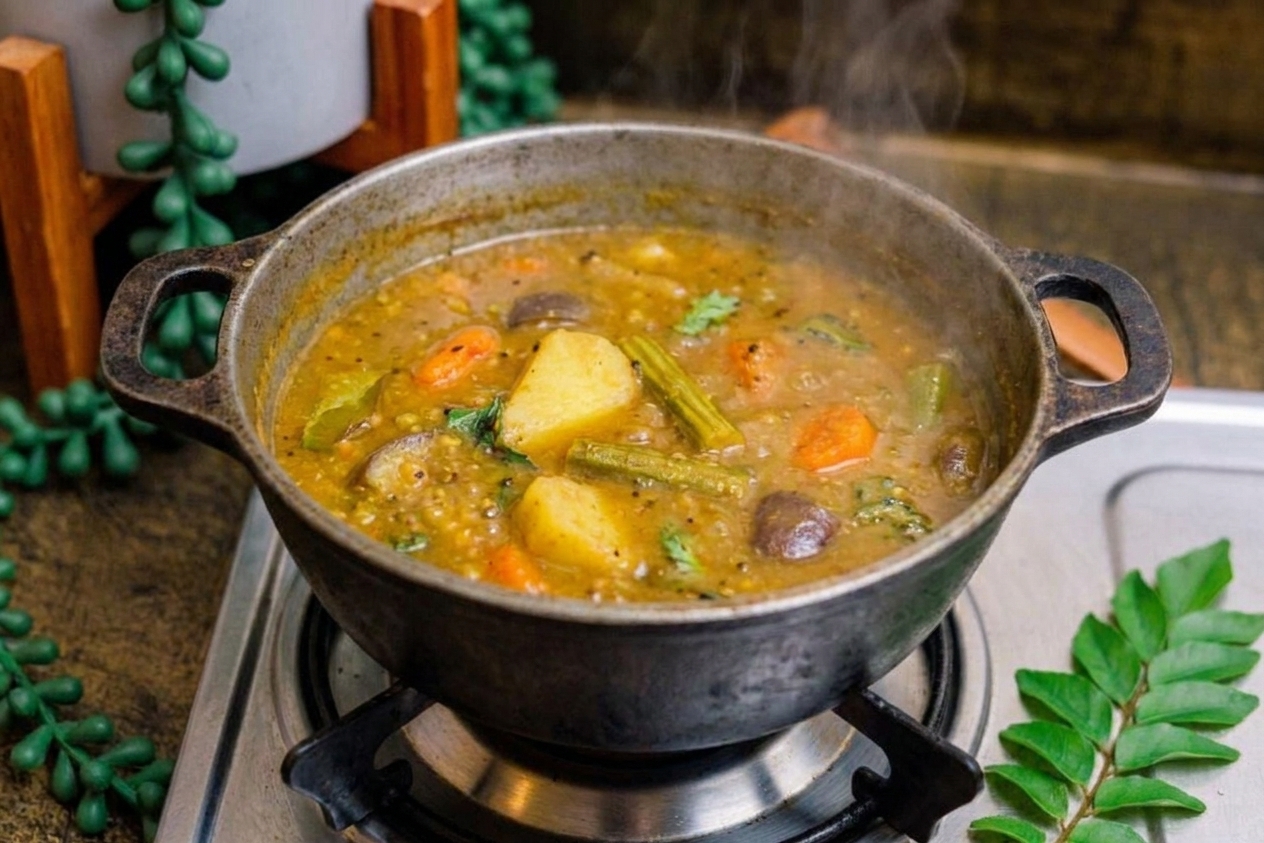
My version keeps the ingredients accessible and the steps clear. We are going to cook the lentils until they are soft, toast a quick sambar masala (or use store-bought if that is your weeknight reality), then pull it all together with vegetables and a sizzling tempering of mustard seeds and curry leaves. You will get bright acidity, cozy body, and that little spicy backbeat that makes you go back for “just one more ladle.”
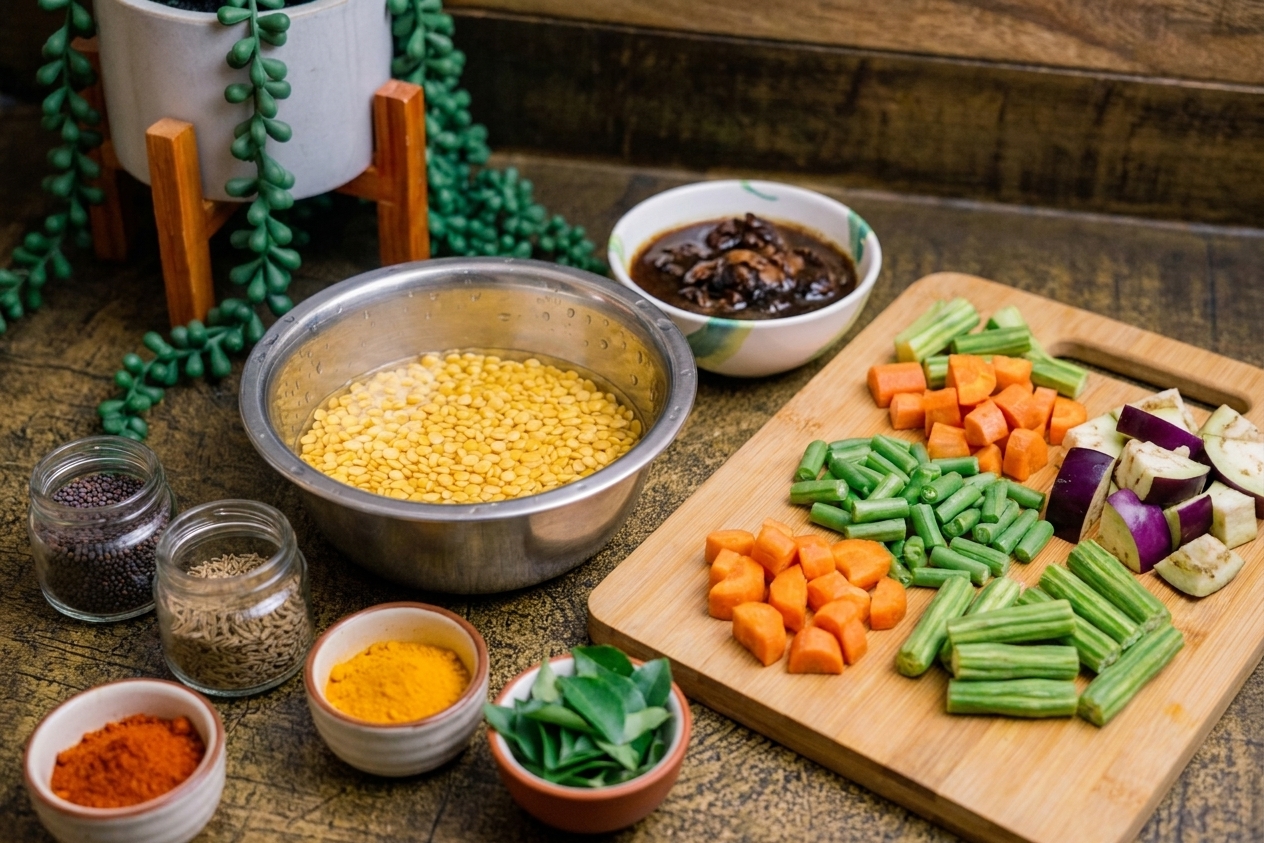
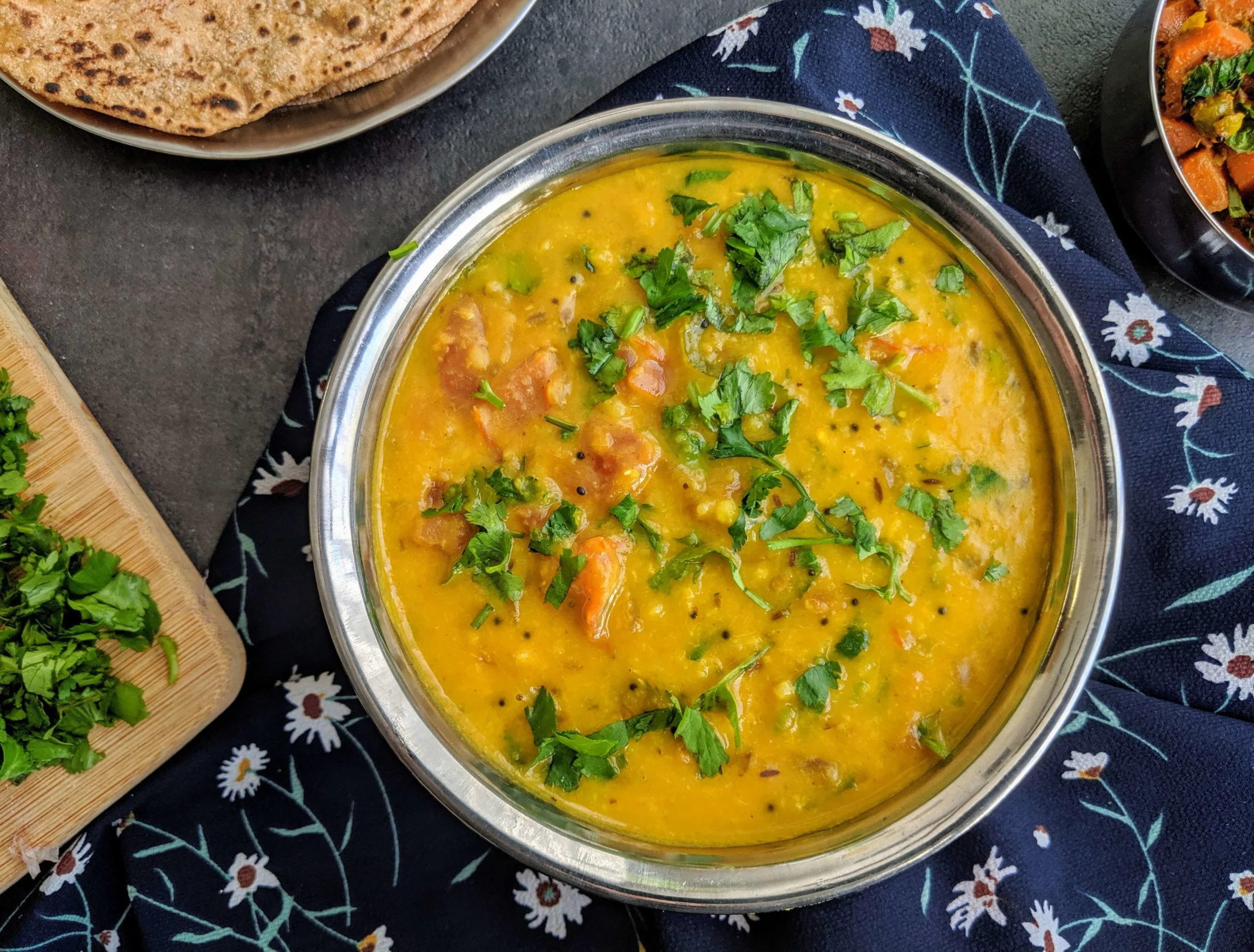
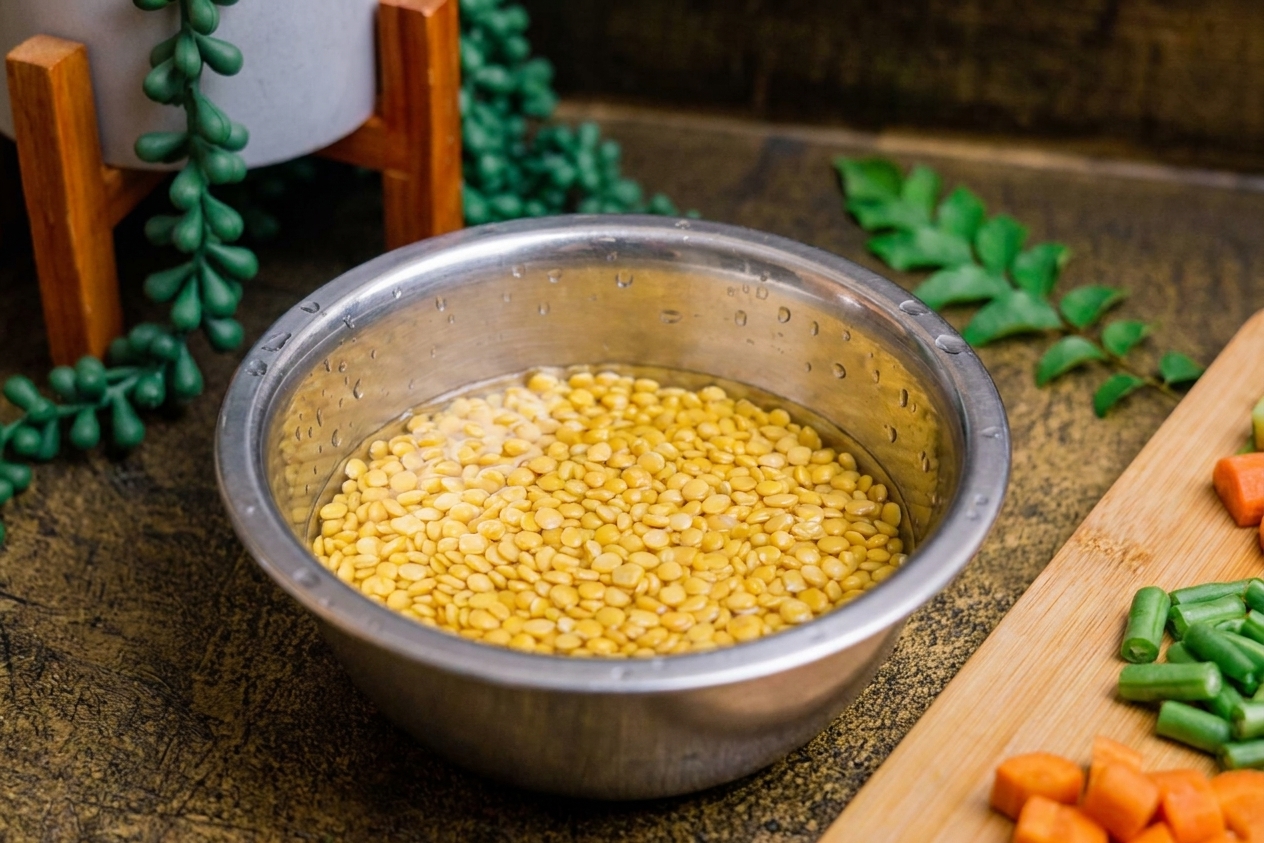
Toor dal, tamarind, mixed vegetables, spices, and fresh curry leaves arranged on a home kitchen counter before cooking

Why It Works

  • Big flavor from simple moves: Toasting spices for a minute turns “nice” into “whoa.”
  • Balanced tang and warmth: Tamarind adds brightness that keeps the lentils from tasting flat.
  • Flexible vegetables: Use what you have. Sambar is friendly like that.
  • Great texture: Soft dal plus tender vegetables, with a finishing tempering that adds crisp, aromatic edges.

Pairs Well With

Storage Tips

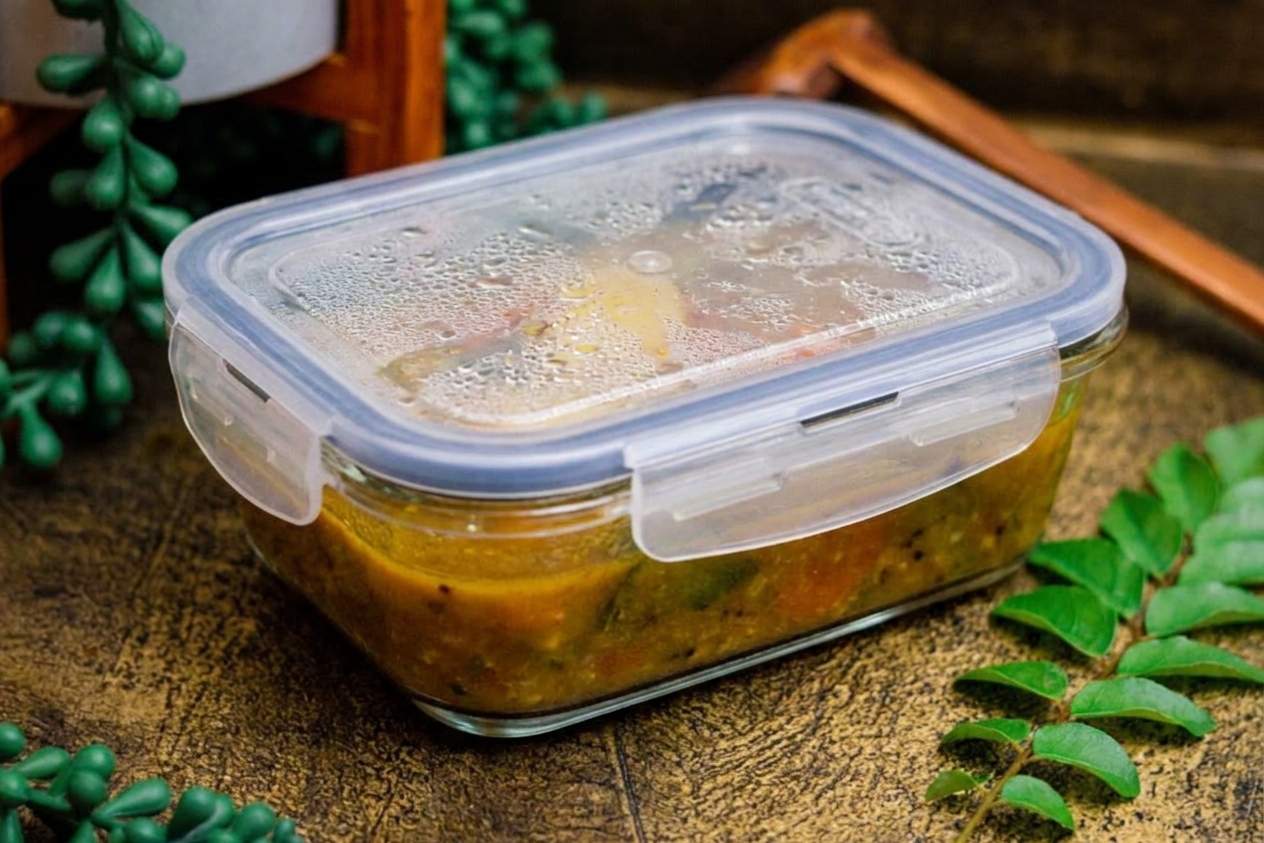
Refrigerate: Cool sambar completely, then store in an airtight container for up to 4 days. It will thicken as it sits. That is normal and honestly kind of great.

Reheat: Warm gently on the stovetop with a splash of water to loosen. Taste and adjust salt and tamarind at the end, since acidity can mellow overnight.

Freeze: Freeze up to 2 months in freezer-safe containers. For best texture, freeze with sturdier vegetables (carrot, drumstick, squash). Potatoes can get a little grainy but still taste good.

Leftover sambar in a clear glass storage container with a lid on a kitchen counter, ready for the refrigerator

Common Questions

What does sambar taste like?

It is savory and lentil-rich, with a noticeable tang from tamarind and warm spice from sambar masala. Think cozy stew, but brighter and more aromatic.

Can I make sambar without curry leaves?

Yes. Curry leaves add a distinct, toasty aroma, but the dish will still be delicious without them. If you want a little extra fragrance, you can simmer a strip of lemon or lime peel (use a vegetable peeler, avoid the bitter white pith), then remove it before serving, or just skip the swap entirely.

What vegetables are best in sambar?

Classic picks include drumstick (moringa pods), eggplant, okra, pumpkin or squash, carrots, potatoes, green beans, and onions. Use 2 to 4 cups total, cut into bite-size pieces so everything cooks evenly.

Is sambar spicy?

It can be mild to medium depending on your chili powder and how much you add. Start modest, then increase heat at the end if you want it louder.

Can I use store-bought sambar powder?

Absolutely. Use 2 to 3 tablespoons, then adjust to taste. The homemade blend here is optional, but it is a fun little “I wonder if…” project that pays off.

Why did my sambar taste bitter?

Most often: fenugreek got over-toasted, or mustard seeds and curry leaves were burned in the tempering. Keep the heat at medium and pull the pan off the burner as soon as the seeds pop and the leaves crackle.

The first time I tried making sambar at home, I treated it like a “follow-the-rules” recipe and still ended up with something that tasted… fine. Then I started tasting as I went. A little more tamarind to wake it up. A pinch more salt to make the vegetables taste like themselves. And that final tempering, done confidently, not timidly. Suddenly it went from soup to that pot you keep hovering over with a spoon, pretending you are just checking seasoning. Sambar rewards curiosity, and it forgives the chaos, which is basically my whole cooking philosophy.