Mom's Best Recipes
Recipe

Classic Tuna Salad

Creamy, crunchy, lemony tuna salad that tastes like you tried harder than you did.

Author By Matt Campbell
4.8
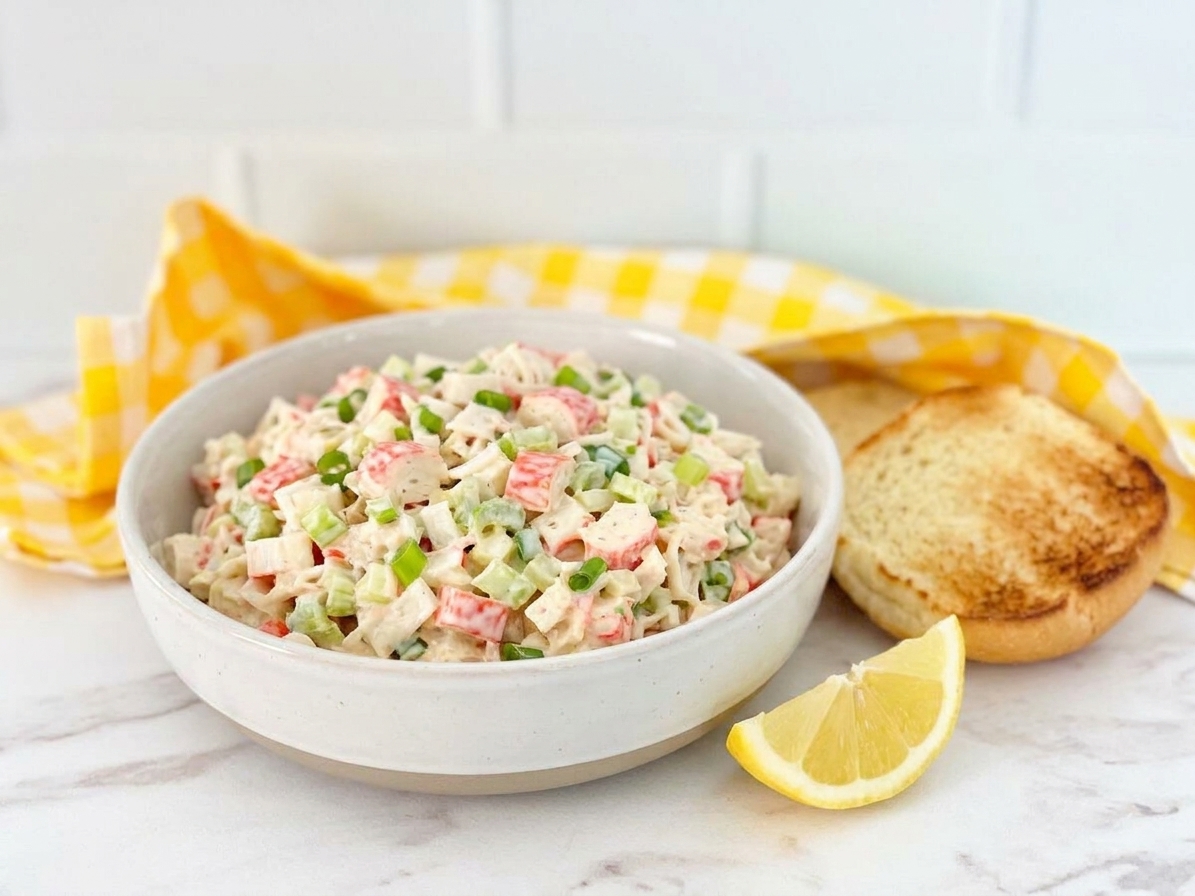
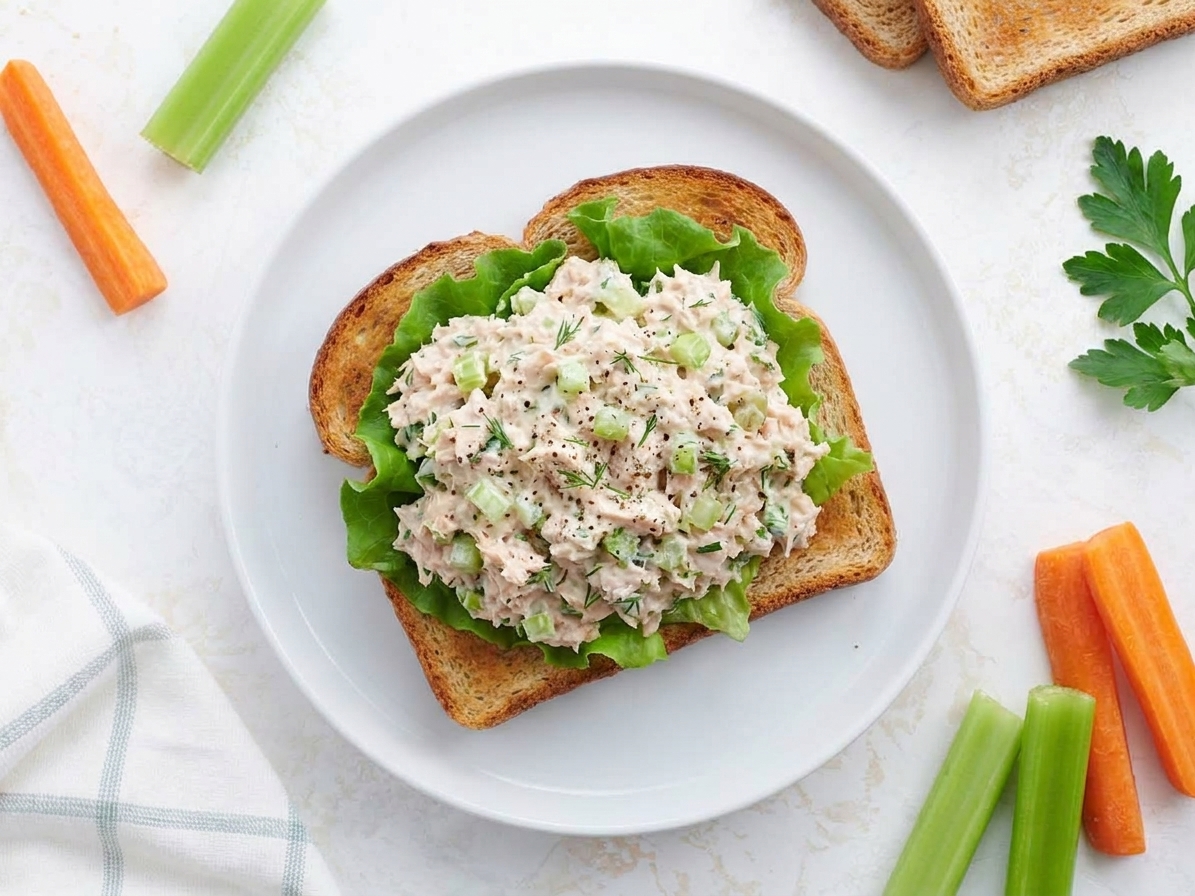
A bowl of creamy tuna salad with chopped celery and herbs beside toasted bread on a kitchen counter

Tuna salad has a reputation for being either weirdly bland or aggressively mayo. This one lands in the sweet spot: creamy, bright, salty in the right places, with real crunch and a little bite.

It is the kind of lunch you can throw together in 10 minutes, then feel a little smug about for the next two days. Make it for sandwiches, wraps, crackers, lettuce cups, or straight from the bowl while you stare into the fridge deciding what is for dinner.

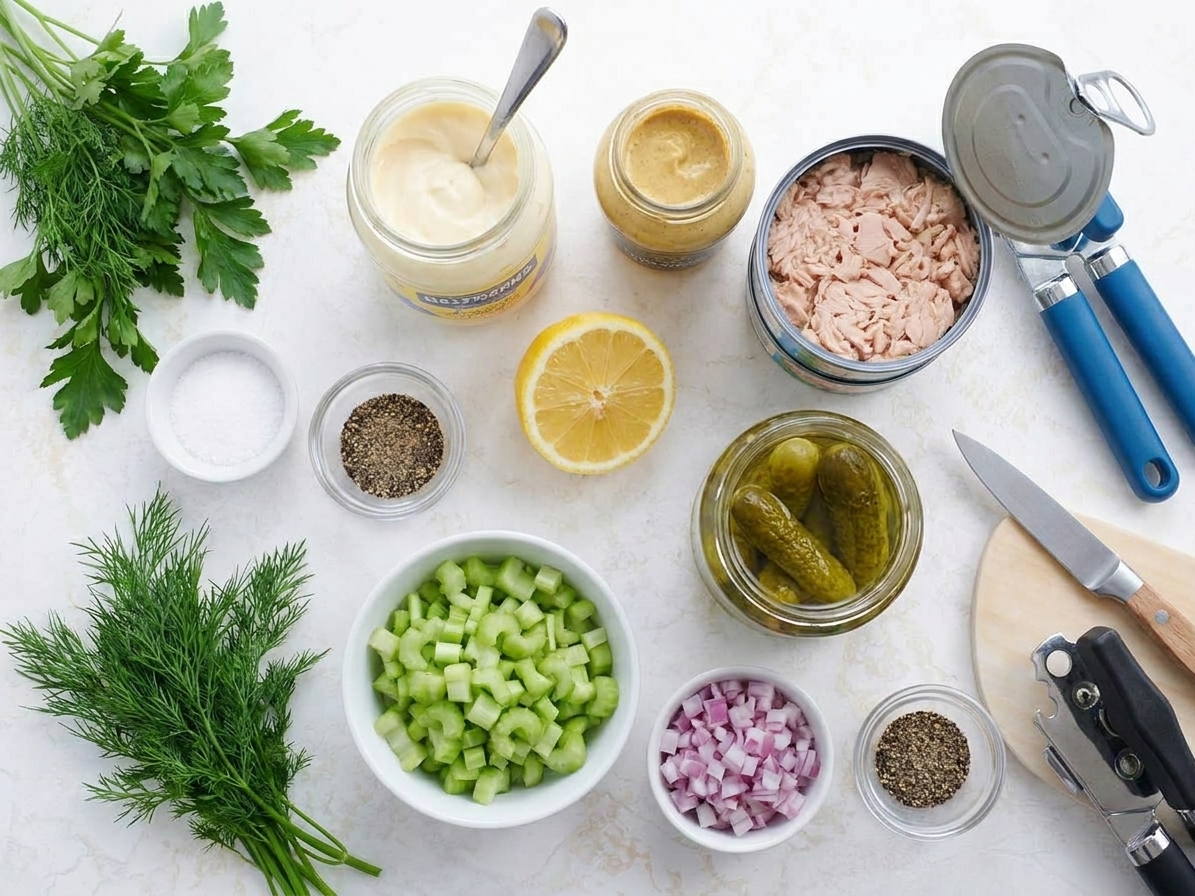
Canned tuna, mayonnaise, Dijon mustard, lemon, celery, red onion, dill pickles, salt, pepper, and fresh herbs laid out for tuna salad

Why It Works

  • Balanced flavor: lemon and Dijon cut the richness so it tastes fresh, not flat.
  • Great texture: celery and pickles keep every bite crisp and snacky.
  • Flexible: swap in Greek yogurt, add herbs, make it spicy, or keep it classic.
  • Meal-prep friendly: it holds up well for a couple days and actually tastes better after chilling.

Pairs Well With

Storage Tips

Refrigerate: Store tuna salad in an airtight container at or below 40°F (4°C) for up to 3 to 4 days. Give it a stir before serving. If it thickens, loosen with a teaspoon of mayo, yogurt, or a squeeze of lemon.

Pack smart: If you are making sandwiches ahead, keep the tuna salad separate and assemble right before eating, or add a layer of lettuce between bread and salad to prevent sogginess.

Freezing: Not recommended. Mayo- and yogurt-based salads tend to separate and get watery after thawing. It is a texture issue, not a safety one.

Yield note: This recipe makes about 2 cups of tuna salad, enough for roughly 4 sandwiches (depending on how generous you are).

Common Questions

Is tuna salad healthy?

It can be. Tuna is high in protein, and you control the mix-ins. For a lighter version, use half mayo and half plain Greek yogurt, and add extra celery and herbs for volume and crunch.

What kind of tuna is best?

I like chunk light for a softer, more mixable salad. Solid white albacore is firmer and a bit meatier. Use what you like. Just drain it well. If you keep an eye on mercury, chunk light is typically the lower-mercury option compared to albacore.

Water-packed or oil-packed tuna?

Water-packed keeps the flavor bright and classic, especially with lemon and Dijon. Oil-packed is richer and a little more luxurious. If you use oil-packed, you may want a touch less mayo.

How do you keep tuna salad from getting watery?

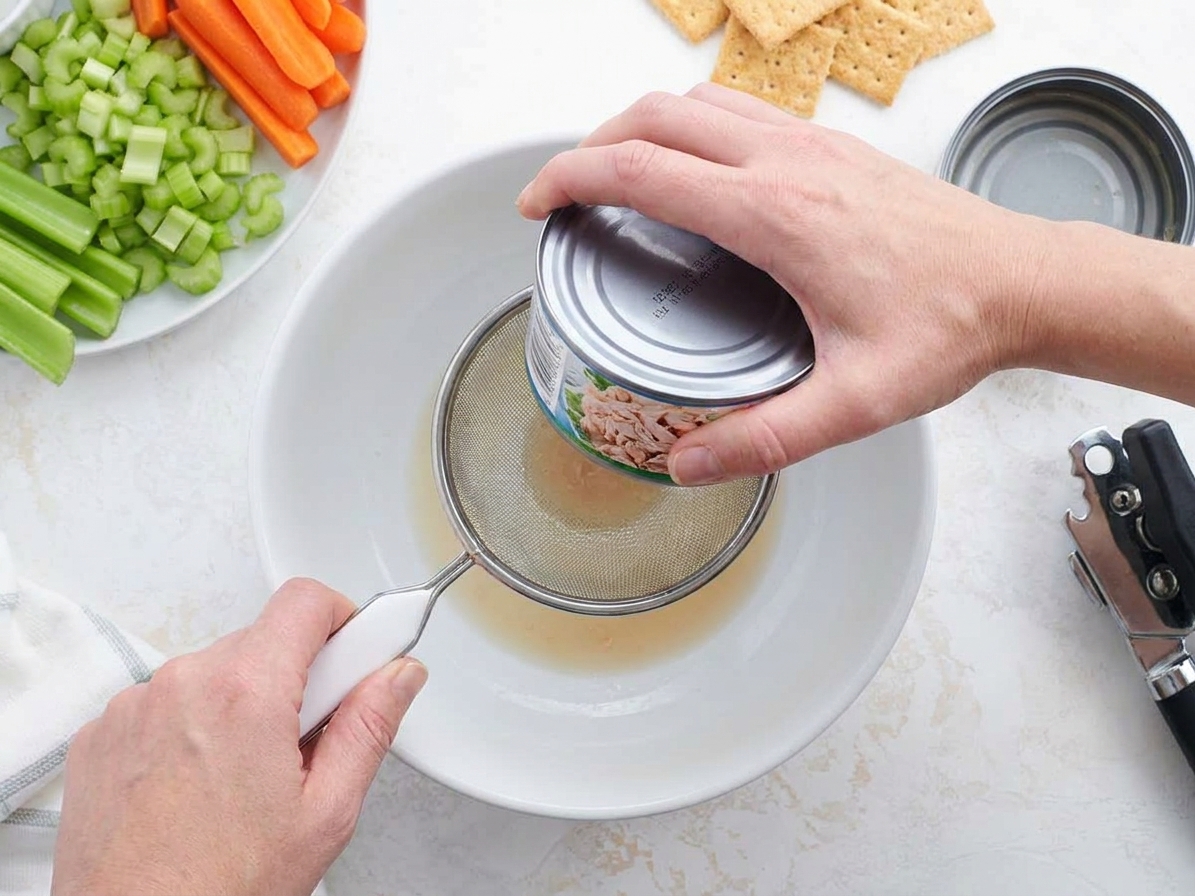
Drain the tuna thoroughly, and if your pickles are super juicy, pat them dry or use less pickle juice. Also, do not overdo the lemon at first. Add it gradually and taste as you go.

Can I make tuna salad without mayo?

Yes. Use plain Greek yogurt, mashed avocado, or a mix of yogurt and olive oil. You will still want something tangy like lemon or vinegar plus a little mustard for punch.

How long can tuna salad sit out?

For food safety, keep it out no more than 2 hours, or 1 hour if the temperature is above 90°F (32°C). If you are packing lunch, use an ice pack.

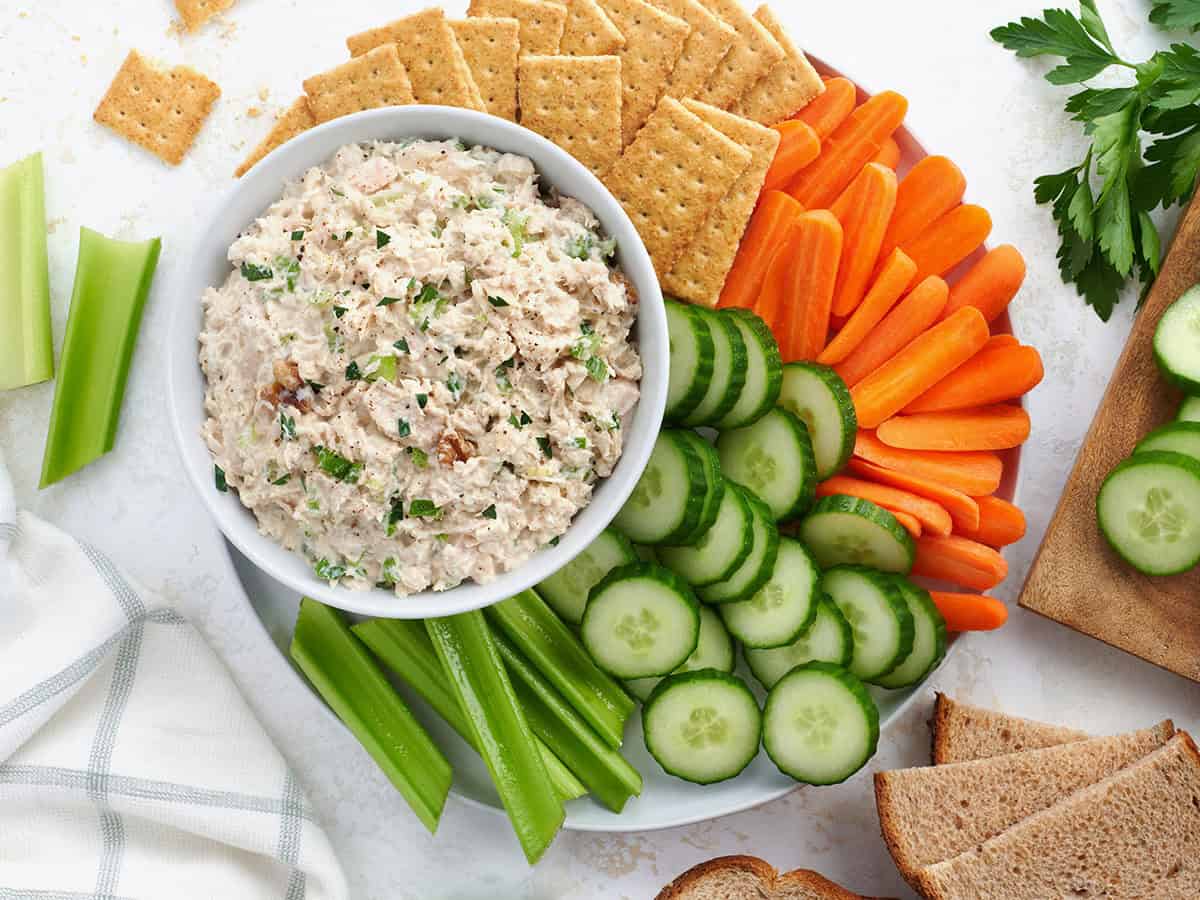
I started making tuna salad the way I cook most “simple” things: by getting annoyed that the easy version was never quite right. Too much mayo, not enough personality, and the texture was either mush or just plain disappointing. The fix was small and honestly kind of obvious. Drain the tuna like you mean it, add crunch, add acid, and season it until it tastes like something you would actually pay for. Now it is my default lunch, especially on weeks when I am trying to be a functional adult but still want a little chaos in the form of extra pickles.