What is chiffon cake, exactly?
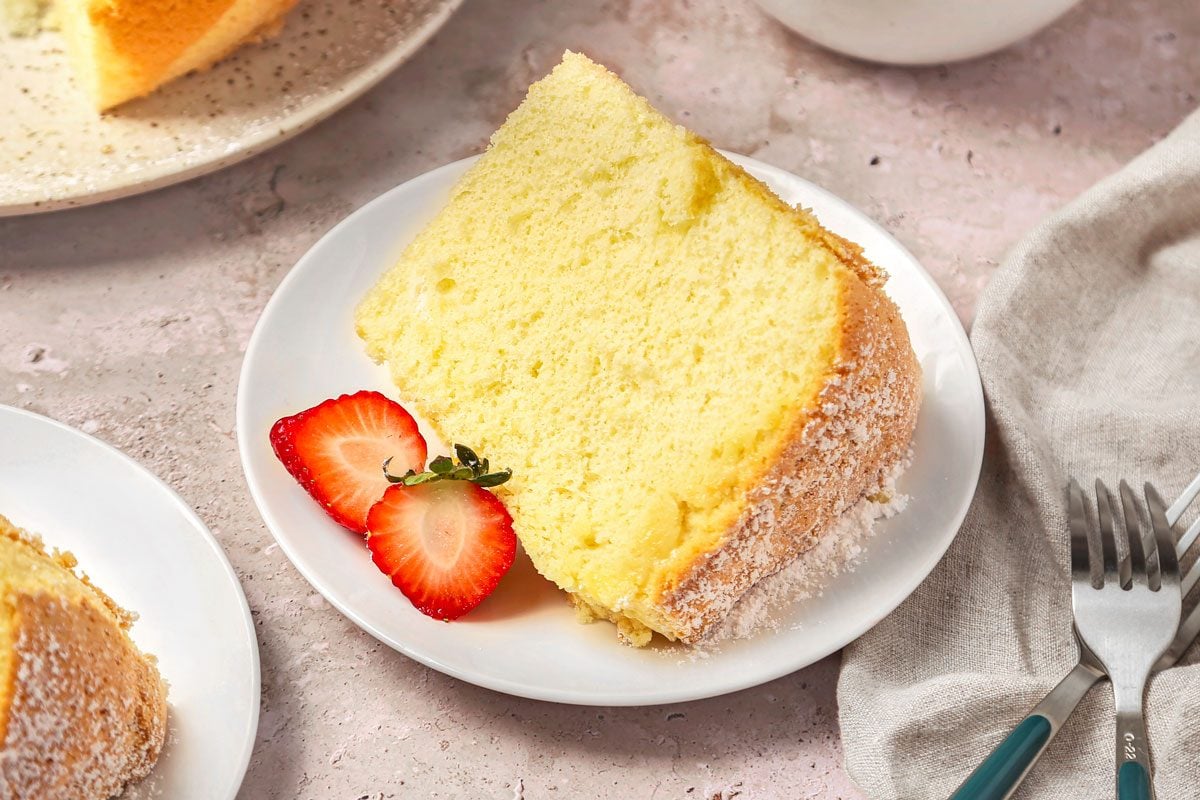
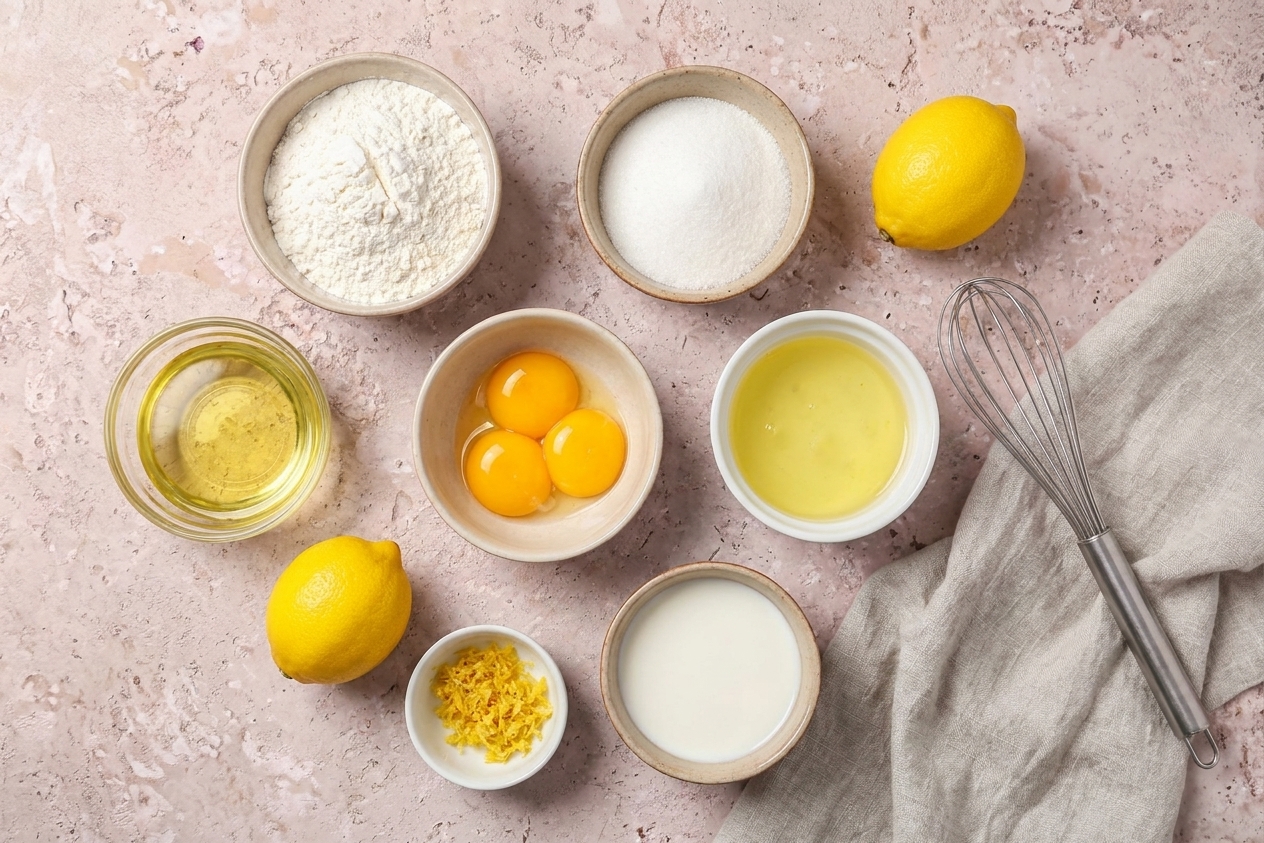
Chiffon cake is a foam cake that uses whipped egg whites for lift, plus egg yolks and oil for richness and moisture. It lands between angel food cake (very lean) and sponge cake (a bit richer), with a super light, springy crumb.
Why do I need a tube pan?
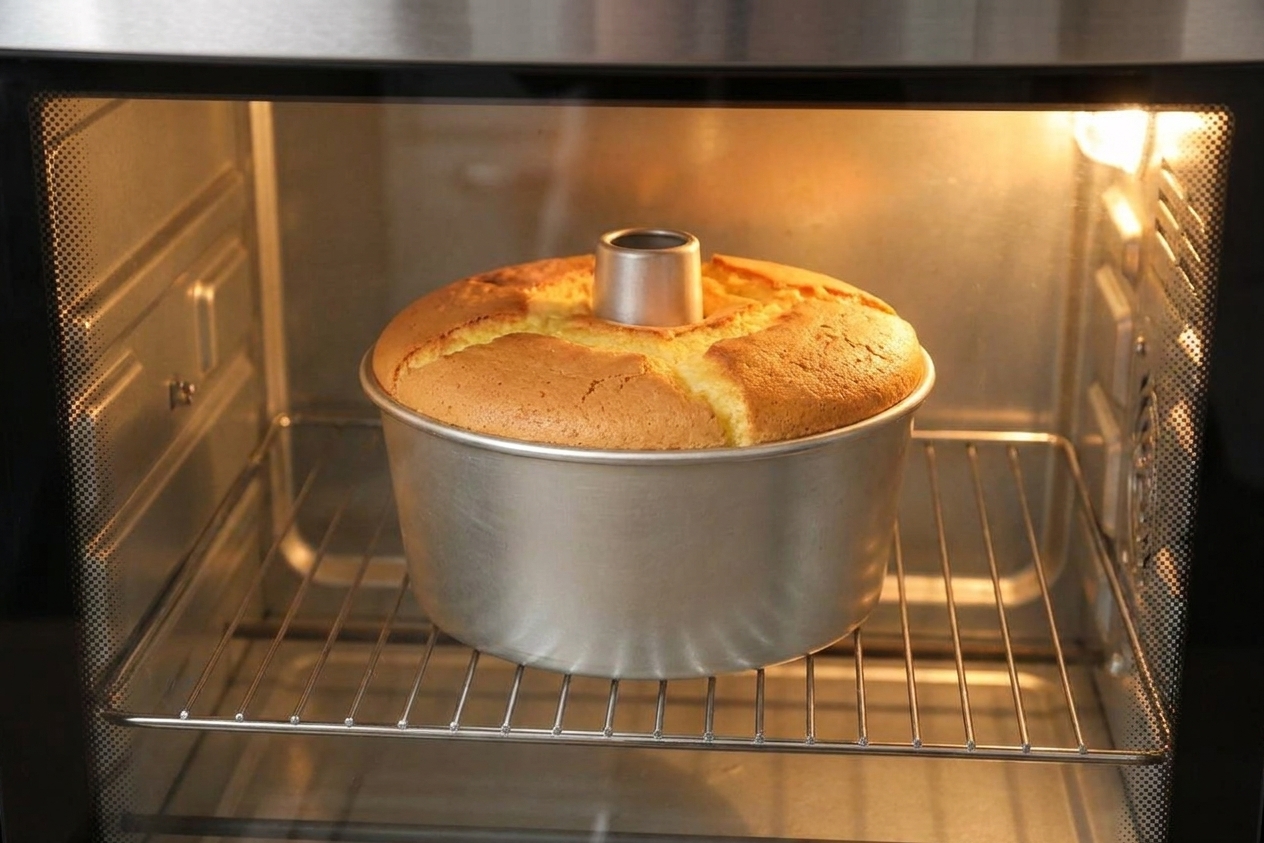
The center tube helps the tall batter bake evenly, and the straight sides help the cake climb. A classic aluminum chiffon or angel food pan also lets you cool the cake upside down, which helps prevent collapse.
Do I really not grease the pan?
Yes. An ungreased pan gives the batter traction so it can rise. Greasing the sides can cause the cake to slip and shrink. The only exception is lining the bottom with a round of parchment for easier release.
Why did my chiffon cake sink?
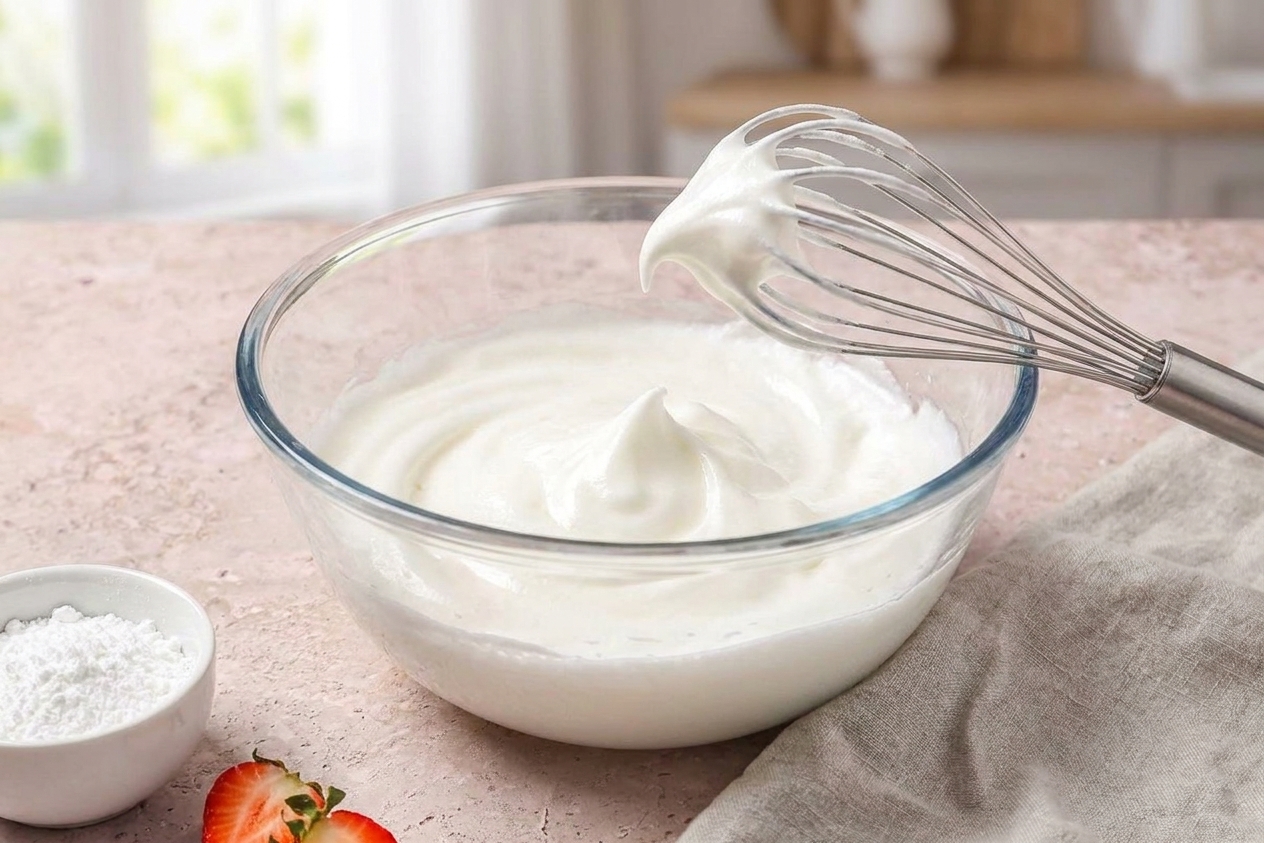
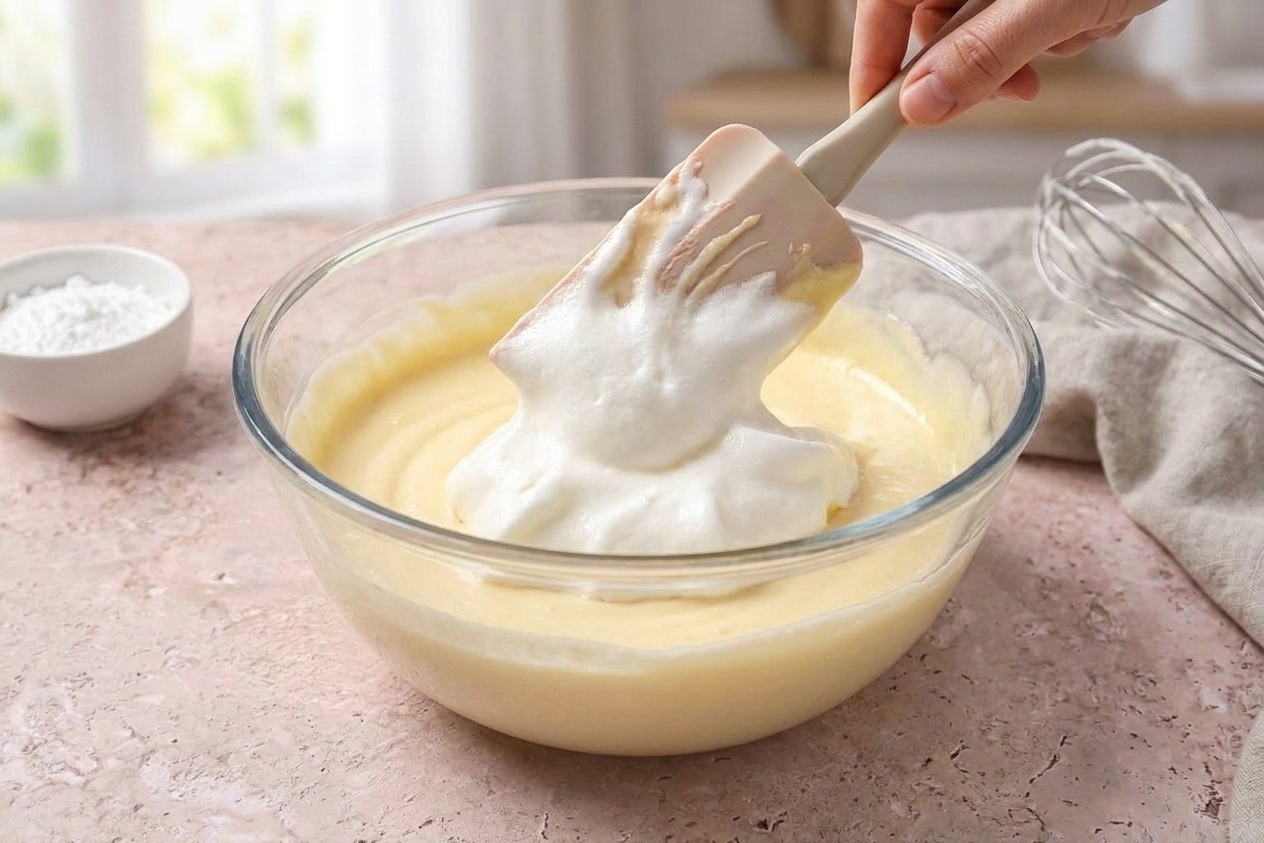
Common culprits: underbaked center, overbeaten meringue (dry and clumpy), aggressive folding that deflates the foam, or skipping the upside-down cool. Also make sure you are not opening the oven early.
Can I make chiffon cake without cream of tartar?
Yes. Cream of tartar is just the most reliable stabilizer, but you can use another acid. For this recipe, start with 1 teaspoon lemon juice or 1 teaspoon white vinegar. If your whites look a little loose while whipping, you can add up to 2 teaspoons total acid. (Different acids vary in strength, so use the look and feel of the meringue as your guide.)
Can I substitute cake flour?
If you do not have cake flour, you can make a quick substitute: for every 1 cup of cake flour, measure 1 cup all-purpose flour, remove 2 tablespoons, and replace with 2 tablespoons cornstarch. Whisk well and sift before using.
How do I serve it?
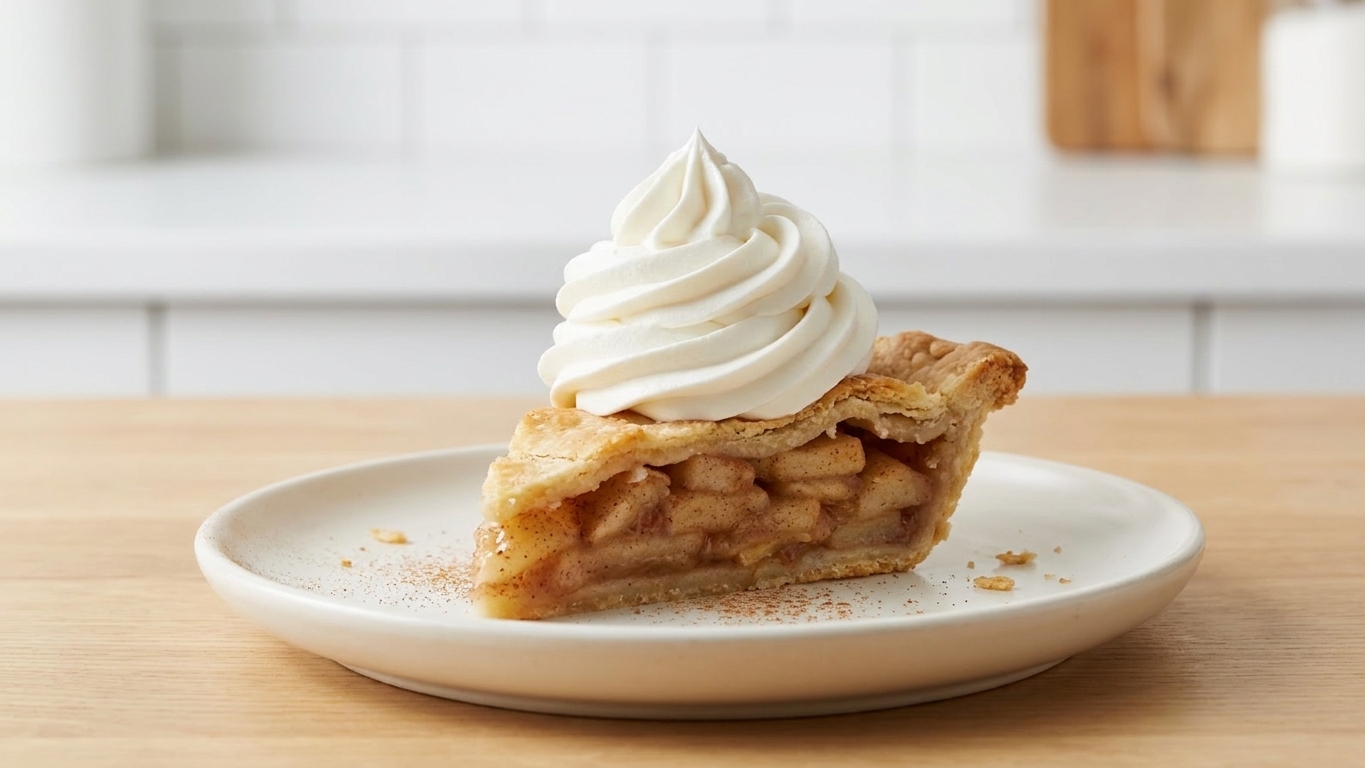
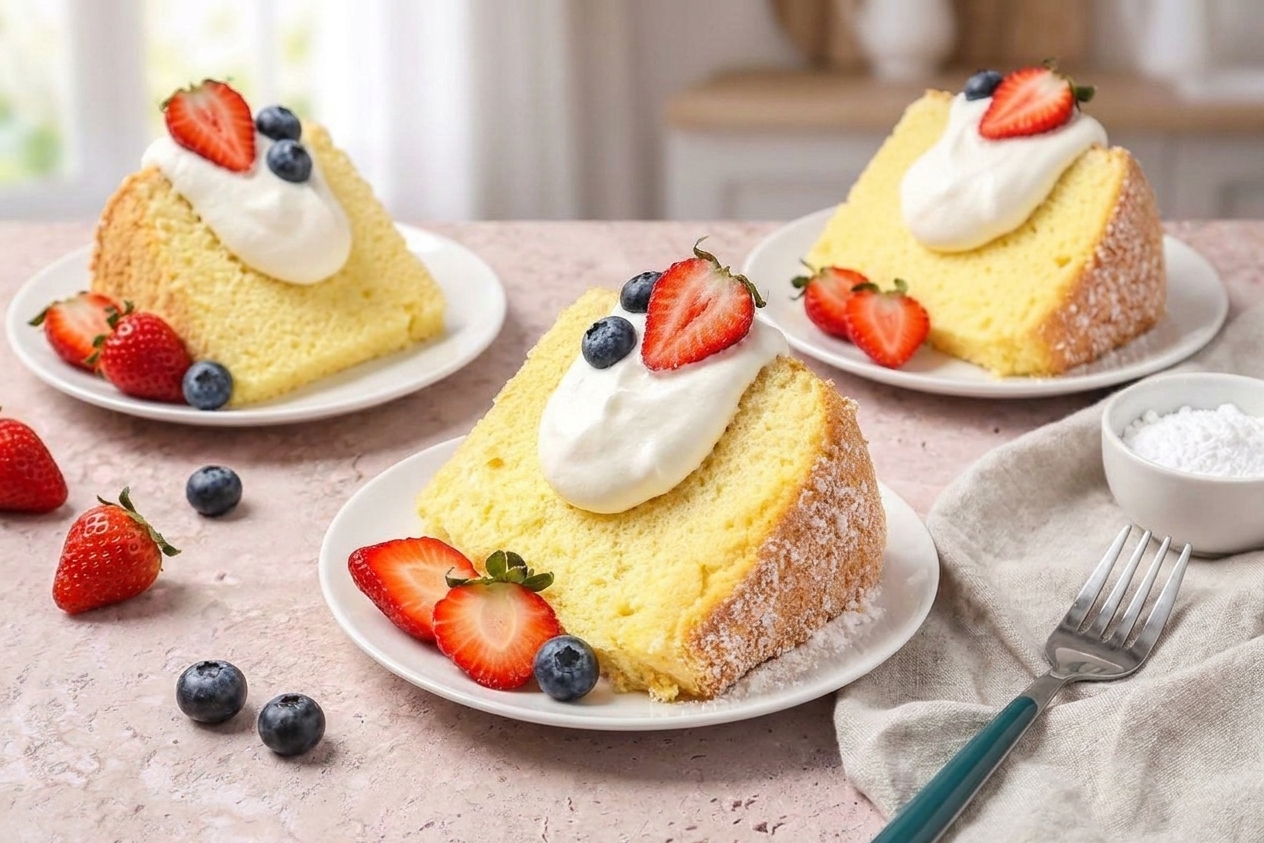
It is great plain, but I love it with lightly sweetened whipped cream and berries, or a simple lemon glaze. If you go the glaze route, drizzle lightly so you do not weigh down the airy crumb.