Common Questions
What does “stabilized” mean, exactly?
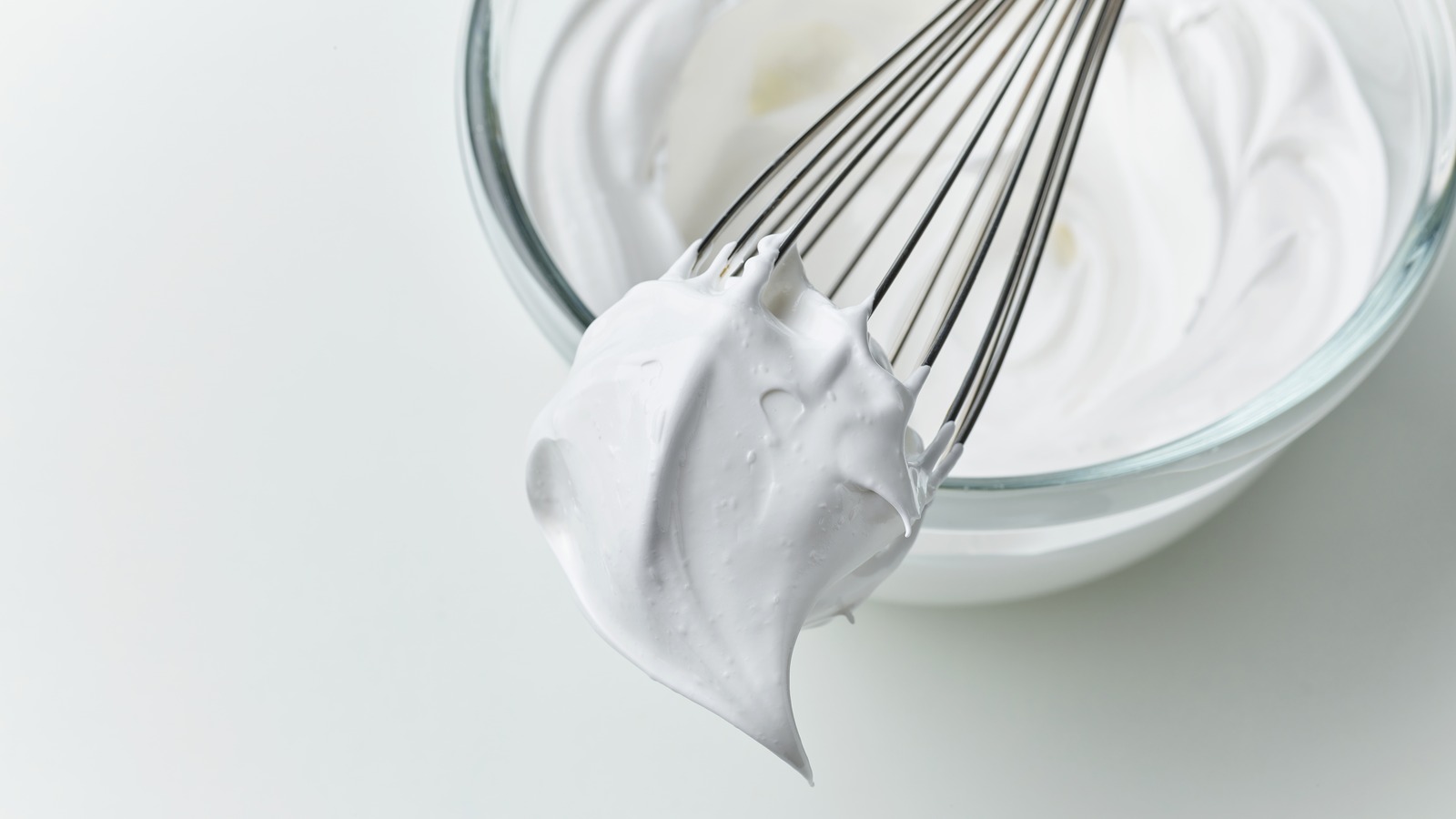
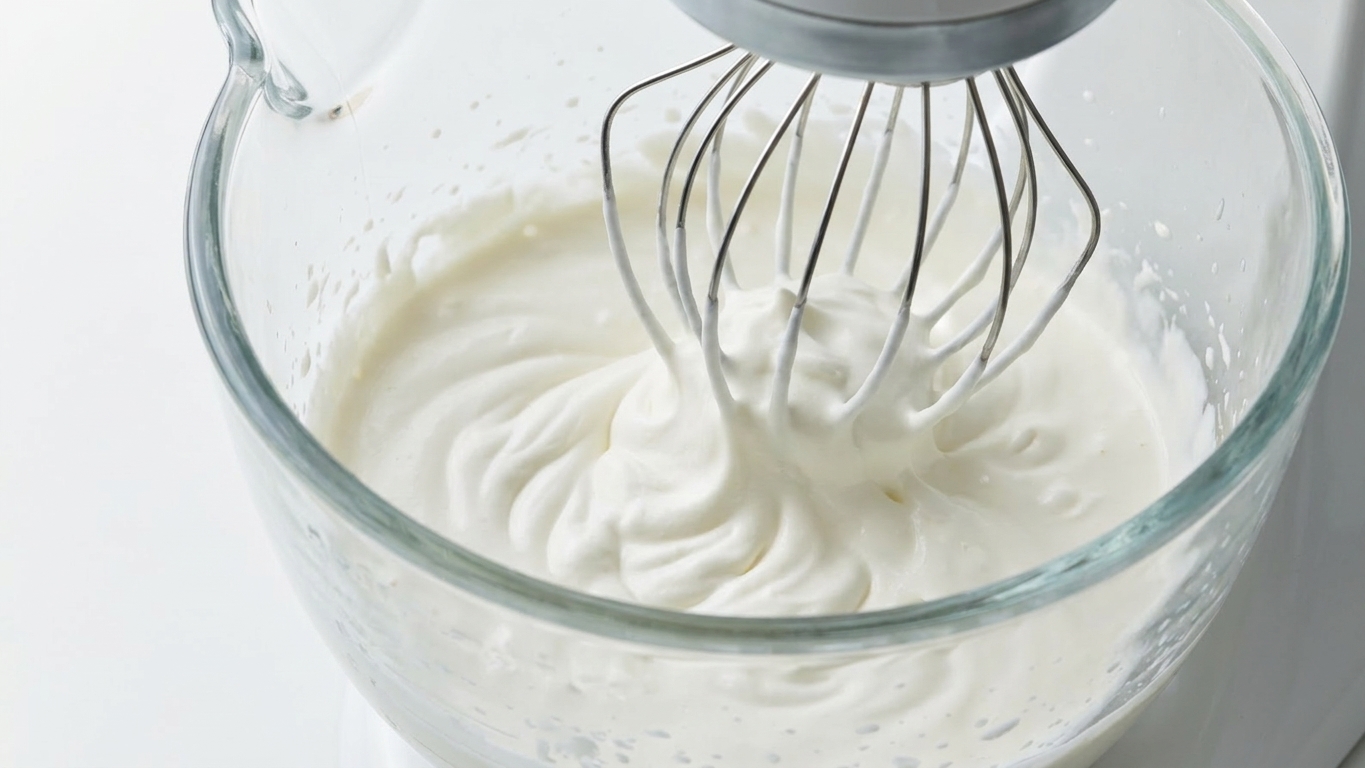
It means we add a small helper ingredient so the whipped cream holds onto its air and moisture. That keeps it from deflating and “weeping” (liquid pooling) as quickly.
What cream should I use?
Use heavy whipping cream if you can (around 36% milkfat). Regular whipping cream also works, but it can be a little less sturdy. Ultra-pasteurized cream whips up fine, but it can sometimes take a bit longer to thicken.
Can I make it without gelatin?
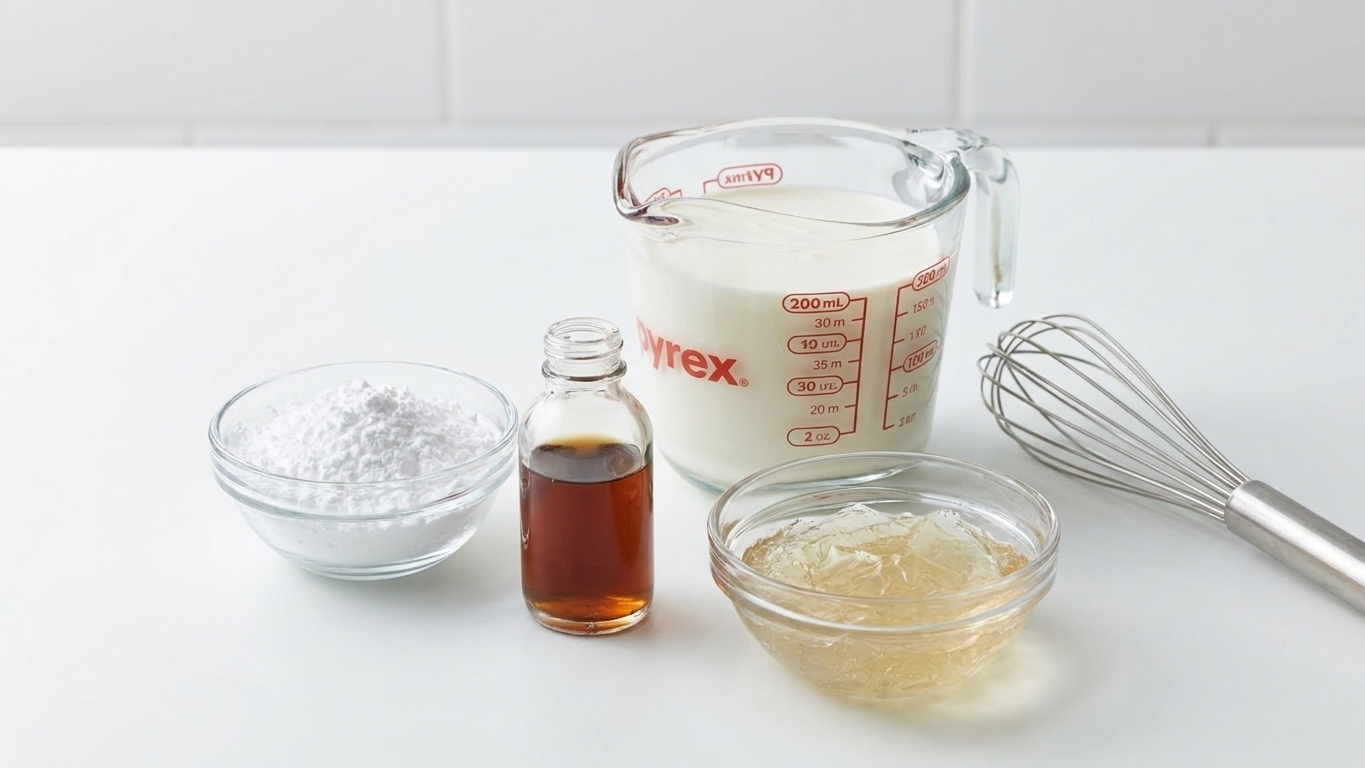
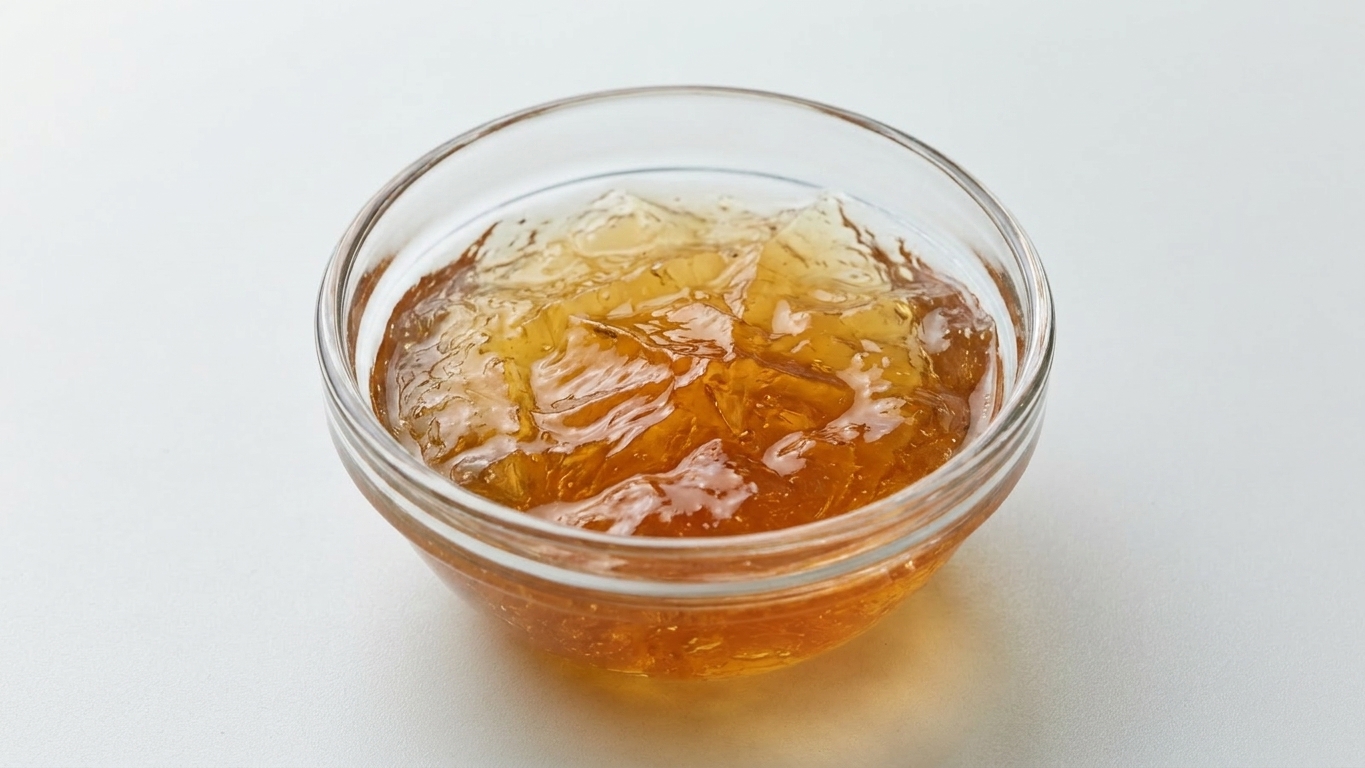
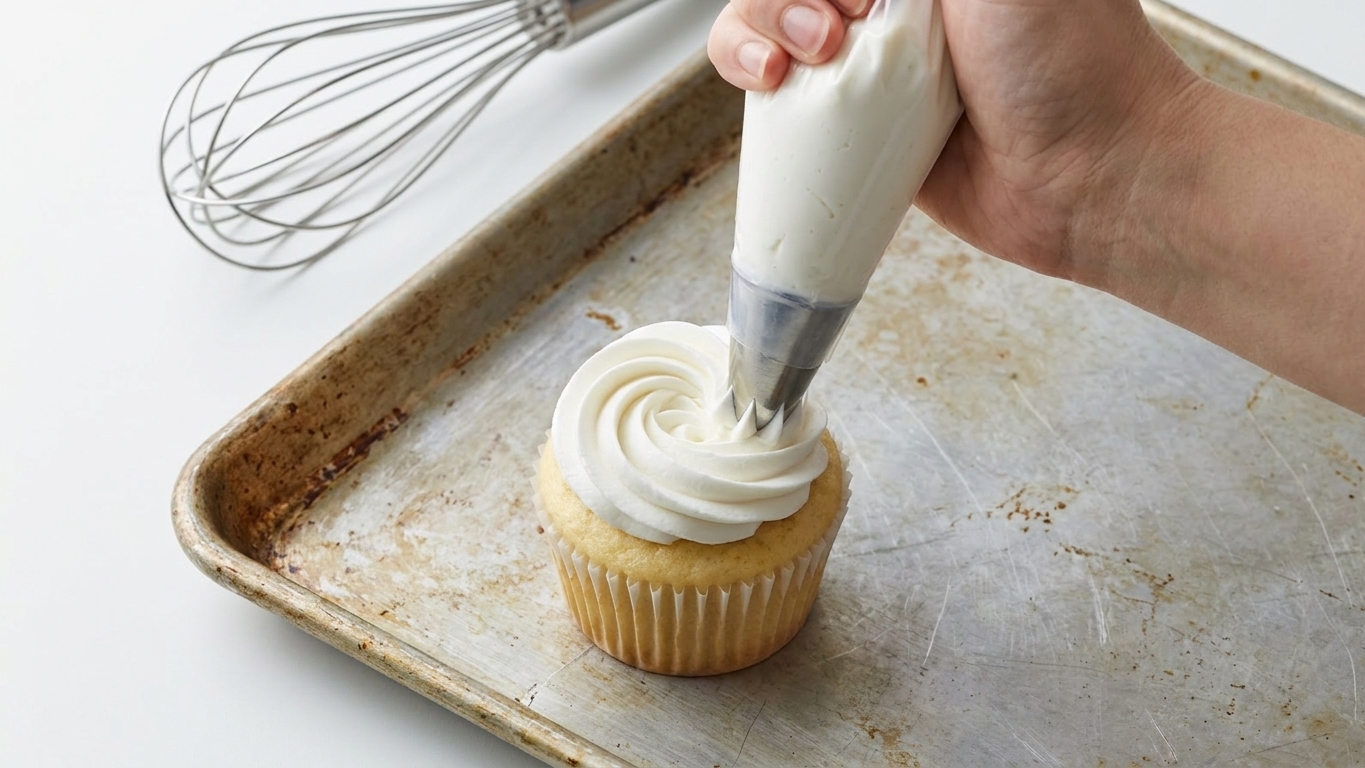
Yes. Mascarpone and cream cheese both work well. They add a little dairy richness and structure. Gelatin is the most neutral and the most stable, especially for piping.
How long can stabilized whipped cream sit out?
Stability helps it hold its shape, not stay food-safe forever. For food safety, I keep it under 2 hours at cool room temperature. In hot weather, cut that down.
Why did my whipped cream turn grainy?
Usually it got overwhipped and the fat started clumping. Stop at medium peaks if you are unsure, especially if you will fold it or spread it. If it is slightly over, you can sometimes save it by whisking in 1 to 2 tablespoons of cold cream by hand until it smooths out.
Can I use granulated sugar instead of powdered sugar?
You can, but powdered sugar dissolves faster and tends to help stability a bit because it usually contains a small amount of cornstarch. If using granulated sugar, whip a little longer to fully dissolve, or use superfine sugar.
Can I color it or flavor it?
Yes. Use gel food coloring, and add extracts, citrus zest, espresso powder, or melted and cooled chocolate. Add liquids sparingly so you do not thin it out.