Mom's Best Recipes
Recipe

Cornmeal Mush

A simple cornmeal staple you can serve creamy or slice and fry until crisp.

Author By Matt Campbell
4.7
Golden-brown pan-fried cornmeal mush slices on a ceramic plate with butter melting on top, set on a wooden kitchen table in warm natural light

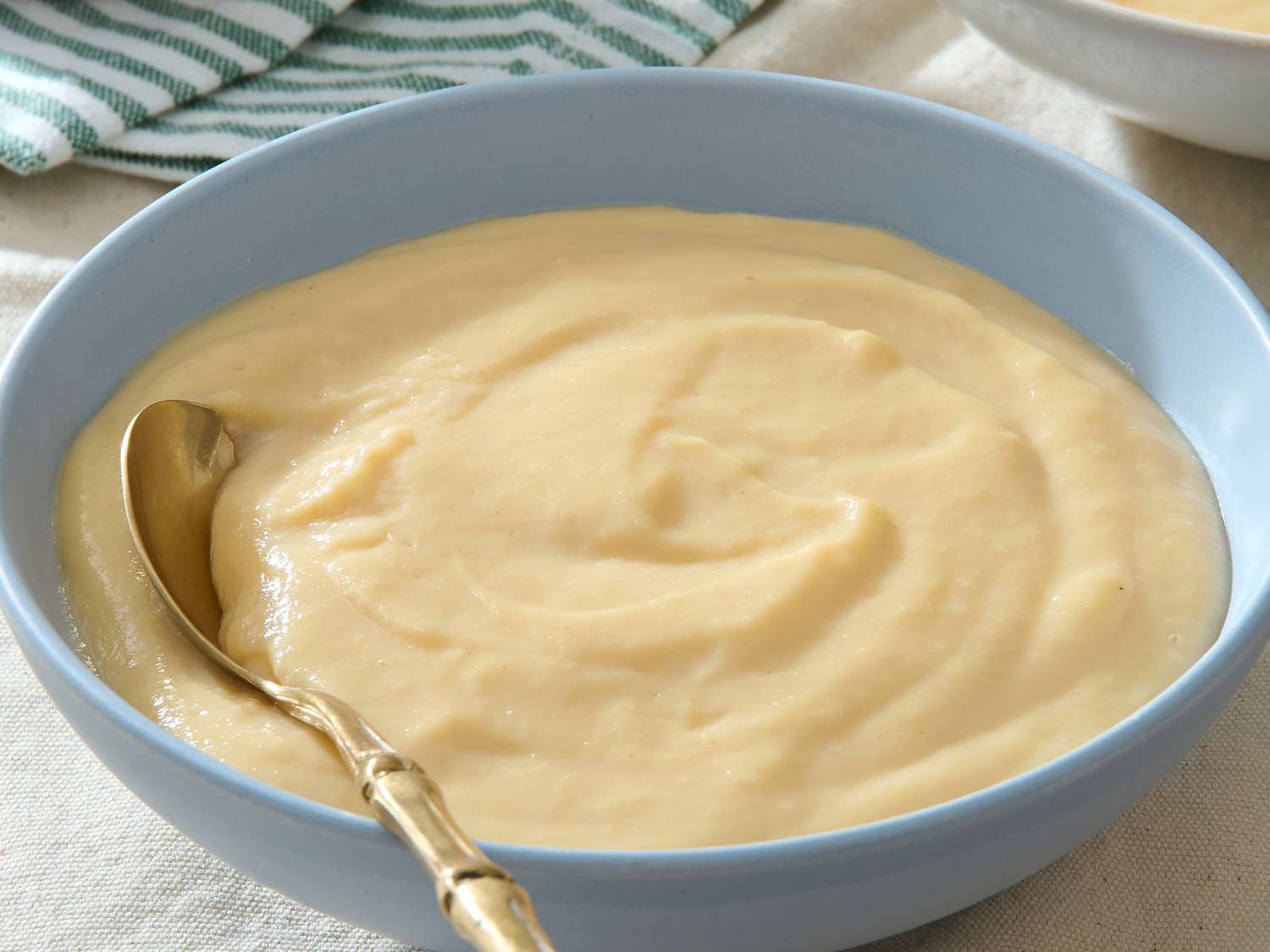
Cornmeal mush is one of those quietly iconic dishes that shows up when you need maximum comfort with minimum ingredients. It starts as a simple pot of cornmeal cooked with water (or milk if you are feeling fancy), then you choose your own adventure.

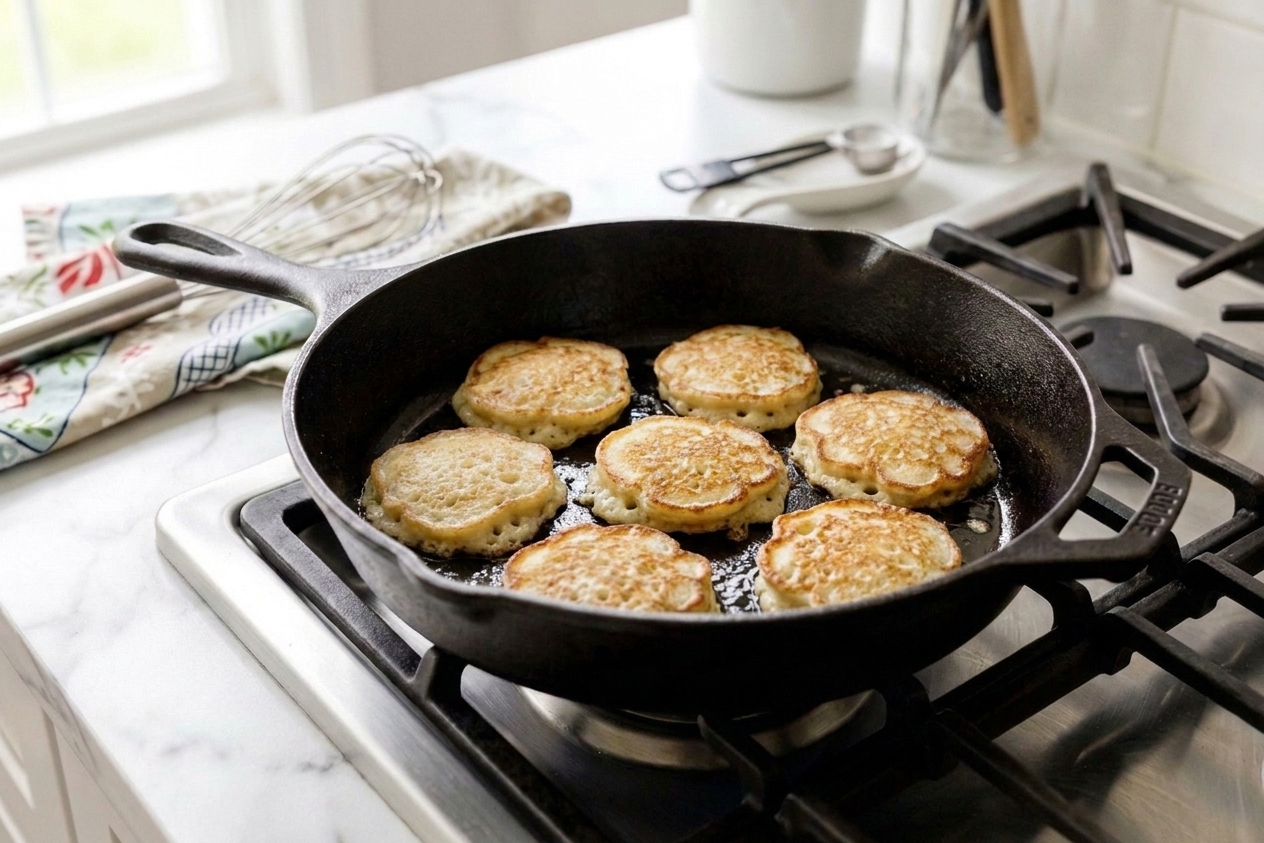
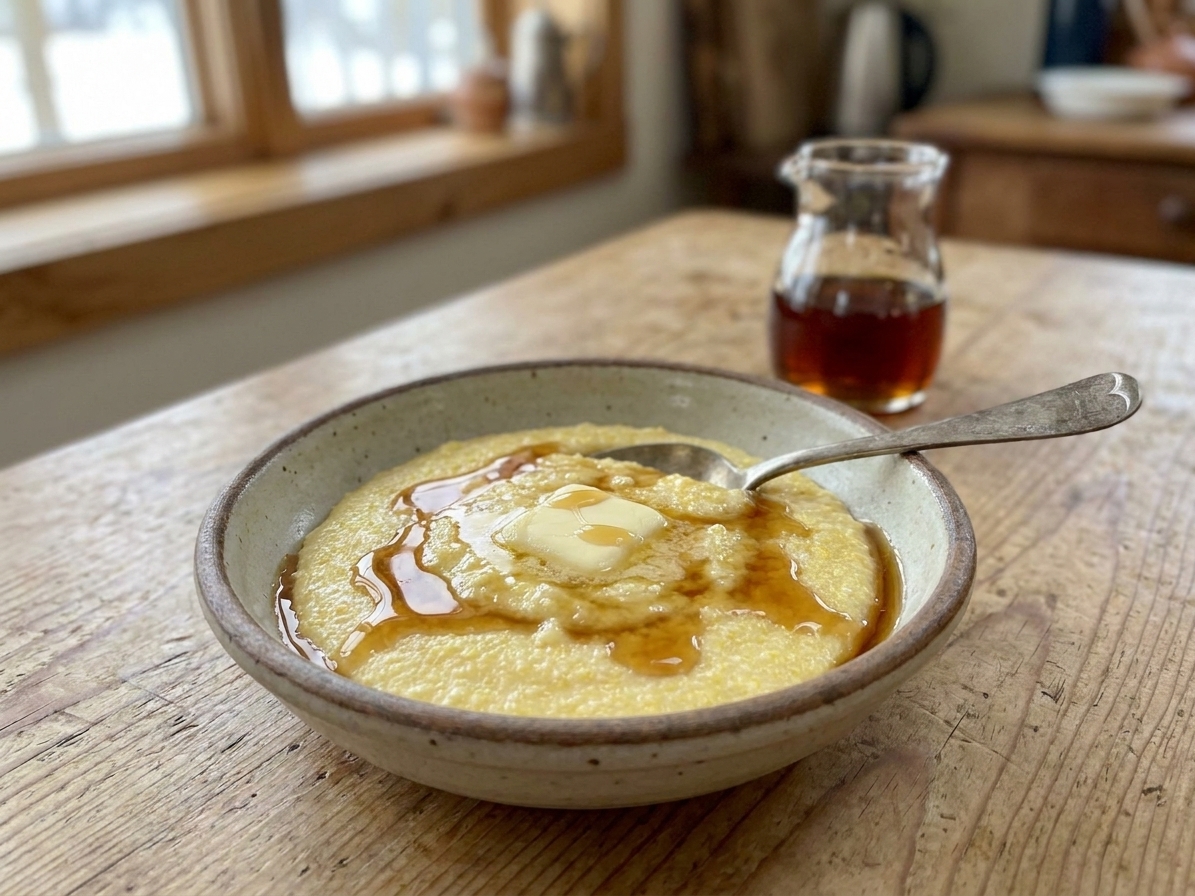
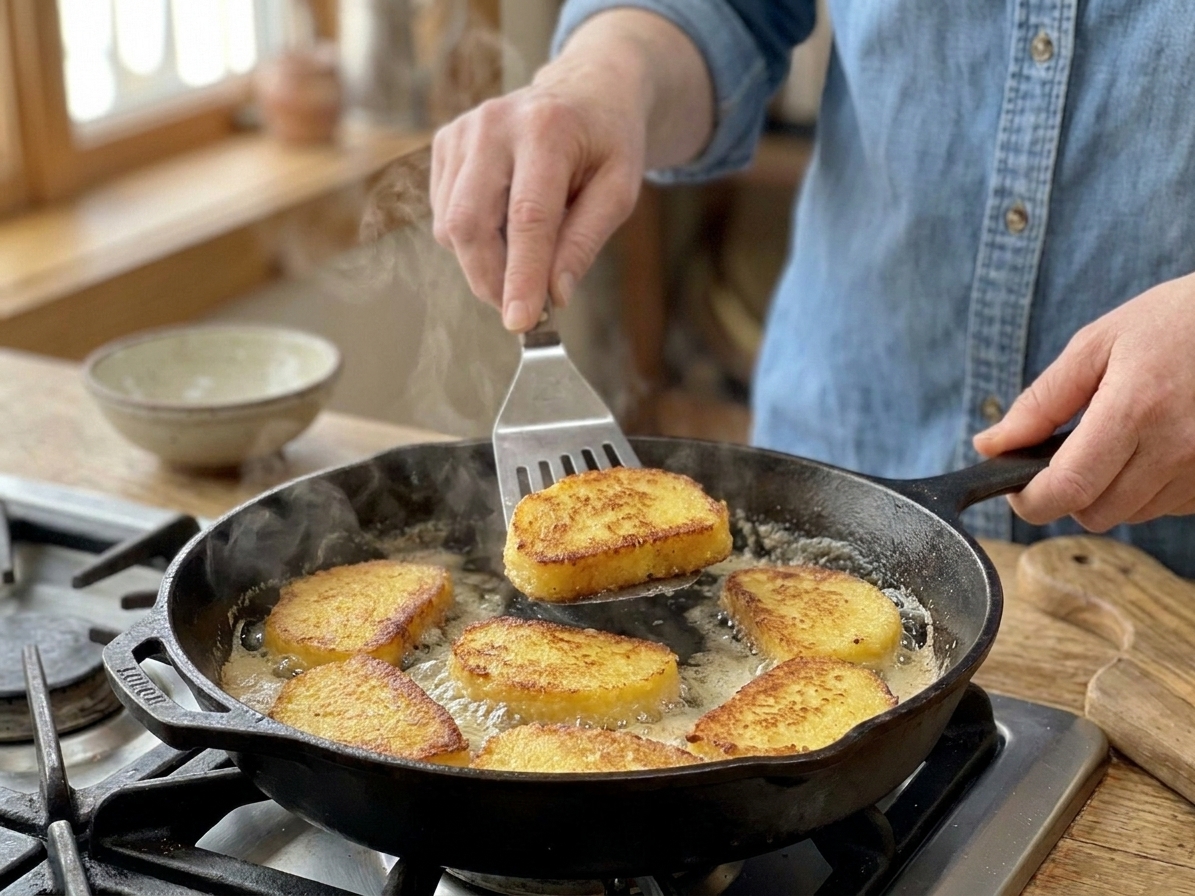
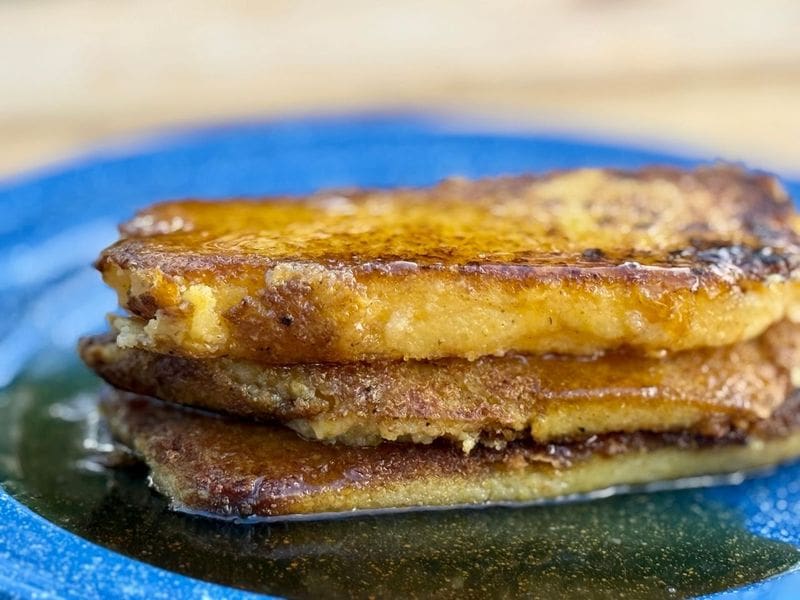
Eat it warm and creamy like porridge, with butter and maple syrup. Or chill it into a loaf, slice it, and pan-fry until the edges go crisp and golden. Same base recipe, two totally different vibes, both very worth your time.

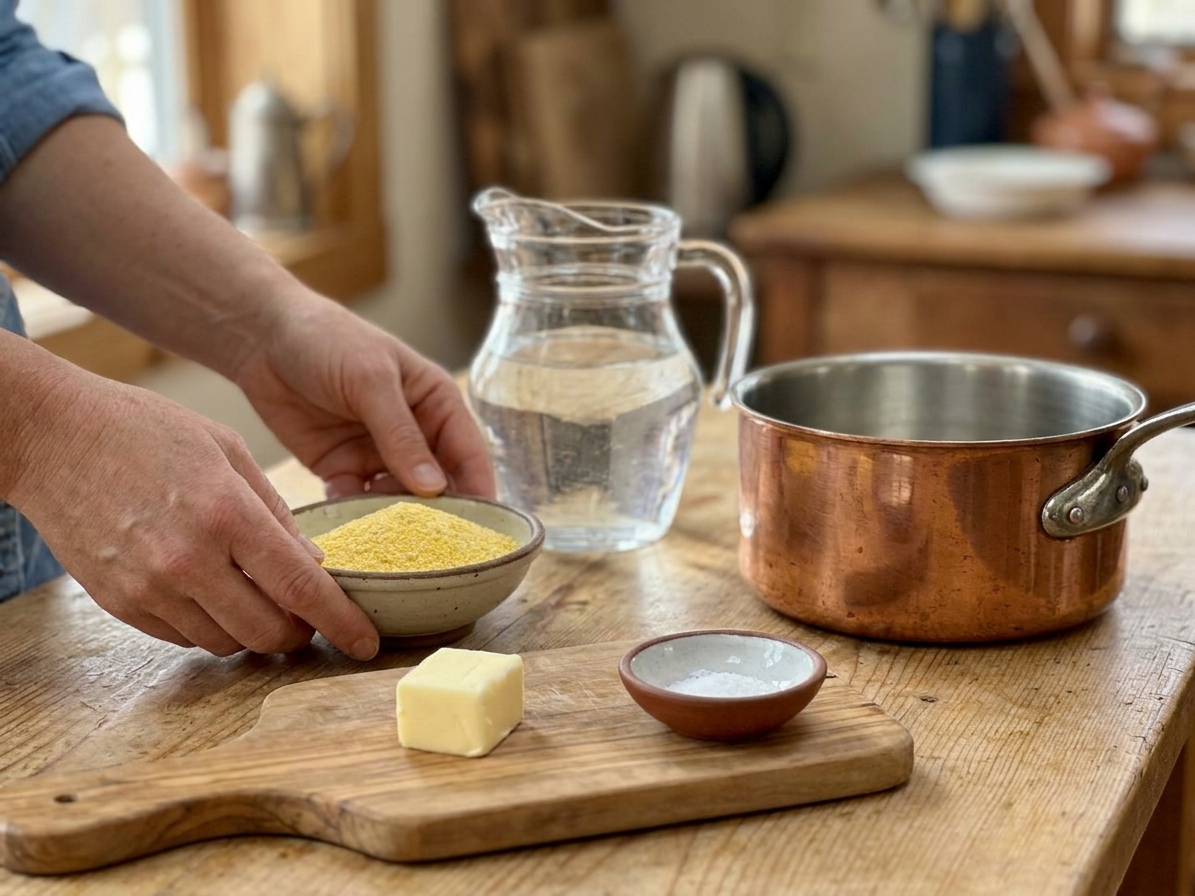
Measured cornmeal, salt, butter, and a small pitcher of water arranged on a clean kitchen counter with a saucepan nearby

Why It Works

  • No lumps: A quick whisk-in method plus a gentle simmer gives you a smooth, spoonable mush.
  • Flexible texture: Cook it a little less for creamy, or a little longer for sliceable firmness.
  • Crisp edges on demand: Chilling sets the mush so it can be seared like polenta fries, but in cozy breakfast form.
  • Budget friendly: Cornmeal is inexpensive, shelf-stable, and always ready for a save-the-day meal.

Pairs Well With

Storage Tips

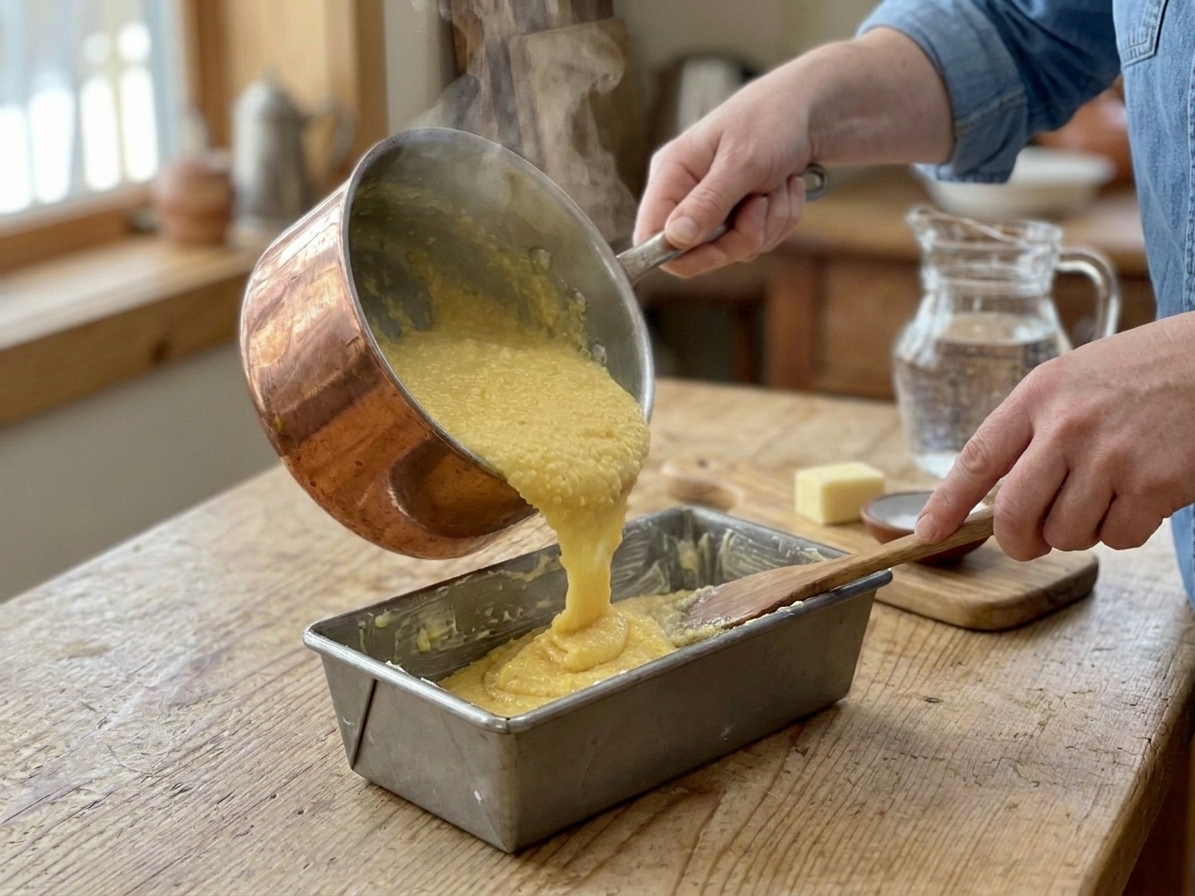
Refrigerate: Cool completely, then cover and refrigerate for 3 to 5 days. For best slicing, chill in an 8x4-inch loaf pan or shallow container.

Reheat creamy mush: Add a splash of water or milk and warm on the stove over low heat, stirring often, until loosened and hot.

Fry from cold: Cold mush slices brown best. Slice, pat dry, then sear in butter or oil.

Freeze: Slice and freeze on a sheet pan, then transfer to a bag for up to 2 months. Thaw overnight in the fridge before frying.

Common Questions

Is cornmeal mush the same as polenta?

They are close cousins. Both are cooked cornmeal. Polenta is typically served savory and can be made from fine, medium, or coarse grinds depending on brand and region. Cornmeal mush is traditionally softer and often served sweet, especially for breakfast. You can use this recipe as a polenta-style base if you lean savory with cheese, pepper, and herbs.

What kind of cornmeal should I use?

Yellow cornmeal is classic and gives a warm color. White cornmeal works too. Avoid masa harina, which is treated and behaves differently. Stone-ground cornmeal has great flavor but can take longer to fully soften and stays a little more rustic.

How do I prevent lumps?

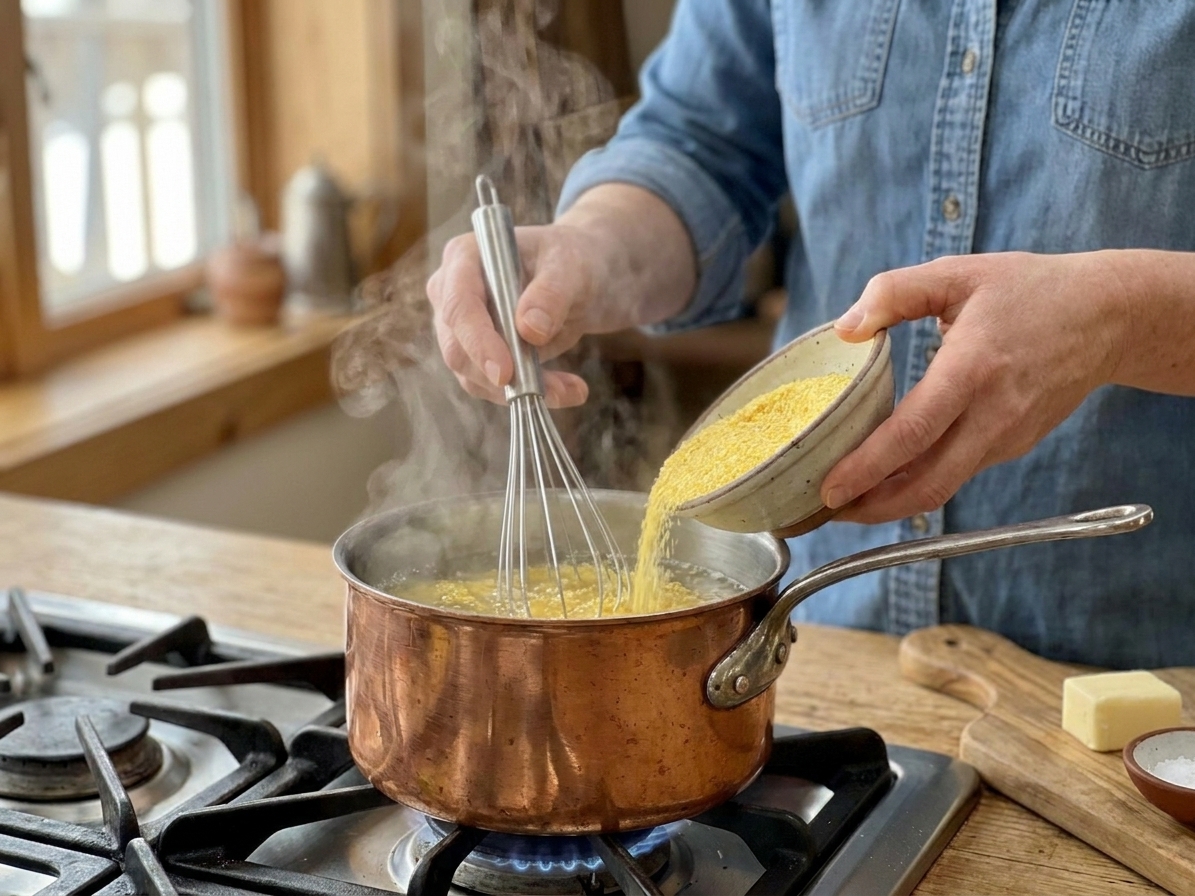
Whisk the cornmeal into a gentle simmer in a steady stream while whisking like you mean it. Then switch to a spoon once it thickens and keep it moving, especially around the edges of the pot.

Why is my mush too thick?

It thickens as it sits. Stir in a splash of hot water or milk until it loosens up. Season again after thinning since added liquid can dull the salt.

How long does it need to chill before slicing?

Give it at least 2 hours in the fridge, but overnight is even better for clean slices and crisp frying.

Can I make it with milk?

Yes. Milk makes it richer, but it can scorch, so keep the heat low and stir more often. You can also do half water, half milk for a best-of-both situation.

I love cornmeal mush because it feels like the most honest kind of cooking. No fancy ingredients, no special gear, just a pot, a whisk, and a little patience. The first time I made it, I went in overconfident and got a few lumps. I still ate it. Then I learned the trick: whisk like you are trying to win a small, friendly argument with the cornmeal.

Now it is one of my favorite choose-your-own-comfort meals. Warm bowl with butter and syrup when I want cozy. Cold slices fried crisp when I want that crackly edge situation. Same recipe, two moods, zero drama.