Will it taste like cottage cheese?
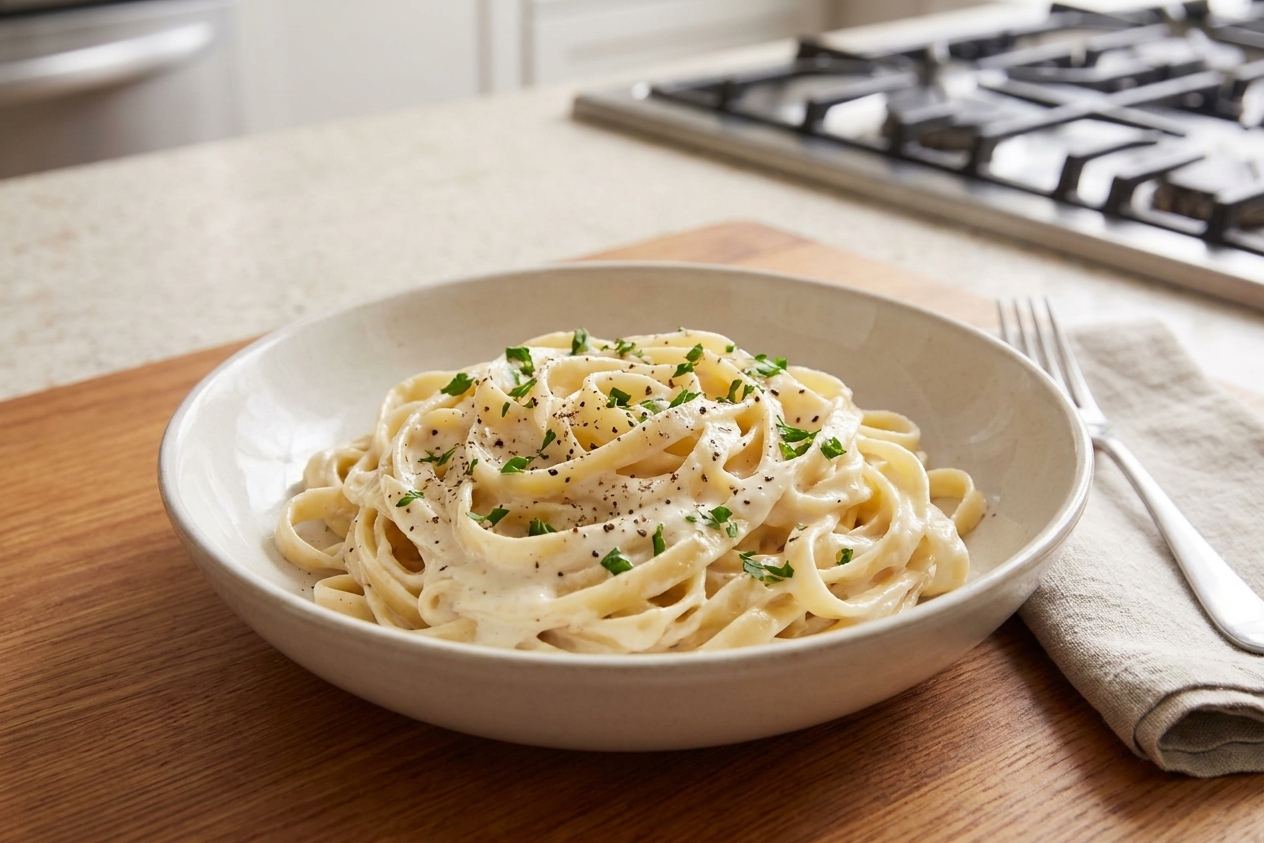
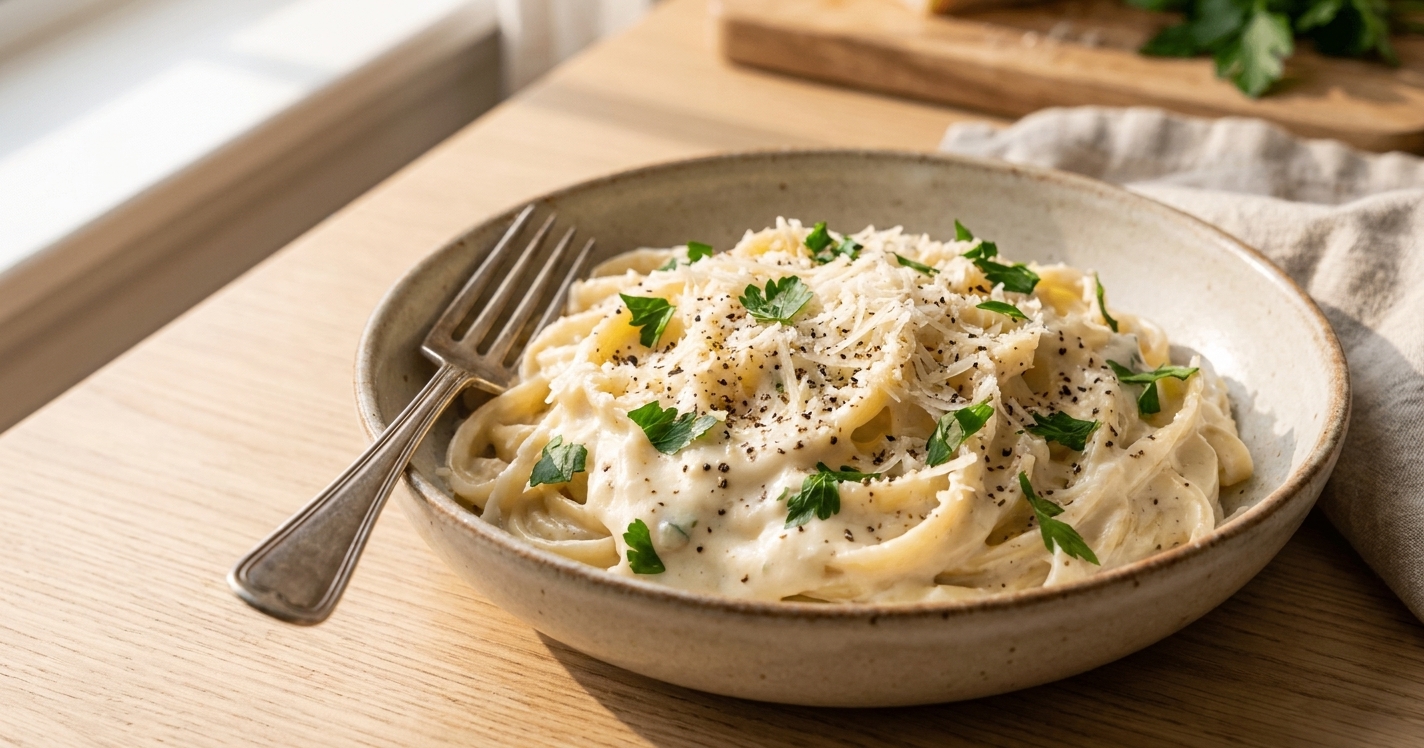
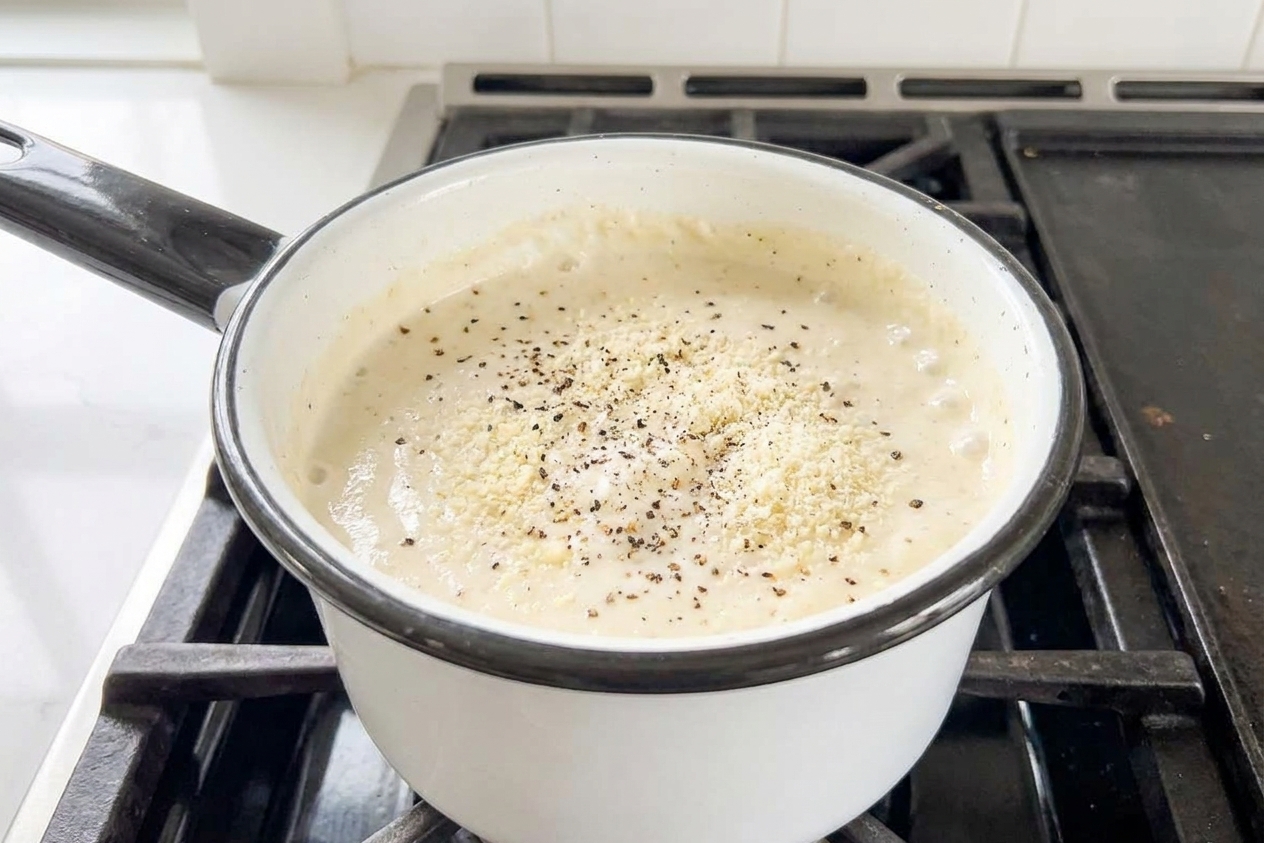
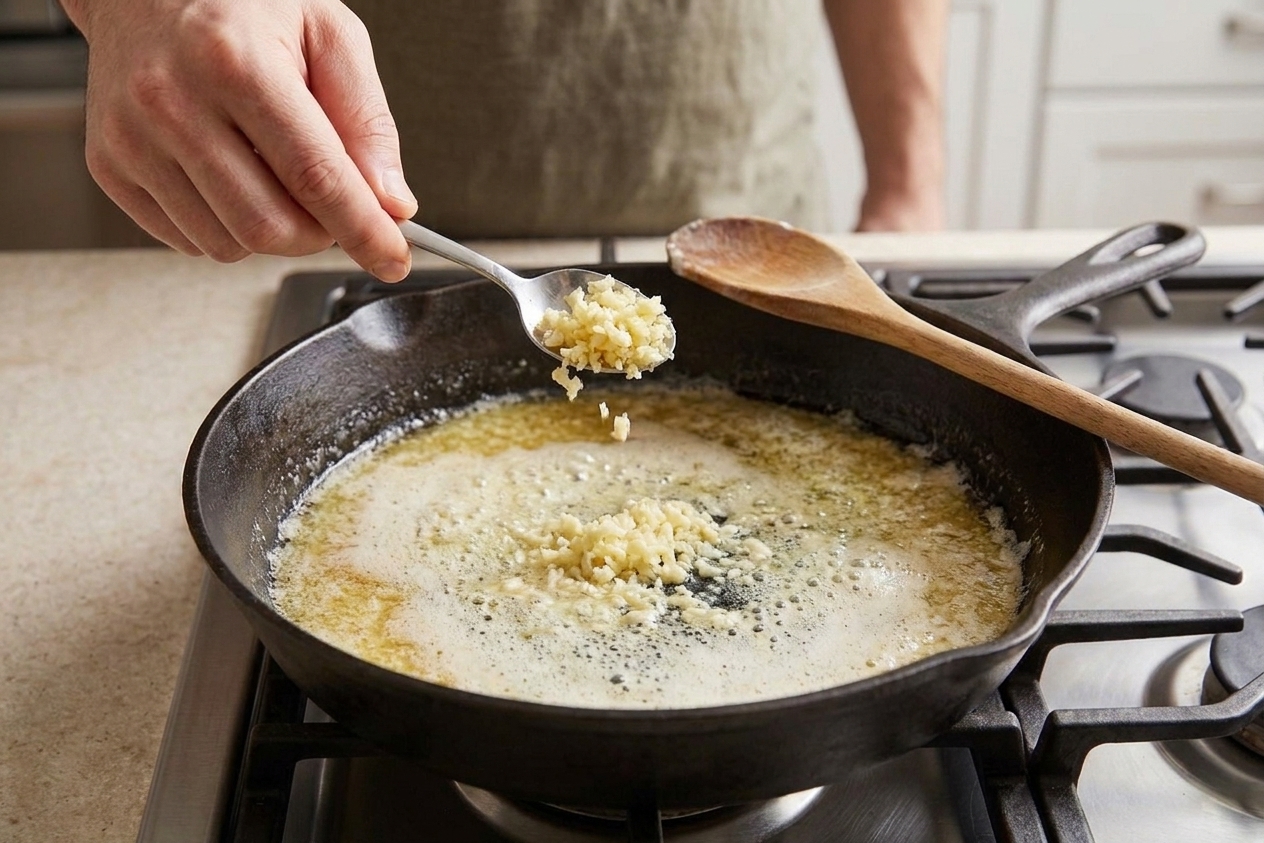
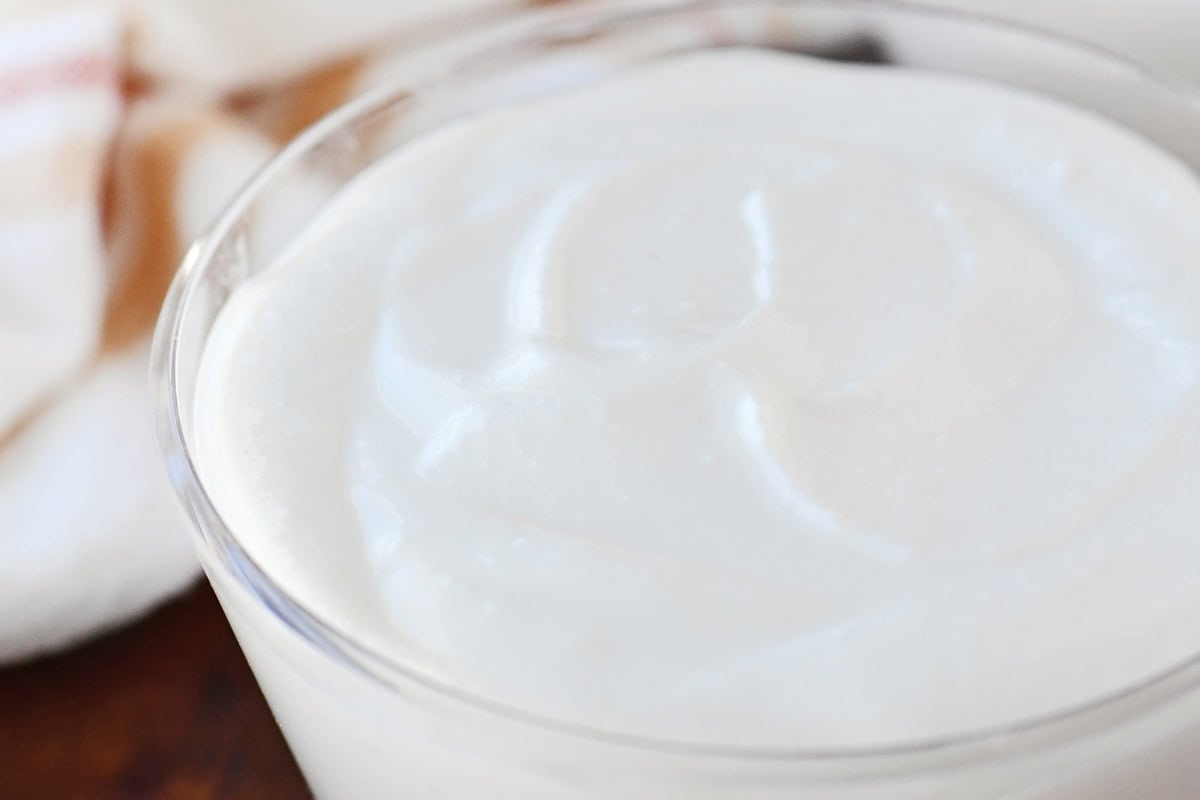
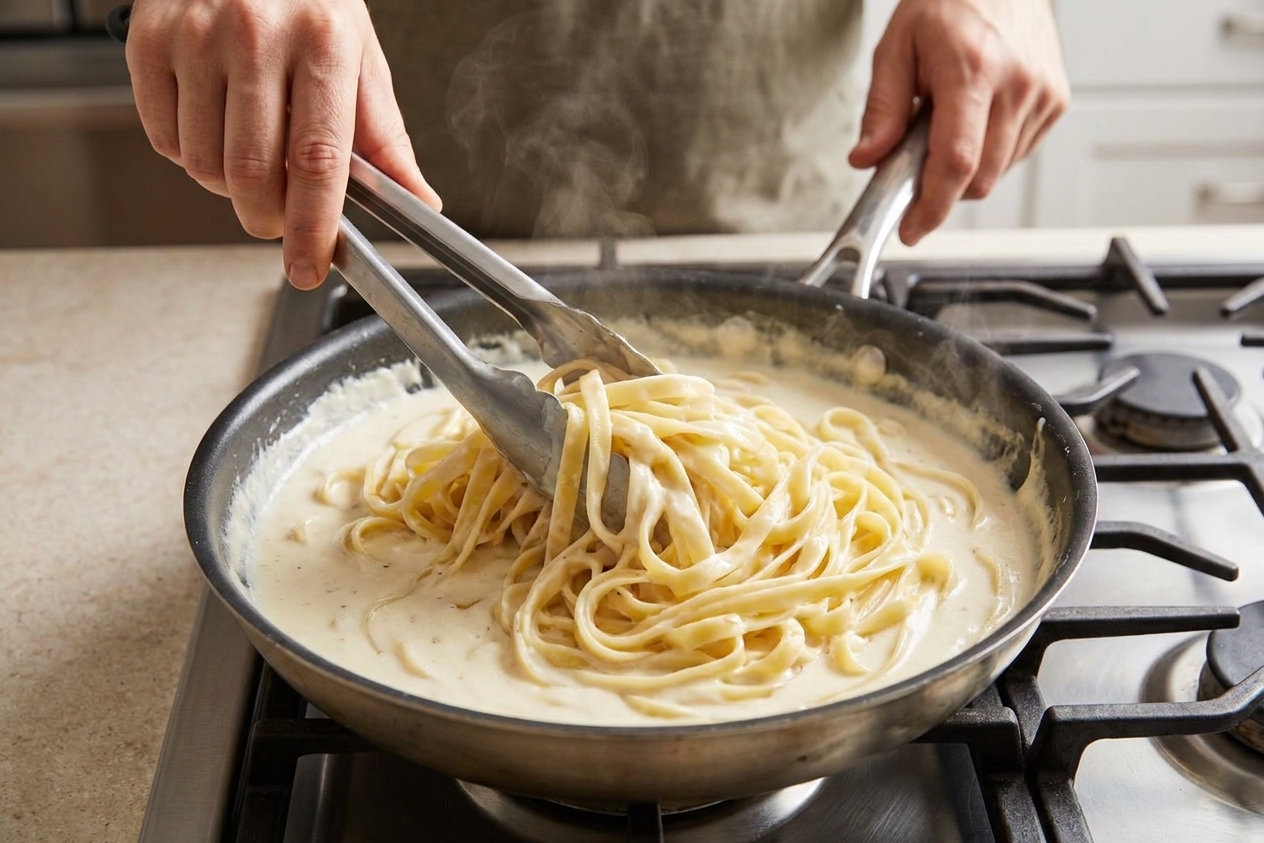
Nope, not when blended until totally smooth. Once it is warmed gently with butter, garlic, and Parmesan, it eats like a creamy Alfredo-style sauce. If you are sensitive to tang, use a mild cottage cheese and do not skip the Parmesan.
How do I keep it from getting grainy?
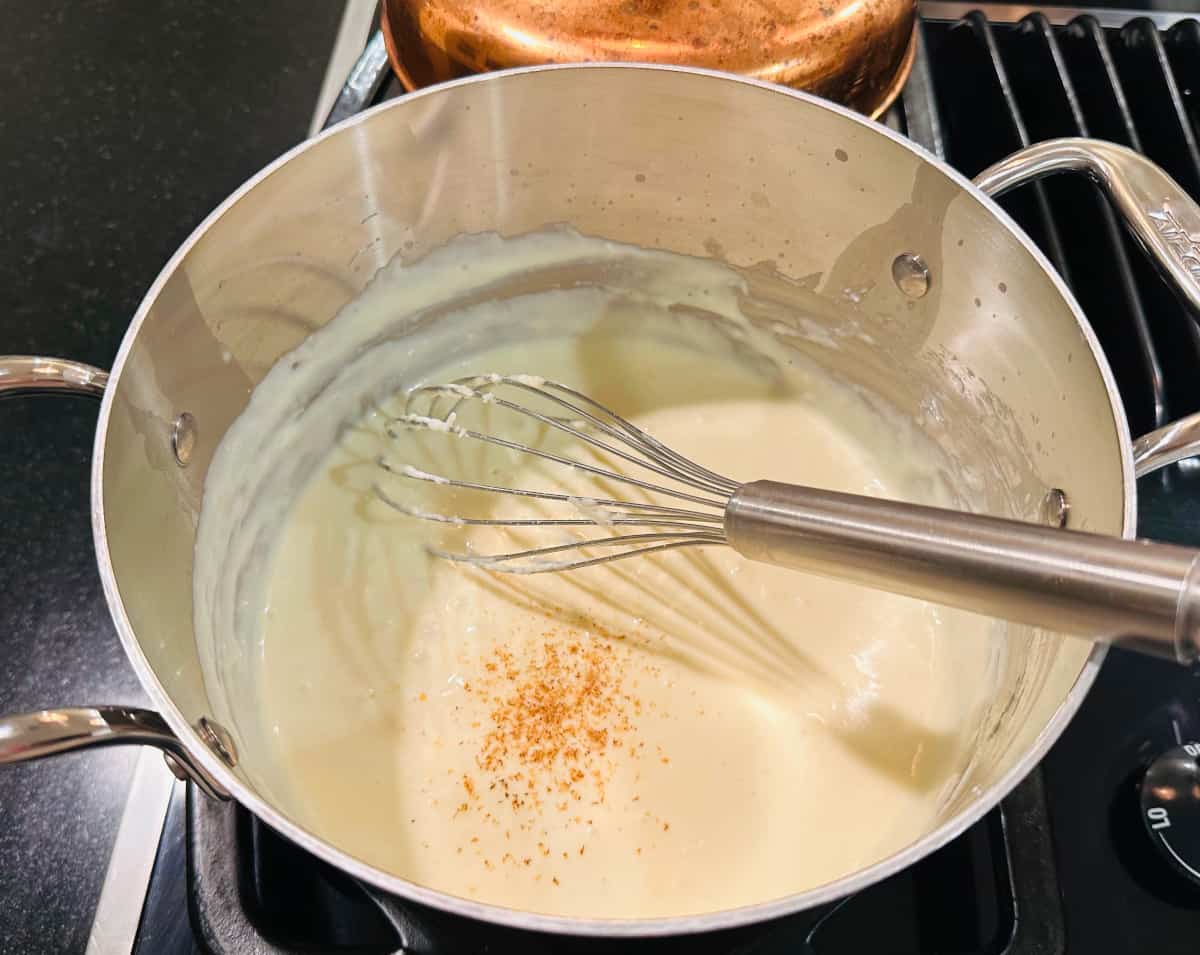
Two rules: blend until very smooth, and keep the heat low. High heat can make cottage cheese sauces turn slightly grainy. A splash of starchy pasta water also helps everything emulsify and stay glossy.
What if it still turns grainy?
Take it off the heat, add a splash of warm milk or hot pasta water, then re-blend (carefully) until smooth. Put it back in the pan and warm on low only.
How do I fix sauce that is too thick or too thin?
Too thick: Add reserved pasta water a tablespoon at a time (or a splash of milk) until it loosens and looks glossy.
Too thin: Keep it on low heat for another minute or two to gently thicken, or add a small handful of extra Parmesan and stir until melted.
Can I make it without a blender?
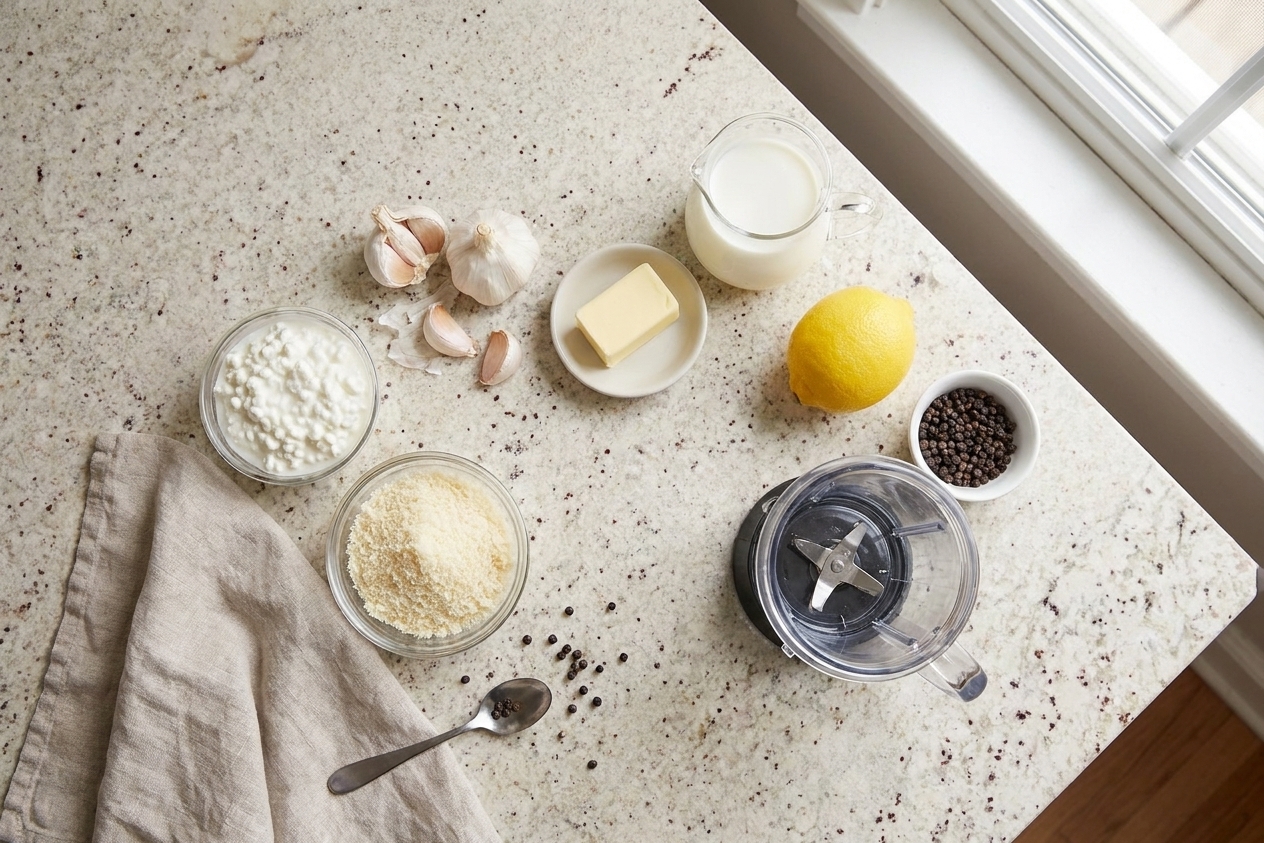
You can, but it will be more textured. If you have an immersion blender, that works great. Otherwise, mash the cottage cheese as smooth as possible and expect a slightly nubbly sauce.
What pasta works best?
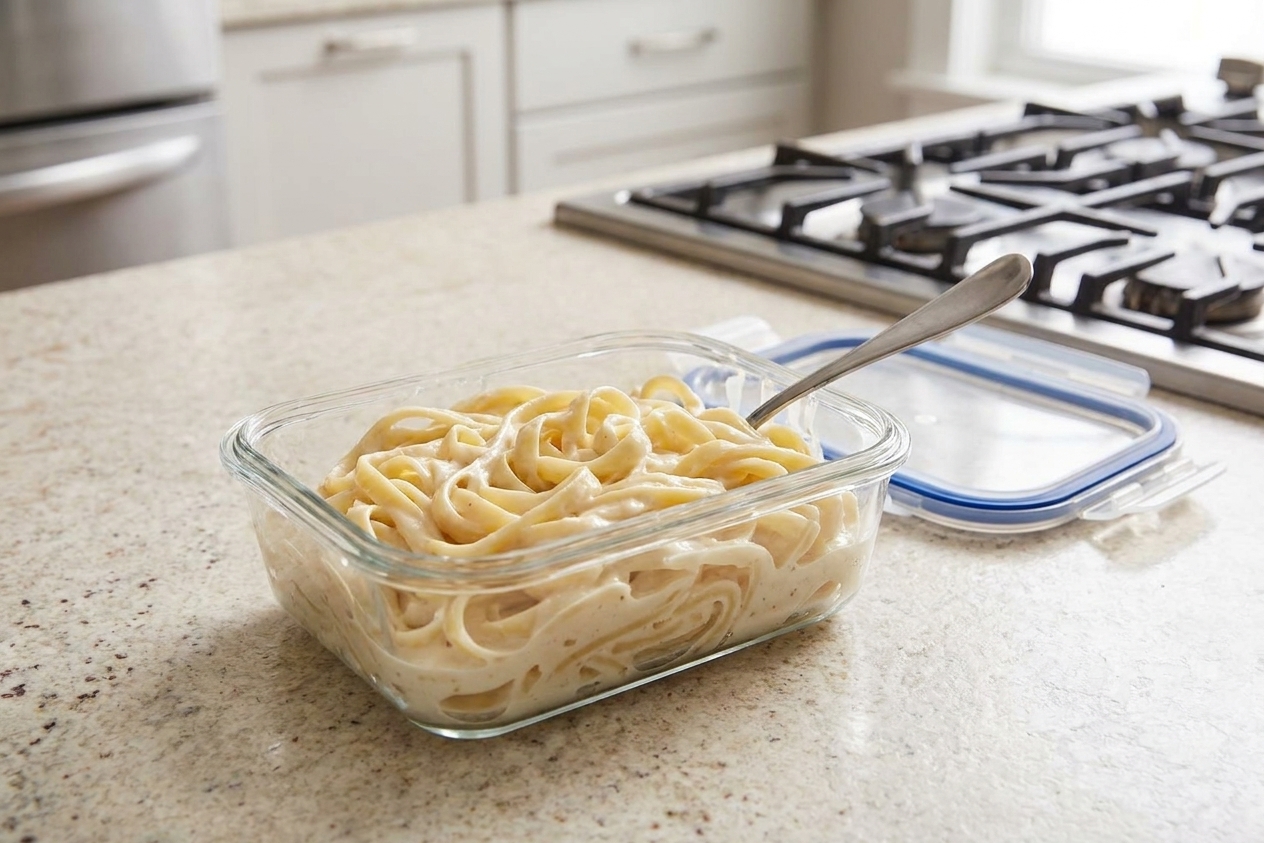
Fettuccine is the classic vibe, but penne, rigatoni, and shells are fantastic because they trap sauce. For a cozy bowl, try it with gnocchi.
Can I add protein or veggies?
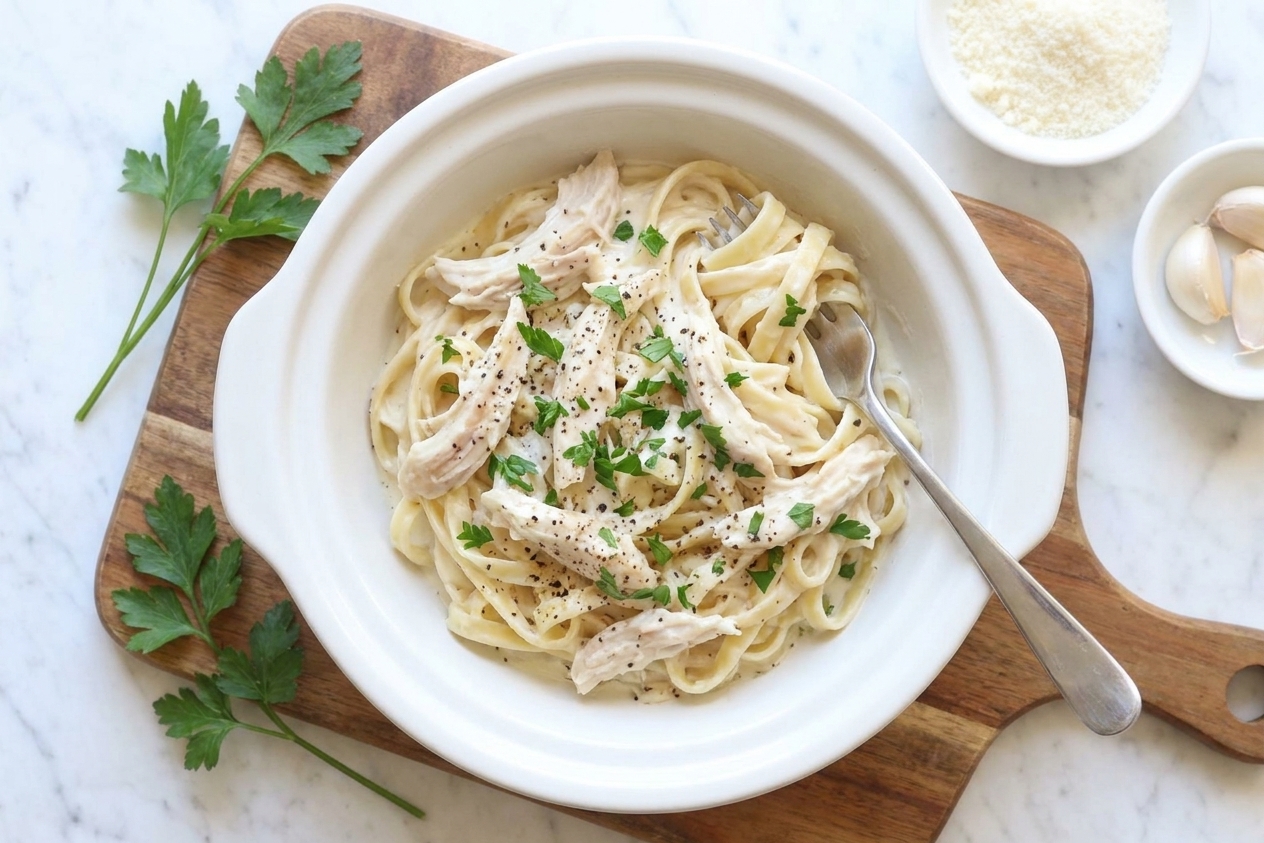
Absolutely. Stir in shredded rotisserie chicken, sautéed mushrooms, shrimp, peas, spinach, or roasted broccoli. Just keep add-ins warm so the sauce does not cool down and thicken too fast.
How much protein does this have?
It is a higher-protein riff thanks to the cottage cheese. Exact protein depends on the brand of cottage cheese, milk, and how much Parmesan you use, but you can expect a noticeable bump compared to a traditional cream-based Alfredo-style sauce.