Mom's Best Recipes
Recipe

Cottage Cheese Bread

A tender, lightly tangy, higher-protein-than-usual quick bread with a golden crust and an easy one-bowl method.

Author By Matt Campbell
4.8
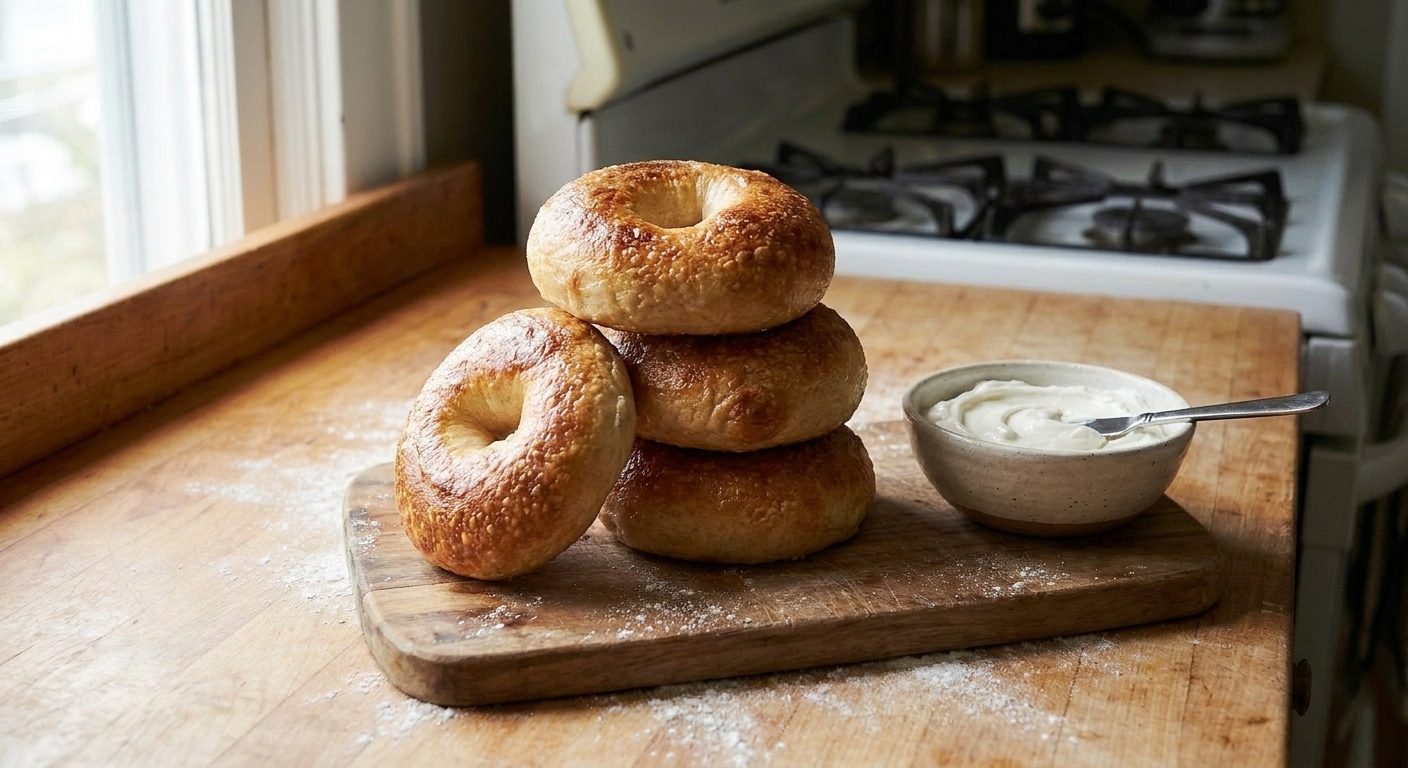
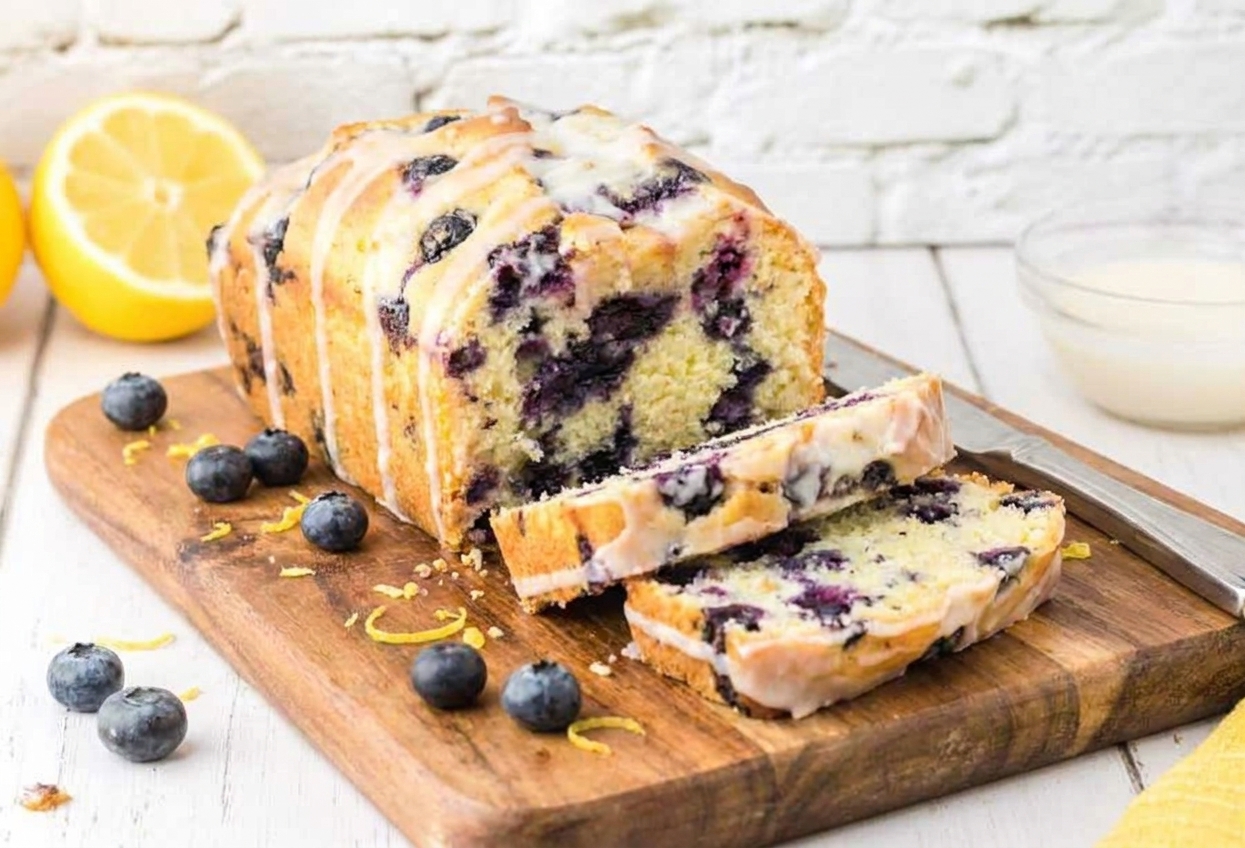
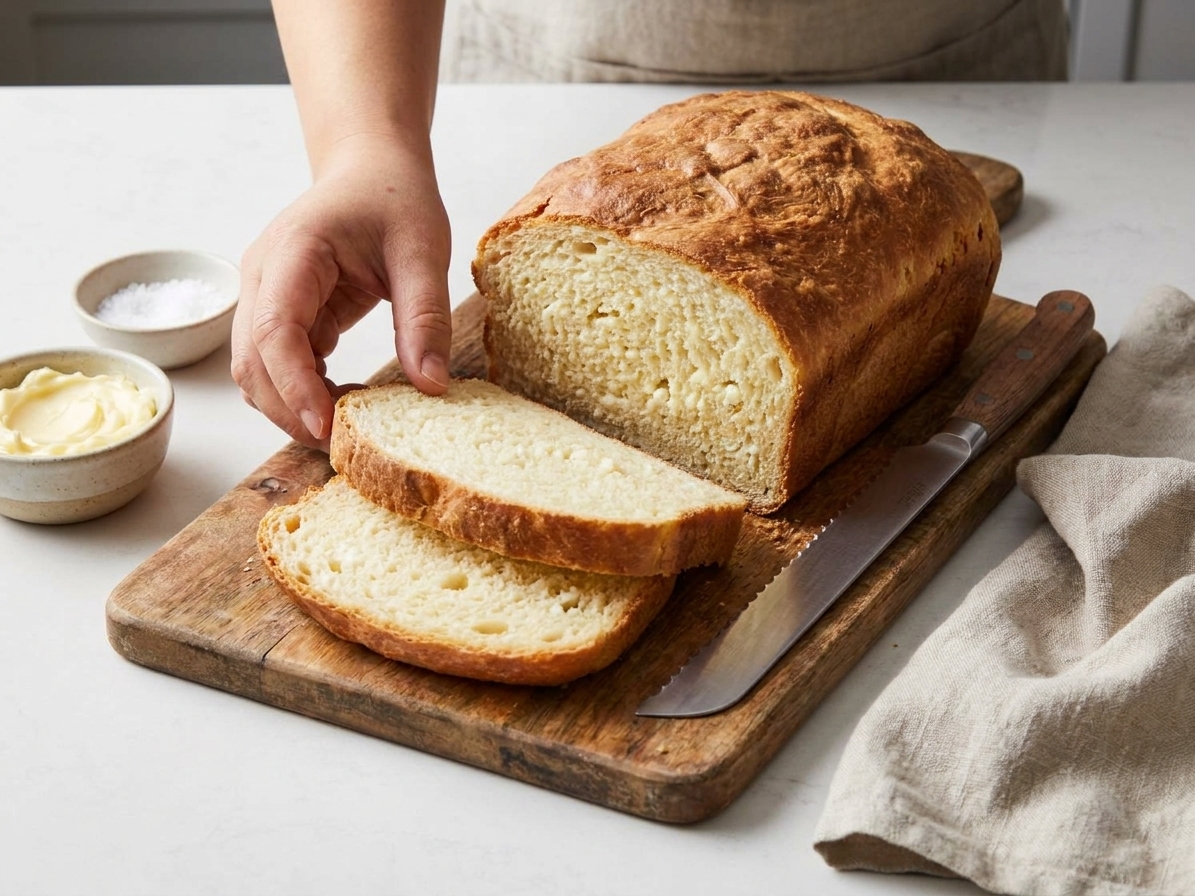
A sliced loaf of cottage cheese bread on a wooden cutting board with a golden crust and soft, tender crumb in a bright home kitchen

If you have a tub of cottage cheese hanging out in your fridge and you are tired of pretending you are going to eat it with fruit, this bread is a very good plan. Cottage cheese bread bakes up soft and tender with a subtle tang, a sturdy slice, and that cozy toasted vibe that makes butter taste like a life choice.

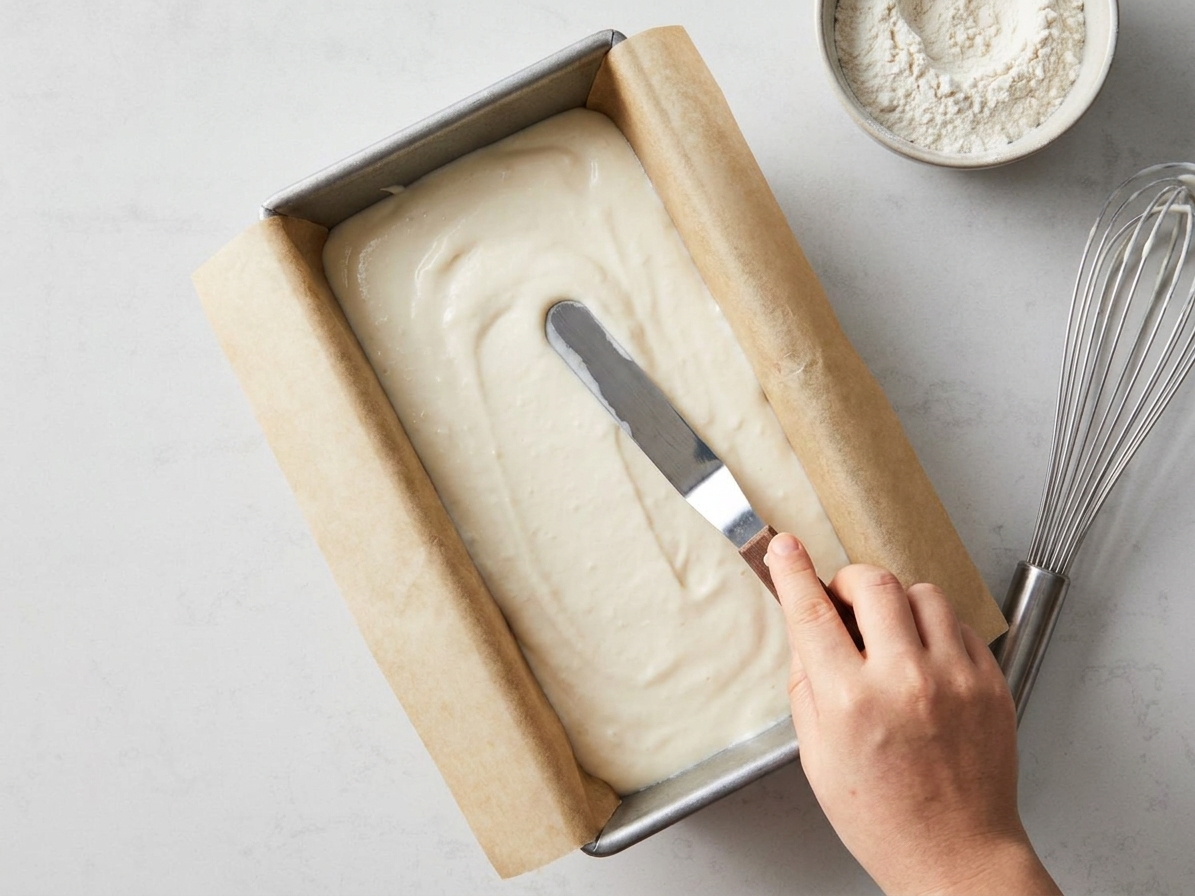
This is a quick bread, so we skip the yeast situation. No proofing. No kneading. Just a bowl, a loaf pan, and a batter that looks a little chaotic (in a good way) because cottage cheese does what it wants. Trust the process. The curds melt into the crumb, the top goes golden, and suddenly you have a loaf that feels like you have it together.

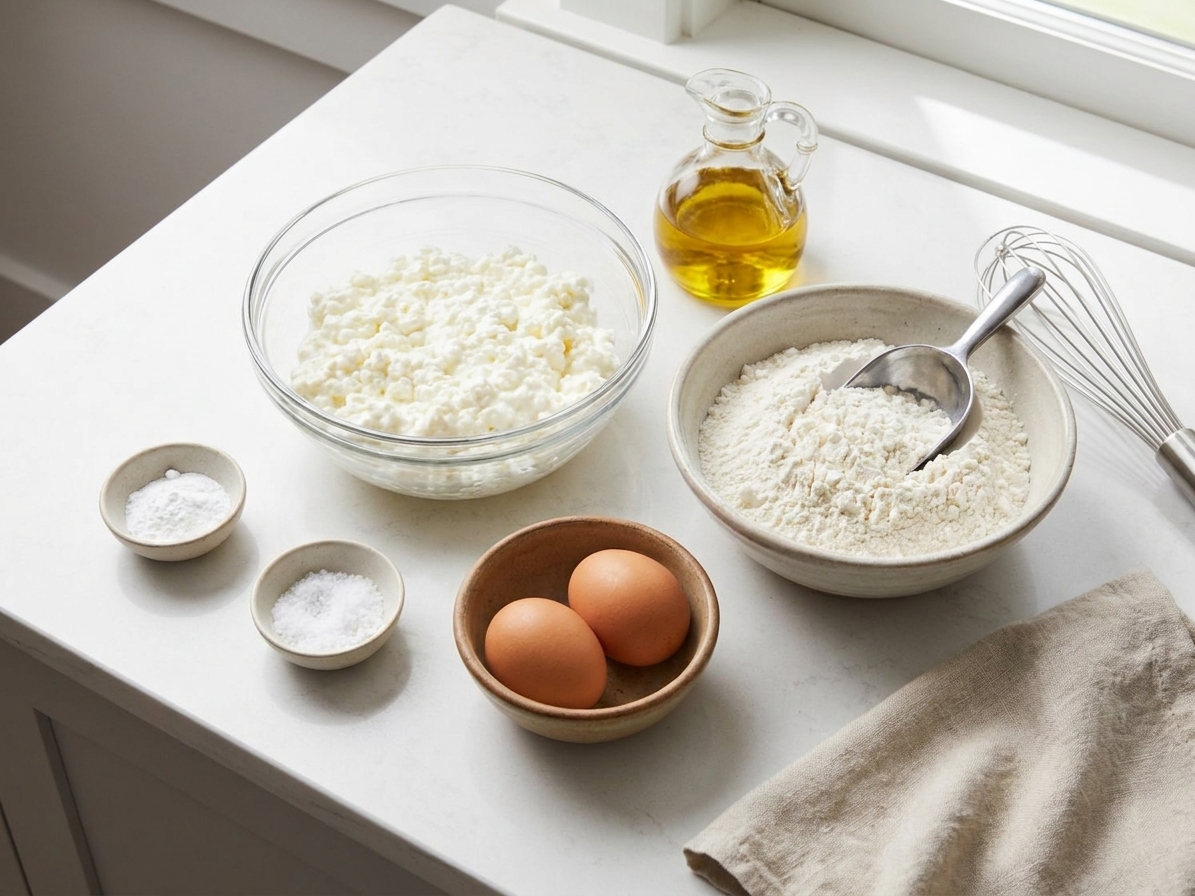
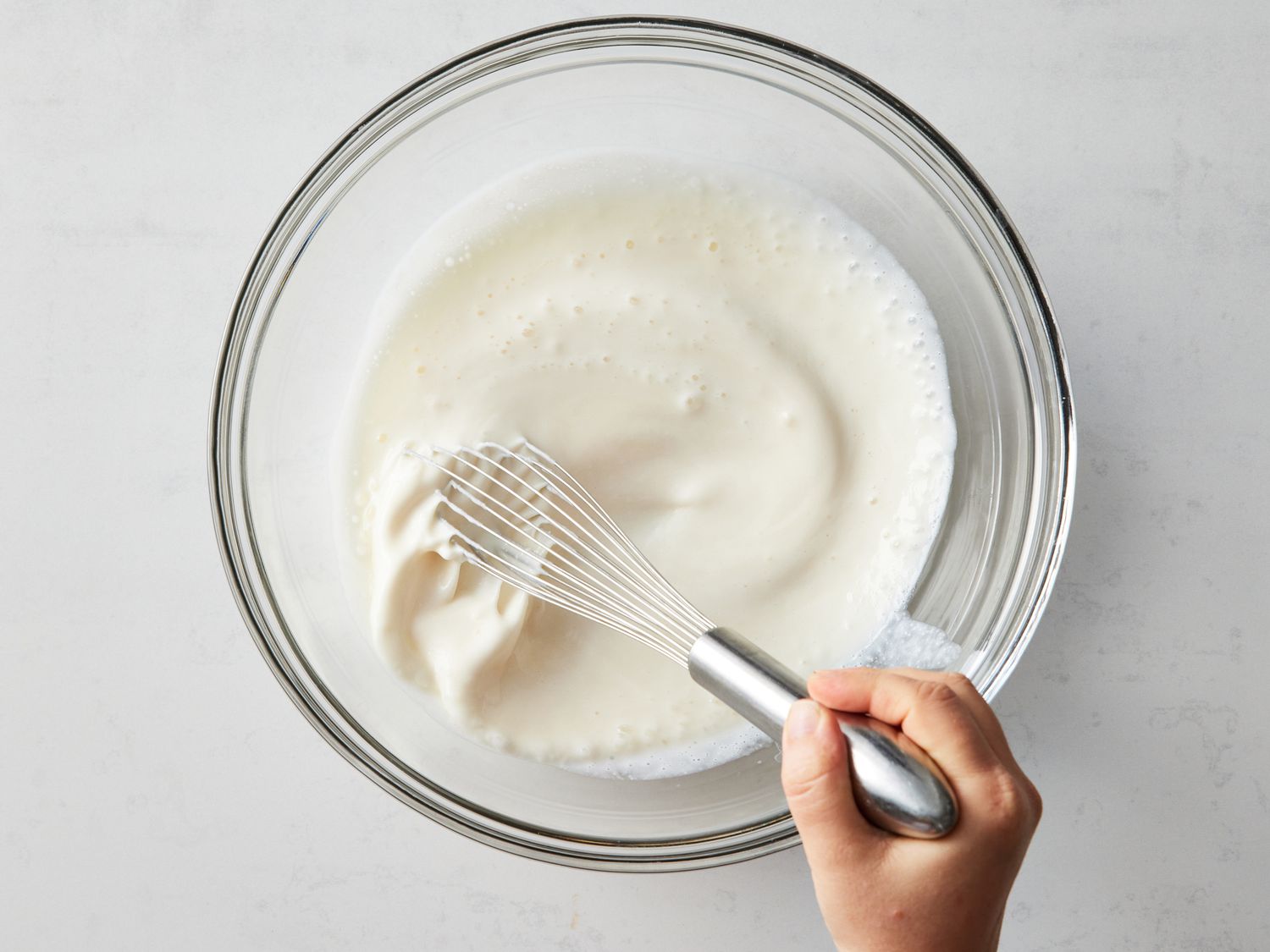
Measured ingredients for cottage cheese bread including cottage cheese, flour, eggs, baking powder, salt, and oil arranged on a clean kitchen counter in natural light

Why It Works

  • Higher-protein and satisfying: Cottage cheese boosts protein and keeps the crumb tender without making the loaf heavy.
  • Quick bread simplicity: Baking powder gives you lift, so you get a real loaf without yeast or rise time.
  • Great texture: A soft, sliceable interior with a golden top that toasts beautifully.
  • Flexible flavor: Keep it classic, or go savory with herbs and garlic, or sweet with a touch of honey.

Pairs Well With

Storage Tips

Room temperature: Let the loaf cool completely, then store in an airtight container or zip-top bag for up to 2 days. If your kitchen runs warm, move to the fridge.

Refrigerator: Wrap tightly and refrigerate up to 5 days. The crumb firms up when cold, so toast slices to bring it back to life.

Freezer: Slice the cooled loaf, then freeze slices with parchment between them in a freezer bag for up to 2 months. Toast straight from frozen.

Best reheat: Toaster for slices, or warm the whole loaf (wrapped in foil) at 325°F for 10 to 15 minutes.

Common Questions

Do I taste the cottage cheese?

It is subtle. You get a gentle tang and a super tender crumb, not a strong cottage cheese flavor. Toasting makes it even more mellow and cozy.

Should I drain the cottage cheese?

Usually, no. If your cottage cheese looks very watery, drain it in a fine-mesh sieve for about 5 minutes so the loaf does not turn out gummy in the center.

Should I blend the cottage cheese first?

Not required. If you want an extra smooth crumb, you can blend it briefly with the eggs and oil. If you like a rustic look, keep the curds as-is.

Why does this use baking powder and baking soda?

Baking powder does most of the lifting. A small amount of baking soda helps the loaf brown nicely and balances the gentle tang from cottage cheese. If you are sensitive to baking soda flavor, keep it level (not heaping), or you can omit it for a slightly less golden top.

Why did my loaf sink in the middle?

Most common culprits are underbaking, expired baking powder, or overmixing. Bake until the center looks set and a tester comes out with a few moist crumbs. If you have a thermometer, aim for around 200°F to 205°F. Cool fully before slicing.

My top is browning but the middle is not done. What do I do?

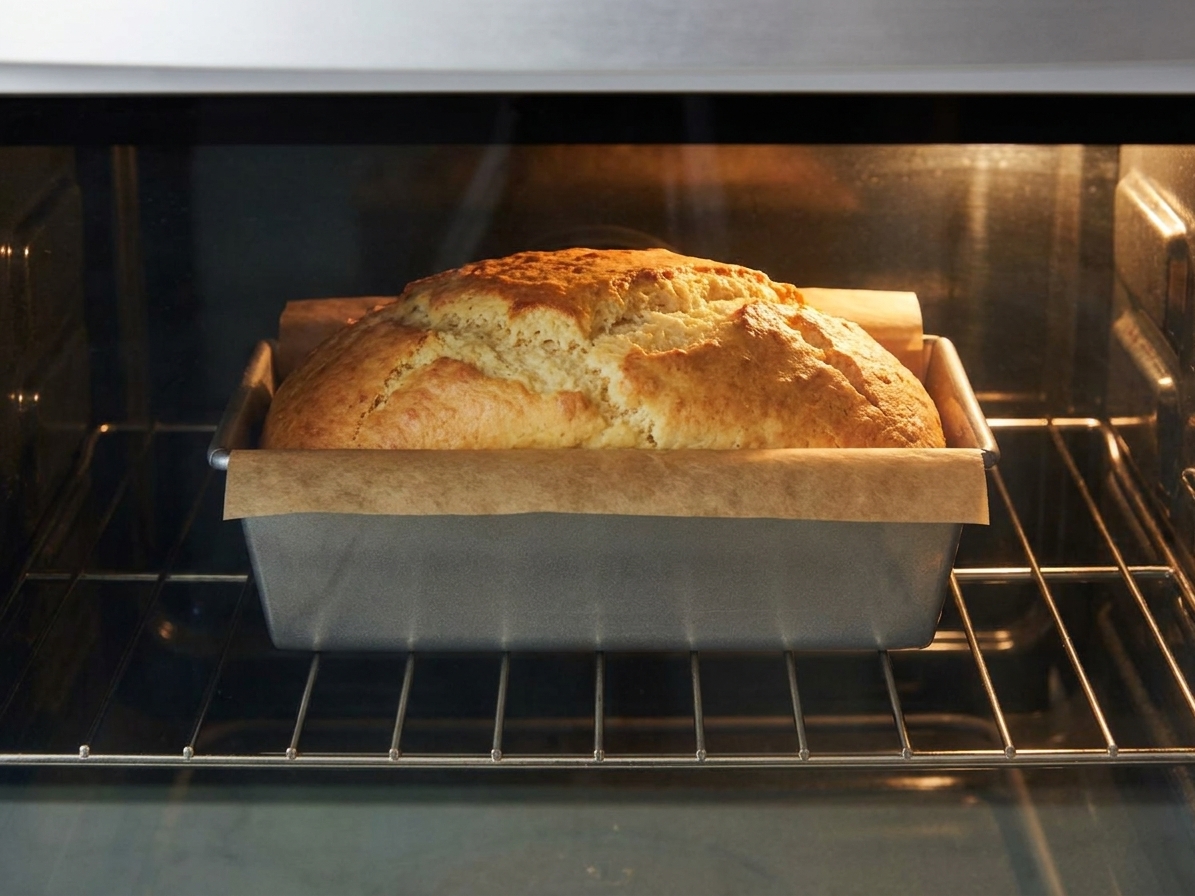
Tent the loaf loosely with foil for the last 10 to 15 minutes, then keep baking until the center is set.

Why is the center gummy or wet?

This usually comes from extra-wet cottage cheese, underbaking, or slicing too soon. Drain watery cottage cheese, bake a few minutes longer, and let the loaf cool all the way before slicing.

Can I make it gluten-free?

Yes. Use a 1:1 gluten-free all-purpose flour blend that includes xanthan gum. The loaf will be slightly more delicate, so cool completely before slicing.

Can I add mix-ins?

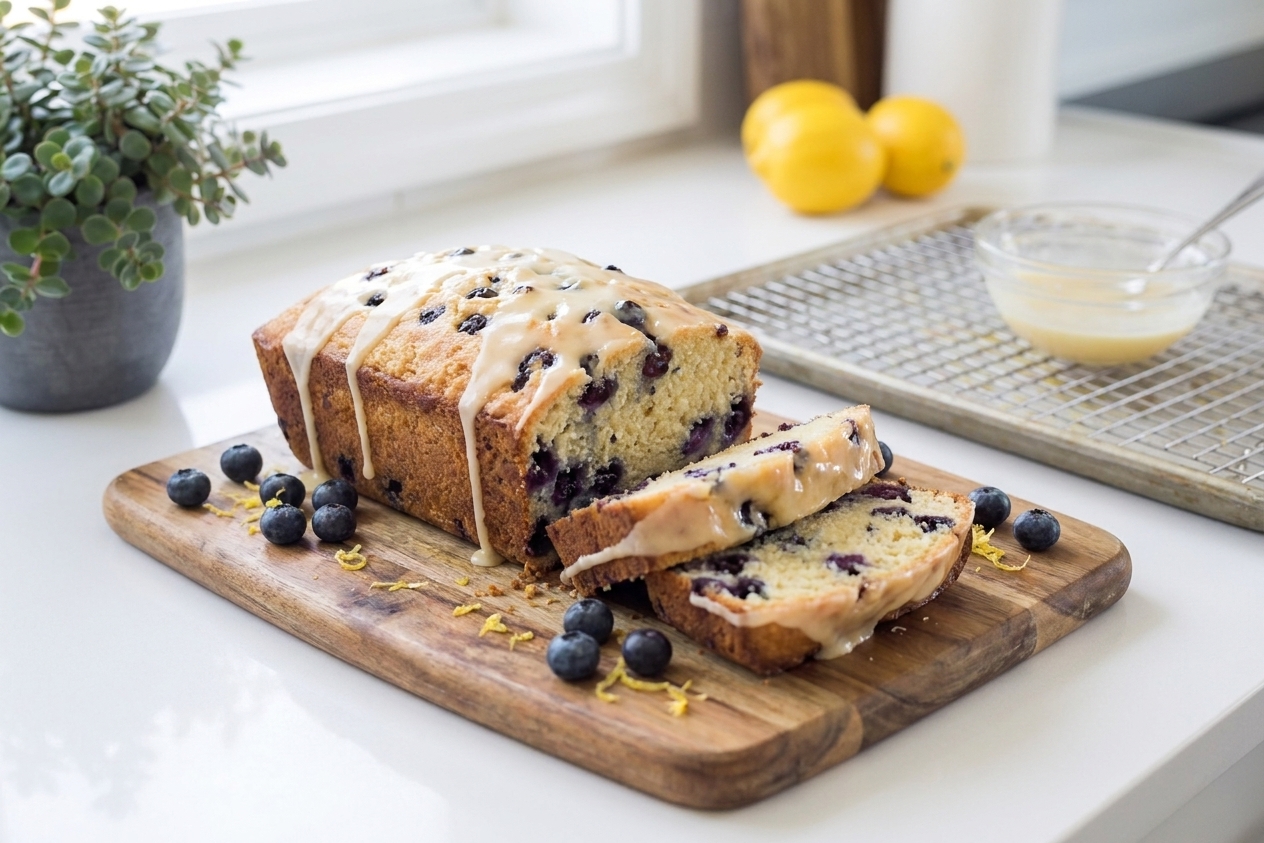
Absolutely. Try 1 cup shredded cheddar plus 1 tablespoon chopped chives, or 1 cup blueberries with 1 to 2 tablespoons sugar. Keep mix-ins fairly dry and do not overload the batter.

Do you have a nutrition estimate?

As a rough estimate, this loaf lands around 8 to 10 grams of protein per slice (1/10 of the loaf), depending on your cottage cheese brand and exact slice size.

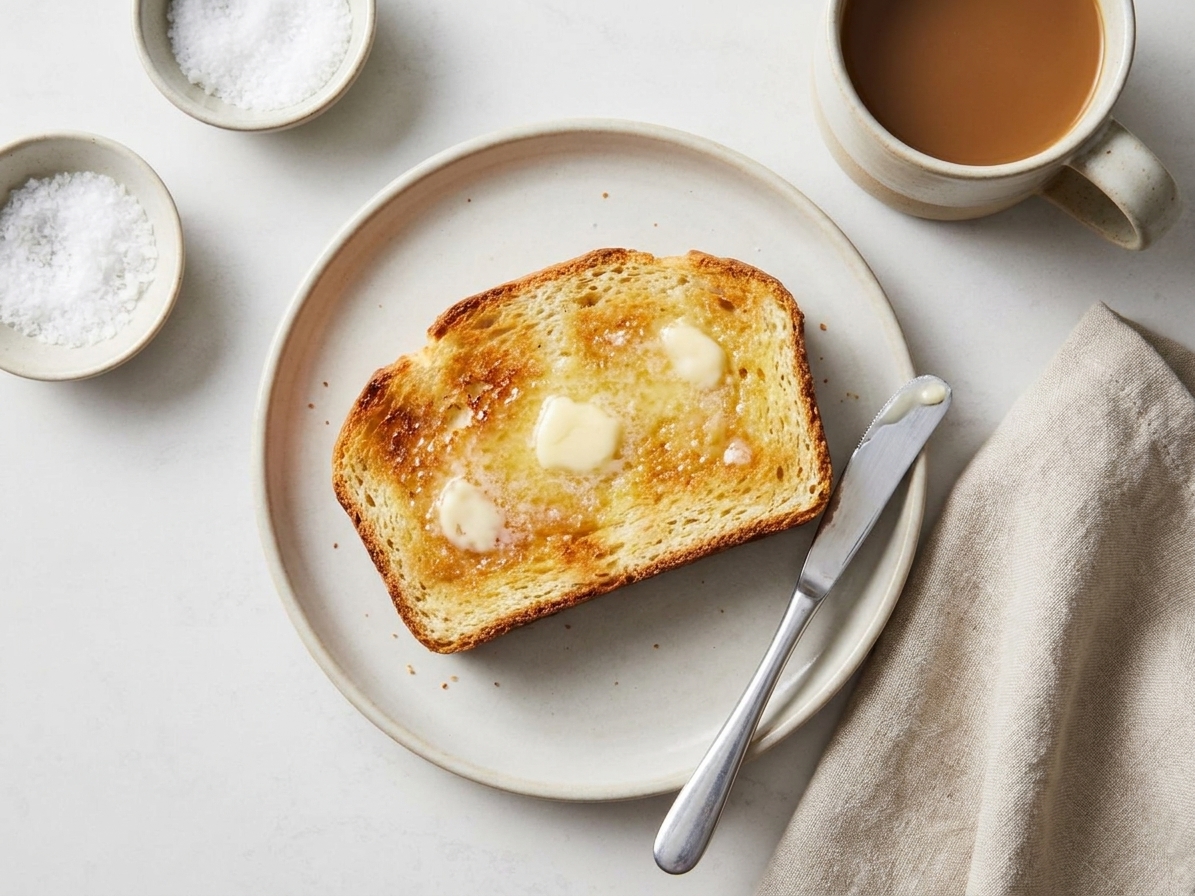
I started making this when I was in my practical-skills era of cooking, the phase where you want something homemade but you also want it to happen on a weeknight. Cottage cheese bread felt like a small magic trick: extra protein, comfort, and an actual loaf with almost no effort. The first time I toasted a slice and watched the edges go crisp while the inside stayed plush, I was done. Now it is my go-to when the fridge looks a little random but I still want a real, warm, butterable win.