Common Questions
How much protein is in a protein bagel?
It depends on your yogurt brand and how big you make them, but with typical nonfat Greek yogurt these usually land around 10 to 14 grams of protein per bagel (estimate, before toppings). If you want a ballpark for the whole batch, using 1 cup nonfat Greek yogurt often adds roughly 20 to 25 grams protein total, plus a little from the flour.
Add cottage cheese spread, eggs, turkey, smoked salmon, or a slice of cheddar and you can build a seriously filling breakfast.
Why is my dough sticky?
Greek yogurt varies a lot. If it feels sticky, dust in more flour 1 tablespoon at a time until it’s tacky but workable. Also, flour your hands, not your whole soul.
Can I use self-rising flour?
Yes. Self-rising flour already includes leavening and salt, so omit the baking powder and reduce or omit the added salt (brand to brand it varies, so adjust to taste).
Can I use whole wheat flour?
You can, but start with a 50/50 blend (half whole wheat, half all-purpose). All whole wheat can make the bagels dense. If you go heavier on whole wheat, you may need 1 to 2 extra tablespoons of yogurt and a slightly longer rest (8 to 10 minutes) to help the flour hydrate. A teaspoon or two of honey is optional if you want a softer flavor and a touch more browning.
Do I have to use the egg wash?
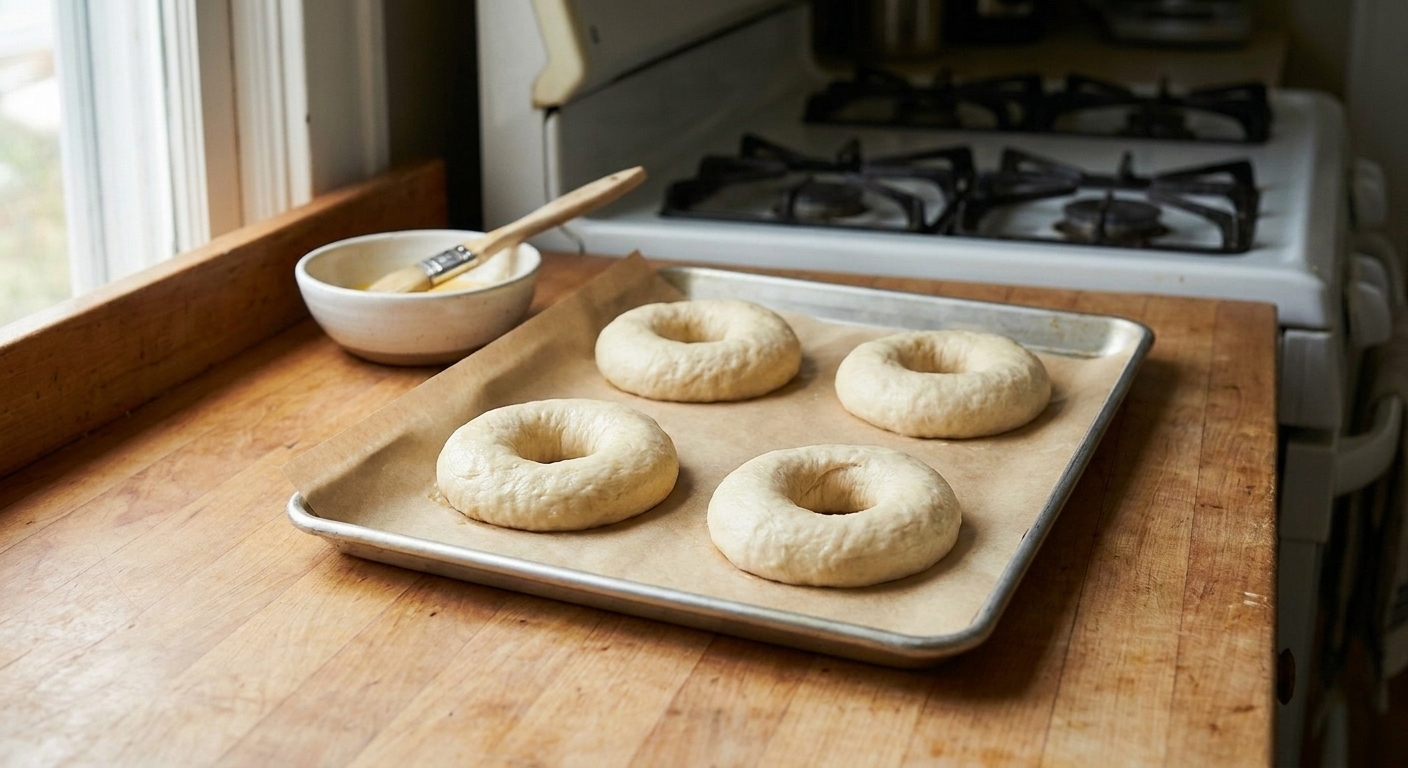
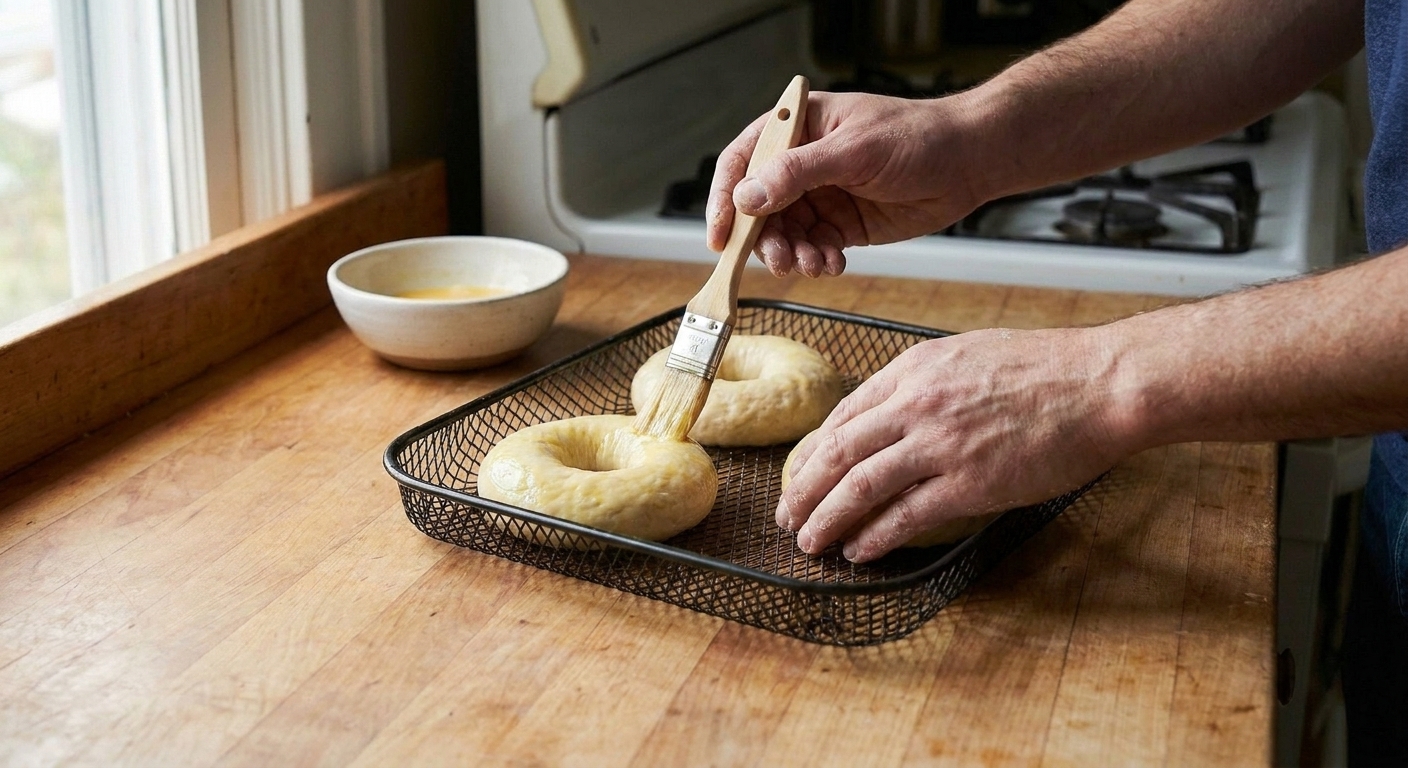
No, but it helps with browning and helps toppings stick. If you skip it, brush with a little milk or even water and accept a slightly paler bagel.
Can I make these gluten-free?
You can try a 1:1 gluten-free baking flour, but results vary a lot by blend. If possible, use one that includes xanthan gum (or add it if your blend calls for it). Expect a less chewy texture than a classic bagel. Chill the shaped bagels for 10 minutes before baking to help them hold their shape.