Mom's Best Recipes
Recipe

Cozy Lamb Stew

Tender lamb, hearty veggies, and a rich rosemary broth with just enough brightness to keep you going back for one more spoonful.

Author By Matt Campbell
4.8
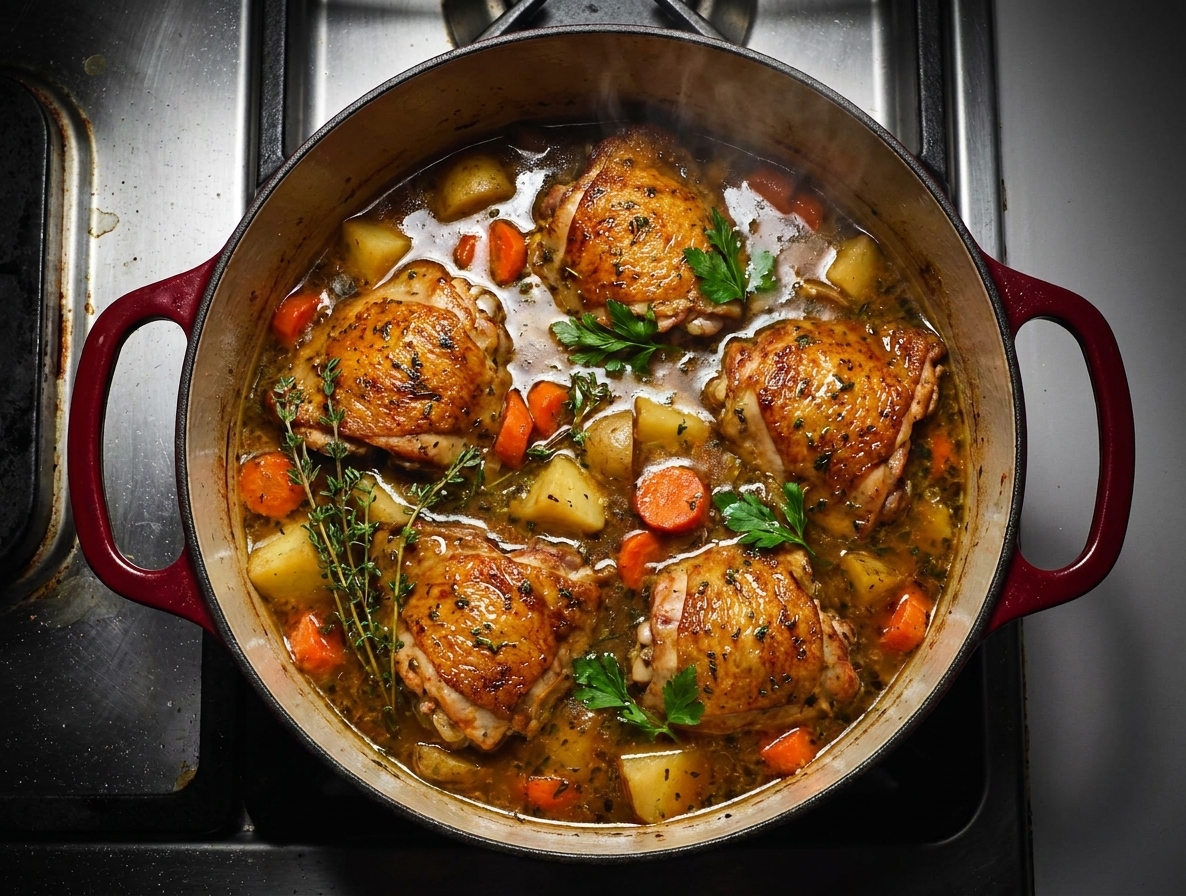
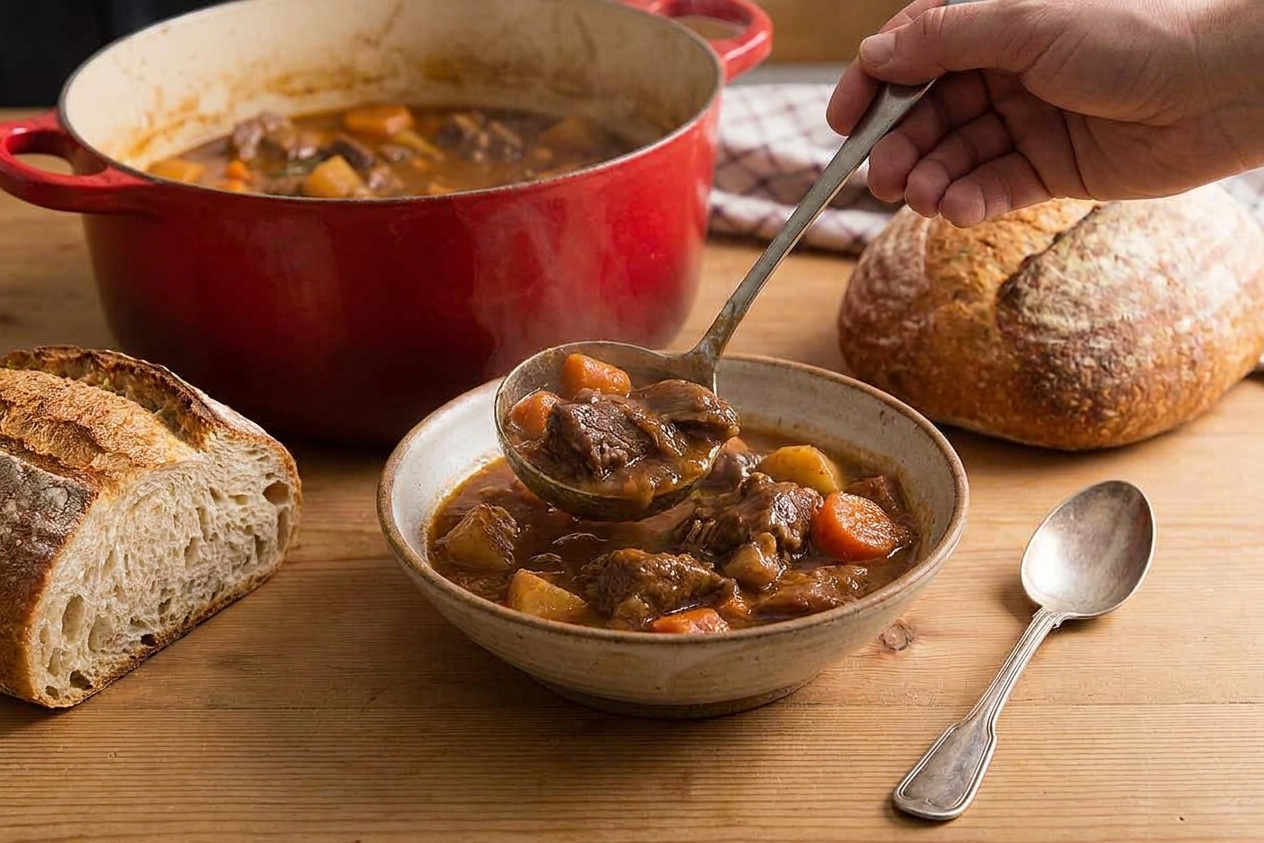
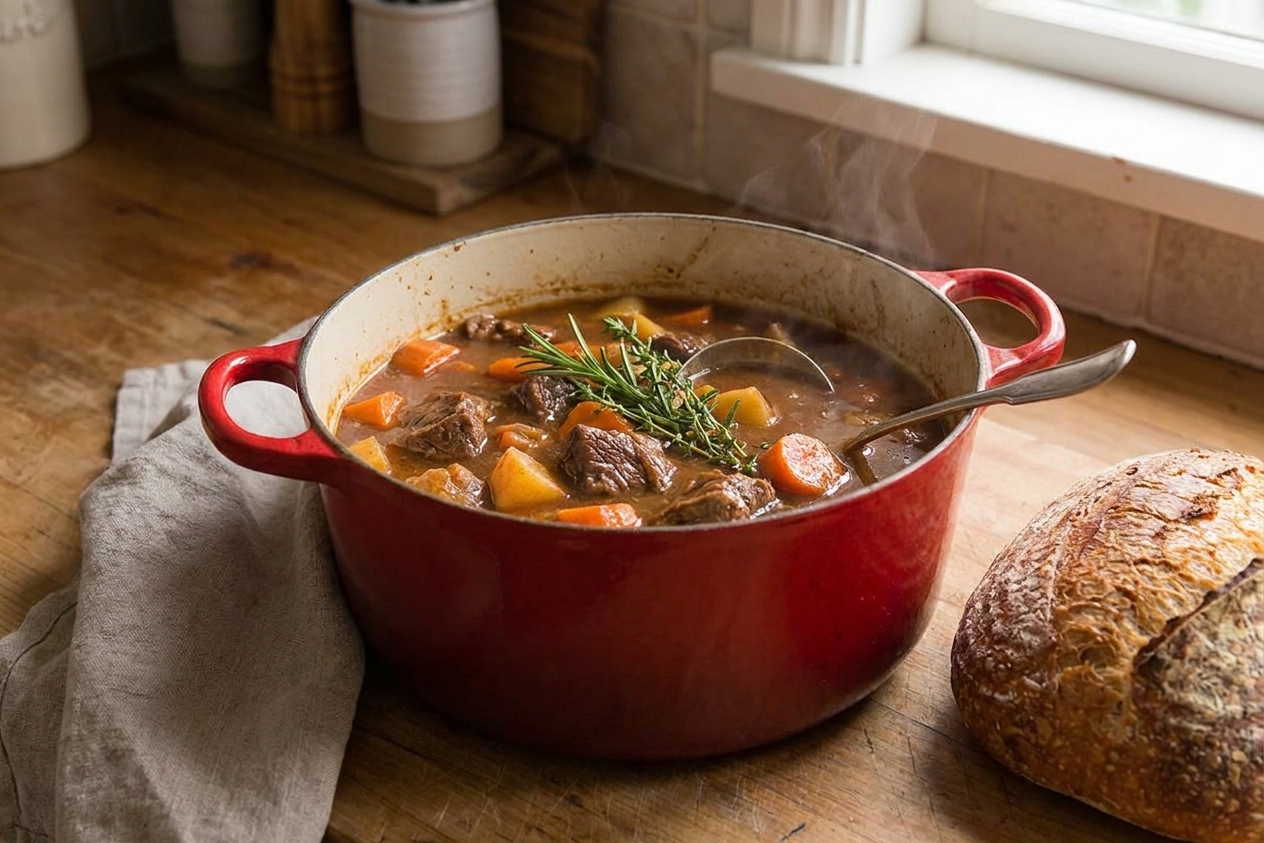
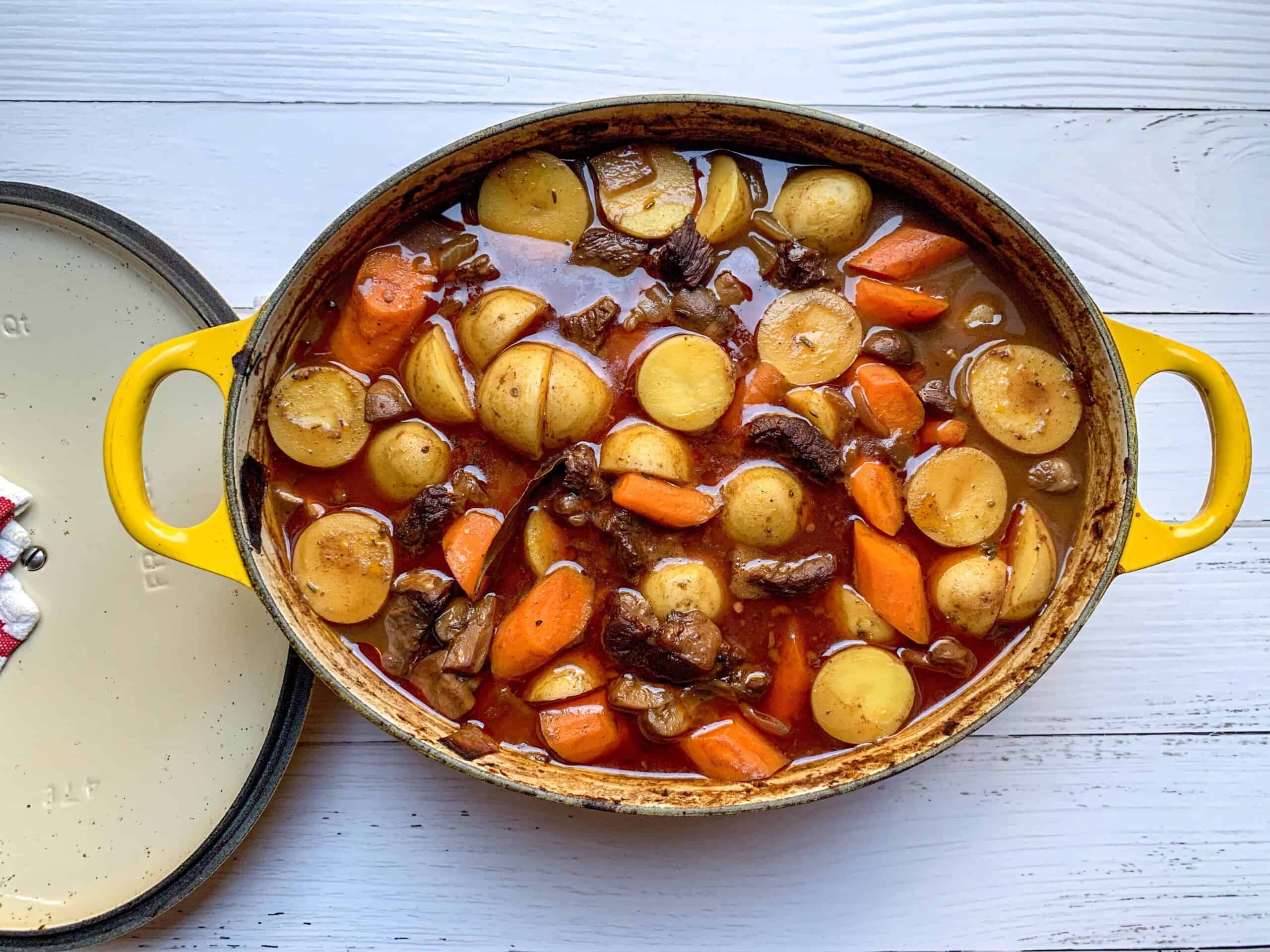
A Dutch oven filled with lamb stew, showing tender lamb chunks, carrots, potatoes, and a glossy brown broth on a warm kitchen counter with soft natural light

Lamb stew is one of those dishes that makes your kitchen smell like you have your life together, even if you are wearing sweatpants and the sink is judging you. This version is my go-to: accessible ingredients, clear steps, and a broth that turns silky from a little flour, a good sear, and time. No weird tricks, just the good stuff.

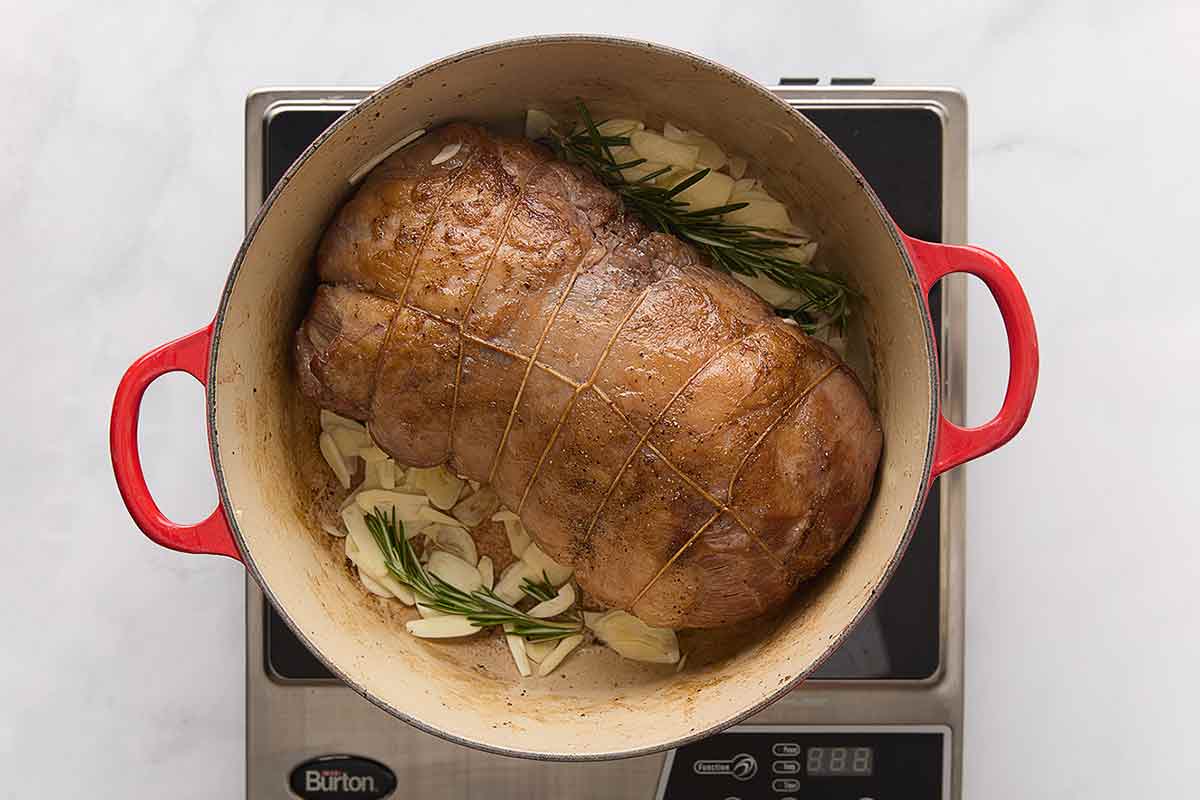
We build flavor in layers. Brown the lamb hard. Sweat the onions until sweet. Deglaze the pot, then let everything simmer until the lamb is spoon-tender and the carrots and potatoes are cozy but not falling apart. Finish with a small splash of acid because rich stew loves a bright exit.
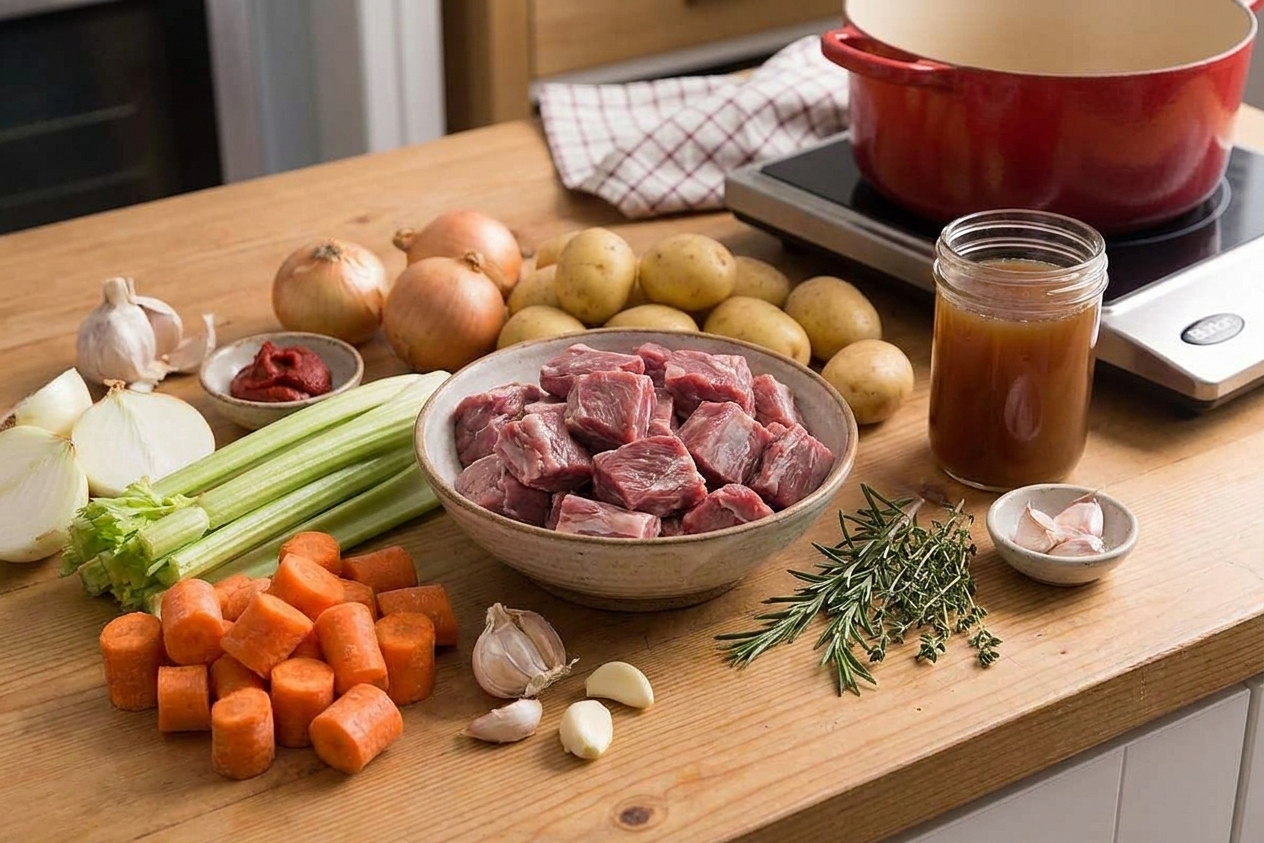
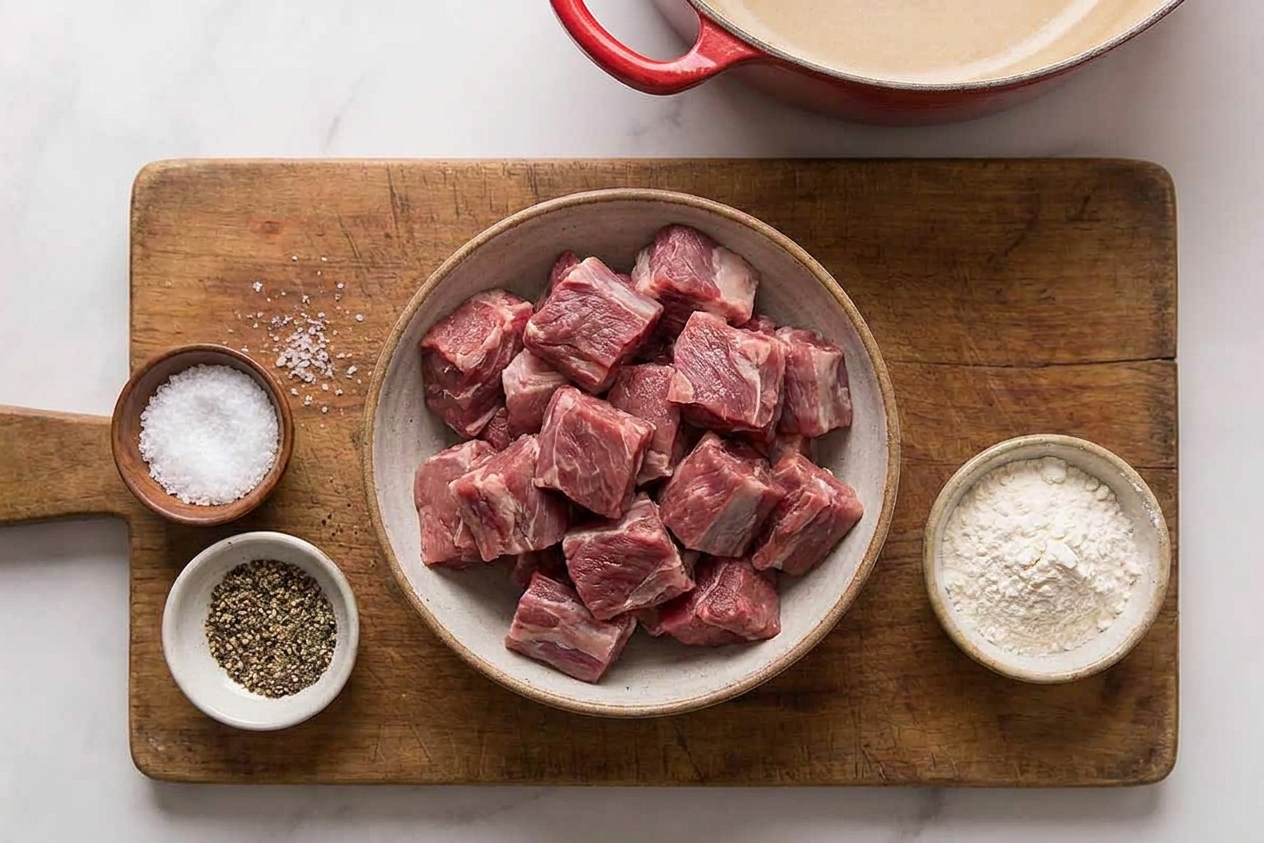
Raw lamb shoulder cubes, carrots, celery, onions, potatoes, garlic, tomato paste, rosemary, thyme, and beef broth arranged on a clean kitchen counter

Why It Works

  • Deep, savory flavor from browning the lamb and tomato paste before adding liquid.
  • Thick, glossy broth without needing special thickeners. Flour plus simmer time does the job.
  • Tender lamb, not stringy by using shoulder and giving it a steady, gentle simmer.
  • Balanced richness with a final squeeze of lemon or a splash of vinegar to wake everything up.

Pairs Well With

Storage Tips

How to Store and Reheat

Refrigerator: Let the stew cool slightly, then refrigerate promptly (within 2 hours). For faster, safer cooling, divide into shallow containers. Store for up to 4 days. The flavor gets even better on day two.

Freezer: Freeze in containers or zip-top bags (laid flat) for up to 3 months. Potatoes can soften a bit after freezing, but it is still delicious.

Reheat: Warm gently on the stovetop over medium-low, stirring occasionally. Add a splash of broth or water if it thickened too much in the fridge.

Food safety tip: Reheat leftovers to 165°F (74°C) throughout.

Common Questions

Common Questions

What cut of lamb is best for stew?

Lamb shoulder is the sweet spot: flavorful, well-marbled, and it turns tender with a long simmer. Leg works too, but it is leaner and can dry out if you push it.

How do I keep lamb stew from tasting gamey?

Use fresh lamb, brown it well, and build a strong base with onion, garlic, tomato paste, and herbs. A finishing splash of lemon juice or red wine vinegar also helps keep the flavor clean and balanced.

Can I make this in a slow cooker?

Yes. Still brown the lamb and sauté the aromatics first for best flavor. Then transfer to a slow cooker and cook on low 7 to 8 hours or high 4 to 5 hours. Add the potatoes and carrots toward the end so they stay tender, not tired: for LOW, add them for the last 2 to 3 hours; for HIGH, add them for the last 1 1/2 to 2 hours, or just until a knife slides in easily.

Can I make it gluten-free?

Skip the flour and thicken at the end by simmering uncovered a bit longer, or whisk 1 tablespoon cornstarch with 2 tablespoons cold water and stir it in during the last 5 minutes.

Why is my stew tough?

It usually needs more time. Lamb shoulder gets tender when collagen breaks down, which takes a steady simmer. Keep it gentle and give it another 20 to 40 minutes. You are looking for fork-tender lamb that almost wants to fall apart when you nudge it.

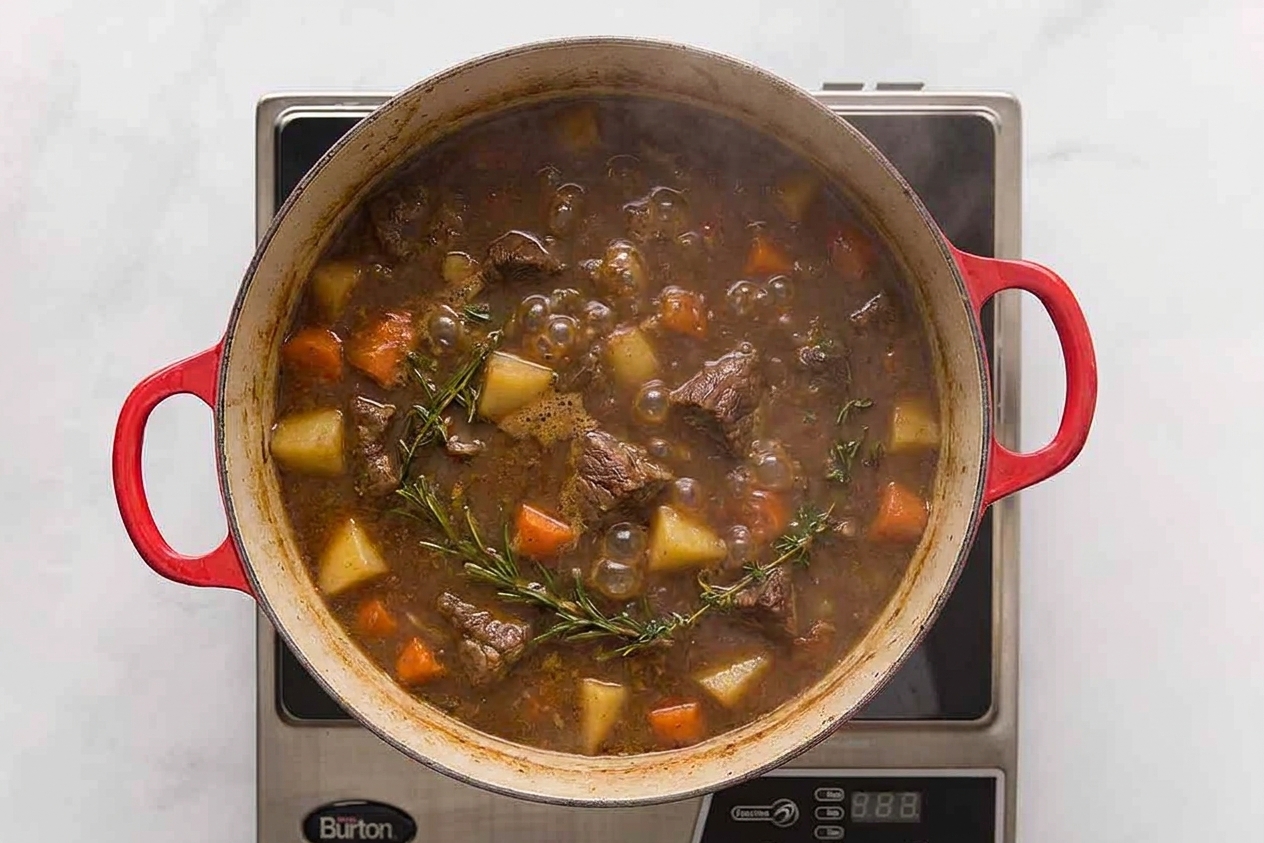
A Dutch oven on the stovetop with lamb stew gently simmering, small bubbles breaking the surface with herbs visible in the broth

I did not go the straight culinary-school route, but I have always chased the same thing: that moment when a simple pot of food makes people quiet for a second because it is just that good. Lamb stew is one of my favorite ways to get there. It is forgiving, it rewards patience, and it teaches you the power of tasting as you go. Also, it makes your house smell like you are hosting a dinner party, even if it is just you and a bowl on the couch.