Mom's Best Recipes
Recipe

Cream Cheese Pound Cake

Rich, buttery, and wonderfully dense with a velvety crumb and golden crust.

Author By Matt Campbell
4.8
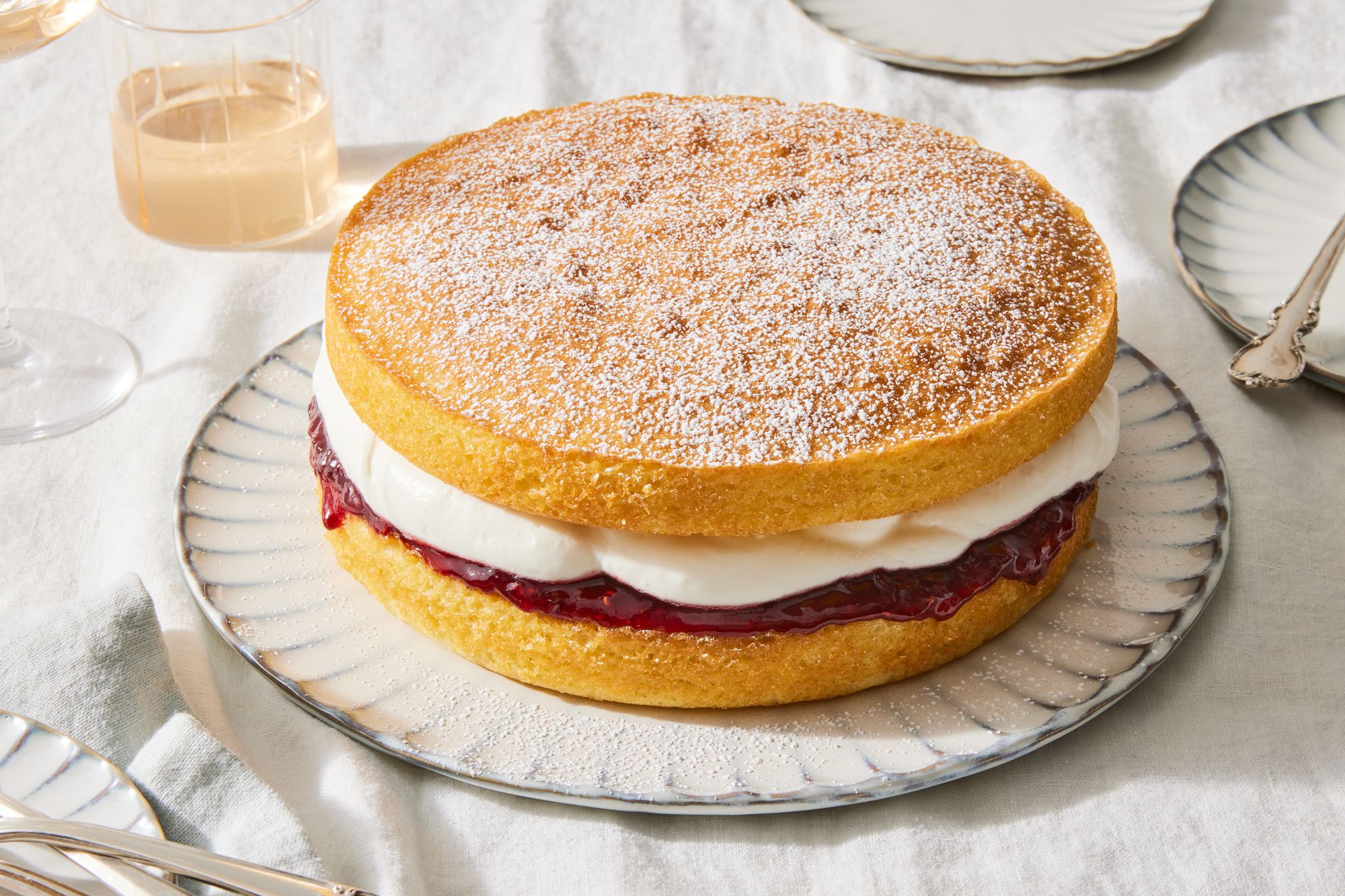
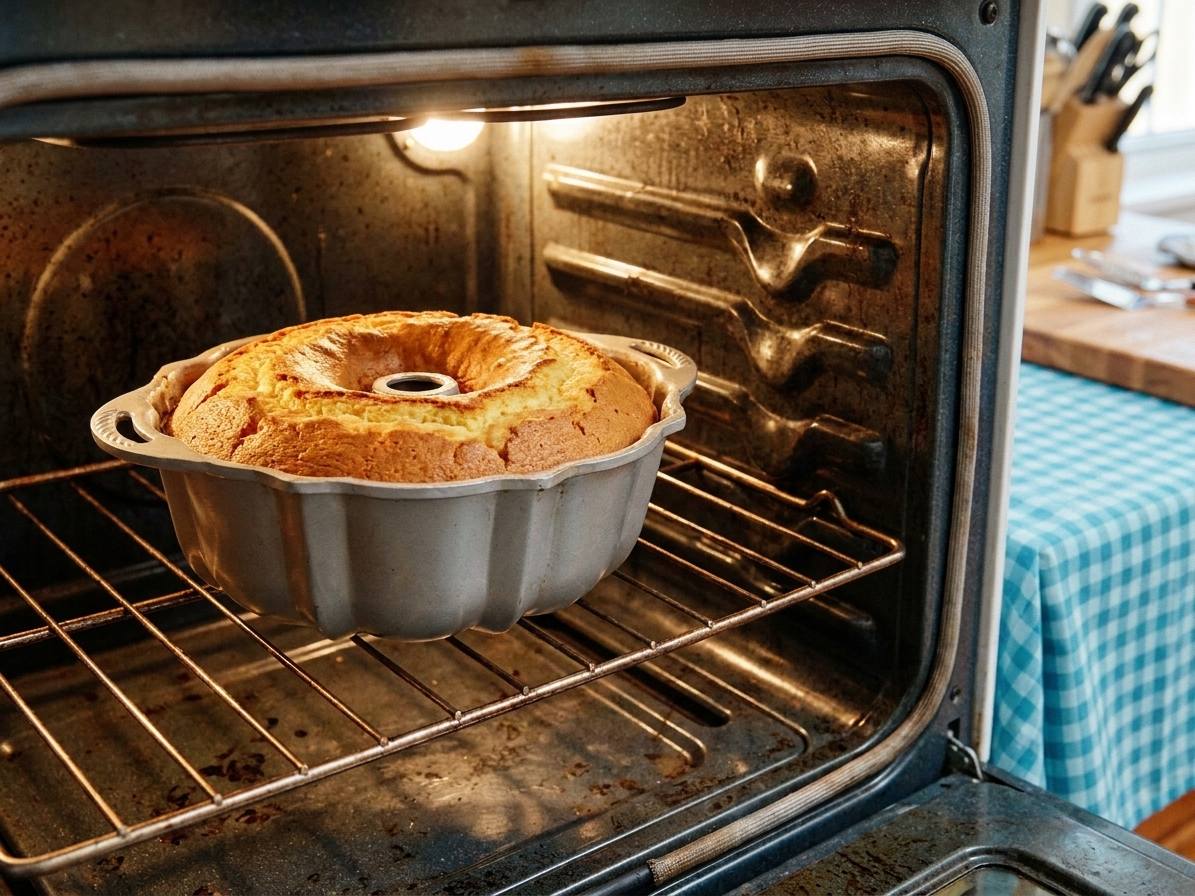
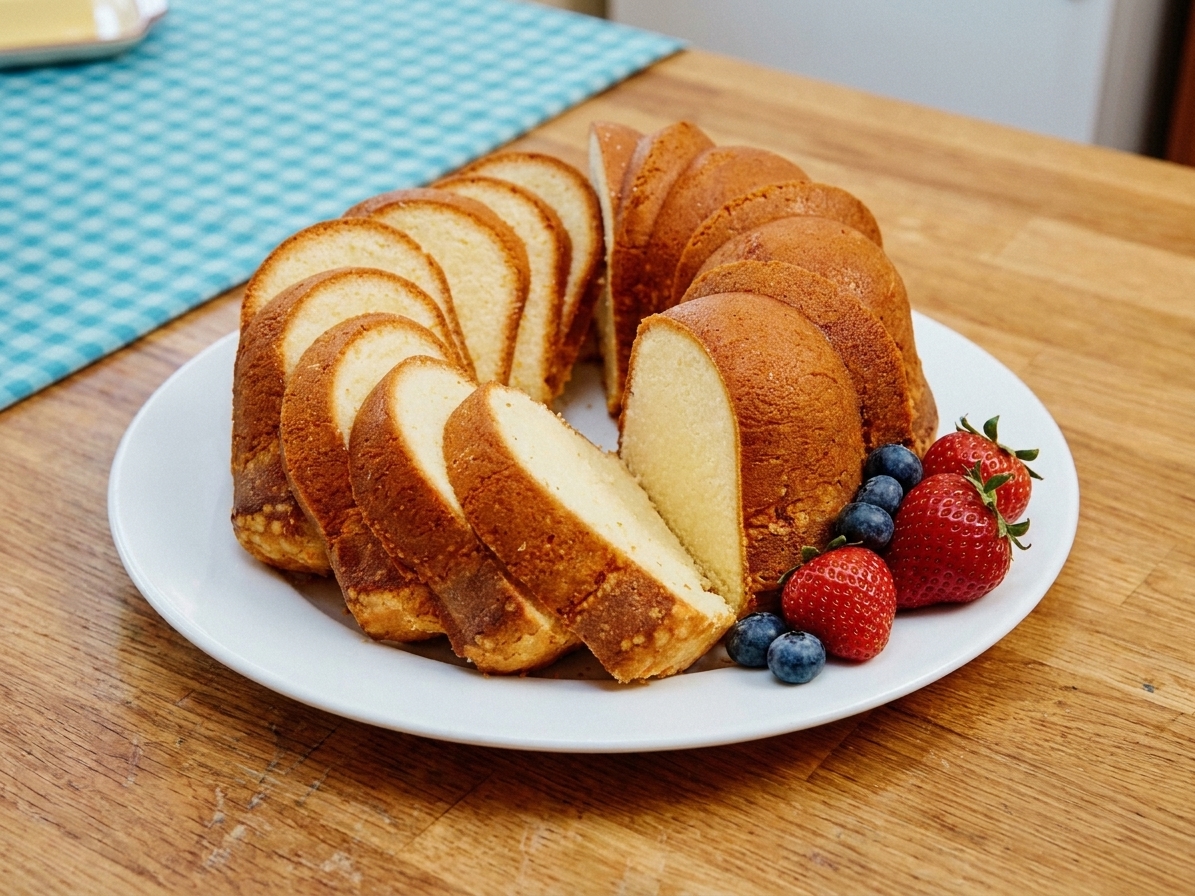
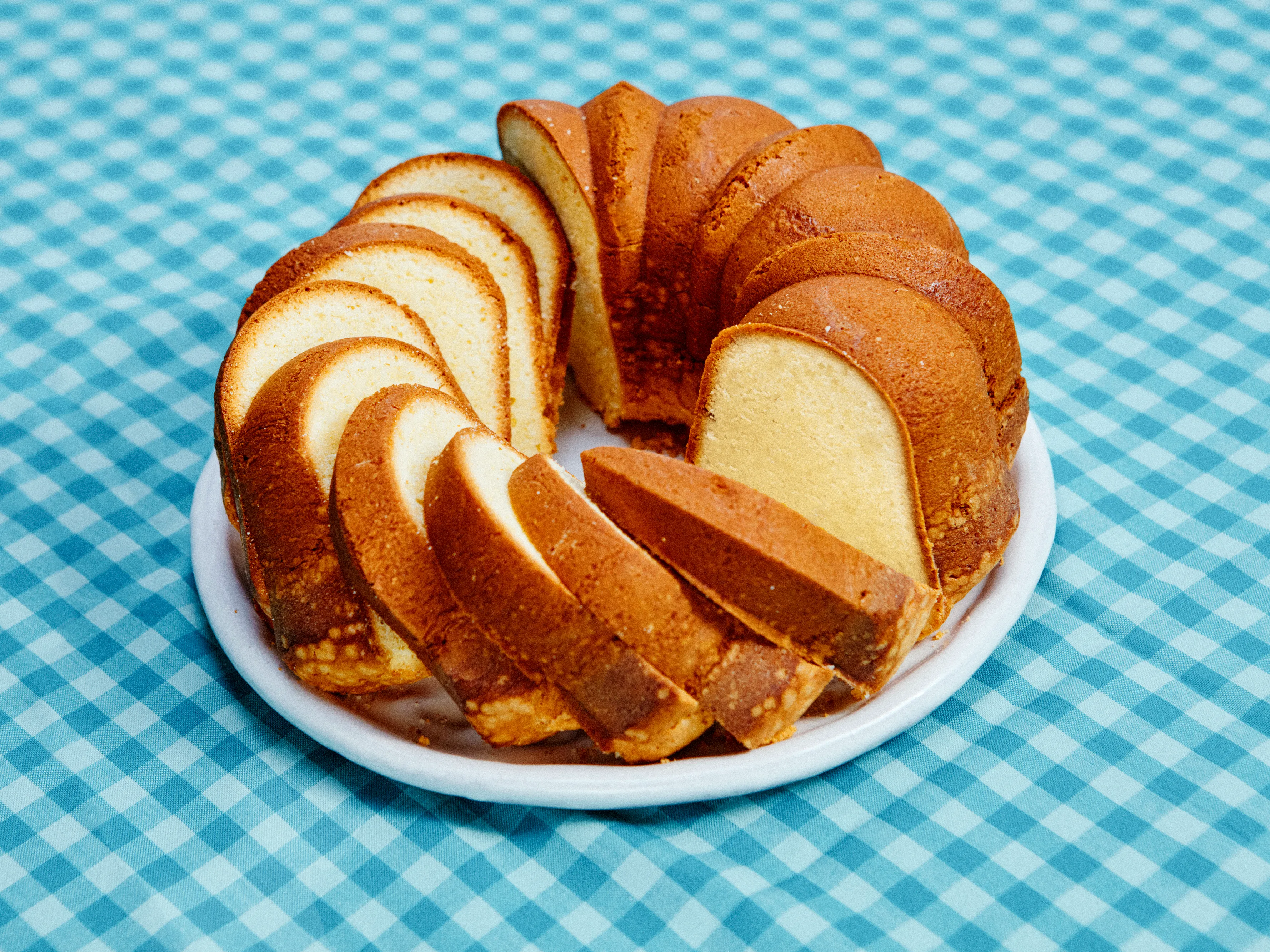
A golden brown cream cheese pound cake baked in a Bundt pan on a neutral kitchen counter, sliced to show the tight, tender crumb

There are cakes you frost, layer, and overthink, and then there is pound cake. This one is the dependable, no-drama kind that still feels a little fancy when you slide it onto a plate. Cream cheese is the quiet hero here. It adds richness and a velvety bite, plus it helps the cake bake up with that classic tight, tender crumb that slices clean for days.

This is the cake I bake when I want a “just one more slice” situation. It is buttery, vanilla-forward, and it gets those crisp, caramelized edges that make you hover near the cooling rack pretending you are “just checking.”

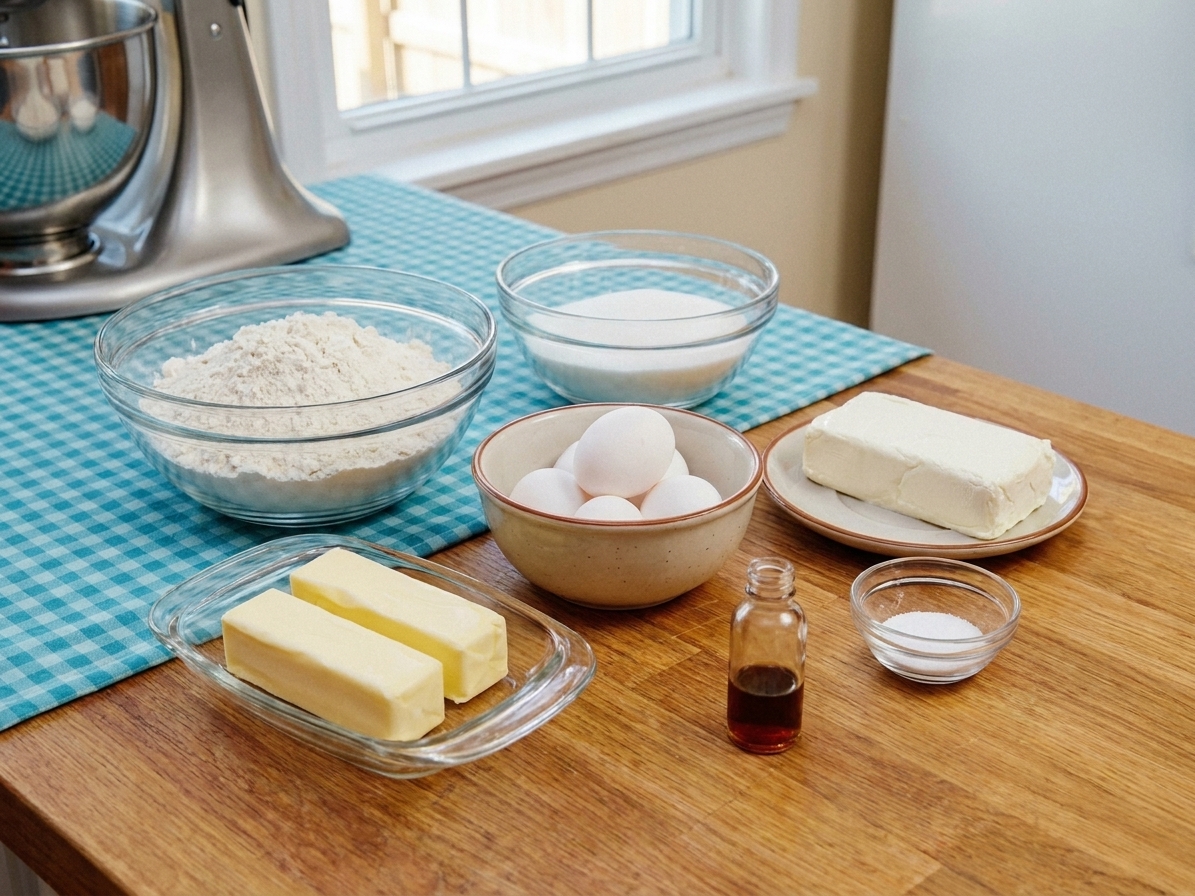
Measured ingredients for cream cheese pound cake on a tidy kitchen counter, including flour, sugar, eggs, butter, cream cheese, vanilla, and salt

Why It Works

  • Classic pound cake texture: dense but tender, with a fine crumb that slices clean.
  • Big vanilla and butter flavor: simple ingredients, maximum cozy payoff.
  • Golden crust and crisp edges: the outside bakes up beautifully when the pan is well-greased and floured.
  • Stays moist for days: cream cheese helps it keep that fresh-baked feel even on day two and three.

Pairs Well With

Storage Tips

Room temperature: Wrap the completely cooled cake tightly in plastic wrap, then keep in an airtight container for up to 4 days. If your kitchen runs warm, store it in the coolest spot you have.

Refrigerator: You can refrigerate it for up to 7 days, but it can dry the crumb a bit. Bring slices to room temperature before serving for the best texture.

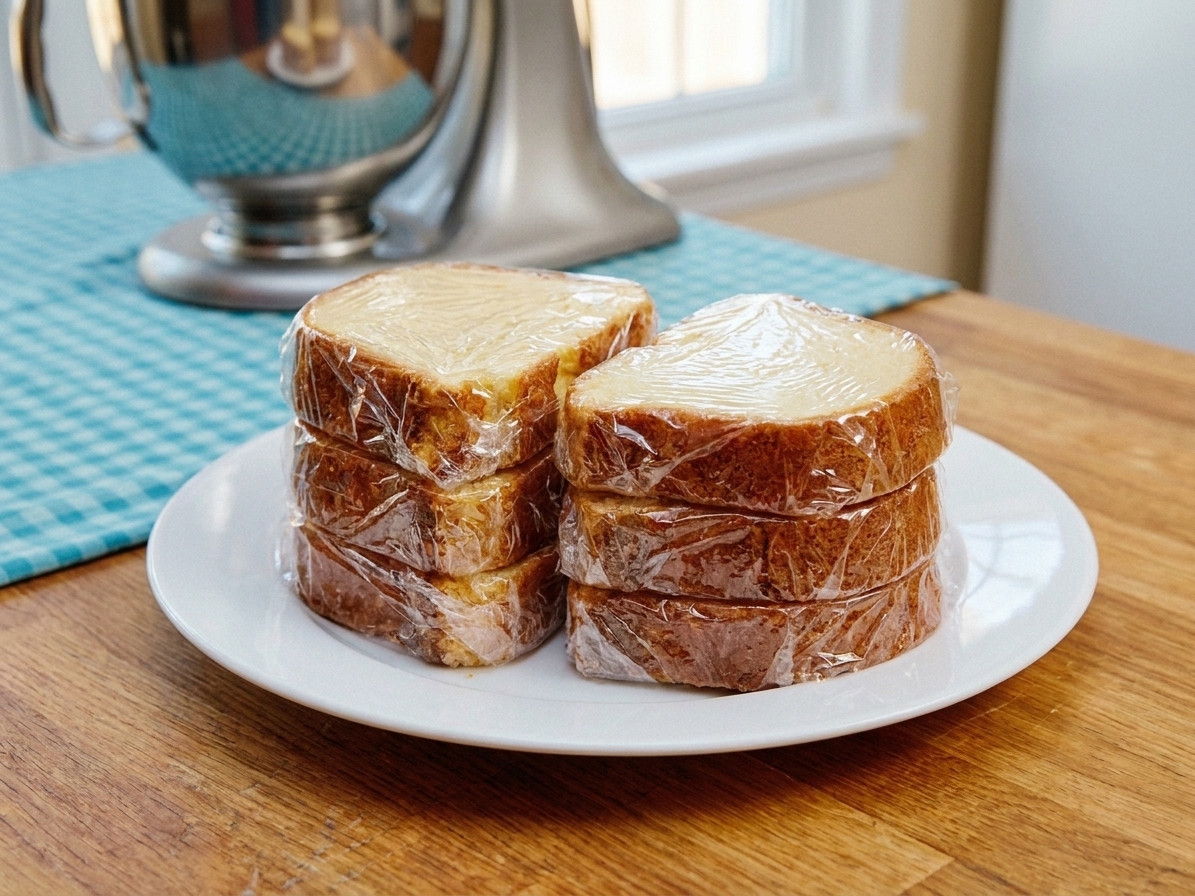
Freezer: Freeze the whole cake or individual slices. Wrap in plastic wrap, then foil, and freeze up to 3 months. Thaw overnight in the fridge or for a few hours at room temperature.

Individually wrapped slices of cream cheese pound cake stacked on a plate on a kitchen counter, ready for storage

Common Questions

Do I have to use a Bundt pan?

No. A Bundt pan gives that classic shape and extra crust, but you can bake this in two 9x5-inch loaf pans. Start checking around 55 minutes, and expect 55 to 65 minutes total for loaves.

How full should I fill the pan?

A good rule is about 2/3 to 3/4 full. Most 10 to 12-cup Bundt pans are perfect for this batter, but if you have a smaller decorative pan, do not force it. Pour any extra batter into a muffin cup and bake it alongside as your “chef’s sample.”

Why did my pound cake crack on top?

That crack is basically a pound cake badge of honor. The batter is thick, so the top sets while the inside keeps rising. A crack does not mean it is dry or ruined.

How do I keep it from sticking?

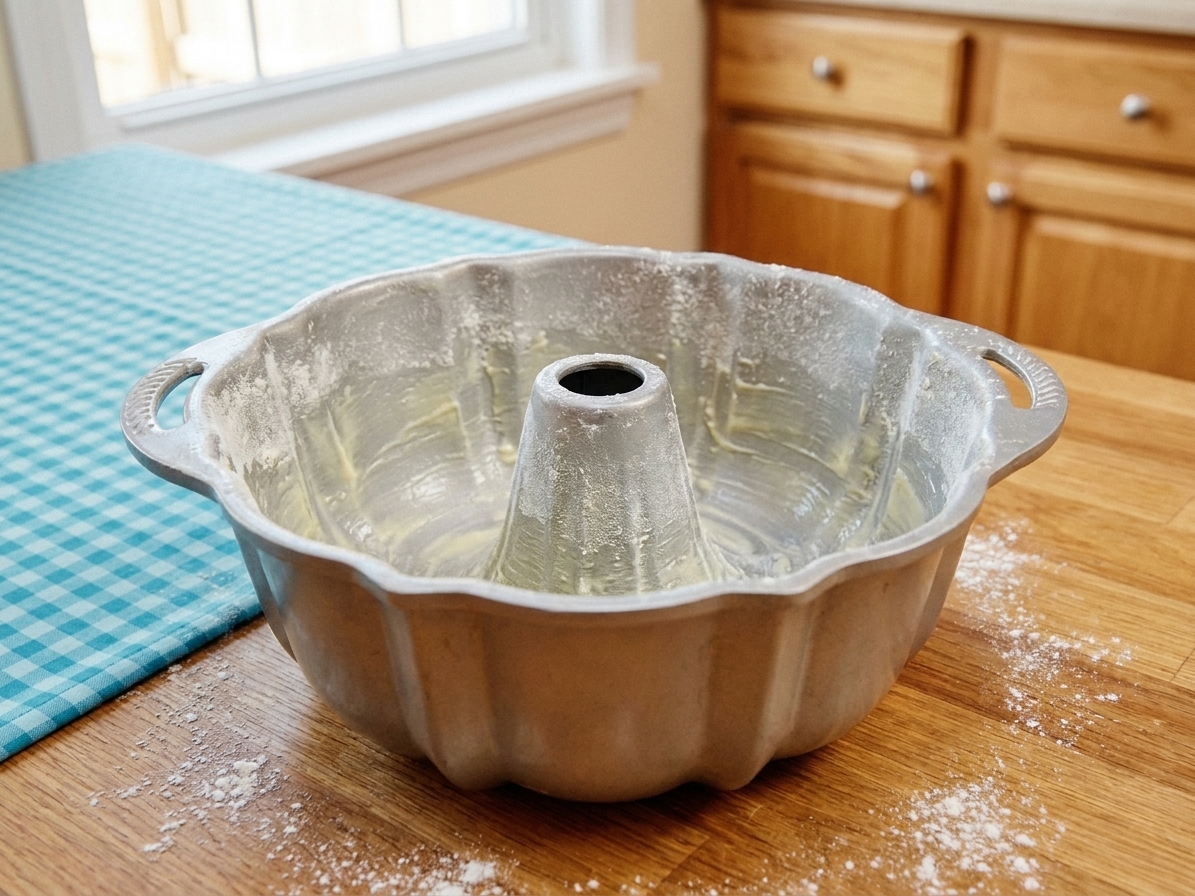
Be generous: grease every nook, then flour the pan. For Bundt pans, I like to use a pastry brush to get into the ridges. Let the cake cool in the pan for 15 minutes, then turn it out. If you let it sit too long, the sugar crust can act like glue.

Can I reduce the sugar?

You can reduce it slightly, but sugar does more than sweeten. It helps with moisture and that golden crust. If you want a less-sweet vibe, keep the cake as written and serve with unsweetened whipped cream and berries.

How do I know it is done without drying it out?

Look for a deep golden top, edges pulling slightly from the pan, and a skewer coming out with a few moist crumbs (not wet batter). If you have an instant-read thermometer, aim for about 200 to 210°F in the center. I usually pull it when it is around 205 to 210°F, depending on the pan and my oven.

Why is my cake dense or gummy in the middle?

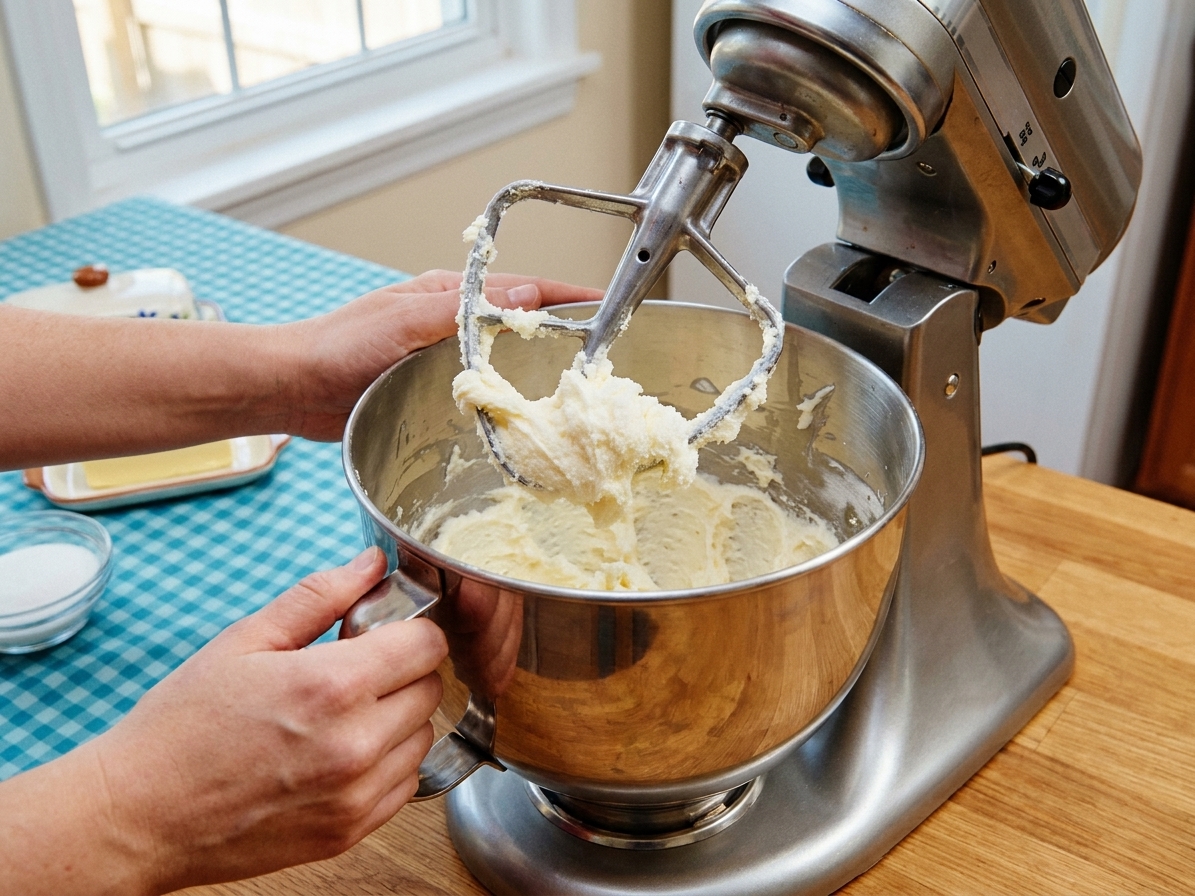
The usual culprits are cold ingredients, not creaming long enough, or underbaking. Make sure the butter and cream cheese are truly soft, beat the sugar in until the mixture is lighter and fluffy, and check doneness with a skewer or temperature before pulling it.

I love recipes that feel like they have been around forever because they usually have. Pound cake is one of those. When I was learning to cook, I chased big flavors and flashy projects, but cakes like this taught me something more useful: technique matters, and simple can still be the kind of delicious that makes people go quiet for a second. Also, I will never stop believing the best slice is the one you cut “just to taste” while it is still a little warm.