Mom's Best Recipes
Recipe

Creamy Indian Chicken Curry

Tender chicken in a creamy tomato curry sauce with warm spices, ginger-garlic punch, and a finish of bright cilantro.

Author By Matt Campbell
4.8
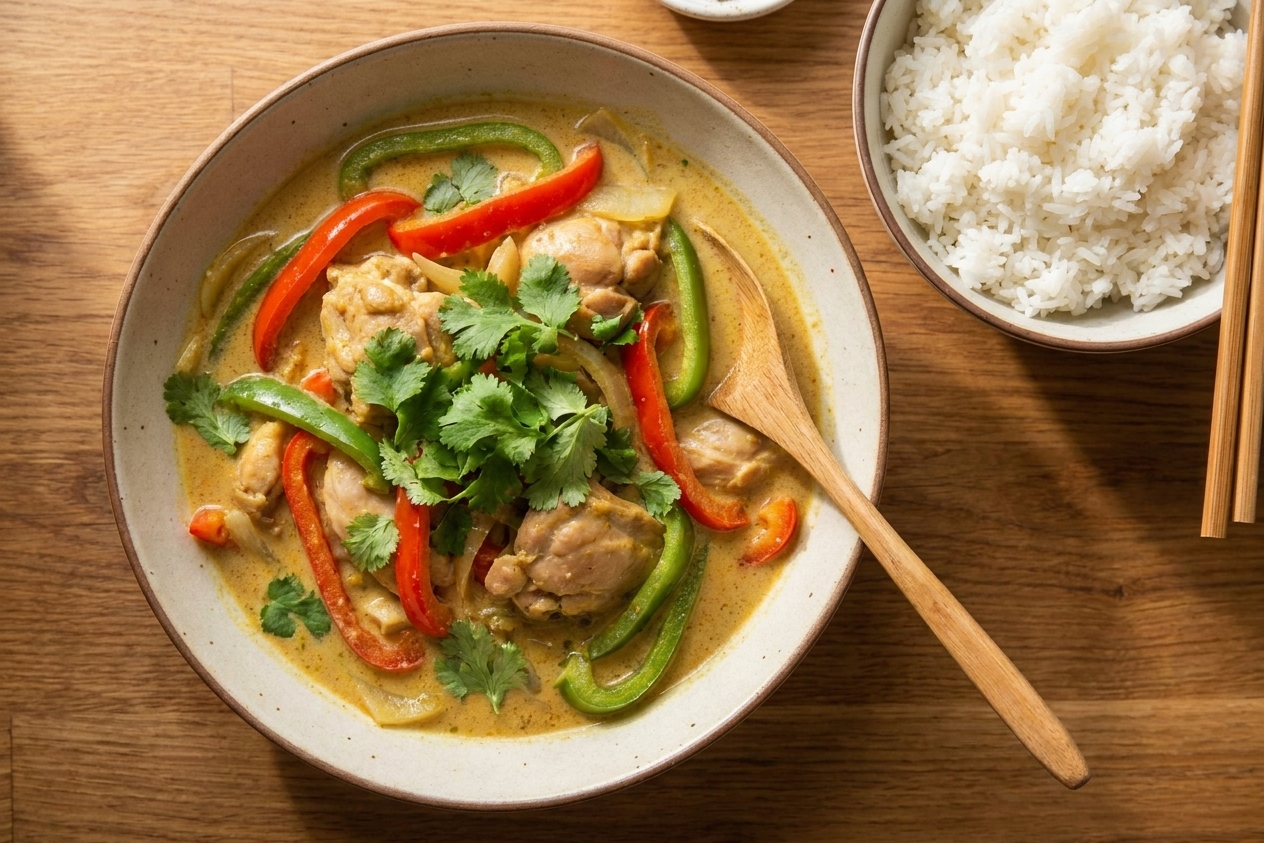
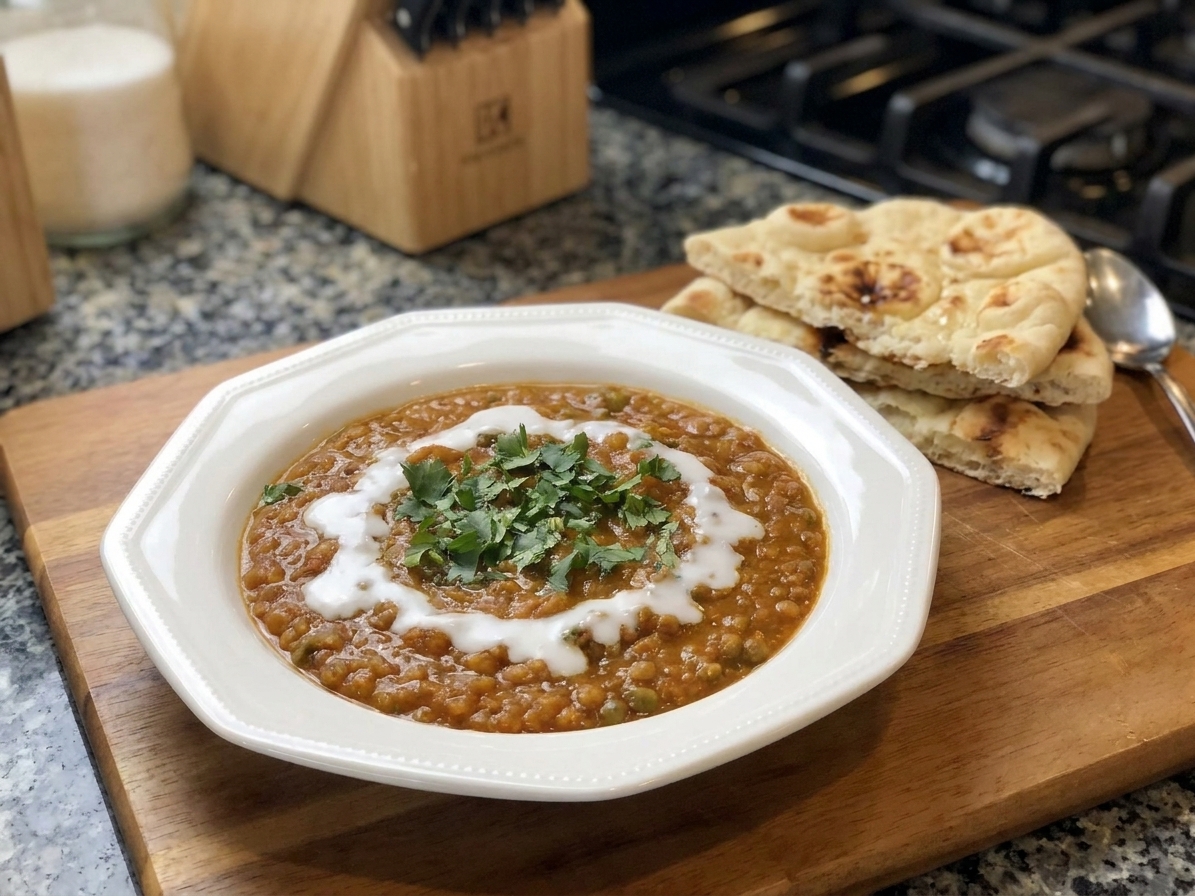
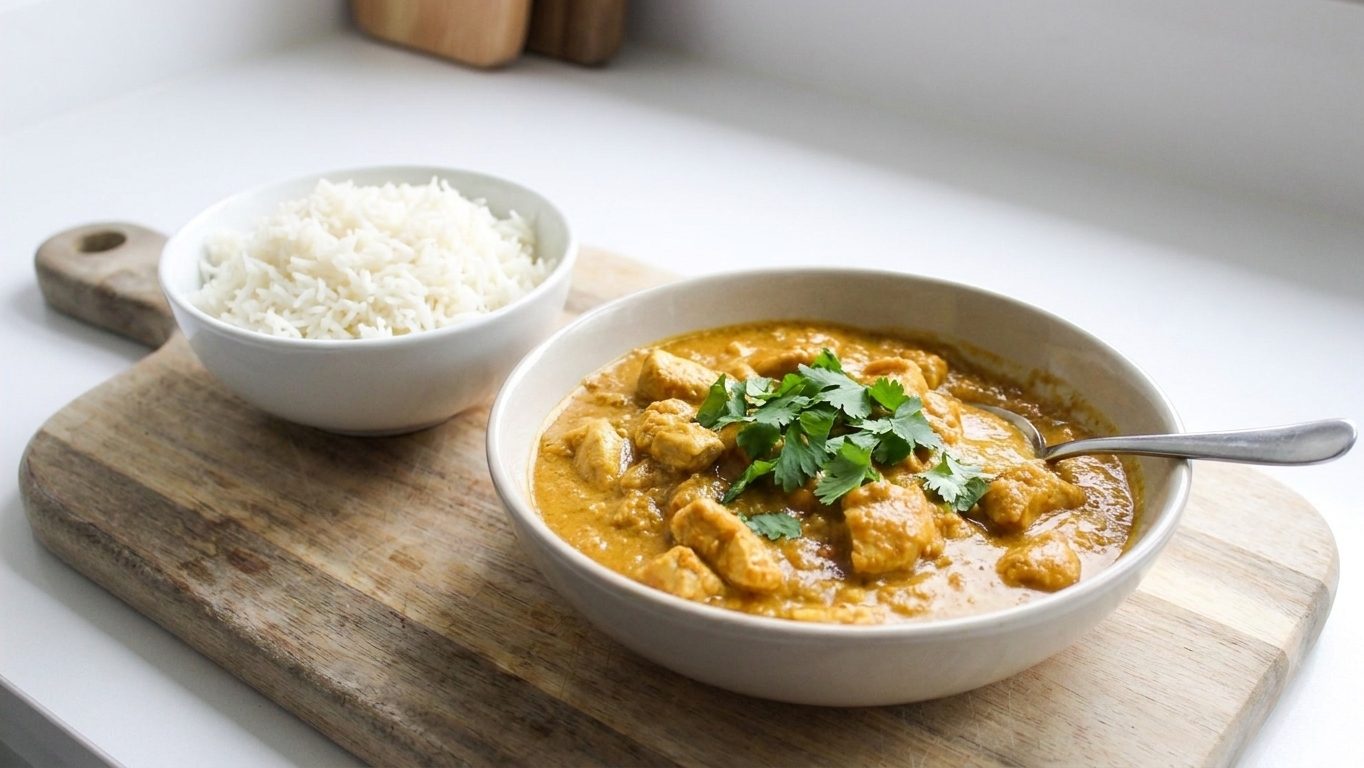
A bowl of creamy Indian chicken curry topped with cilantro, served with basmati rice on a warm-toned kitchen table

Indian chicken curry is one of those dishes that feels like it took all day, even when it absolutely did not. This version is my weeknight workhorse: a quick spice bloom, a tomato-forward sauce that turns velvety with a splash of cream or coconut milk, and chicken that stays tender because we do not rush the simmer.

It is cozy and saucy, with enough brightness from ginger, garlic, and a little lemon to keep every bite interesting. If your goal is bold flavor with low drama, you are in the right place.

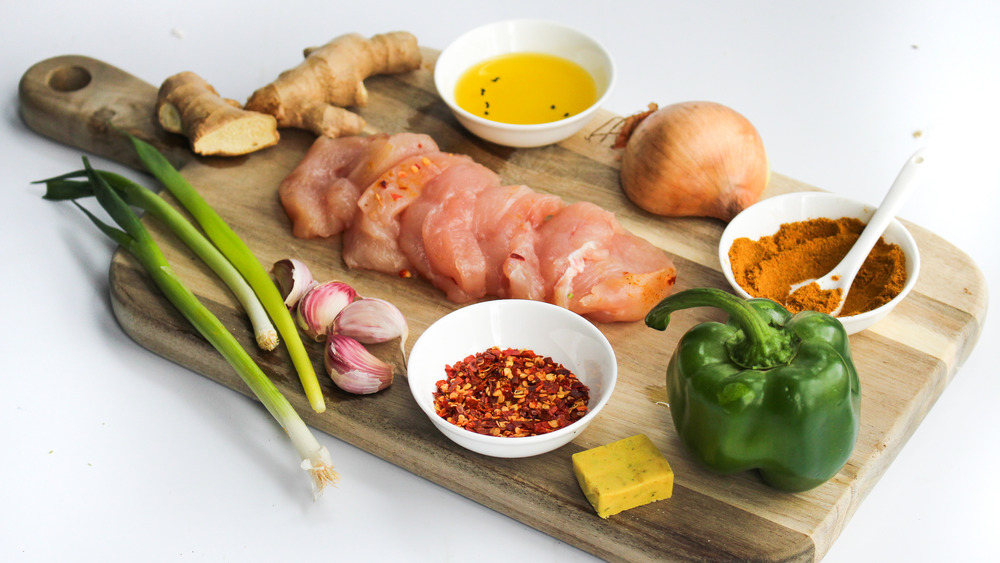
Small bowls of ground cumin, coriander, turmeric, paprika, and garam masala arranged on a wooden cutting board beside fresh ginger and garlic

Why It Works

  • Big flavor fast: Blooming the spices in hot fat wakes them up in about 30 seconds, which is basically free flavor.
  • Balanced sauce: Tomato for tang, a pinch of sugar to round it out, and cream or coconut milk for that silky finish.
  • Tender chicken: We simmer gently and stop when it is just cooked through, not when it is tired and dry.
  • Flexible heat: You control the spice level with cayenne or chili powder, not guesswork.

Pairs Well With

Storage Tips

Refrigerate: Cool completely, then store in an airtight container for up to 4 days. Curry tastes even better on day two.

Freeze: Freeze in portioned containers for up to 3 months. If you used cream, it can separate a bit after thawing, but it comes back together when reheated gently.

Reheat: Warm on the stovetop over low heat with a splash of water or broth to loosen the sauce. Stir often and do not let it boil hard.

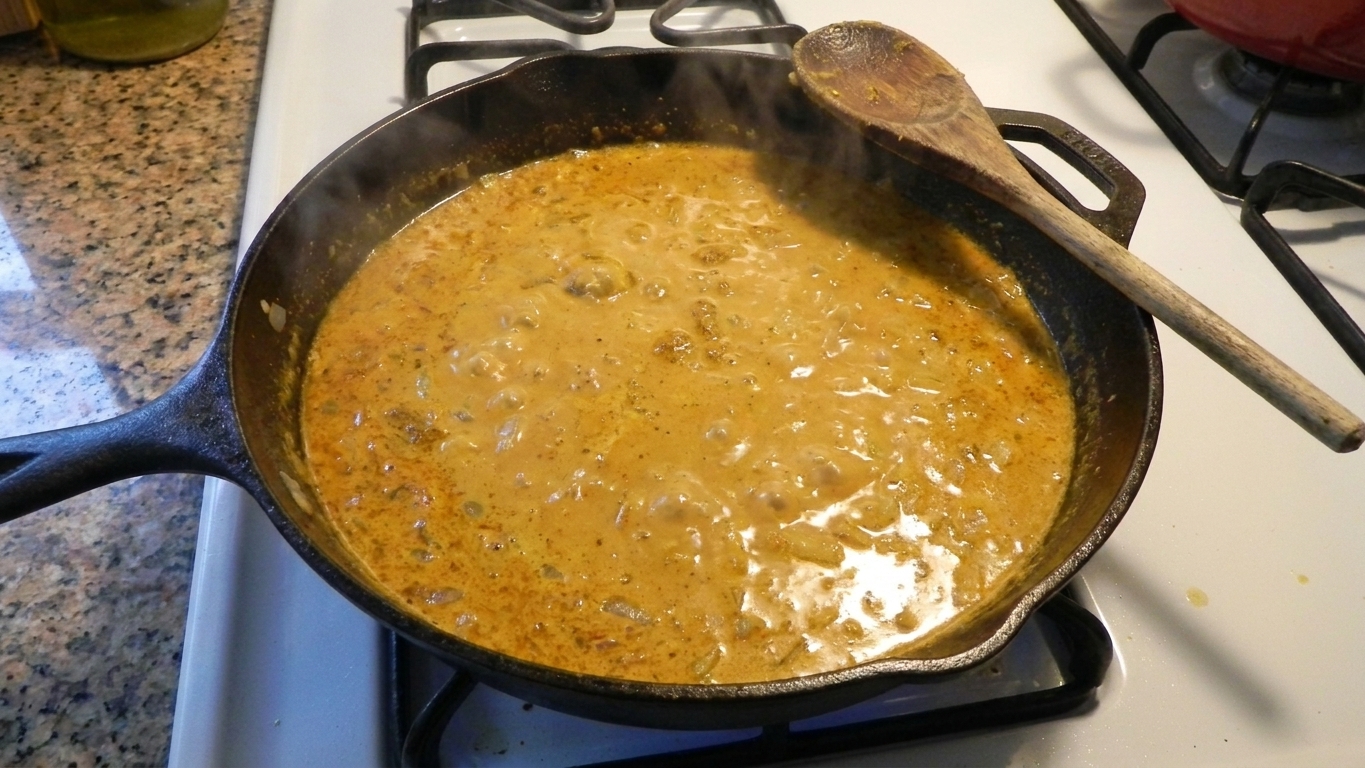
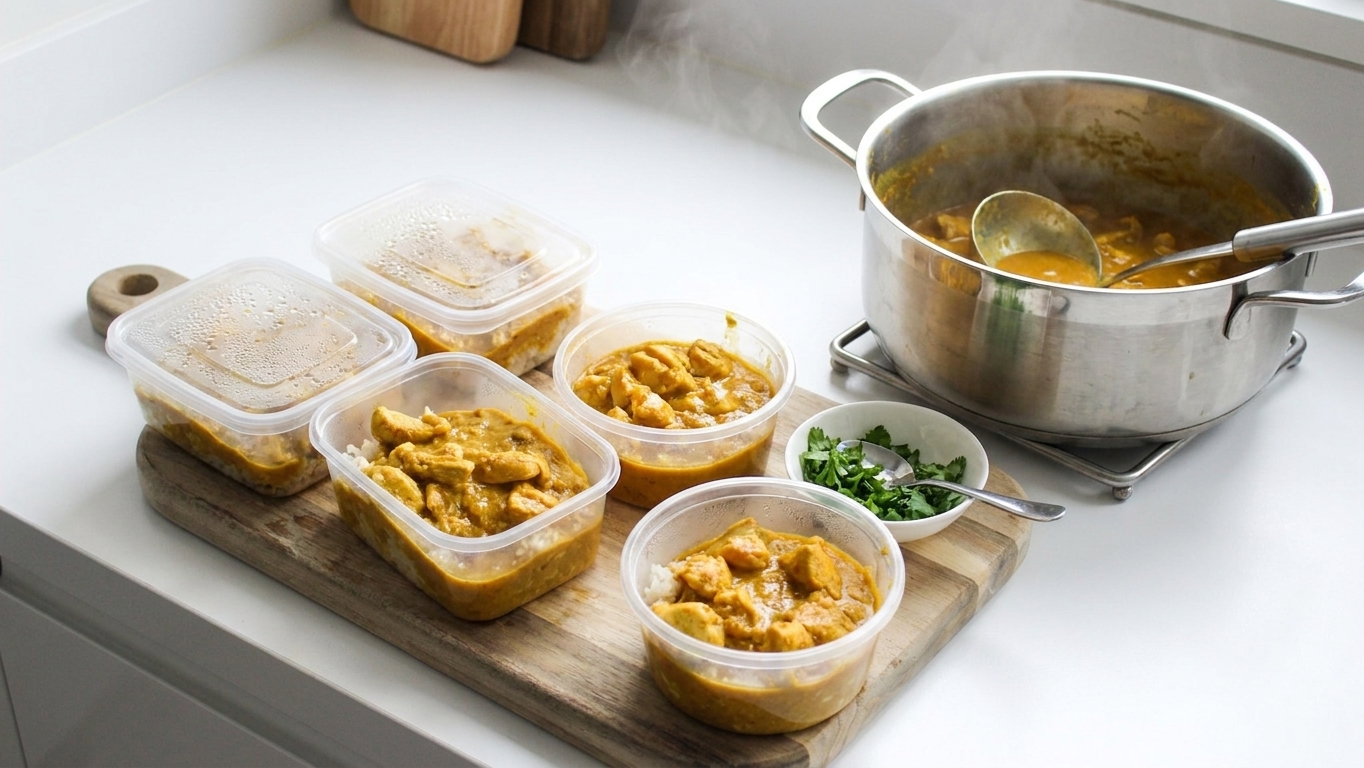
Portioned containers of chicken curry cooling on a kitchen counter next to a pot and ladle

Common Questions

Is this curry spicy?

As written, it is medium-mild. For very mild, skip the cayenne and use a mild chili powder or paprika. For spicy, add more cayenne or finish with sliced fresh chilies.

Can I use chicken breast instead of thighs?

Yes. Breast cooks faster and dries out easier, so keep the simmer gentle and start checking around the 8 minute mark once it goes in the sauce. The most reliable cue is doneness: the chicken should reach 165°F/74°C in the thickest piece.

What is the difference between curry powder and garam masala?

Curry powder is a blend that varies by brand and usually includes turmeric and other spices. Garam masala is typically warmer and more aromatic. Here, curry powder gives a familiar base and garam masala at the end adds that “wait, what is that amazing smell?” finish.

Can I make it dairy-free?

Absolutely. Swap the heavy cream for full-fat coconut milk. You will get a slightly sweeter, coconut-leaning finish that is still very curry-house cozy.

How do I thicken curry if it is too thin?

Simmer uncovered for a few minutes. If you need a faster fix, stir in 1 to 2 tablespoons of plain Greek yogurt or a spoonful of cashew butter off heat, then gently warm it back up. For yogurt, keep the heat very low and do not let it boil, or it can curdle. (Tempering helps too: stir a spoonful of hot sauce into the yogurt first, then add it in.)

How do I fix curry if it tastes flat?

Add salt first. Then try a squeeze of lemon, a pinch of sugar, or an extra sprinkle of garam masala at the end. Those three moves cover most “something is missing” moments.

I did not take the straight-line culinary school route I thought I would, so I end up learning the way I like best: by cooking, tweaking, and feeding people until the recipe starts behaving. This curry showed up during a stretch where I wanted comfort food but refused to babysit a pot all night. The first time I nailed the spice bloom and finished with a squeeze of lemon, I caught myself tasting straight from the spoon like a gremlin. That is when I knew it was staying in the rotation.