Mom's Best Recipes
Recipe

Crispy Baked Catfish

Crunchy cornmeal crust, tender flaky fish, and a lemony finish. All the fried-fish vibes, none of the deep-fry drama.

Author By Matt Campbell
4.8
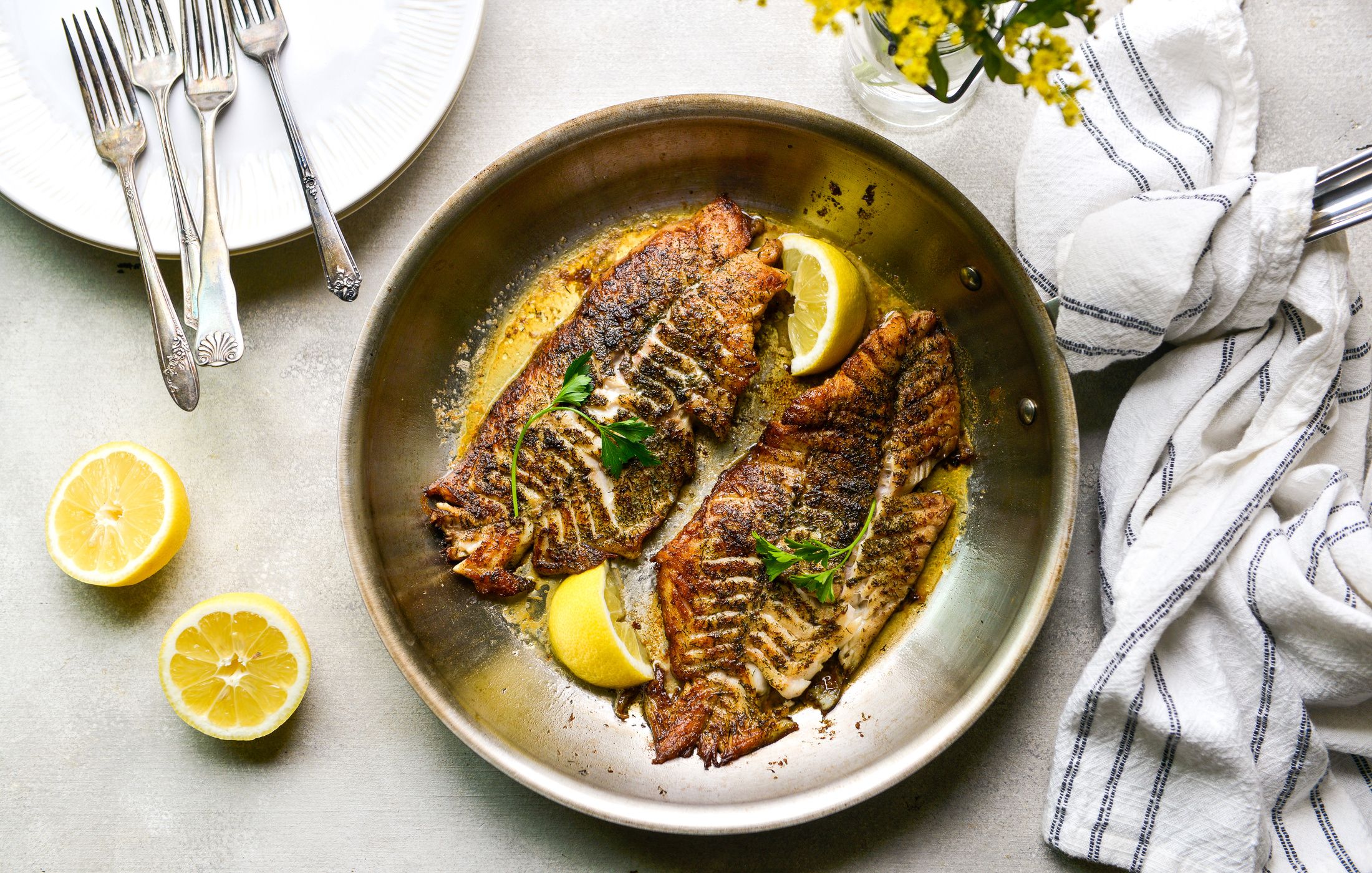
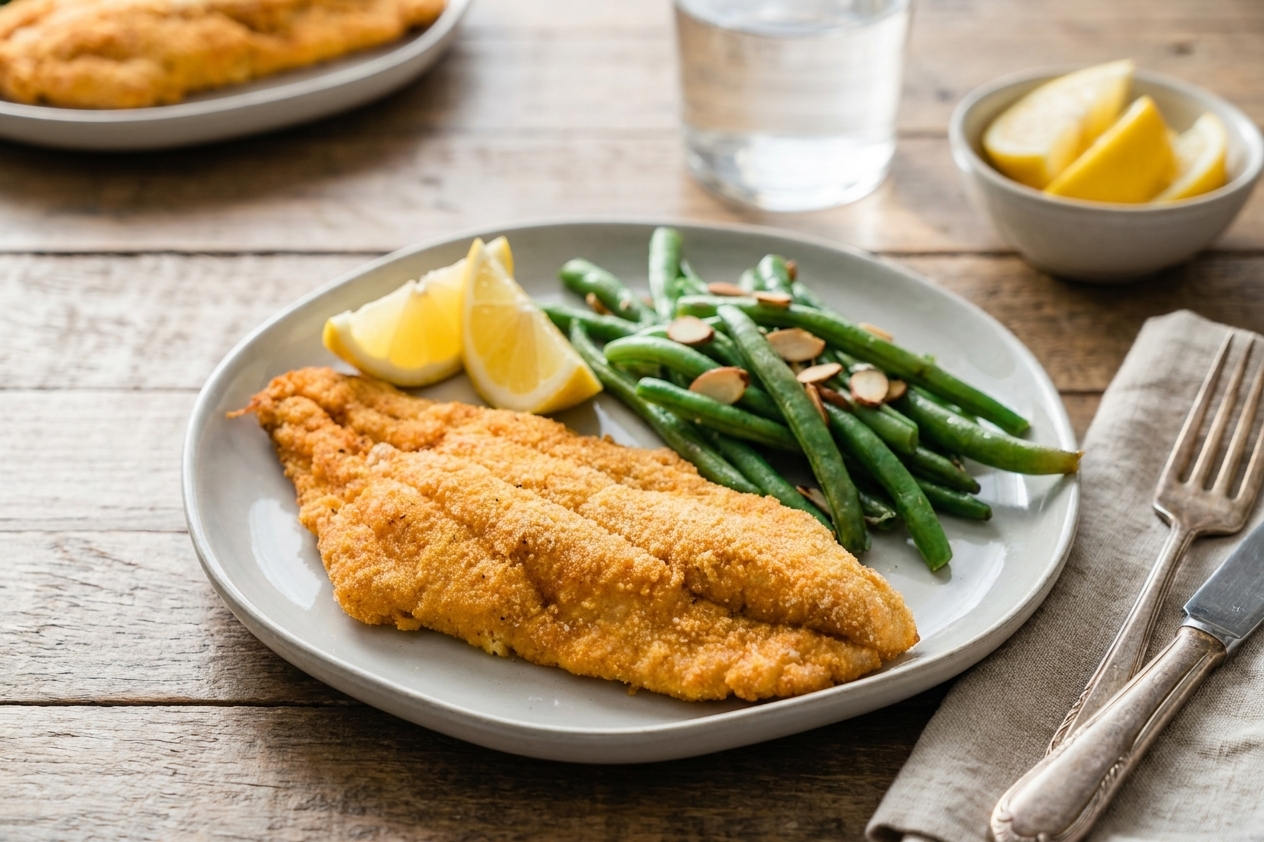
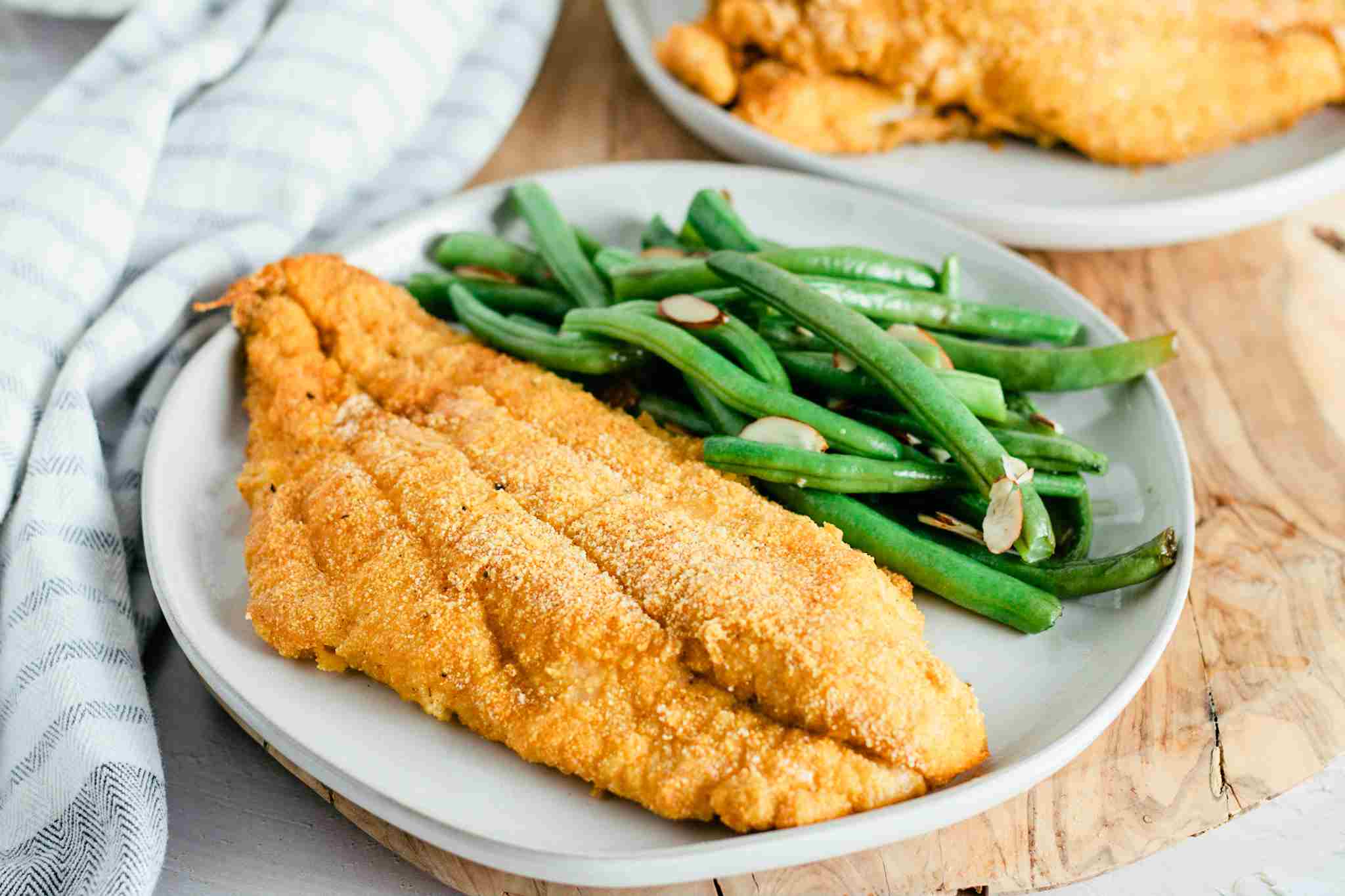
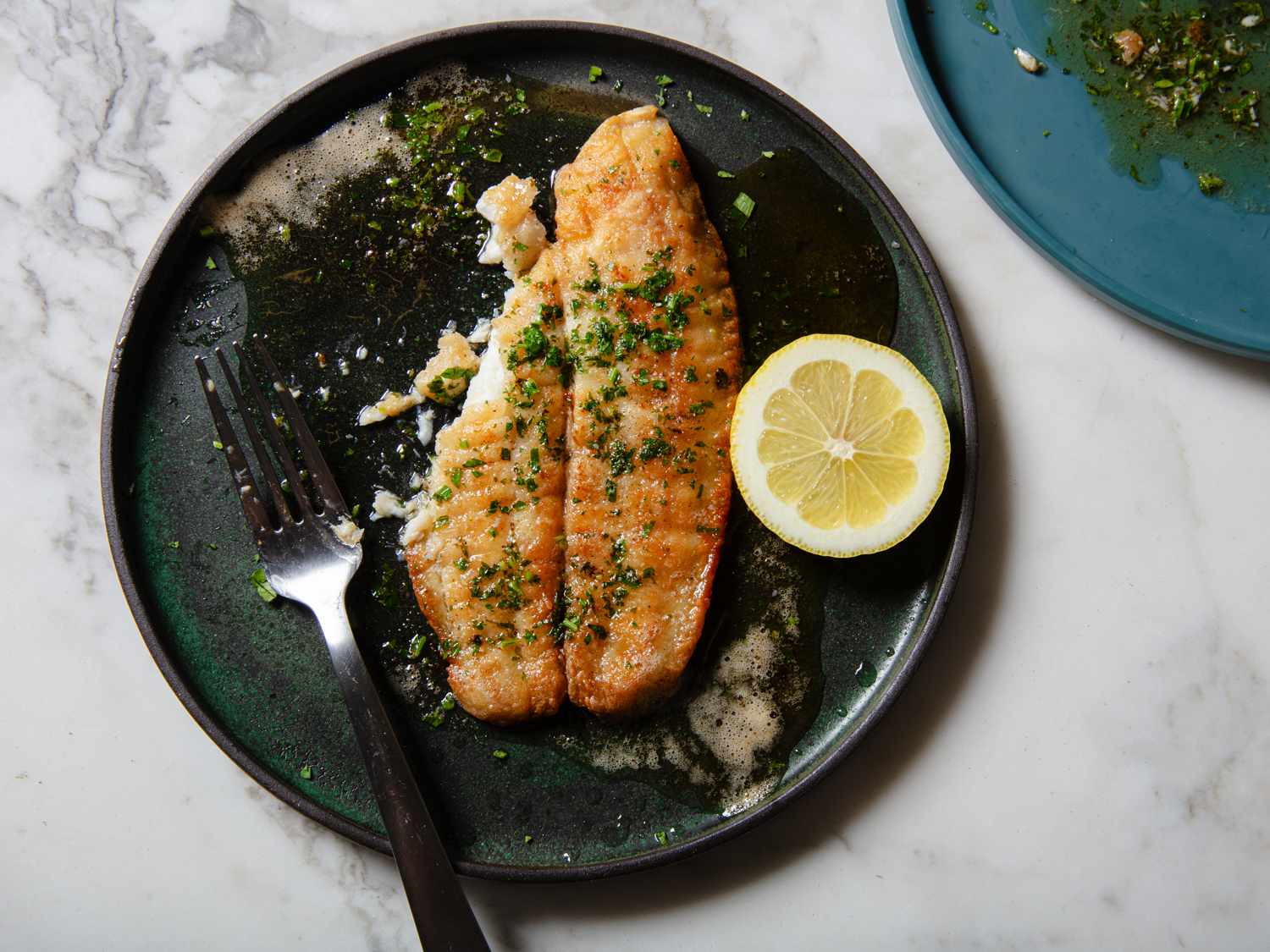
A platter of crispy baked catfish fillets with a golden cornmeal crust, lemon wedges, and chopped parsley on a warm-toned wooden table

Baked catfish is one of those dinners that feels like a treat but behaves like a responsible adult. You get a crisp, seasoned crust, juicy fish that flakes the second your fork touches it, and a kitchen that does not smell like a fryer for two days. Win.

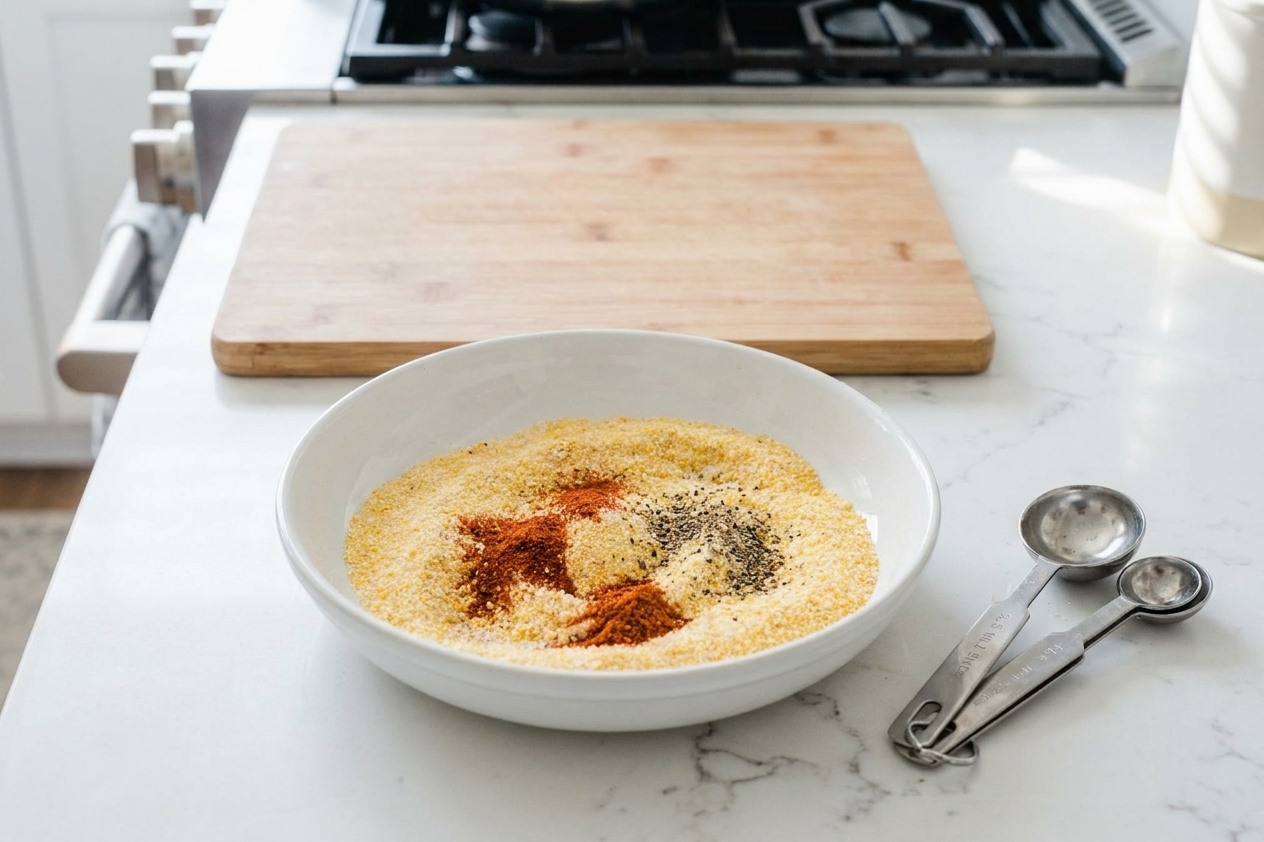
This version leans on pantry basics: cornmeal for crunch, a little flour for grip, and a Cajun-ish spice mix that hits savory, smoky, and just spicy enough to keep things interesting. I finish it with lemon because fish loves acid and because I love watching a sauce-less meal suddenly feel complete.
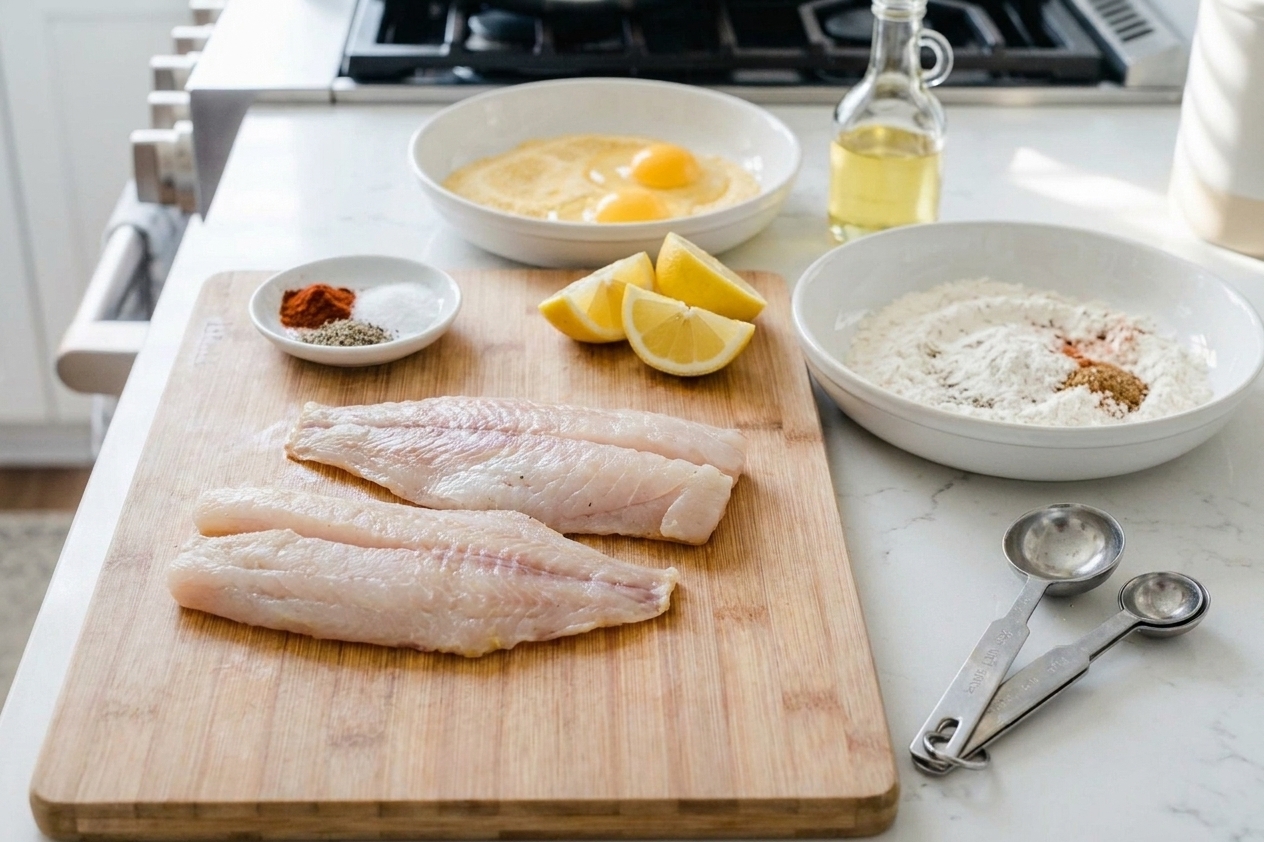
Catfish fillets, cornmeal, flour, spices, eggs, lemon, and oil arranged on a clean kitchen counter in natural light

Why It Works

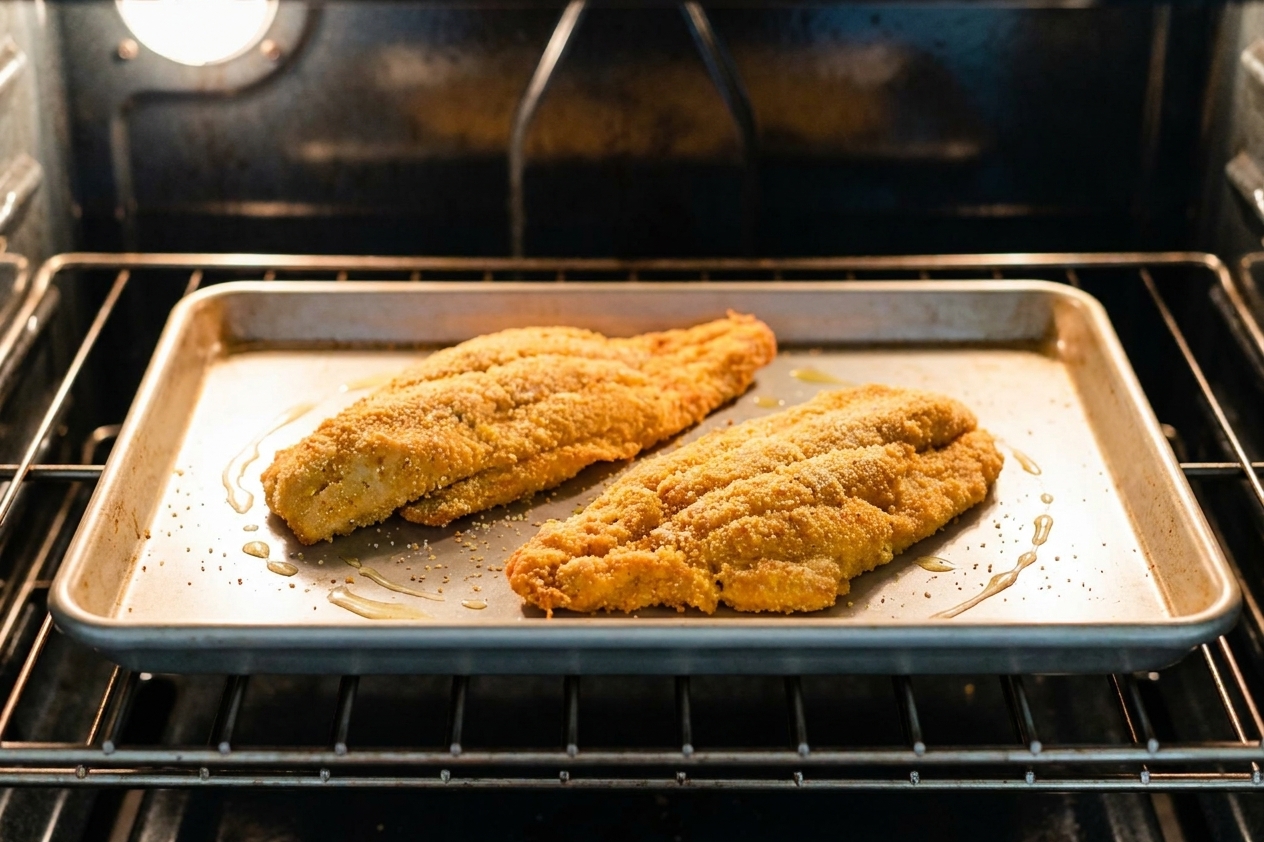
  • Crisp edges without frying: A hot sheet pan plus a thin layer of oil gives you that crunchy bite.
  • Flavor that actually shows up: Cornmeal carries seasoning beautifully, so every bite tastes like something.
  • Tender, not dry: Catfish cooks fast. We keep the oven hot and the timing tight.
  • Low drama cleanup: One pan, one wire rack if you want extra airflow, and you are done.

Pairs Well With

Storage Tips

Fridge: Cool leftovers, then store in an airtight container for up to 3 days. If you can, place a paper towel in the container to absorb moisture and help keep the crust from going soft.

Reheat (best): Bake at 400°F on a sheet pan for 8 to 10 minutes, or until hot and re-crisped. An air fryer also works great at 375°F for 4 to 6 minutes. Either way, reheat until the fish is steaming hot throughout (165°F is a solid target if you like using a thermometer for leftovers).

Microwave: It will heat the fish, but the coating will soften. Use only if you are in true survival mode.

Freezing: You can freeze it, but the crust loses some crunch. Freeze tightly wrapped for up to 2 months, thaw overnight in the fridge, then reheat in the oven.

Common Questions

Common Questions

Do I need to soak catfish in milk?

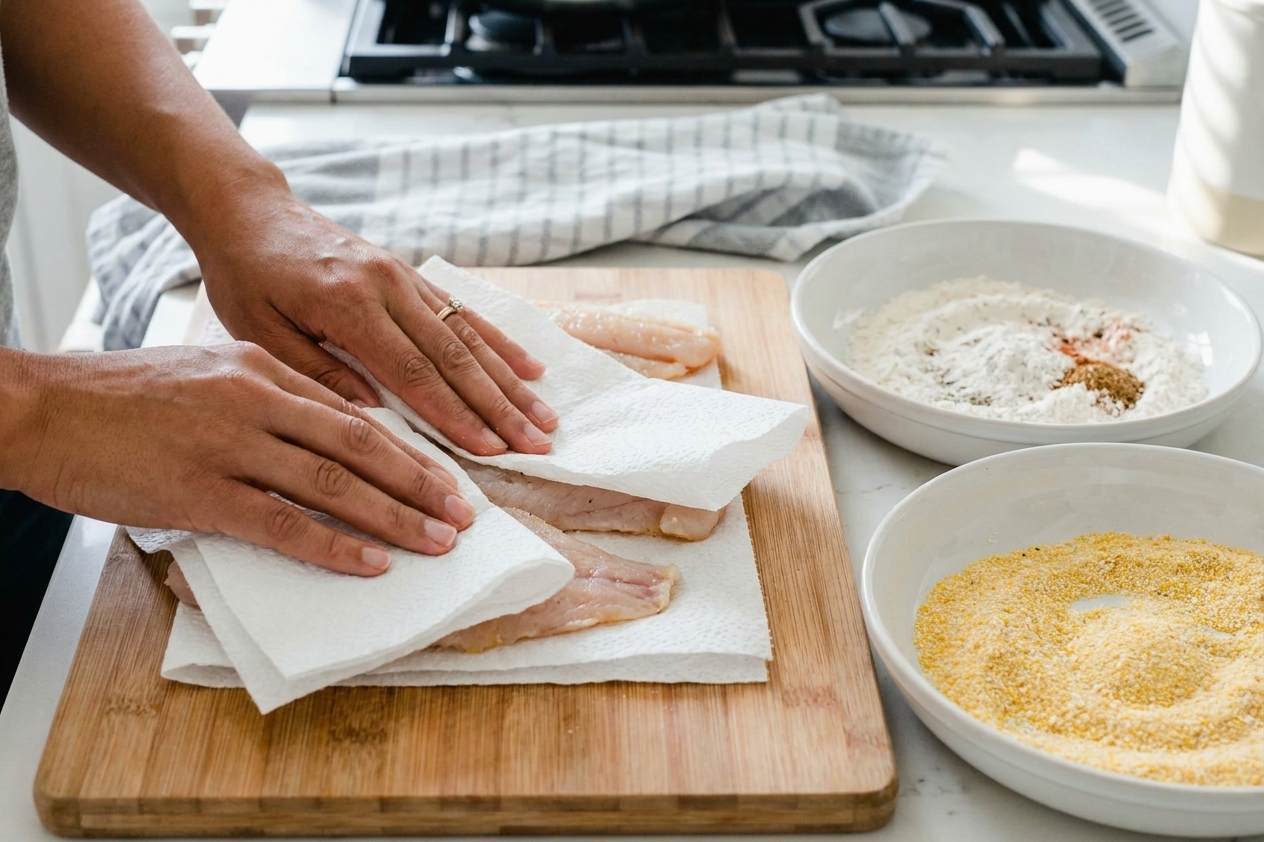
Not usually. Catfish from a reliable source is mild. If you are sensitive to any “fishy” flavor, soak the fillets in milk or buttermilk for 20 to 30 minutes, then pat very dry before breading. Dry fish equals crisp crust.

Can I use frozen catfish fillets?

Yes, just thaw completely and blot thoroughly with paper towels. Extra surface moisture is the main reason breading slides off or turns soggy.

How do I keep the coating from falling off?

Three little rules: pat the fish dry, press the coating on firmly, and let the breaded fillets sit for 5 minutes before baking so the coating hydrates and clings. A wire rack helps keep the underside from getting steamy, but a plate works in a pinch.

How do I know when catfish is done?

It should flake easily and look opaque all the way through. If you use a thermometer, aim for 145°F in the thickest part.

Can I make it gluten-free?

Yes. Swap the flour for a 1:1 gluten-free flour blend. Cornmeal is naturally gluten-free, but check your labels if you are very sensitive.

What if I do not like spicy food?

Skip the cayenne and use sweet paprika. You will still get great color and flavor without heat.

I wanted a path to “crispy fish night” that did not involve a pot of oil and a smoke alarm auditioning for a lead role. Baked catfish became my weeknight compromise in the best way: crunchy, cozy, and fast. The first time I nailed the crust, I ate a piece standing at the counter, squeezed lemon on it, and immediately started planning what sauce I would pretend I did not need. That is the energy here.