Mom's Best Recipes
Recipe

Crispy-Edge Rosemary Focaccia

An easy, olive oil rich focaccia with a plush crumb, deep dimples, and golden, crispy edges. Weeknight-friendly if you start the dough early, and perfect for sandwiches, soups, and snack attacks.

Author By Matt Campbell
4.8
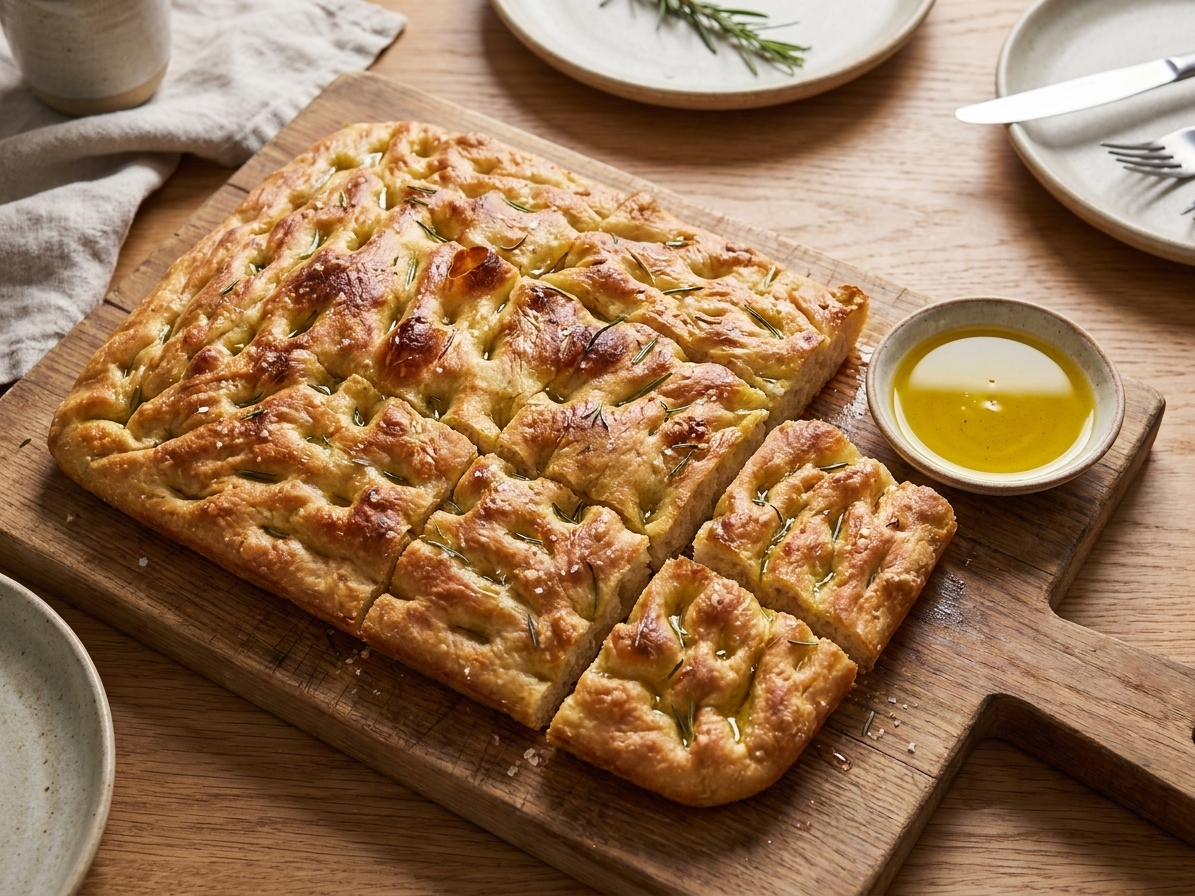
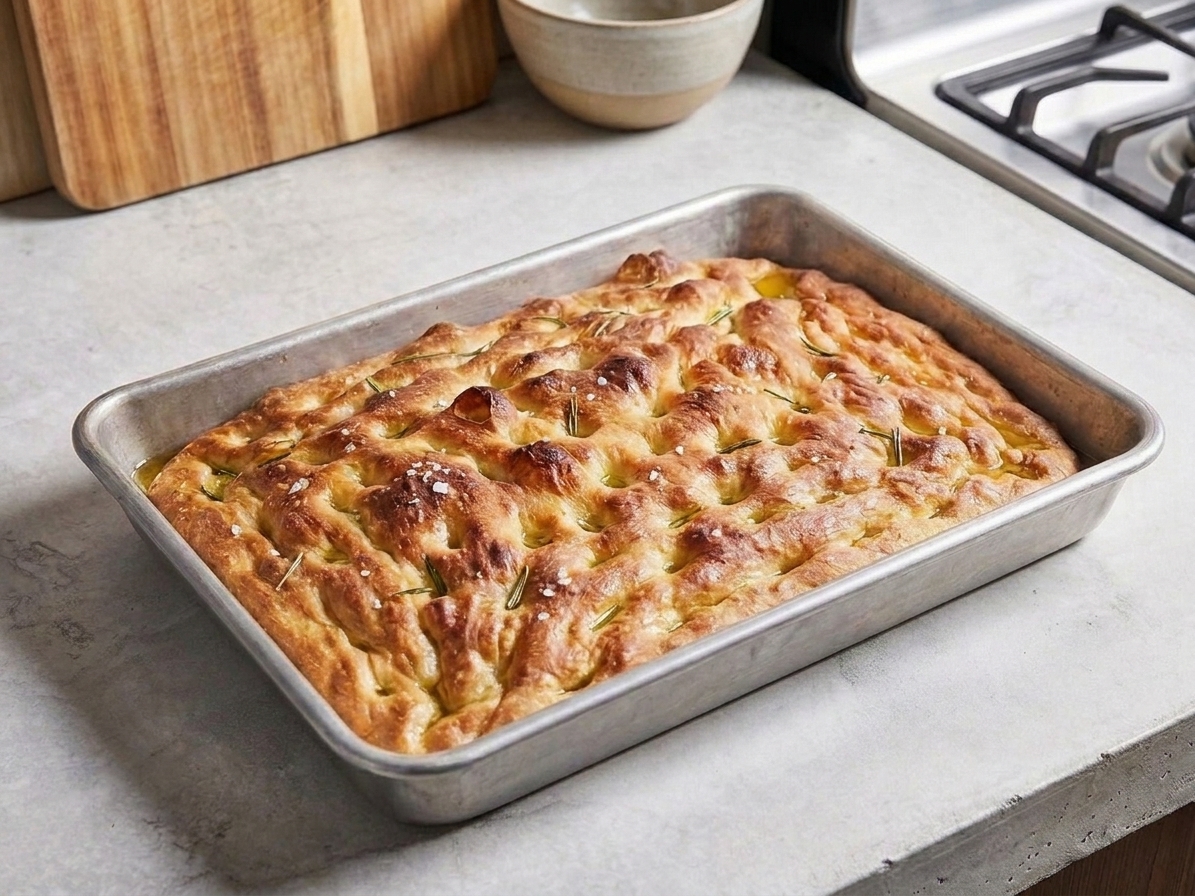
A golden rosemary focaccia in a 9 x 13-inch metal pan with crisp, bubbling olive oil edges and flaky salt on top, on a warm kitchen counter

Focaccia is the bread equivalent of showing up to the party in a great outfit and still being the chillest person there. It looks impressive, it tastes like you worked harder than you did, and it is basically engineered to be delicious because the dough gets a luxurious olive oil bath.

This version is my go-to: fluffy and tender in the middle, loud and crispy around the edges, and topped with rosemary and flaky salt so every bite has that “okay wow” moment. No fancy flour, no stand mixer required, and the steps are clear enough that you can make it while half-listening to whatever chaos is happening in the house.

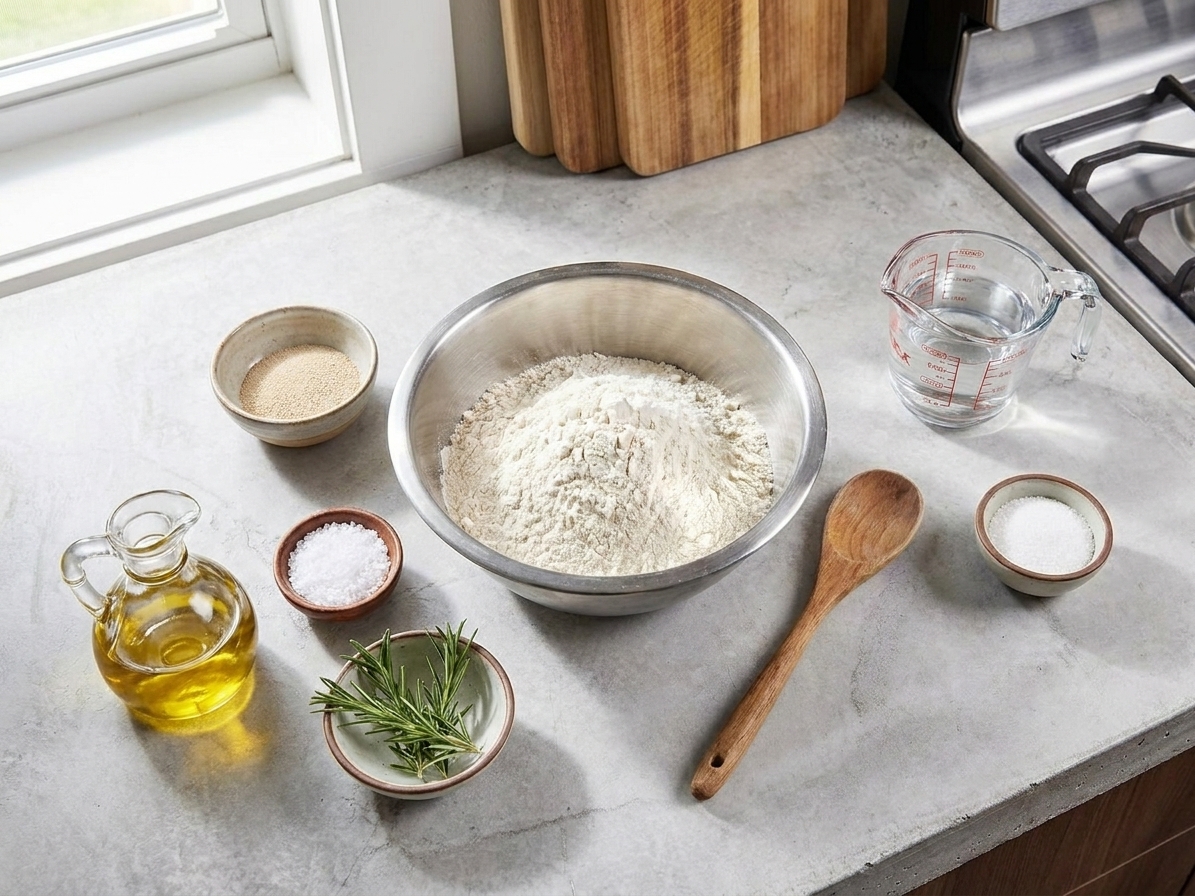
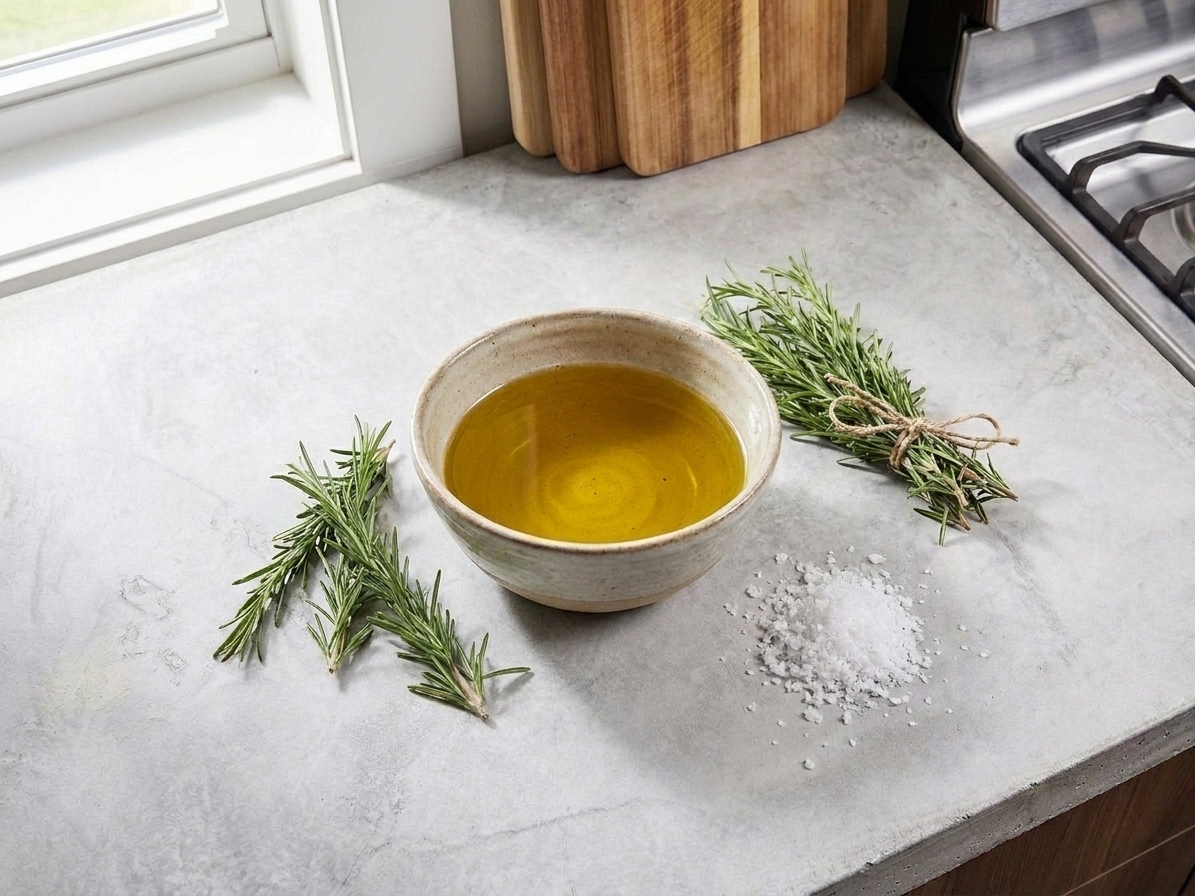
Measured focaccia ingredients including flour, instant yeast, salt, olive oil, rosemary, and a bowl of water arranged on a tidy kitchen counter in natural light

Why It Works

  • High hydration dough (a wetter dough) creates an airy crumb without heavy kneading.
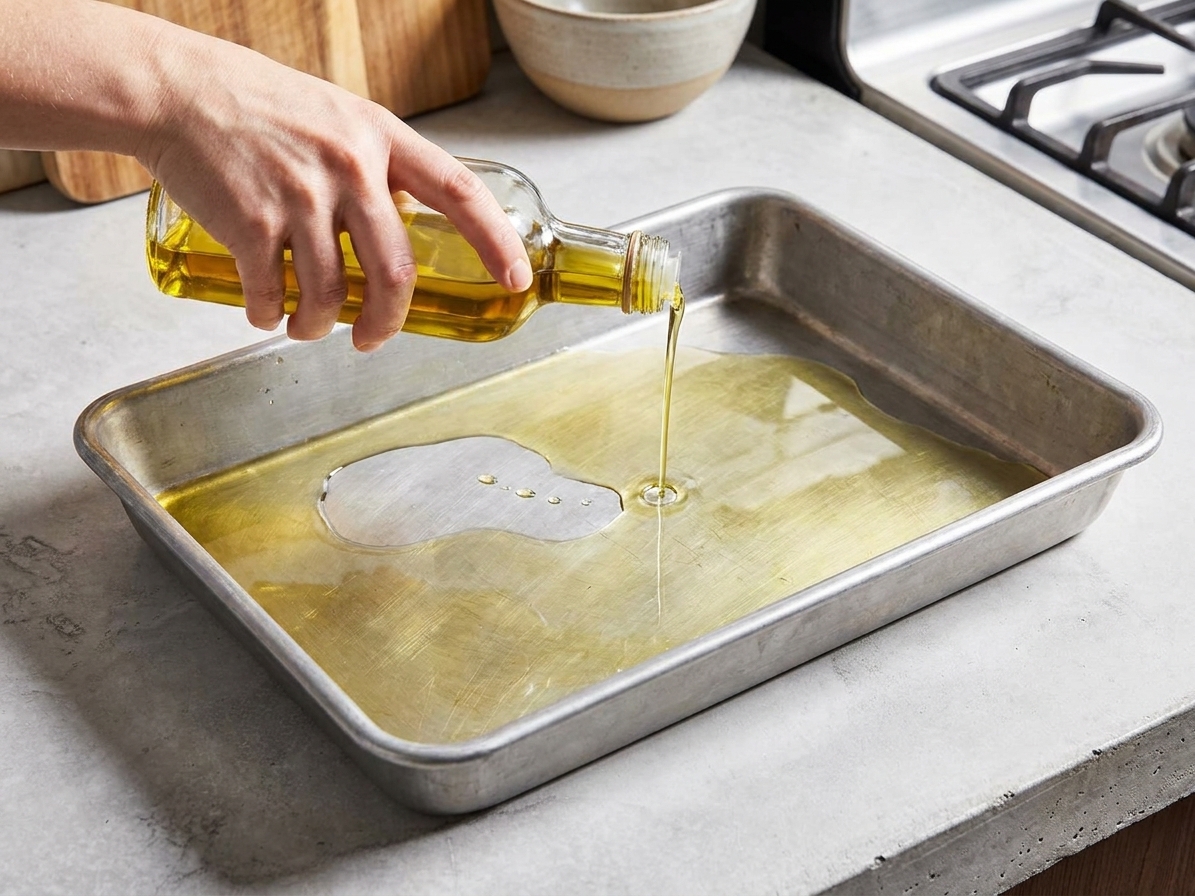
  • Olive oil under the dough practically fries the bottom and edges in the pan for that signature crisp.
  • Two rises build flavor and structure, and the second rise happens right in the pan so shaping stays low drama.
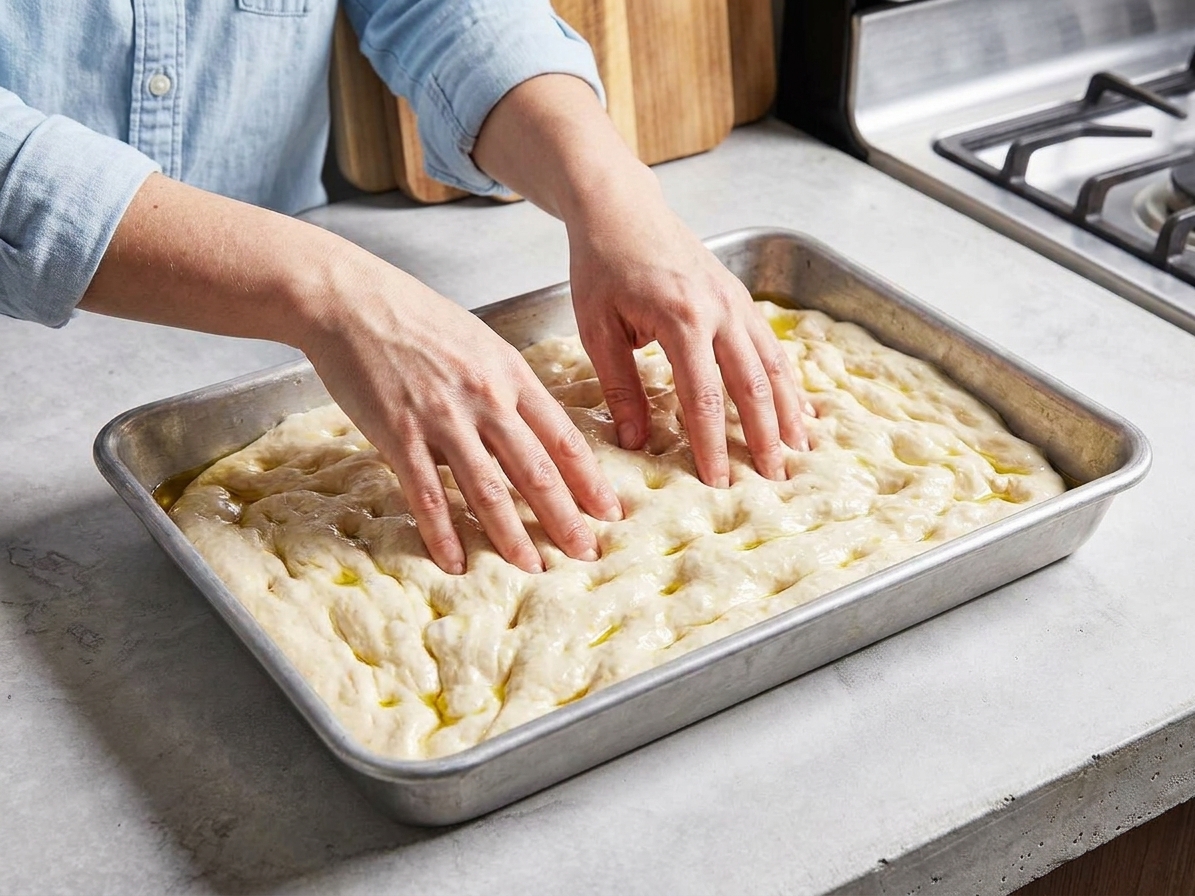
  • Deep dimples trap olive oil and seasoning so the top bakes up golden, savory, and snackable.

Pairs Well With

Storage Tips

Room temperature: Store focaccia tightly wrapped or in an airtight container for up to 2 days. If your kitchen is dry, add a piece of parchment inside the container to reduce sticking without making it soggy.

Recrisping (highly recommended): Warm in a 375°F oven for 6 to 10 minutes, or toast slices in a skillet with a small drizzle of olive oil until the edges crackle.

Freezing: Slice, wrap pieces individually, and freeze up to 2 months. Reheat from frozen at 375°F for 10 to 14 minutes, or until hot through with crisp edges.

Make it into croutons: Cube day-old focaccia, toss with olive oil and a pinch of salt, then bake at 375°F for 10 to 15 minutes, shaking once, until crunchy.

Common Questions

Common Questions

Can I make focaccia dough ahead of time?

Yes. After the first rise, cover the bowl and refrigerate the dough for 8 to 24 hours. Let it sit at room temperature for about 45 to 60 minutes before you oil the pan and stretch it in. Cold dough is slower to relax, so give it time.

Instant yeast vs active dry yeast, does it matter?

Either works. Instant yeast can be mixed right into the flour. For active dry, dissolve it in the warm water first and let it get foamy for 5 to 10 minutes, then proceed.

Why is my focaccia dense?

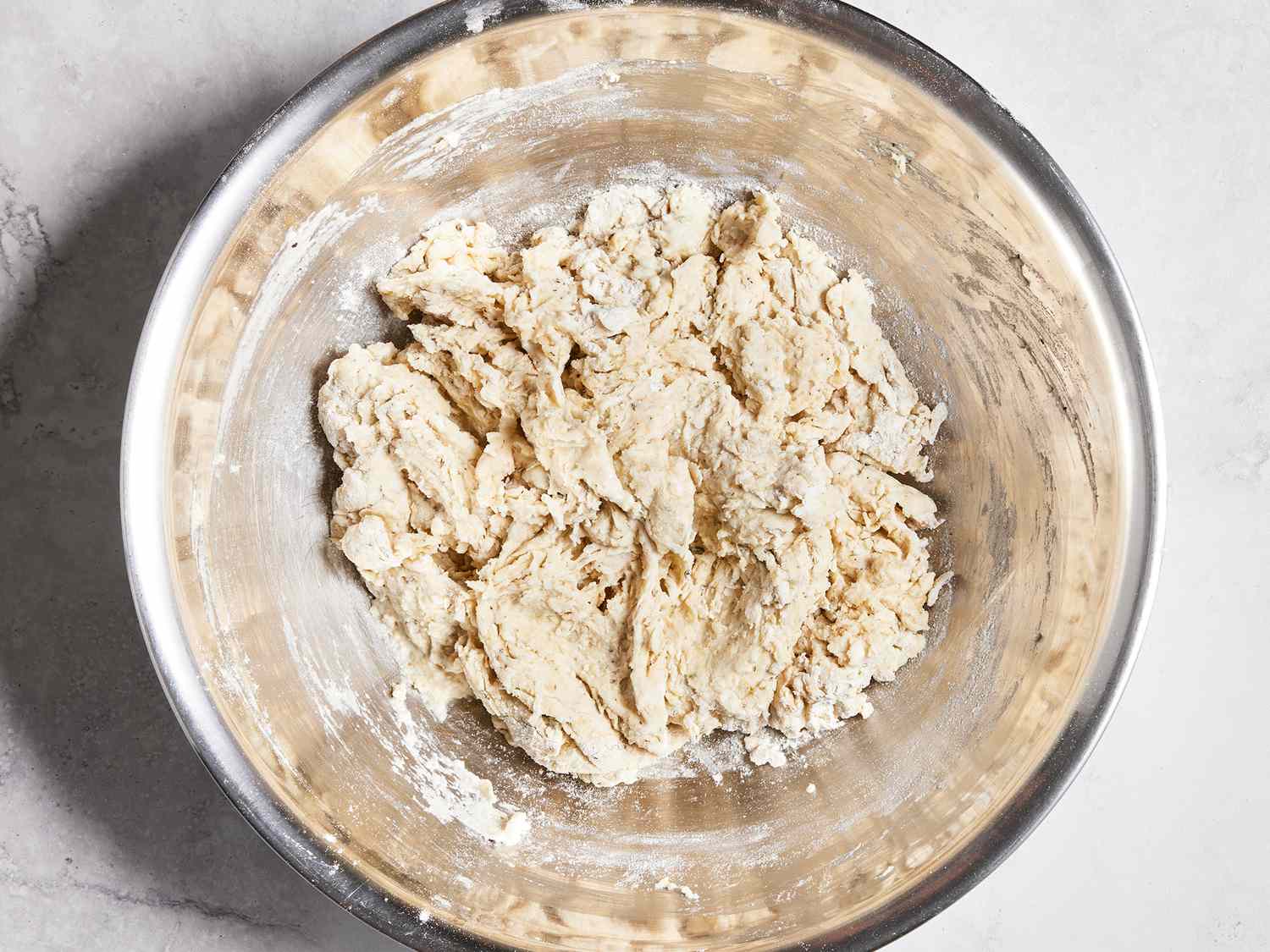
Most of the time it needs more time to rise, especially in a cooler kitchen. The dough should look noticeably puffy after the first rise and again after the pan rise. Also, do not add extra flour during stretching. A wet dough is the point.

How do I get those really crispy edges?

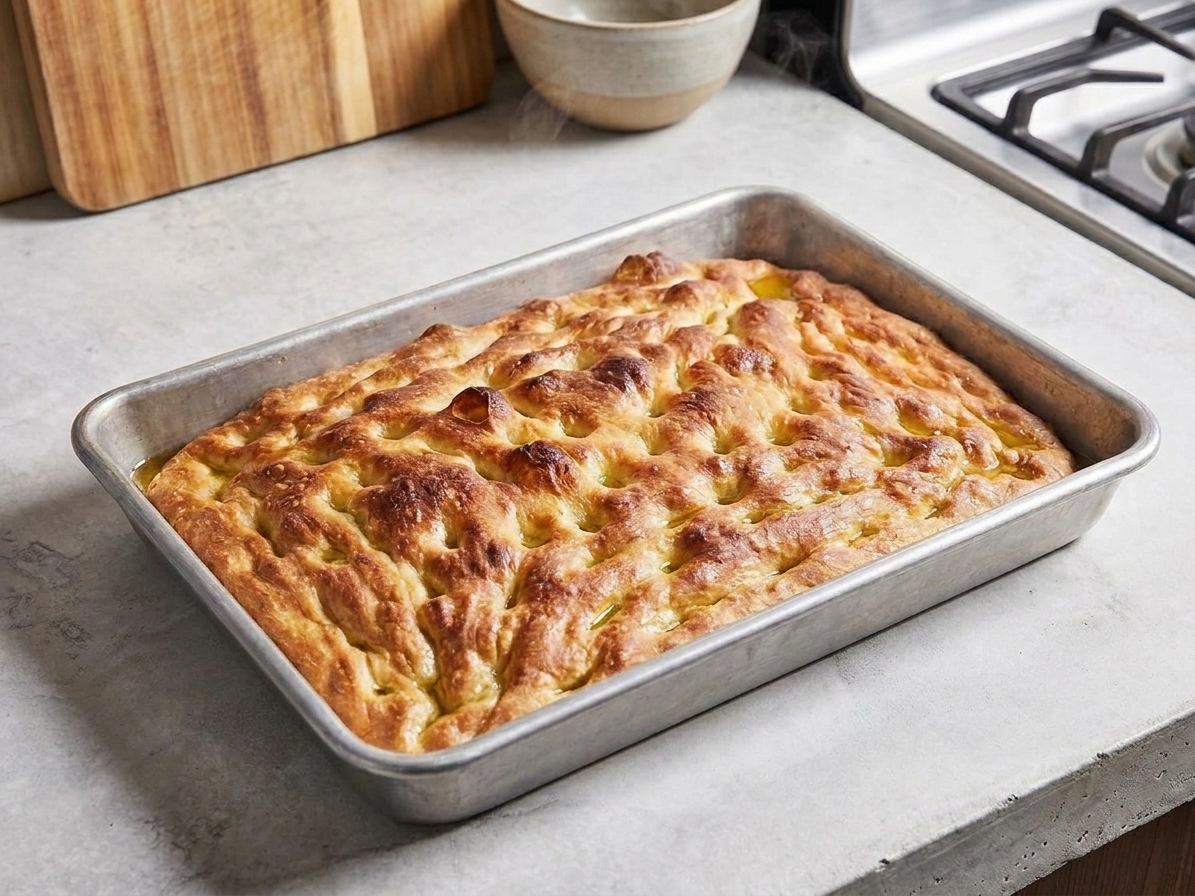
Use a metal pan, be generous with olive oil under the dough, and bake hot. If your oven runs cool, give it an extra 3 to 5 minutes. The edges should be deeply golden, not pale.

Can I use dried rosemary?

You can. Use about 1 teaspoon dried rosemary (crush it between your fingers first). Fresh rosemary gives the most aroma and the prettiest top, but dried still tastes great.

How do I keep rosemary from burning?

If your oven runs hot, toss the rosemary with a tiny drizzle of olive oil before sprinkling, or add it halfway through baking so it stays green and fragrant instead of going full campfire.

What toppings work besides rosemary?

Try thinly sliced red onion, halved cherry tomatoes, olives, everything bagel seasoning, or roasted garlic. Keep toppings light so the dough can still rise and bake through.

Can I use a different pan size?

Yes. A 10 x 15-inch rimmed sheet pan makes a thinner focaccia that bakes a bit faster. Start checking around 16 to 20 minutes. An 8 x 8-inch pan makes a thicker focaccia and will need longer, usually 25 to 30 minutes. Use the visual cues and the doneness tips in the baking step.

I was originally all-in on the idea of a culinary arts degree, but what I kept chasing was the hands-on part. The repetition, the feel of dough changing under your fingers, the way a kitchen turns into a team sport when everyone is hungry. Focaccia scratches that itch for me.

It is simple enough to make on a random Tuesday, but it still gives you that proud baker moment when you pull it out: sizzling edges, glossy olive oil, and those dimples that basically beg for a pinch of flaky salt. It is the kind of bread I want in my future restaurant, but also the kind I want on my counter right now, torn into pieces with friends.