Mom's Best Recipes
Recipe

New York Pizza Dough

Chewy, foldable crust with crisp edges and that classic New York bite, thanks to a simple cold ferment and a hot bake.

Author By Matt Campbell
4.8
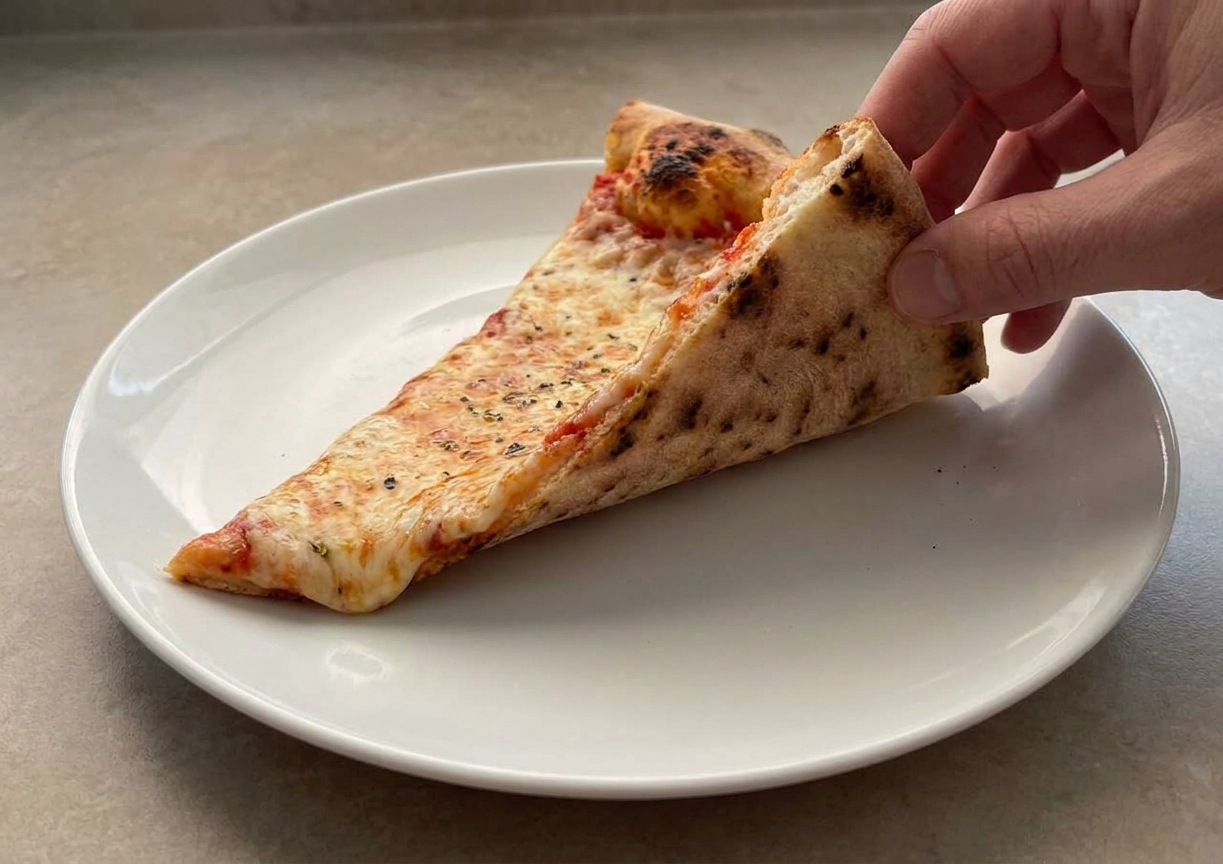
A classic New York style pizza slice being folded, showing a thin, chewy crust with a lightly blistered edge on a simple plate

New York pizza dough is the kind of thing that sounds fussy until you realize it is mostly just time, not effort. You mix a few pantry staples, let the fridge do the flavor-building overnight, then bake it hot enough to get those crisp edges and that chewy, foldable center.

This dough is built for the slice life: thin-ish in the middle, a rim that puffs just enough, and a texture that stands up to sauce and cheese without turning floppy. No weird ingredients, no drama, just a dough you can make on a random Tuesday and still feel like you should be charging by the slice.

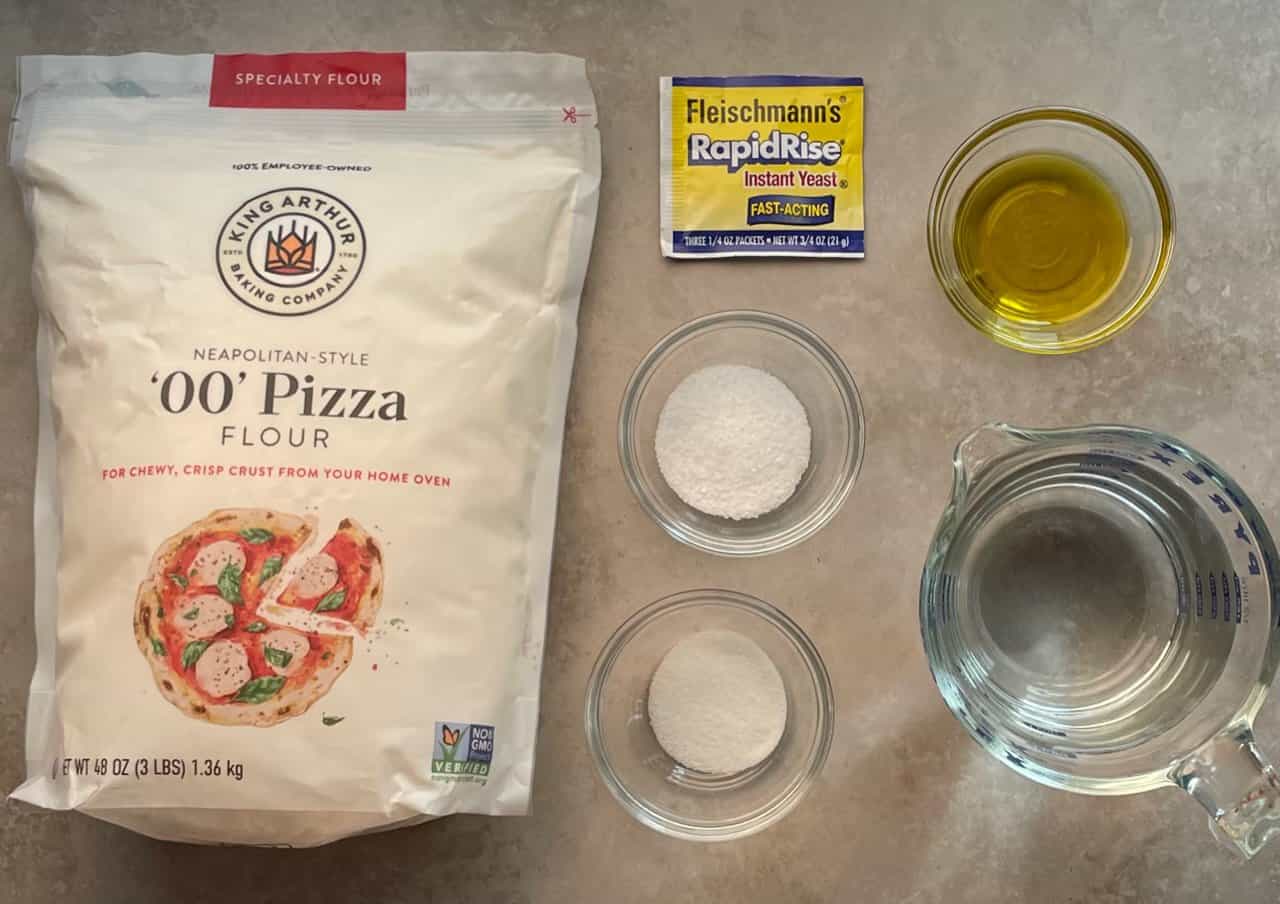
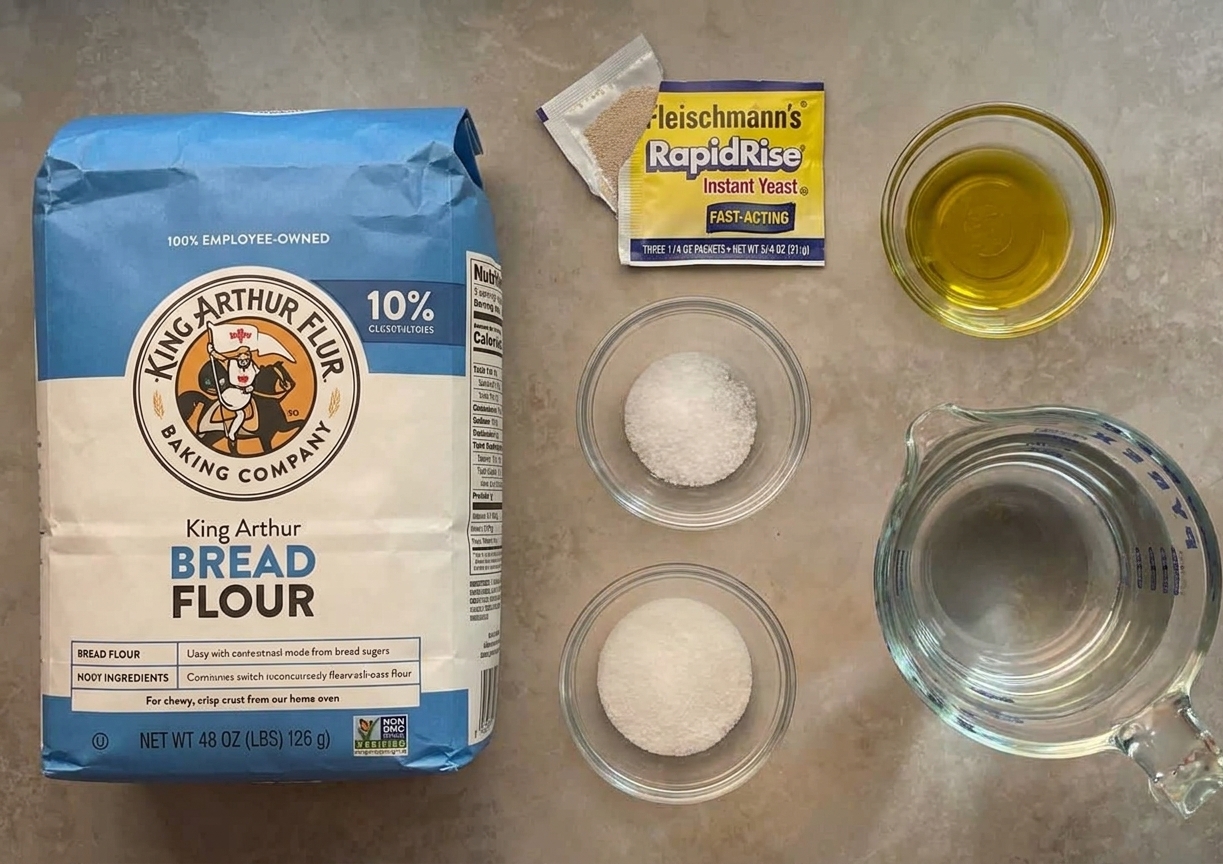
Flour, salt, yeast, sugar, olive oil, and water arranged on a bright kitchen countertop

Why It Works

  • Real New York texture: chewy and pliable with a crisp underside when baked hot.
  • Big flavor with low effort: a cold ferment (1 to 3 days) builds that subtle, bready depth.
  • Beginner-friendly shaping: a rested dough stretches easier and resists tearing.
  • Flexible schedule: make it today, bake it tomorrow, or keep it in the fridge for later.

Pairs Well With

Storage Tips

How to Store Dough

  • In the fridge: Keep dough balls in lightly oiled, covered containers for up to 3 days. Flavor improves through day 2.
  • In the freezer: After the first rise, portion into balls, lightly oil, and freeze in freezer bags for up to 3 months. Thaw overnight in the fridge, then rest at room temp before stretching.

How to Store Baked Pizza

  • Fridge: Cool completely, then wrap slices and refrigerate up to 4 days.
  • Reheat: Best method is a skillet over medium heat for 2 to 4 minutes to crisp the bottom, then a splash of water and a lid for 30 to 60 seconds to melt the top. Oven at 450°F also works.

Common Questions

Do I need bread flour for New York pizza dough?

Bread flour is the easiest path to that chewy bite because it has higher protein. If you only have all-purpose flour, you can still make great pizza. Expect it to be a little less chewy and slightly more tender. If you have vital wheat gluten, you can add about 1 teaspoon per cup of all-purpose flour, but it is optional.

Why cold ferment in the fridge?

Cold fermenting slows yeast down so the dough develops better flavor and a nicer texture. Think subtle sweetness, more browning potential, and a dough that stretches without fighting you.

How do I know the dough is ready after the cold ferment?

Look for dough balls that are slightly puffy, relaxed, and maybe showing a few small bubbles on the surface. When you press lightly, it should spring back slowly, not snap back fast. If it seems tight, give it more room-temp time.

What if my dough overproofs?

If the dough is very gassy, fragile, or collapsing, gently re-ball it, cover, and let it rest 30 to 45 minutes at room temp. You will lose a bit of airy edge, but it will be easier to shape and still bake up great.

My dough keeps shrinking back when I stretch it. What now?

That is gluten doing its job a little too enthusiastically. Cover the dough and let it rest 10 to 15 minutes, then try again. Also make sure your dough has warmed up at room temperature before shaping.

Can I make this dough the same day?

Yes. It will still work, just with less flavor. Let it rise until doubled (about 60 to 90 minutes depending on room temp), portion, then rest 30 minutes before stretching. If you can spare one night in the fridge, you will taste the difference.

What if I do not have a pizza stone or steel?

Use an inverted sheet pan preheated in the oven. Or bake in a cast iron skillet for a slightly thicker, crispier bottom. The goal is a screaming hot surface that sets the crust fast.

How hot should my oven be for New York style?

As hot as it safely goes. Most home ovens top out at 500°F to 550°F, which works really well for home New York style. Preheat your stone or steel for at least 45 minutes so it is actually hot, not just warm.
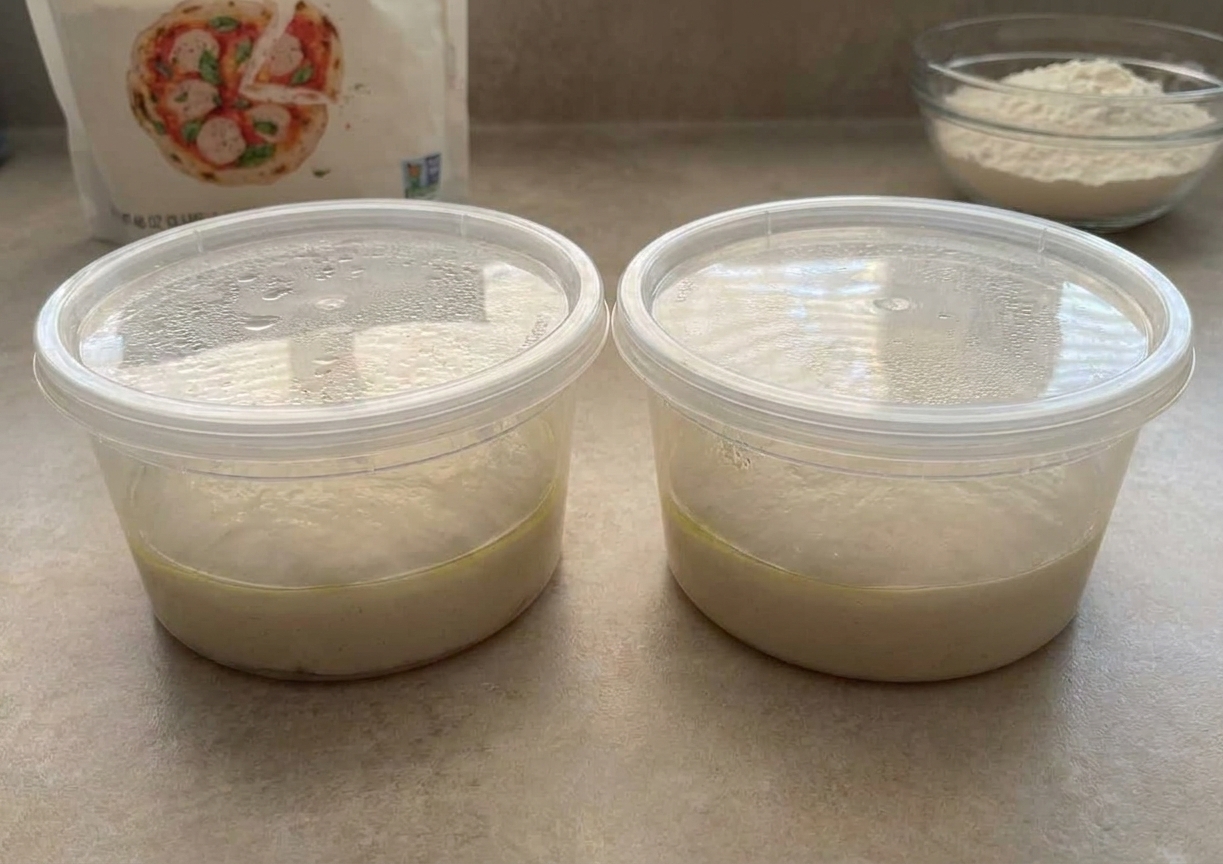

Two lightly oiled pizza dough balls resting in covered deli containers on a kitchen counter, ready for cold fermentation

I got obsessed with New York pizza for the same reason most people do: that first bite where the crust folds, the tip droops just a little, and the bottom still crunches like it has something to prove. When I started testing dough at home, I expected the magic to be some secret ingredient. It is not. It is patience.

Now I keep a dough ball or two hanging out in my fridge like future happiness. It is my favorite kind of cooking: low effort, high payoff, and just chaotic enough when the stretching starts. If your circle is not perfectly round, congratulations. You made it yourself.