Mom's Best Recipes
Recipe

Crispy Fried Squash

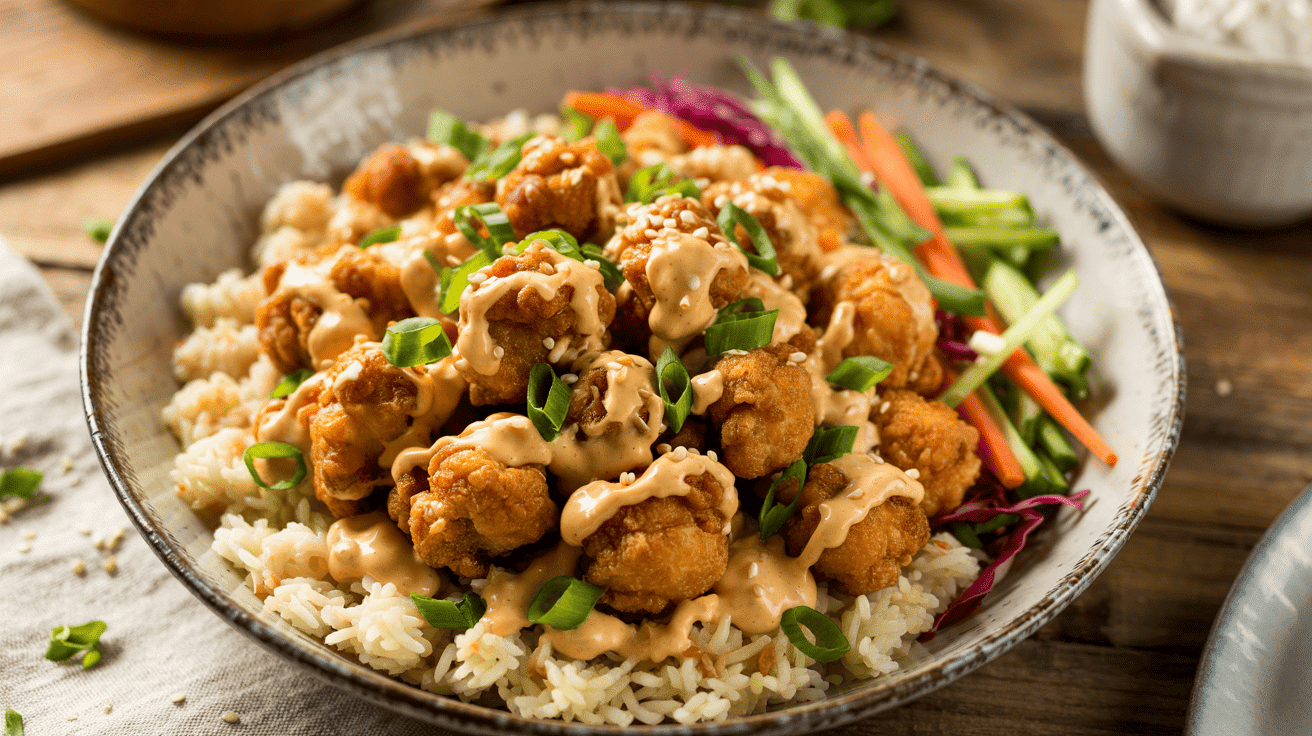
Skillet-fried yellow squash with a crunchy cornmeal coating, savory seasoning, and crisp edges you can hear.

Author By Matt Campbell
4.8
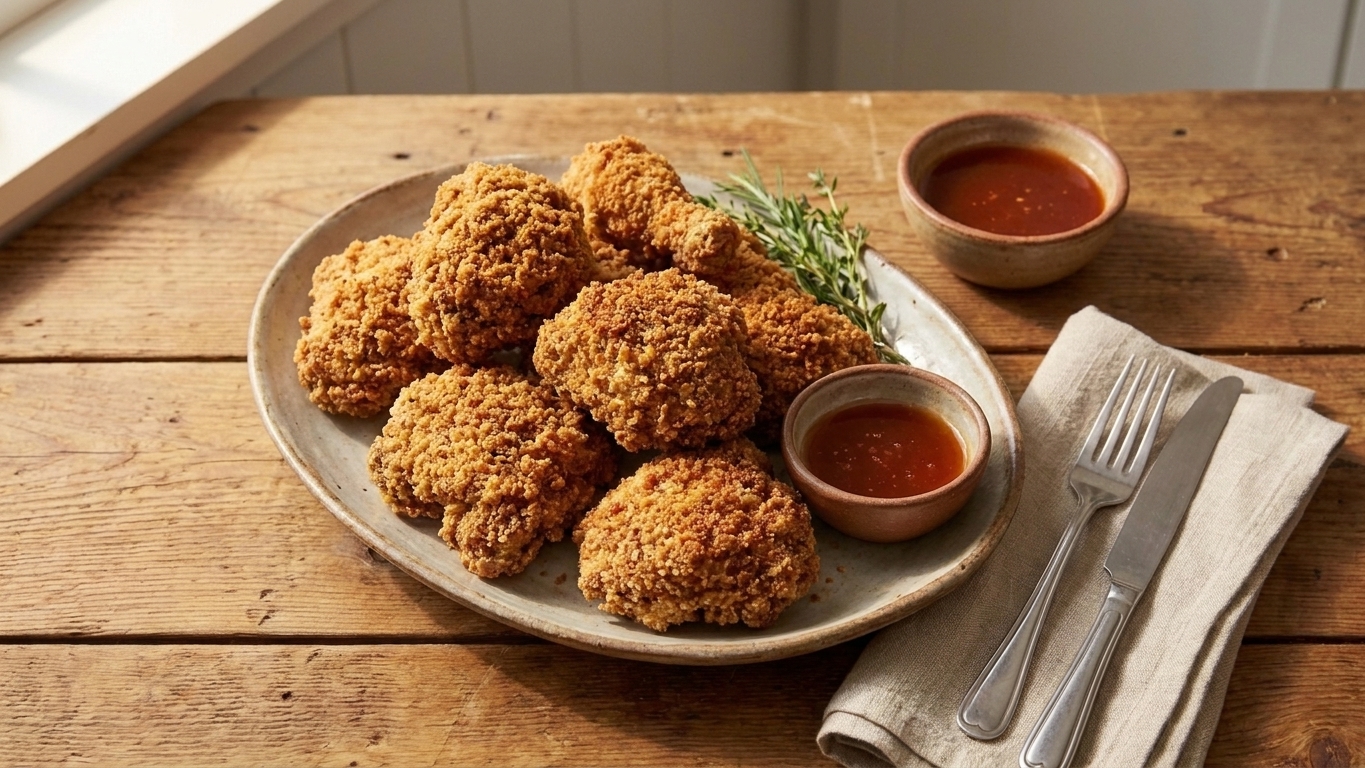
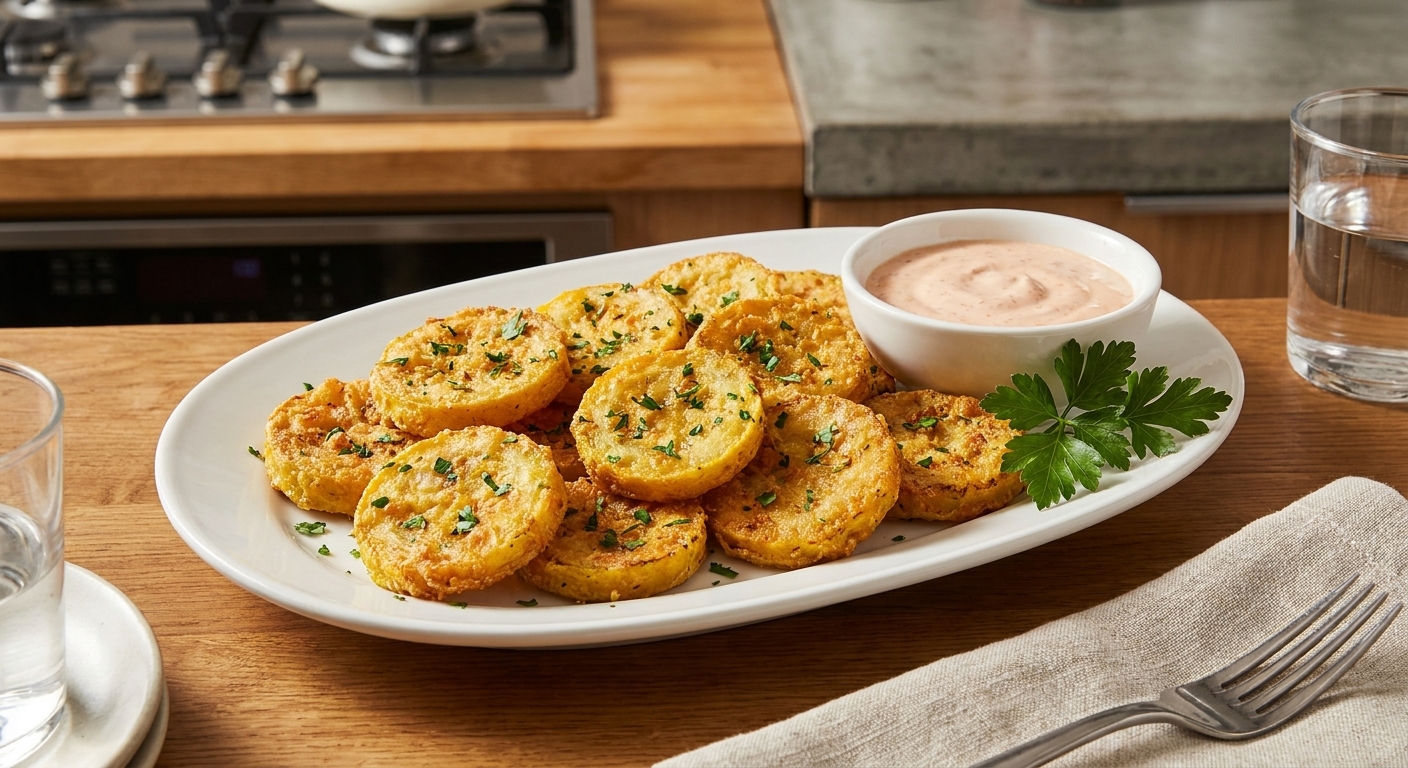
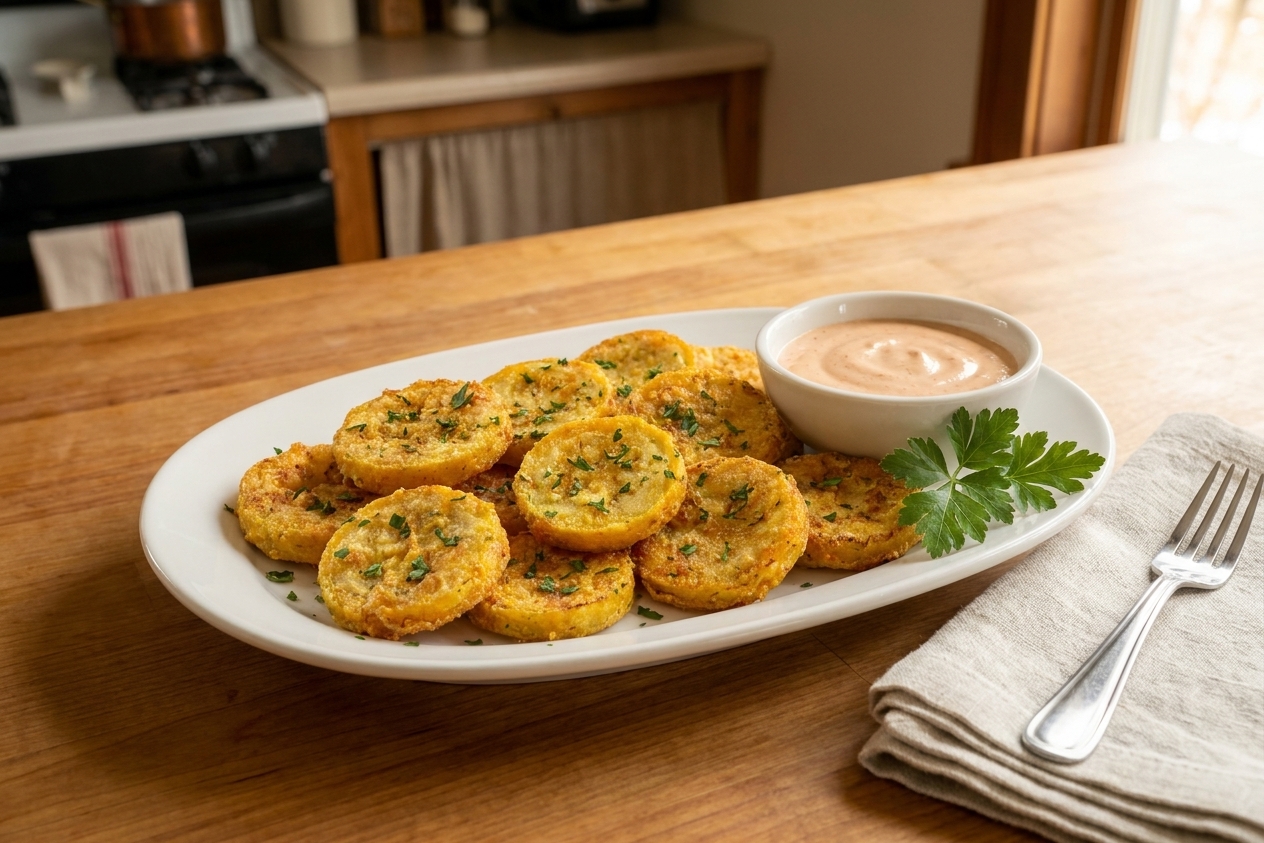
A platter of golden, crispy fried yellow squash rounds with a light cornmeal crust on a white plate, set on a warm kitchen table with a small bowl of dipping sauce

Fried squash is one of those dishes that feels like summer comfort food and weeknight snack energy at the same time. It is humble, fast, and wildly satisfying when you get the coating just right: salty, peppery, and crisp at the edges with tender squash in the middle.

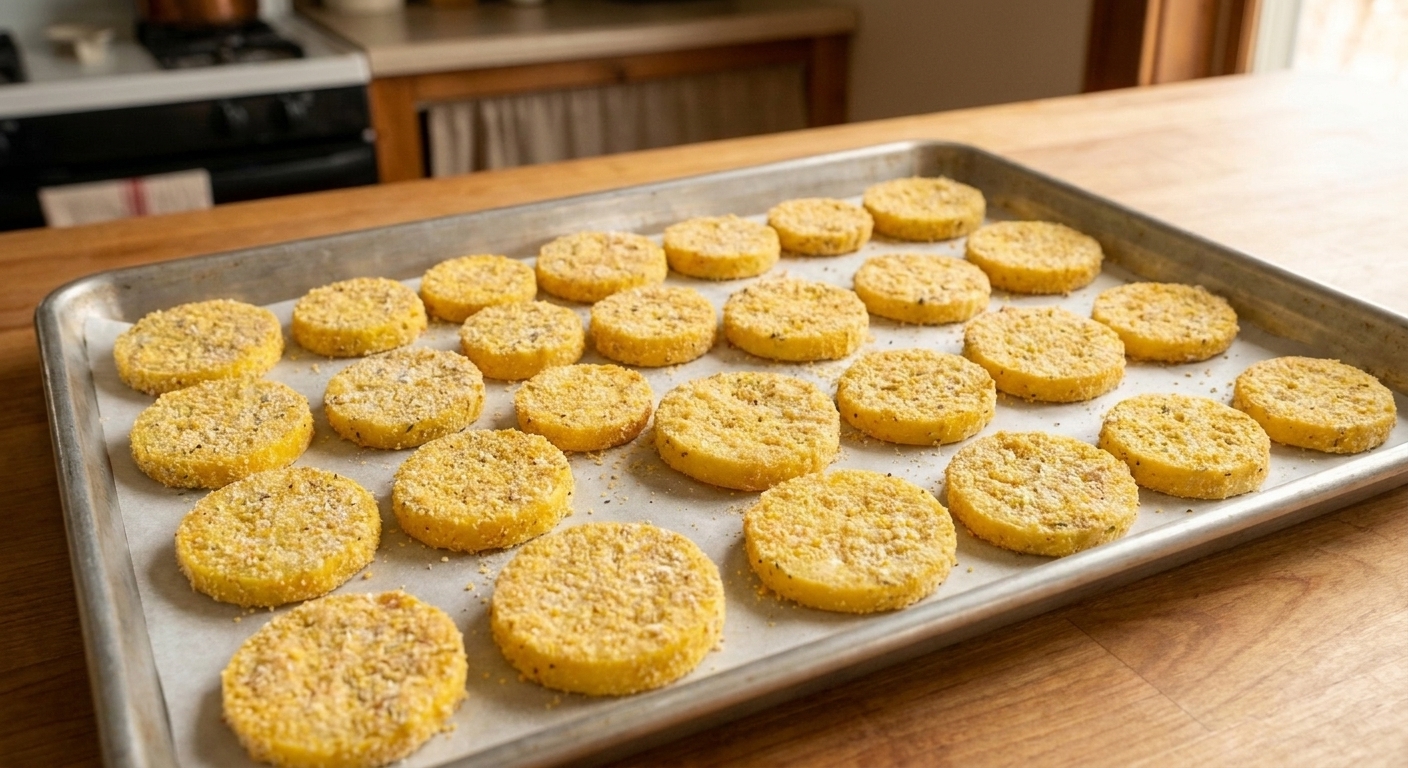
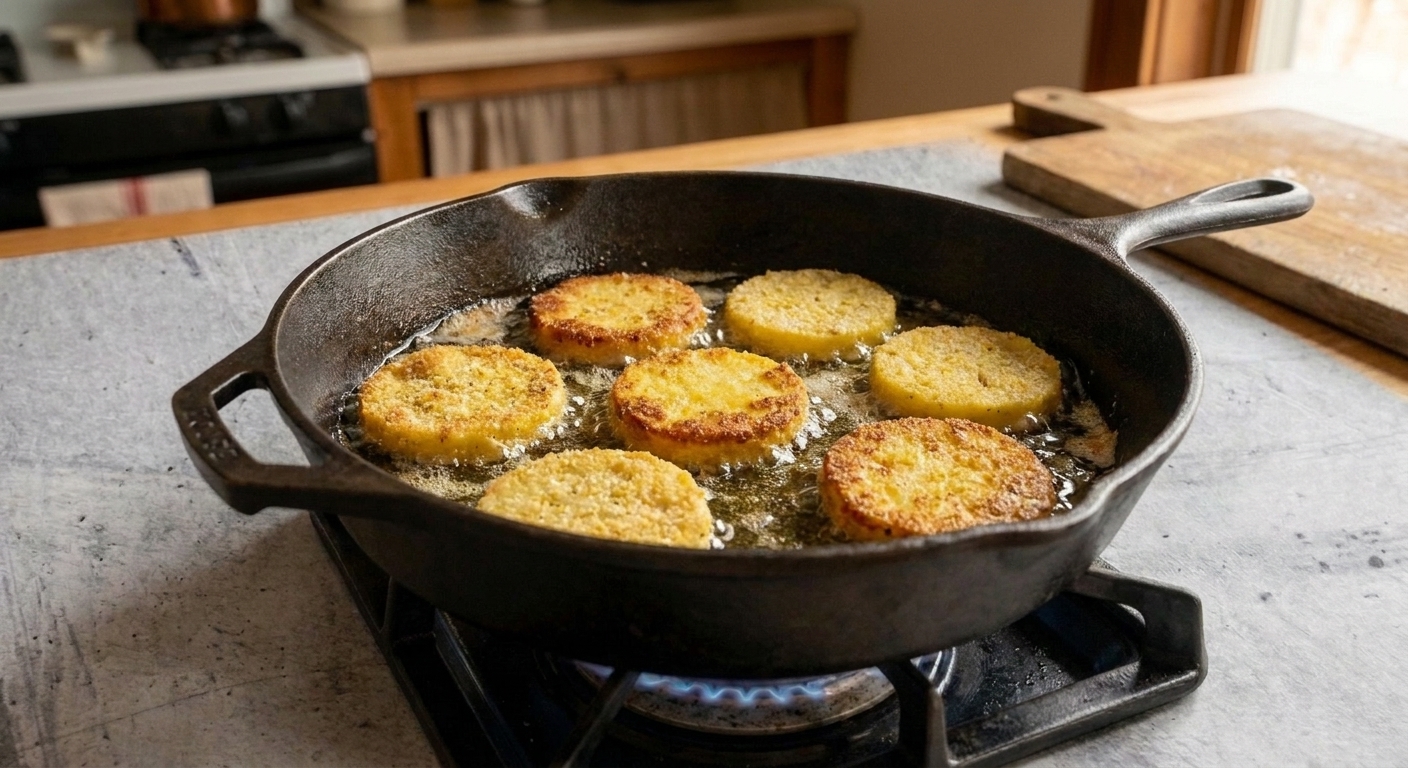
This version is skillet-fried, not deep-fried. You still get that golden crunch, but with less fuss, less oil, and no scary bubbling cauldron situation. I like to keep the breading simple and reliable: flour for cling, egg for glue, and cornmeal for that classic crunch.

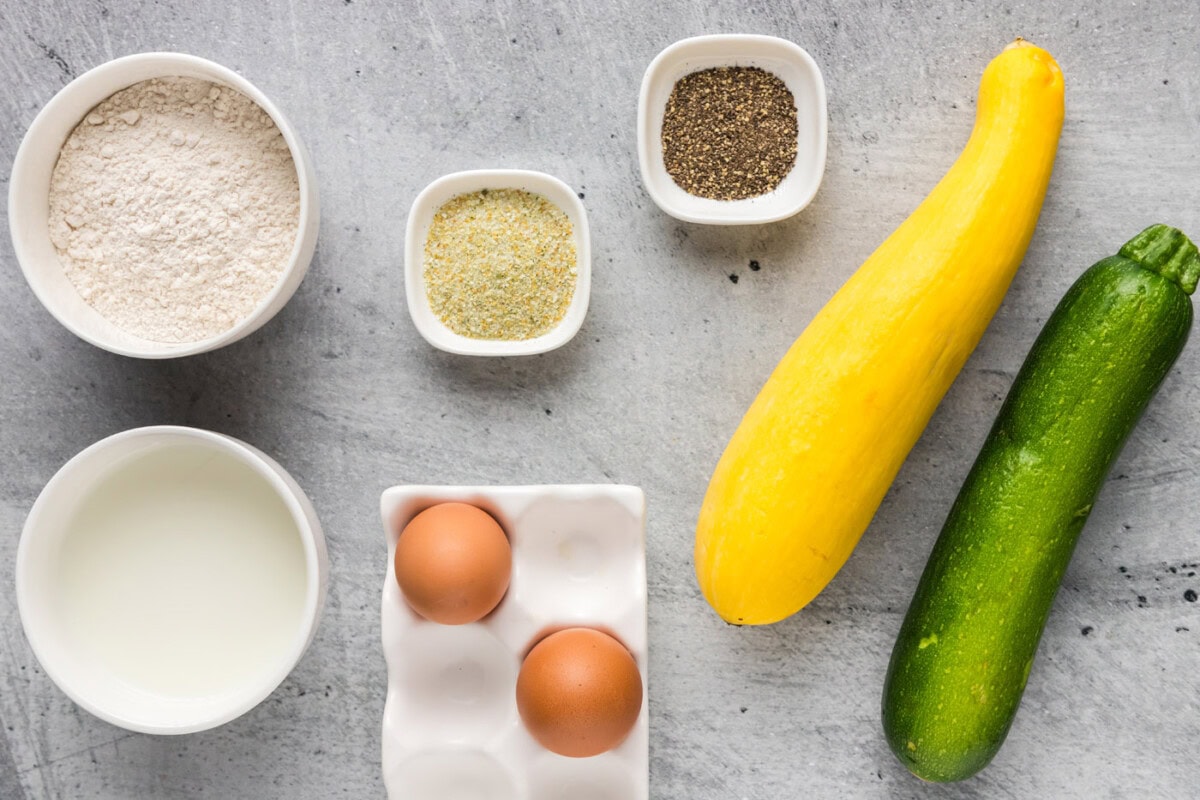
A kitchen counter with yellow squash, cornmeal, flour, eggs, buttermilk, kosher salt, black pepper, and garlic powder laid out for breading

Why It Works

  • Crispy coating that actually sticks: a quick rest after breading helps the crust set so it does not slide off in the pan.
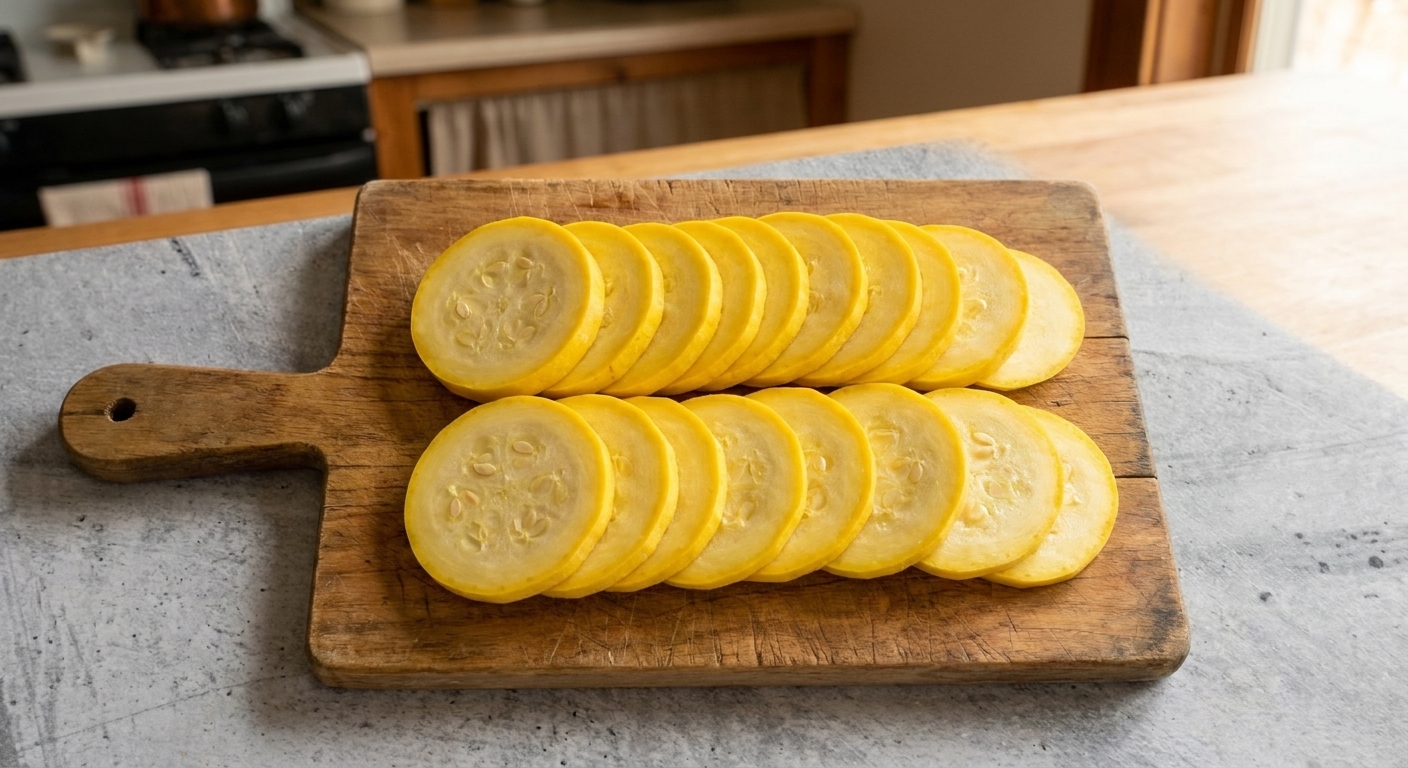
  • Tender squash, not mush: evenly sliced rounds cook fast, so you get soft centers without soggy breading.
  • Big flavor from pantry spices: garlic powder, paprika, and a pinch of cayenne give “pause mid-bite” seasoning without making it complicated.
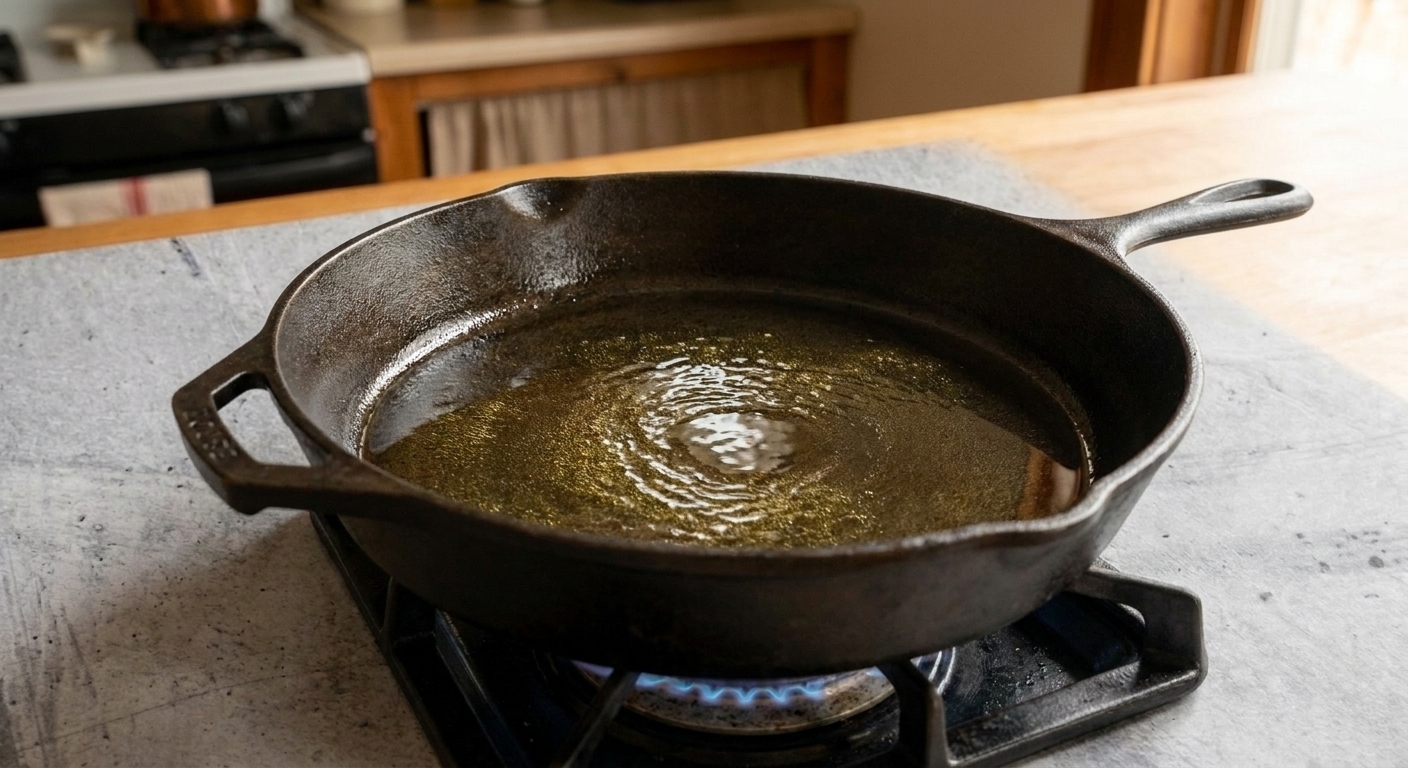
  • Skillet method, low drama: shallow oil fry means easy flipping, easy monitoring, and easy cleanup.

Pairs Well With

Storage Tips

Fried squash is best right away, but leftovers can still be good if you store and reheat them like you want them crispy again.

  • Refrigerate promptly: For best safety and texture, refrigerate leftovers within 2 hours.
  • Cool first: Let squash cool on a wire rack (or a paper towel-lined plate) until it is no longer steaming before storing. Trapping steam is the fastest path to soggy.
  • Refrigerate: Store in an airtight container for 2 to 3 days. If possible, layer with parchment paper between pieces.
  • Reheat for crisp: Use a 425°F oven or air fryer for 5 to 8 minutes, flipping once. You want hot and re-crisped, not slowly warmed.
  • Avoid the microwave: It will soften the crust. If you must, microwave briefly then finish in a hot skillet to bring back some crunch.
  • Freezing: Not my favorite for texture, but you can freeze cooked fried squash on a sheet pan, then bag it. Reheat from frozen at 425°F until crisp and hot.

Common Questions

What kind of squash works best for frying?

Yellow summer squash is the classic, but zucchini also works. Look for medium squash that feel firm and heavy for their size. Very large squash tend to have more water and larger seeds, which can make the coating soggy.

Why is my fried squash soggy?

The usual culprits are: oil not hot enough, overcrowding the pan, or salting the squash too early. Keep the oil around 350°F, fry in batches, and salt after frying (or keep salt mainly in the breading). Also, try not to let sliced squash sit around too long before breading since it can start to weep moisture.

How do I keep the breading from falling off?

Pat the squash dry, press the coating on firmly, and let the breaded rounds rest for 5 to 10 minutes before frying. Also, flip gently and only once if you can.

Can I make fried squash without eggs?

Yes. Swap the egg wash for buttermilk (or regular milk). If you want extra staying power, whisk in 1 teaspoon mayo. It sounds odd, but the extra fat and emulsifiers help the coating cling. You can also use a quick flour-and-water slurry as the glue.

Can I bake or air fry this instead?

You can. Spray or brush the breaded squash with oil and cook at 425°F until crisp, flipping halfway. For an air fryer, cook 10 to 12 minutes at 425°F, shaking or flipping halfway, and keep the rounds in a single layer with a little space. For the oven, bake 18 to 22 minutes on a wire rack set over a sheet pan (or flip on a sheet pan halfway). It will be a bit drier than skillet-fried, but still tasty.

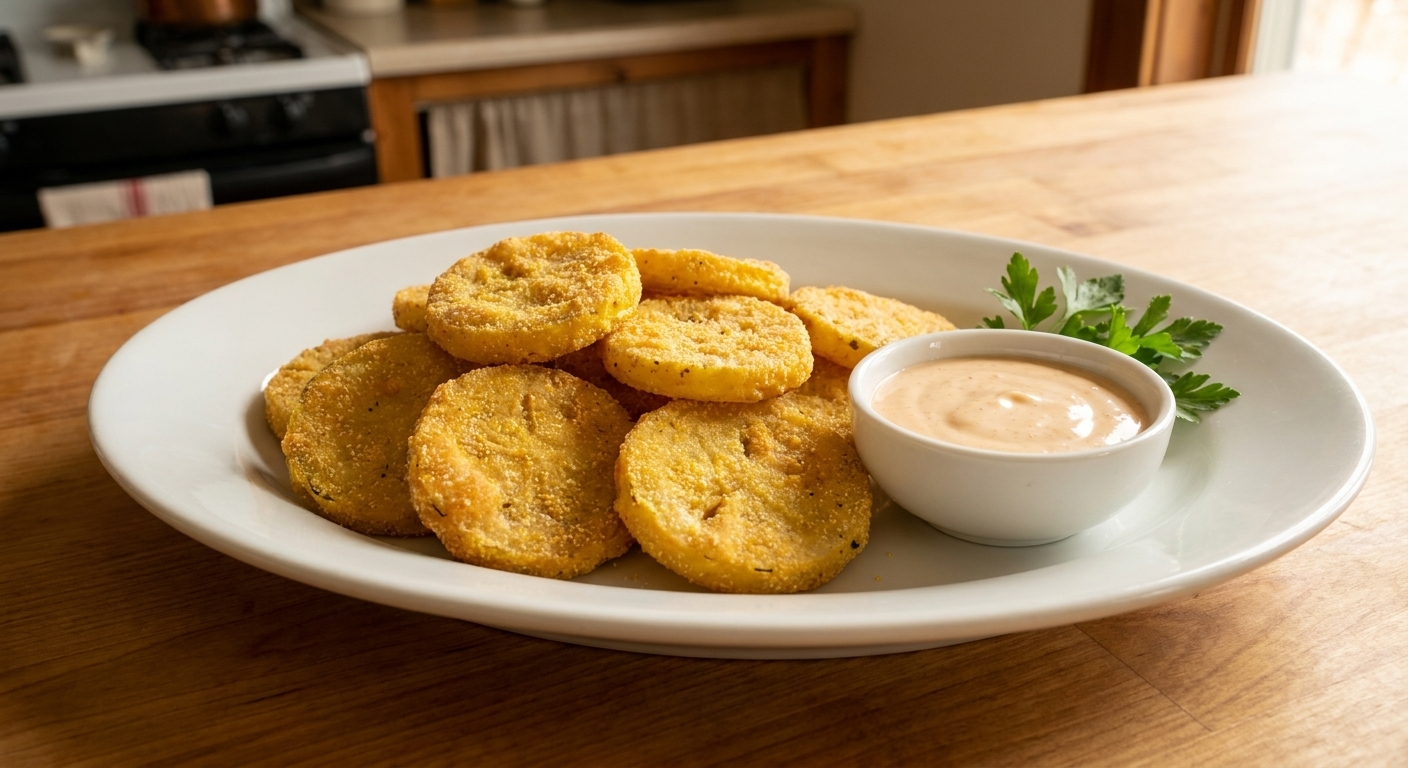
I learned pretty quickly that fried squash is less about fancy technique and more about tiny decisions that add up: slice thickness, oil temp, and whether you have the patience to fry in batches. The first time I made it on my own, I overcrowded the skillet like it owed me money. The squash steamed, the coating sulked, and I still ate it standing over the sink because I am who I am.

Now I do it the calmer way. I keep the pan hot, give each piece a little space, and I always taste one “cook’s sample” for quality control. For science.