Mom's Best Recipes
Recipe

Crispy Masala Dosa

Golden, lacy dosas wrapped around a warmly spiced potato filling, with clear steps and realistic troubleshooting for home kitchens.

Author By Matt Campbell
4.8
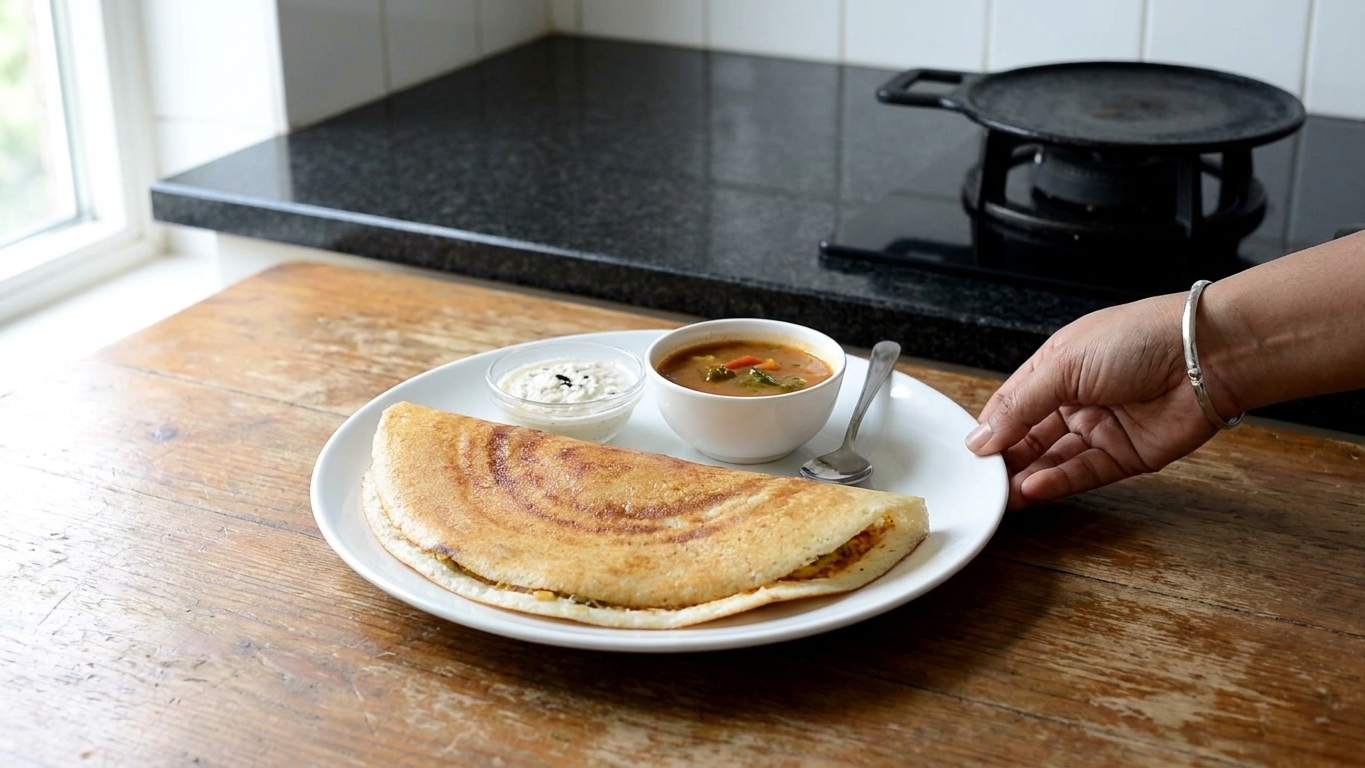
A crisp golden masala dosa folded on a white plate with coconut chutney and sambar on the side, set on a warm kitchen table with soft natural light

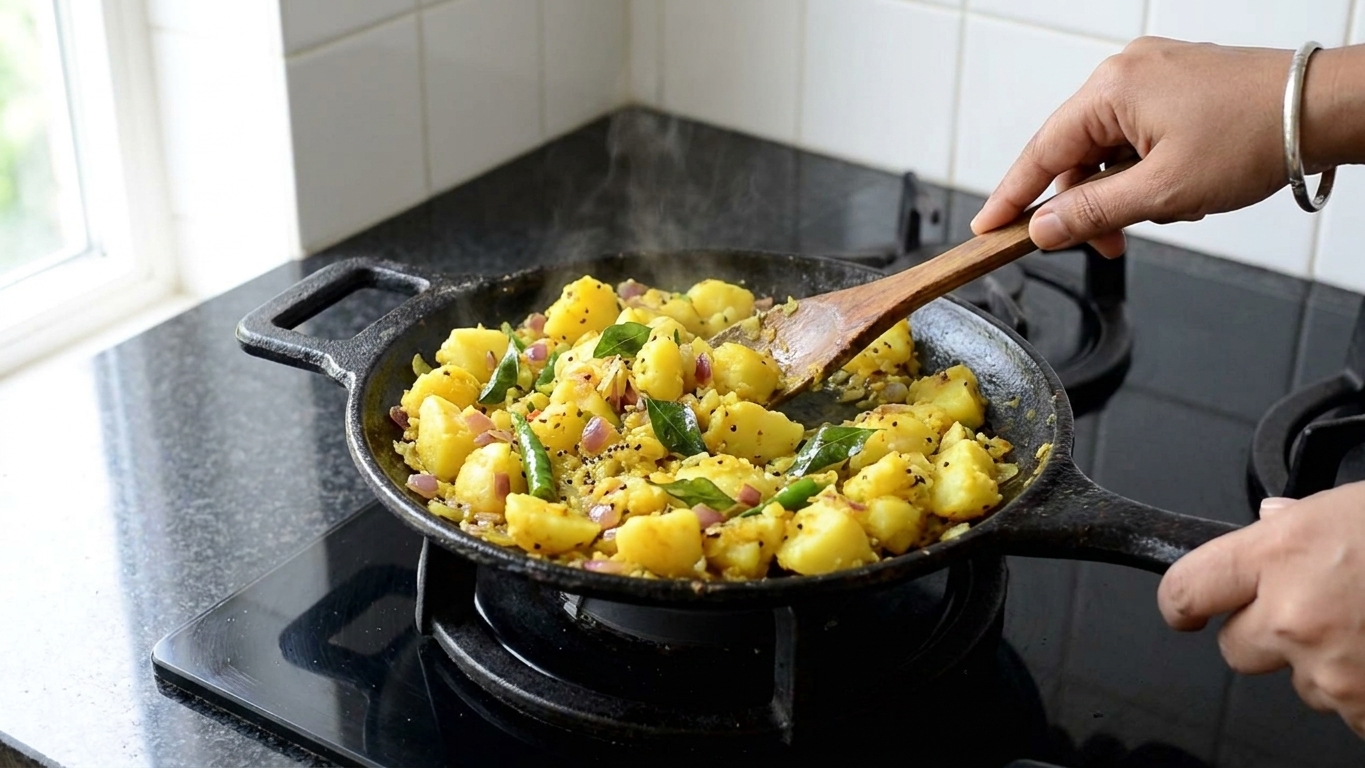
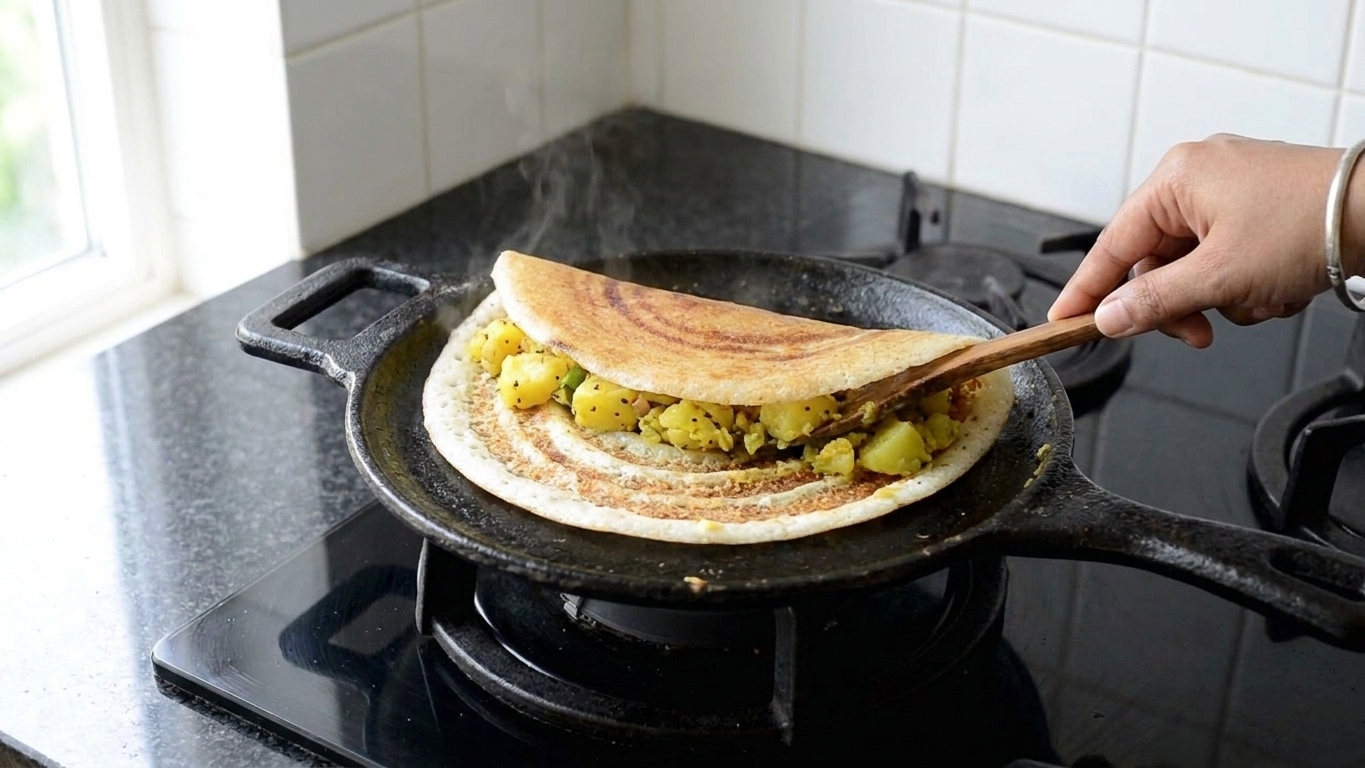
Dosa making is one of those kitchen projects that looks like magic until you do it once and realize it is basically three things: a good batter, a hot pan, and the confidence to leave it alone long enough to crisp. The payoff is huge. You get a thin, crackly crepe with lacy edges that somehow feels both light and deeply comforting, especially when it is wrapped around a buttery, spiced potato filling.

This version is written for real life. You will ferment the batter, yes, but you do not need special equipment. You will also get my favorite “save it” moves for when the batter is too thick, the pan is acting up, or the dosa decides to tear right at the worst possible moment.

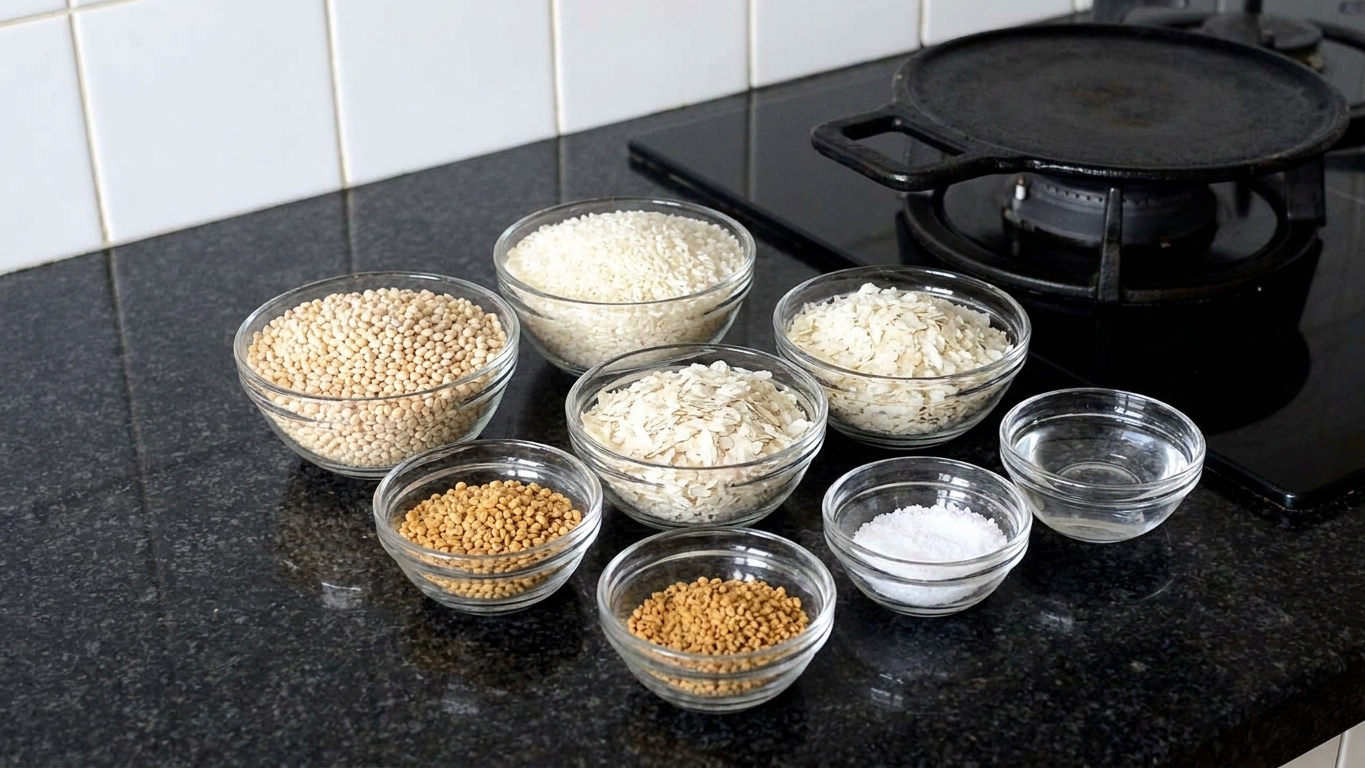
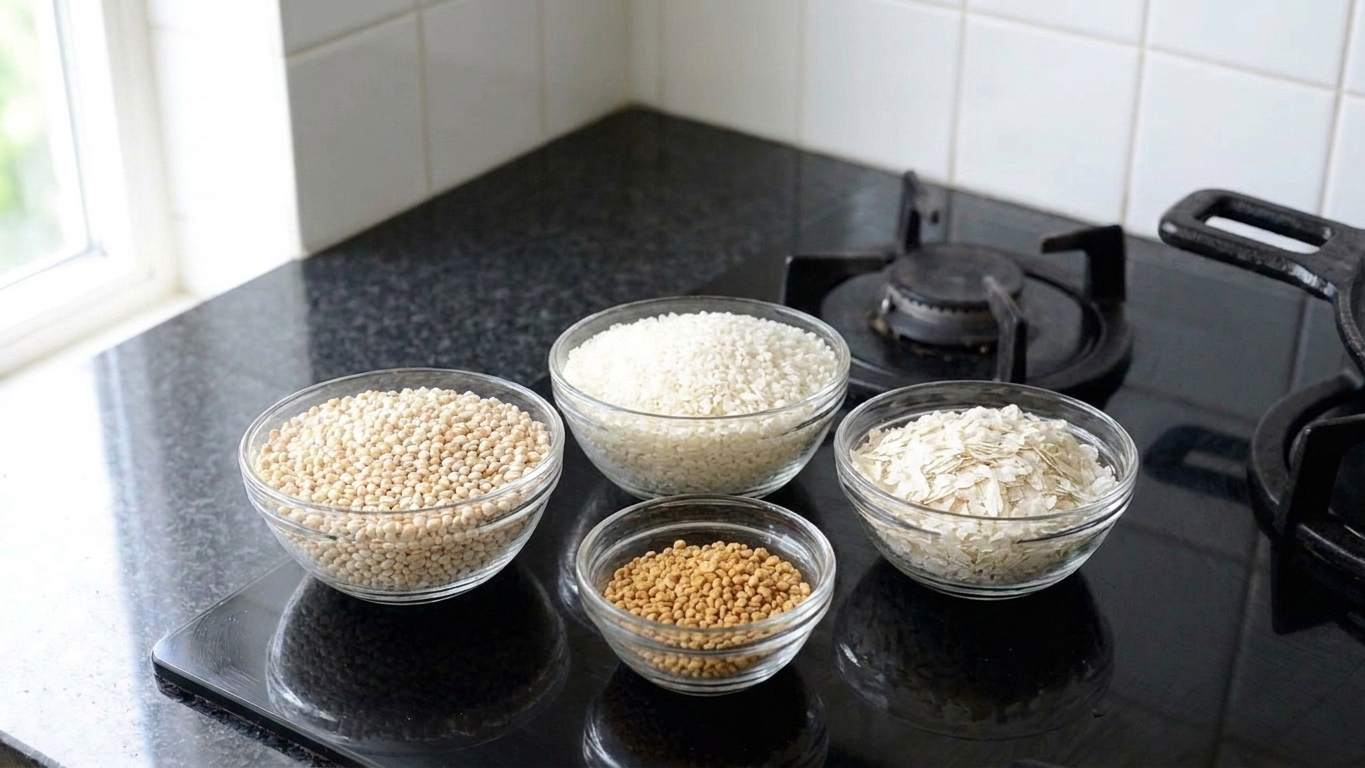
Urad dal, idli rice, poha, fenugreek seeds, salt, and a small bowl of water arranged on a clean kitchen counter in bright natural light

Why It Works

  • Fermentation builds flavor and texture. You get that gentle tang plus a batter that spreads thin and cooks up crisp instead of cakey.
  • Poha helps tenderness. Blended into the batter, it keeps the center from turning brittle while the edges go beautifully crunchy.
  • Pan temperature is the real secret. Hot enough to sizzle, not so hot that the batter seizes before you can spread it.
  • A little fat at the edges = restaurant-style crisp. Oil or ghee around the rim is where the drama happens, in a good way.

Pairs Well With

Storage Tips

Best move: store batter and filling separately, then cook dosas fresh. Cooked dosas are amazing right off the pan and merely okay after refrigeration.

Fermented dosa batter

  • Refrigerate in a covered container for 3 to 5 days. By day 4 to 5 it can get quite tangy, so trust your taste.
  • If it thickens in the fridge, stir in water 1 tablespoon at a time to get back to a pourable consistency.

Potato masala filling

  • Refrigerate for up to 4 days in an airtight container.
  • Reheat in a skillet with a splash of water, or microwave covered until hot.

If you already cooked extra dosas

  • Cool completely, then refrigerate layered with parchment for up to 2 days.
  • Re-crisp in a dry skillet over medium heat for 30 to 60 seconds per side. Avoid steaming them in the microwave unless you like “soft wrap” vibes.

Common Questions

Do I need a tawa to make dosa?

No. A flat cast iron skillet or a nonstick skillet works. Cast iron gives the best crisp edges, nonstick is easiest for spreading while you learn. If you use cast iron, make sure it is well seasoned (a brand-new pan can be a little rude at first).

How do I know the batter is fermented enough?

Look for a slightly risen batter with tiny bubbles and a pleasantly tangy aroma. It should look airy, not flat and dense. If your kitchen is cool, fermentation can take longer.

Temperature helps: an ideal range is about 75 to 90°F (24 to 32°C). A warm spot can be an oven with the light on, or a microwave with a mug of hot water tucked in the corner.

My dosa is sticking. What am I doing wrong?

Usually one of these:

  • Pan is not seasoned or not truly nonstick.
  • Pan is too hot when you spread the batter, causing it to grab immediately.
  • You flipped or lifted too early. Wait until the surface looks set and the edges start releasing.

Cast iron note: if you just washed your pan, dry it completely, preheat it, then wipe with oil. A freshly scrubbed cast iron pan can be extra sticky. Also, do the classic move: wipe the pan quickly with a halved onion dipped in oil before each dosa.

Why is my dosa thick and bready instead of thin and crisp?

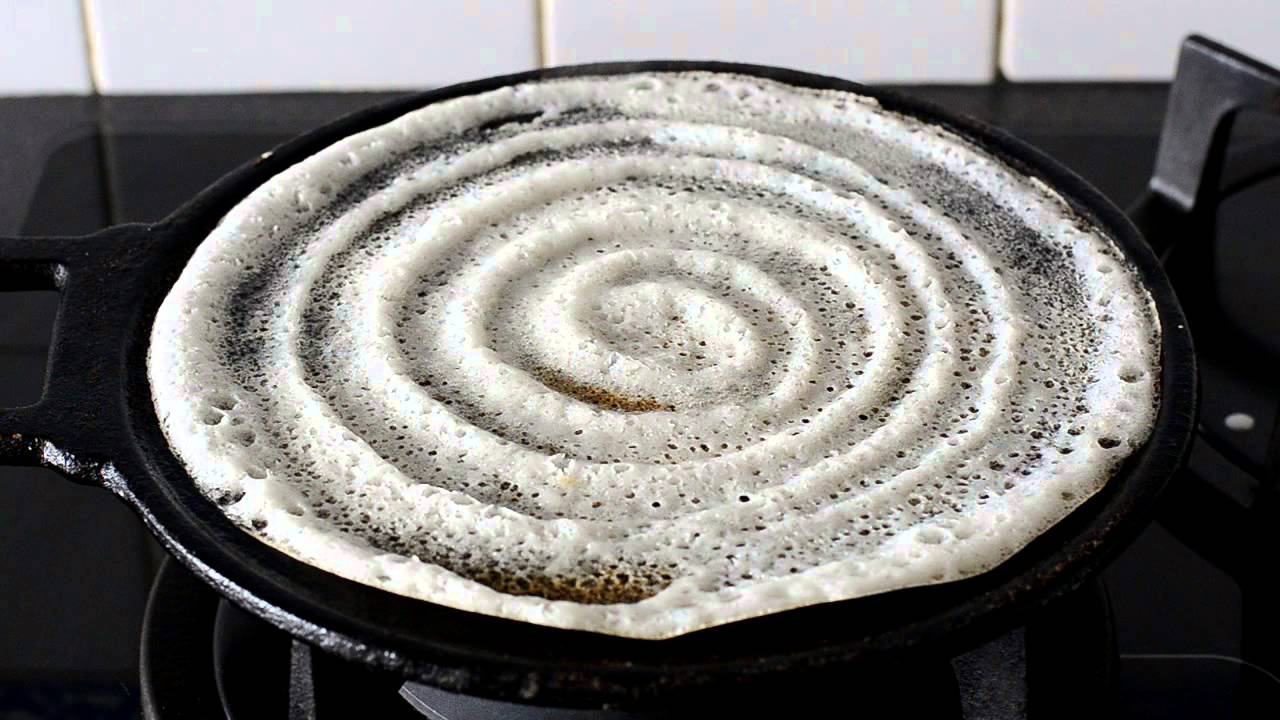
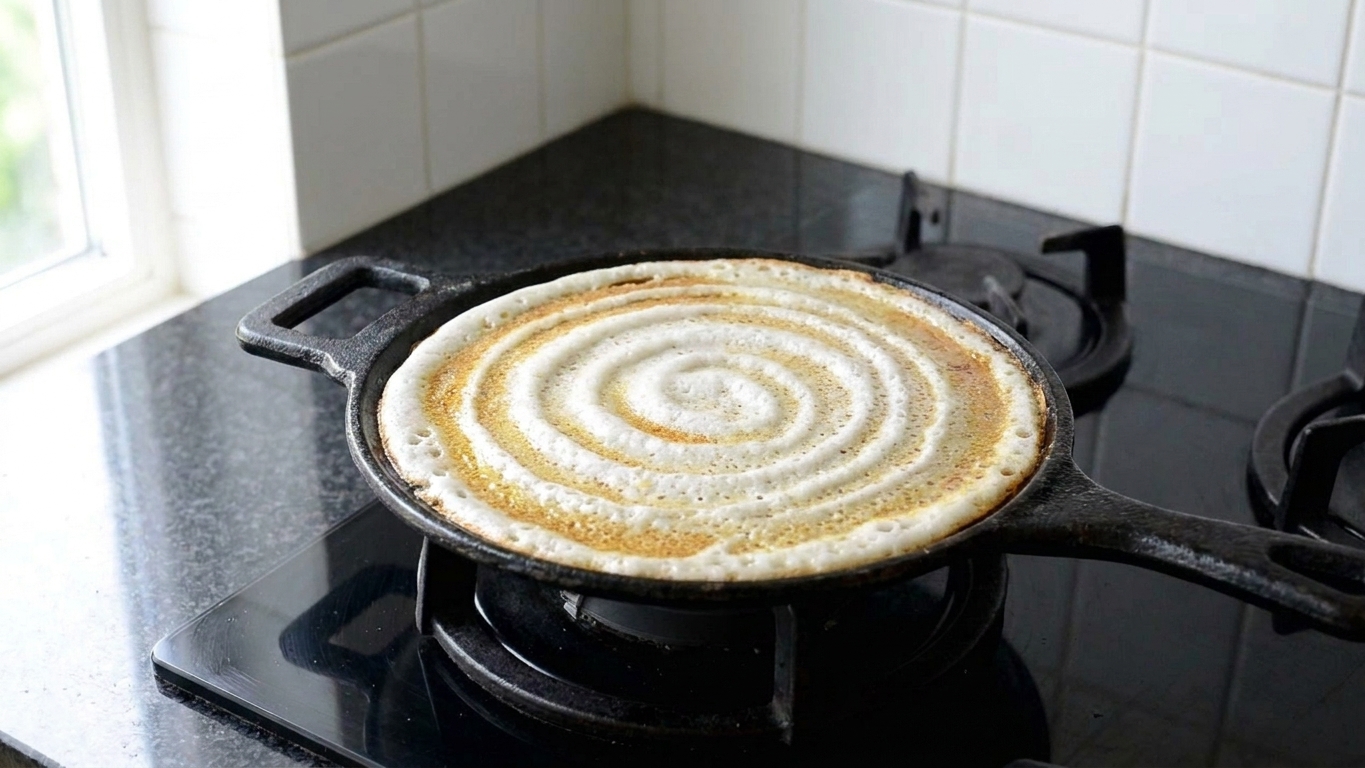
Your batter is likely too thick or you are not spreading fast enough. Add water 1 tablespoon at a time until it pours like heavy cream. It should still coat the ladle and flow steadily, not splash like water. Then spread immediately after ladling, in quick outward circles.

Can I make the batter in a blender?

Yes. A high-speed blender works well. Grind the urad dal very smooth and fluffy first, then grind the rice (with the soaked poha). If your blender struggles, work in batches and do not overheat the motor.

Can I skip fermentation?

You can make quick, non-fermented “instant” dosas, but they will not taste the same. If you are short on time, ferment overnight, refrigerate, and cook the next day. That is the sweet spot.

The first time I tried making dosa at home, I treated the pan like it owed me money. Too hot, too impatient, too much flipping. The batter stuck, tore, and basically humbled me in front of my own stove. But once I got the rhythm, ladle, spread, oil the edges, wait, it turned into one of my favorite kinds of cooking. It is hands-on, a little chaotic, and very rewarding. Now it is my go-to “weekend project that feeds everyone” move, especially when I want something cozy that still feels bright and snackable.

A hand using a ladle to spread dosa batter in quick circles on a hot flat skillet, with steam rising in a home kitchen