Mom's Best Recipes
Recipe

Crispy Masala Dosa

A golden, crackly South Indian dosa wrapped around buttery spiced potatoes, served with a quick coconut chutney for that cool, tangy hit.

Author By Matt Campbell
4.8
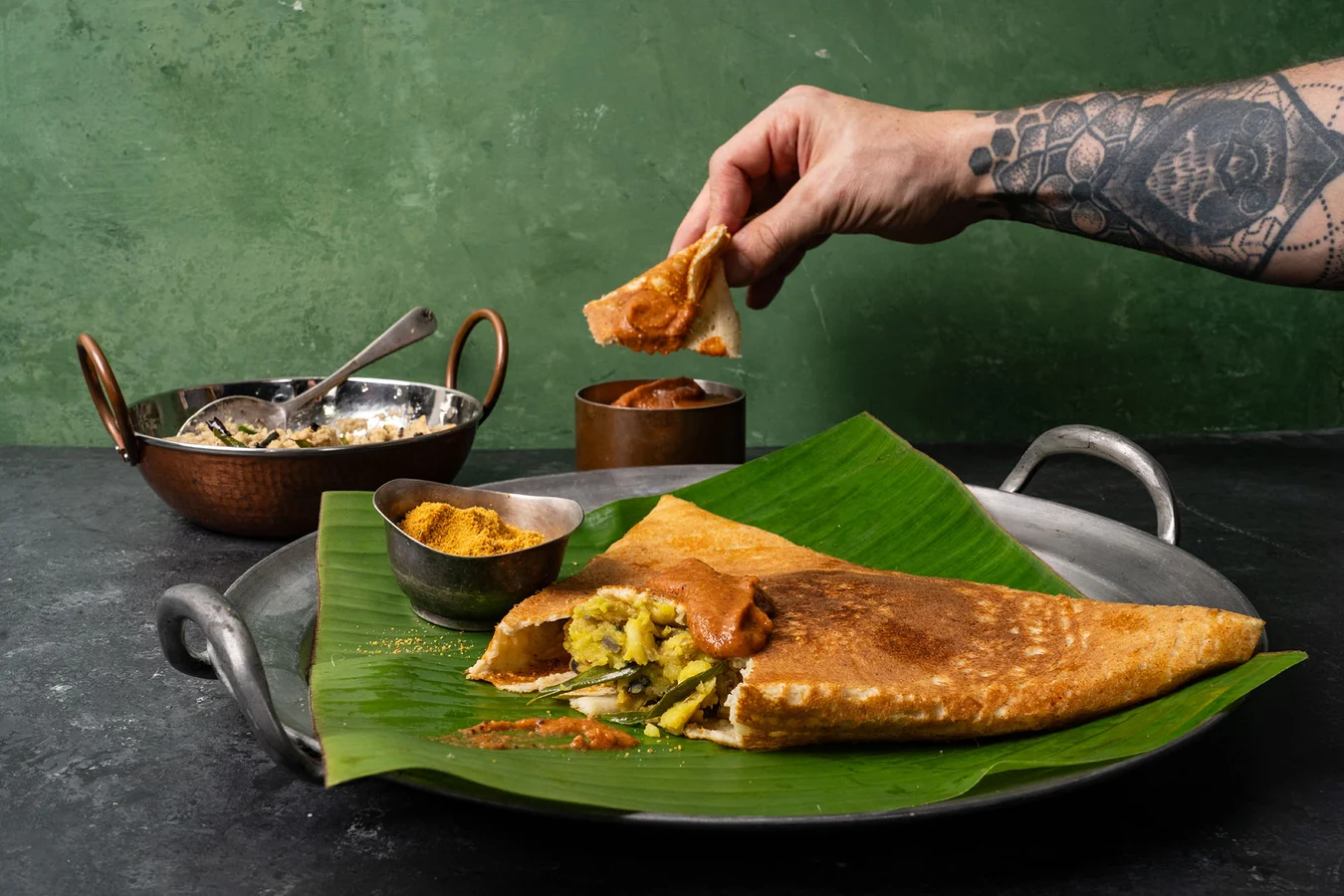
A plated masala dosa folded into a long triangle on a white plate with small bowls of coconut chutney and sambar<!-- inpage-recommendation:22359 --> on a wooden table, warm natural kitchen light

Dosa is one of those foods that makes you feel like a kitchen wizard the first time you nail it. You pour this thin batter, it hisses on the hot pan, you swirl it out like you meant to do that, and a few minutes later you have a giant, crispy-edged crepe that tastes like it came from your favorite spot.

This is my weeknight-friendly (but still legit) masala dosa: tangy, fermented batter for crunch, a cozy potato filling that smells like onions and toasted spices, and a coconut chutney that wakes the whole thing up. No perfection required. You just need a hot pan, a little patience, and permission to make the first dosa a “chef snack.”
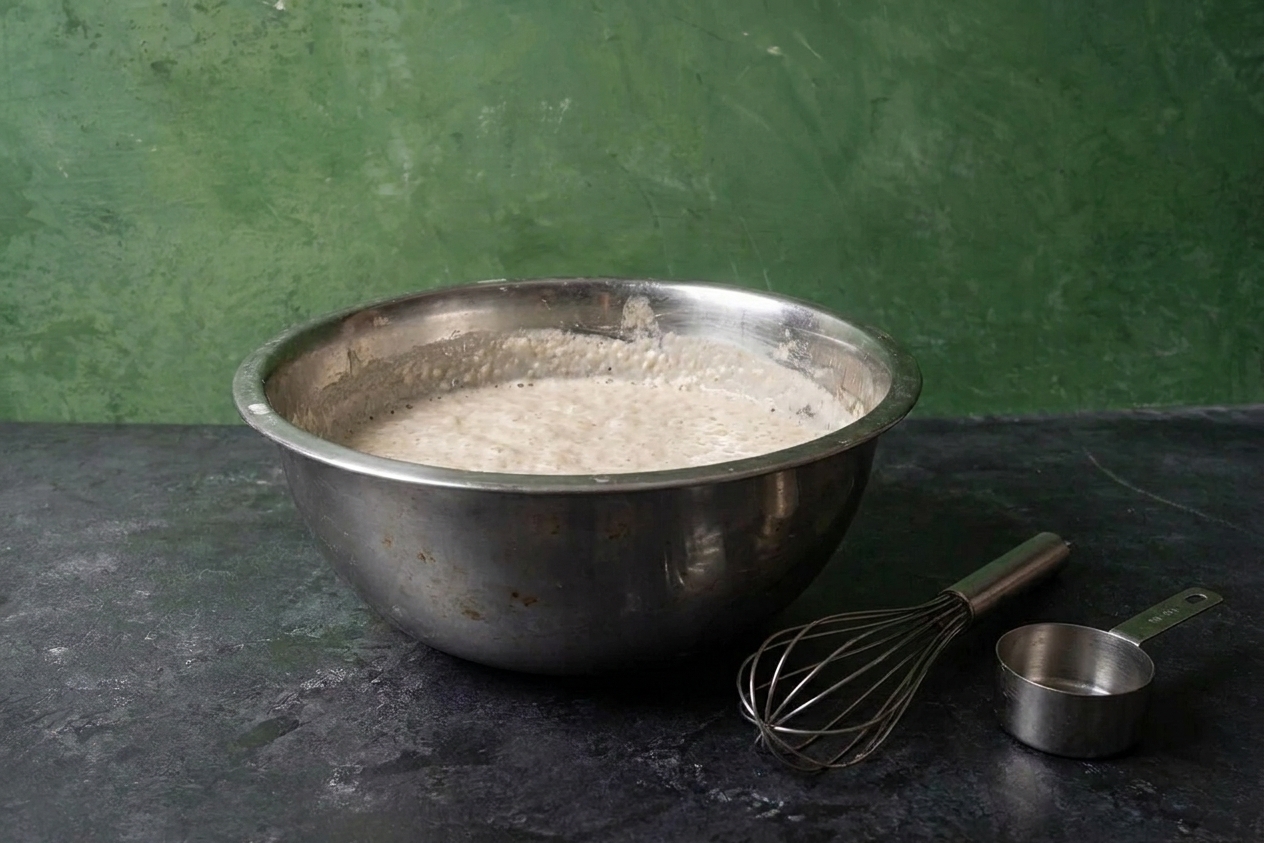
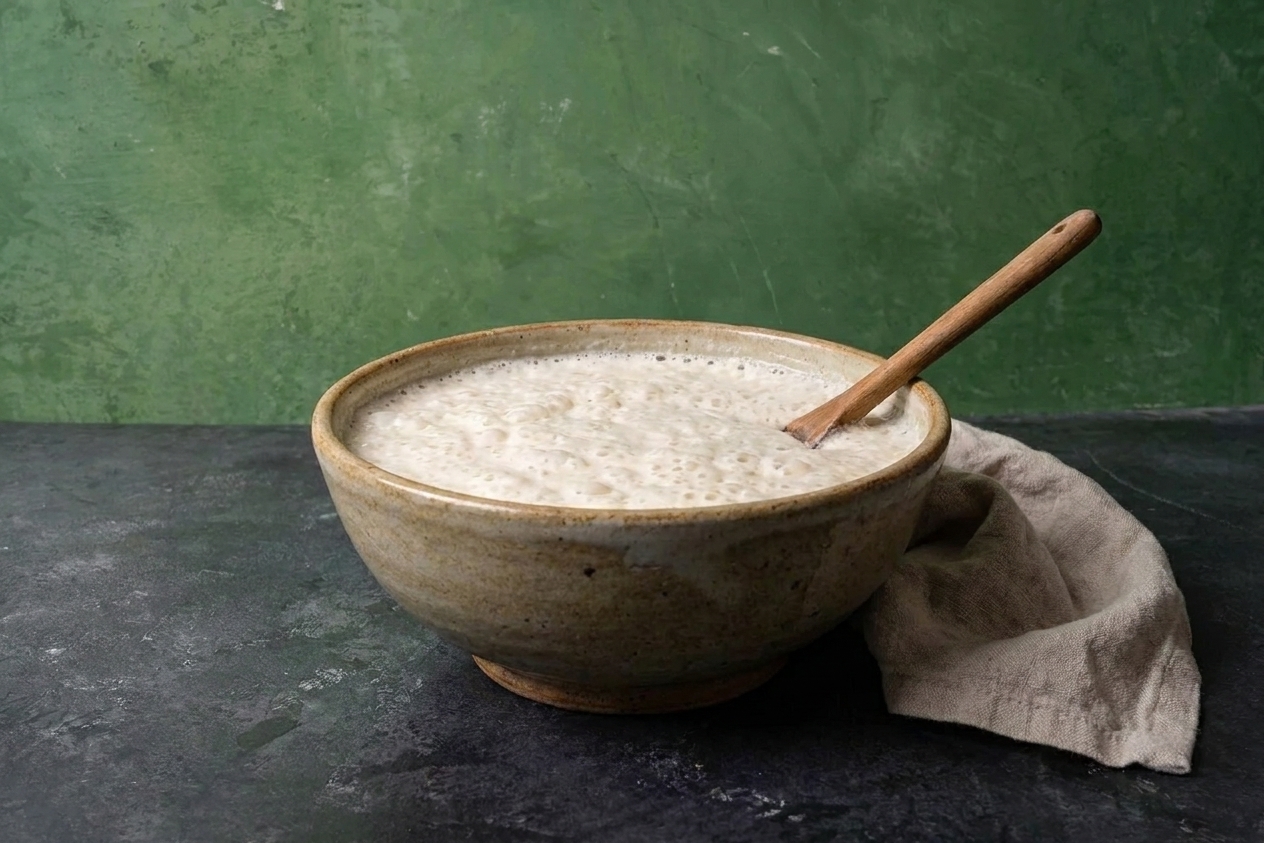
A stainless steel mixing bowl of dosa batter on a kitchen counter with a whisk and measuring cup nearby, soft daylight

Why It Works

  • Crisp edges, tender center: A hot pan plus a thin, well-fermented batter gives you that shatter and chew combo.
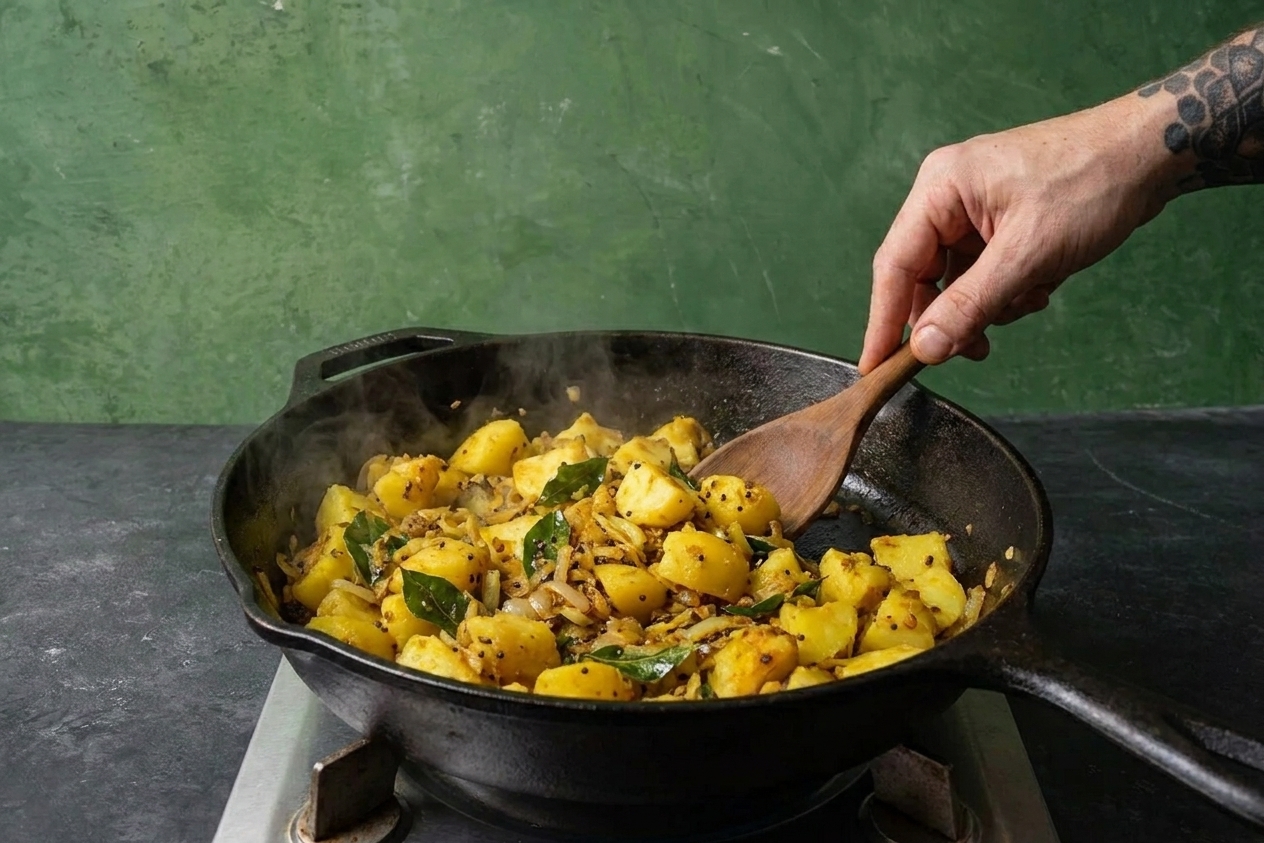
  • Potatoes that are actually flavorful: Mustard seeds, curry leaves, and a little lemon make the filling taste like more than just mashed potatoes.
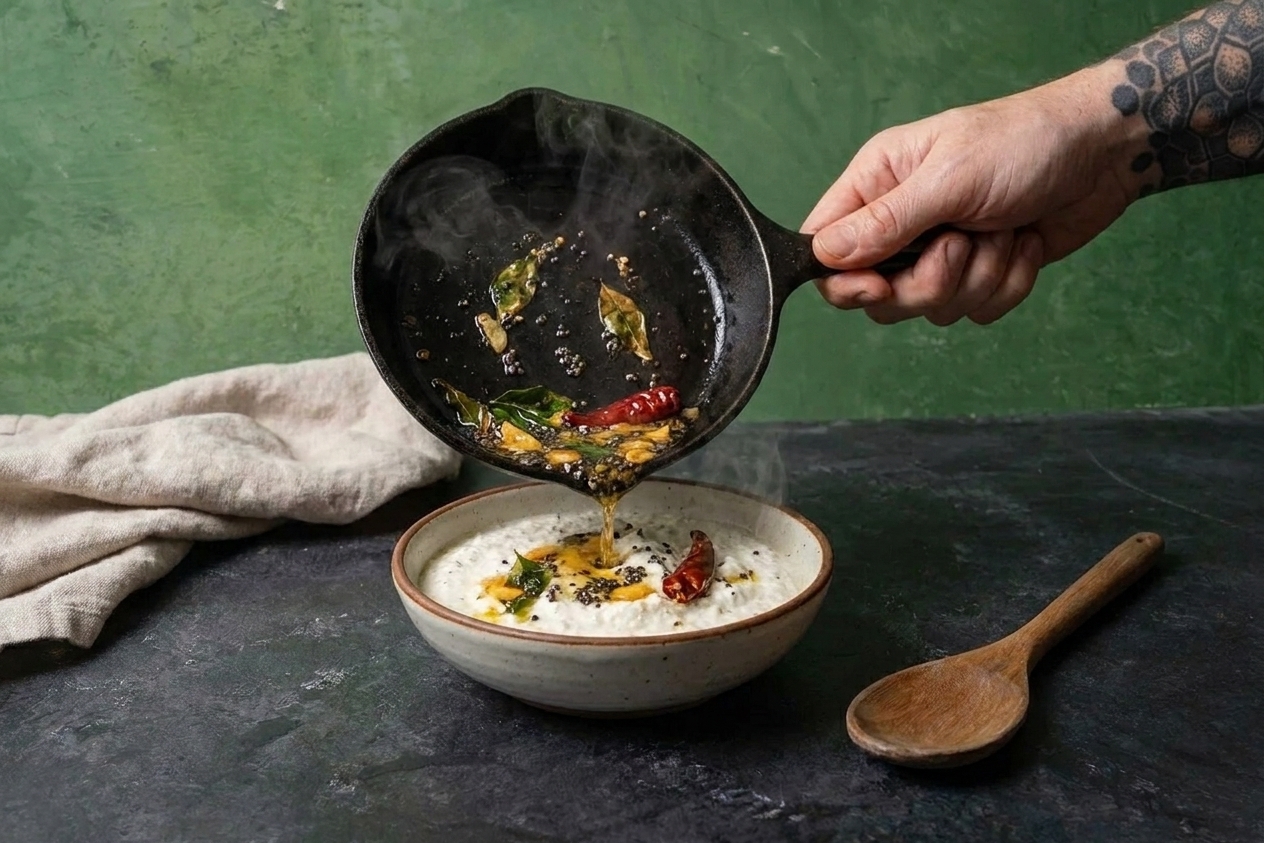
  • Chutney that balances everything: Coconut, lime, and a quick tempering bring cool creaminess and punchy aroma.
  • Flexible and forgiving: I include a blender-batter method and a few fixes for thick batter, sticky pans, and pale dosas.

Pairs Well With

Storage Tips

Best move: store batter, filling, and chutney separately so everything stays the right texture.

Dosa batter

  • Refrigerate in a covered container for 3 to 5 days. It will continue fermenting slowly, so it may get tangier and slightly thinner.
  • If it separates, stir well. If it thickens too much, add water 1 tablespoon at a time.

Potato masala filling

  • Cool completely, then refrigerate for up to 4 days.
  • Reheat in a skillet with a splash of water, or microwave covered until hot.

Coconut chutney

  • Refrigerate 2 to 3 days. Coconut chutney is freshest the first two days.
  • Stir before serving. If it thickens, loosen with a little water or yogurt.

Cooked dosas

  • They are best right away. Next-day dosa is only in a pinch.
  • If needed, cool and wrap, then refrigerate up to 2 days. Expect the texture to go a bit leathery.
  • Recrisp on a dry skillet over medium heat, 30 to 60 seconds per side.

Common Questions

Do I have to ferment dosa batter?

For classic flavor and crispness, yes. Fermentation gives dosa its slight tang and helps it cook up thin and lacy. For best results, aim for a warm spot around 75 to 85°F (24 to 29°C). If your kitchen is cold, ferment in the oven with the light on or near a warm spot. Cooler temps can push the timing longer.

Why is my dosa sticking to the pan?

Most common causes: the pan is not seasoned, it is not hot enough, or you are using too much batter. Use a well-seasoned cast iron or a good nonstick pan. Let the pan heat fully, then wipe on a thin film of oil. Also, do not try to lift too early. It releases when the underside is crisp.

Why is my dosa not crispy?

Batter too thick, pan too cool, or not enough fat. Thin the batter slightly, increase heat to medium-high for the spread, and drizzle a little oil or ghee around the edges.

Can I make dosa without urad dal?

Urad dal is what helps with structure and that tender bite. If you cannot find it, you can try a 100 percent rice dosa batter, but it tends to be more brittle and less stretchy. Indian groceries and many large supermarkets carry urad dal now.

Do I need a dosa tawa?

No. A flat cast iron griddle works beautifully. A wide nonstick skillet also works, especially while you learn the swirling motion.

Is dosa batter gluten-free?

Typically yes, since it is made from rice and lentils. Just make sure your ingredients are labeled gluten-free if that matters for your household.

The first time I made dosa at home, I thought it would be like pancakes. It was not. My first one was thick, pale, and stuck so hard I basically made a rice-and-lentil patch on my pan. But the second one? Crisp edges. A little tang. That buttery ghee smell. I folded it around potatoes and ate it standing up at the counter like it was a secret.

Now dosa is one of my favorite “project that pays you back” recipes. You do a little planning with the batter, then you get a full-on restaurant moment at home. Also, I fully support making tiny dosas as practice and calling them “snacks.”

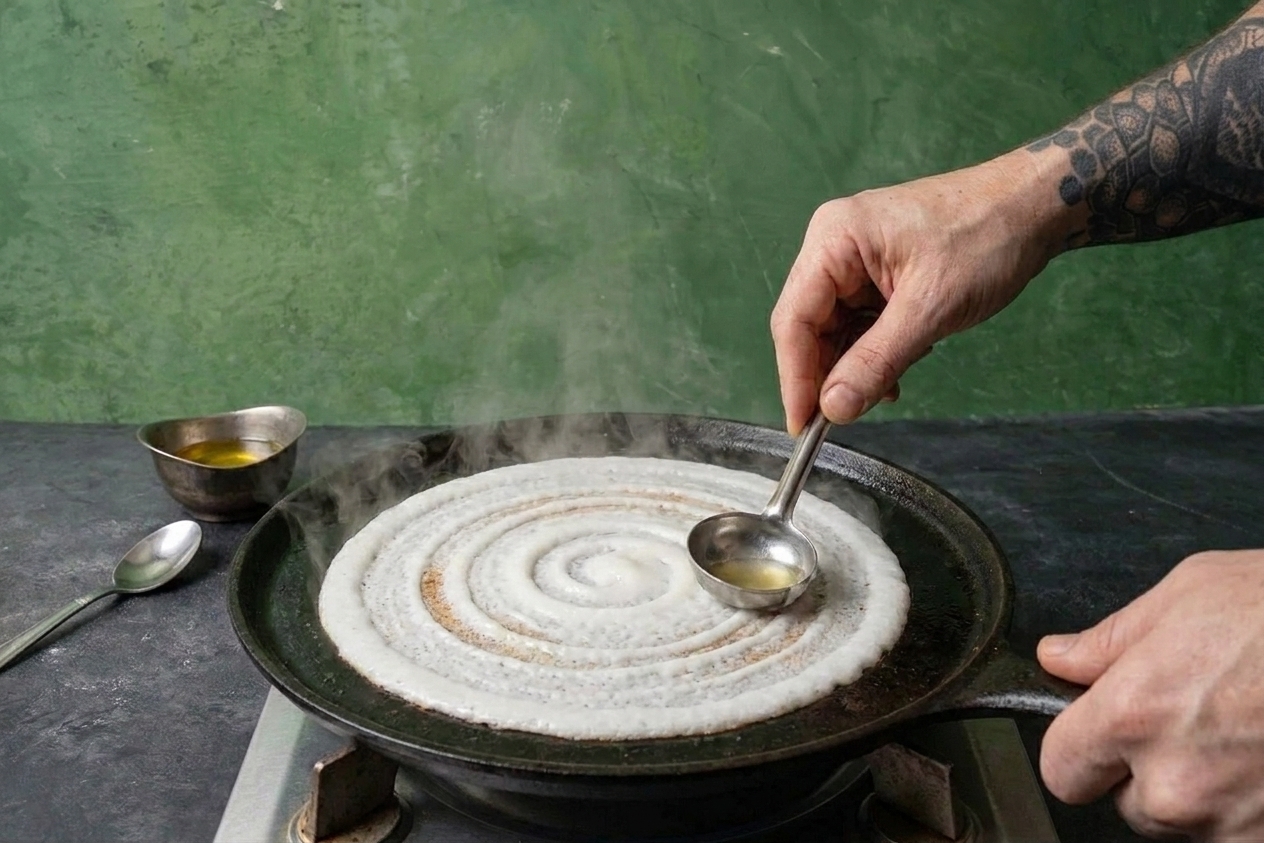
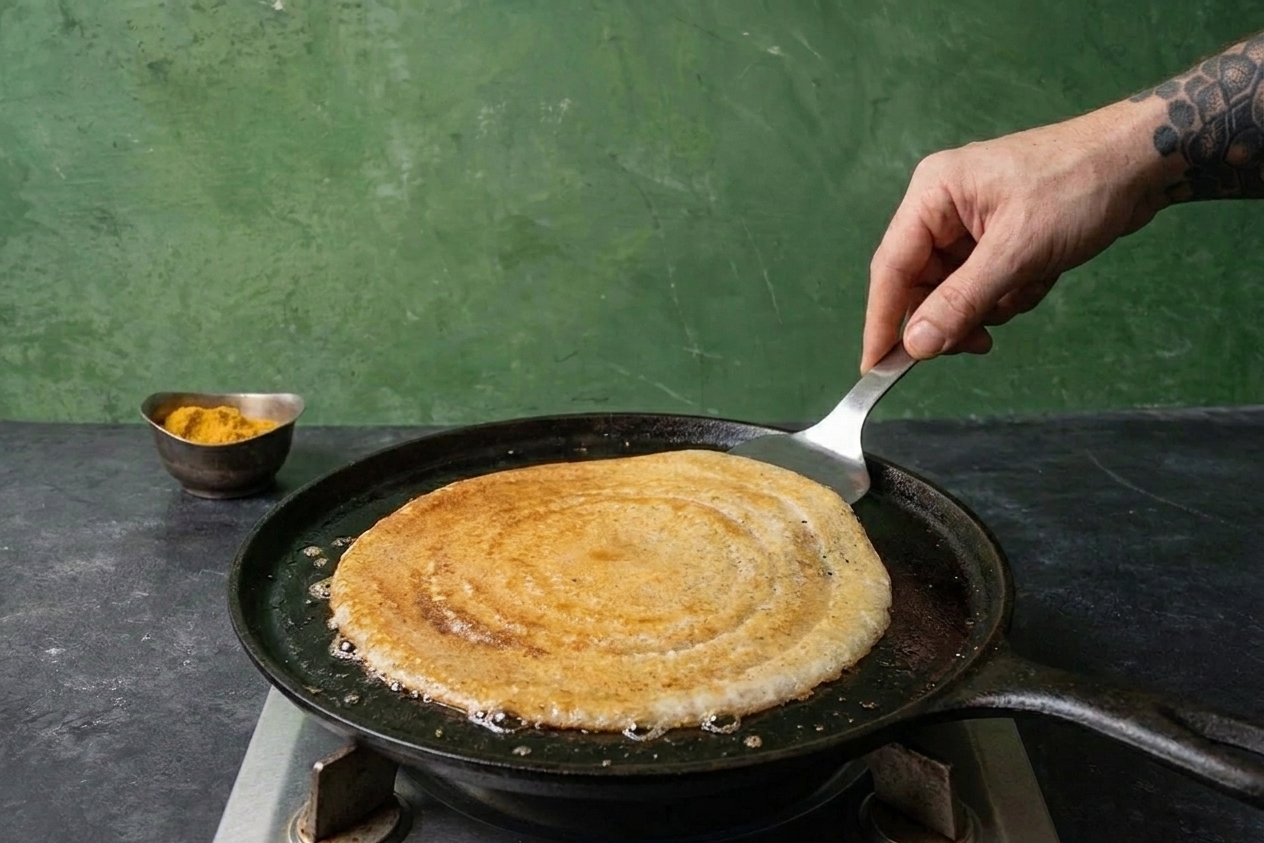
A cook's hands using the bottom of a ladle to spread dosa batter in a spiral on a hot flat griddle, steam rising in a home kitchen