Mom's Best Recipes
Recipe

Crispy Onion Pakora

Craggy, golden onion fritters with a chickpea flour batter, warm spices, and a crisp edge that holds up even after they cool.

Author By Matt Campbell
4.8
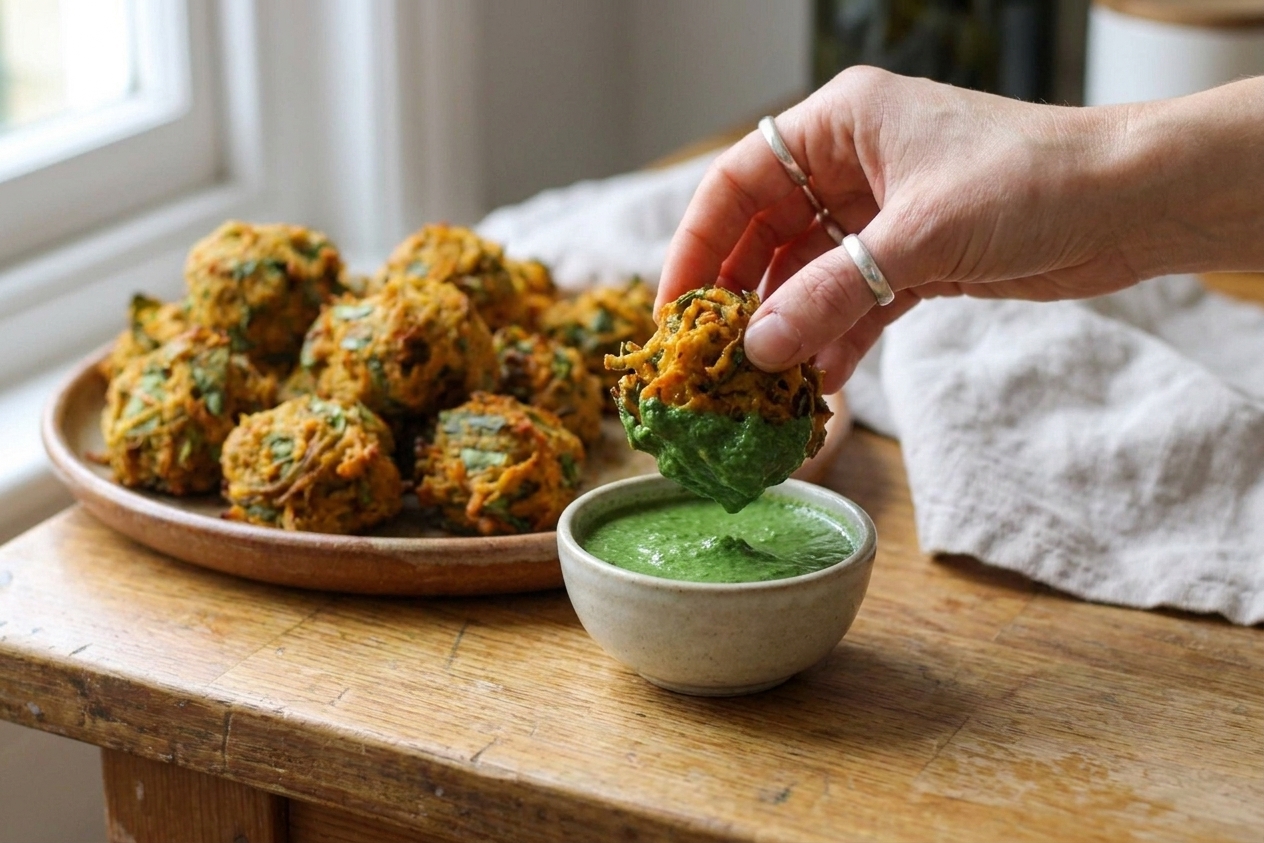
A plate of golden, craggy onion pakora piled high with a small bowl of green mint chutney on a simple wooden table setting

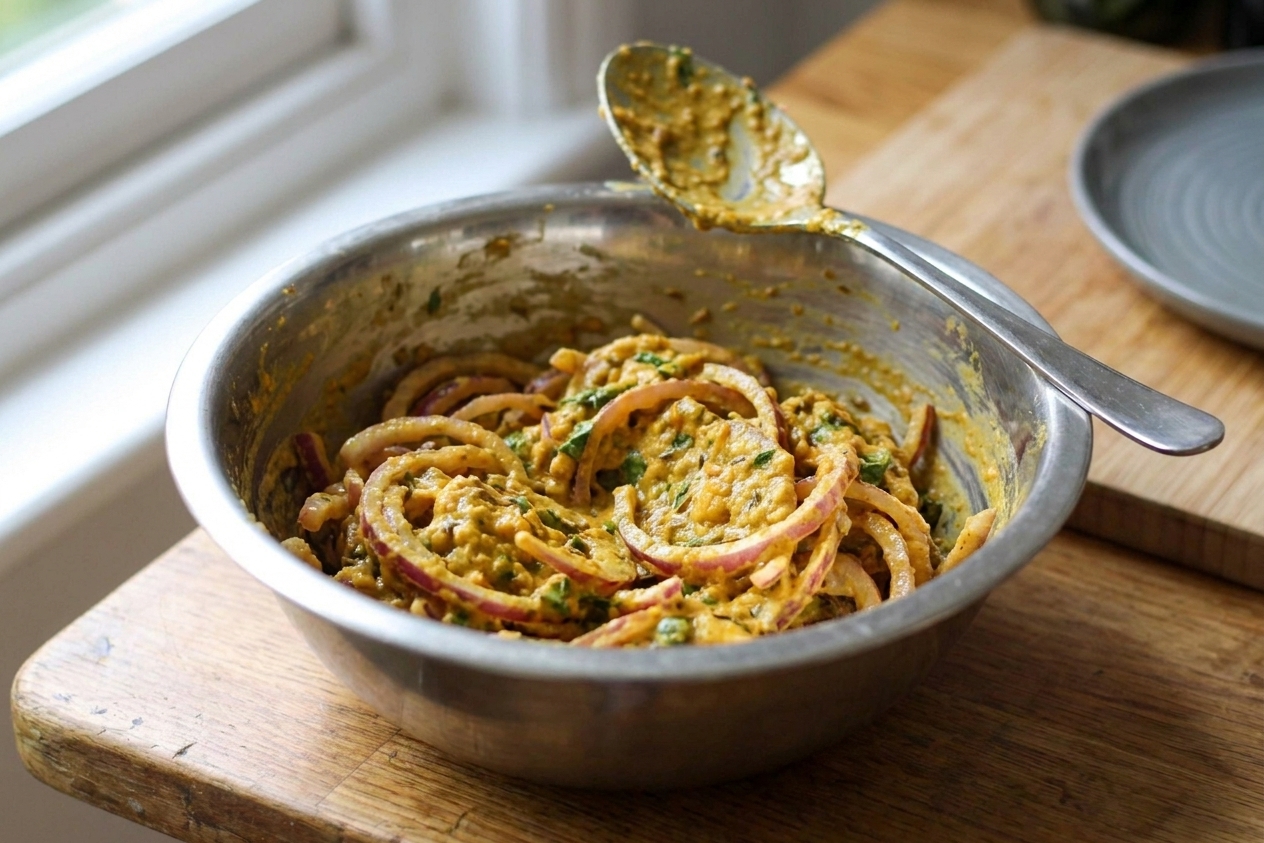
Pakora are my favorite kind of kitchen chaos. You slice some onions, toss them in spices, stir up a chickpea flour batter that looks a little suspicious, then five minutes later you are standing over the stove eating crunchy bits straight from the paper towel like it is your job.

This version is onion pakora (sometimes called onion bhaji), and it is built for home cooks: no fancy ingredients, no hard-to-find equipment, and no mysterious steps. The goal is simple. Big onion flavor, crisp edges, and a batter that actually sticks.

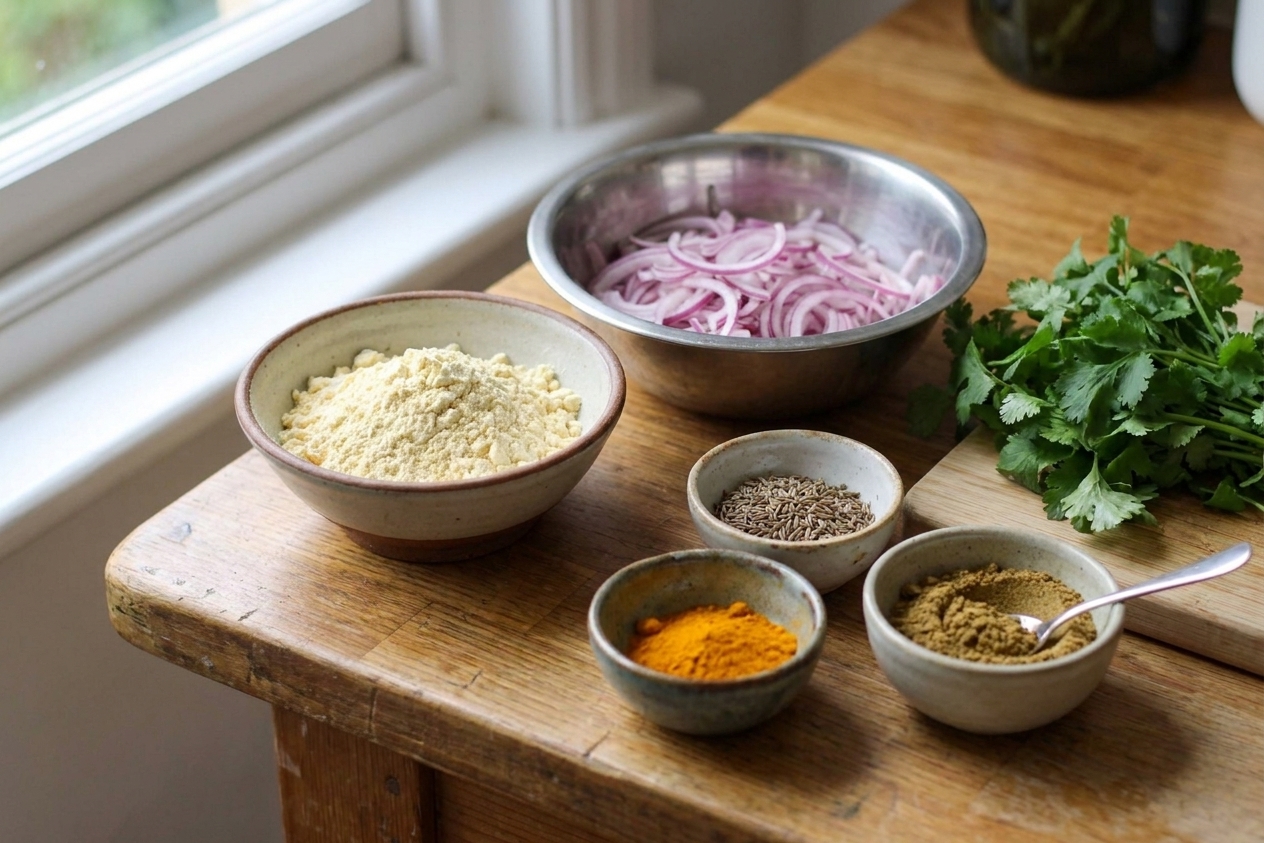
Chickpea flour, sliced red onion, cilantro, and small bowls of spices arranged on a bright kitchen counter

Why It Works

  • Crunch that lasts: A thicker batter plus a hot oil check gives you craggy edges and minimal oiliness.
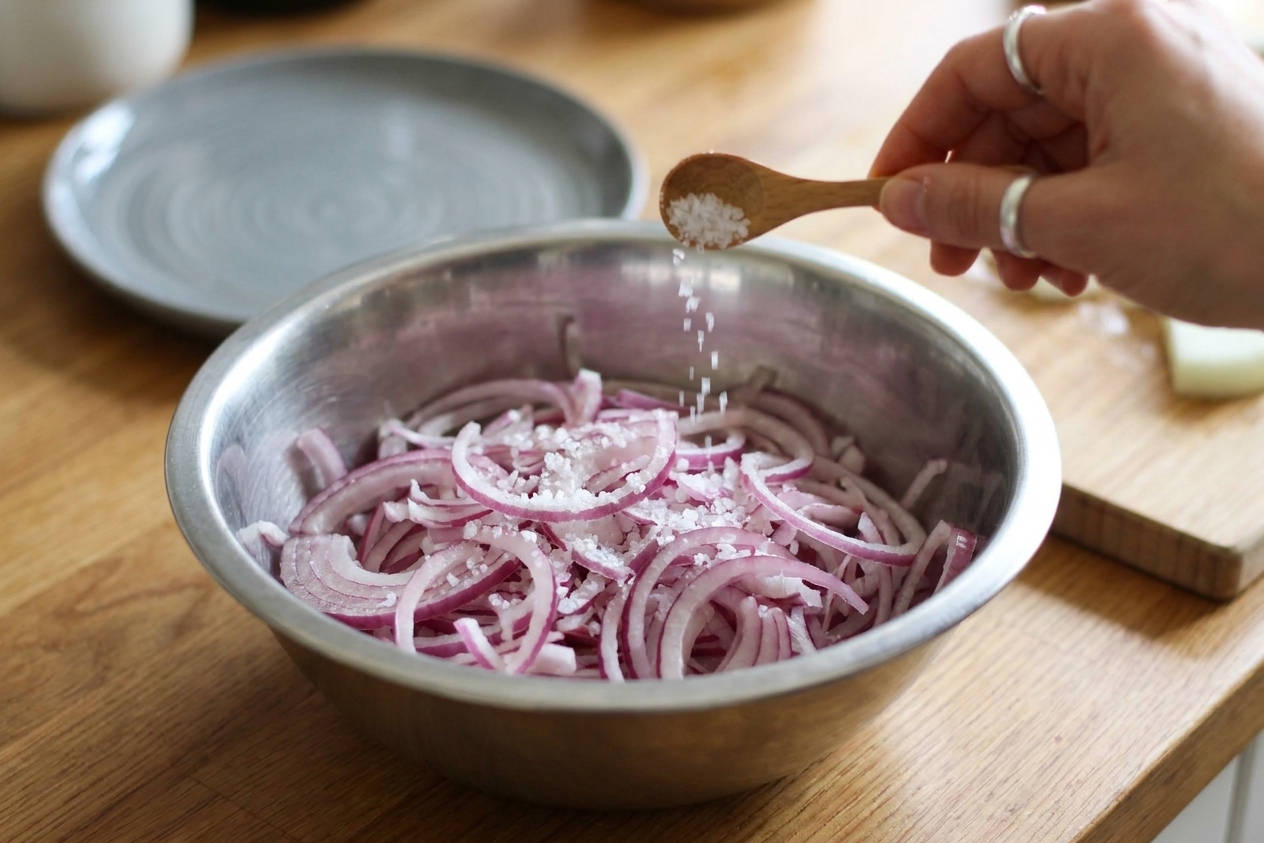
  • Real onion sweetness: Salt draws out moisture so the onions soften slightly and fry up tender inside.
  • Bold seasoning without drama: Cumin, coriander, turmeric, and chile bring warmth. Optional ajwain adds that classic pakora vibe.
  • Flexible on purpose: Make them mild, make them spicy, add spinach, or swap in scallions. The base technique stays the same.

Pairs Well With

Storage Tips

Storage Tips

Pakora are best hot, but leftovers can still be very snackable if you re-crisp them the right way. Think of these times as best-quality guidance.

Refrigerate

  • Cool completely, then store in an airtight container lined with a paper towel for up to 3 days.

Reheat (best methods)

  • Oven: 400°F for 8 to 12 minutes on a sheet pan, flipping once.
  • Air fryer: 375°F for 5 to 7 minutes, shaking halfway.
  • Avoid the microwave unless you like “soft and steamy” as a texture.

Freeze

  • Freeze cooled pakora on a sheet pan until solid, then transfer to a freezer bag for up to 2 months.
  • Reheat from frozen at 400°F for 12 to 15 minutes.
Leftover onion pakora arranged in a single layer on a parchment lined baking sheet ready to reheat in the oven

Common Questions

Common Questions

What is pakora?

Pakora are Indian fritters made by coating vegetables (or sometimes paneer or chicken) in a spiced batter, usually with chickpea flour, then frying until crisp and golden.

Why are my pakora soggy or greasy?

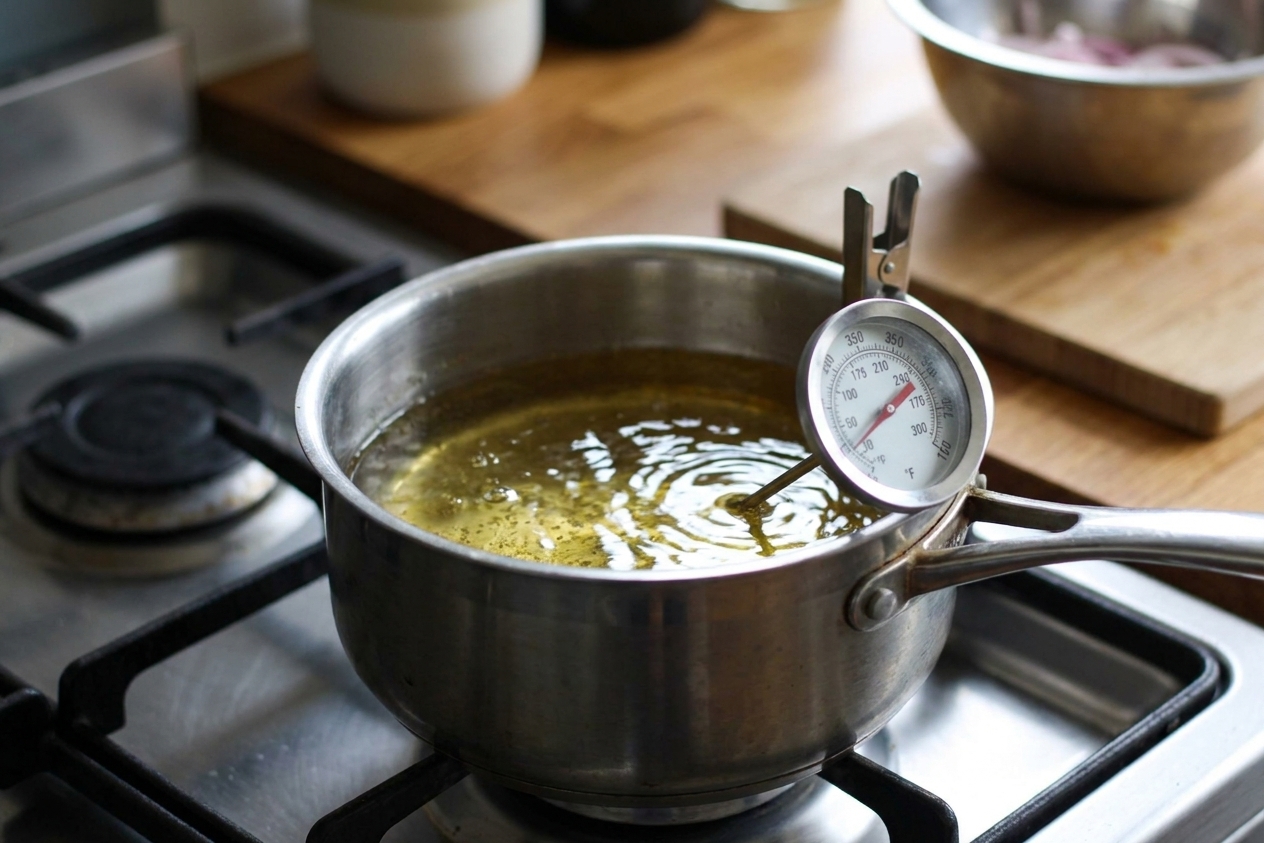
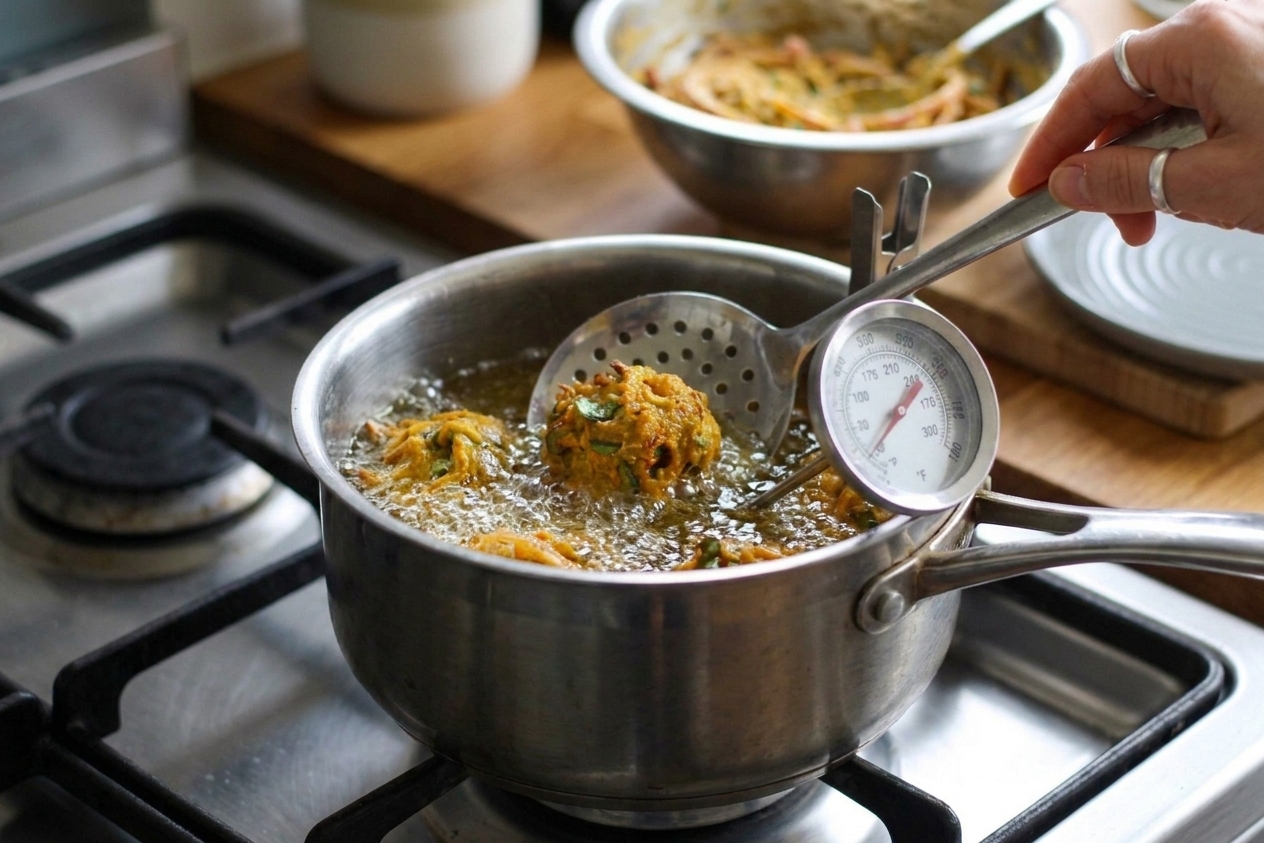
Usually one of three things: the oil was not hot enough, the batter was too thin, or the pan was overcrowded. Keep the oil around 350 to 375°F, use a thick batter that clings, and fry in batches so the oil temperature does not crash.

My batter looks too wet (or too dry). How do I fix it?

Too wet: stir in 1 to 2 tablespoons besan (or a spoon of rice flour) until it looks shaggy and clings to the onions. Too dry: add water 1 to 2 teaspoons at a time until the floury bits disappear but the mixture still looks thick.

Can I bake pakora instead of frying?

You can, but they will not be quite as craggy and crisp. If you want to try it, brush or spray oil generously, bake at 425°F on a preheated sheet pan, and flip once. For best crunch without deep frying, an air fryer does a better job.

Can I make the batter ahead of time?

I would not. The batter thickens as it sits and the onions keep releasing moisture, which can lead to softer pakora. If you need a head start, slice the onions and measure the dry spices ahead, then mix right before frying.

What dipping sauce goes with pakora?

Classic options are mint chutney or tamarind chutney. At my house, ketchup makes an appearance too, and I am not apologizing.

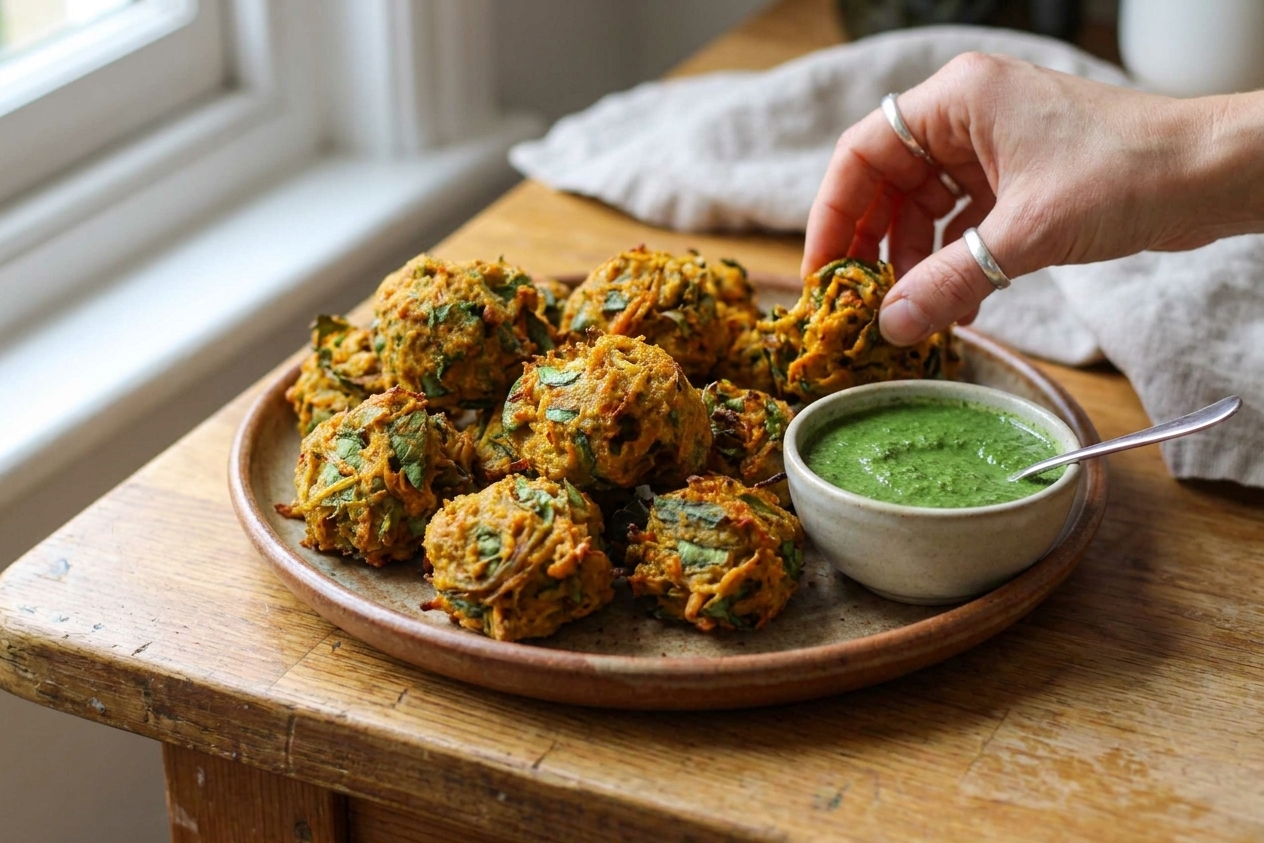
I love recipes that feel like you are getting away with something. Pakora is exactly that. You start with a pile of onions and a bag of chickpea flour, and somehow it turns into this hot, crunchy snack that makes everyone hover near the stove “just to check on things.”

The first time I made them, I learned the most important pakora lesson: do not overthink the shape. Ragged edges are the whole point. If they look a little wild, you are doing it right.