Mom's Best Recipes
Recipe

Crispy Pan-Fried Fish

Light cornmeal crust, crisp edges, flaky center, and zero drama. This is my weeknight fried fish that tastes like you tried harder than you did.

Author By Matt Campbell
4.8
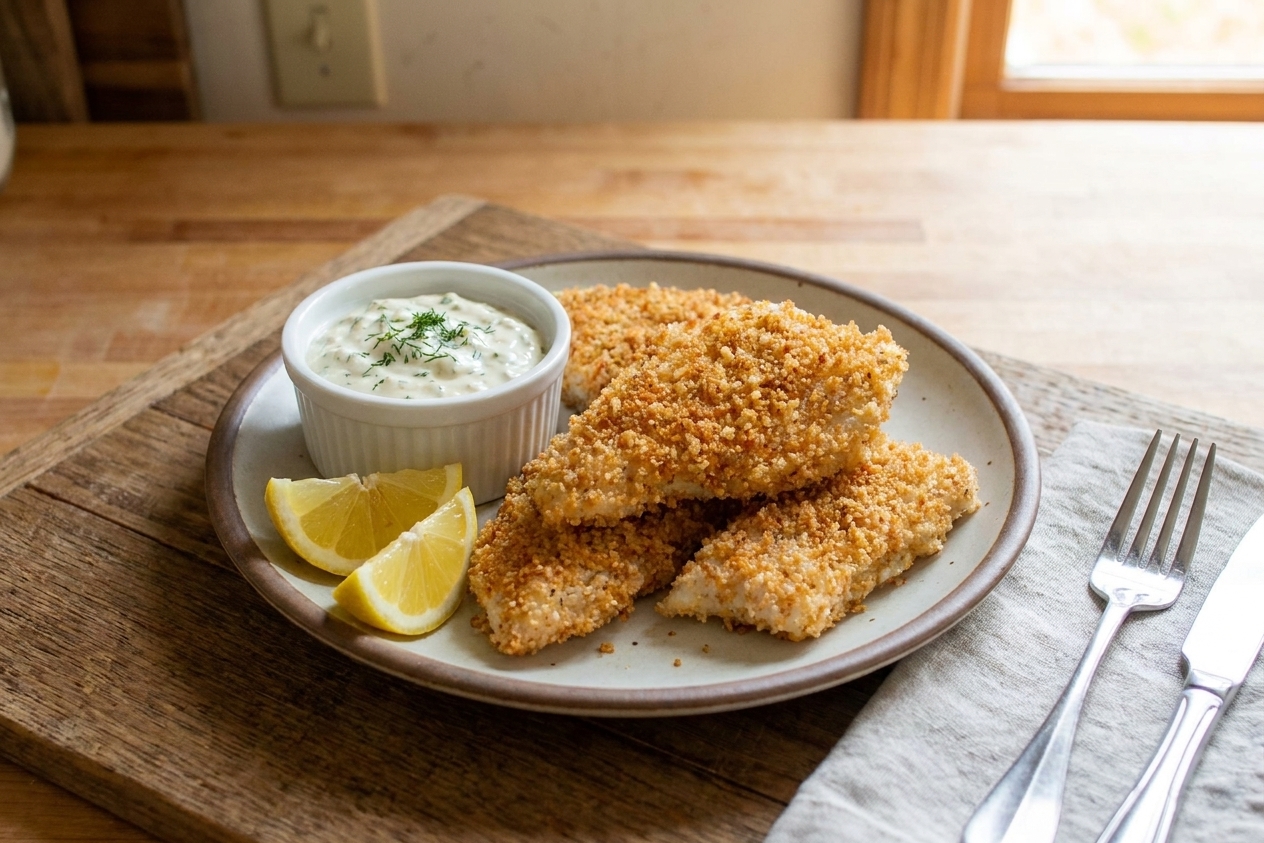
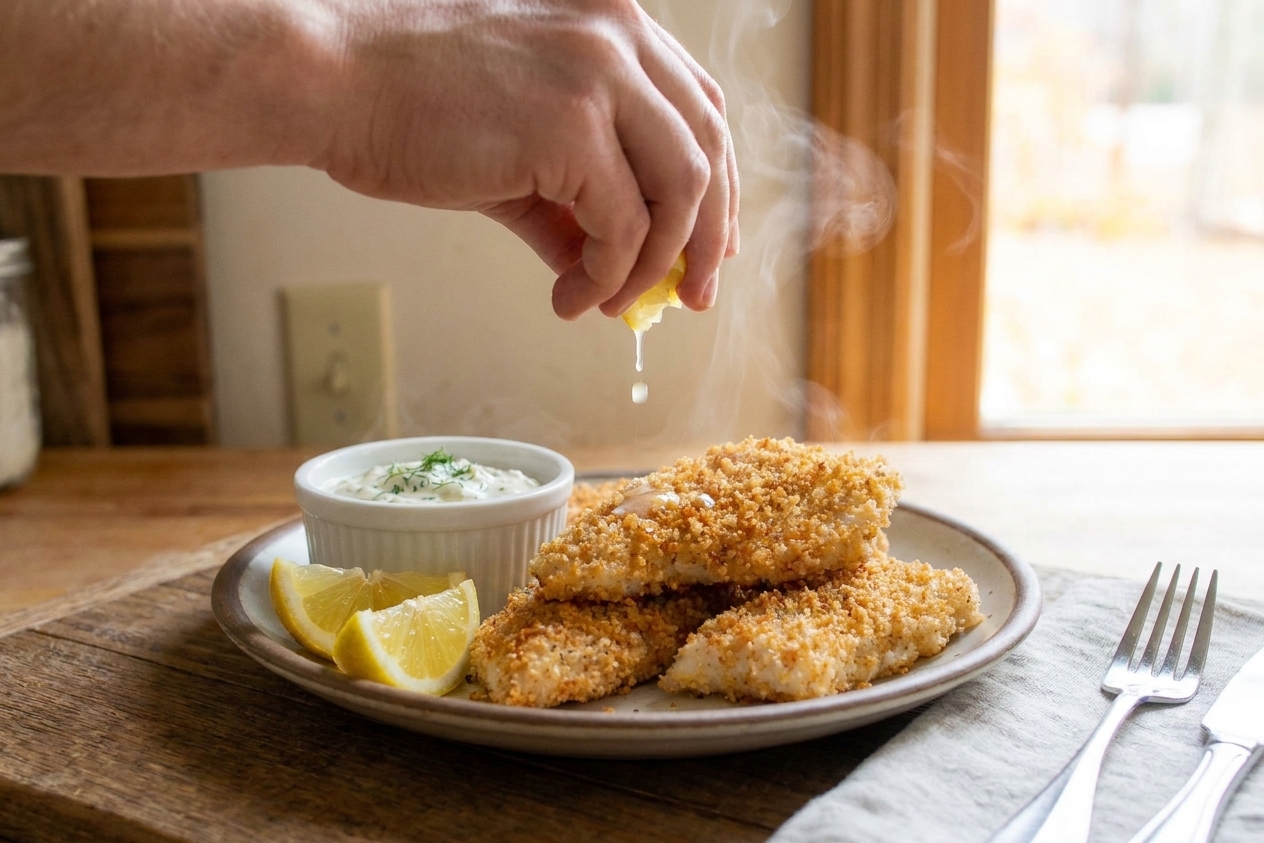
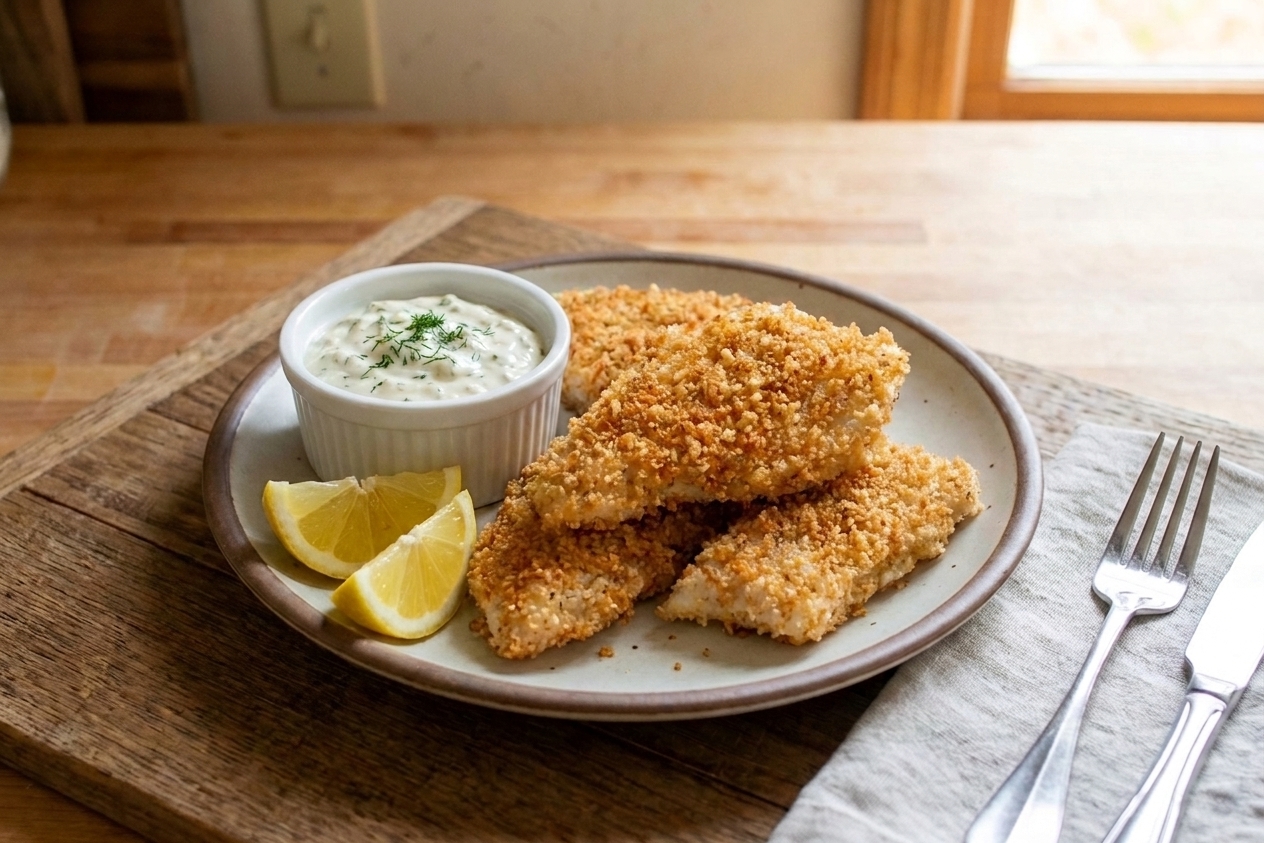
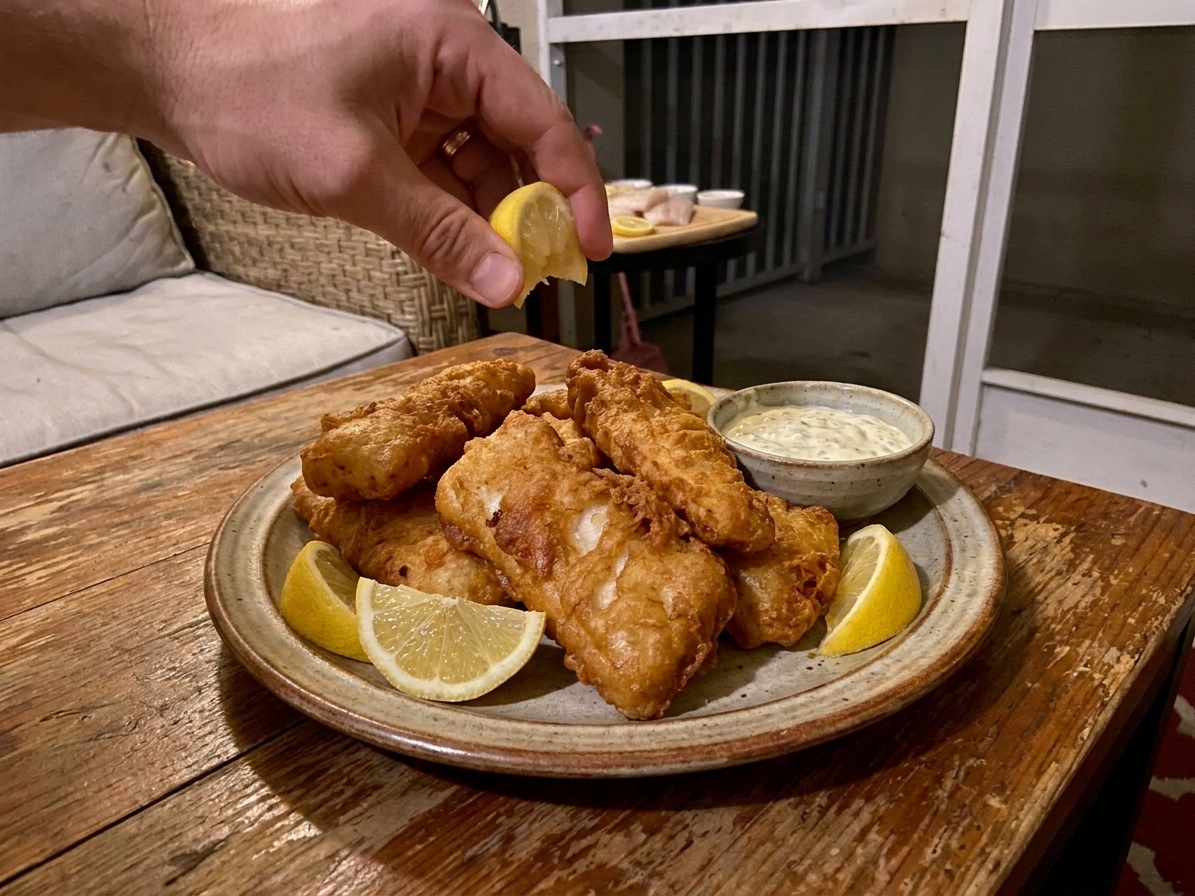
A platter of golden, crispy pan-fried fish fillets with lemon wedges and a small bowl of tartar sauce on a wooden kitchen table in soft natural light

Fried fish should be crunchy on the outside and juicy on the inside, with seasoning that makes you pause mid-bite and go, “Okay, wow.” This recipe is my friendly, reliable way to get there without deep frying a whole vat of oil or turning your kitchen into a grease fog.

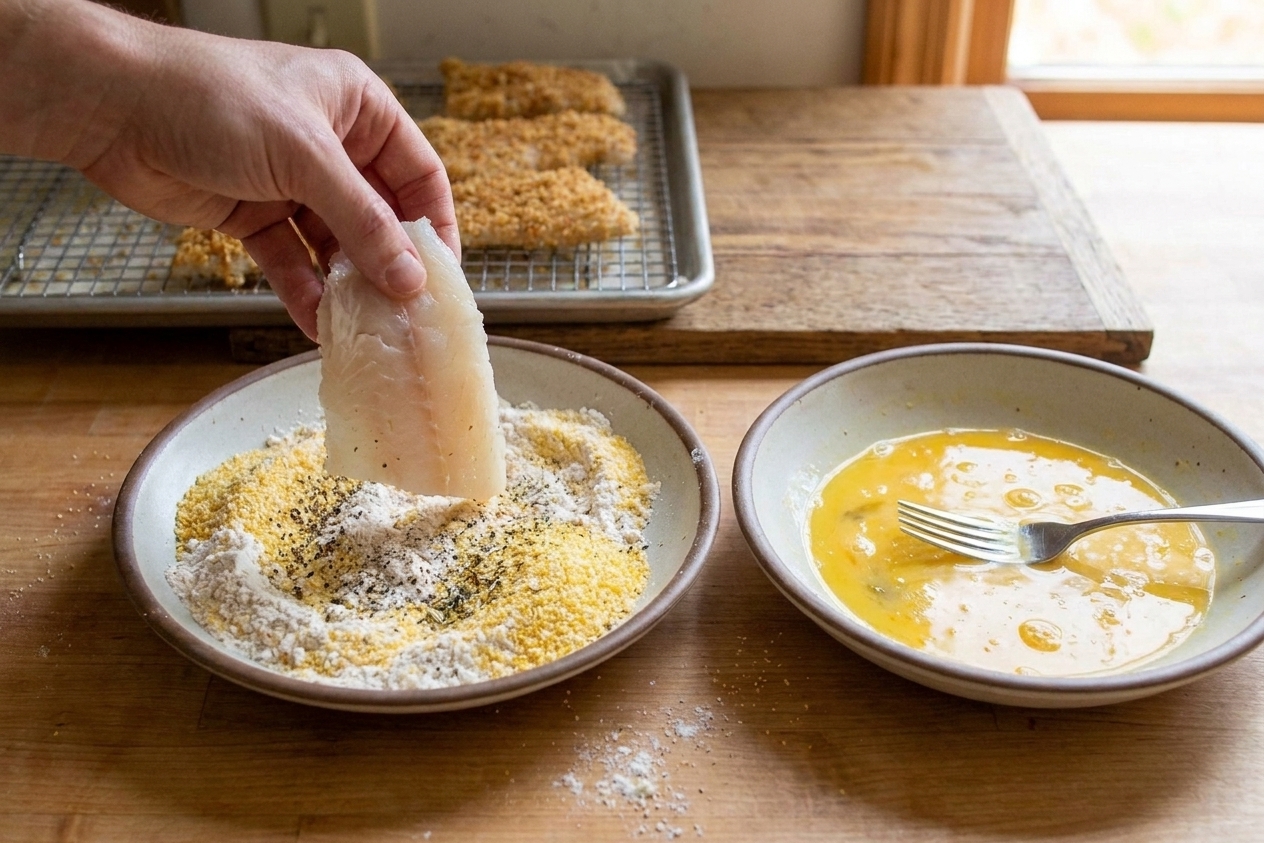
We are doing a simple seasoned flour and cornmeal coating, a quick rest so it sticks, then a shallow pan-fry that gives you that golden crust with crisp edges. Bring lemons. Bring hot sauce. Bring a little confidence. We are about to make fish night the one everyone suddenly shows up for.
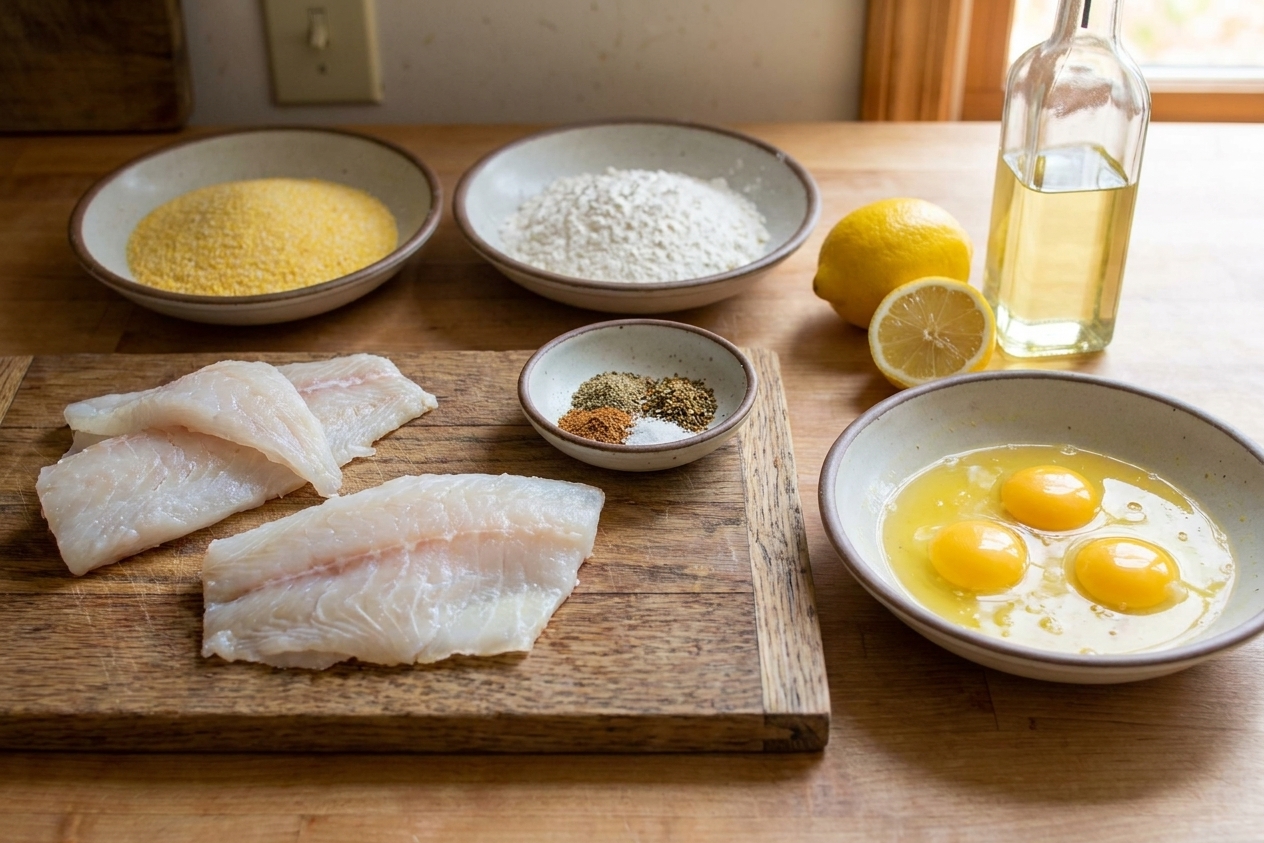
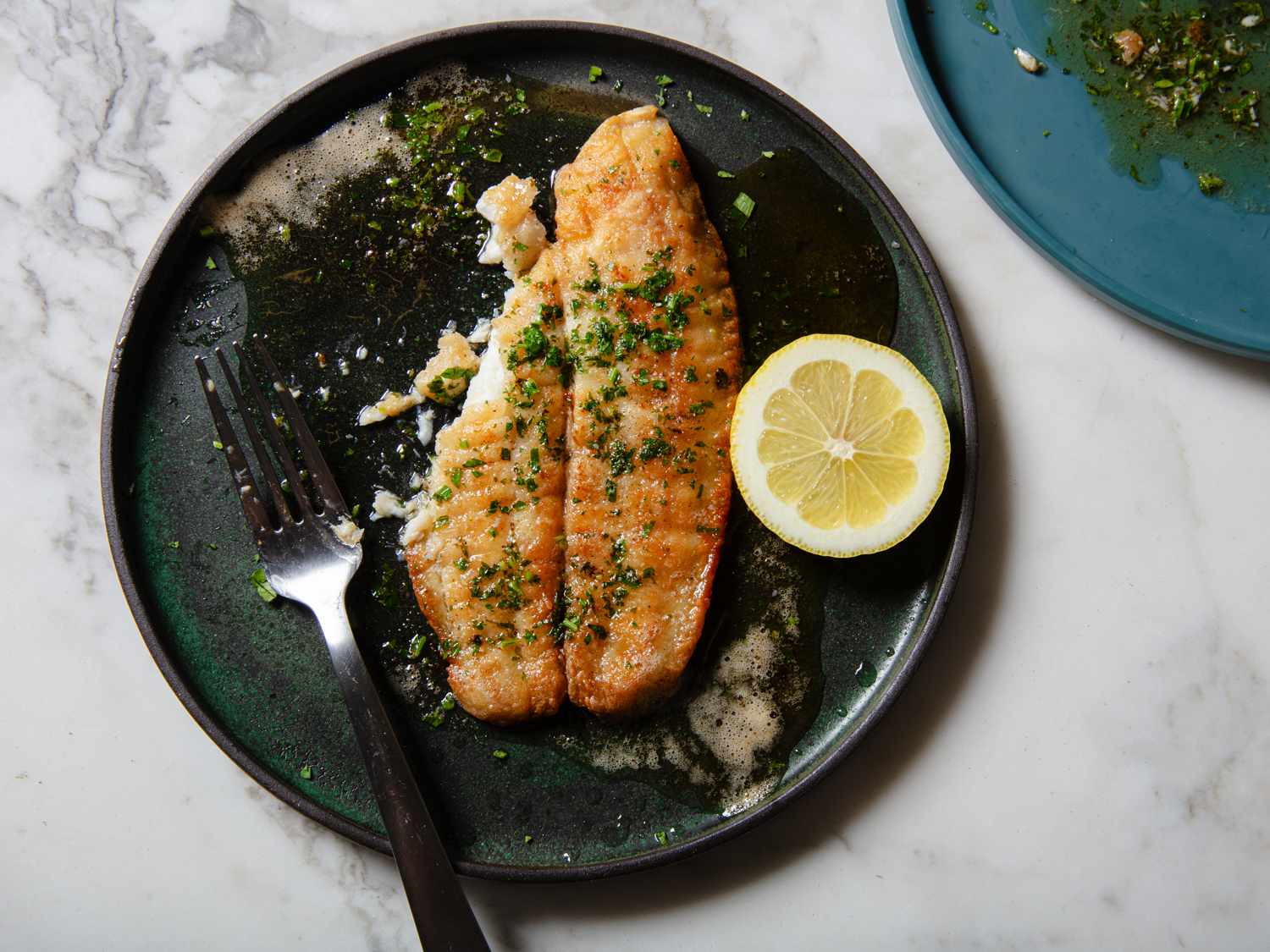
Raw white fish fillets, cornmeal, flour, spices, eggs, lemon, and a bottle of neutral oil arranged on a clean kitchen counter with a cutting board

Why It Works

  • Crisp crust that actually stays crisp: Cornmeal adds crunch, and a short rest helps the coating set before it hits the oil.
  • Flaky, tender fish: Moderate heat and the right thickness keeps the inside moist instead of dry and chewy.
  • Big flavor, basic pantry stuff: Old Bay style vibes with paprika, garlic, and a little cayenne, no specialty breading required.
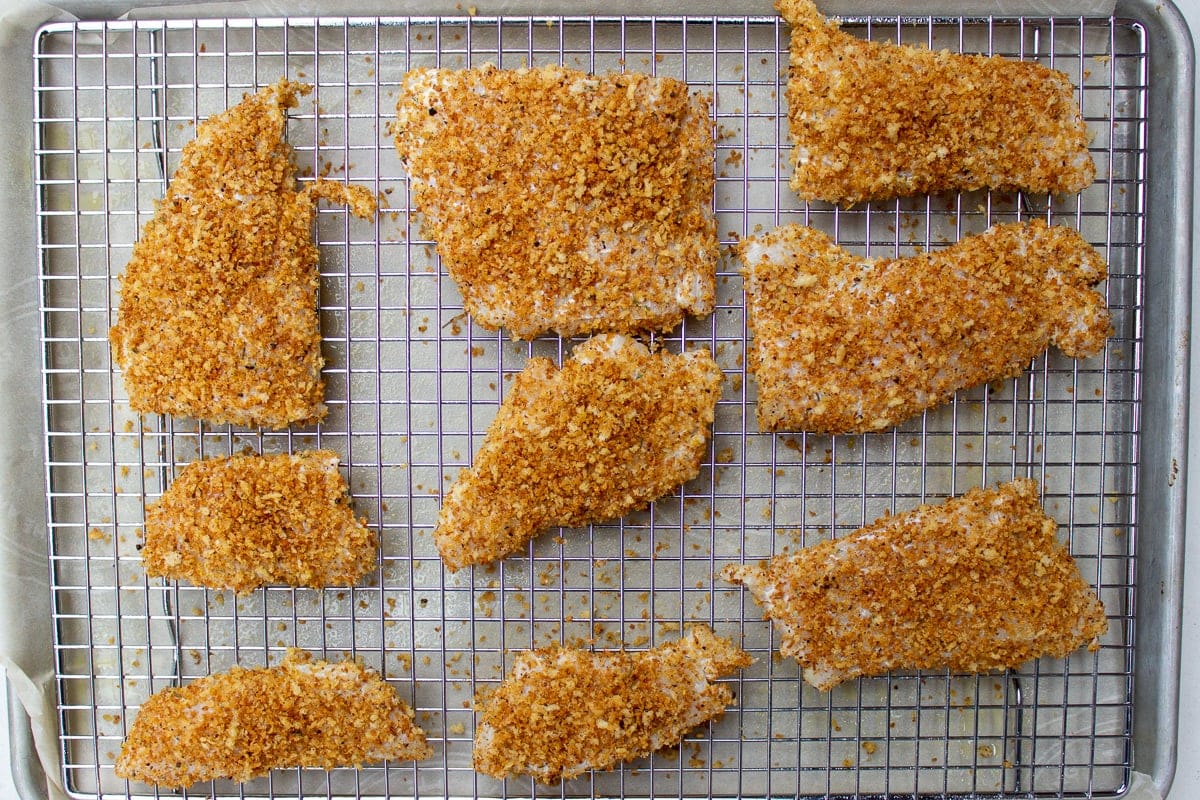
  • Less mess than deep frying: Shallow fry in a skillet, then drain on a wire rack so it does not steam itself soggy.

Pairs Well With

Storage Tips

Fried fish is best right away, but leftovers can still be very good if you reheat them like you mean it.

Fridge

Cool leftovers completely, then store in an airtight container for up to 2 to 3 days. I like placing a paper towel under the fish to catch condensation.

Reheating (best options)

  • Oven: 400°F for 8 to 12 minutes on a wire rack set over a sheet pan.
  • Air fryer: 375°F for 4 to 7 minutes, flipping once.
  • Skillet: A thin slick of oil over medium heat, 2 to 3 minutes per side.

Skip the microwave if you want crispness. It will soften the crust fast.

Freezing

You can freeze cooked fried fish, but the crust will lose some magic. Freeze on a sheet pan until firm, then bag it for up to 2 months for best quality. Reheat from frozen in a 400°F oven until hot and crisp, usually 15 to 20 minutes depending on thickness.

Common Questions

What fish is best for frying?

Go for mild, flaky white fish: cod, haddock, pollock, catfish, tilapia. Aim for fillets about 3/4-inch thick so the crust browns before the fish dries out.

How do I keep the breading from falling off?

Three big helpers: (1) Pat the fish very dry (especially if it was previously frozen). (2) Press the coating on firmly and let it rest 5 to 10 minutes. (3) Do not move the fish too early. Let the crust set before flipping.

What oil temperature should I use?

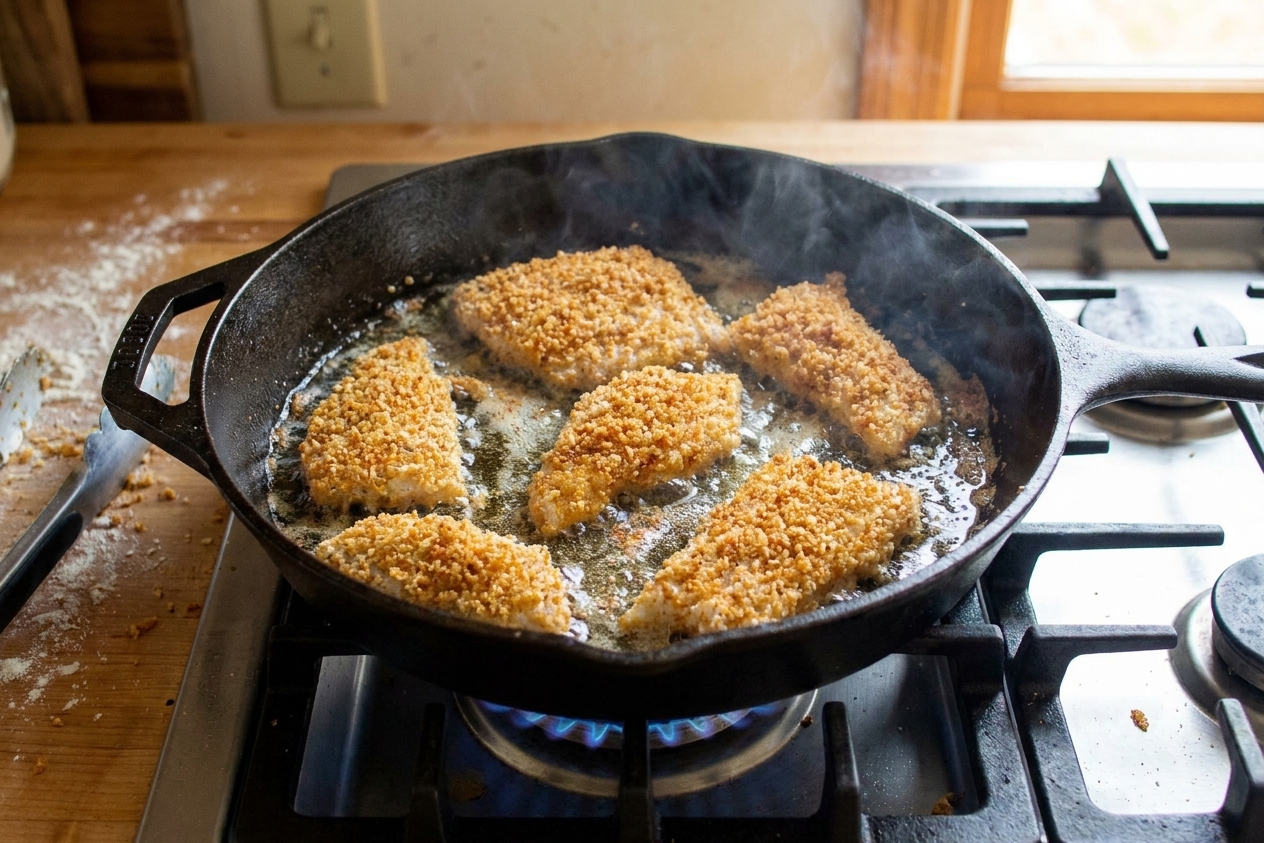
Target 350°F to 365°F. In a shallow fry, the temp will bounce a bit, so use your eyes too: when the fish hits the pan, you want steady bubbling around the edges, not a weak hiss and not angry smoking.

Why is my fried fish greasy?

Usually the oil is too cool or the pan is overcrowded. Fry in batches and let the oil come back up to temp between batches.

Can I make it gluten-free?

Yes. Swap the flour for a 1:1 gluten-free flour blend or rice flour. Keep the cornmeal.

Can I bake this instead?

You can, but it will be more “crispy-ish” than fried. Use a well-oiled sheet pan, spray the top lightly with oil, and bake at 425°F, flipping once, until golden and cooked through.

Any allergen notes?

This recipe contains eggs, wheat flour (unless you use gluten-free), and cornmeal.

Fried fish was one of the first “restaurant feelings” I learned to recreate at home. Not the fancy plating. The vibe. That moment when the crust crackles and you smell paprika and hot oil and lemon, and suddenly your kitchen feels like a little corner spot that knows your order.

At some point I stopped overcomplicating it with extra steps and started practicing the stuff that actually matters: get the heat right, season like you mean it, do not panic-flip, and keep a wire rack ready. It is simple, but it rewards you for paying attention in the fun way.