Mom's Best Recipes
Recipe

Crispy Pan-Seared Swai With Lemon Butter

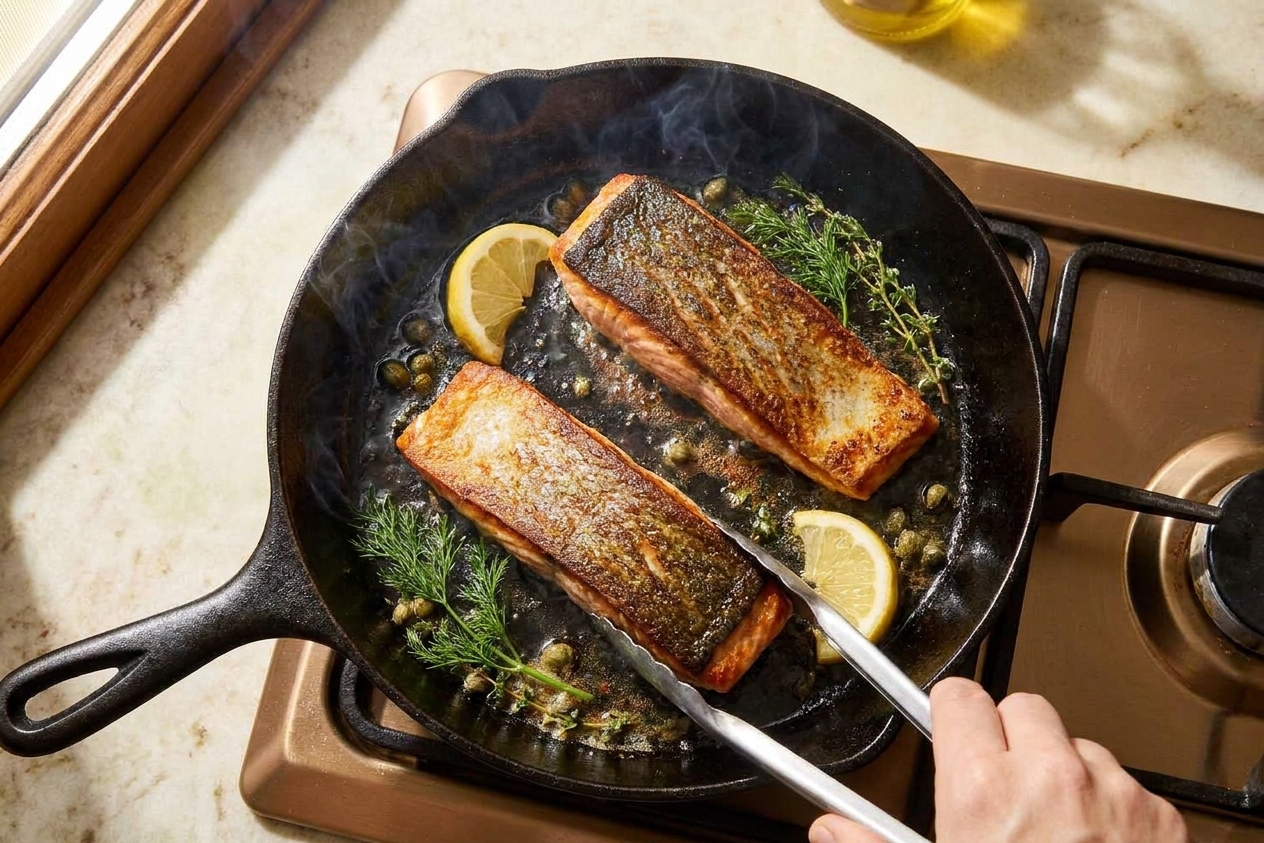
A fast, one-skillet swai recipe with a crisp crust and a bright lemon butter sauce that tastes like you tried harder than you did.

Author By Matt Campbell
4.7
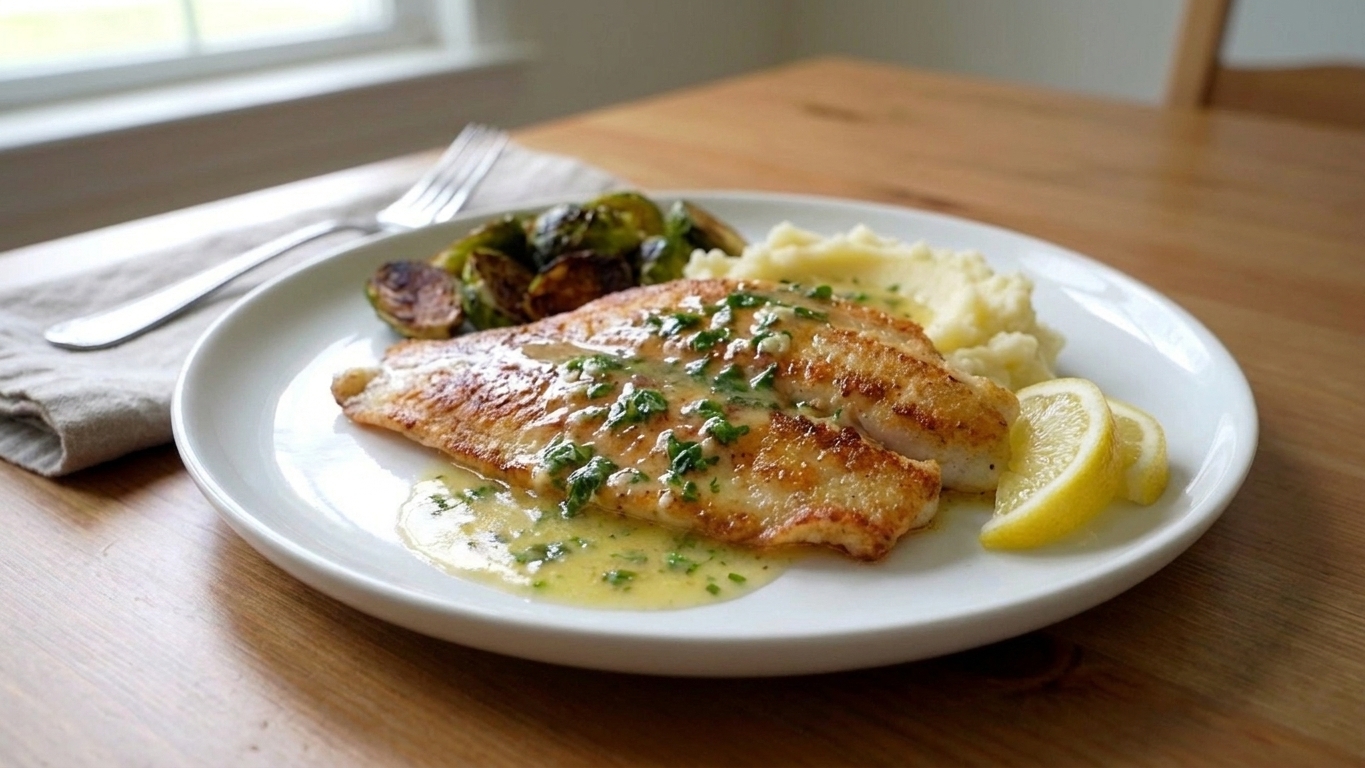
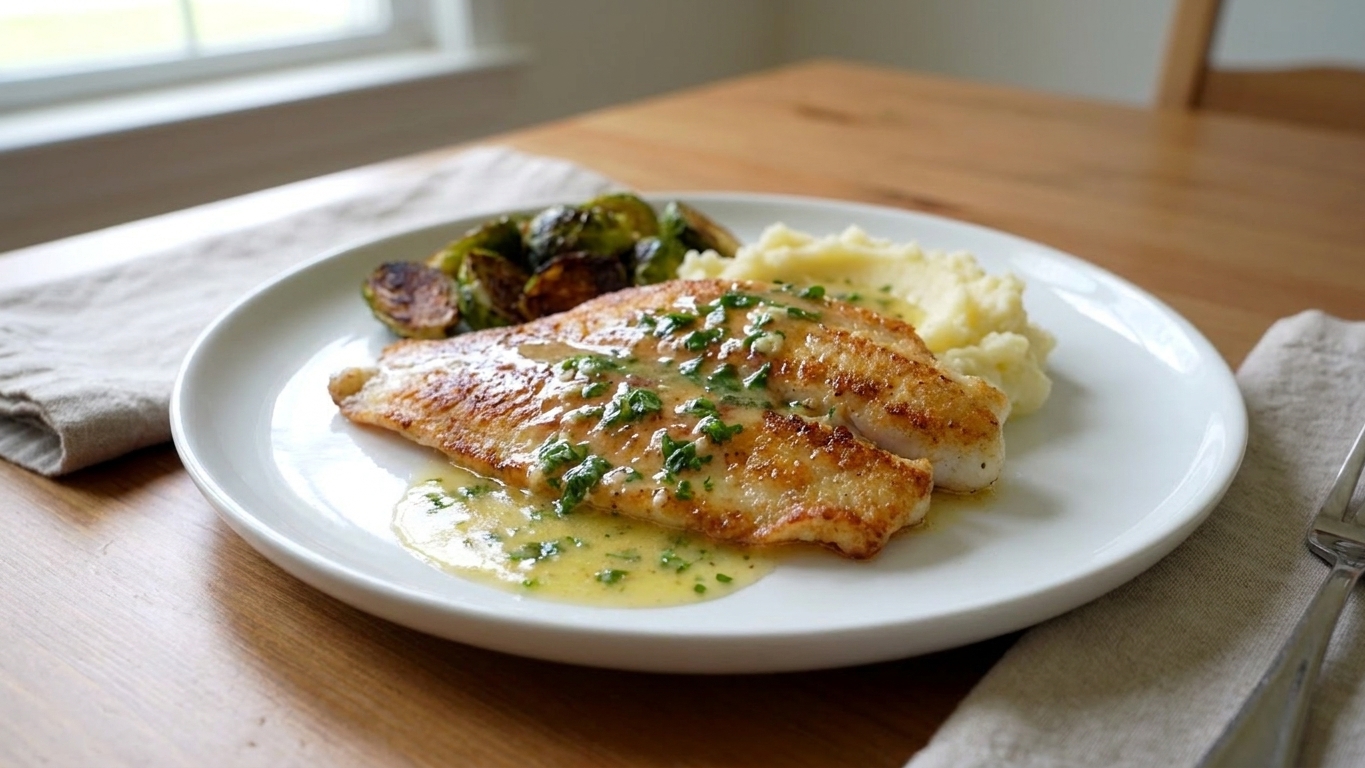
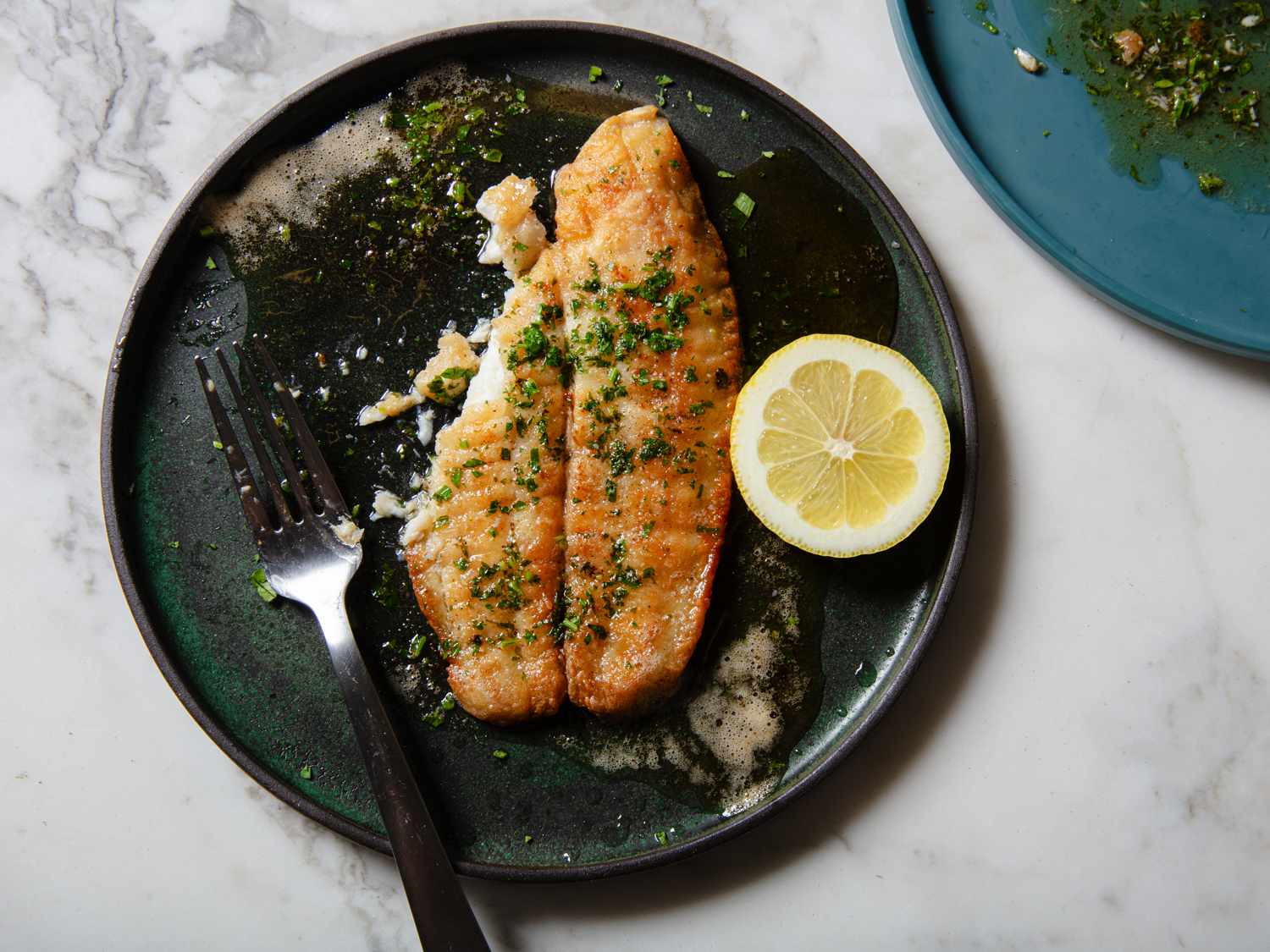
A plated swai fillet with a crisp golden crust, spooned with glossy lemon butter sauce and sprinkled with parsley on a white plate at a simple dinner table

Swai is one of my favorite low-drama fish dinners because it cooks fast, stays mild, and basically begs for a good sauce. If you have ever brought home a bag of frozen swai and thought, “Okay but… now what?” this is your move.

We are going for crisp edges on the fish and a quick lemon butter pan sauce that turns those browned bits into something you want to mop up with bread, rice, or whatever cozy carb you have within reach.

Pairs well with: rice, mashed potatoes, roasted green beans or asparagus, a simple salad, or crusty bread for maximum sauce appreciation.
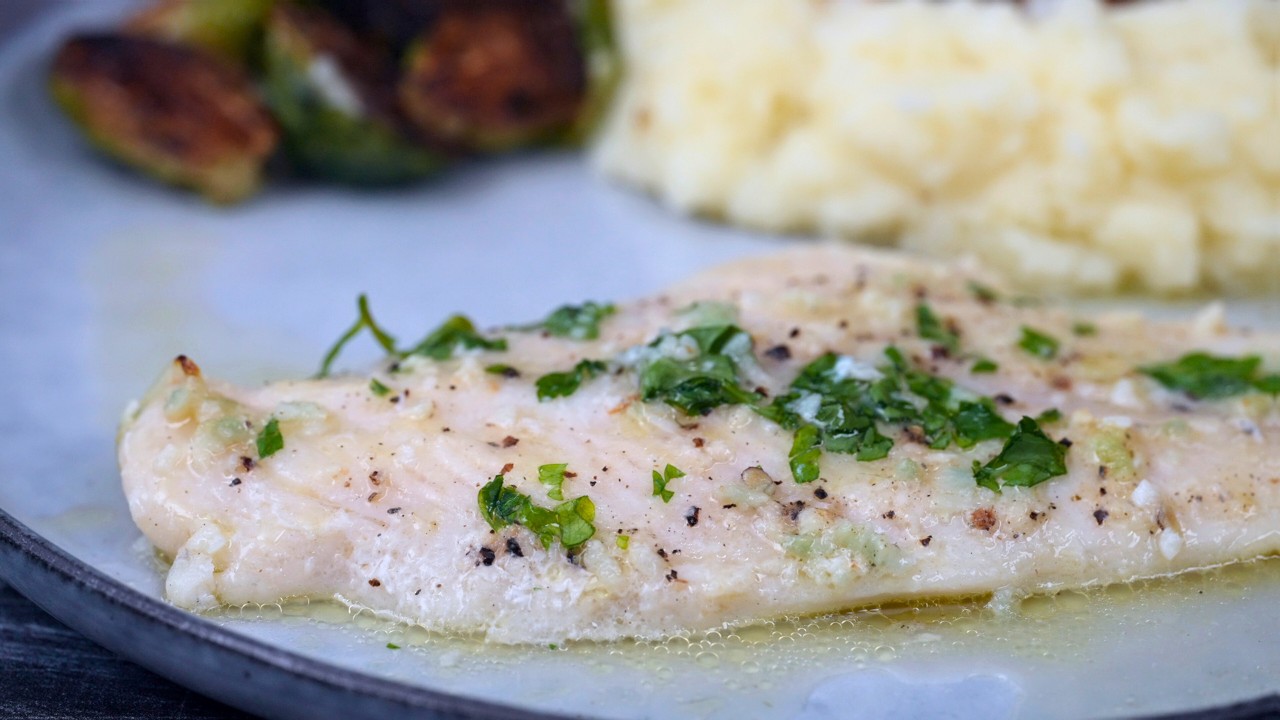
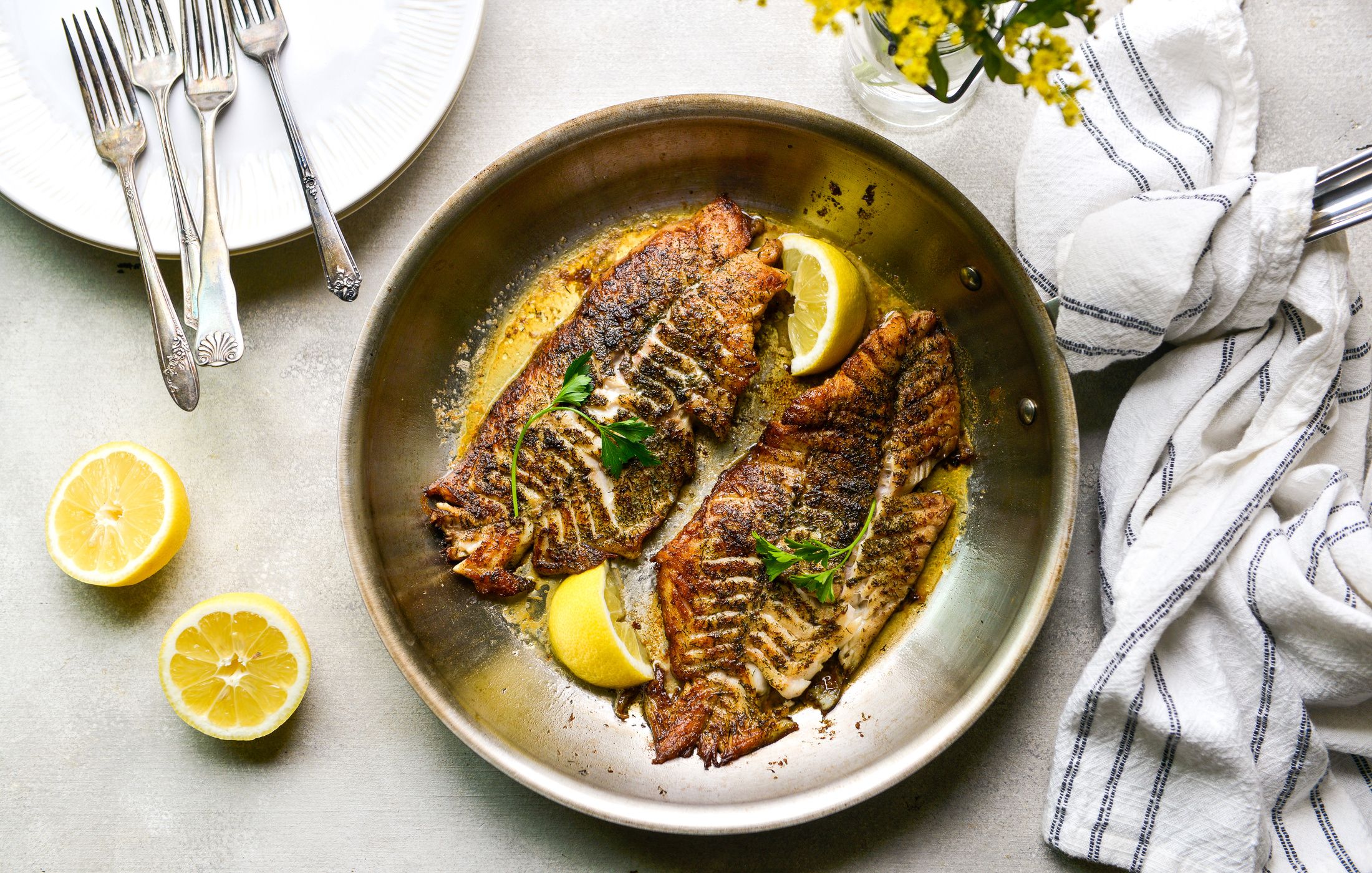
Swai fillets, lemon, butter, garlic, parsley, flour, and spices arranged on a clean kitchen counter with a skillet nearby

Why It Works

  • Quick cook, big payoff: Swai is mild and cooks fast, so it takes on flavor easily.
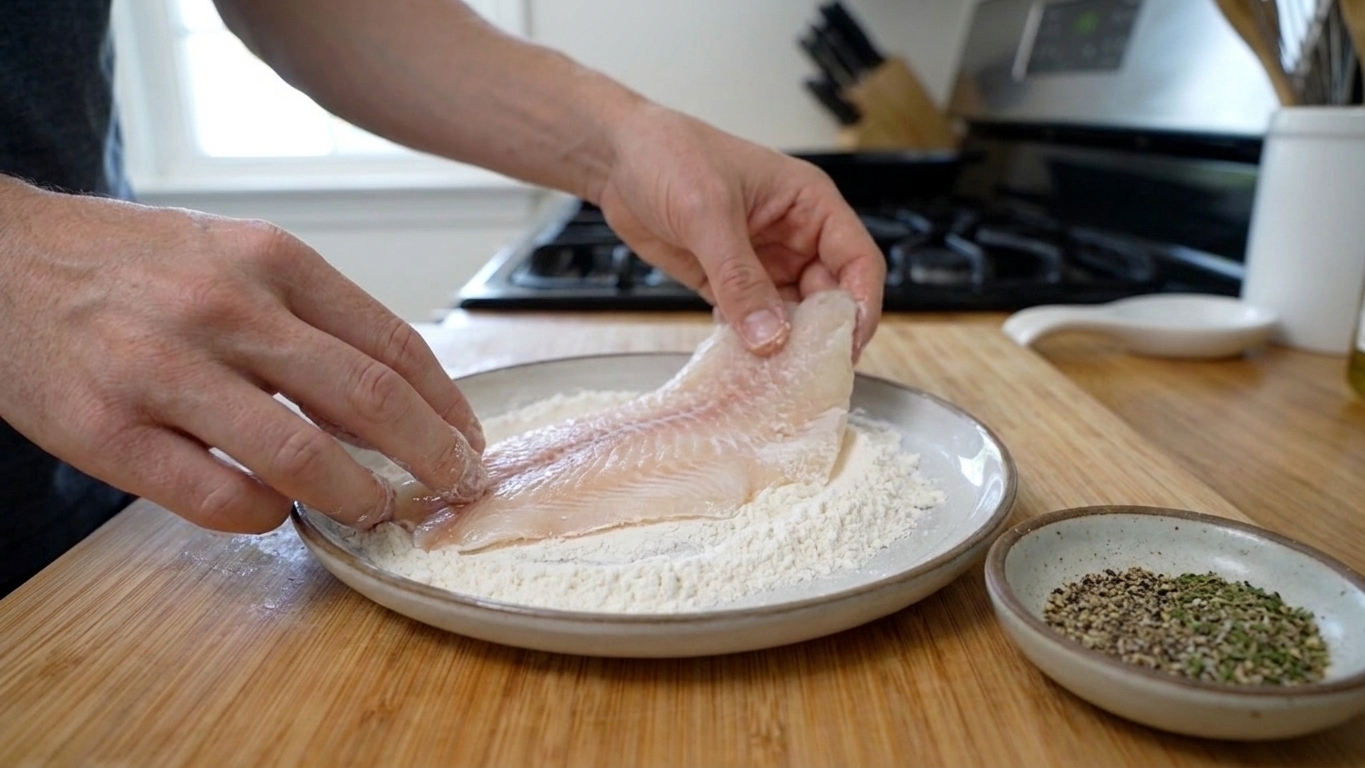
  • Crisp without deep frying: A light flour dusting plus a hot skillet gives you that golden crust.
  • Sauce that fixes everything: Lemon, butter, and garlic turn the pan drippings into a bright, glossy finish.
  • Flexible: Works with thawed or properly defrosted frozen fillets, and you can swap herbs based on what you have. Cook time depends on thickness, so use the flake test or a thermometer if you want to be extra sure.

Pairs Well With

Storage Tips

Fridge: Store leftover swai in an airtight container. It is best within 2 days for flavor and texture (many people stretch fish longer, but this is the sweet spot). Keep any extra sauce in a separate small container if you can.

Reheat: For best texture, warm the fish in a skillet over medium-low heat with a tiny splash of water or broth, just until heated through. Microwaving works, but the crust will soften.

Freezing: You can freeze cooked swai, but it is best within 1 month for quality. Wrap portions tightly to prevent freezer burn and thaw overnight in the fridge before reheating.

Common Questions

What is swai fish, and what does it taste like?

Swai is a mild, white-fleshed fish. The flavor is gentle and slightly sweet, with a soft, flaky texture when cooked properly. Think “easygoing” like tilapia or catfish, which is exactly why bold sauces and seasonings shine here.

Is swai the same as tilapia?

No. They are different fish, but they cook similarly and both are mild. You can often swap them in recipes with the same method and timing, adjusting for thickness.

Can I cook swai from frozen?

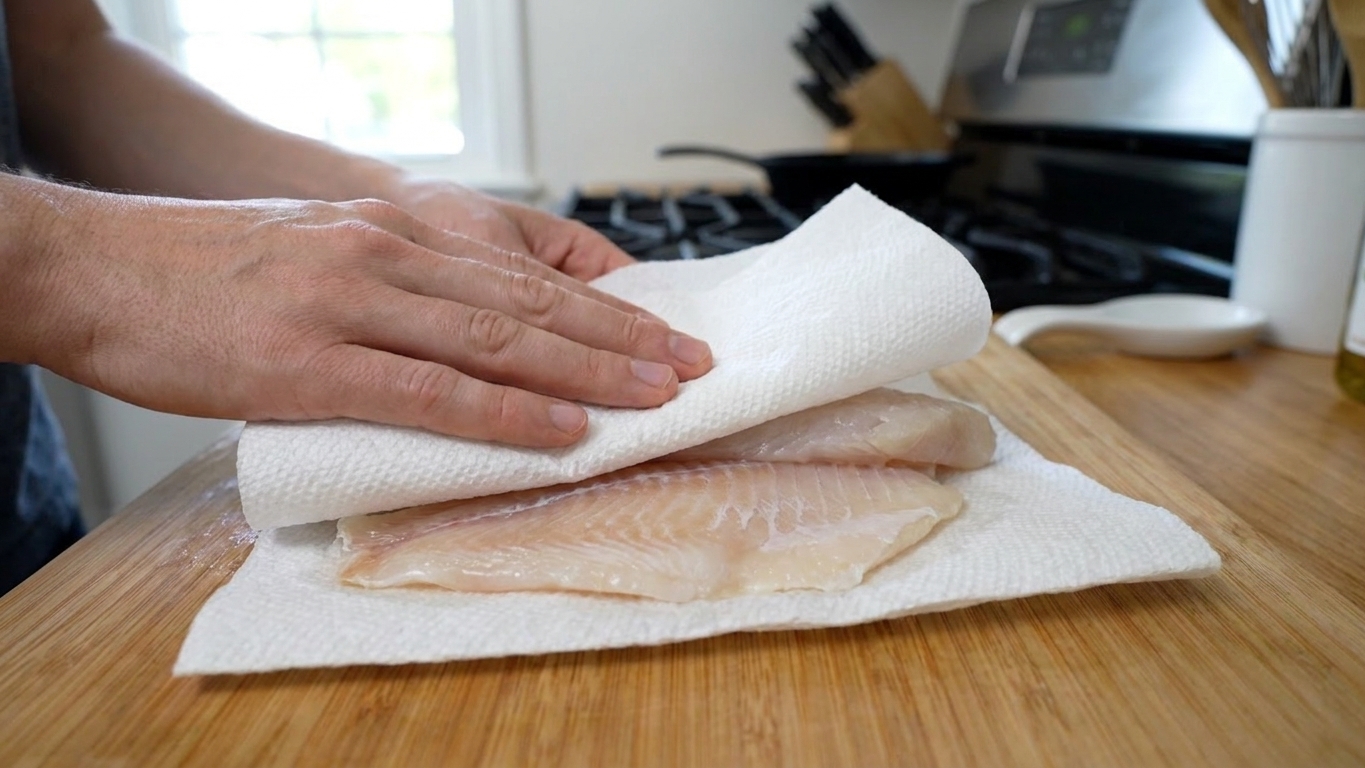
I do not recommend searing it straight from frozen because it tends to steam and release water, which makes browning tough. For best results, thaw overnight in the fridge, or use a cold-water thaw in a sealed bag for about 20 to 30 minutes (depending on thickness), then pat very dry.

How do I know swai is done?

When it is done, the fish turns opaque and flakes easily with a fork. If you use an instant-read thermometer, aim for about 145°F at the thickest part.

Why is my swai mushy?

Usually one of three things: the fillets were not dried well, the pan was not hot enough, or the fish was overcooked. Pat dry, preheat the skillet until the oil shimmers, and pull the fish as soon as it flakes.

Can I make this gluten-free?

Yes. Swap the flour for rice flour, cornstarch, or a gluten-free all-purpose blend. You just want a light coating to help crisp the exterior.

Swai is my “I want fish tonight but I also want to be done before my playlist ends” dinner. The first time I made it, I treated it like any other quick white fish and it was fine, but forgettable. Then I started dusting it lightly in flour and finishing with a lemon butter pan sauce. Suddenly it tasted like a restaurant weekday special, in the best way. It is simple, a little chaotic at the stove, and totally worth it.