How do I keep baked cauliflower from getting soggy?
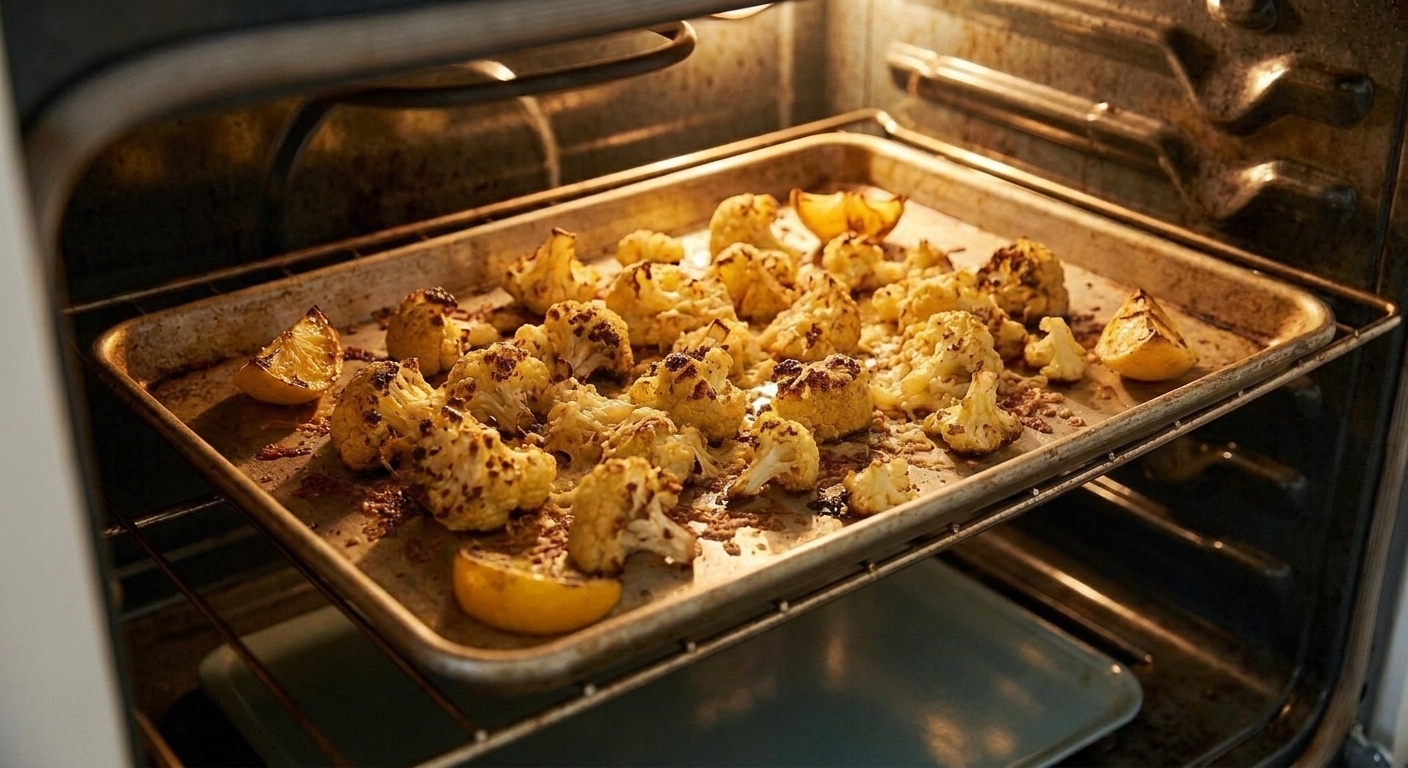
Two big moves: do not crowd the pan and roast hot, usually 425°F. If the florets are touching, they trap steam and soften. Use a big half-sheet pan (18x13), or two pans if needed.
Do I need to boil cauliflower before baking?
Nope. Boiling adds water, which is the enemy of crisp edges. If you want it softer inside, cut the florets a bit smaller and roast a few minutes longer.
Should I use parchment paper?
If you want maximum browning, go with a lightly oiled, hot bare pan. Parchment makes cleanup easier but can slightly reduce browning. If you do use parchment, skip preheating the pan and expect to add a few minutes.
Is fresh Parmesan worth it?
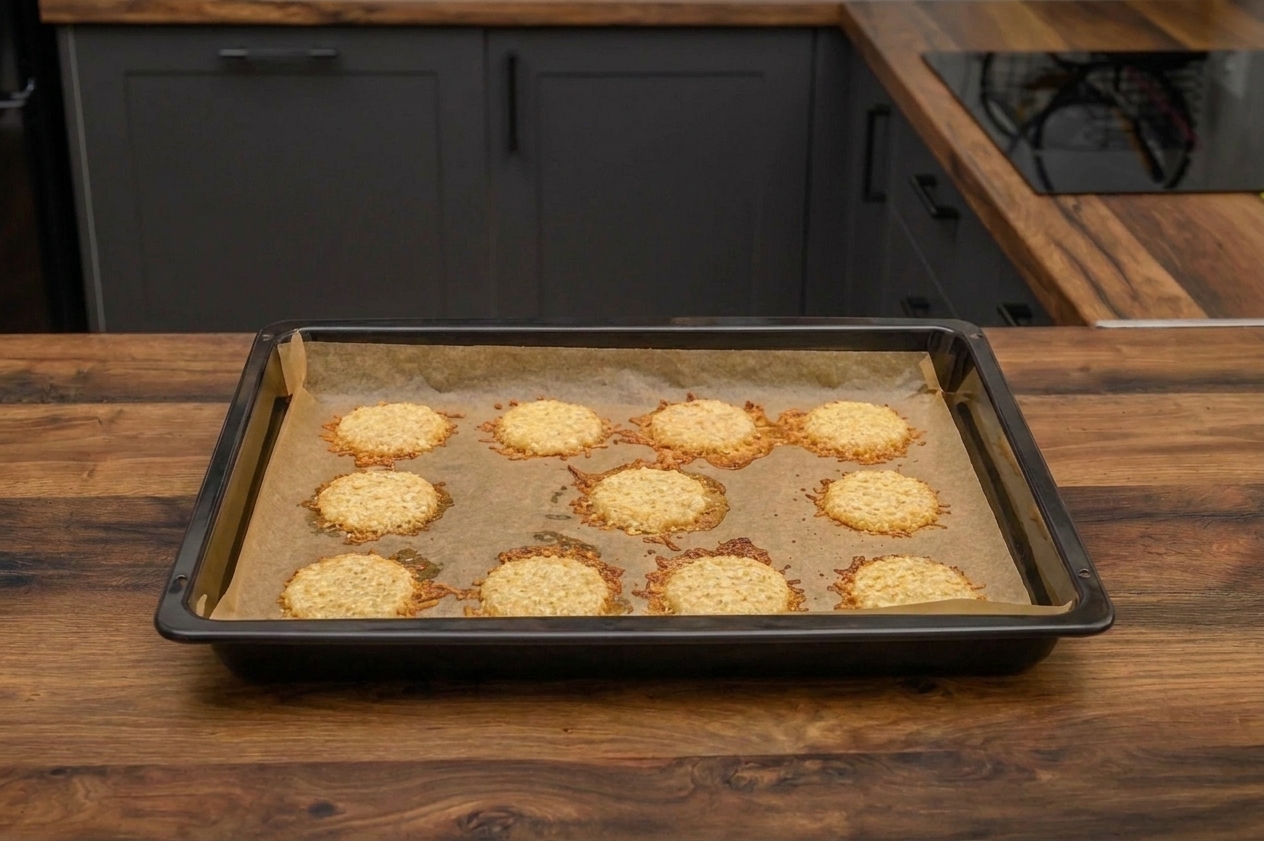
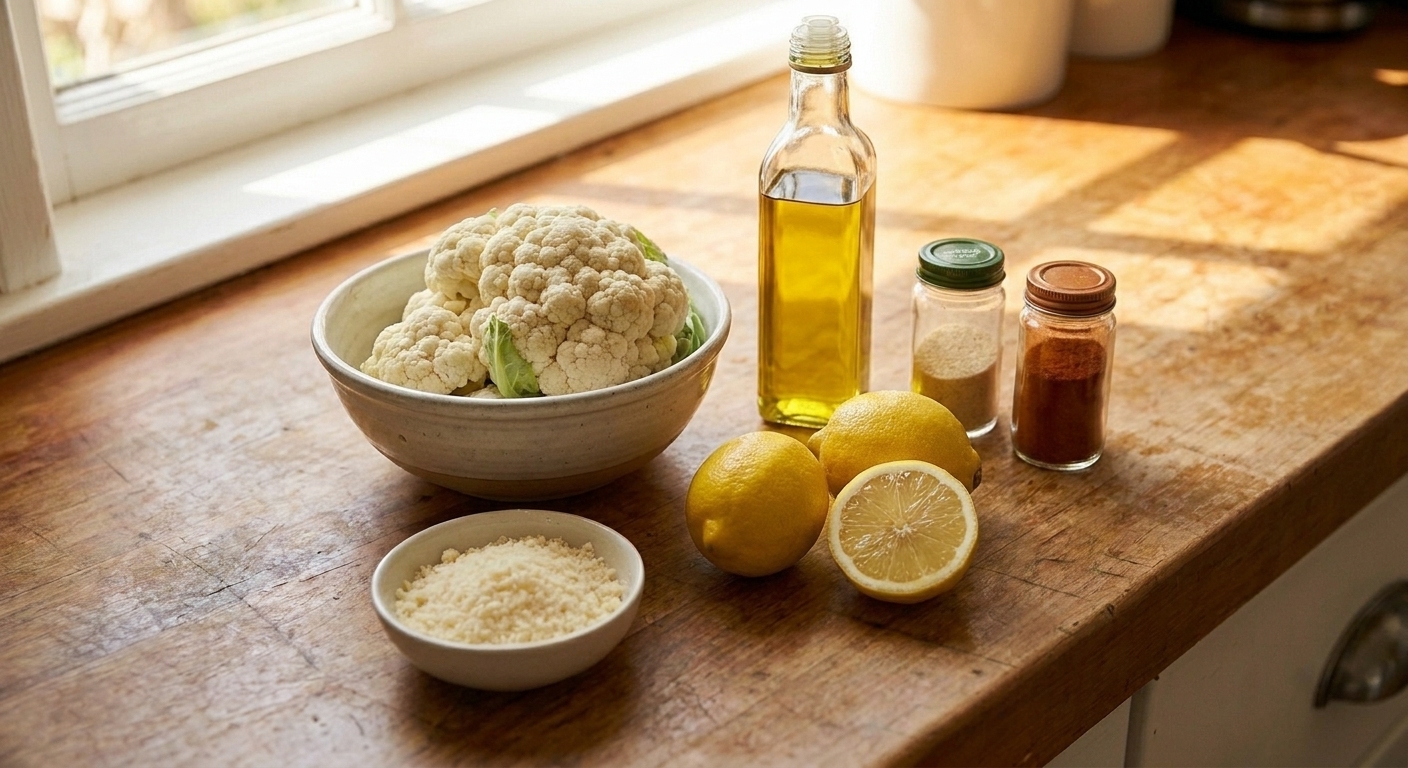
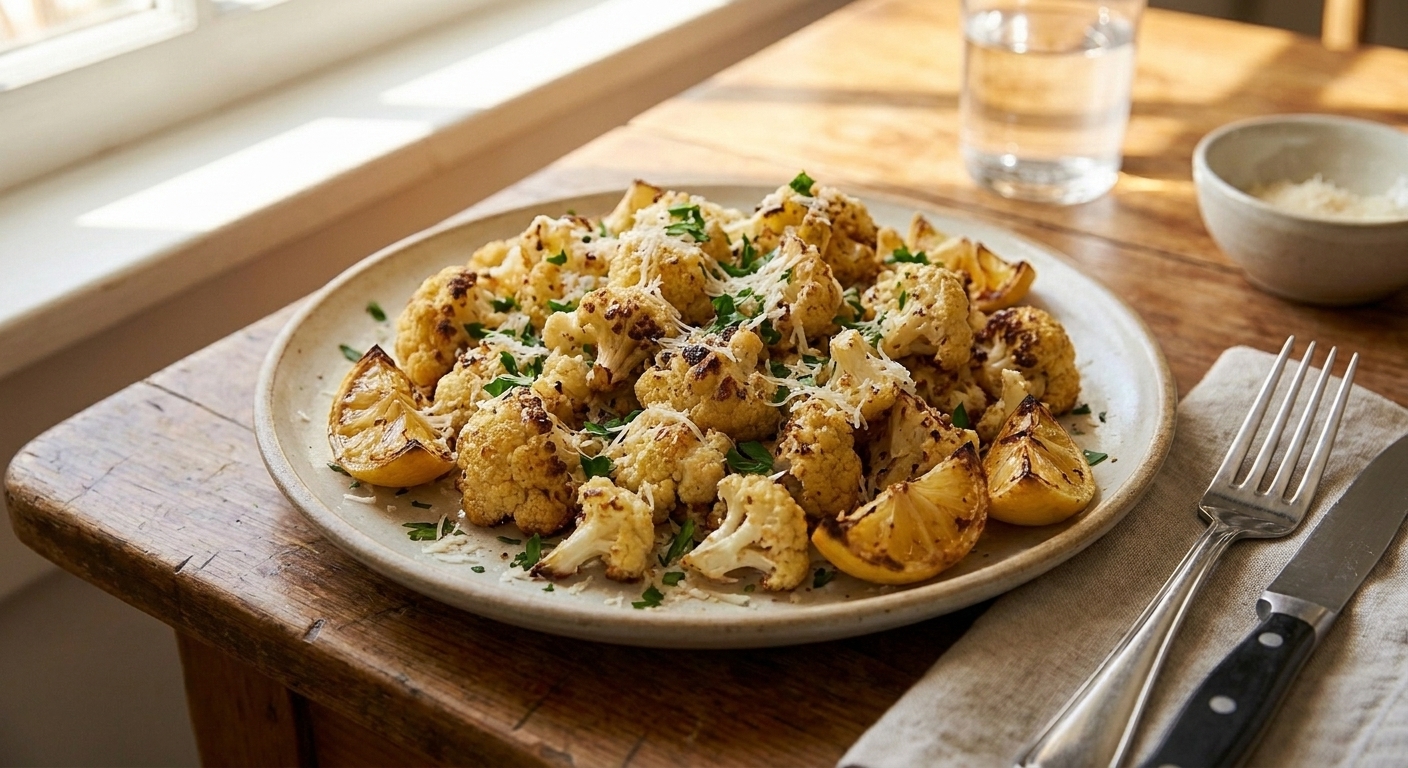
Yes. Finely grated Parmesan from a wedge melts and clings better, giving you that toasty, savory crust. The shelf-stable, powdery kind can work in a pinch, but it tends to taste saltier and won’t melt the same.
Can I use frozen cauliflower?
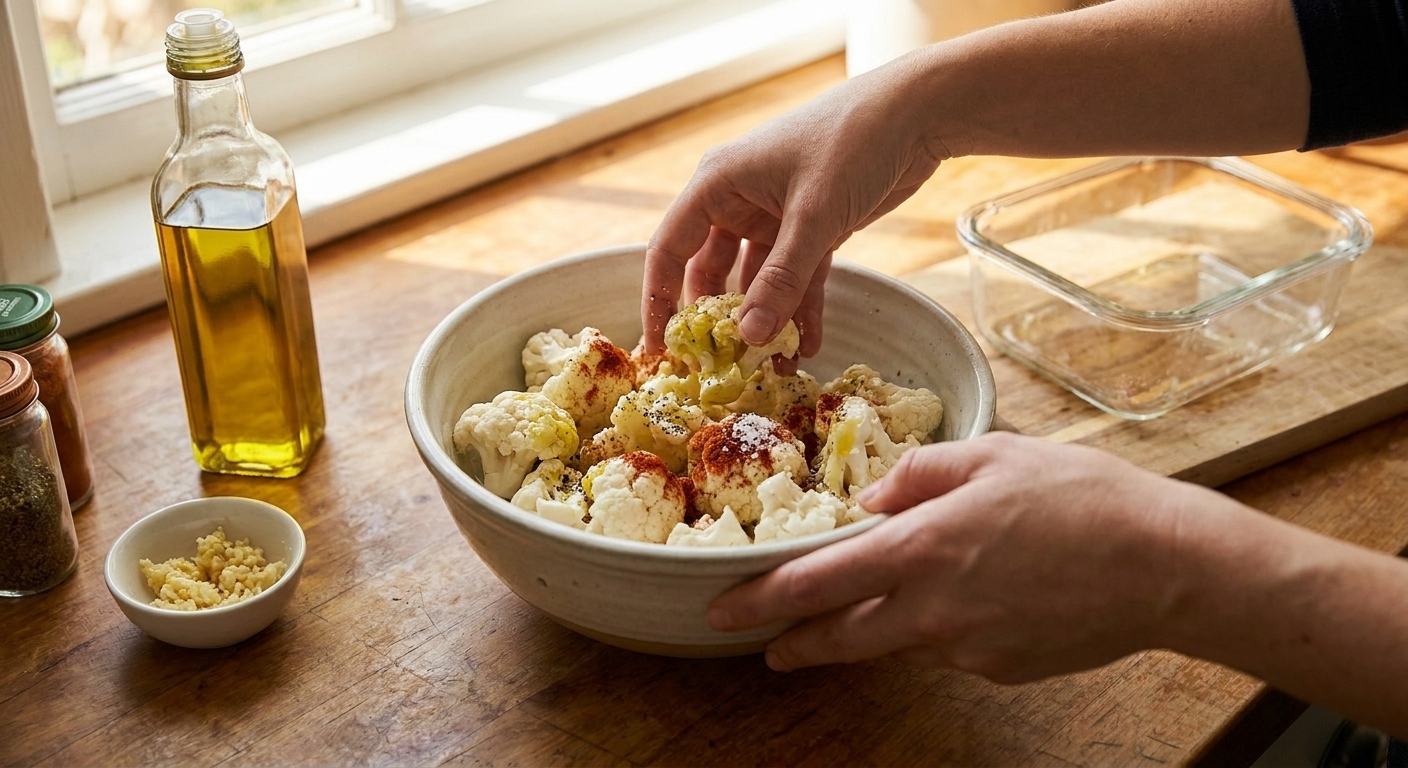
Yes, with a little strategy. Roast it straight from frozen on a hot, lightly oiled sheet pan at 450°F for 15 minutes to drive off moisture. Then toss the hot florets with oil and seasonings (they need that second toss so the seasoning actually sticks), and roast 10 to 20 minutes more until browned. It will not get quite as crisp as fresh, but it can still be very good.
When should I add the Parmesan?
Add it partway through roasting. If you add it at the start, it can scorch before the cauliflower browns. Mid-roast gives you toasted, clingy cheese instead of bitter cheese confetti.
How do I know it’s done?
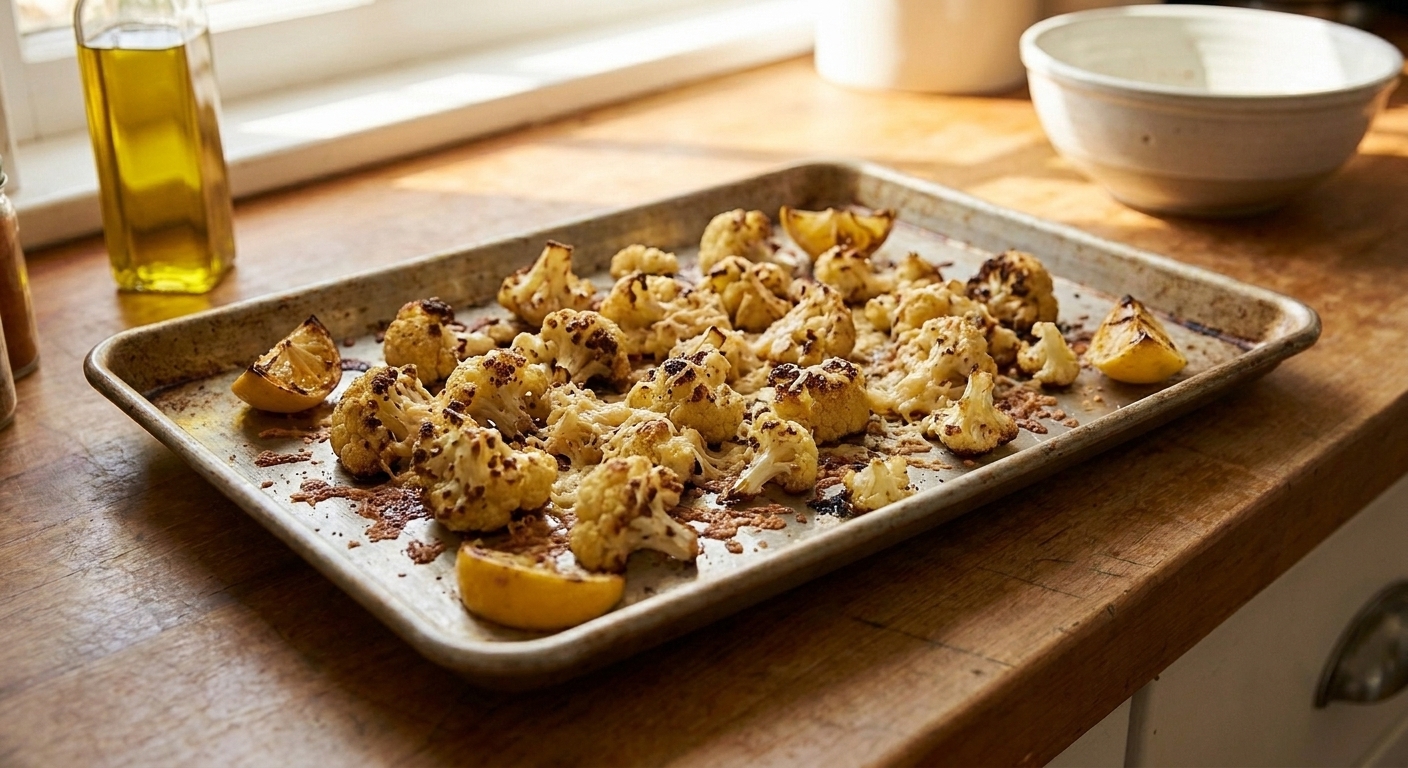
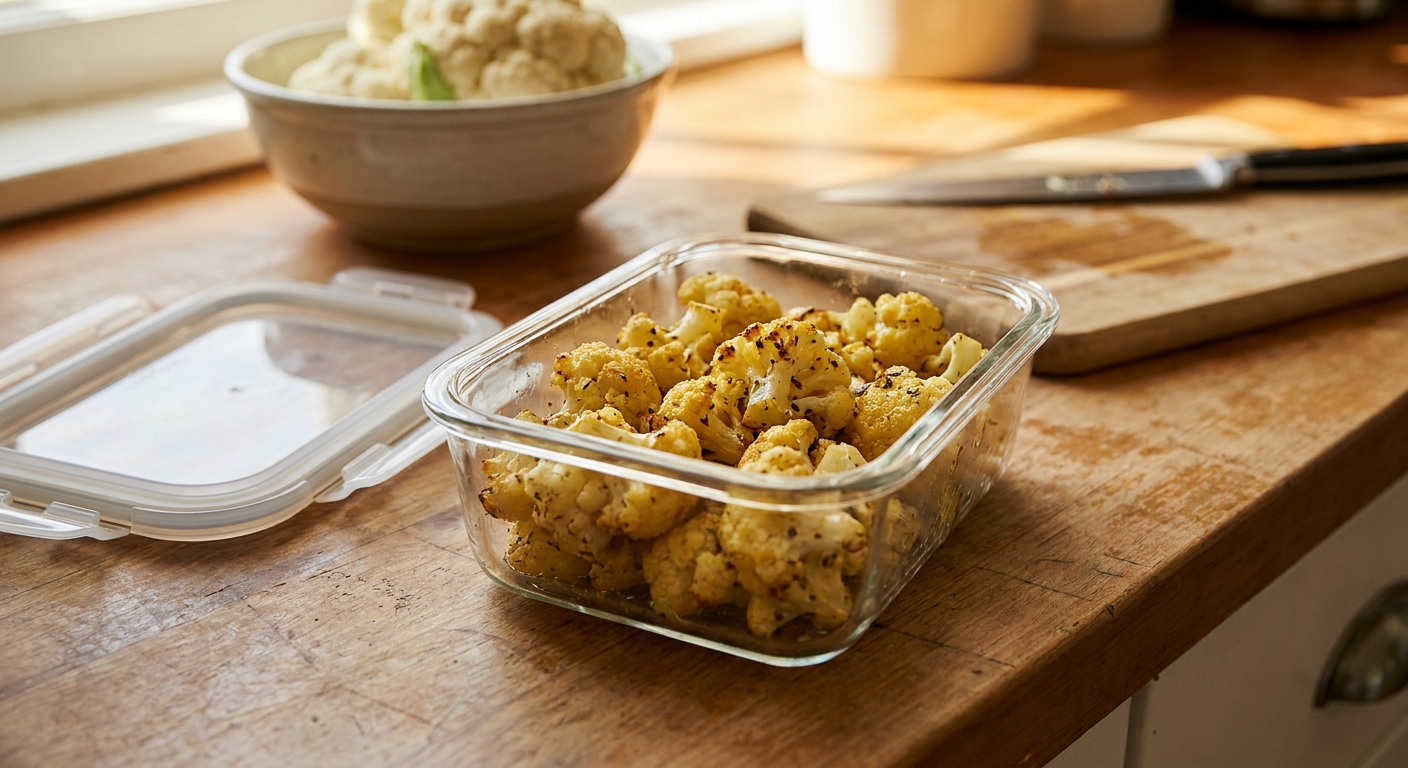
Look for deeply browned edges on multiple sides, and the centers should be tender. A knife should slide in easily, and the florets should feel roasty, not watery.
What dipping sauce works best?
I love a quick lemony yogurt dip, ranch, or spicy mayo. Even plain marinara is weirdly great with the Parmesan vibe.