Mom's Best Recipes
Recipe

Crispy Skin Herb Butter Roast Turkey

Juicy, tender Thanksgiving turkey with crackly skin, herb butter, and an easy pan gravy using the drippings.

Author By Matt Campbell
4.8
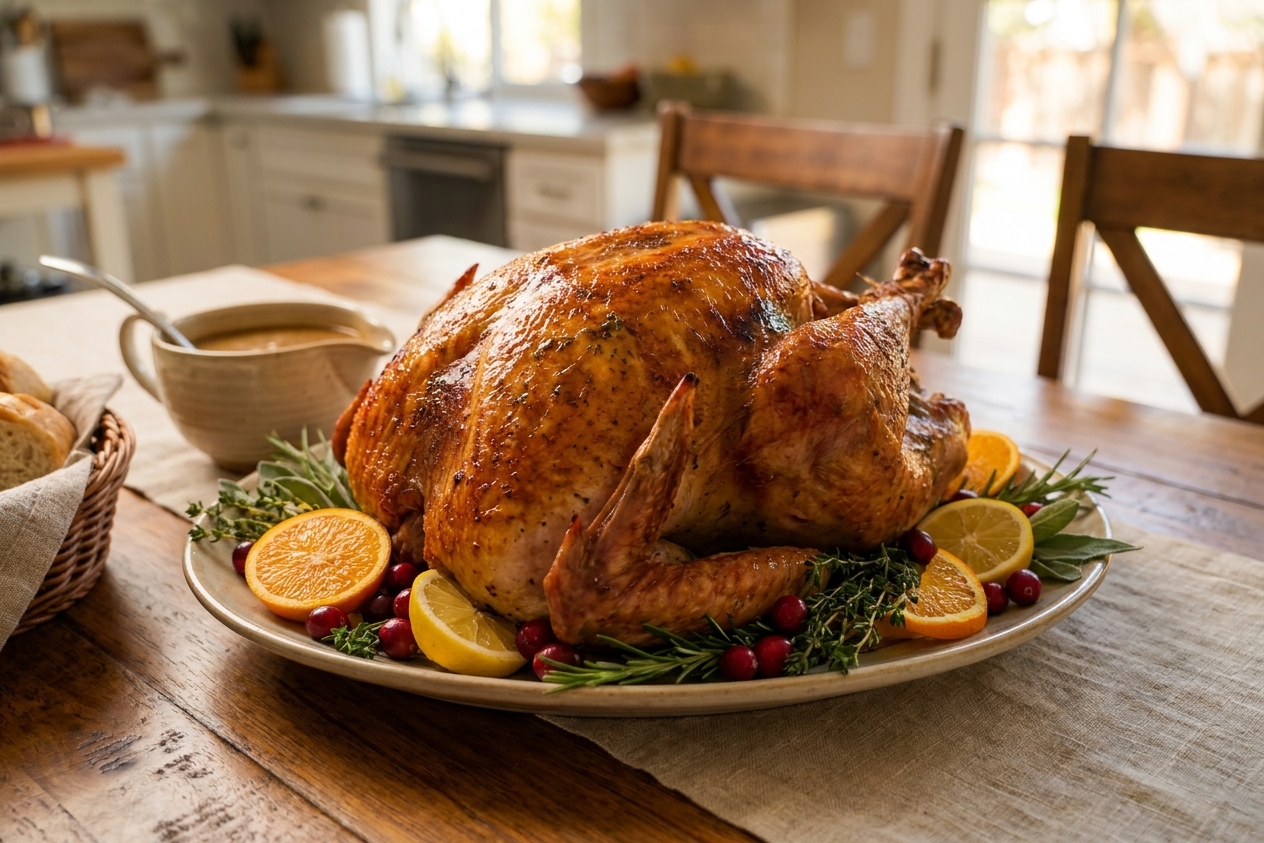
A whole roasted Thanksgiving turkey with deeply golden, crispy skin on a large platter with herbs and citrus on a rustic dining table, warm natural kitchen lighting

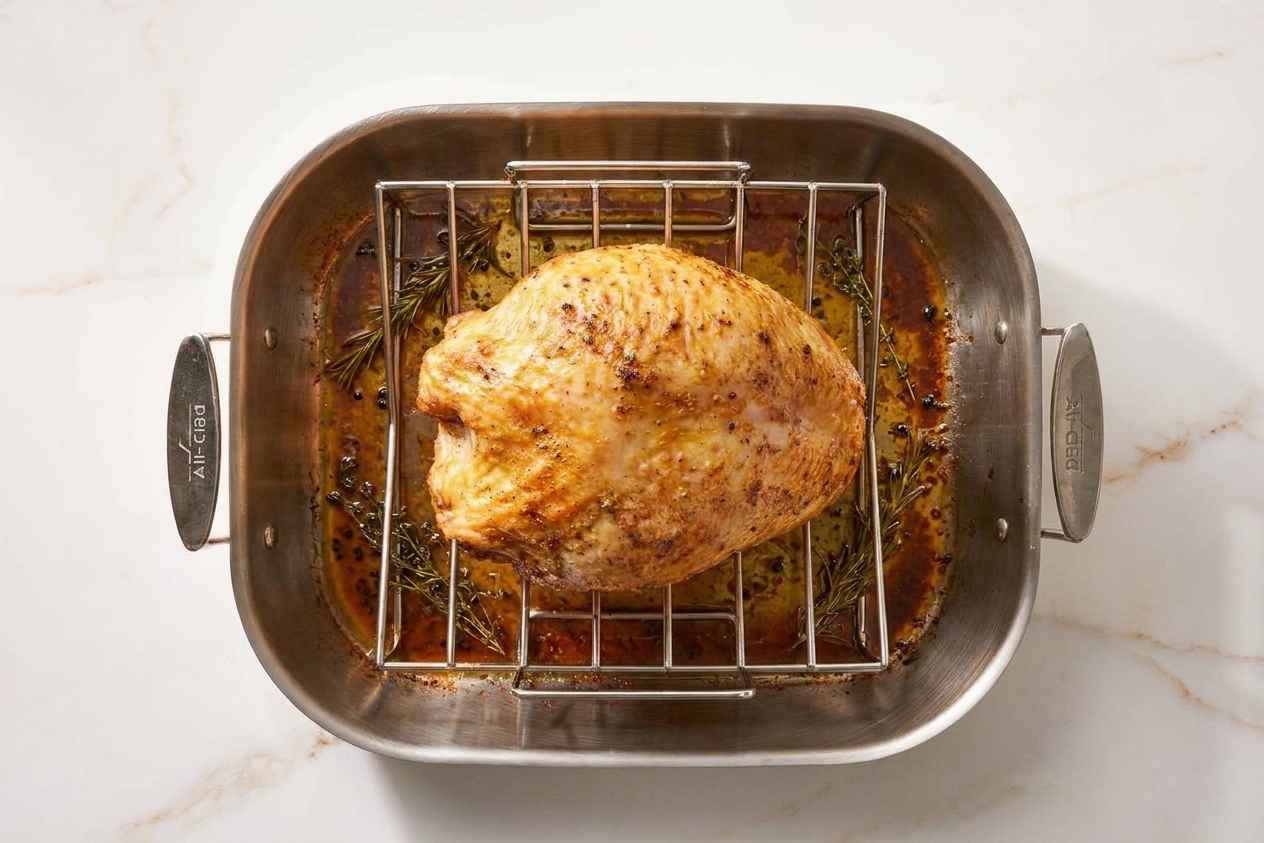
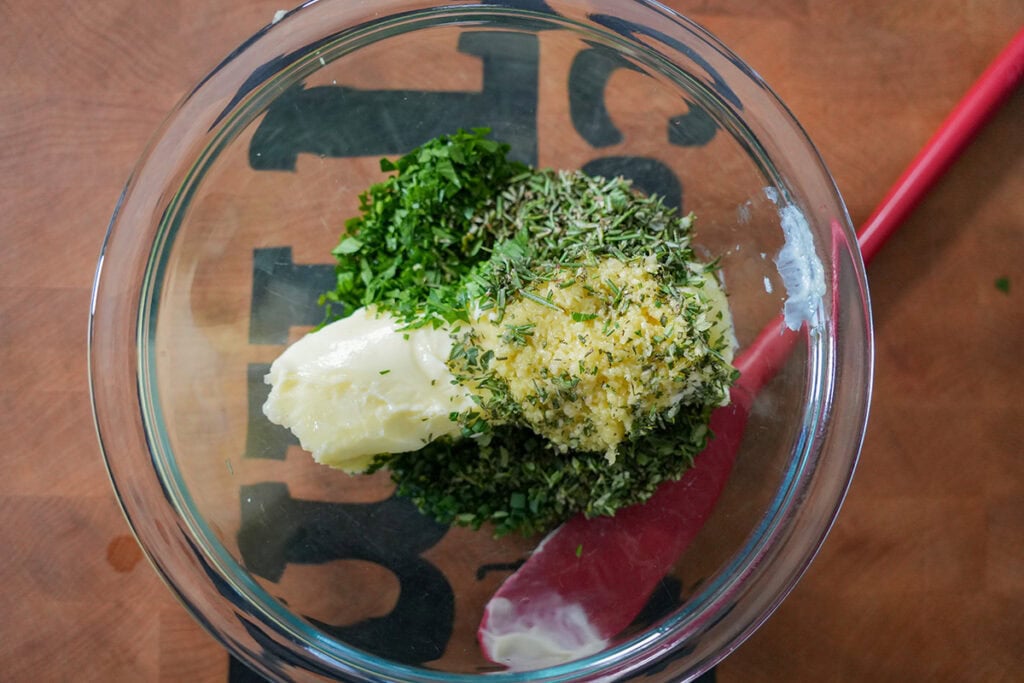
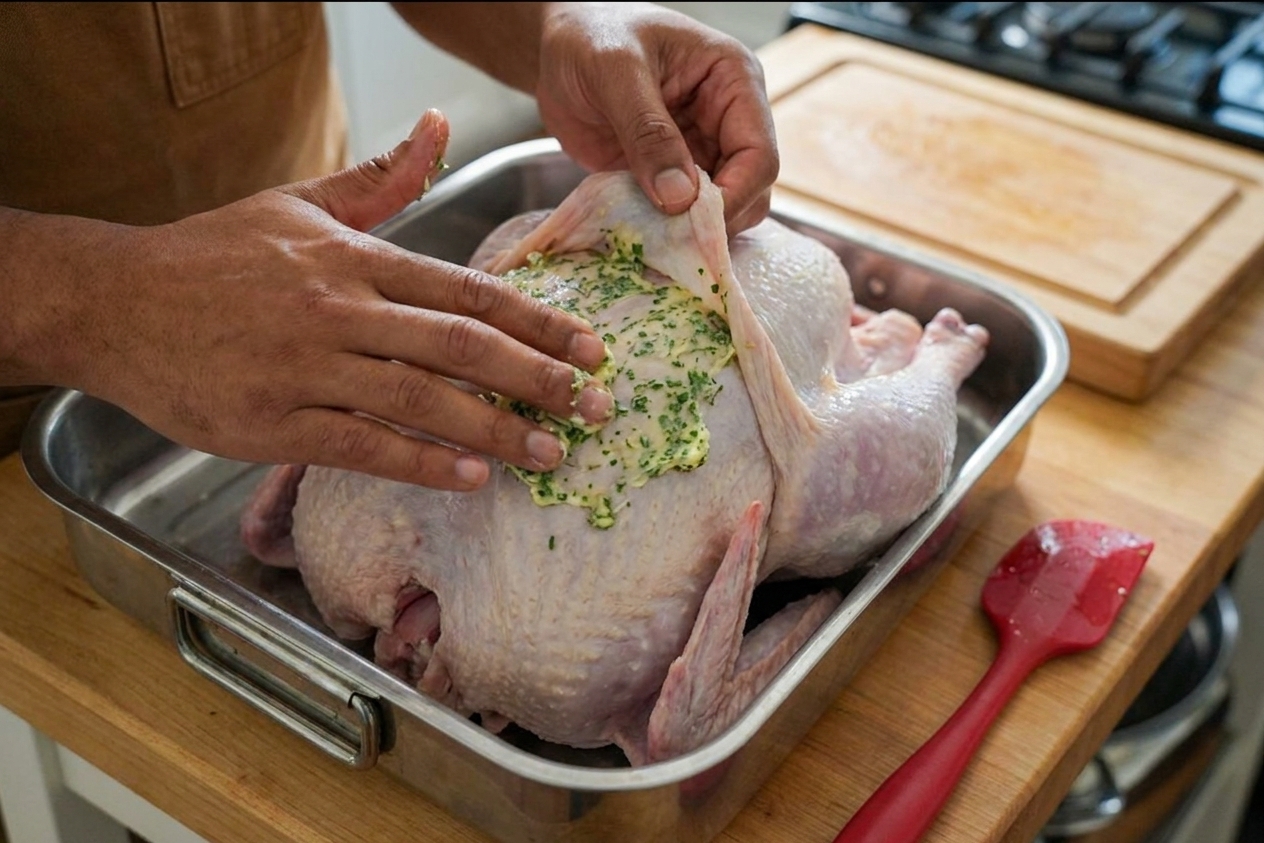
If your Thanksgiving turkey goals are juicy meat, crispy skin, and low drama, you are in the right kitchen. This is my go-to roast turkey: herb butter under the skin, simple citrus and onion cavity aromatics, and a roasting method that gives you breast meat that stays tender while the legs get the time they need.

We are not doing anything fussy like constant basting or complicated flips. We are doing the stuff that actually moves the needle: drying the skin, seasoning early, and pulling the turkey at the right temperature. Then we turn those pan drippings into an easy gravy that tastes like you planned it for weeks.

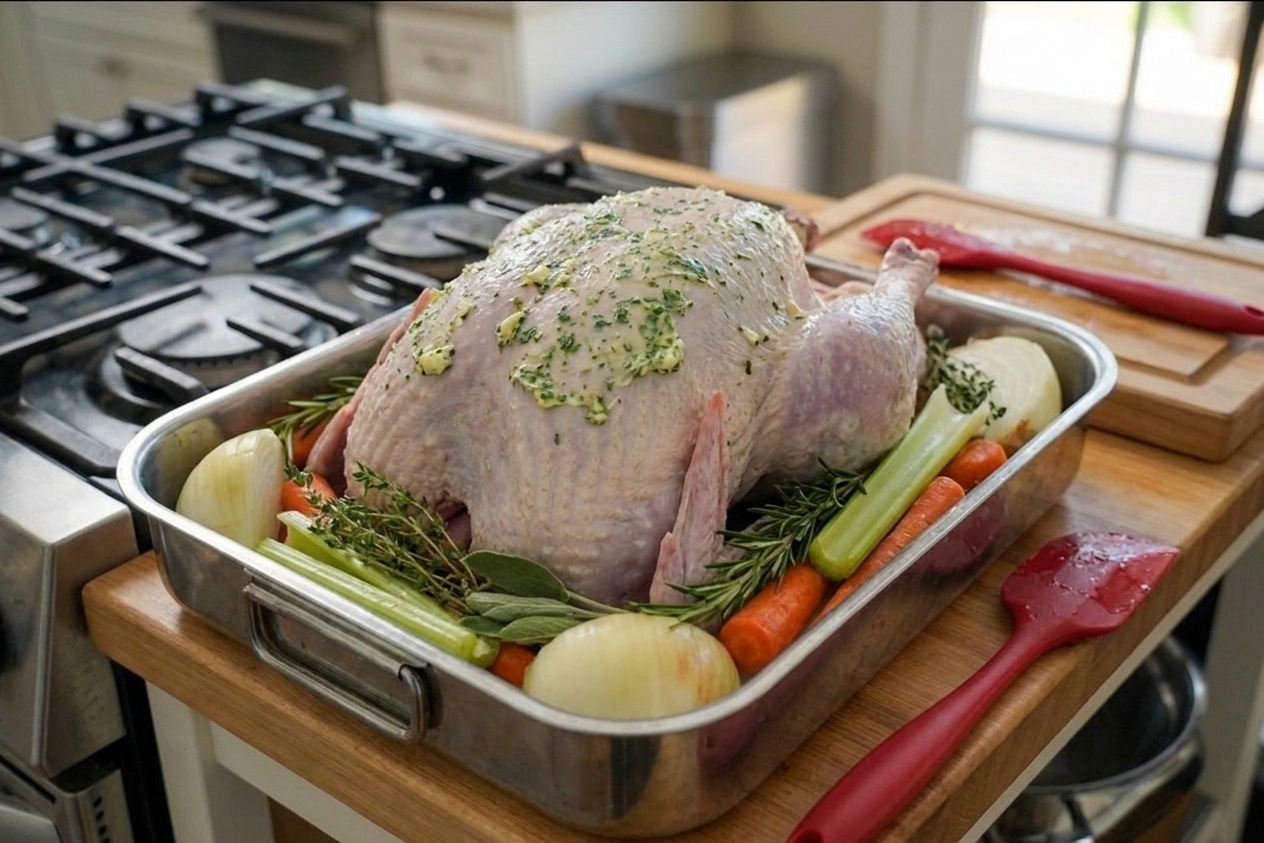
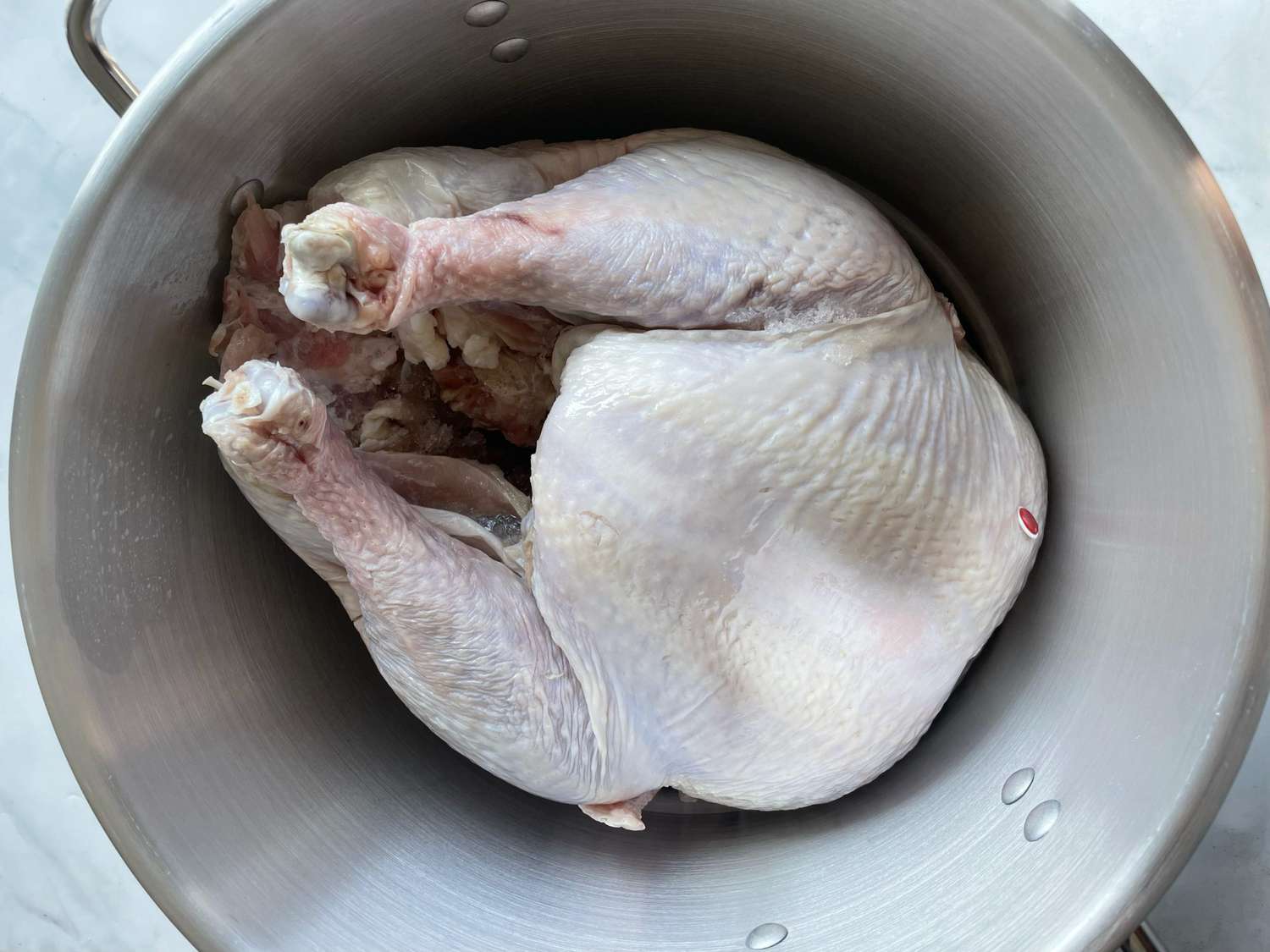
Raw turkey in a roasting pan surrounded by halved onions, celery, carrots, and herbs on a neutral kitchen counter with soft daylight

Why It Works

  • Dry-brined salt + air-drying gives you seasoned meat all the way through and skin that actually crisps.
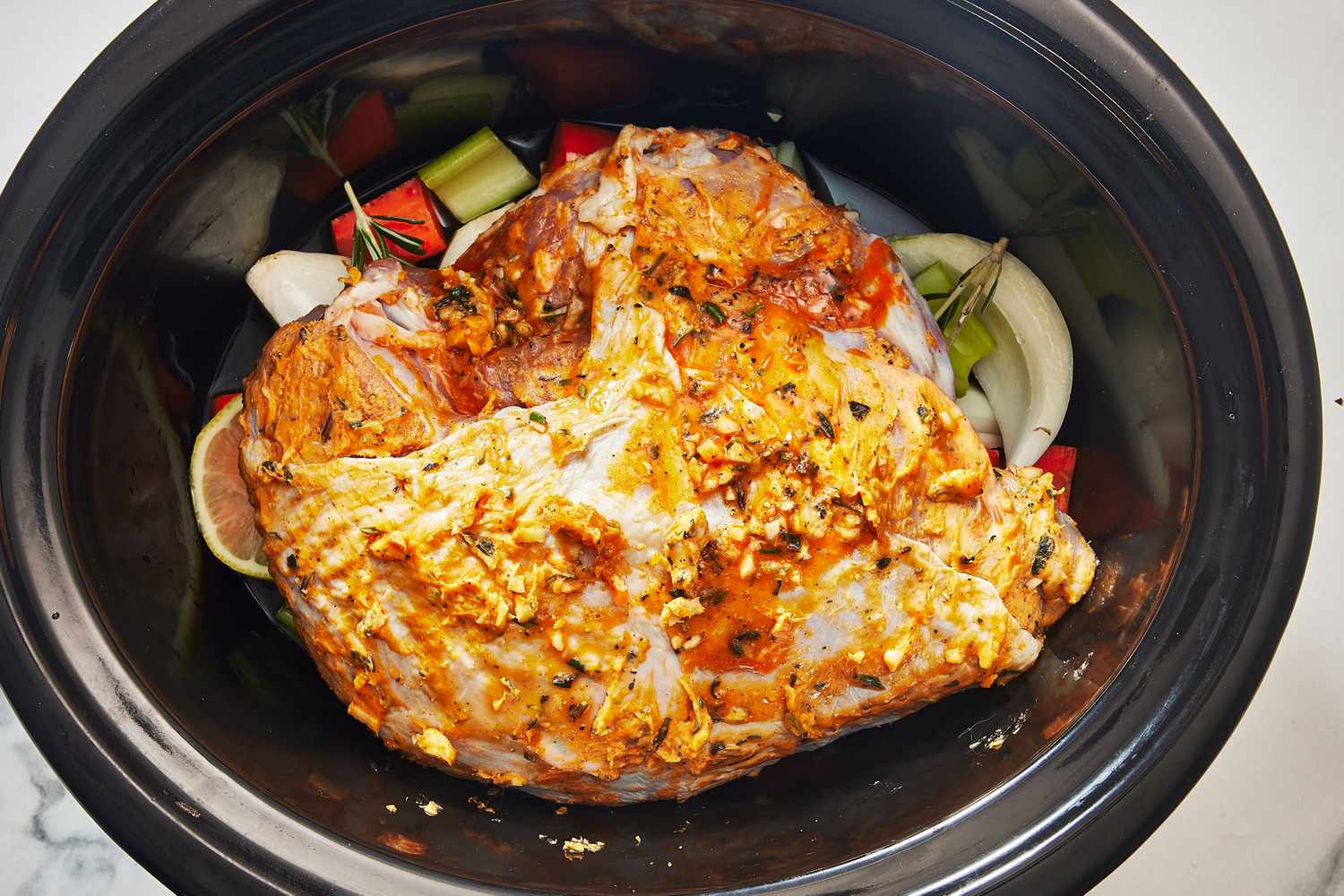
  • Herb butter under the skin self-bastes the breast without washing off seasoning like traditional basting can.
  • A two-temperature roast starts hot to jump-start browning, then finishes lower for even cooking.
  • Pulling by temperature (not a clock) keeps the breast juicy and the dark meat tender.
  • Pan drippings gravy is built right in the roasting pan, so the flavor is bold without extra effort.

Pairs Well With

Storage Tips

Storage Tips for Turkey and Gravy

Refrigerate

  • Carve leftover turkey off the bones within 2 hours of cooking.
  • Store turkey in an airtight container for 3 to 4 days.
  • Store gravy separately for 3 to 4 days. If it thickens, reheat with a splash of broth or water.

Freeze

  • Freeze sliced turkey in flat, well-sealed bags or containers for up to 2 to 3 months.
  • Freeze gravy up to 2 months. Thaw overnight in the fridge, then gently reheat.

Reheat without drying it out

  • Place turkey in a baking dish with a few spoonfuls of broth or gravy, cover tightly with foil, and warm at 300°F until hot.
  • Microwave works too. Use medium power and add a little gravy, then stop and stir.
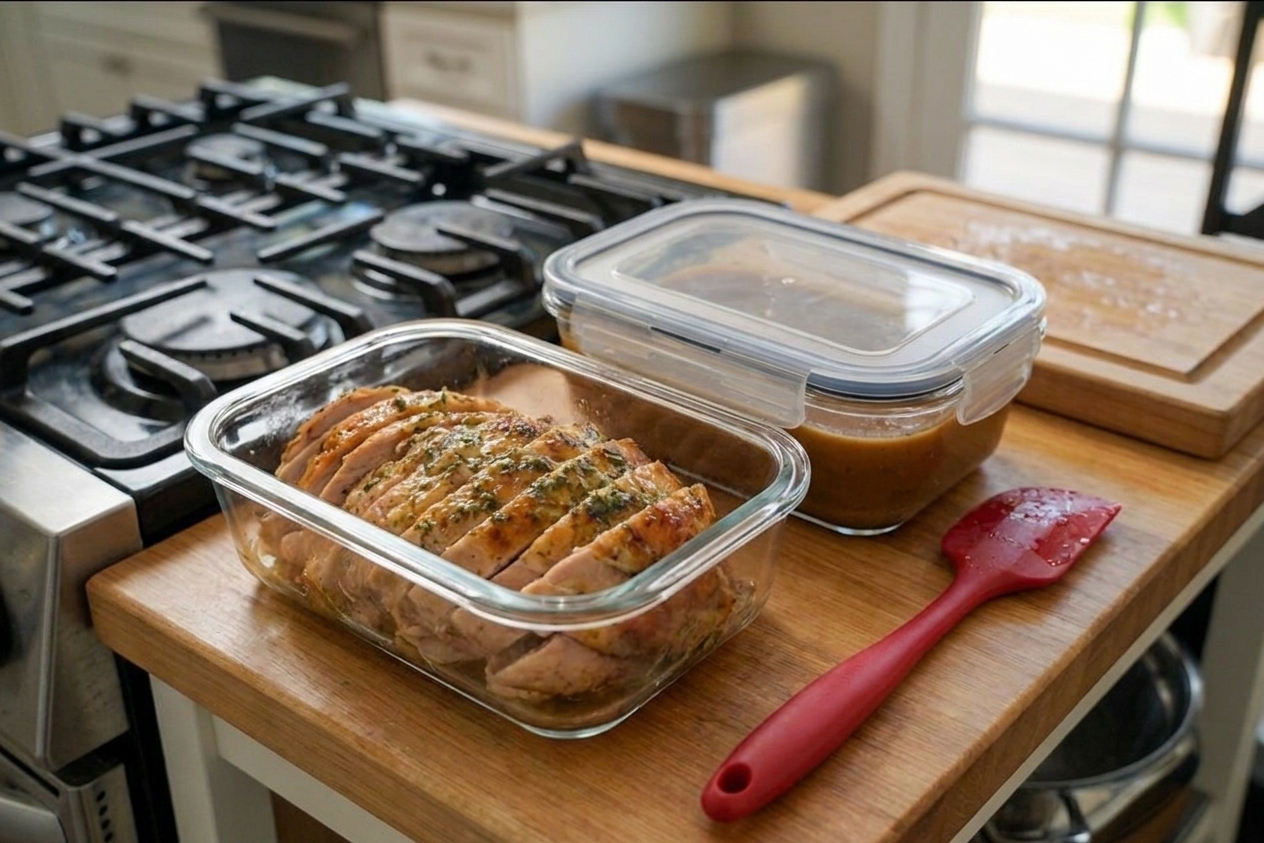
Sliced leftover turkey and gravy stored in clear airtight containers on a kitchen counter, ready to refrigerate

Common Questions

Common Questions

What size turkey should I buy?

A good rule is 1 to 1 1/2 pounds per person. If you want generous leftovers, aim closer to 1 1/2 pounds per person.

Do I need to rinse the turkey?

No. Rinsing can spread bacteria around the sink area. Pat it dry thoroughly with paper towels instead.

Should I truss (tie) the legs?

Optional. I usually skip it. Trussing can make the bird look tidier and can help the breast cook a touch more evenly, but it can also slow down thigh cooking. If your legs are flopping all over the place, tie them loosely, not like you are wrapping a present.

Should I stuff the turkey?

I do not recommend stuffing the cavity for safety and timing reasons. It slows cooking and the stuffing needs to reach 165°F, which can overcook the breast. Bake stuffing separately, then use herbs, citrus, and onion in the cavity for aroma.

How do I know when the turkey is done?

Use a thermometer. For the breast, I pull it at 160°F and let carryover heat bring it to 165°F during the rest. If you prefer to follow the USDA endpoint strictly in the oven, cook the breast to 165°F. For the thigh, 165°F is safe, but I like 175°F for tender, not chewy, dark meat.

Where exactly do I put the thermometer?

Breast: the thickest part near the center, not touching bone. Thigh: the thickest part of the inner thigh near the joint, again not touching bone.

What if the skin is browning too fast?

Tent loosely with foil. I usually cover just the breast area so the legs keep getting color.

What if I do not have enough drippings for gravy?

No stress. Make the roux, then top up with broth to reach the amount of liquid you need. You can also whisk in a little store-bought stock plus a pinch of salt to wake it up.

Can I do this the day before?

You can roast the turkey a day ahead, carve it, and reheat with broth or gravy as described in Storage Tips. It is not quite as magical as fresh, but it is honestly a sanity saver when you are hosting.

My gravy is greasy. How do I fix it?

Skim the fat off the top with a spoon or use a fat separator. If it still tastes heavy, whisk in a splash of cider vinegar or lemon juice to brighten it.

I used to think the secret to a great Thanksgiving turkey was some mysterious chef trick, like basting every ten minutes while wearing a very serious apron. Then I started cooking more in real kitchens with real time limits and learned the truth: the secret is less messing with it. Dry the skin. Season it like you mean it. Trust the thermometer. The first time I did this herb-butter-under-the-skin move and pulled the bird at the right temps, I had that quiet moment at the cutting board where you realize you just saved the holiday without even breaking a sweat. That is my favorite kind of cooking.