Mom's Best Recipes
Recipe

Cuban Black Beans

Smoky, saucy black beans with a Cuban-style sauté base and a bright vinegar finish, ready in about 35 minutes.

Author By Matt Campbell
4.8
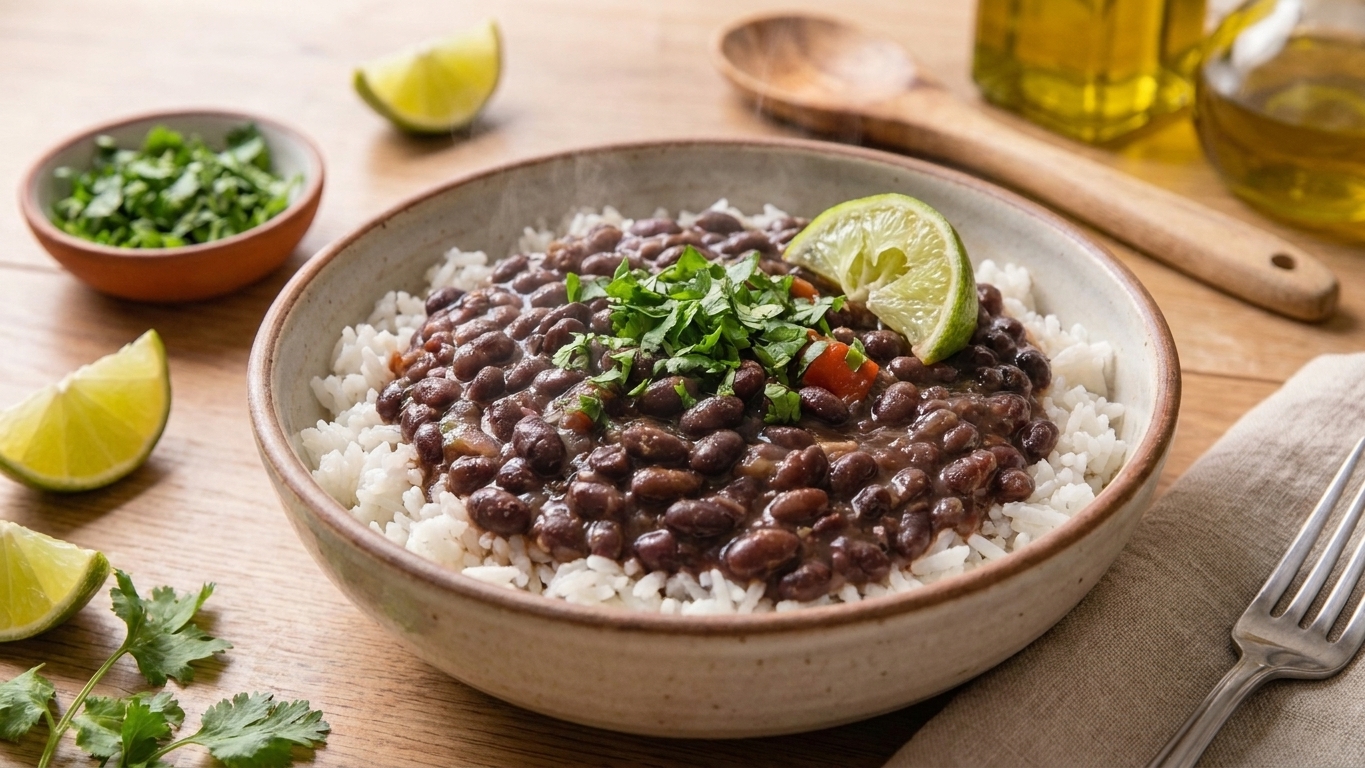
A bowl of Cuban black beans served over fluffy white rice, garnished with chopped cilantro and lime wedges on a simple dinner table

Cuban black beans are one of those recipes that feel like a life skill. You make a pot once, and suddenly you have dinner, lunch, and a midnight snack that somehow tastes even better straight from the fridge. They are saucy, savory, a little smoky, and finished with just enough tang to make you go back for “one more bite” and then accidentally eat half the pot.

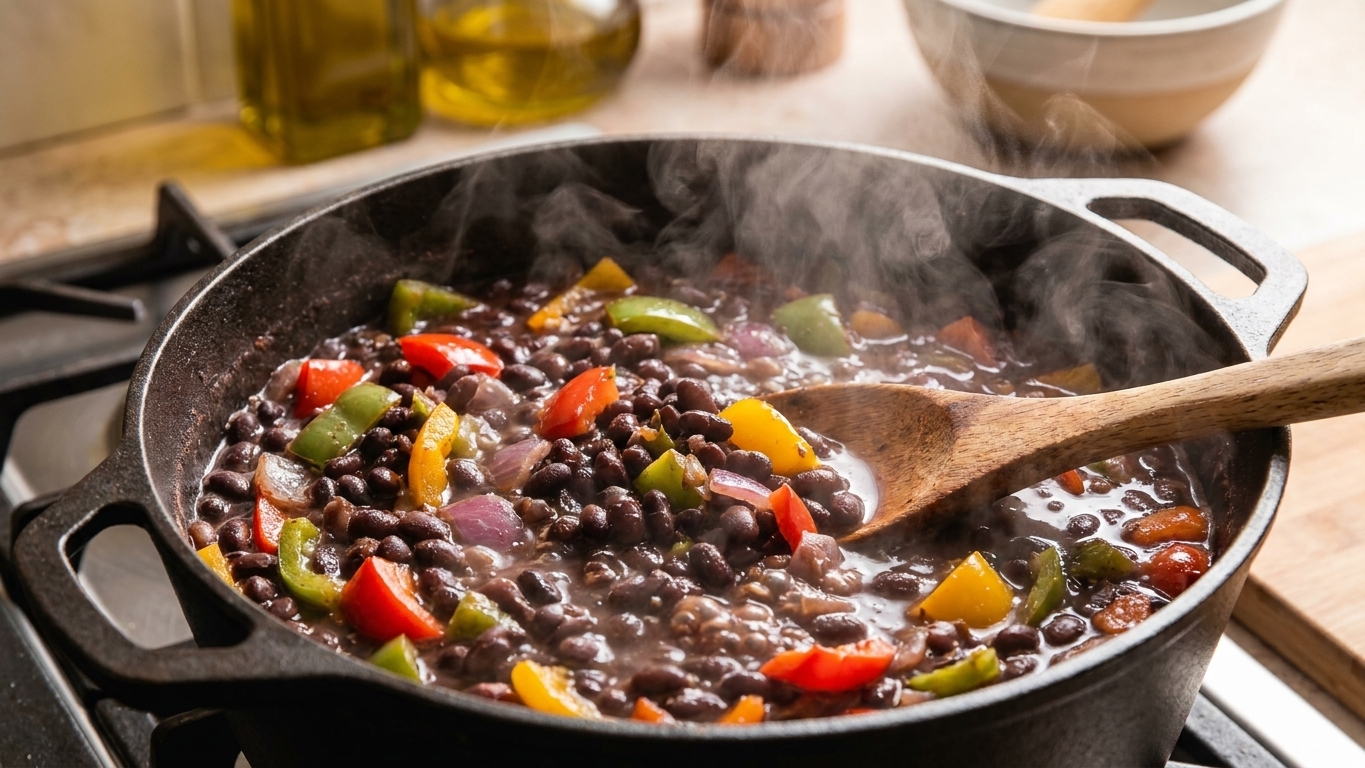
This version is built for real life. We use canned black beans because weeknights are not a moral test. We still build big flavor the classic way with a quick Cuban-style sauté base (onion, bell pepper, garlic), warm spices (cumin and oregano), a bay leaf, and a bright little splash of vinegar at the end that wakes everything up.

Quick note for the purists (and the curious): some Cuban sofrito versions include tomato or ají cachucha. This one keeps it simple and pantry-friendly. If you want to add tomato, you totally can.
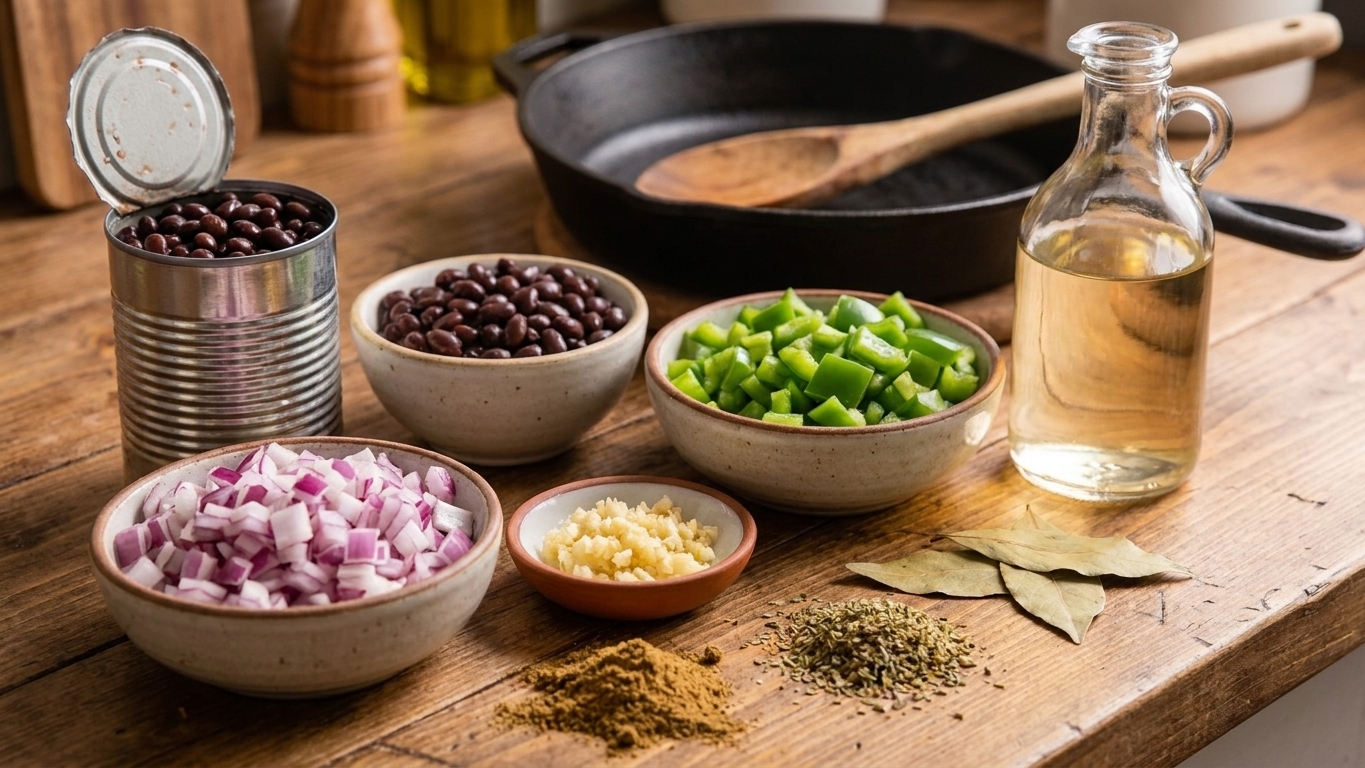
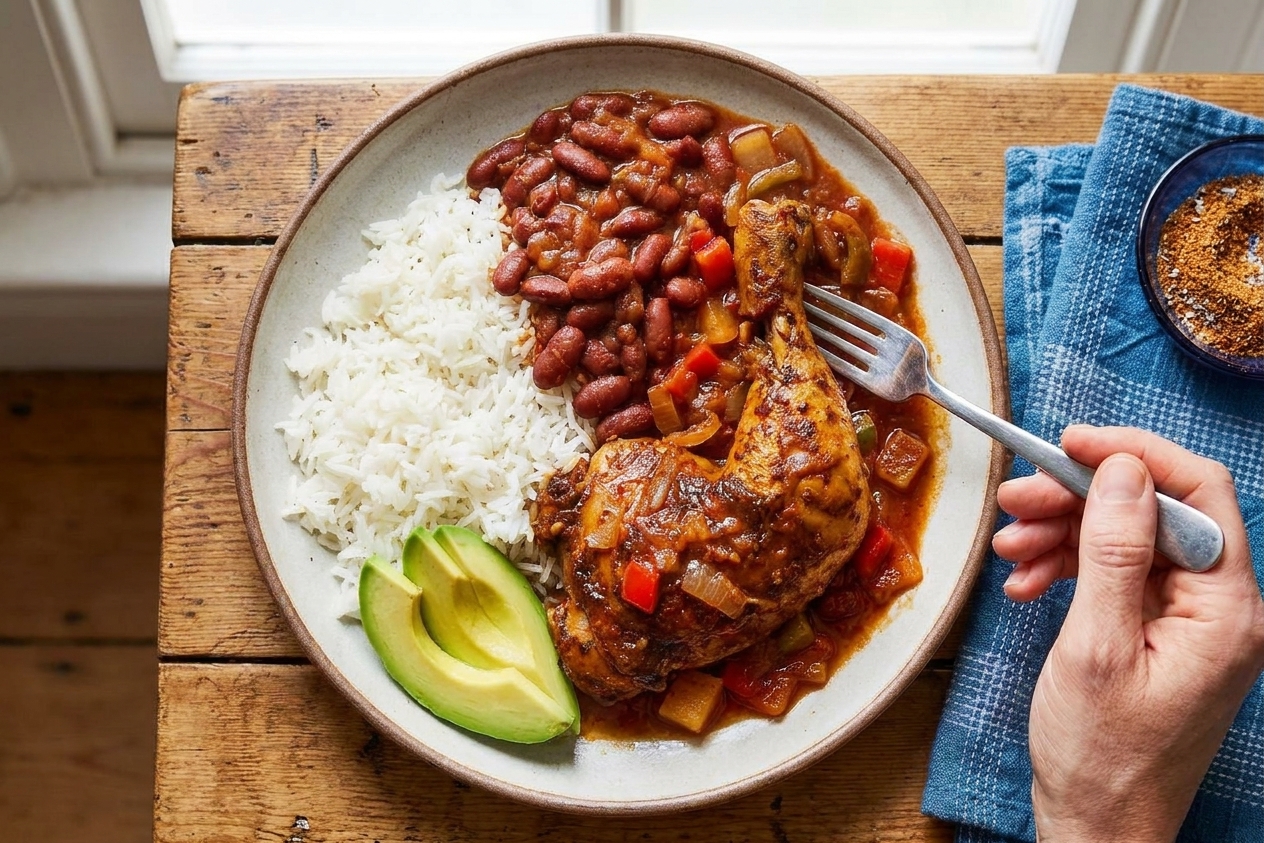
Canned black beans, diced onion, chopped green bell pepper, minced garlic, cumin, oregano, bay leaf, and vinegar arranged on a clean kitchen counter

Why It Works

  • Deep, savory flavor fast: sautéing the onion and bell pepper until soft builds that sweet, foundational Cuban-style base without needing hours.
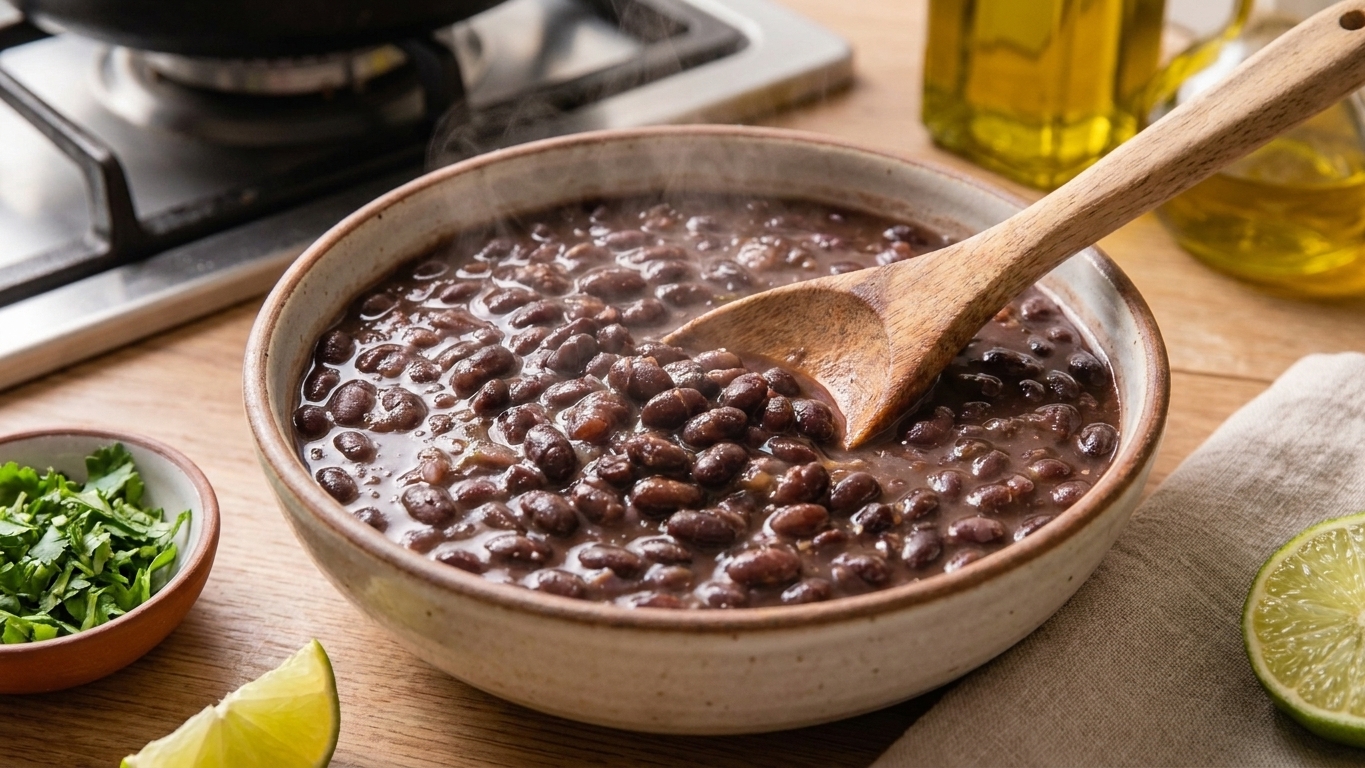
  • Saucy beans, not watery beans: a quick simmer plus a gentle mash thickens the pot naturally, no flour or cornstarch needed.
  • Bright finish: a small hit of vinegar at the end lifts the whole thing so it tastes vibrant, not flat.
  • Flexible and meal prep friendly: serve with rice, tuck into tacos, spoon over baked potatoes, or eat straight with a spoon. No judgment.

Pairs Well With

Storage Tips

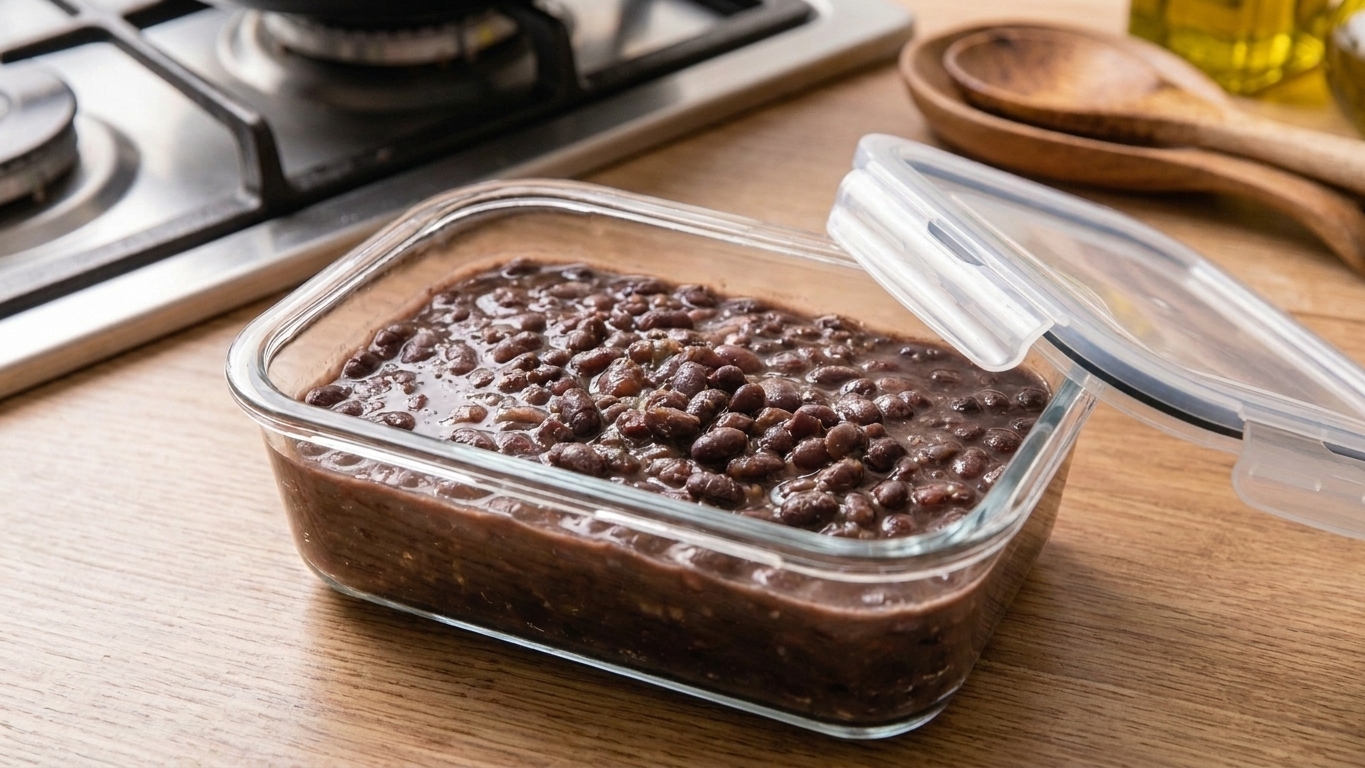
Refrigerate: Cool completely, then store in an airtight container for up to 5 days. The beans will thicken as they sit, which is honestly a perk.

Freeze: Freeze in meal-size portions for up to 3 months. Leave a little headspace because beans expand.

Reheat: Warm on the stovetop over medium-low with a splash of water or broth to loosen. Taste at the end and add a tiny pinch of salt and another splash of vinegar if needed.

A glass meal prep container filled with leftover Cuban black beans, lid beside it on a kitchen counter

Common Questions

Are Cuban black beans supposed to be sweet?

A little, yes. The sweetness usually comes from slowly cooked onions and peppers, not heaps of sugar. If your beans taste flat, cook the onion and pepper a bit longer next time, then finish with a splash of vinegar. That sweet-savory-tangy combo is the whole point.

Do I need to soak beans if I use dried?

If you want to use dried beans, soaking helps them cook more evenly. You can do an overnight soak or a quick soak. For this recipe, canned keeps it weeknight-friendly, but dried absolutely works if you simmer until tender.

What kind of vinegar should I use?

White vinegar is a classic option for that clean, sharp tang. Apple cider vinegar is great too and a little rounder. Use what you have, just start small and taste.

How do I make them thicker?

Mash some of the beans against the side of the pot, then simmer uncovered for a few minutes. That starch thickens everything naturally without changing the flavor.

Can I make these in a slow cooker?

Yes, but I recommend still sautéing the onion, pepper, and garlic first for better flavor. Then add everything except the vinegar, cook on low, and stir in vinegar at the end.

I started making Cuban black beans when I realized I wanted “restaurant comfort” at home without turning my kitchen into a sink-full-of-regret situation. The first time I nailed the vinegar finish, I literally paused mid-bite like, okay wow. It is the smallest step, but it flips the whole pot from good to can’t-stop-eating. Now I make these when I need a reliable win, or when I want my rice bowl to feel like it has a plan.