Mom's Best Recipes
Recipe

Dal Makhni

A rich, creamy Punjabi-style lentil curry with black lentils, kidney beans, butter, and a slow simmer that builds bold, cozy flavor.

Author By Matt Campbell
4.8
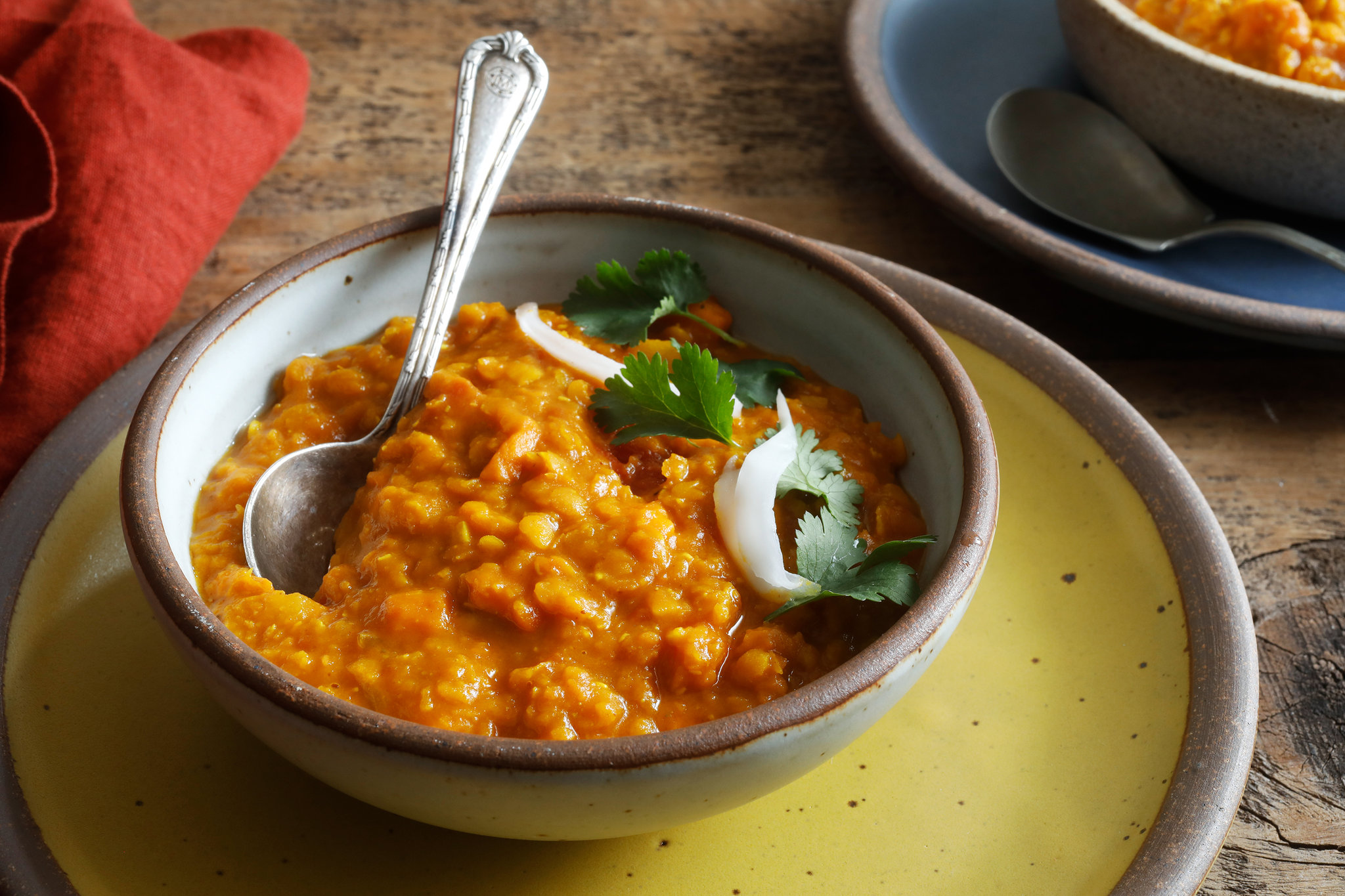
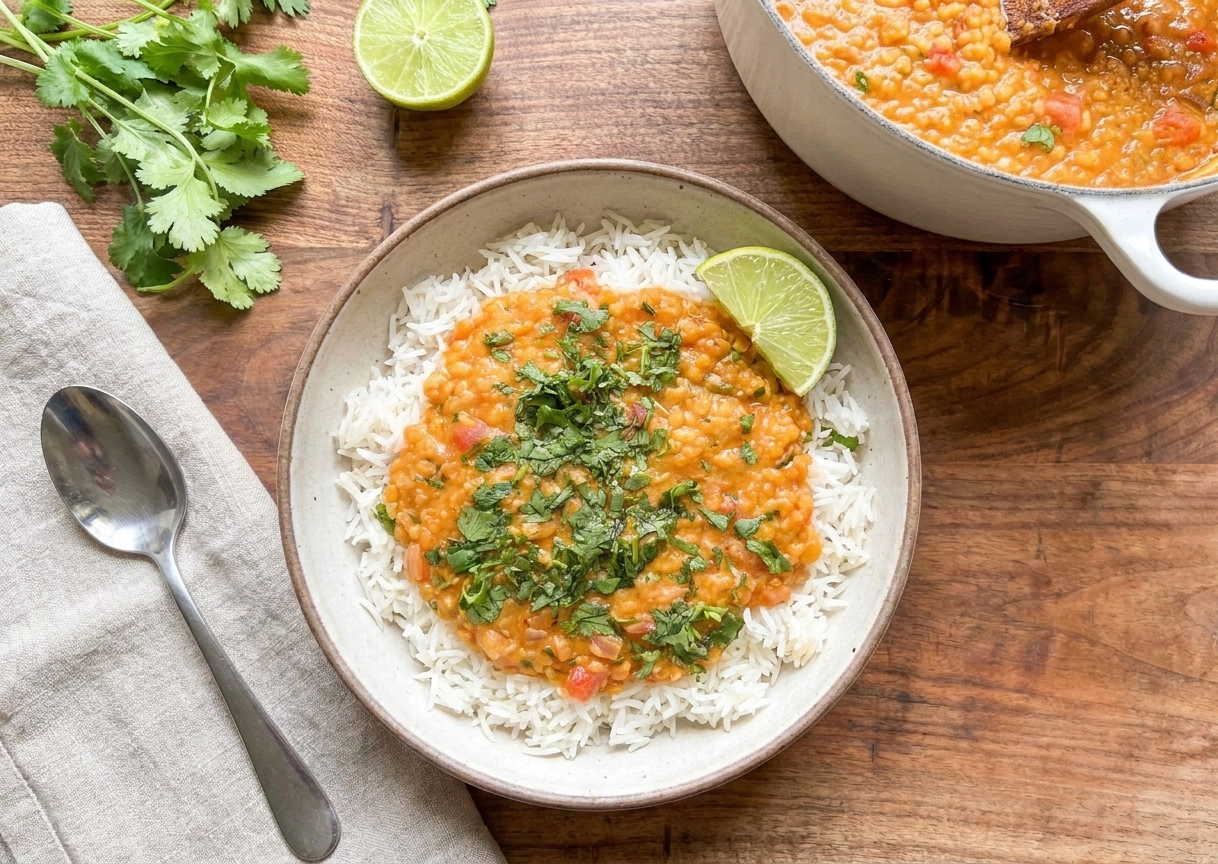
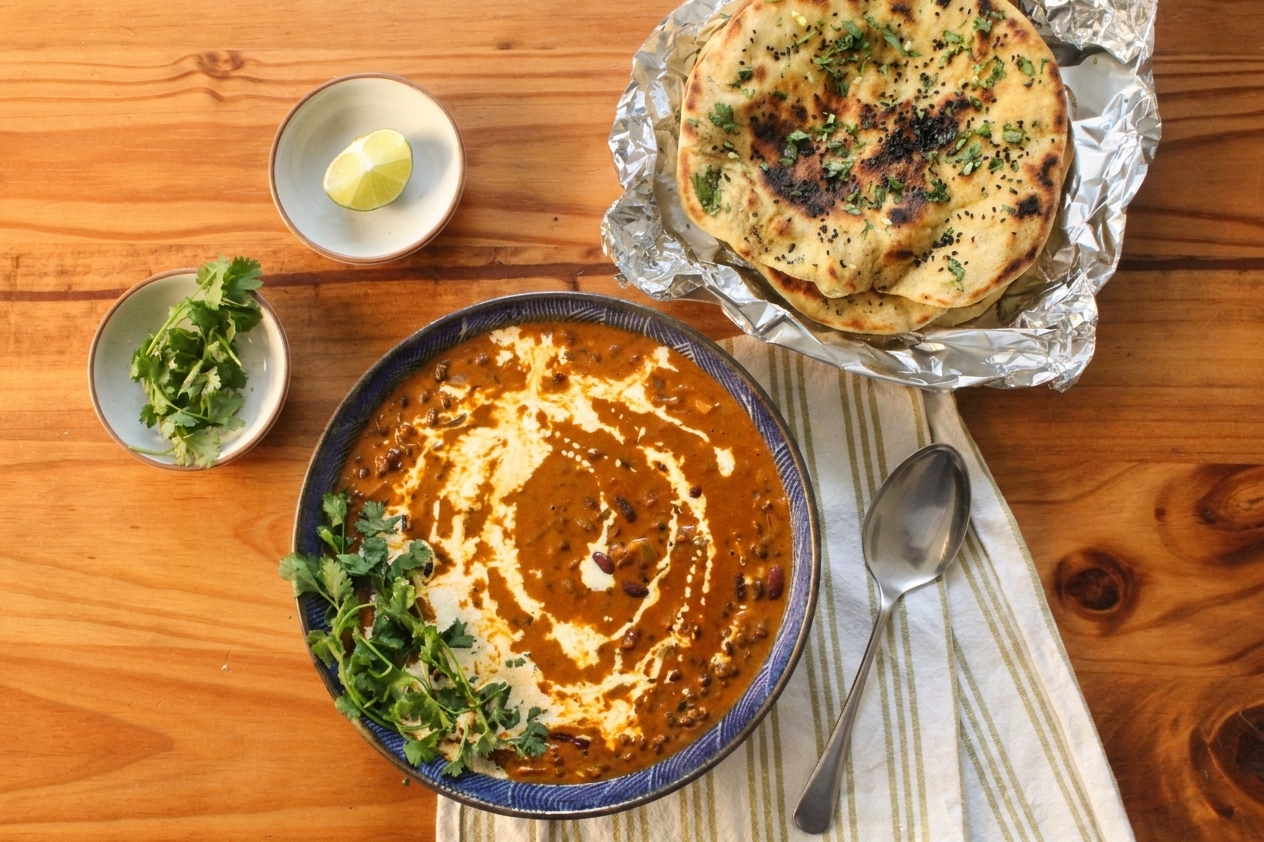
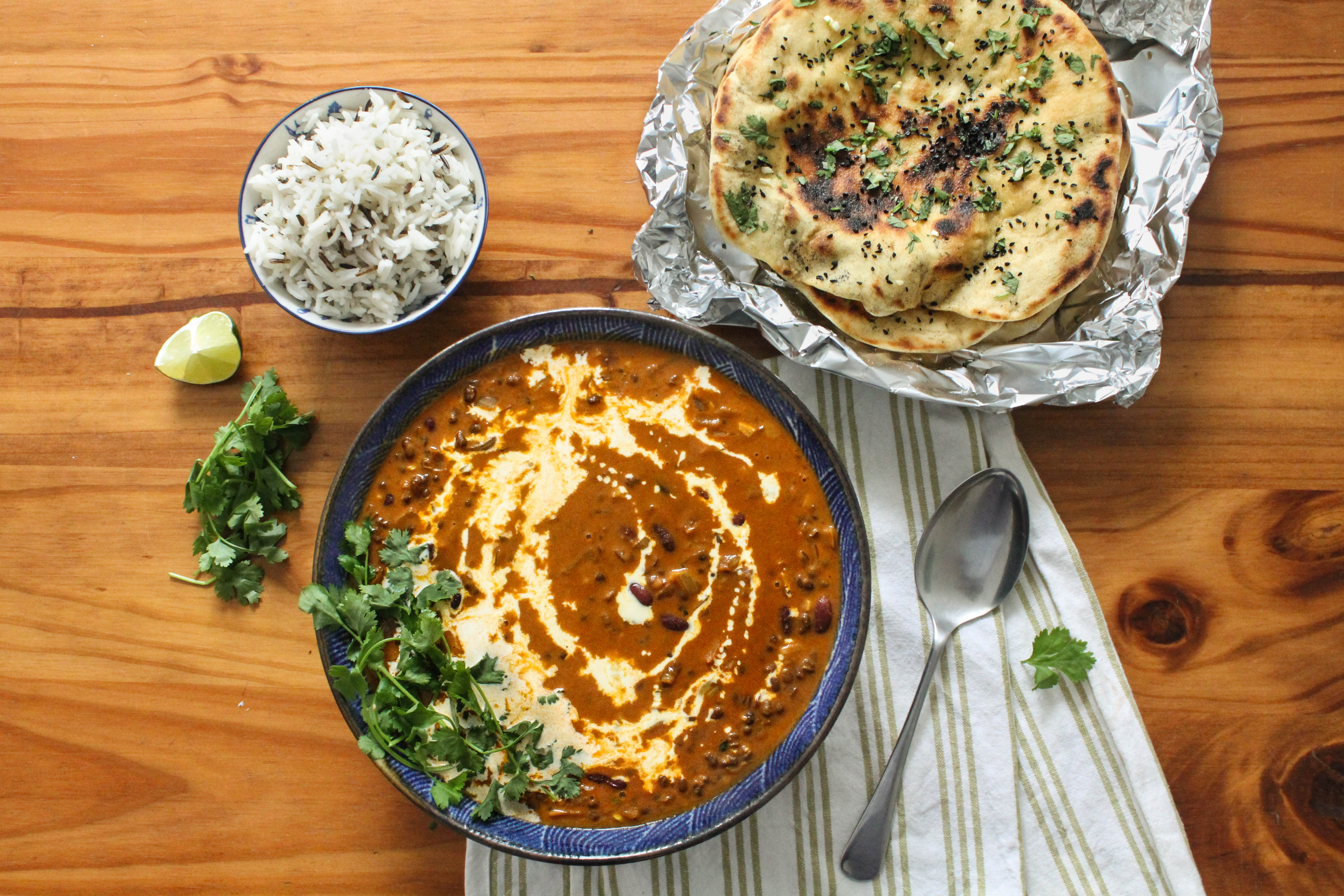
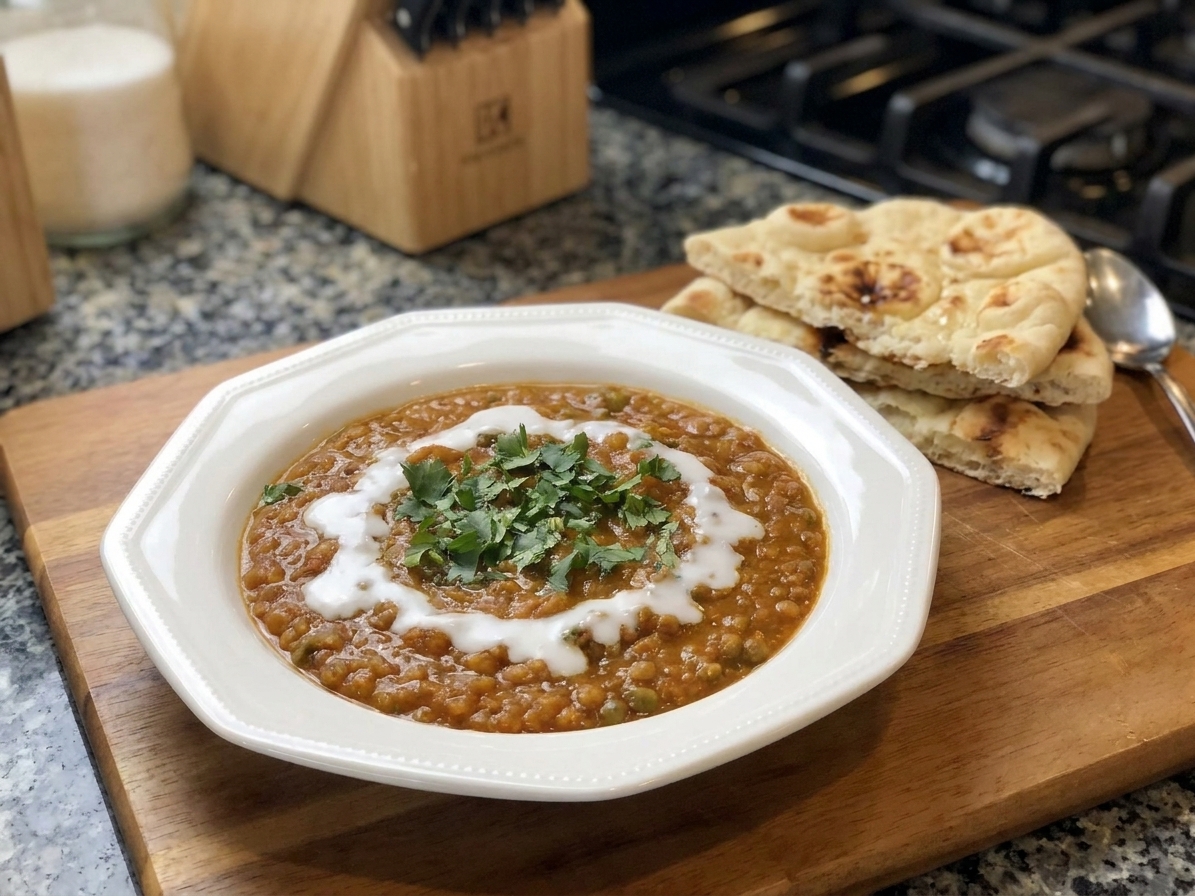
A warm bowl of dal makhni garnished with a swirl of cream, a pat of butter, and chopped cilantro, served with naan on a wooden table in soft natural light

Dal makhni (also spelled dal makhani) is one of those dishes that feels like it should be complicated because it tastes like it took all day. Good news. It does take a while, but it is not fussy. You soak, you simmer, you stir sometimes, and your kitchen starts smelling like you absolutely know what you are doing.

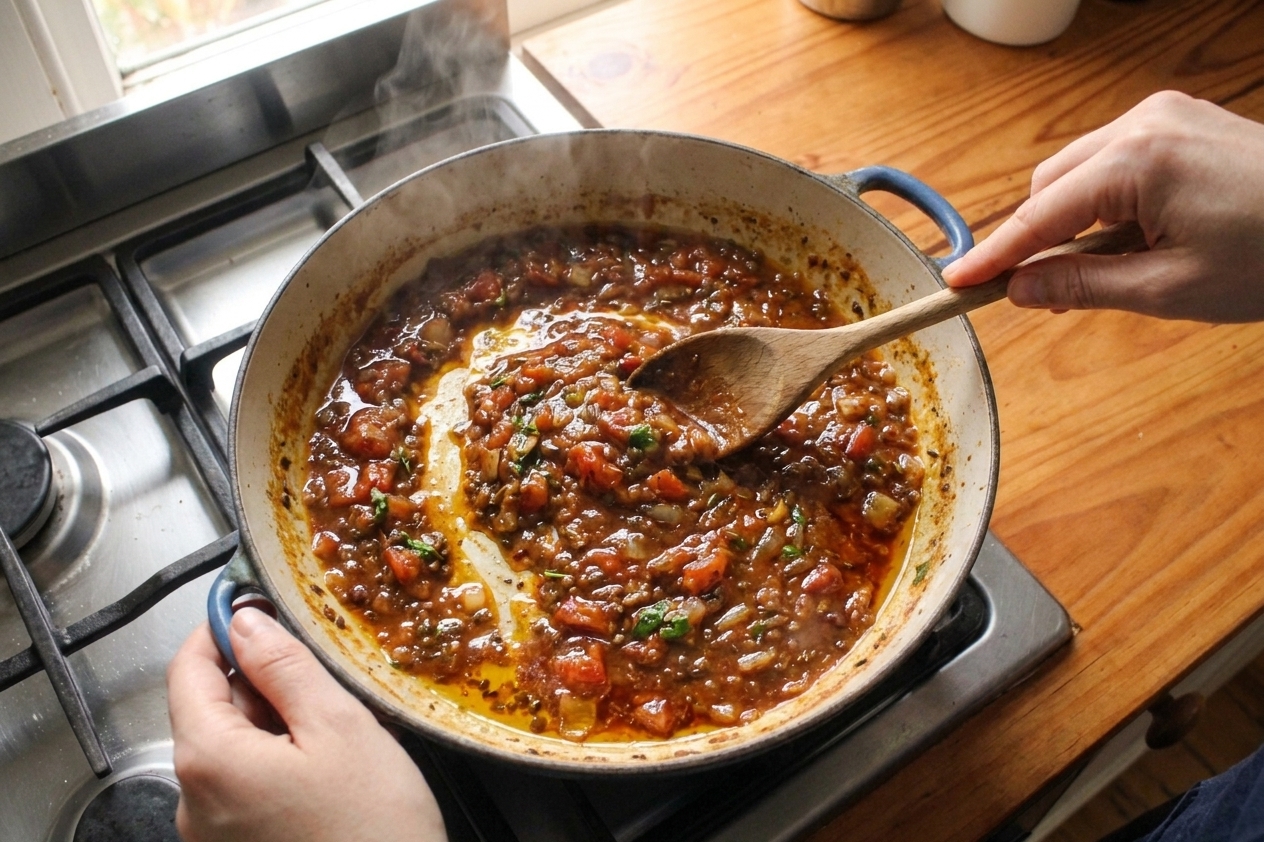
This version keeps ingredients accessible and the method calm. We build flavor with a quick spice bloom, slow cook the lentils until they turn creamy on their own, then finish with butter, a little cream, and a tiny hit of dried fenugreek leaves for that unmistakable restaurant vibe.
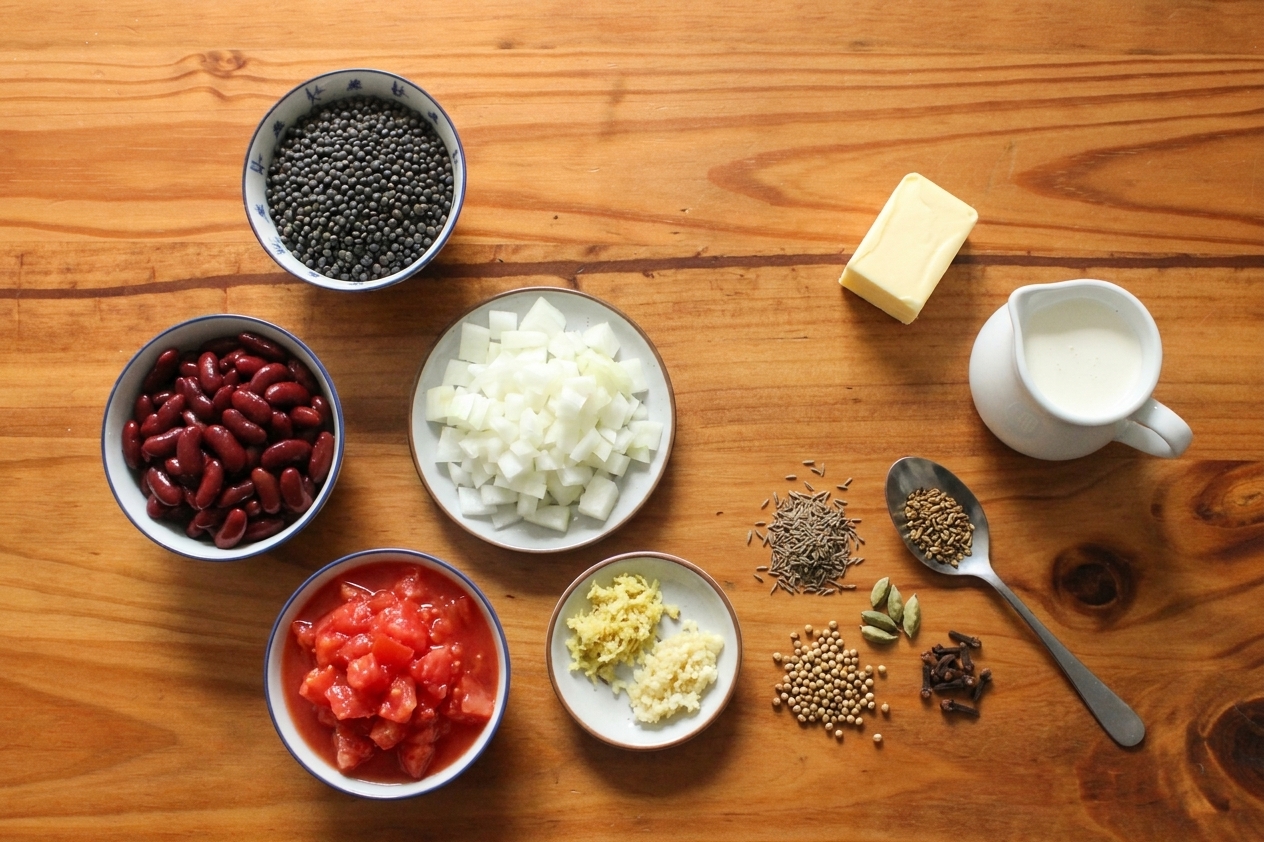
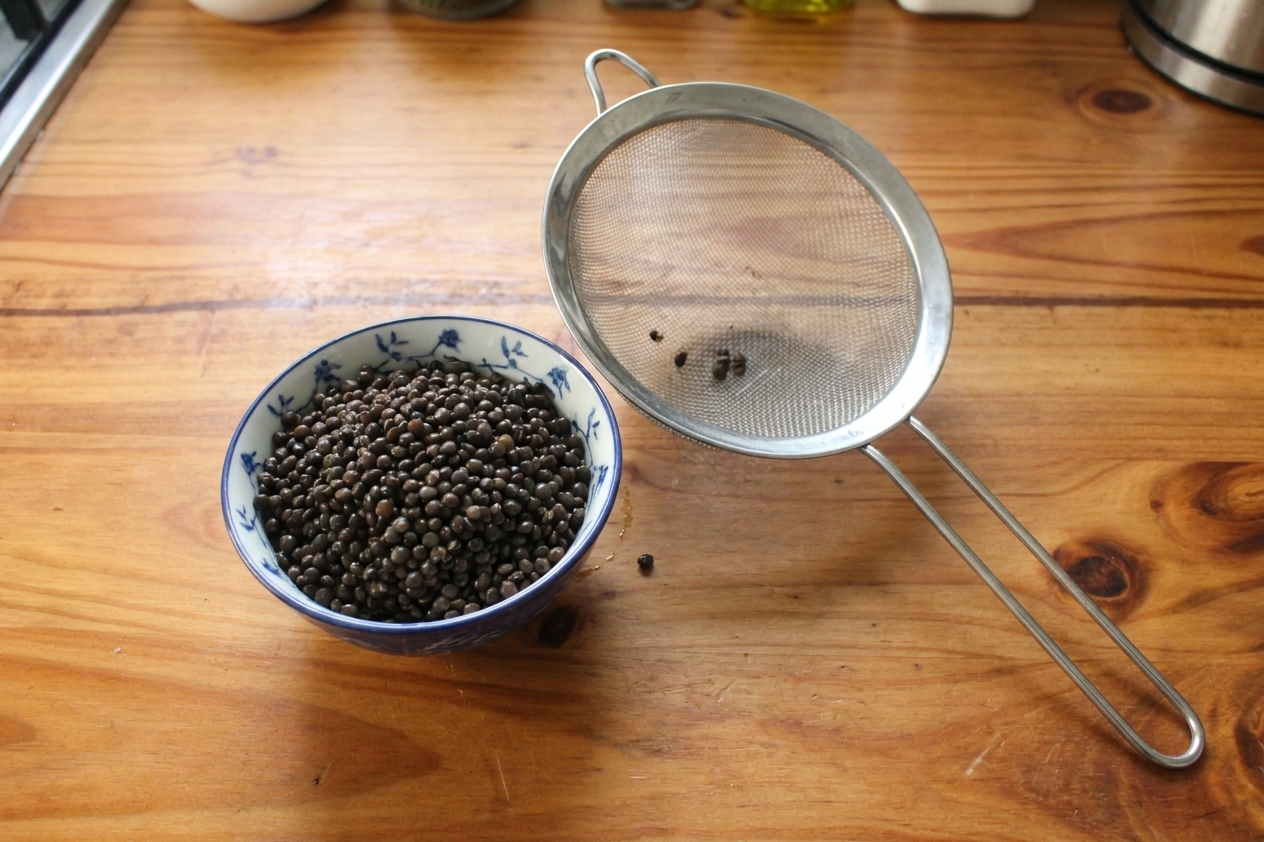
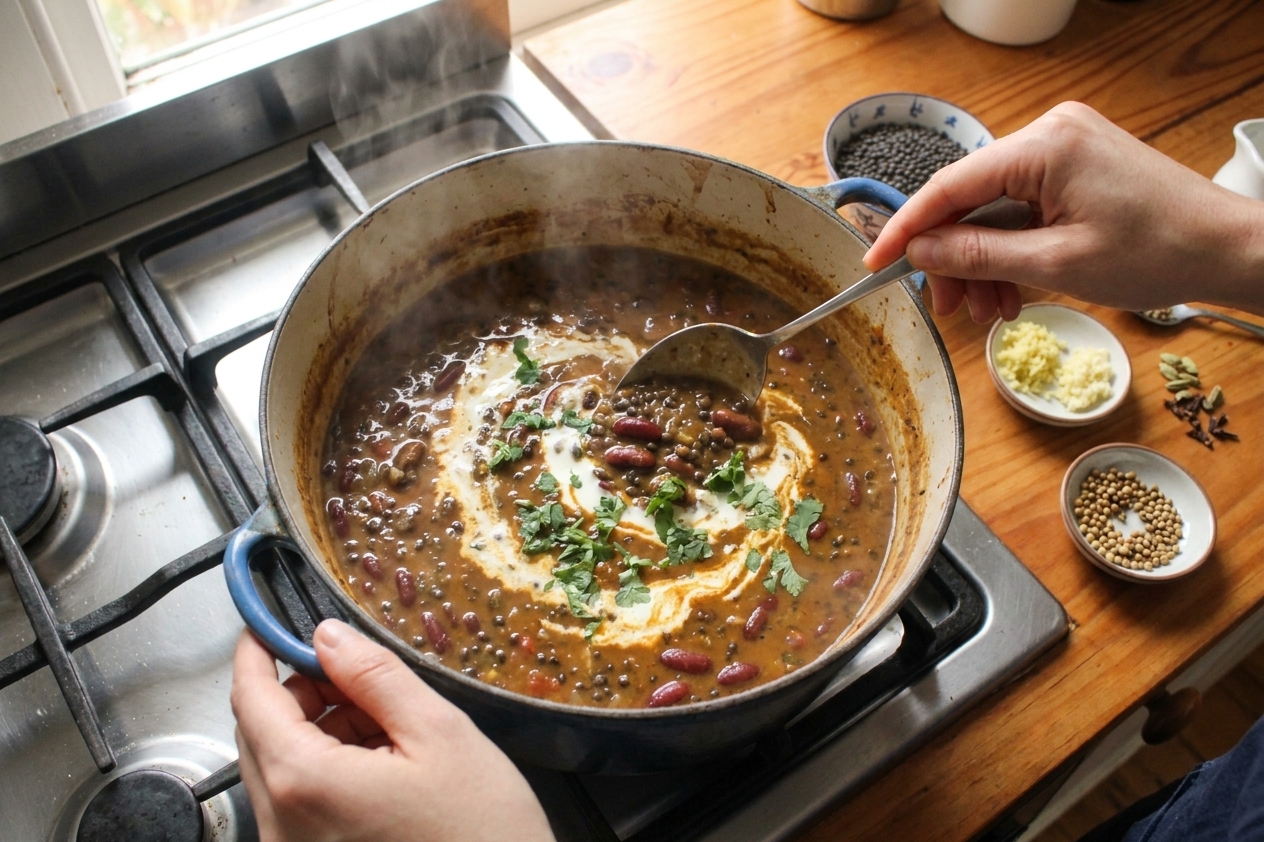
Black lentils, canned kidney beans, onion, tomatoes, ginger, garlic, butter, cream, and spices arranged on a clean kitchen counter under warm light

Why It Works

  • Natural creaminess: Whole urad dal breaks down slowly, thickening the pot without needing flour or shortcuts.
  • Big flavor from simple steps: A quick sauté of aromatics plus a gentle simmer gives you depth without drama.
  • That signature finish: Butter plus cream makes it plush, and kasuri methi (dried fenugreek leaves) adds the “what is that amazing flavor” moment.
  • Make ahead friendly: Dal makhni tastes even better the next day, which is basically the best kind of recipe.

Pairs Well With

Storage Tips

How to Store Dal Makhni

  • Refrigerator: Cool completely, then store in an airtight container for up to 4 days. It will thicken as it sits.
  • Freezer: Freeze up to 3 months. For best texture, freeze before adding the cream, then stir cream in after reheating.
  • Reheating: Warm gently on the stove with a splash of water to loosen. Stir often and keep the heat low so the dairy does not separate.

Little rescue trick: If it tastes flat after reheating, add a pinch of salt and a tiny squeeze of lemon (optional) or a spoonful of yogurt at the end. Brightness wakes everything up.

Common Questions

Common Questions

What is dal makhni made of?

Classic dal makhni is made with whole black lentils (urad dal) and usually a small amount of kidney beans (rajma), simmered with aromatics, tomato, spices, and finished with butter and cream.

Do I have to soak the lentils?

For the best texture, yes. Soaking helps the lentils cook evenly and turn creamy. If you forgot, you can still cook them, but plan on a longer simmer and more stirring.

Can I make dal makhni without cream?

Absolutely. Skip the cream and finish with extra butter, or use full-fat yogurt stirred in off heat. Coconut milk also works, but the flavor will shift in a slightly sweeter direction.

What can I use instead of kasuri methi?

Kasuri methi is unique, so there is no true substitute. If you do not have it, you can skip it. If you want a little herbal lift, try a tiny pinch of celery leaves or fennel fronds, but keep it very subtle and do not expect the same fenugreek flavor.

Why is my dal makhni not creamy?

Usually it needs one of three things: more time, more stirring, or slightly more water. Keep it at a gentle simmer, stir and lightly mash some lentils against the pot, and let it reduce until thick.

I love dal makhni because it is the definition of low chaos, high reward. The first time I made it, I kept lifting the lid like it was going to magically be done in 20 minutes. It was not. But somewhere around the one-hour mark, the lentils started melting into this glossy, brick-red, buttery situation and I stopped hovering. Now it is one of my favorite “let the stove do the work” meals, especially when I want something cozy that still hits with real flavor.