Mom's Best Recipes
Recipe

Depression-Era Style Peanut Butter Bread

A simple, budget-friendly Depression-era style quick bread: no yeast, no eggs, just peanut butter, flour, milk, and a hot oven.

Author By Matt Campbell
4.7
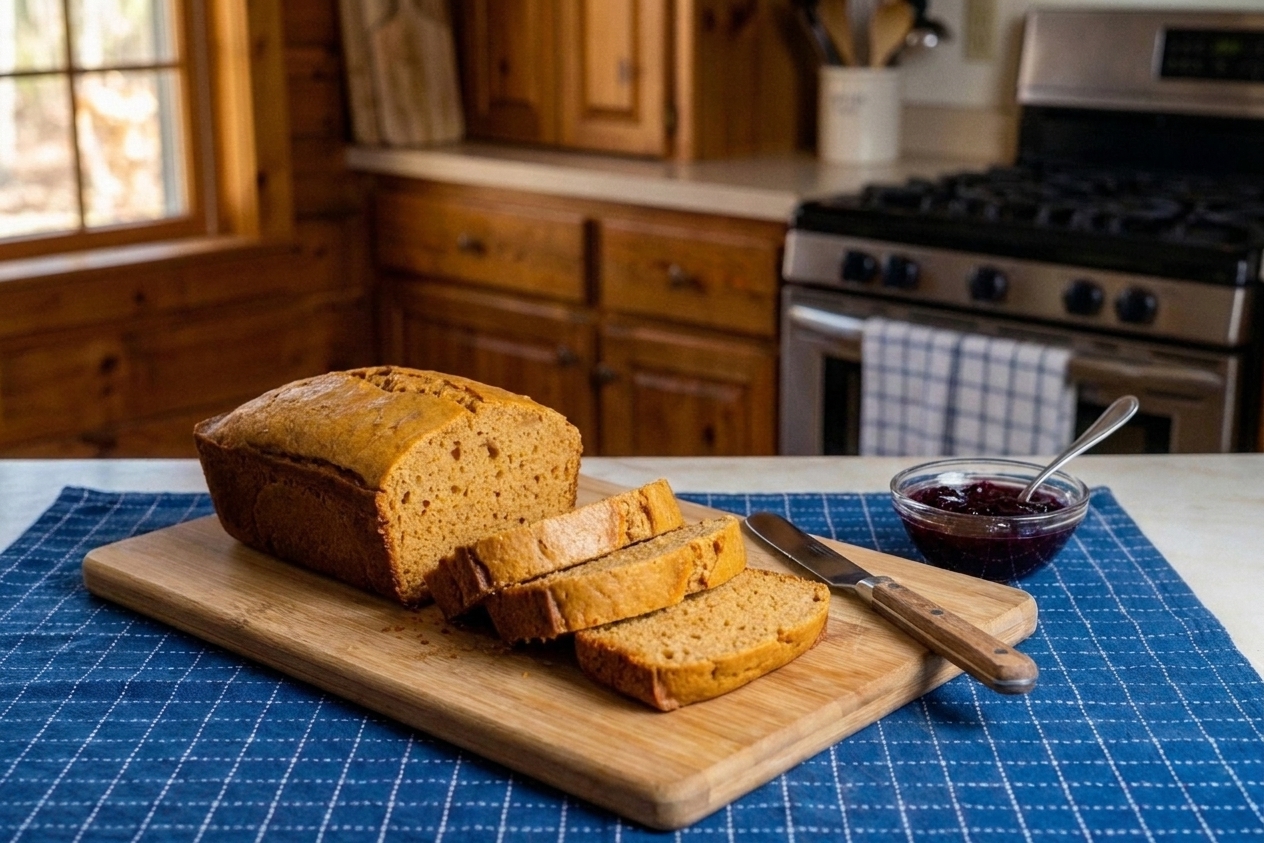
A golden loaf of peanut butter quick bread cooling on a wire rack on a warm kitchen counter, with a pat of butter melting on a sliced piece beside it

When money’s tight, groceries get real honest, real fast. During the Great Depression, families leaned on pantry staples and clever shortcuts to keep something warm on the table, when ingredients were available. This peanut butter bread is that energy in loaf form: simple, sturdy, and surprisingly satisfying.

It’s a quick bread, meaning no yeast and no long rise. It’s also typically made without eggs, which can make it a helpful option when you’re cooking from what you’ve got. Just a quick note: this is a Depression-era style recipe, not a museum piece. Some 1930s-era versions use a lot less sugar and peanut butter, and this one is a richer, more modern pantry loaf inspired by that same make-do mindset.

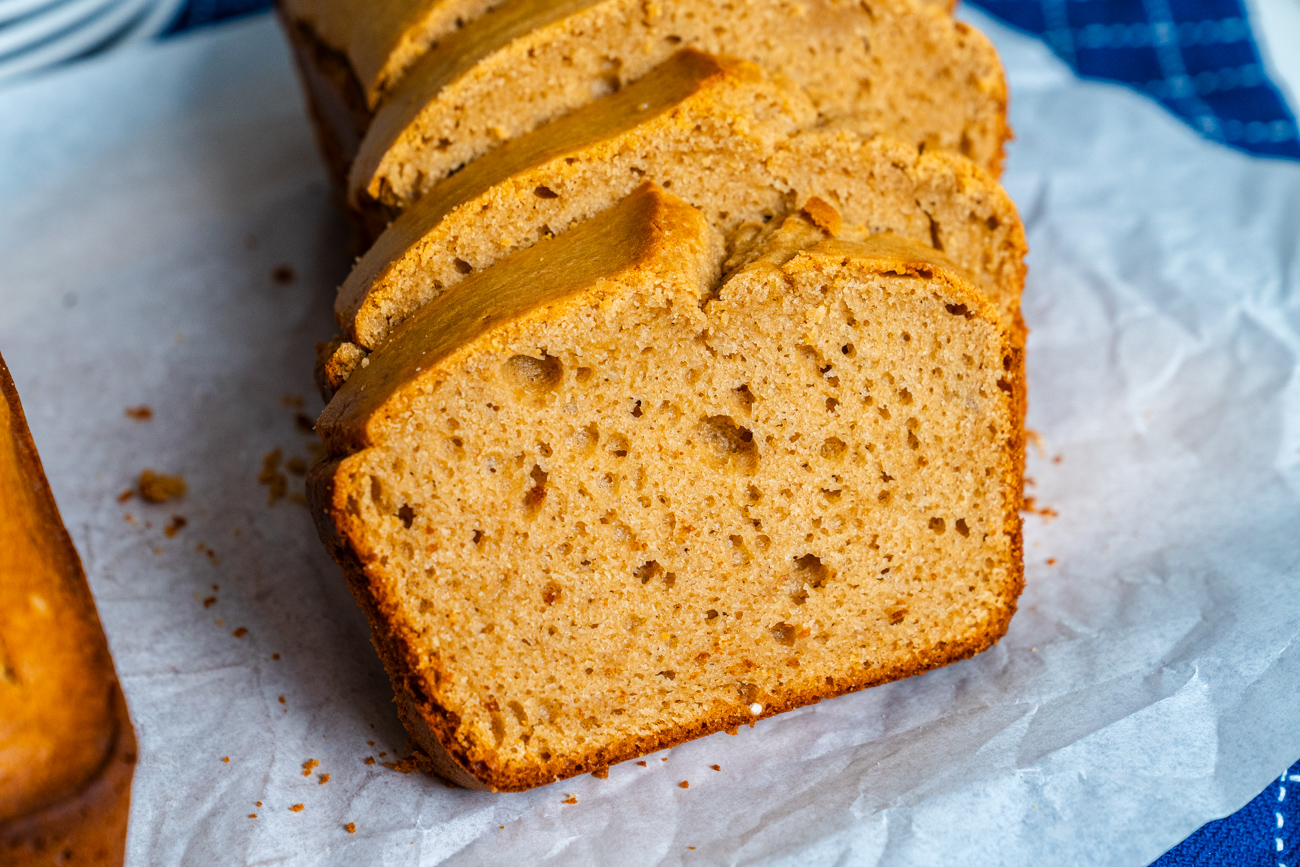
The result is a tender, sweet breakfast-style bread with a toasty crust and a peanutty aroma that makes the whole kitchen feel like you’ve got your life together, even if you definitely don’t.
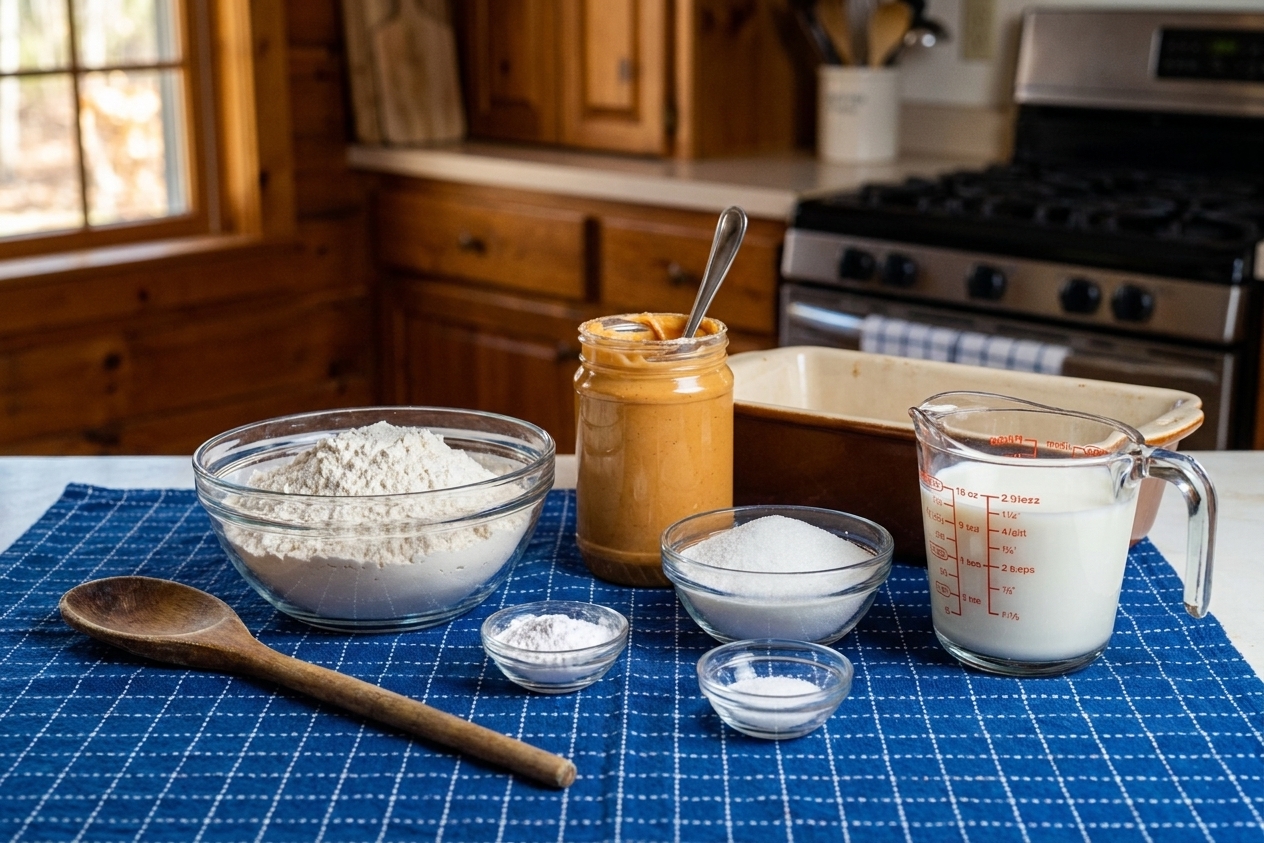
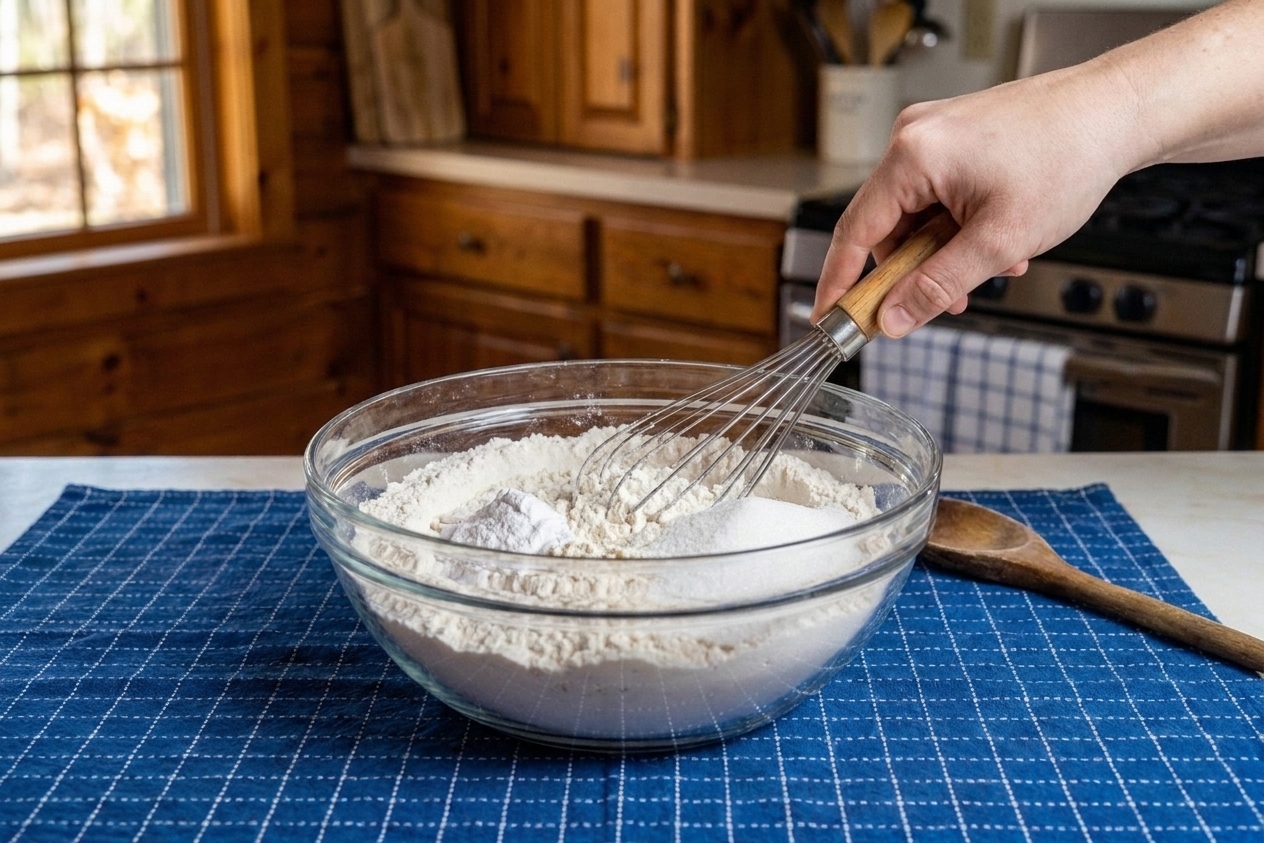
Measured pantry ingredients for peanut butter bread on a kitchen counter including flour, peanut butter, sugar, baking powder, salt, and a measuring cup of milk

Why It Works

  • Pantry-forward flavor: Peanut butter does a lot of the heavy lifting, adding richness and that cozy roasted taste.
  • No yeast, no eggs: This loaf rises with baking powder, so it’s fast and low drama.
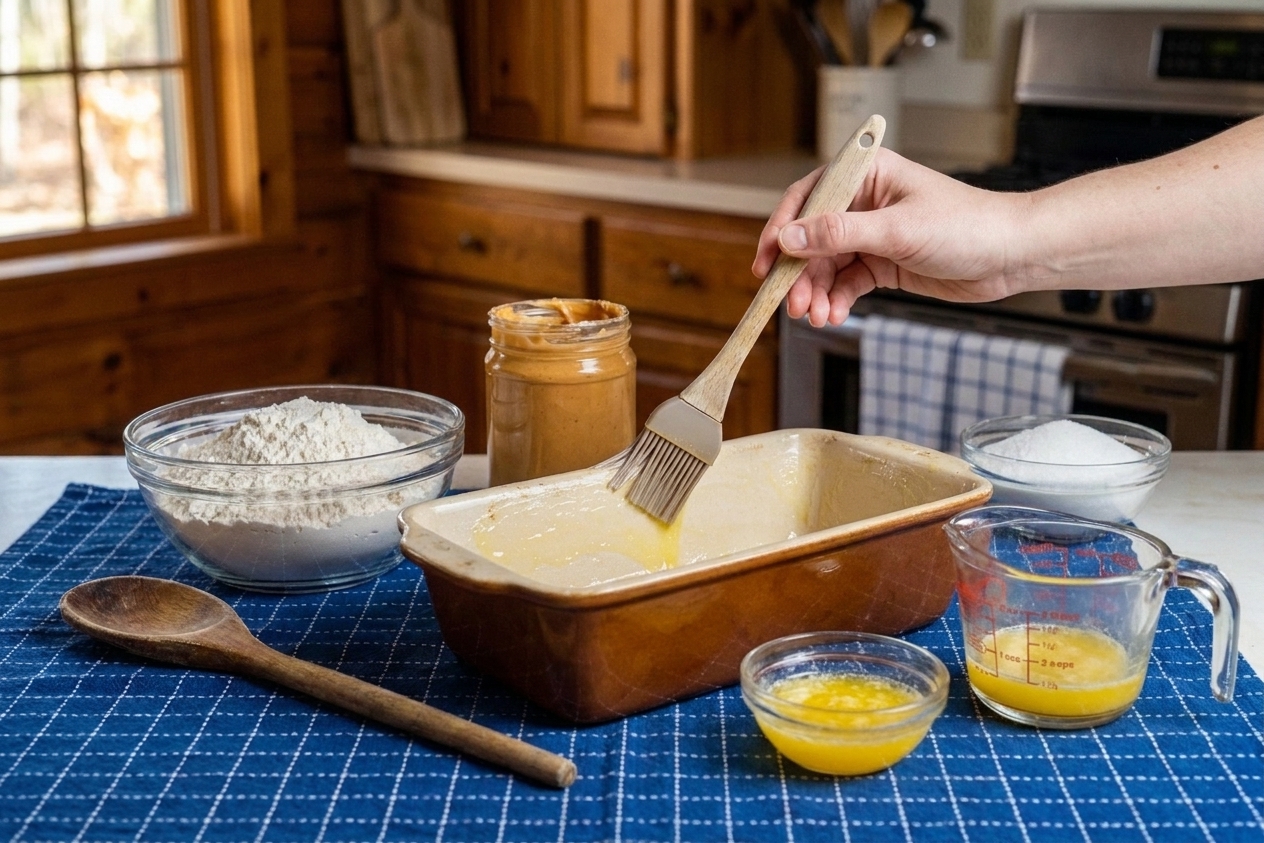
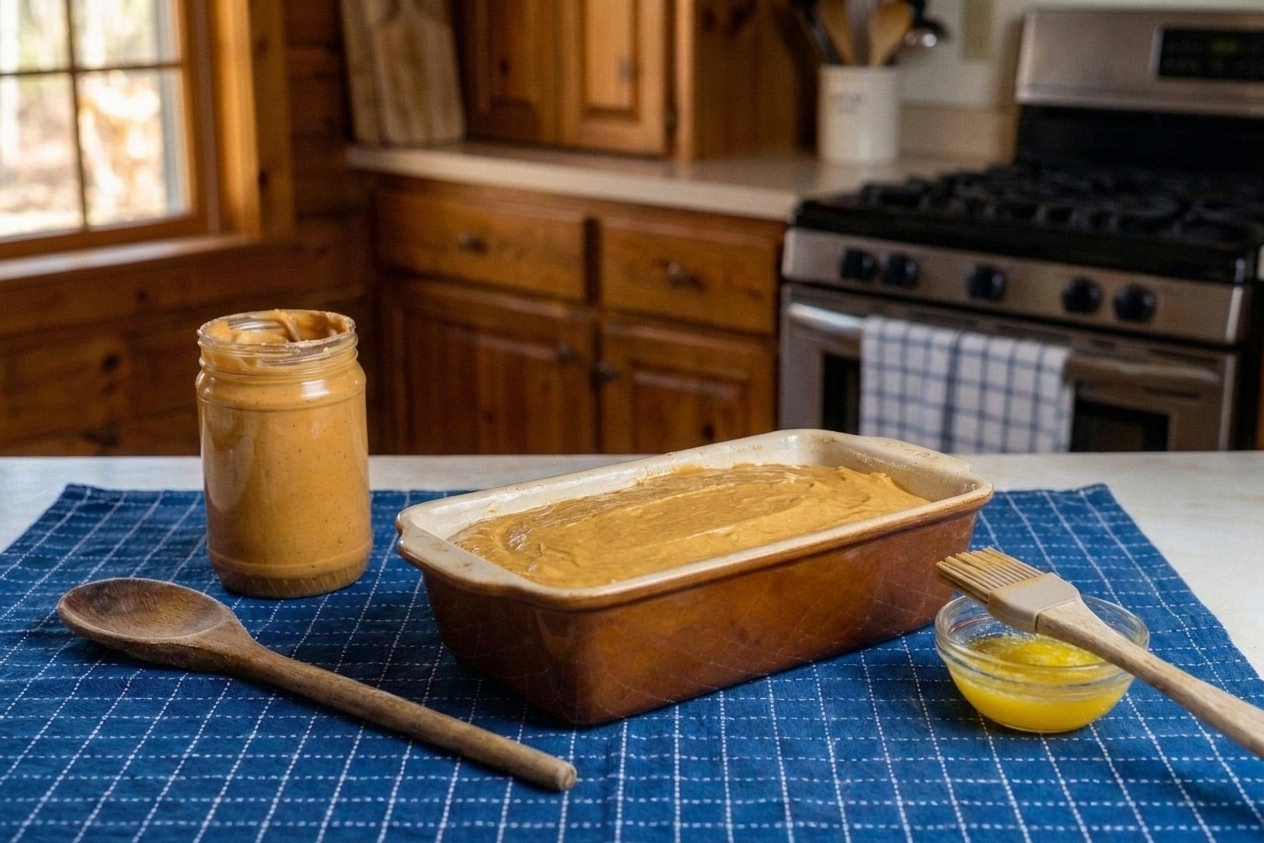
  • Great texture: Tender in the middle with crisp, golden edges, especially if you grease the pan well.
  • Flexible: Keep it plain, swirl in jam, or toss in a handful of chopped peanuts if you want more crunch.

Pairs Well With

Storage Tips

Room temperature: Let the loaf cool completely, then wrap tightly. Store at room temp for up to 3 days.

Refrigerator: If your kitchen runs warm, refrigerate wrapped slices for up to 5 days. Toasting brings the texture back to life.

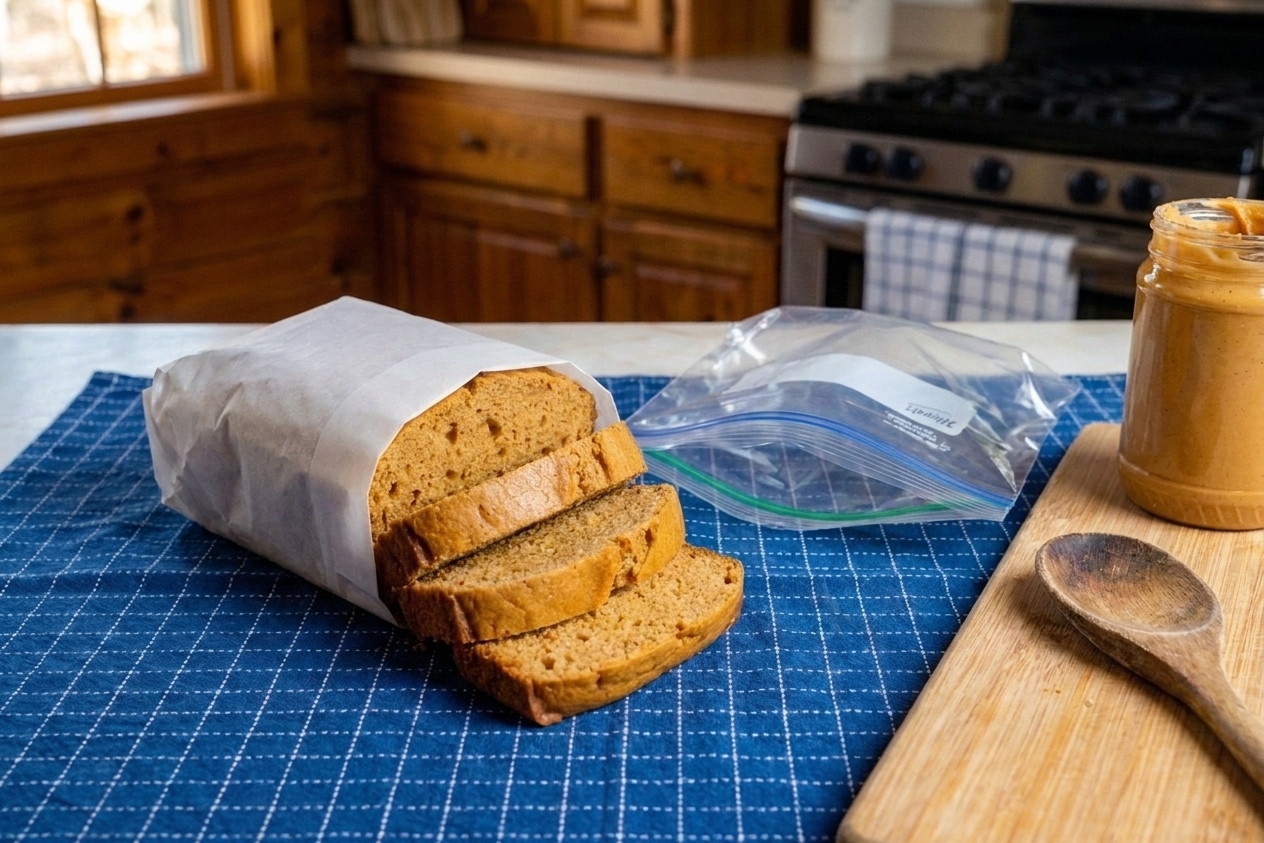
Freezer: Slice the loaf, wrap slices individually, and freeze in a zip-top bag for up to 2 months. Toast from frozen or thaw at room temp.

Slices of peanut butter bread stacked and wrapped in parchment paper next to a zip-top freezer bag on a kitchen counter

Common Questions

Is Great Depression peanut butter bread actually from the Great Depression?

This is best thought of as a Depression-era style loaf. Recipes like this have circulated for years as “Depression bread” because they rely on pantry staples and often skip eggs and yeast. Some 1930s-era versions floating around use much less sugar and peanut butter, so consider this one a richer, slightly modernized take with the same make-do spirit.

Is this bread sweet?

Yes, it’s on the sweet breakfast bread side, closer to a simple snacking cake than sandwich bread. If you want it less sweet, start by cutting the sugar down to 3/4 cup. If you prefer it sweeter, toast and top it with jam or honey and call it a very good day.

Can I use natural peanut butter?

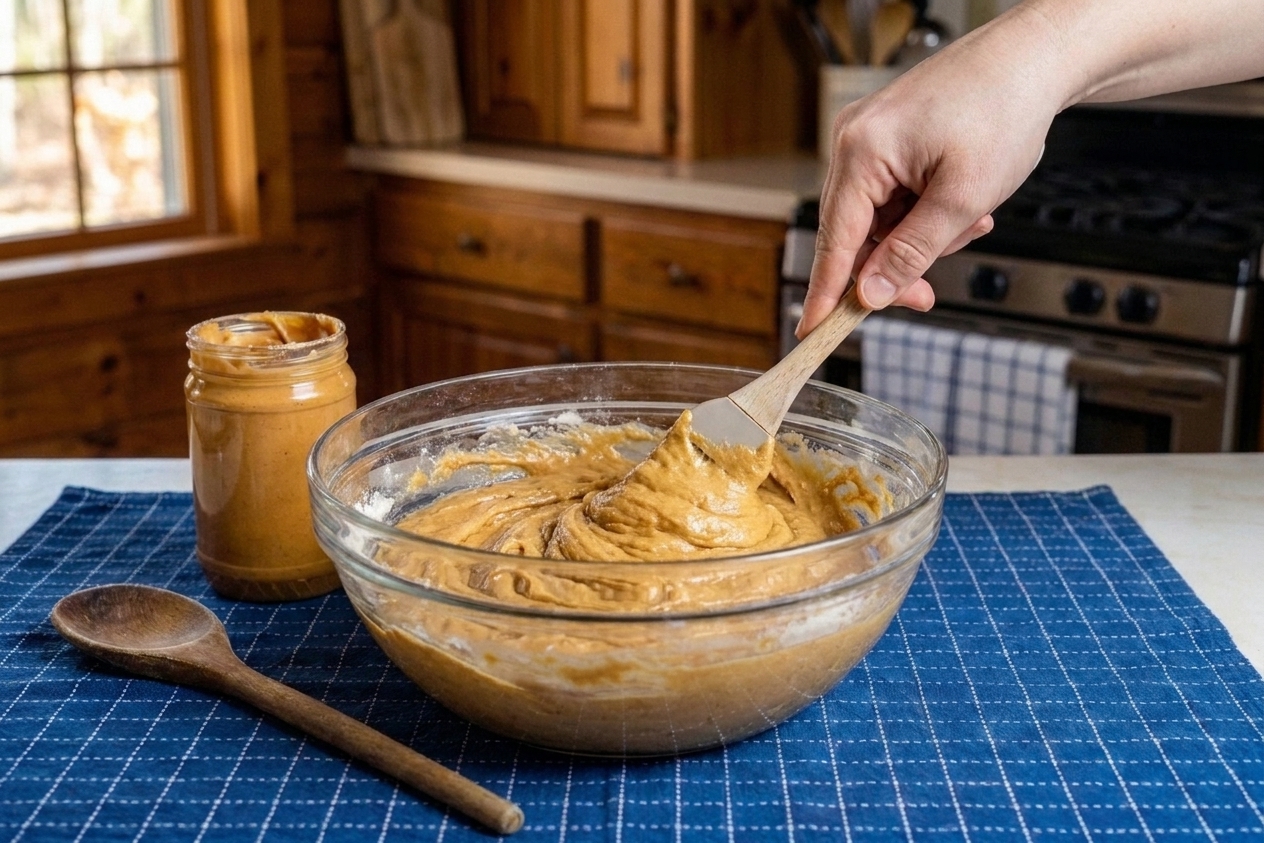
You can, but it’s a little less predictable. Stir it really well first. If it’s very stiff, warm it for a few seconds so it blends without overmixing. If the batter looks too thick, add an extra splash of milk, 1 tablespoon at a time, until it’s thick but spreadable.

Can I make it dairy-free?

Yep. Use an unsweetened plant milk like oat or soy. The loaf still bakes up nicely.

Why is my loaf crumbly?

Overbaking and too much flour are the usual culprits. Spoon and level your flour, and start checking at 45 minutes. Also, let it cool before slicing so the crumb can set.

How do I know when it’s done?

A toothpick should come out clean or with a few moist crumbs. If you like extra certainty, aim for an internal temp around 200 to 205°F in the center.

My top is browning too fast. What do I do?

If the top is getting dark before the center is done, loosely tent the loaf with foil for the last 10 to 15 minutes of baking.

Any allergy notes?

This recipe contains peanuts and dairy (unless you use plant milk). If you need a nut-free option, this one isn’t a great candidate for swaps.

I love recipes like this because they feel like a little time capsule. I didn’t end up going the formal culinary degree route, but I’m obsessed with the practical side of cooking: how people fed themselves when the pantry was thin and the stakes were high. This loaf is humble, but it delivers. The first time I made it, I ate a warm slice standing at the counter with a swipe of jam and thought, okay, this is why simple food sticks around.