Mom's Best Recipes
Recipe

Crunchy Refrigerator Dilly Beans

No-canning pickled green beans in a bold garlic dill brine with easy spice options, plus the crisp tricks that keep them snappy.

Author By Matt Campbell
4.8
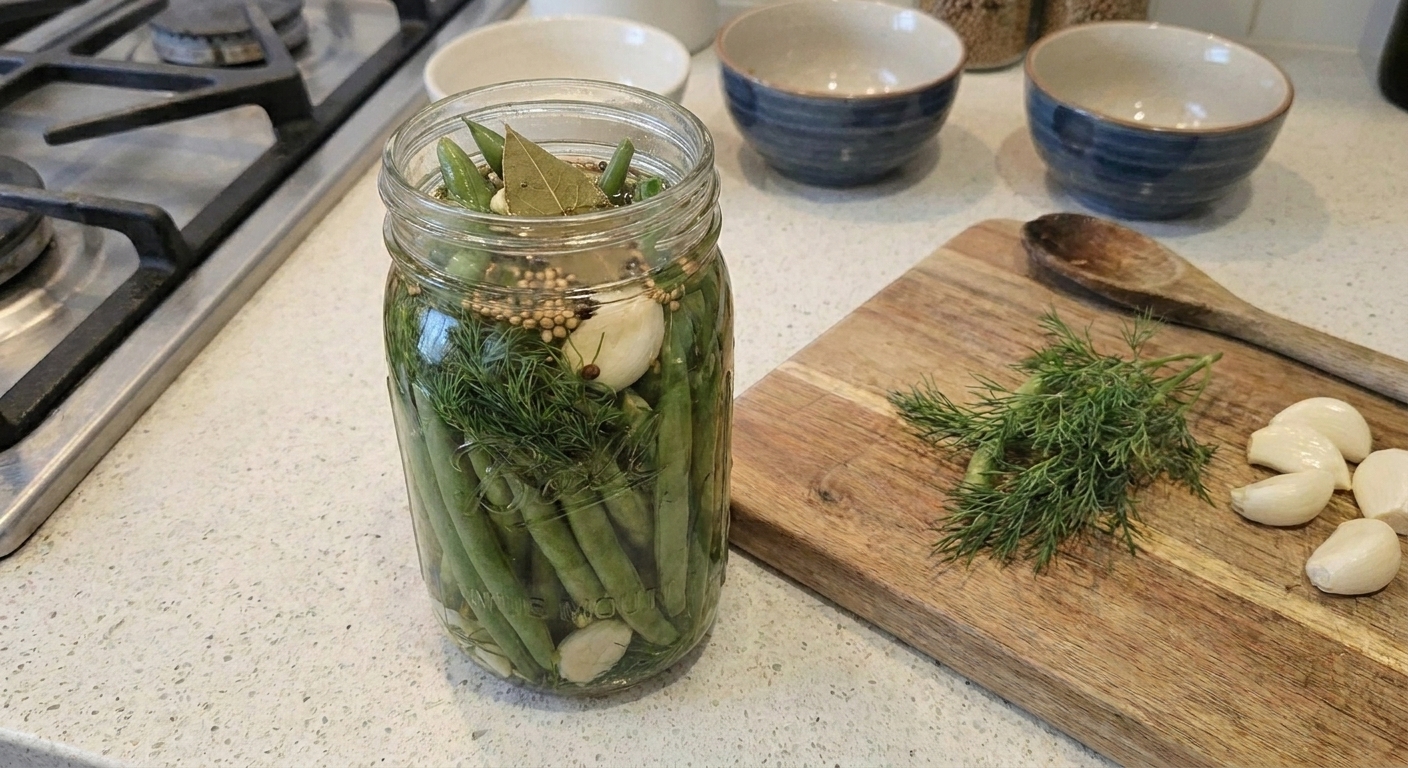
A glass jar of refrigerator pickled green beans in a garlic dill brine on a bright kitchen counter, with fresh dill and peeled garlic cloves nearby

Dilly beans are what happens when green beans decide to be the life of the party. They are briny, garlicky, dill-forward, and aggressively snackable in that open-the-fridge-and-suddenly-it-is-gone kind of way.

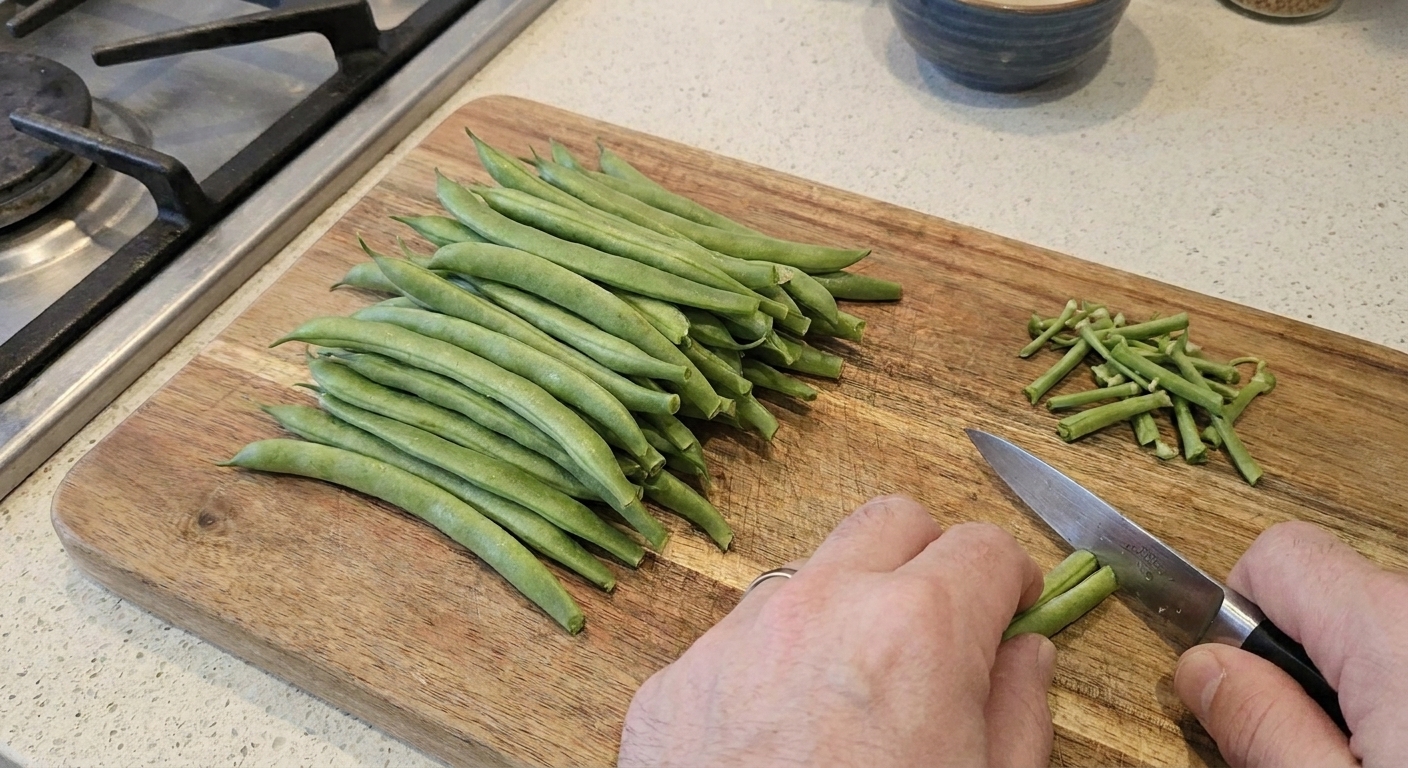
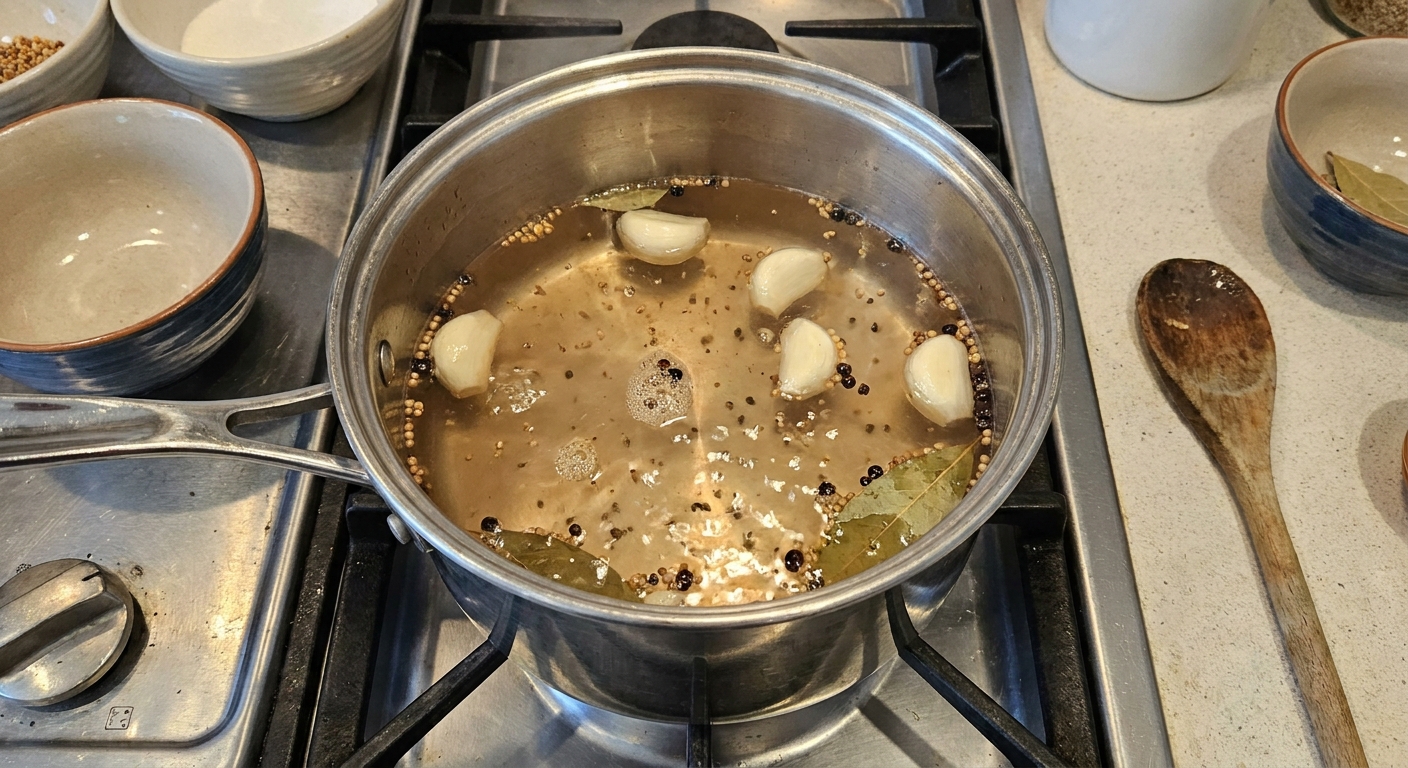
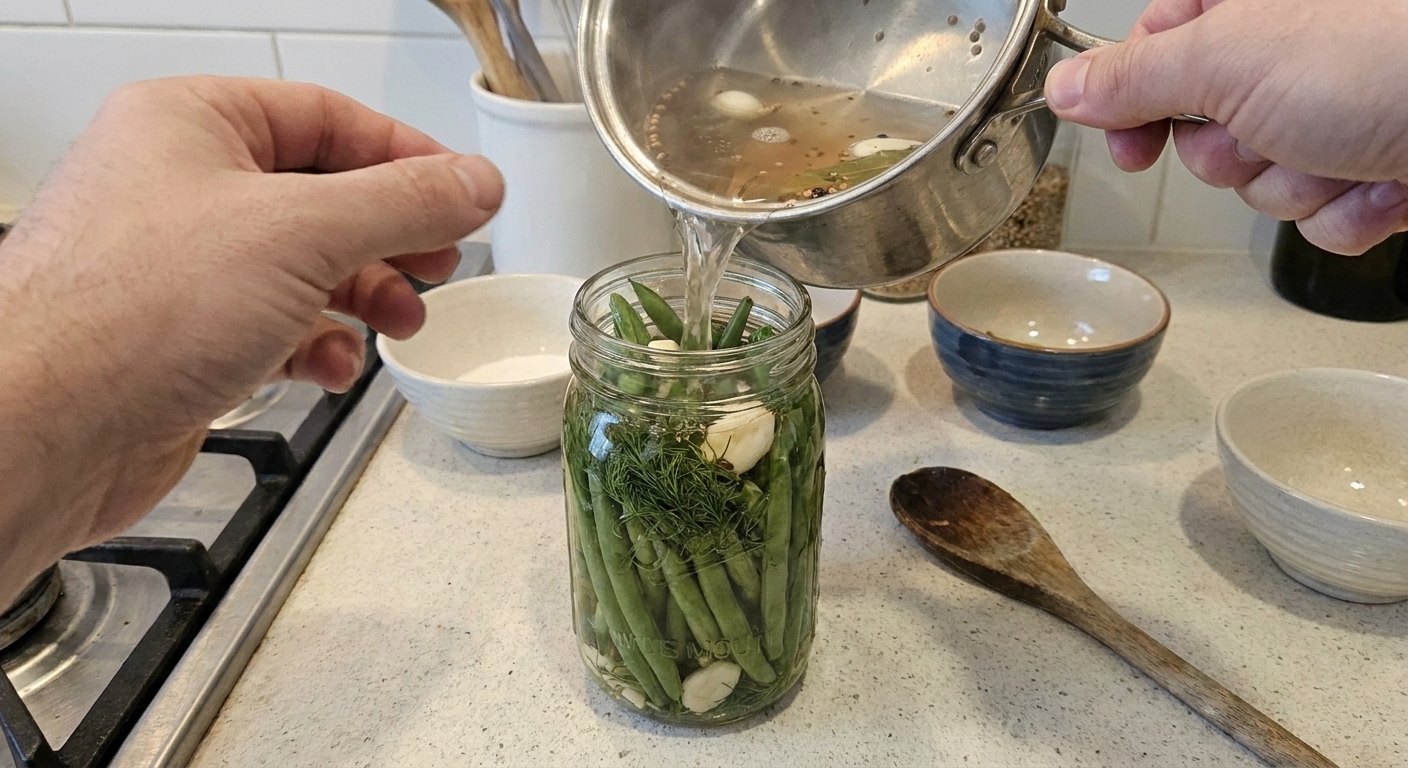
This is a refrigerator pickle situation, so there is no canning, no water bath, no stress. You make a quick brine, pour it over trimmed beans, and let the fridge do the rest. The big goal here is snap, not limp. I will show you exactly how to keep that crisp bite and how long to wait before you start stealing beans out of the jar.

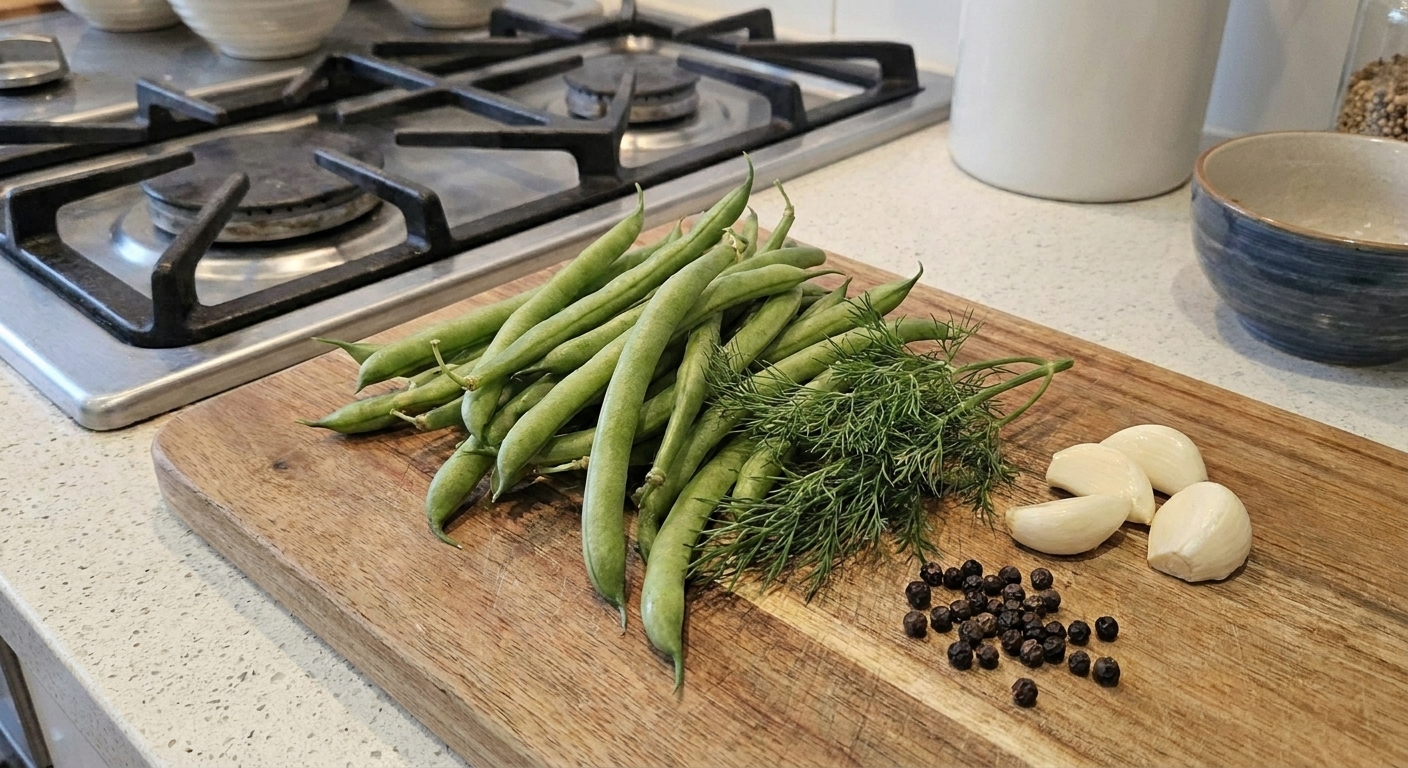
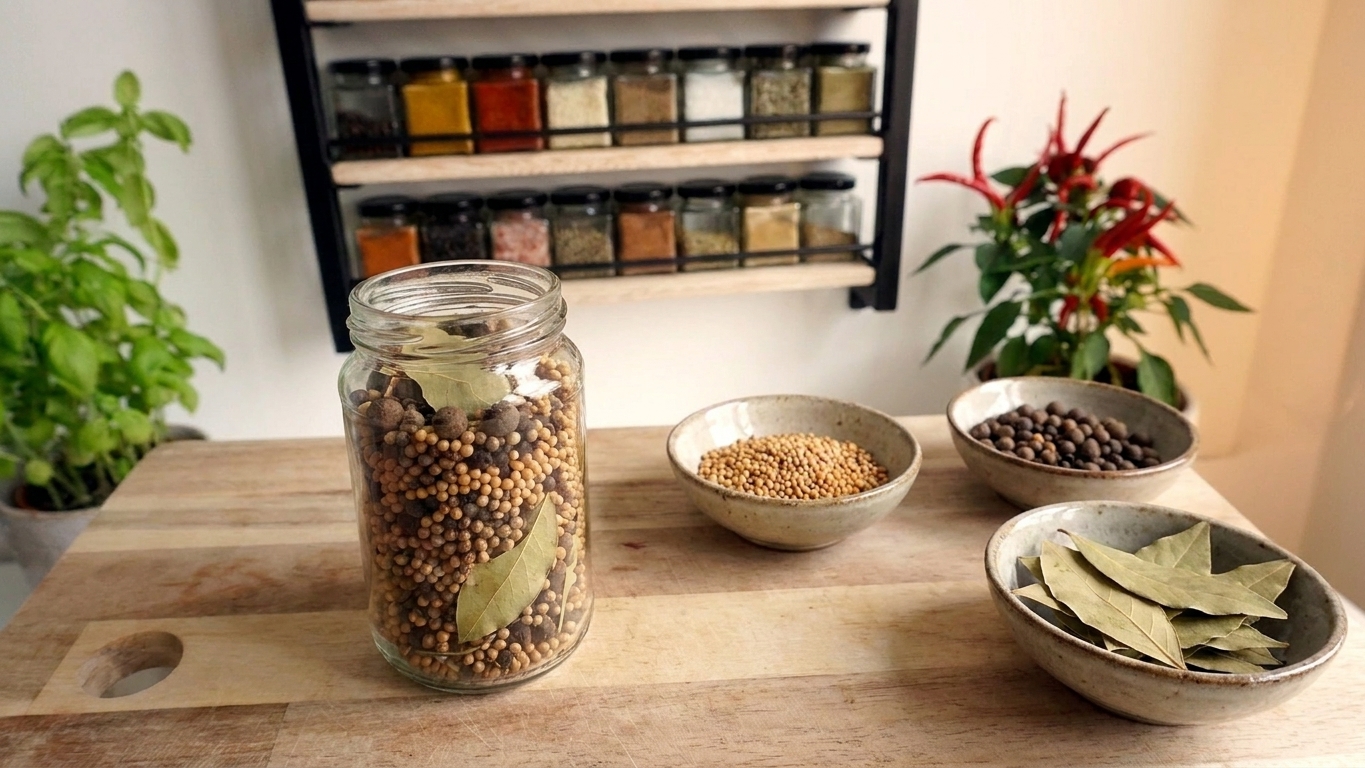
Fresh green beans, dill sprigs, garlic cloves, and peppercorns arranged on a cutting board in a home kitchen

Why It Works

  • Bright, garlicky dill flavor with a classic vinegar tang that wakes up anything it touches.
  • Snappy texture thanks to a quick blanch, an ice bath, and cooling the brine so it does not overheat the beans.
  • Flexible heat options, from kid-friendly to spicy bar-snack energy.
  • Fast and low-drama, with no canning gear or special jars required.

Pairs Well With

Storage Tips

How to Store Dilly Beans

Keep dilly beans in the refrigerator in a tightly sealed jar. For best crunch and bright flavor, aim to finish them within 2 weeks. Many refrigerator pickles can last closer to 3 to 4 weeks with clean handling, but quality will drop over time.

When in doubt, toss them. Discard if you see mold, the brine turns slimy, you notice fizzing or pressure when opening, or anything smells off.

Crunch insurance

  • Keep beans submerged under the brine to prevent soft spots and discoloration. If needed, tuck a small piece of onion or a folded dill sprig on top to help hold them down.
  • Use clean utensils when grabbing beans. Fingers introduce stuff that can shorten shelf life.
  • Store cold toward the back of the fridge where temperature is steadier.

Do not freeze. The texture will go soft when thawed.

Common Questions

How long do dilly beans need in the fridge?

You can start eating them after 24 hours for a lighter, fresher pickle. They taste more like a true dilly bean after 48 to 72 hours. Peak flavor is usually around day 3 to day 7.

How do I keep refrigerator dilly beans crisp?

Three things matter most: fresh beans, a quick blanch, and chilling fast so the beans do not sit around warm. Old beans go limp no matter how perfect your brine is. Also, avoid essentially cooking the beans in the jar. That is why I like a short blanch, a thorough ice bath, and brine that is no longer piping hot before you pour it.

Do I have to use pickling salt?

No. Kosher salt works great. Just avoid iodized table salt if you can because it can taste harsher and sometimes makes brine look cloudy. Also note: kosher salt crystals vary by brand, so using the gram measurement is the most consistent way to get the salt level right.

Can I use apple cider vinegar instead of white vinegar?

Yes. Apple cider vinegar gives a rounder, slightly sweeter tang. Keep the acidity strong by using 5% acidity vinegar and do not dilute beyond what the recipe calls for.

Why are my beans limp?

Common culprits: beans that were not super fresh, beans that got too much heat from a very hot brine, or beans that sat warm for too long before refrigerating. Next batch, blanch briefly, ice bath thoroughly, and let the brine cool a bit before it hits the jar.

Is this safe without canning?

For refrigerator storage, yes, as long as you keep the jar cold and use clean handling. This recipe is not written for shelf-stable pantry storage. Discard the jar if you see mold, smell anything funky, notice fizzing, or the brine turns slimy.

Why is my brine cloudy?

A little cloudiness is usually harmless and often comes from spices, garlic, or salt choice. Iodized salt can make it cloudier. Sediment at the bottom is normal with mustard seed and peppercorns.

I started making dilly beans for the same reason I started making quick pickles in general: I wanted my sandwiches to stop being so polite. A crunchy, garlicky bean tucked next to a turkey sandwich is basically a built-in side dish and a mood boost. Also, I am not above standing at the fridge at midnight eating “just one more” straight from the jar. Dilly beans make that dangerously easy.